ECM Performance — Diesel ECM Programming
IndustryVocational Service

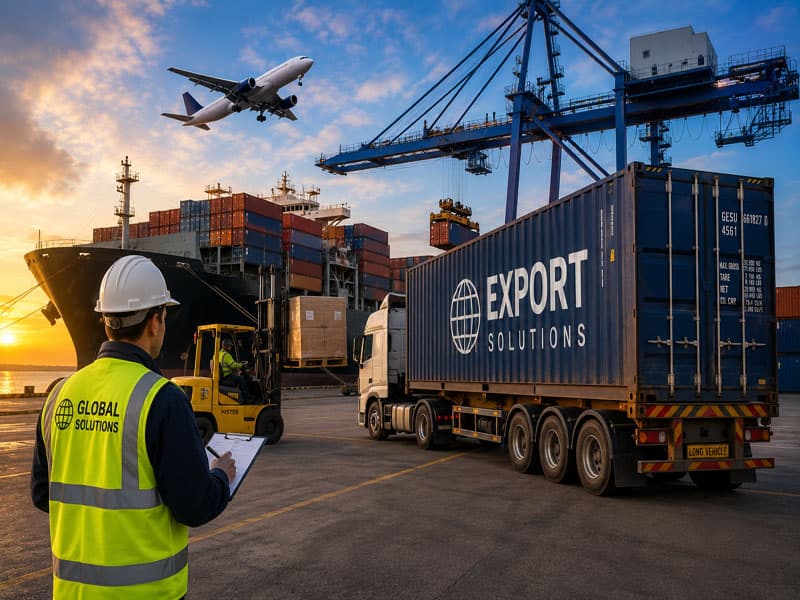
Export & International Fleets

Trucks bound for Latin America, Caribbean, Africa, and Asia where high-sulfur diesel and absent DEF infrastructure make US-spec aftertreatment a liability.

  • Tired of fault codes & derate? Call us now.
  • Stuck in regen failures? We can stop it.
  • 2-3 days from ship-in to back on the road.
  • 10,000+ ECMs across 38 countries.
Export International Fleets diesel ECM tuning and programming image
Known Problem Patterns
  • High-sulfur fuel destroying DPF/SCR within months
  • DEF unavailability triggering inducement
  • No dealer service network for aftertreatment

Why Export Trucks Need Specific Preparation

US-spec commercial diesels operating in international markets face operational realities that the original US-market emissions calibrations were never designed to handle. Fuel quality across Latin America, the Caribbean, Africa, and parts of Asia varies dramatically — high-sulfur fuel that destroys DPF substrates and SCR catalysts within months of arrival. DEF supply chains that don't exist outside major urban markets in destination countries. Dealer service infrastructure that's often non-existent for specific US-spec engine platforms. And operational reality where the truck failing in the destination market is a major operational and financial event for the end user.

Export preparation work centers on calibration changes that adapt the truck to its destination operational reality before it ships. Combined DPF, EGR, and SCR delete preparation for trucks bound for markets where the aftertreatment infrastructure doesn't exist. Calibration adjustment for the fuel quality the truck will actually operate on. Documentation appropriate for customs requirements in destination countries. The work transforms a US-spec truck into a truck ready to deliver years of operational service in markets that the original US calibration would have stranded within months.

What Export Customers Actually Face

High-sulfur fuel destroys aftertreatment systems. Standard ULSD (Ultra Low Sulfur Diesel) at 15 ppm sulfur exists primarily in North America, Europe, and parts of Asia. Across much of the rest of the world, diesel sulfur content ranges from 50 ppm to 500 ppm to 5,000 ppm and higher. DPF substrates and SCR catalysts degrade rapidly under high-sulfur fuel exposure — typically months to a year before catastrophic failure, depending on operational tempo.

DEF supply chain doesn't exist in many destination markets. Diesel Exhaust Fluid distribution infrastructure is concentrated in markets that have adopted SCR-based emissions architecture. In markets without that infrastructure, sourcing DEF becomes operationally impractical. Trucks built around SCR/DEF requirements simply can't operate sustainably in those markets without aftertreatment hardware removal.

Dealer support varies dramatically by market. Cummins has fairly broad international dealer coverage. Detroit Diesel coverage is more limited internationally. Paccar (Kenworth, Peterbilt) and Caterpillar have specific regional patterns. MaxxForce and Mack have limited international support outside specific regions. The dealer support reality affects which US-spec trucks make practical sense for which destination markets.

Operational conditions vary widely. Mining operations in Chile, oilfield service in Mexico, logging in Brazil, construction in West Africa, heavy-haul in the Middle East — each represents different operational conditions that affect appropriate calibration approach beyond just the standard delete preparation.

What Export Calibration Work Includes

Combined DPF, EGR, and SCR delete preparation is the foundation of most export calibration work. The calibration is rewritten so the ECM stops expecting aftertreatment systems to be present, paired with appropriate hardware kits that the destination operator will install after the truck arrives. Calibration is verified across the full operational envelope the destination operation will see.

Fuel-quality calibration adjustment matches the destination market reality. Injection timing, fuel pressure targets, and combustion parameters are adjusted for the higher-sulfur fuel the truck will actually operate on. This protects fuel system components and extends operational life under the destination fuel reality.

For dealer and broker partners moving used US-spec trucks into export markets, batch programming work across inventory cycles is the standard operational pattern. NDAs are routine, fleet pricing applies at typical volume thresholds, and recurring relationships typically batch work efficiently across inventory acquisition and resale cycles.

Export Operational Reality

Export trucks are typically used trucks acquired by international buyers either through direct purchase from US fleet sellers or through dealer and broker intermediaries. The trucks ship via container or roll-on/roll-off (Ro-Ro) vessel to destination port, then enter the destination market through whatever local distribution channel exists. Once in the destination market, the truck typically faces years of operational service in conditions that the original US-spec calibration would have stranded within months. Export preparation calibration work is what makes that operational continuity possible.

We work extensively with US-based exporters, international dealer partners, and end-user buyers in Latin America, the Caribbean, and selected markets in Africa and the Middle East. Documentation requirements vary by destination country; we work with customers to provide whatever documentation supports the destination customs process.

Service Paths For Export Programming

Ship-in is the most common path. Pull the ECM, ship to Fort Lauderdale, 2-3 day programming turnaround. For South Florida customers, on-site service handles the truck directly — many export-bound trucks transit through South Florida ports including Port Everglades and Port of Miami, which makes on-site programming geographically convenient before container loading.

Quotes return same business day. Tell us the year, the engine, the trucks involved, the destination market, and any specific calibration requirements for the destination operational situation. For exporters and brokers batching programming work across inventory, fleet pricing applies and scheduling coordinates with shipping windows. South Florida's port infrastructure makes Fort Lauderdale a natural staging point for many Latin America and Caribbean shipments.
⏵ Truck down? Fleet stalled?

Export & International Fleets Fleet — Get Your Trucks Back On Revenue

Tell us your fleet mix and current pain. Same-day quote, fleet pricing, NDA available.

Engines Common In This Industry

Export & International Fleets Engine Platforms

The most common engines we see on these trucks. Click through for platform-specific calibration notes.

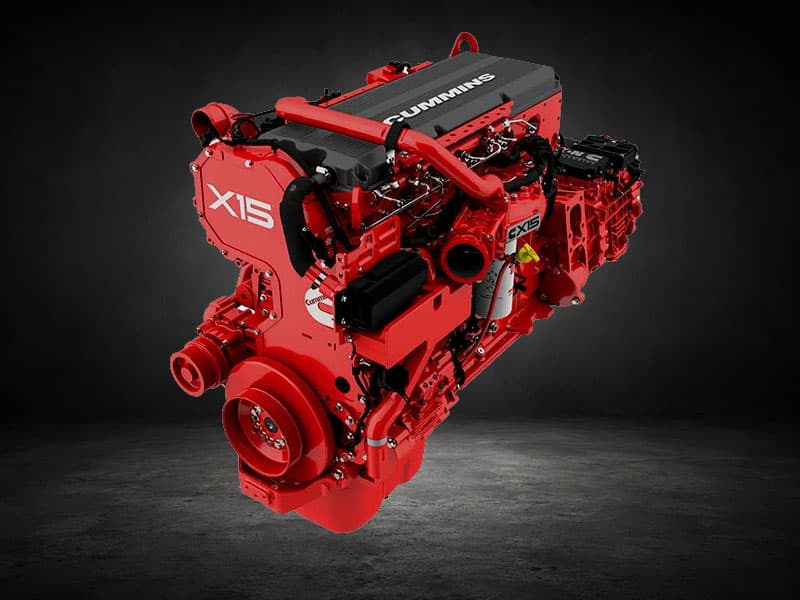
Cummins X15 diesel ECM tuning and programming image
Cummins
2017–present

X15

Displacement
15.0L inline-6
Horsepower
400–605 hp
Common in: Freightliner Cascadia, Kenworth T680, Kenworth T880, Kenworth W900
View X15 Details
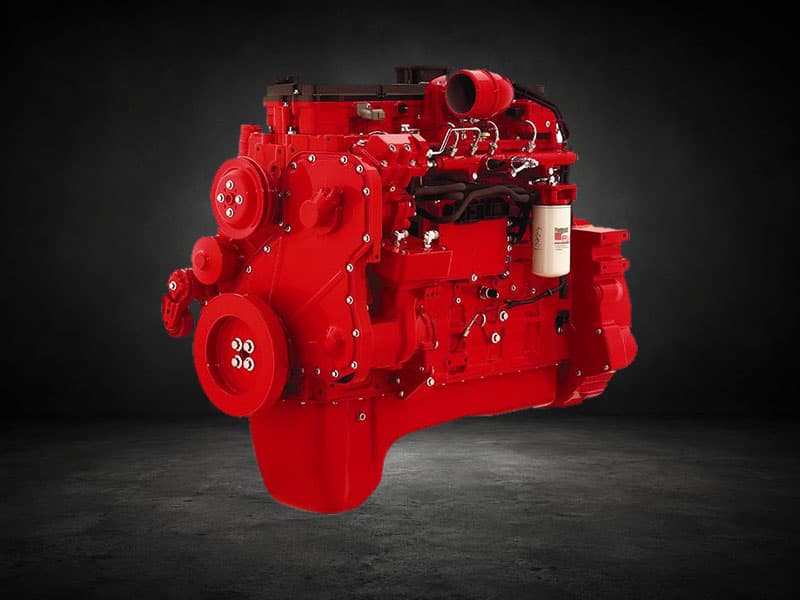
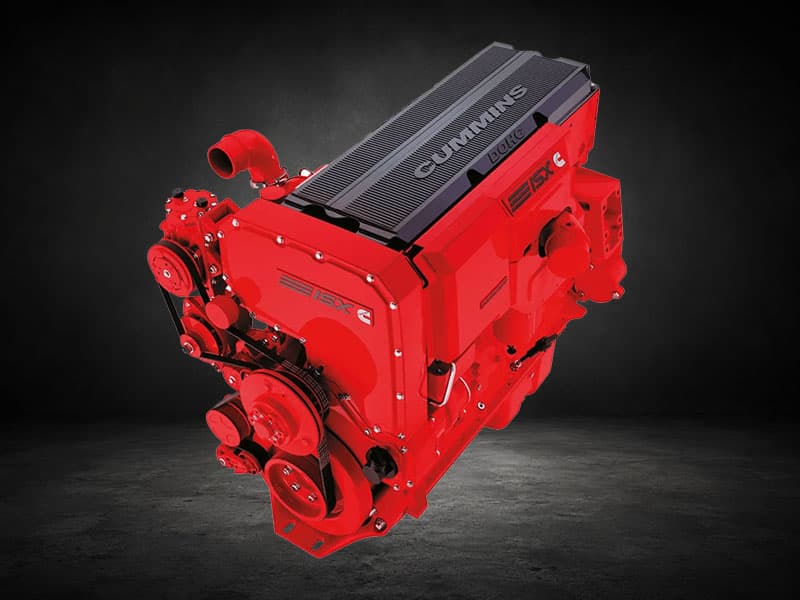
Cummins Isx diesel ECM tuning and programming image
Cummins
2010–2016

ISX

Displacement
15.0L / 11.9L inline-6
Horsepower
385–600 hp
Common in: Freightliner Cascadia (2010–2016), Kenworth T660, Kenworth T800, Peterbilt 386
View ISX Details
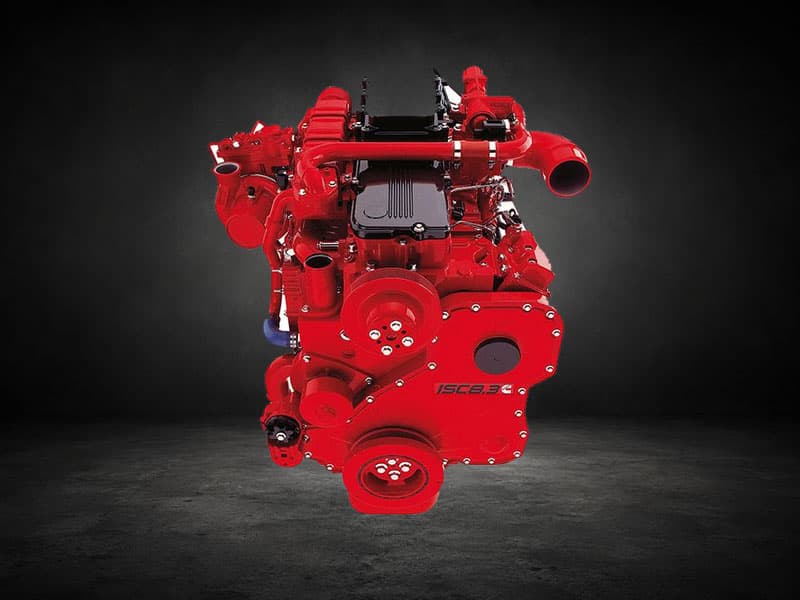
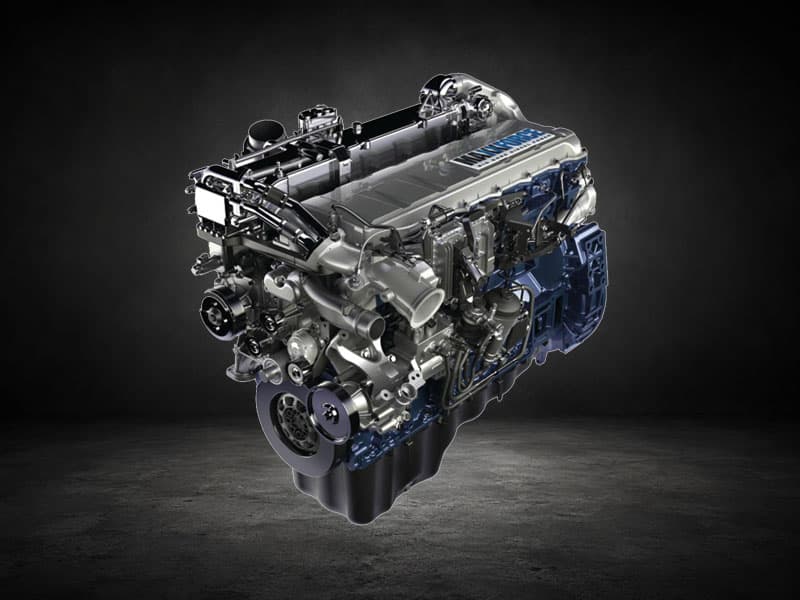
Cummins Isc 83 diesel ECM tuning and programming image
Cummins
2007–2016

ISC 8.3

Displacement
8.3L inline-6
Horsepower
240–400 hp
Common in: Freightliner M2 106, Kenworth T370, Peterbilt 337 / 348, International DuraStar
View ISC 8.3 Details
Cummins Isl9 diesel ECM tuning and programming image
Cummins
2010–2016

ISL 9

Displacement
8.9L inline-6
View ISL 9 Details
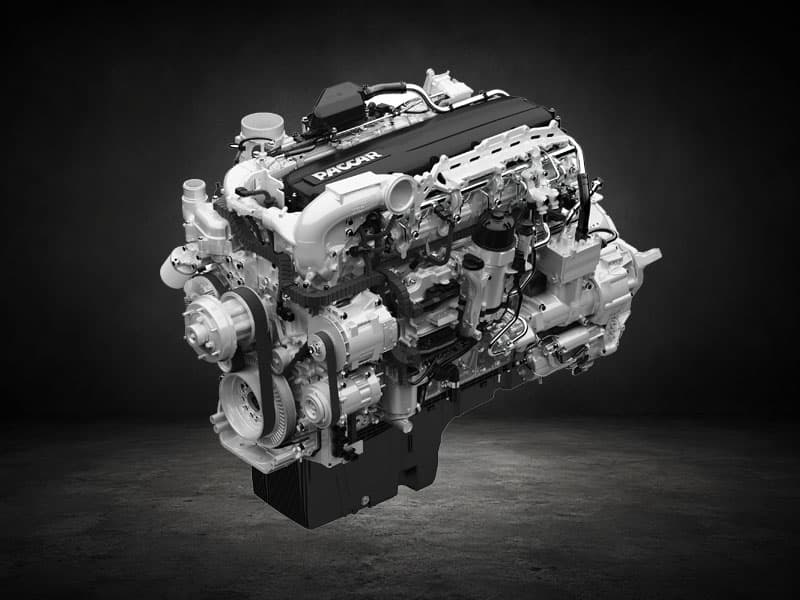
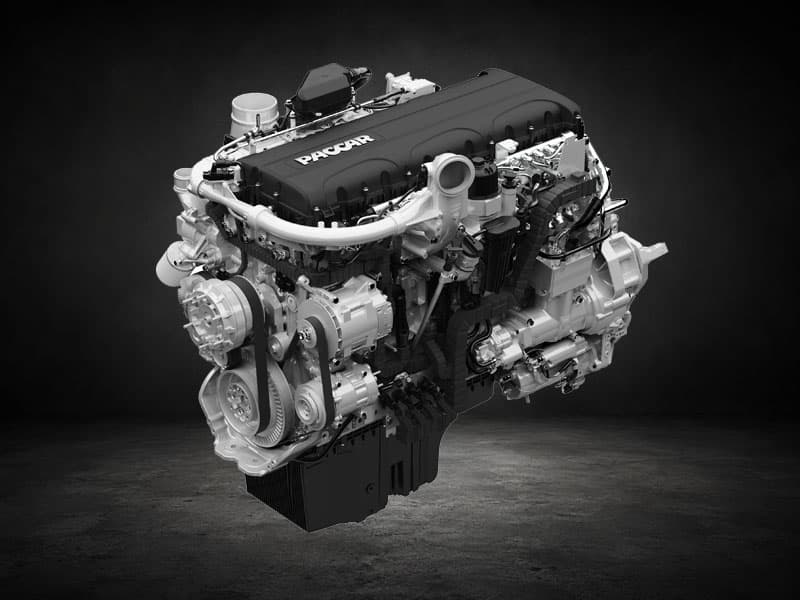
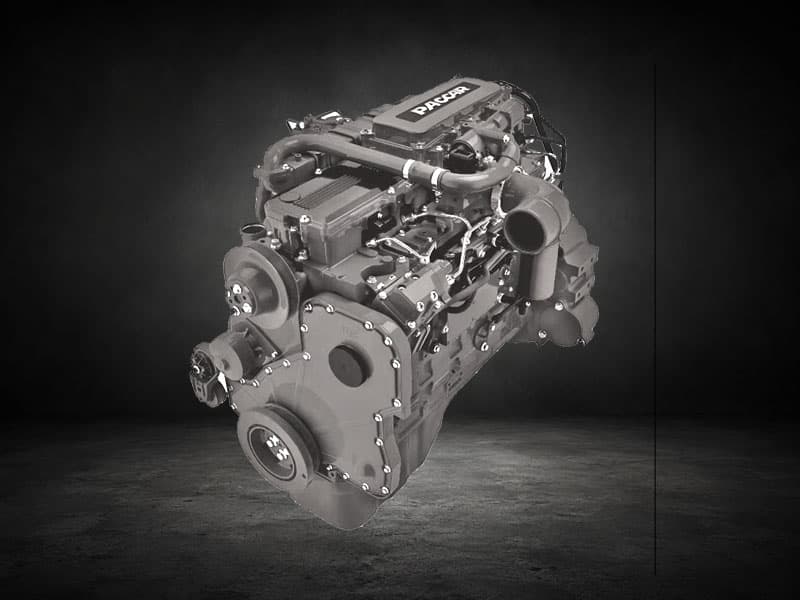
Paccar MX-13 diesel ECM tuning and programming image
Paccar
2013–present

MX-13

Displacement
12.9L inline-6
Horsepower
405–510 hp
Common in: Kenworth T680, Kenworth T880, Peterbilt 579, Peterbilt 567
View MX-13 Details
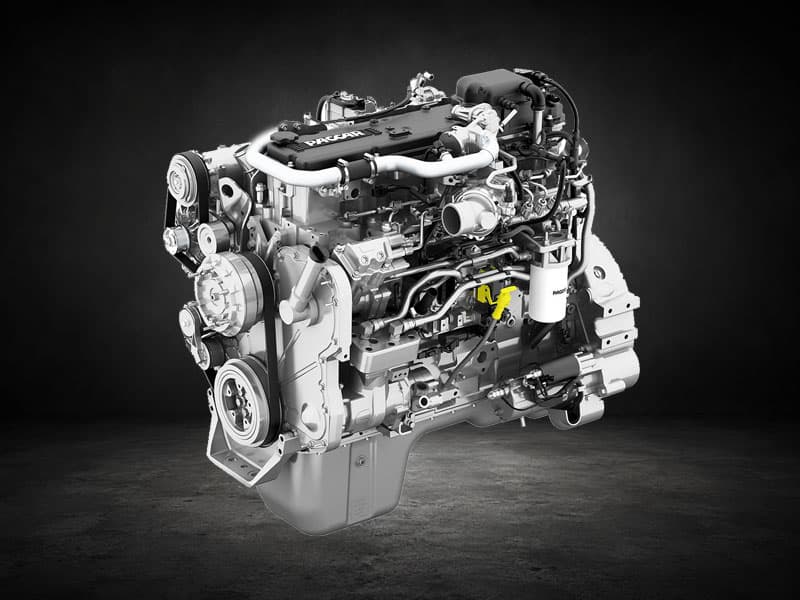
Paccar MX-11 diesel ECM tuning and programming image
Paccar

MX-11

Displacement
10.8L inline-6
Horsepower
355–430 hp
View MX-11 Details
Paccar Px8 diesel ECM tuning and programming image
Paccar

PX-8

Displacement
8.3L inline-6 (Cummins ISC variant)
View PX-8 Details
Paccar Px9 diesel ECM tuning and programming image
Paccar

PX-9

Displacement
8.9L inline-6 (Cummins ISL variant)
View PX-9 Details
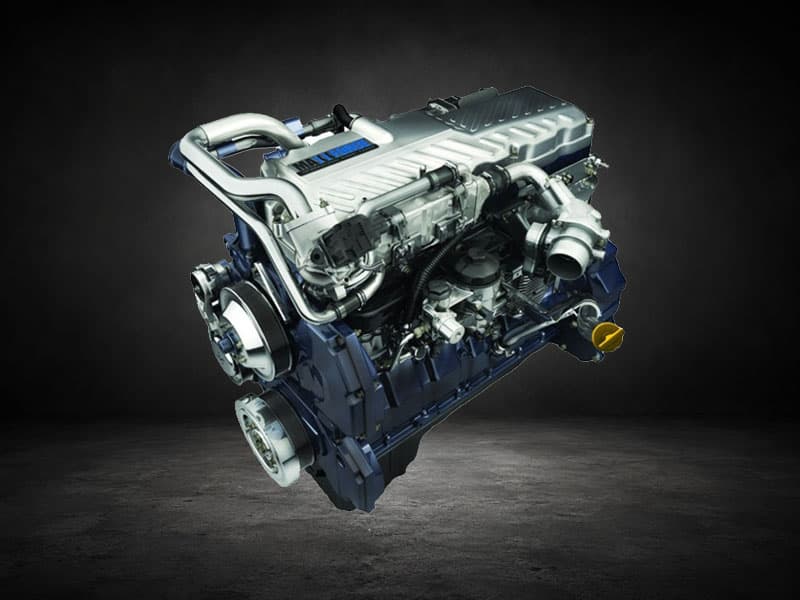
MaxxForce 11 diesel ECM tuning and programming image
MaxxForce
2007–2013

MaxxForce 11

Displacement
10.5L inline-6
Horsepower
330–390 hp
Common in: International ProStar, International TranStar, International PayStar, International 9000 series
View MaxxForce 11 Details
Maxxforce 13 diesel ECM tuning and programming image
MaxxForce
2008–2017

MaxxForce 13

Displacement
12.4L V8
View MaxxForce 13 Details
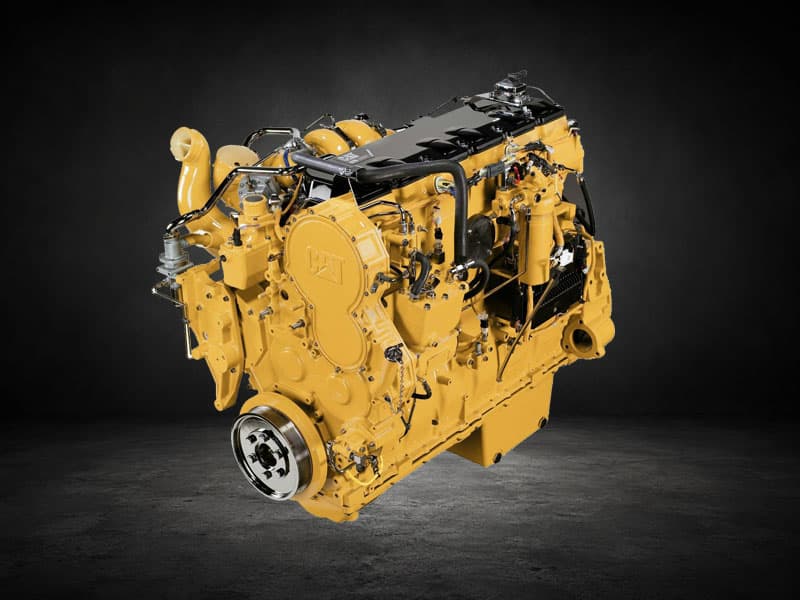
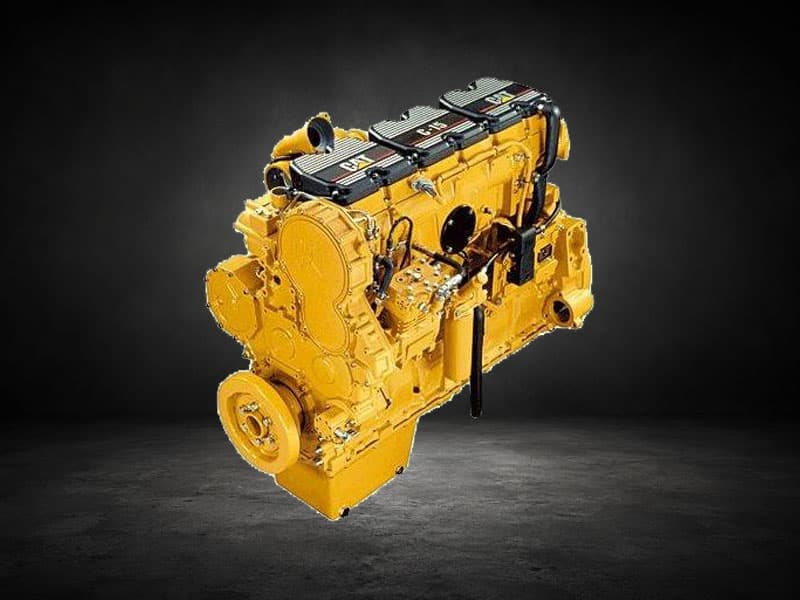
Cat C15 diesel ECM tuning and programming image
Caterpillar
2002–2009 (on-highway)

C15

Displacement
15.2L inline-6
View C15 Details
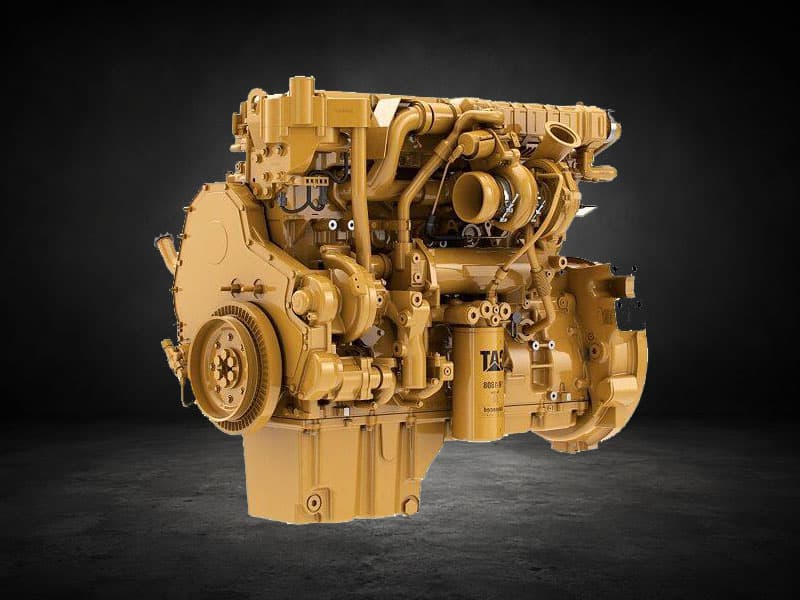
Cat C13 diesel ECM tuning and programming image
Caterpillar

C13

Displacement
12.5L inline-6
View C13 Details
Cat C16 diesel ECM tuning and programming image
Caterpillar
1999–2009 (on-highway)

C16

Displacement
15.8L inline-6
Horsepower
475–600 hp
Common in: Peterbilt 379, Peterbilt 359, Kenworth W900, Kenworth T800
View C16 Details
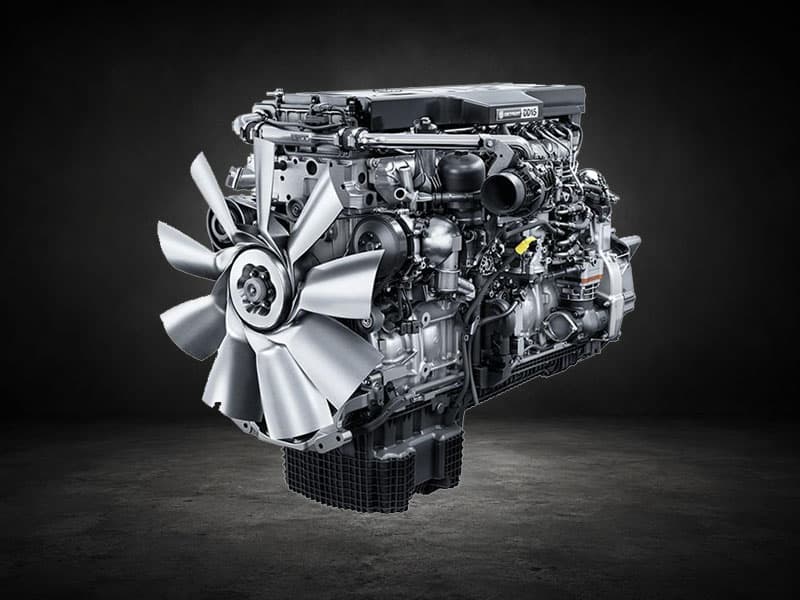
Detroit Diesel DD15 ECM tuning and programming image
Detroit Diesel
2007–present

DD15

Displacement
14.8L inline-6
Horsepower
400–505 hp
Common in: Freightliner Cascadia, Freightliner Coronado, Western Star 4900, Western Star 5700
View DD15 Details
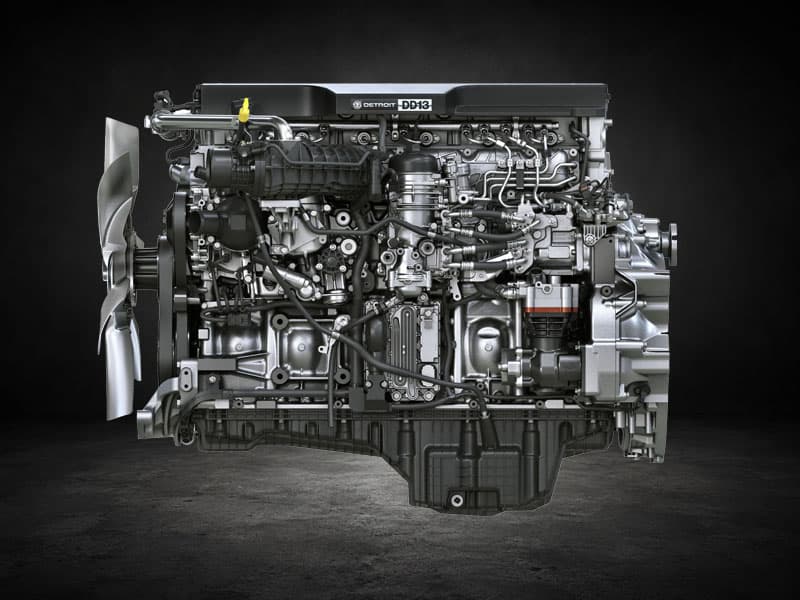
Detroit Diesel DD13 ECM tuning and programming image
Detroit Diesel
2008–present

DD13

Displacement
12.8L inline-6
Horsepower
350–505 hp
Common in: Freightliner Cascadia, Freightliner M2 112, Freightliner Coronado
View DD13 Details
Customer Stories

Export & International Fleets Outcomes

2014 Peterbilt 579
Paccar MX-13

Got the ECM back in a week — including shipping from South Africa to the US and back. 100,000 km later, still running strong.

The Problem

Brand-new 579 with MX-13 power for coast-to-coast South African long-haul. Ongoing derates, check-engine lights, and total shutdowns. Dealer and local service offered only temporary, expensive 'solutions' that didn't hold.

Outcome

Shipped the ECM to Florida from South Africa. Programmed and returned within a week including both-way international shipping. 100,000 km of trouble-free operation since.

Pete Z.
Long-haul trucker — South Africa
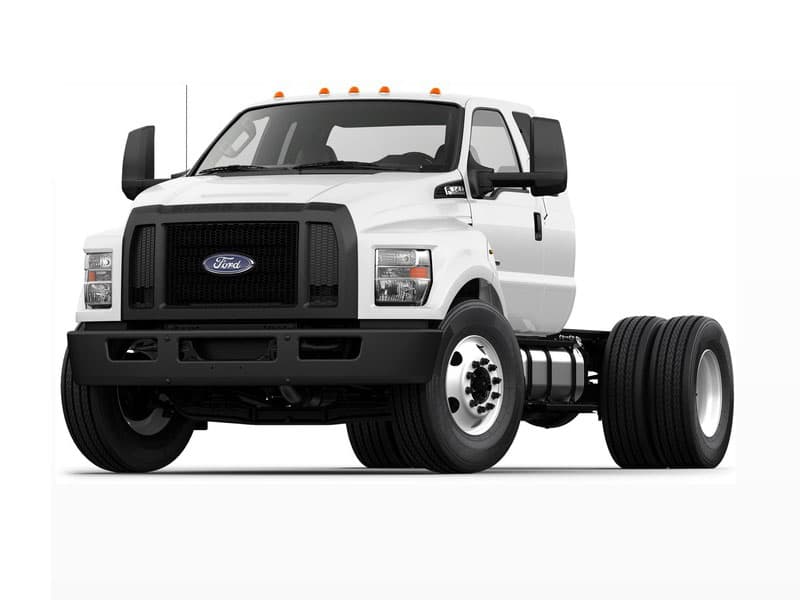
Three new 2012 Ford F-750s
Cummins ISB 6.7

End user removed the DPF and is now very happy with these latest trucks. Sending three more ECMs from last year's delivery your way.

The Problem

Previous-year 2011 F-750 export trucks had ongoing shutdowns, red stop-engine lights, and check-engine lights once in service overseas. Local service identified high-sulfur diesel fuel as incompatible with the DPF aftertreatment.

Outcome

Transported the three 2012 trucks directly to ECM Performance before port shipment. Programmed same day. End user removed DPF and urea injection — happy with results. Sending three more ECMs from prior-year fleet for retrofit.

Carlos V.
Import / Export — trucks destined for South America
2008 Ford F-650 fire truck — 1,000+ service hours
Cummins ISB 6.7

6,000+ hours of smooth idling and no problems. God bless you guys.

The Problem

Two turbos replaced and the DPF filter cracked — truck no longer running. Manufacturer recommended international overnight shipment of the ECM to ECM Performance.

Outcome

One week turnaround for international shipment. Pulled DPF, replaced with straight pipe, plugged in reprogrammed ECM. Truck fired right up. 6,000+ hours of smooth-idling, problem-free operation since. Sending four more ECMs.

Corey D.
Fire service — Dalian, China
⏵ Truck down? Fleet stalled?

Get Your Export & International Fleets Fleet Back On The Job

Same-day quotes. 2–3 day ship-in turnaround. Remote programming worldwide. Fleet and dealer pricing available.

CallQuoteTicket