What ECM Programming Actually Is
The Engine Control Module is the computer that decides how your diesel runs. It reads dozens of sensors — boost pressure, fuel rail pressure, exhaust temperatures, soot loading, EGR position, DEF tank level — and tells the injectors, turbochargers, EGR valves, and aftertreatment systems what to do in response. Every behavior of the engine, from idle quality to peak power to limp-mode triggers, is defined by the calibration tables loaded into that ECM at the factory.
ECM programming means rewriting those calibration tables. We pull the existing software off the module, modify the tables that need changing, and write the updated calibration back. The hardware stays the same; the brain that runs it gets smarter, or different, or better suited to your operation. Done right, ECM programming is the highest-leverage maintenance work you can do on a modern diesel — it costs less than a single dealer visit and lasts the life of the truck.
Why Factory Calibrations Are Not Optimal Forever
OEM calibrations are conservative compromises. They have to satisfy EPA regulations, dealer warranty constraints, factory liability concerns, and the average use case across millions of trucks. They are not optimized for your specific application, your specific operating environment, or the actual age and condition of your hardware. Three patterns drive most of our programming work:
Aftertreatment failures. Trucks built between 2010 and present run increasingly complex emissions hardware that fails predictably as miles accumulate. Each failure throws fault codes; multiple failures trigger derates. Delete calibrations remove the dependency on hardware that no longer functions reliably in export and off-road applications.
Mismatched applications. A truck built for highway service often ends up in vocational use, and vice versa. Stock calibrations cannot anticipate the actual duty cycle your truck runs. Recalibration matches the engine's behavior to the work the truck actually does.
Performance and reliability tuning. Trucks pulling above stock weights or running at altitude benefit from torque-curve adjustments. Trucks that need to maximize fuel economy under specific load profiles benefit from injection timing changes. Both are calibration-only work.
What ECM Programming Can Address
We cover the full range of diesel ECM work — not just deletes. The most common job categories we handle:
- Aftertreatment removal — DPF, EGR, SCR/DEF delete calibrations for off-road and export applications
- Performance tuning — horsepower and torque adjustments for application-matched output
- VIN and serial matching — pairing ECMs to specific trucks after swap, replacement, or salvage rebuild
- Speed limiter removal or adjustment — for export and off-road applications where the factory governor does not apply
- Fault code clearing and disable — clearing inducement countdowns, disabling derate triggers on specific failed sensors
- PTO and accessory programming — calibrating PTO setpoints, fast idle, throttle response for vocational work
- Calibration recovery — restoring trucks bricked by dealer reflashes, failed updates, or corrupted modules
Platforms We Program
Our calibration libraries cover the dominant North American diesel platforms from 2007 forward, and some pre-2007 work where the customer needs it. The engines we touch most often:
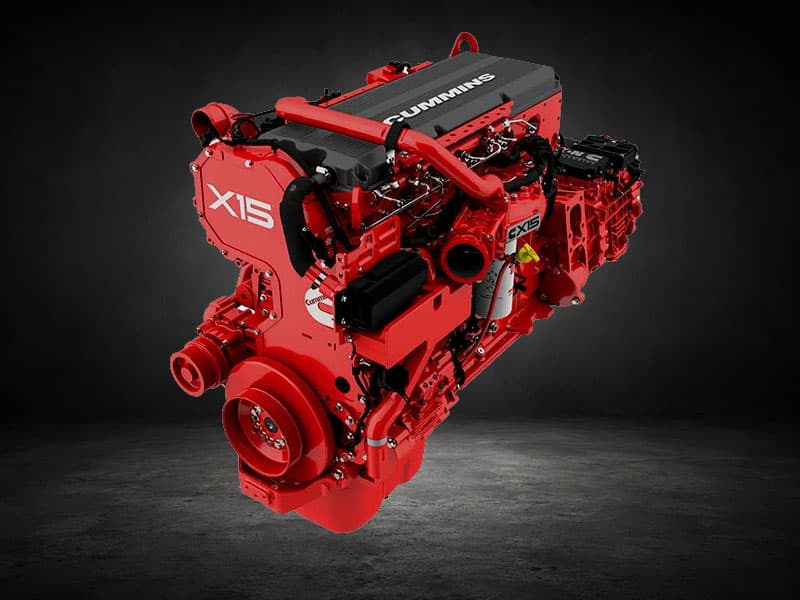
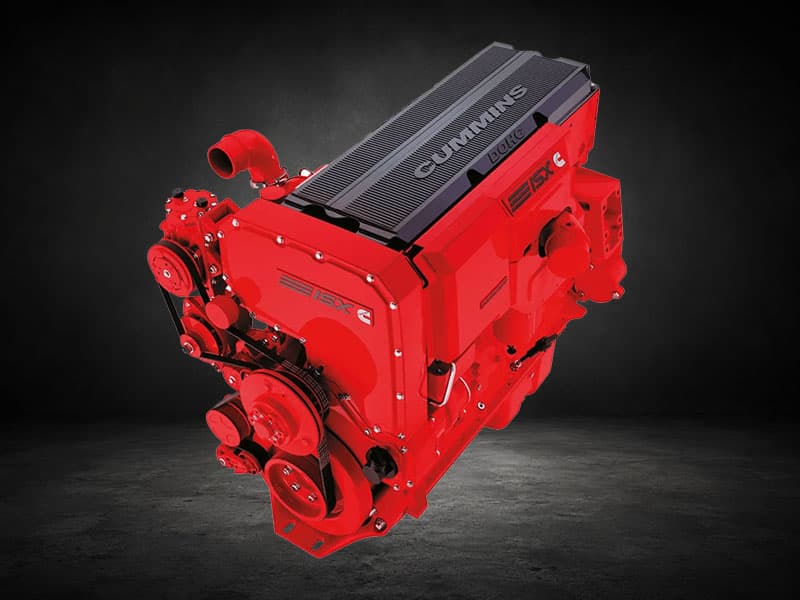
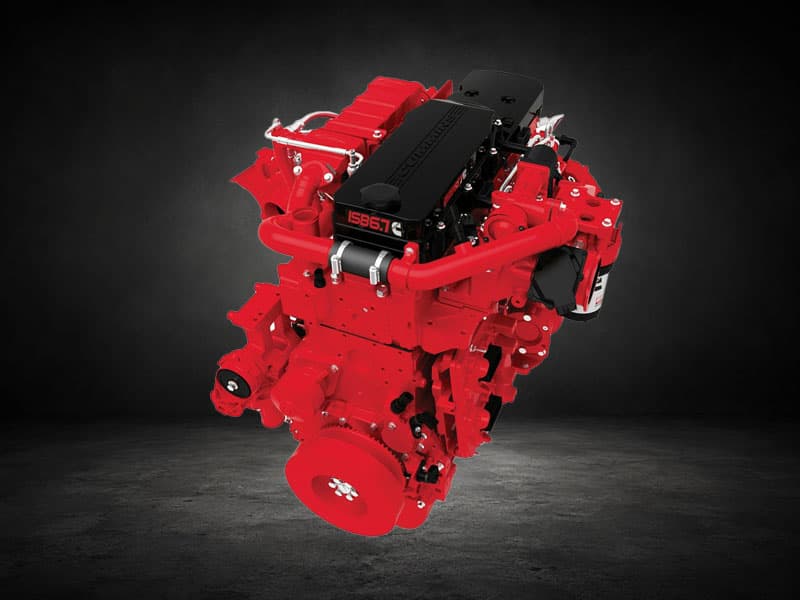
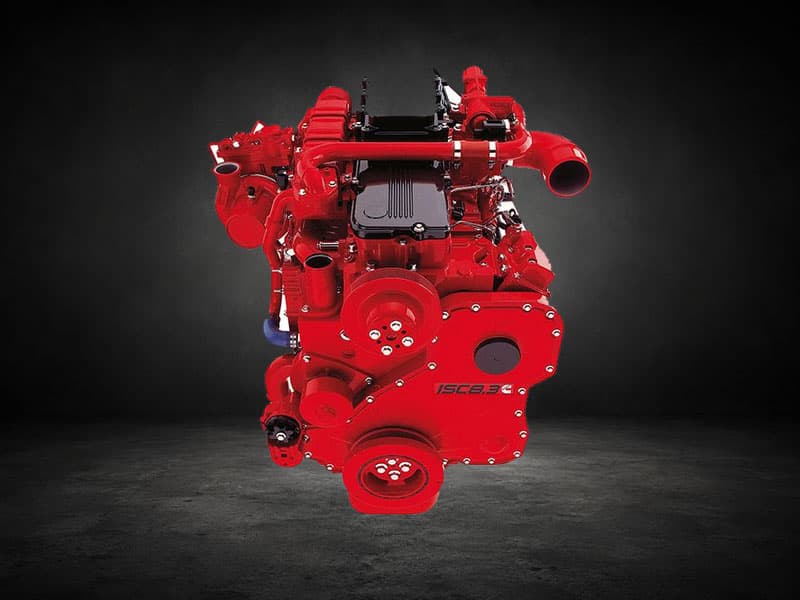
- Cummins — X15, ISX-15, ISX-12, ISB 6.7, ISC 8.3, ISL, ISL9, ISM. CM2350, CM2250, CM2150, and earlier ECM families.
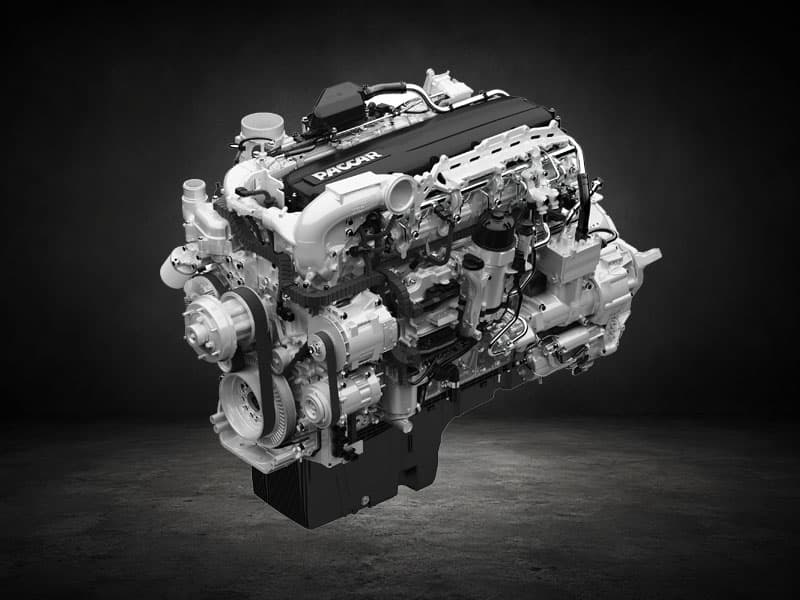
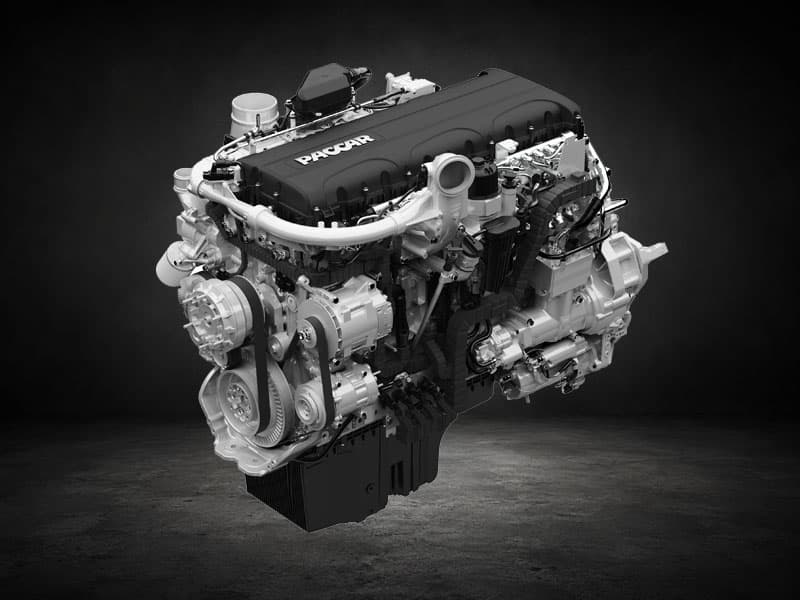
- PACCAR — MX-13, MX-11, PX-9, PX-8, PX-7, PX-6.
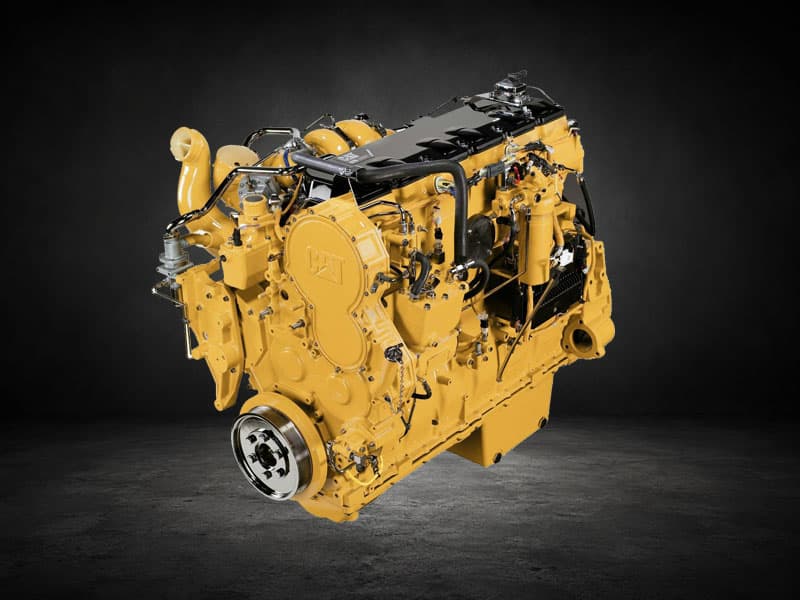
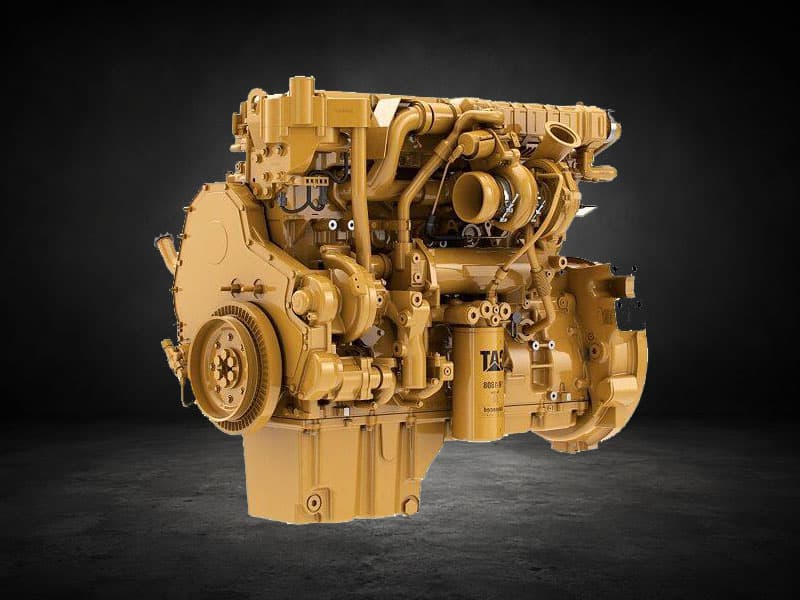
- Caterpillar — C15, C13, ACERT and pre-ACERT platforms.
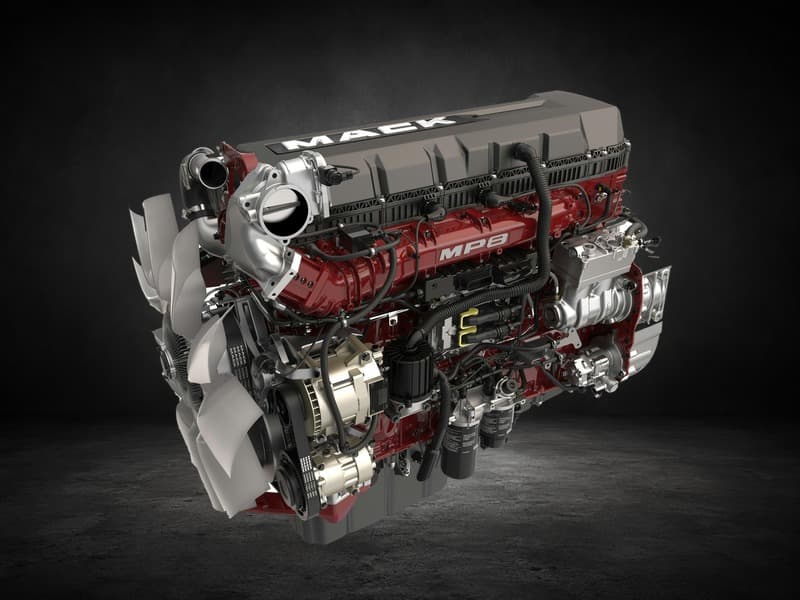
- Mack — MP7, MP8 platforms with V-MAC III/IV.
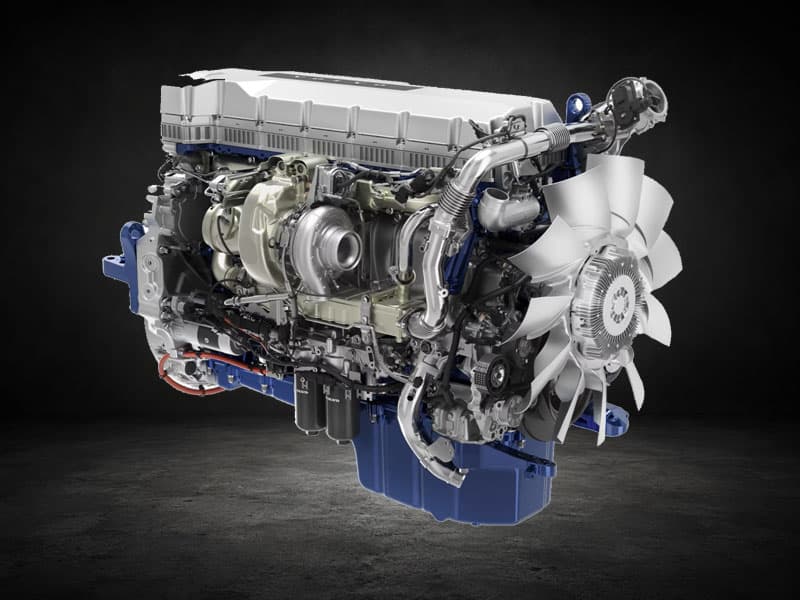
- Volvo — D11, D13, D16 with EMS2 and ACM3.
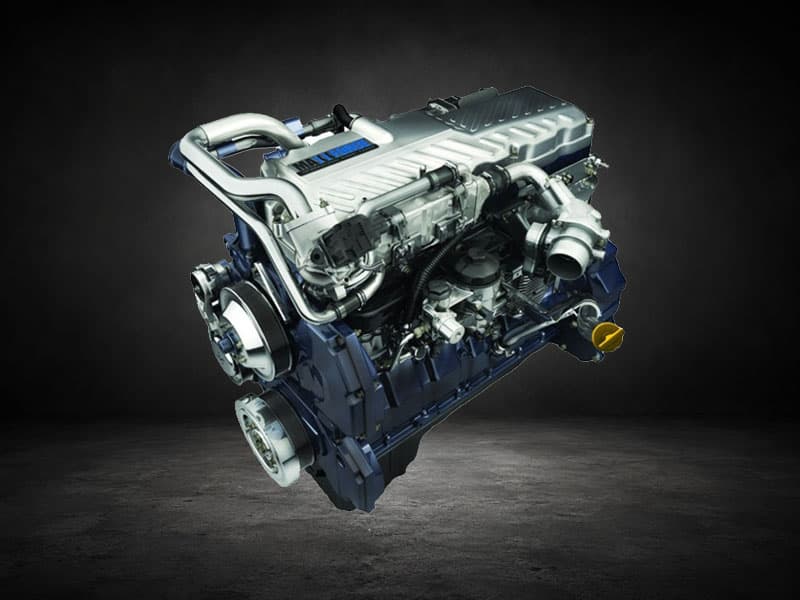
- Navistar MaxxForce — 13, DT, 9, 10. Including the early EGR-only architecture and later SCR variants.
- Detroit Diesel — DD13, DD15, DD16 (DDEC and ACM-equipped variants).
The Programming Process
Every programming job follows the same disciplined sequence regardless of which service path you take:
1. Information intake. We need the truck's VIN, engine serial number, current calibration ID, fault codes, and a description of what the truck is doing now and what you want it to do after the work. Either ship that information with the ECM or send it via the quote form.
2. ECM read and backup. Before any changes, we pull the existing software off the module and back it up. If anything goes wrong at any point, the original calibration can be restored.
3. Calibration build. The actual programming work — modifying tables, writing new logic for aftertreatment removal, adjusting fuel and timing maps for performance work. This is where the calibration library and tech experience matter most.
4. Write and verify. The new calibration is flashed to the ECM. The module is checked for errors, calibration ID is confirmed, and the unit is bench-tested where applicable.
5. Return and install. The programmed ECM ships back to you (ship-in) or the truck is back on the road within the session (remote / on-site). Most programming jobs are completed within 2–3 business days end to end.
Why Work With ECM Performance
We are a Fort Lauderdale-based diesel ECM specialty shop. We do not sell trucks, we do not sell parts, and we do not have a service department running unrelated repairs. What we do is calibration work — ECM programming for diesel engines, full stop. That focus is the point. The calibration libraries we maintain, the platform knowledge our techs have developed, and the recovery techniques we use when something is wrong with a customer's module all come from doing this and only this for years.
Programming has been programmed across more than ten thousand ECMs and thirty-plus countries to date. Most of that work has been on Cummins and PACCAR platforms, but every major North American heavy-duty diesel is in our library. When you call, the person who answers either programs these modules personally or sits next to the people who do. We do not run an offshore call center — your tech is the same tech your truck ends up in front of.