Tow Operations Run A Specific Duty Cycle
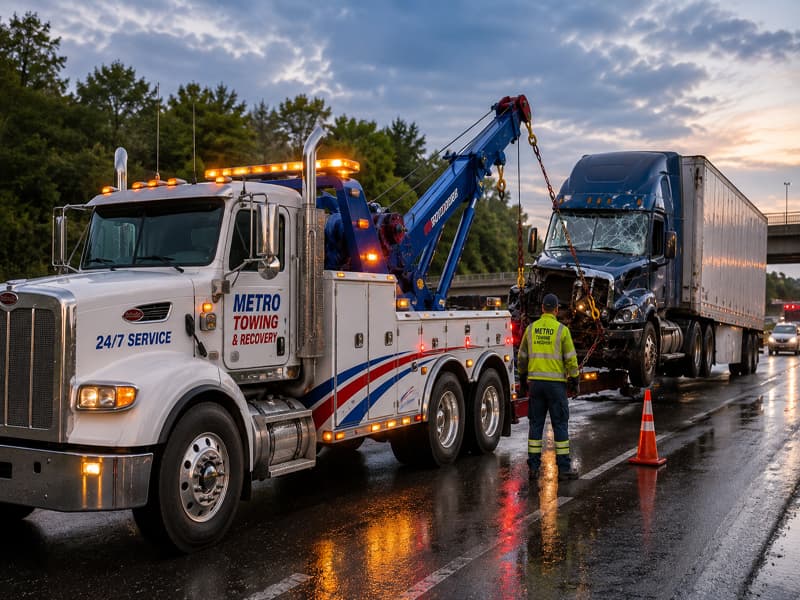
Towing and recovery operations run a duty cycle nothing else in trucking quite matches. Trucks dispatch on demand. They idle at the shop or at staging locations waiting for the next call. They run hard during recovery operations, often with extreme loads relative to their gross weight rating. They sit idle while operators work the recovery scene. They run the boom and hydraulic systems through extended PTO sessions during heavy-duty rotator work. The pattern is high idle, intermittent hard load, extended PTO, and routes that vary wildly based on where calls come in from.
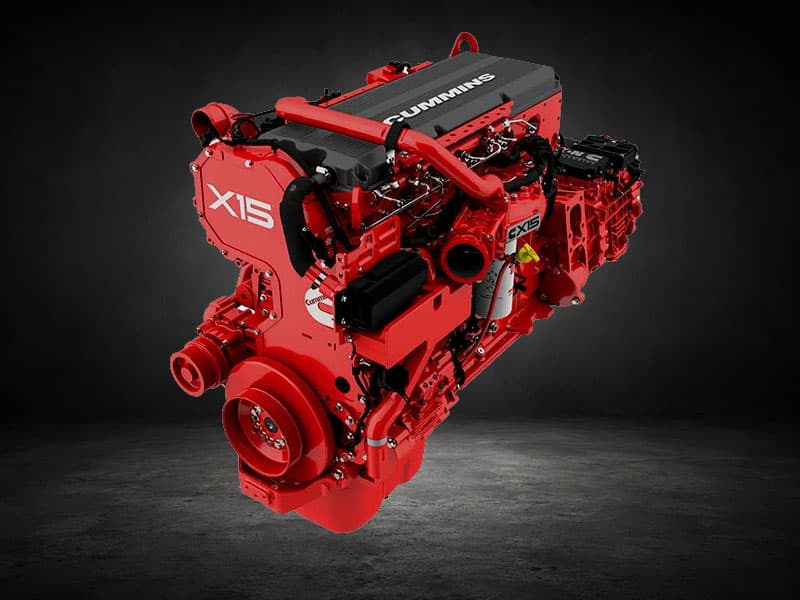
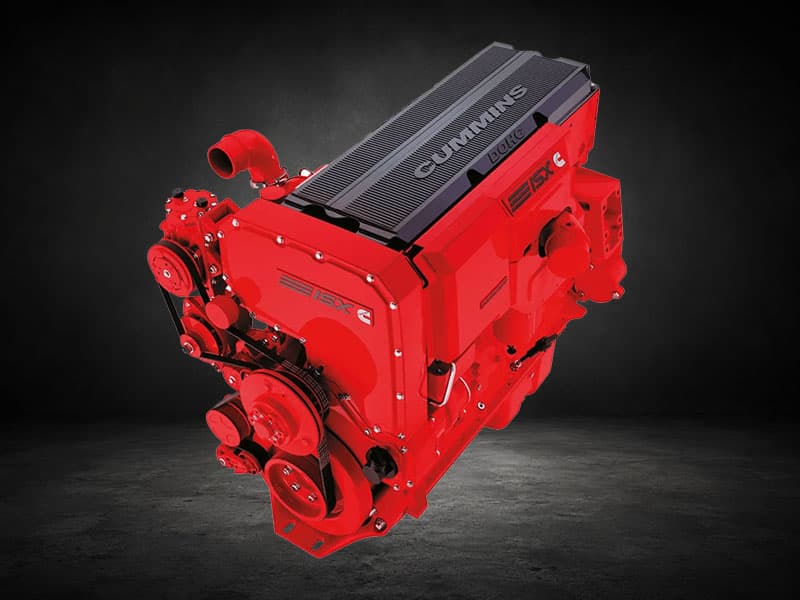
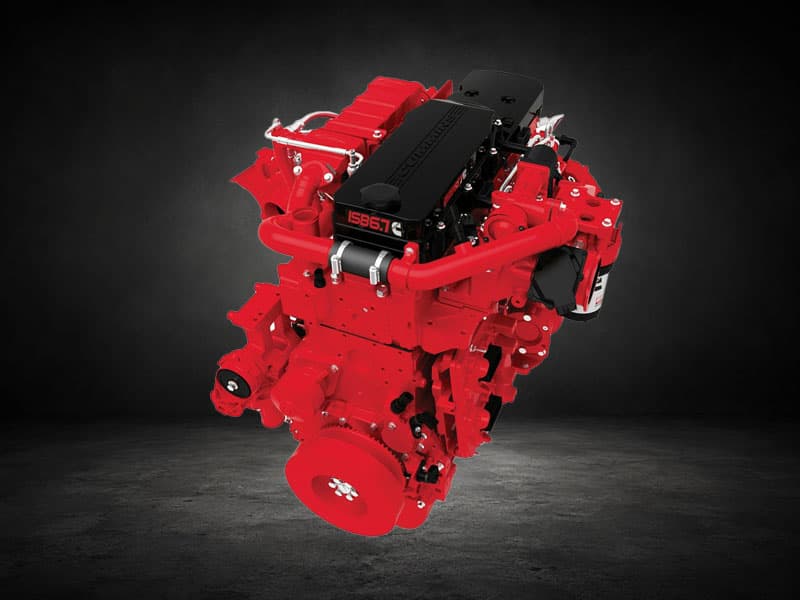
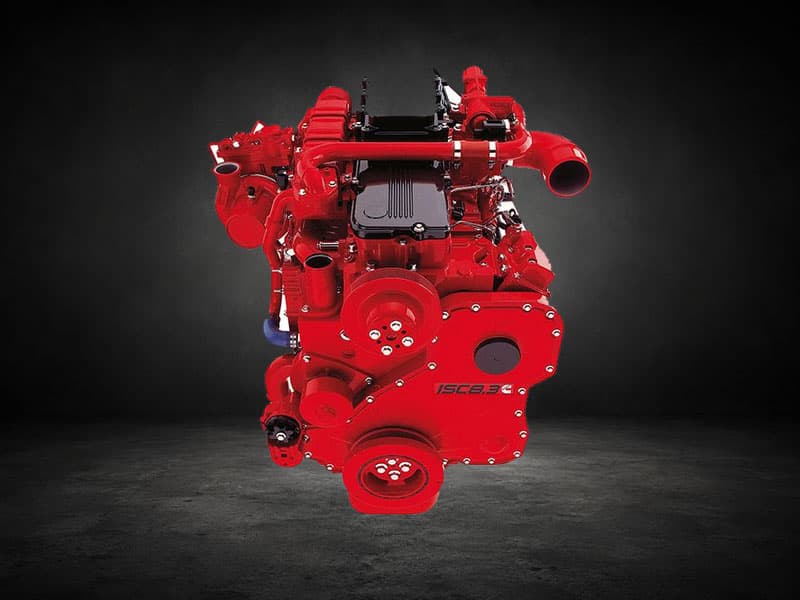
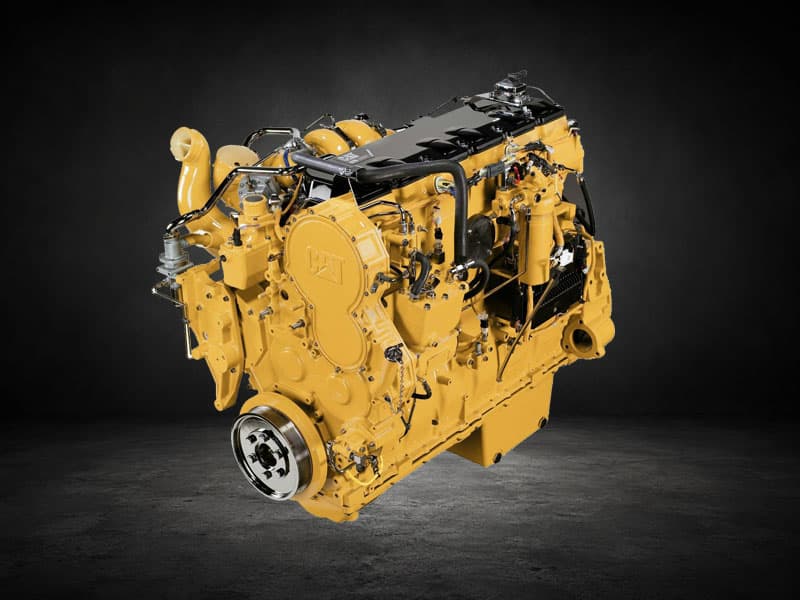
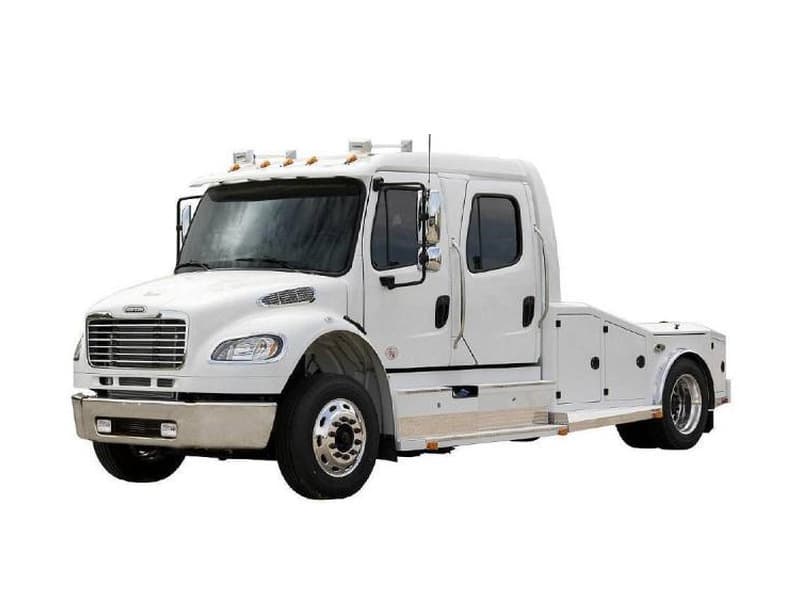
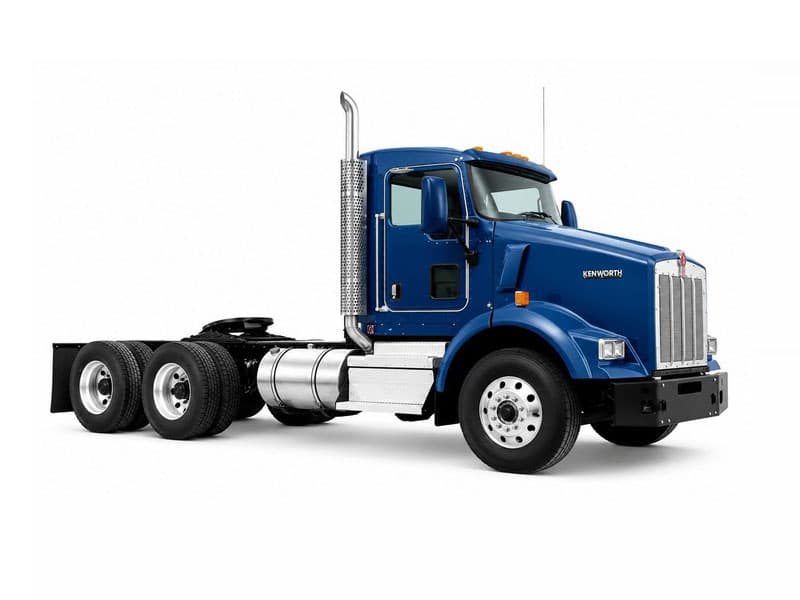
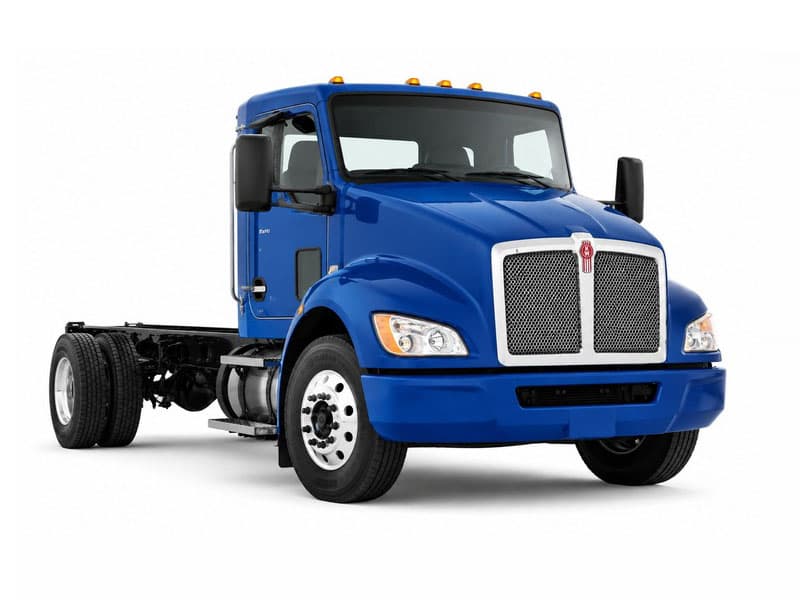
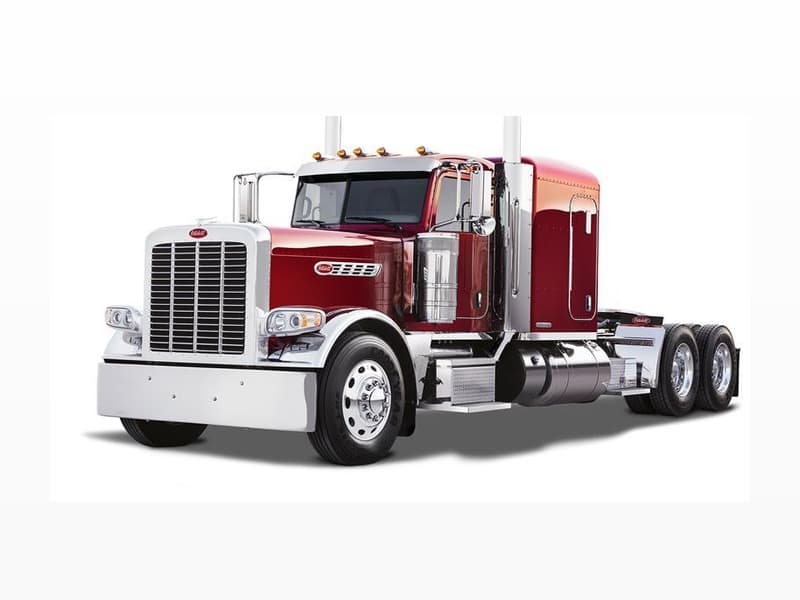
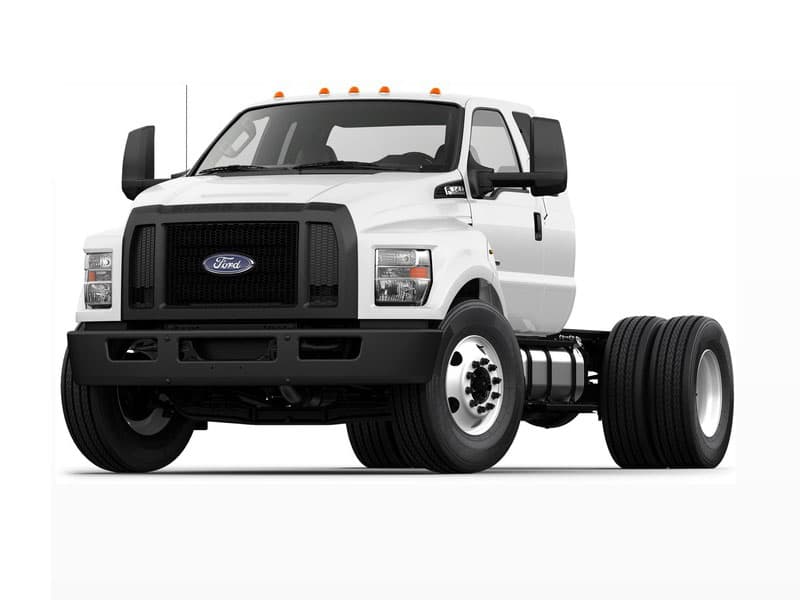
The medium-duty side of the operation — Ford F-650 and F-750 wreckers, Freightliner M2 106 wreckers, Kenworth T370 medium-duty recovery — runs ISB 6.7 and ISC 8.3 Cummins power most commonly, sometimes Detroit DD13 on M2 chassis. The heavy-duty side — rotators, heavy wreckers on Class 8 chassis like Kenworth T800, Peterbilt 389, Western Star 4900 — runs ISX, X15, and C15 power. Both ends of the tow truck market hit predictable aftertreatment issues, though for different specific reasons.
What Happens To Tow Trucks That Sit Too Much
Idle-heavy duty cycle never clears DPF soot loading. Tow trucks idle. They idle at the shop. They idle at staging locations. They idle at recovery scenes while operators work. The DPF accumulates soot during idle and never gets to passive regen temperature to clear it. The ECM eventually triggers active regen, but if the truck shuts down before the regen completes — which is common given the dispatch-driven nature of tow operations — the soot just gets reset and continues accumulating. Derate hits earlier than highway operation would predict.
Extended PTO during recovery operations destroys aftertreatment thermal expectations. Heavy rotator operations run the boom hydraulics for extended periods at variable engine load. The aftertreatment system's thermal management logic doesn't anticipate this duty cycle gracefully. The result is fault codes that don't represent real hardware failure and DEF dosing patterns that produce inducement countdowns at inconvenient times.
Storage shop standby produces DEF and battery management issues. Tow trucks that spend significant time in shop standby with batteries on tender accumulate cold-start patterns that stress DEF dosing and SCR pre-conditioning logic. The first hard run after extended standby often produces fault codes that don't appear on trucks that run more regularly.
Dispatch-driven uptime requirements make dealer-side aftertreatment service unaffordable. A tow operation that loses a truck for two weeks to dealer aftertreatment service loses real revenue. The economics of recurring dealer-side aftertreatment maintenance are particularly hostile to tow operations because the revenue model depends on truck availability at unpredictable moments.
What Calibration Work Does For Tow Operations
For tow operations that can designate their trucks as off-road service vehicles — which is a legitimate designation for some recovery operations depending on jurisdiction and use pattern — combined DPF and EGR delete eliminates the aftertreatment failure surface. The truck runs against its original performance map, the duty-cycle stress on aftertreatment hardware stops mattering, and uptime improves substantially.
For tow operations that need to maintain EPA-compliant on-road status — which includes most commercial tow operations — recalibration after aftertreatment hardware repair is what we provide. The hardware stays in place. The calibration gets restored to functional baseline after DEF doser replacement, NOx sensor replacement, or SCR catalyst service. This clears the inducement countdowns that would otherwise re-trigger faults within months of hardware repair.
Performance tuning is a frequent companion for heavy-duty recovery trucks. Recovery operations frequently exceed the stock calibration's design assumptions on load capacity. Calibration changes matched to recovery duty cycle deliver broader torque plateaus, sharper throttle response under variable load, and improved performance during boom hydraulic operation.
Service Options For Tow Operations
Tow operations vary in size from single-truck owner-operators to multi-yard recovery companies running 20+ trucks across multiple locations. The work scales to fit. For single-truck owner-operators, ship-in is the most common path — pull the ECM, ship to Fort Lauderdale, 2-3 day turnaround, ship back. For multi-truck operations, we work through the fleet in batches scheduled around dispatch patterns.
Remote programming works for tow operations with their own diagnostic hardware on staff. On-site service is available for South Florida tow operations — and we recognize the dispatch-driven nature of the business, so on-site work is scheduled around operational priorities rather than forcing the customer to bring trucks to us during peak dispatch hours.
Quotes return same business day. Tell us the truck mix (medium-duty wreckers, heavy-duty recovery, rotators, or mixed), the engine platforms, the typical operational pattern, and the operational pain points. The work follows the actual duty cycle, not the manufacturer's design assumptions.
Rotator And Heavy Recovery Specifics
Heavy rotator operations have specific calibration needs we've addressed across multiple chassis and engine platforms. The boom hydraulics, the stabilizer outriggers, the winch operations, and the load handling during recovery all stress engine and PTO systems differently than the calibration assumptions account for. Rotator-specific calibration work refines the engine response under these conditions, reduces nuisance faults during recovery operations, and improves operator confidence that the truck will perform when called.
For rotator operations particularly, the cost of an aftertreatment-related derate during a recovery scene is more than just truck downtime — it can mean a stranded recovery, additional equipment dispatched to complete the job, and reputational damage with the dispatcher or client. The calibration work that addresses the underlying duty cycle stress is worth the investment because it addresses the failure mode that creates the highest-cost operational disruption.