Freightliner's Heavy-Vocational Long-Hood
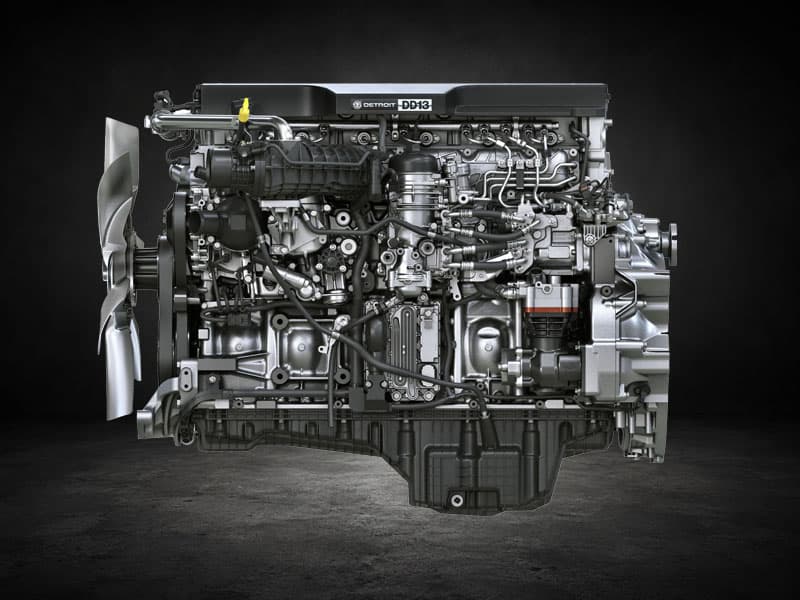
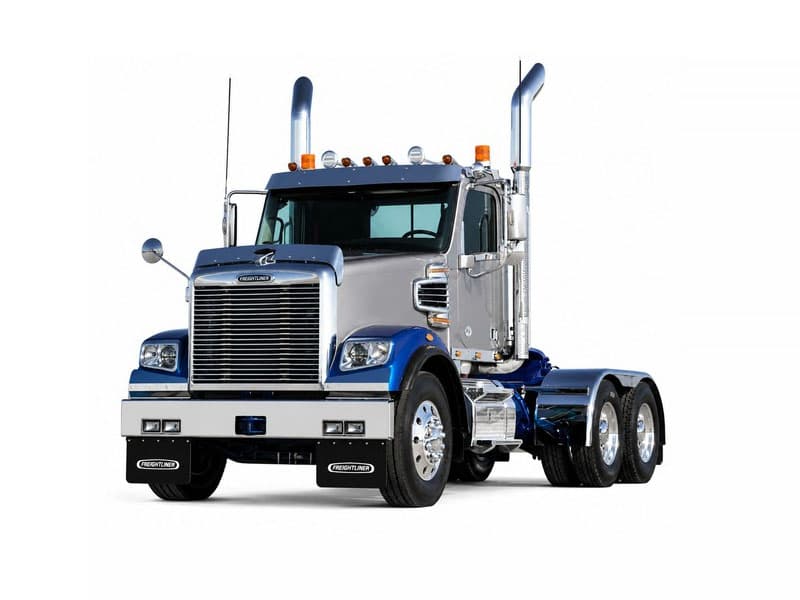
The Freightliner 122SD is Freightliner's heavy-vocational long-hood platform, built for the operational extremes of oilfield service, heavy logging, severe construction, mining haul, and similar applications where the chassis demands match the heaviest available Class 8 engines. The 122-inch BBC (bumper-to-back-of-cab) measurement reflects the long-hood architecture that lets the platform accommodate the largest available engines in the Class 8 market — Detroit DD15 and DD16, Cummins X15 and ISX — with the chassis hardware spec to support sustained heavy duty cycles in demanding off-road and severe-service applications.
The platform appears across oilfield service operations (frac sand haulers, water trucks, mud trucks, service rigs), heavy logging operations, severe-duty construction service, mining haul applications, and similar heavy vocational fleet operations where the chassis configuration and engine capability define the truck selection. Detroit DD15 is the dominant modern engine option in 122SD applications, with DD16 available for heavy-haul configurations and Cummins X15 as the alternative platform.
Why 122SD Trucks Come To Our Bench
122SD calibration work tracks heavy vocational operational reality, with the engine platform driving the specific calibration approach:
Heavy vocational performance tuning. The dominant 122SD calibration application. Oilfield operators, heavy logging operations, severe-duty construction fleets, and mining haul operators benefit from calibrations matched to actual operating conditions — sustained heavy loads, off-road operation, demanding PTO duty cycles, and the broader operational reality that fleet calibration doesn't anticipate. Stock-hardware gains of 60-100 hp with proportional torque are typical within safe envelopes on Detroit DD15 and DD16 platforms, similar magnitude on Cummins X15.
Oilfield DPF derate (Detroit DD15 and Cummins X15). 122SD oilfield service trucks face standard aftertreatment patterns amplified by oilfield operational realities — variable fuel quality, dust loading, extended PTO operation, thermal cycling between operations. DPF derate arrives faster on oilfield 122SDs than on highway-cycle trucks of comparable mileage.
Combined DPF + EGR + SCR delete for dedicated off-road service. 122SDs dedicated to off-road oilfield, mining, or heavy logging service often benefit from full aftertreatment delete preparation. Standard preparation for trucks that won't see public road service.
Detroit DD15 / DD16 calibration recovery. Detroit ADEM ECMs on aging 122SD trucks sometimes end up corrupted after failed dealer flashes or partial calibration loads. We recover most modules without replacement.
Heavy-haul performance tuning. 122SDs spec'd for heavy-haul applications (DD16 or X15 power, heavy-duty axle configurations, severe-duty cooling packages) benefit from calibration work matched to permitted-load heavy-haul operational reality.
Engine Platforms In The 122SD
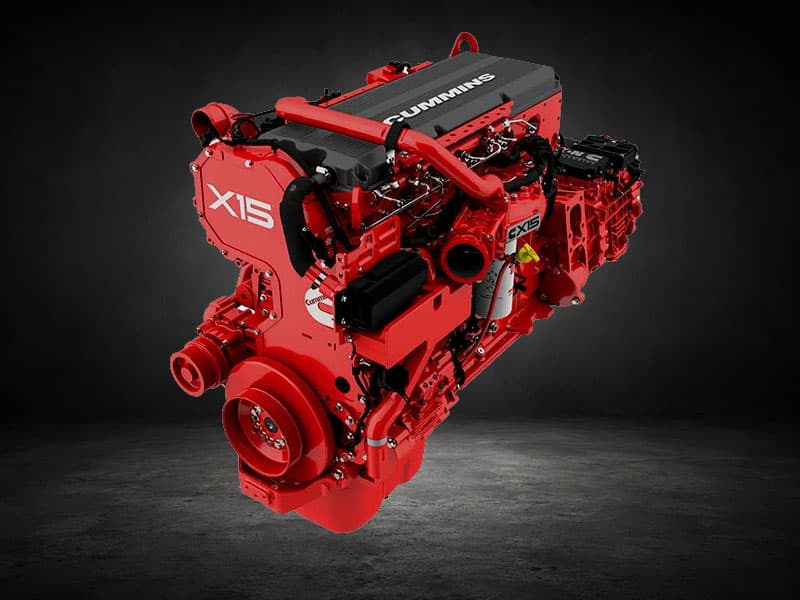
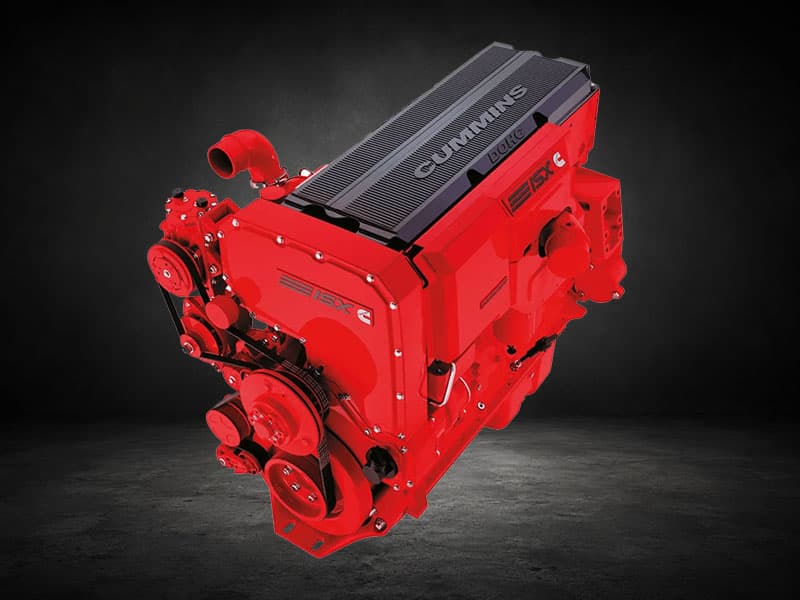
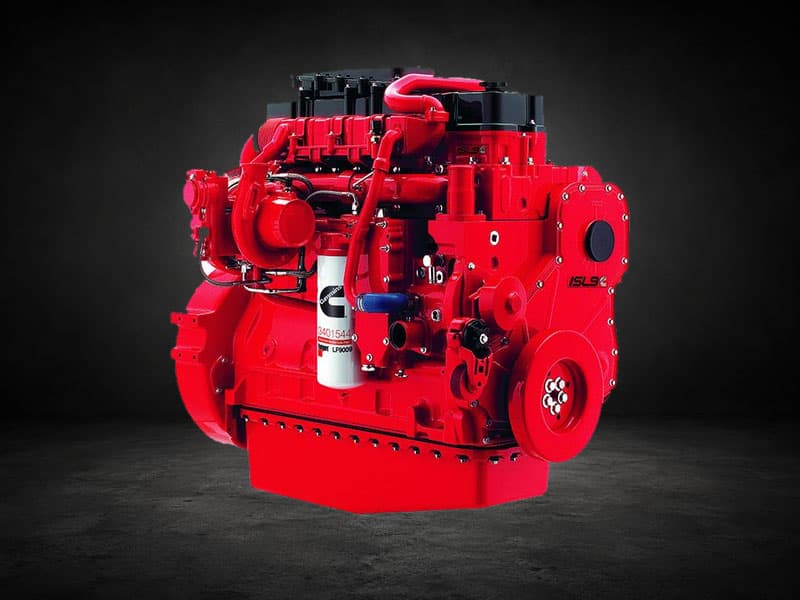
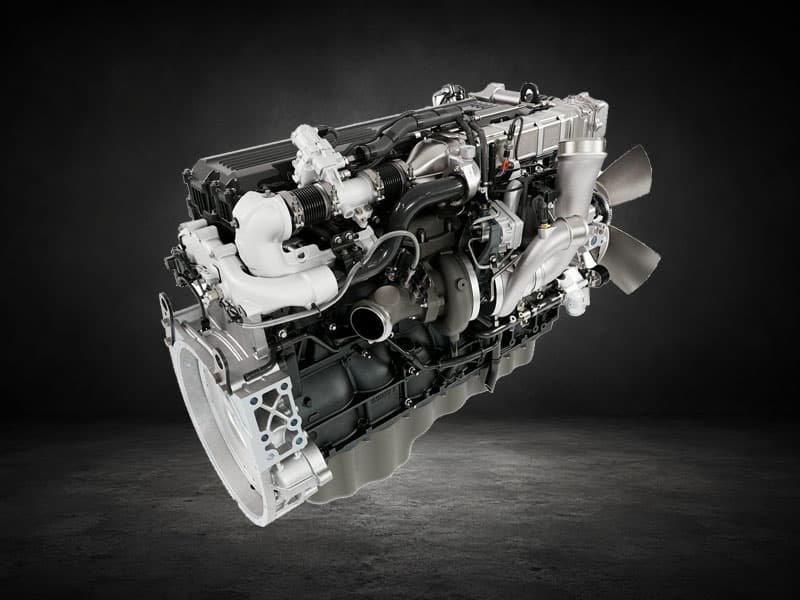
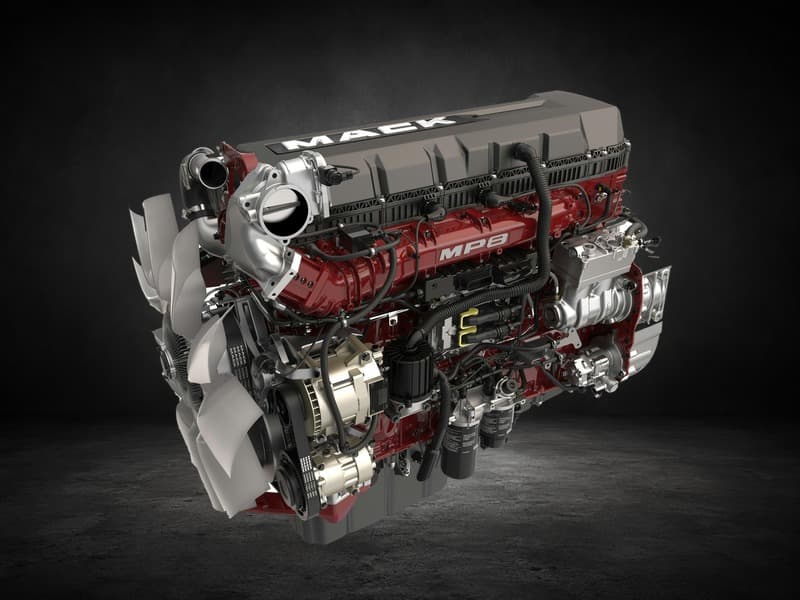
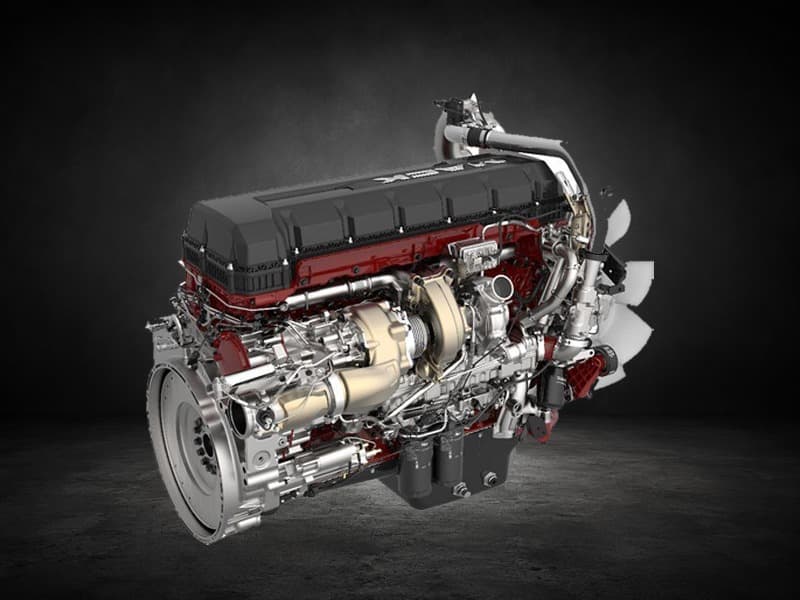
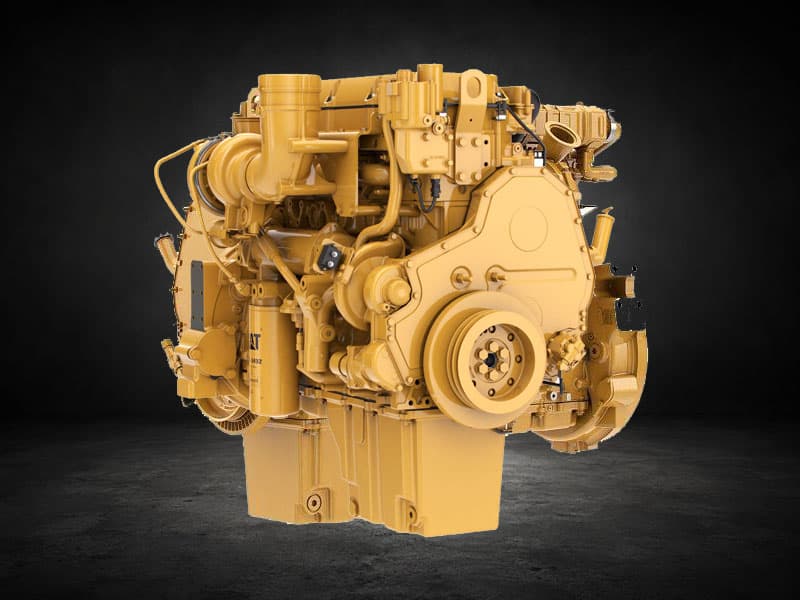
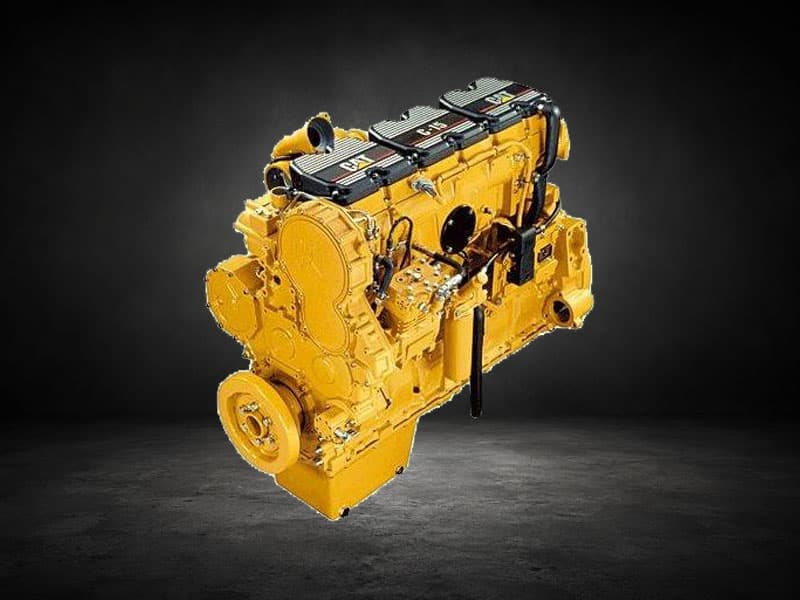
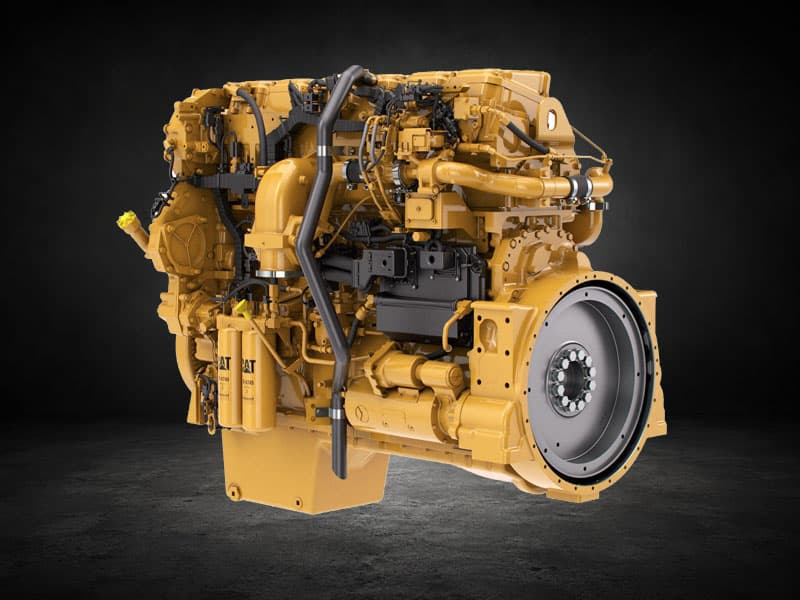
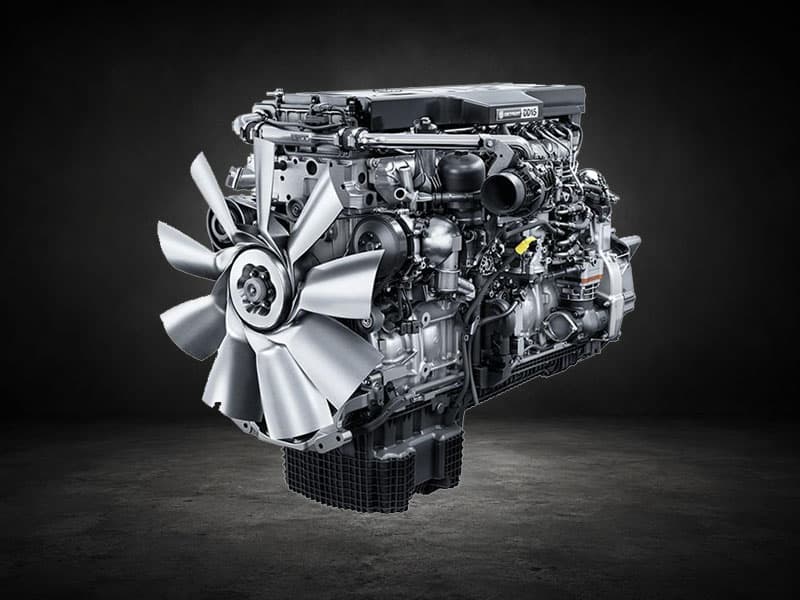
122SD calibration work depends on engine platform. Detroit DD15-powered 122SDs (the dominant modern configuration) use Detroit DDDL diagnostic and require Detroit-specific calibration libraries with severe-duty calibration approaches. Detroit DD16-powered 122SDs (heavy-haul configurations) use similar Detroit ecosystem with DD16-specific severe-duty calibrations. Cummins X15-powered 122SDs use Cummins INSITE-based calibration work, and older Cummins ISX-powered 122SDs use INSITE with ISX-specific calibrations.
For each engine platform, we have the diagnostic tools and calibration libraries required. The intake conversation centers on engine identification, application (oilfield, heavy-haul, logging, mining, severe vocational), and operational priorities before we commit to specific scope or pricing.
Service Paths For 122SD Programming
Ship-in is the most common path for 122SD work given the typical operational distance from major service centers. Pull the ECM, ship to Fort Lauderdale, 2-3 day programming turnaround. Remote programming works for shops with appropriate engine-platform diagnostic software. On-site service is available for South Florida operators and for fleet customers where bringing the truck to us makes practical sense.
Quotes return same business day. Tell us the year, the engine (Detroit DD15, DD16, Cummins X15, or ISX), the application, current operational situation, and what you want out of the work. For heavy vocational fleet customers, multi-truck programming pricing applies, and scheduling typically coordinates with operational priorities — drilling program windows for oilfield operators, off-season cycles for logging operations, project schedules for construction fleets.
The 122SD In Heavy Vocational Context
The 122SD represents Freightliner's commitment to the heavy vocational market segment, with platform capability that matches or exceeds Peterbilt's heavy vocational offerings (520, 567) and Kenworth's heavy vocational platforms (T800, T880, C500). For operators choosing between heavy vocational platforms, the 122SD's Detroit DD15 / DD16 engine integration is the primary differentiator — operators who prefer Detroit Diesel powertrain integration in a Freightliner chassis pick the 122SD specifically for that combination.
Our calibration work draws on the broader Detroit Diesel platform knowledge we maintain across Cascadia, Coronado, and 122SD applications — the calibration ecosystem characteristics are consistent across chassis families, which means our approach to 122SD work benefits from the broader Detroit Diesel work we do. For Cummins X15-powered 122SDs, the calibration work draws on the broader X15 knowledge we maintain across Kenworth, Peterbilt, Freightliner, and other chassis families. The result for 122SD customers is consistent calibration expertise regardless of engine platform selection.
For oilfield operators specifically, the 122SD is a common platform across Permian Basin, Eagle Ford, Bakken, and Haynesville operations. Our calibration work for oilfield 122SDs draws on the broader oilfield service experience we maintain across all the major Class 8 platforms operating in those production basins, with calibration approaches specifically tuned for fuel quality variability, dust loading conditions, sustained PTO duty, and the operational reality of remote production sites where dealer access is impractical for routine aftertreatment service.