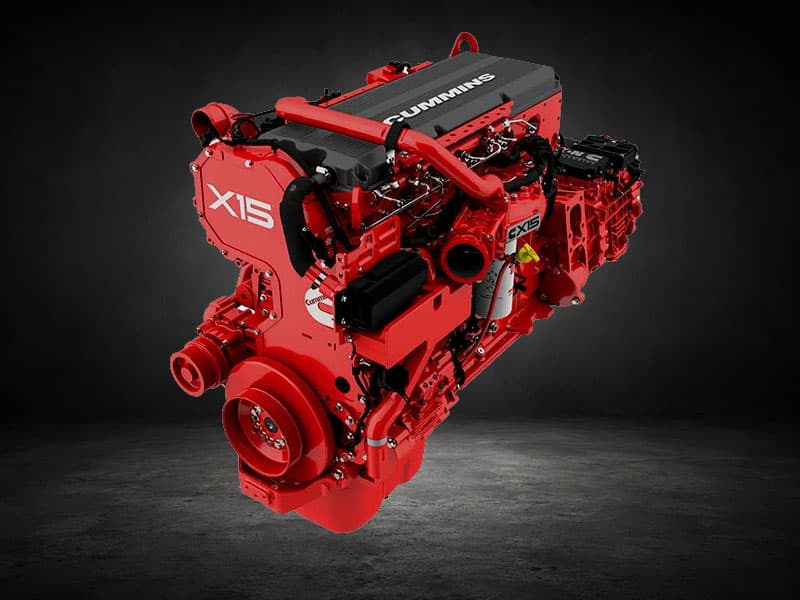
The X15 Platform
The Cummins X15 is the modern evolution of the ISX-15 — same fundamental 15.0-liter inline-six architecture, updated turbocharging hardware, refined fuel system, and a completely revised aftertreatment integration. It launched for the 2017 model year and remains Cummins' flagship on-highway diesel. It is offered in two main variants: the X15 Efficiency Series tuned for fuel economy in fleet long-haul work, and the X15 Performance Series for higher-load applications including heavy-haul, oilfield, and vocational. Both share the same hardware but ship with different calibrations.
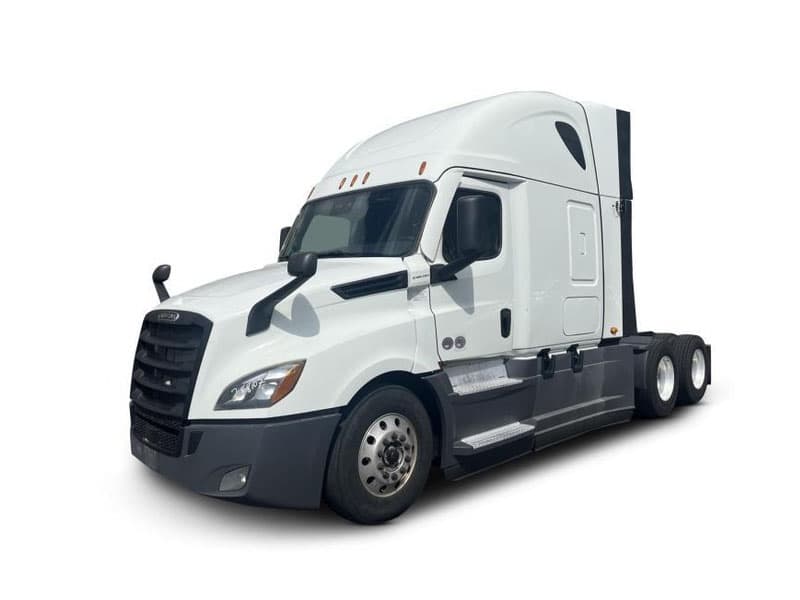
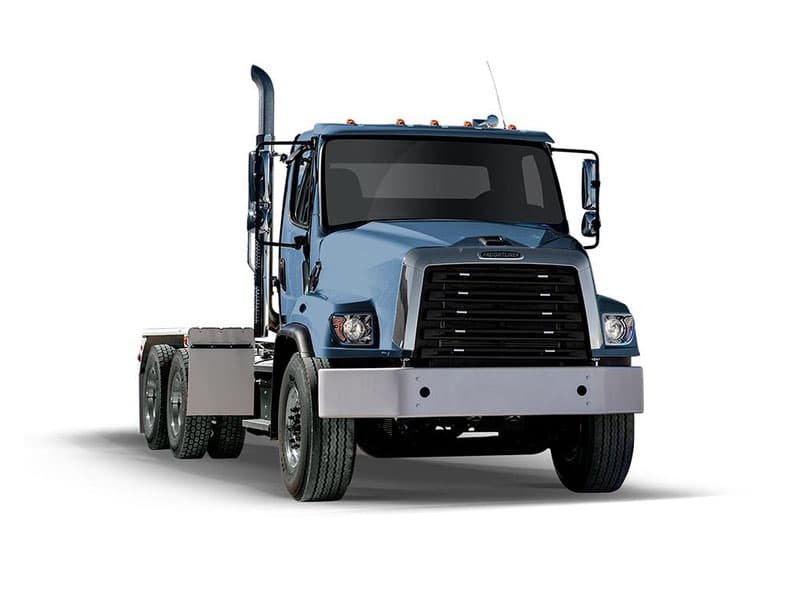
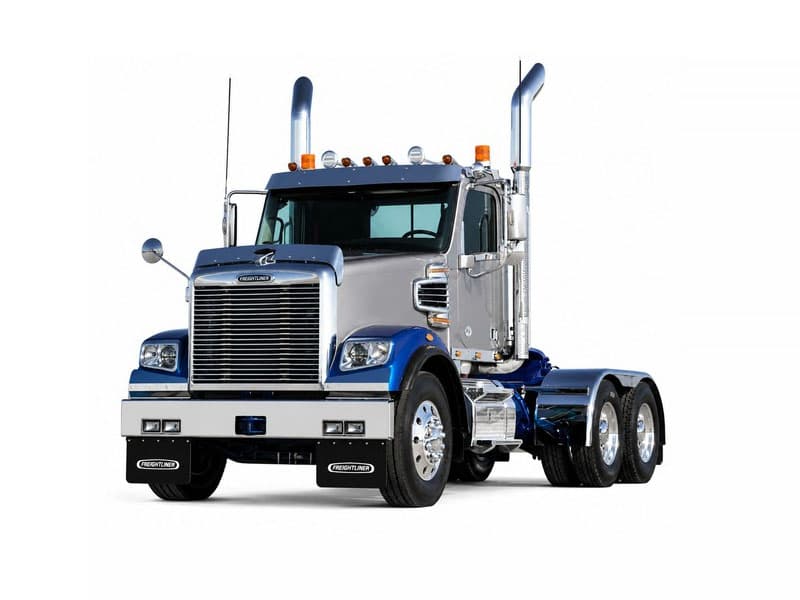
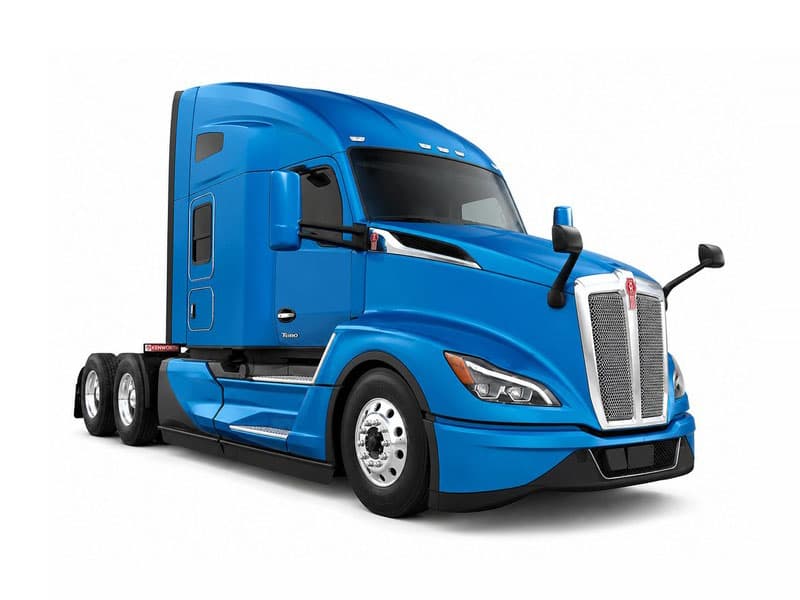
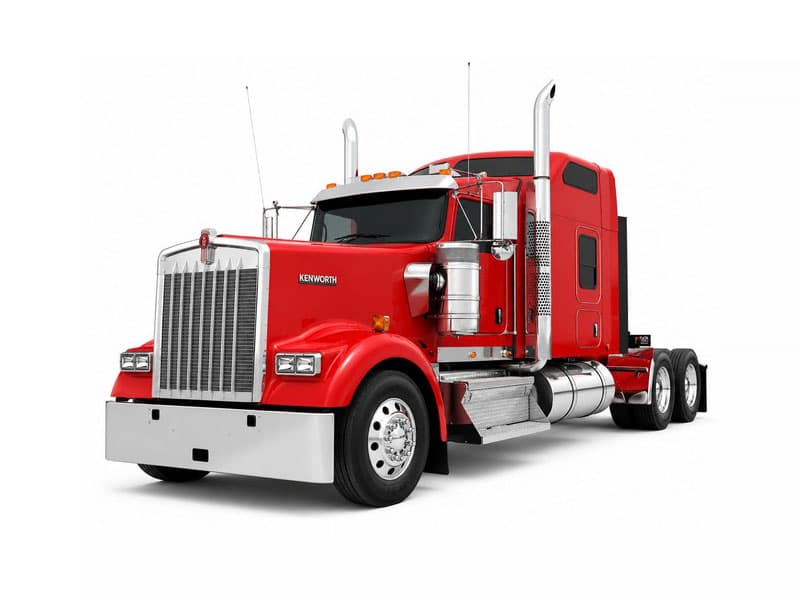
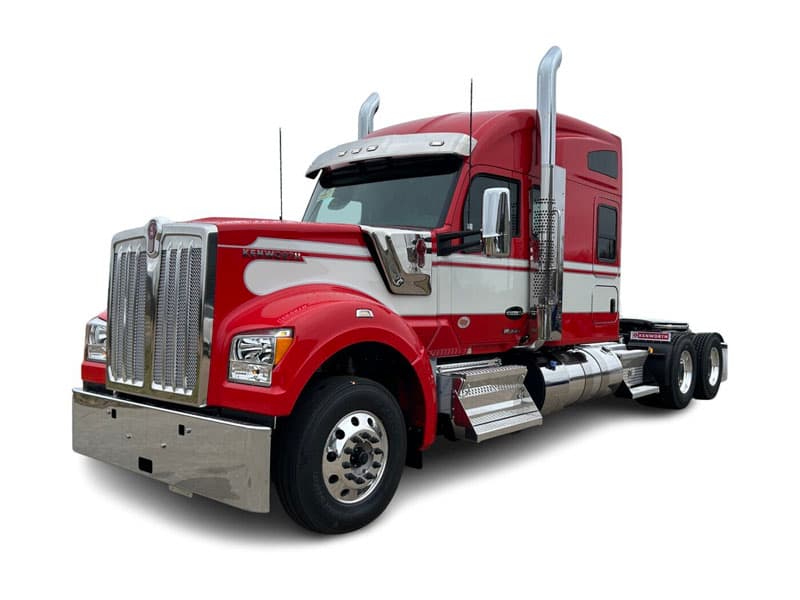
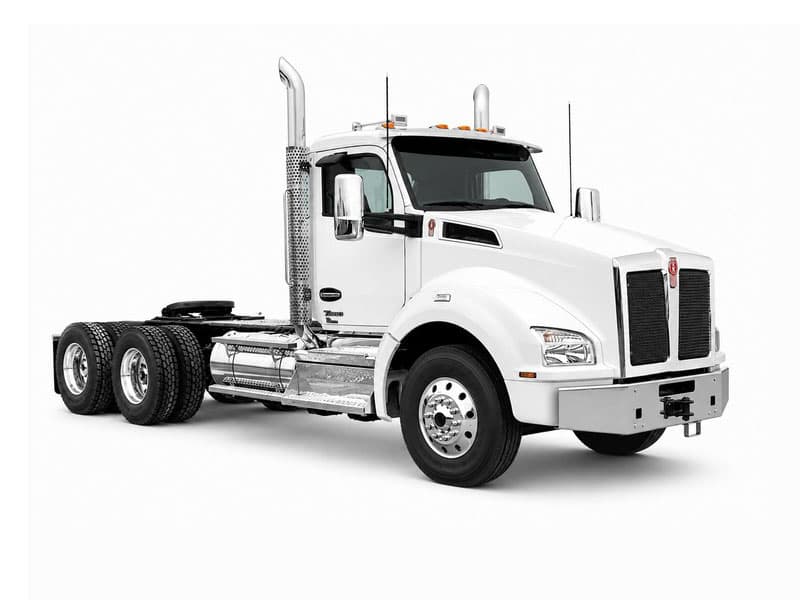
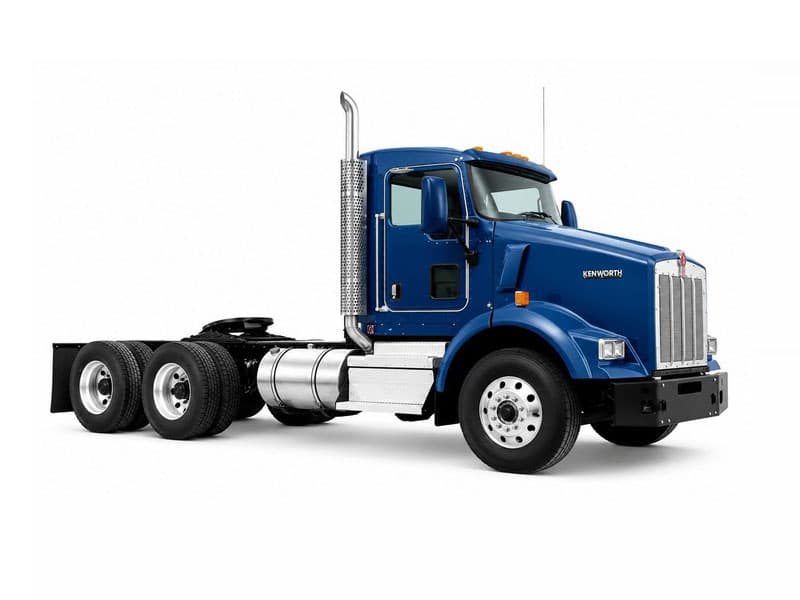
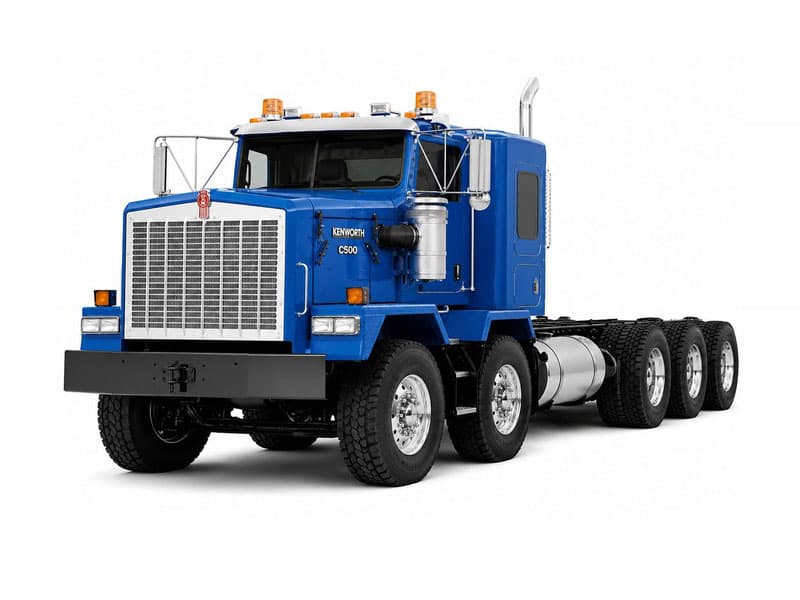
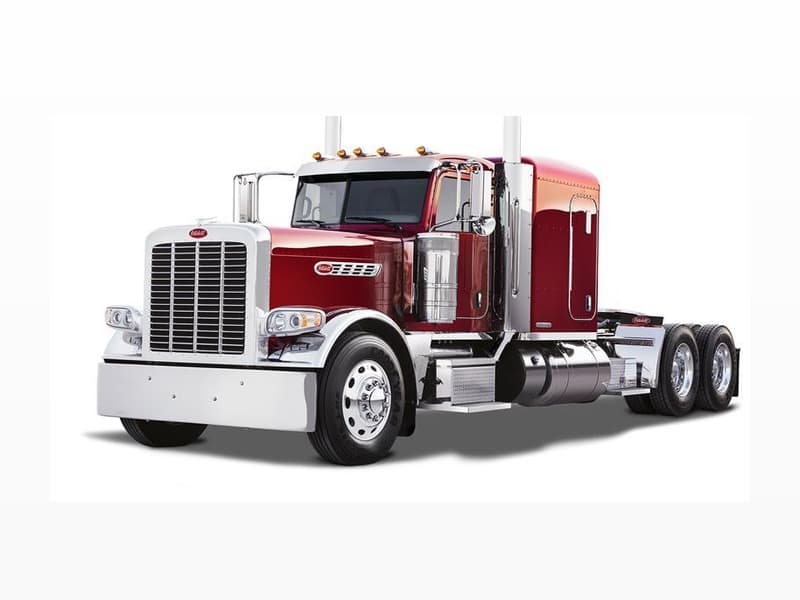
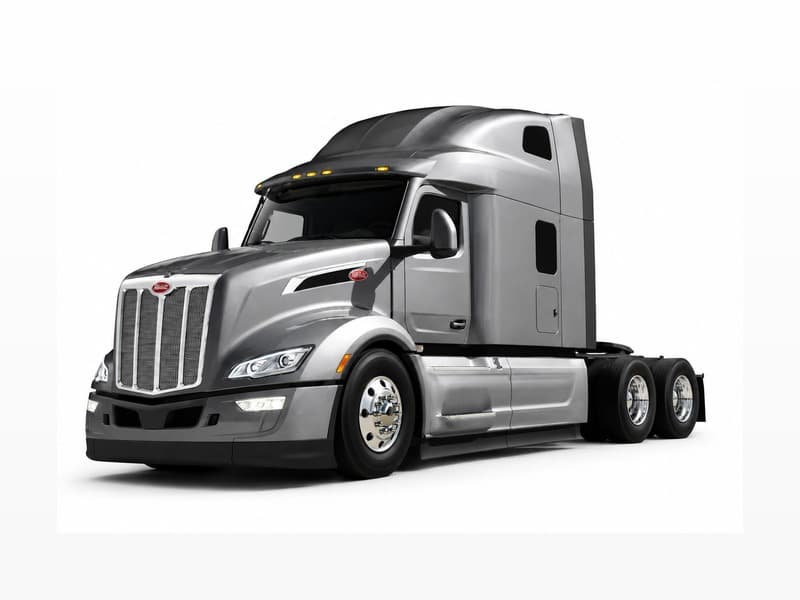
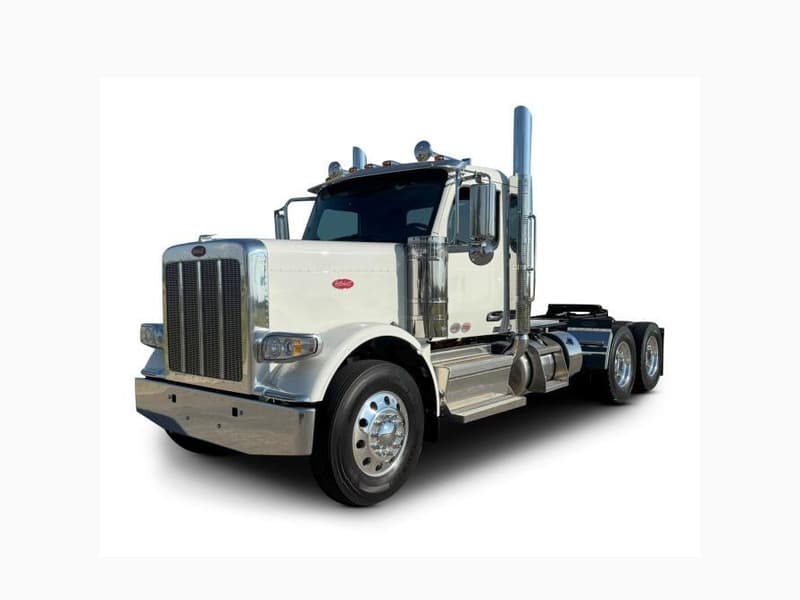
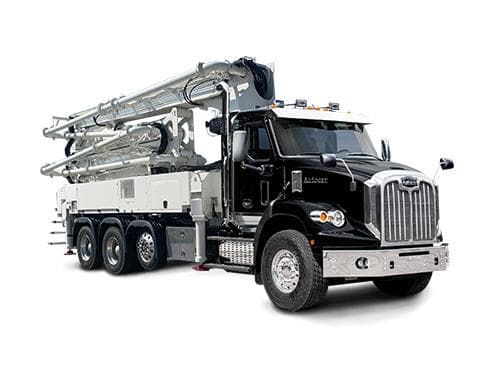
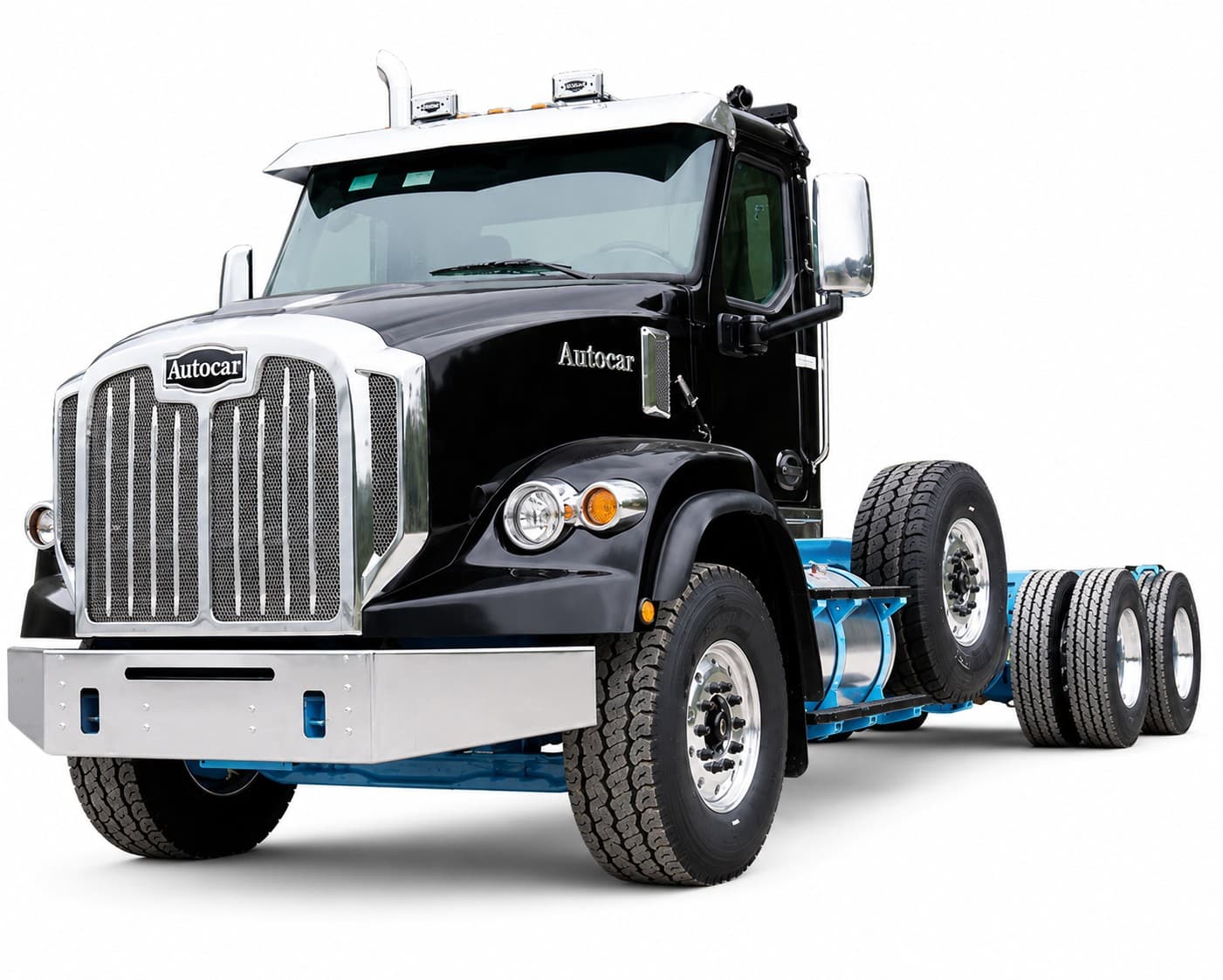
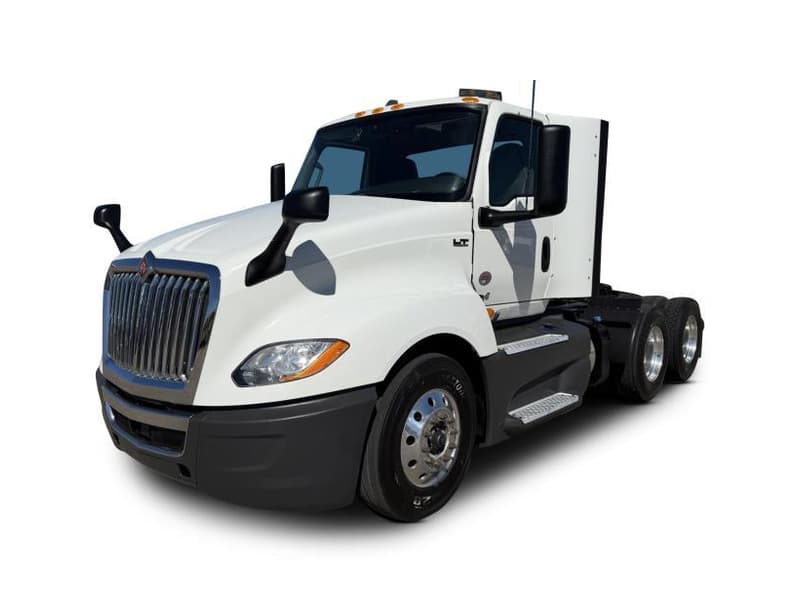
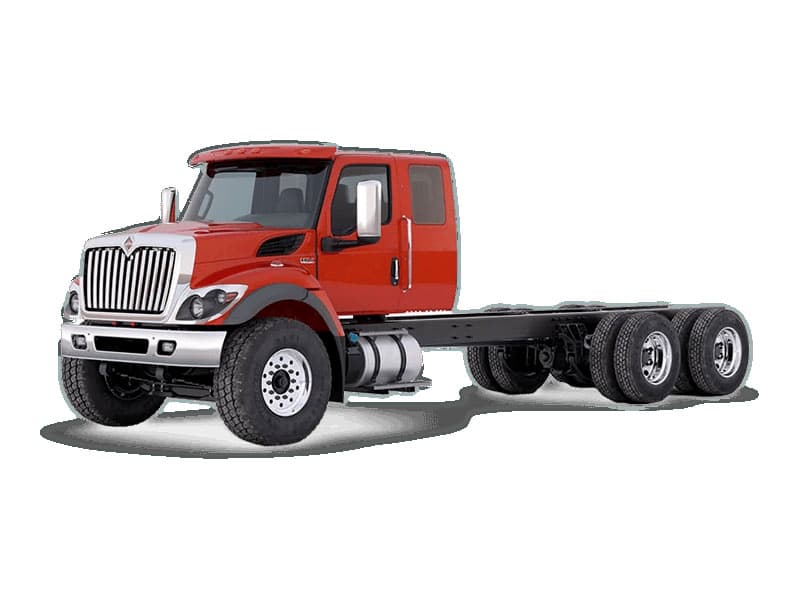
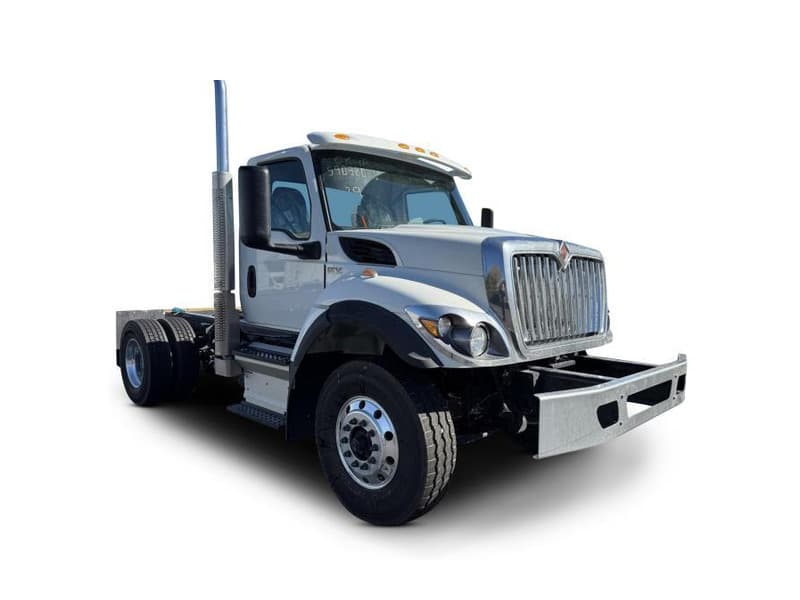
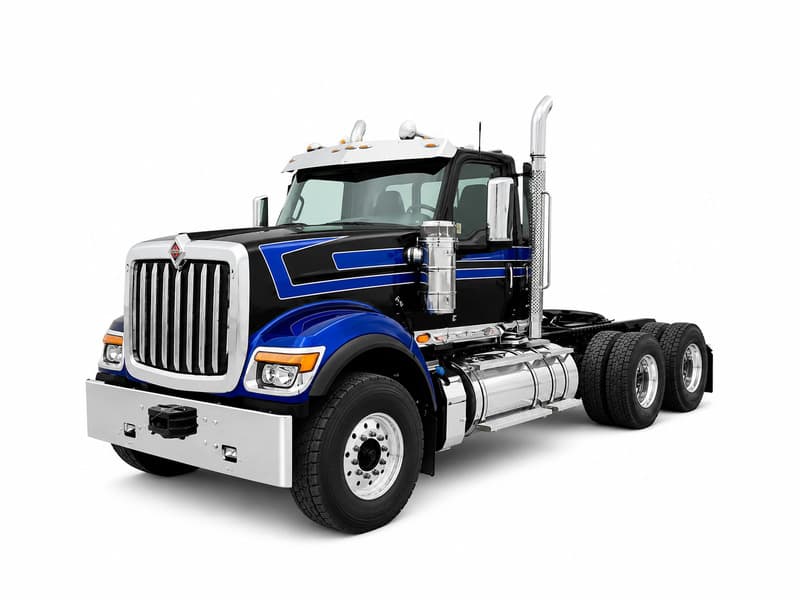
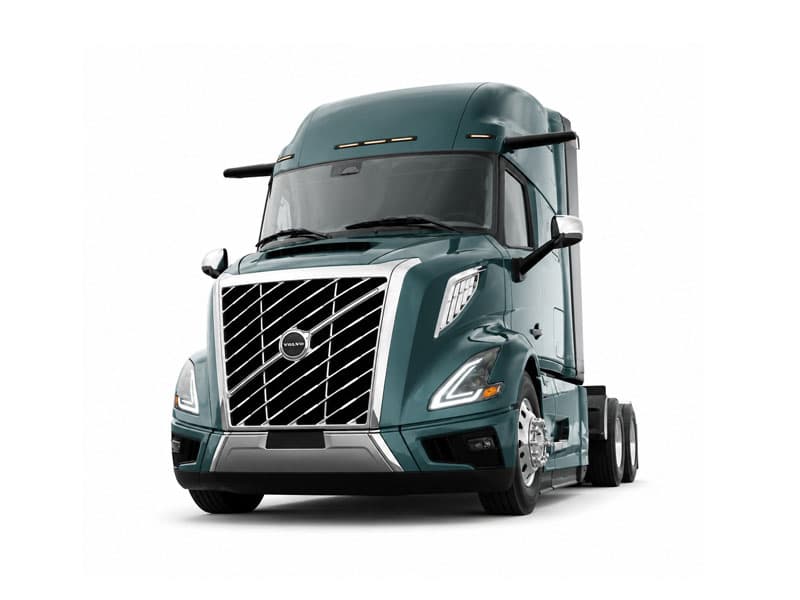
Power ranges from 400 to 605 horsepower depending on rating, with peak torque from 1,450 to 2,050 lb-ft. Trucks running the X15 are dominantly Class 8 highway tractors — the Freightliner Cascadia, Kenworth T680 and T880, Peterbilt 389 and 579, and most International heavy-duty tractors offer the X15 as a primary engine option. Vocational variants appear in dump trucks, oilfield service trucks, and heavy-haul tractors where the higher Performance Series ratings earn their keep.
Why X15 Trucks End Up On Our Bench
The X15 inherited the ISX's most expensive weaknesses around aftertreatment hardware. Three patterns drive most of the programming work we do on this platform:
DPF regeneration failures. Highway-cycle trucks that should regenerate passively will eventually face active regen failures — the system attempts to burn soot off the filter but cannot reach the required exhaust temperature, or the soot load is too far advanced. The result is a derate code, often SPN 3251 (DPF differential pressure too high) or SPN 3719 (soot load very high). Vocational X15 trucks see this faster than highway tractors because their duty cycle includes too much idle time.
DEF dosing and SCR inducement. The X15's SCR system depends on accurate DEF dosing, accurate NOx readings before and after the SCR catalyst, and a dosing valve that survives the thermal environment near the exhaust. When any link in that chain fails, the truck builds an inducement countdown — first warning, then mild derate, then severe derate (5 mph maximum). SPN 5246 is the inducement signal; SPN 4364 is the SCR efficiency failure that often triggers it.
EGR cooler degradation. Above 400,000 miles on most X15s, the EGR cooler starts developing internal cracks and seeping coolant into the intake. Symptoms range from mild intake fouling to dramatic — coolant loss with no external leak, white smoke, eventual hydraulic lock. The dealer fix is cooler replacement at four figures. EGR delete eliminates the cooler from the system entirely for trucks running export or off-road.
ECM Identification — The CM2350
All X15 trucks run the Cummins CM2350 ECM. This is a substantially more capable module than the older CM2250 used in ISX-15 platforms — more memory, faster processor, and a more flexible calibration architecture. The most common ECM part numbers we see on X15 trucks are 5572391, 5462251, and 5317106, though variants exist for specific year and rating combinations.
Programming the CM2350 is done either through the standard SAE J1939 9-pin diagnostic connector for remote sessions, or through direct module access for ship-in work. Reading the existing calibration takes about 15 minutes; writing a new calibration takes another 30–45 minutes depending on the scope of changes. For our most common job — combined DPF/EGR delete on an export-bound X15 — the full programming session runs 1 to 3 hours end to end.
What We Program On The X15
Aftertreatment Delete (Export & Off-Road)
Combined DPF and EGR delete is our most common X15 job. The calibration is rewritten so the ECM no longer expects DPF, SCR, or DEF systems to be present and stops fault-tripping on hardware that has been physically removed or has failed. Pairs with a hardware kit (block-off plates, intake gaskets) appropriate to the truck. Legal in export markets and off-road applications only.
Performance Tuning
X15s in Performance Series spec already produce serious power, but the upper end of the calibration leaves real torque on the table for heavy-haul and oilfield applications. We tune for broader usable torque plateaus, sharper throttle response, and improved boost recovery from low-RPM lugging. Stock-hardware tunes typically deliver +50 to +100 hp over the original rating, with proportional torque gains.
Calibration Recovery
X15 modules occasionally end up bricked or in an unrecoverable state after dealer software updates fail mid-flash. We can recover most CM2350 modules without replacement, restoring the truck to operational state with either the original calibration or a delete calibration depending on the customer's intent.
VIN & Engine Serial Matching
X15 ECMs pulled from one truck and installed in another need their VIN and engine serial number reprogrammed to match the new chassis. We handle this routinely, including for trucks built from salvage cores.
Service Paths For X15 Programming
All three of our standard service paths work for the X15:
Ship-in is the most common option. Pull the ECM from the truck, ship it to Fort Lauderdale, we program in 2–3 business days and ship back. No diagnostic hardware needed on your end.
Remote programming requires a laptop with Cummins INSITE installed and a 9-pin J1939 connection to the truck. We connect via TeamViewer and run the session — typically 1 to 3 hours total. Best for fleet shops with their own diagnostic equipment.
On-site programming is available for South Florida fleets running multiple X15 trucks. We come to your yard with all required hardware. Most efficient when batching five or more trucks in a single visit.