The Smaller Cat From The On-Highway Era
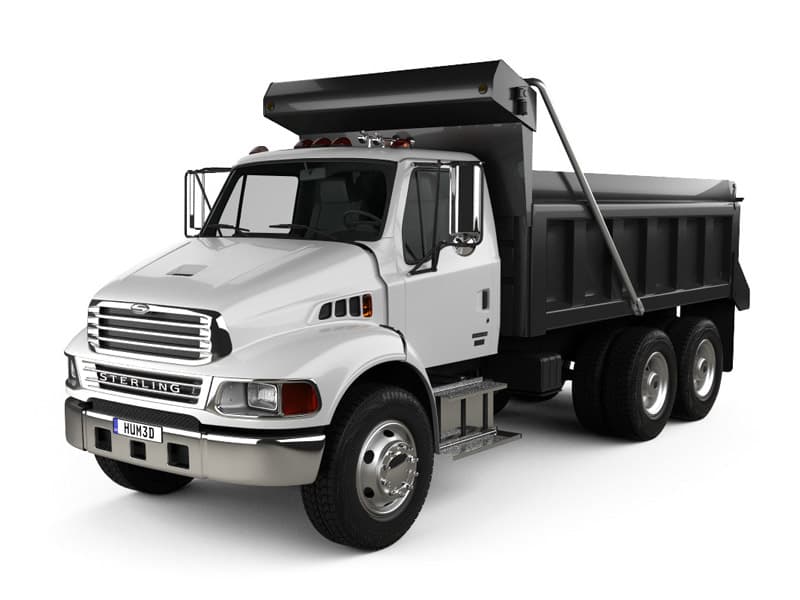
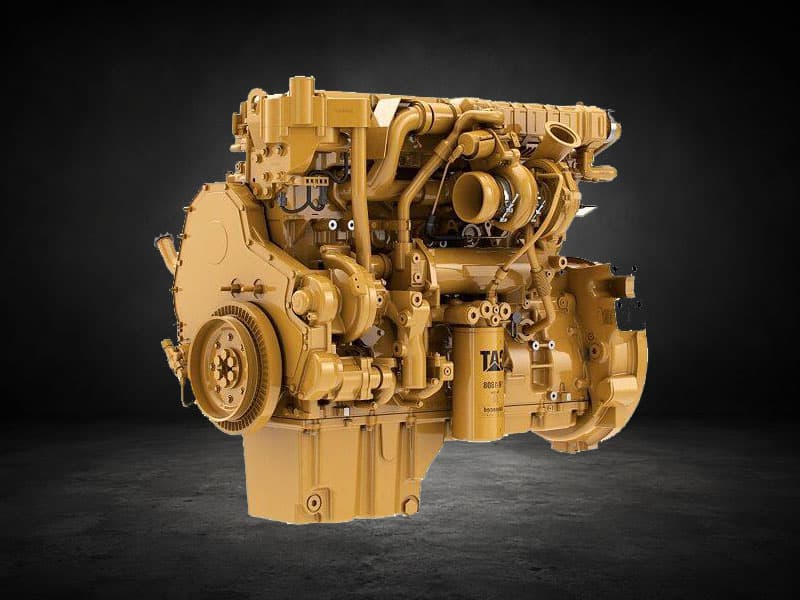
The Caterpillar C13 is the 12.5-liter inline-six sibling to the more famous C15, sharing the same on-highway production window (2002-2009) before Cat exited the on-highway truck engine market. Where the C15 anchored heavy-haul and owner-operator applications, the C13 occupied the mid-heavy slot — fleet long-haul tractors, regional service, vocational dump and mixer trucks, refuse collection, and the broader Class 8 applications that didn't need the C15's maximum capability.
Power ratings on the C13 ran from 335 to 470 horsepower with peak torque to 1,650 lb-ft. The platform came in two distinct architectures: pre-ACERT (2002-2003) and ACERT (2004-2009). The ACERT generation introduced exhaust gas recirculation, an early DPF on later production years, and the related emissions hardware. Pre-ACERT C13s have substantially simpler architecture and a different calibration approach.
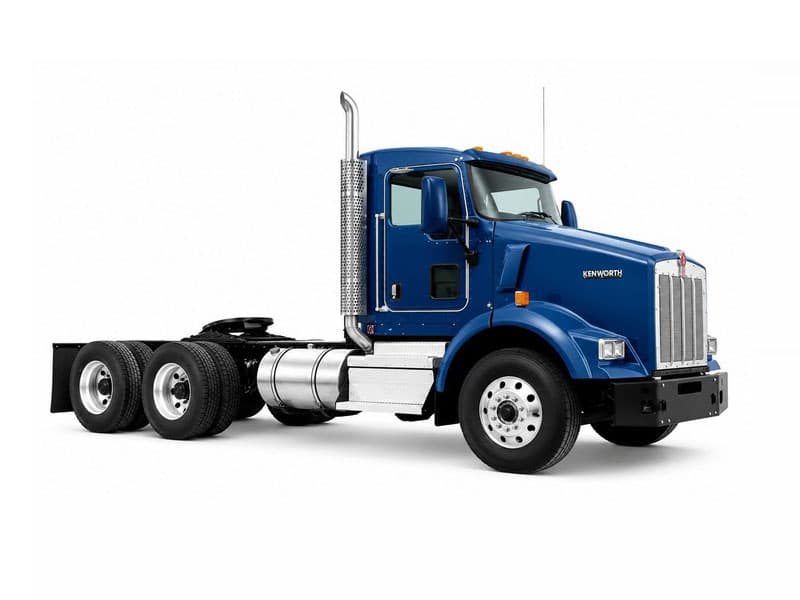
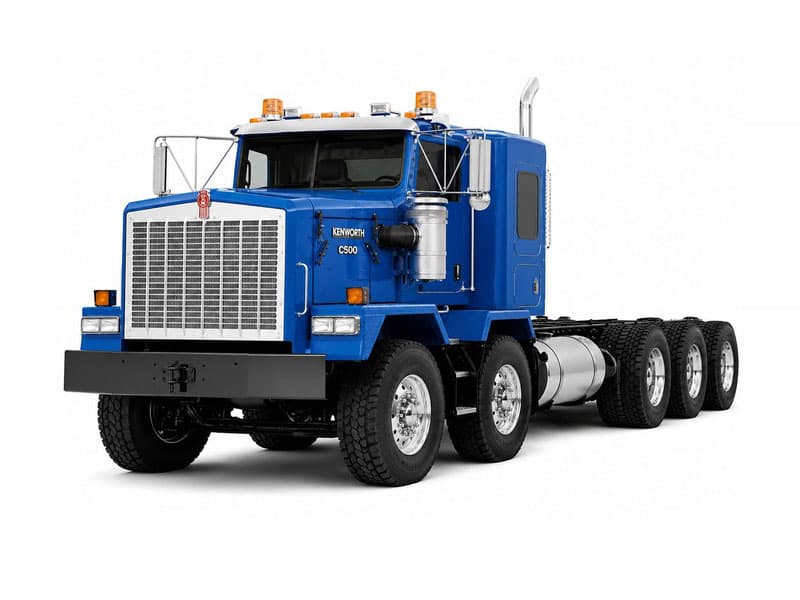
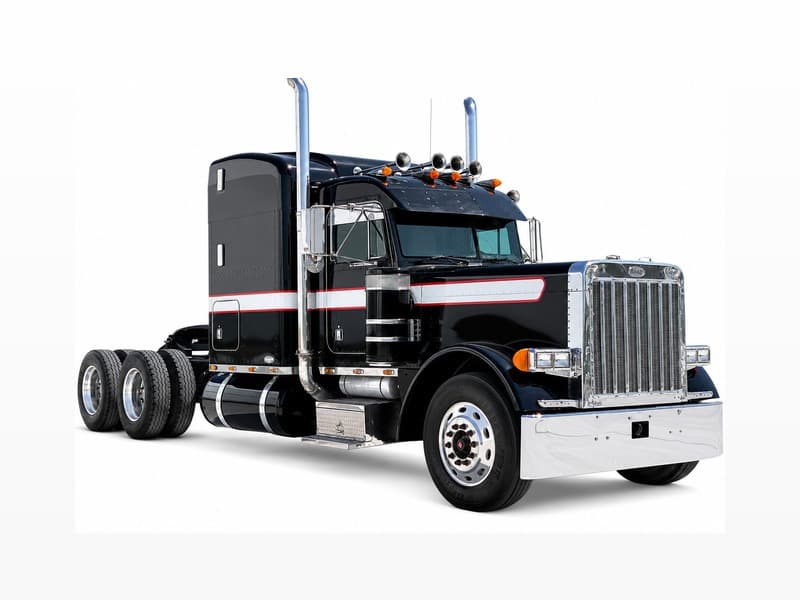
C13s appeared in Peterbilt 379, 387, and 386 highway tractors; Kenworth T800, T2000, and W900 chassis; Freightliner Classic and Columbia fleet builds; and a range of vocational Class 8 chassis where the C15's weight and cost weren't warranted by the duty cycle.
Why C13 Trucks Come To Us
C13 calibration work tracks similarly to C15 work — same Cat ADEM ECM family, same Cat ET diagnostic environment, same fundamental approach. What differs is the typical customer and application:
Performance tuning for vocational and regional fleet service. Stock C13 calibrations are conservative, especially in fleet long-haul builds. Vocational operators running C13-powered dump trucks, mixer trucks, refuse collection units, or heavy regional fleet tractors routinely benefit from calibrations matched to actual duty cycle. The C13's mechanical hardware has substantial headroom; calibration changes alone deliver +60-80 hp gains on most rating variants within safe operating envelopes.
DPF and EGR delete on ACERT C13s. For C13-powered trucks bound for export markets or dedicated to off-road service, delete calibrations on the ACERT generation eliminate the DPF and EGR systems. This returns the engine to pre-ACERT operating characteristics — simpler architecture, easier to maintain in remote operations, and freed from the recurring aftertreatment maintenance burden.
Calibration recovery on bricked modules. C13 ECMs that have been sitting on the shelf, ECMs from salvage cores, ECMs corrupted by failed dealer flashes — we recover most of these and restore them to running condition. The C13 community is well-supported by parts and rebuild specialists but calibration recovery specifically requires the right software and the right calibration libraries.
VIN and engine serial matching for ECM swaps. When a C13 ECM is swapped between trucks — common in fleet rebuilds and owner-operator restoration projects — the VIN and engine serial parameters need to match the new chassis. Standard work on C13 platforms.
ECM Identification
C13 trucks run Caterpillar ADEM (Advanced Diesel Engine Management) ECMs — primarily ADEM III on early production C13s and ADEM IV on later builds. Diagnostic access is through the standard SAE J1939 9-pin connector, but actual calibration tools require Cat ET (Electronic Technician) software with the appropriate calibration libraries for the year and rating. The C13 and C15 share the same ADEM family and Cat ET ecosystem, which is why shops set up to work on one Cat on-highway platform can typically work on the other.
Sending us the engine serial number (printed on the data plate, usually on the side of the block), the truck VIN, and a current calibration ID lets us scope the work accurately. For C13 customers in particular, we also ask about whether the truck is pre-ACERT or ACERT generation, because the calibration approaches differ meaningfully between the two architectures.
What We Program On The C13
Performance Tuning
The most common C13 calibration job. C13-powered trucks in vocational service or regional fleet duty respond well to calibrations matched to actual operating patterns. Gains of 60-80 hp with proportional torque are typical, with the actual numbers depending on the starting rating and the hardware condition.
DPF + EGR Delete For Off-Road And Export (ACERT Only)
For ACERT-generation C13 trucks bound for export or dedicated off-road service, delete calibration removes the DPF and EGR systems from the calibration logic. Paired with appropriate hardware kits, this returns the engine to operating characteristics closer to the pre-ACERT generation.
Calibration Recovery
For C13 ECMs that have stopped responding, been corrupted by failed reflashes, or pulled from salvage equipment, recovery procedures restore the module to running condition without replacement. Critical given the aging dealer parts ecosystem on these out-of-production platforms.
ECM Swap Matching
VIN and engine serial reprogramming for C13 ECMs moved between trucks. Standard work, handled routinely.
Service Paths For C13 Programming
Ship-in is the most common path for C13 work. Pull the ADEM ECM, ship to Fort Lauderdale, 2-3 day programming turnaround. Remote programming works for shops with Cat ET and a 9-pin J1939 connection. On-site service is available for South Florida operators bringing the truck to us.
Quotes return same business day. Tell us the engine serial, the truck chassis, the intended application, and what you want out of the calibration. The C13 community has stayed active largely because operators want these engines to keep running, and we approach the work in that spirit — calibration changes that preserve what makes the C13 worth keeping while addressing the specific problems the truck has.