The Owner-Operator Heavyweight
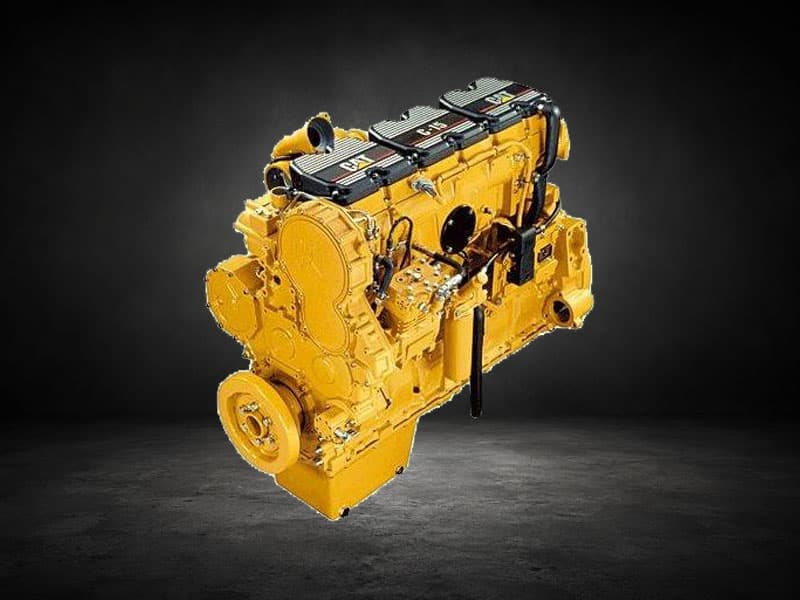
The Caterpillar C16 is the 15.8-liter inline-six that occupied a specific operational niche during its 1999-2009 production window — the heavy-haul, oilfield, and heavy-fleet engine for operators who wanted maximum capability without stepping up to the even larger C18. Where the C15 became the legendary owner-operator engine of its era, the C16 carved out a quieter but devoted following among heavy-haul specialists, oilfield service operators, and Western trucking applications where the engine's pull profile and durability under sustained load mattered more than fleet fuel economy figures.
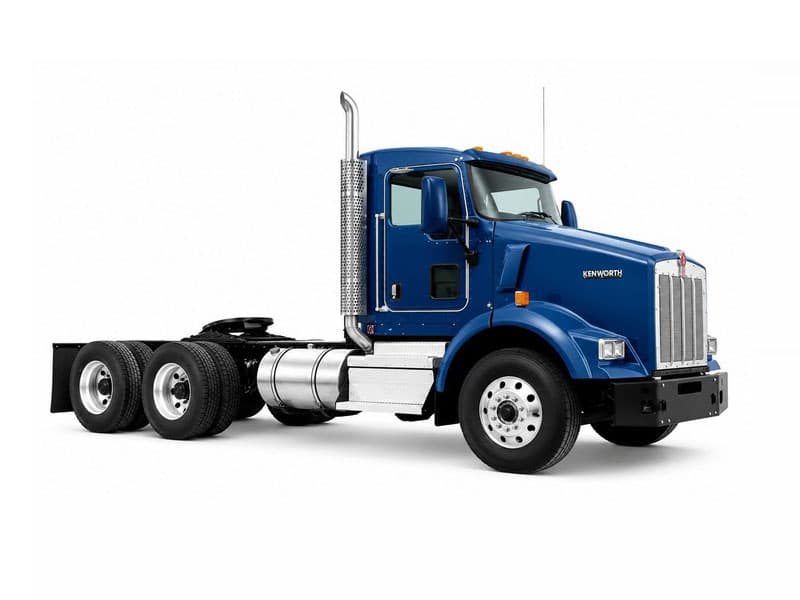
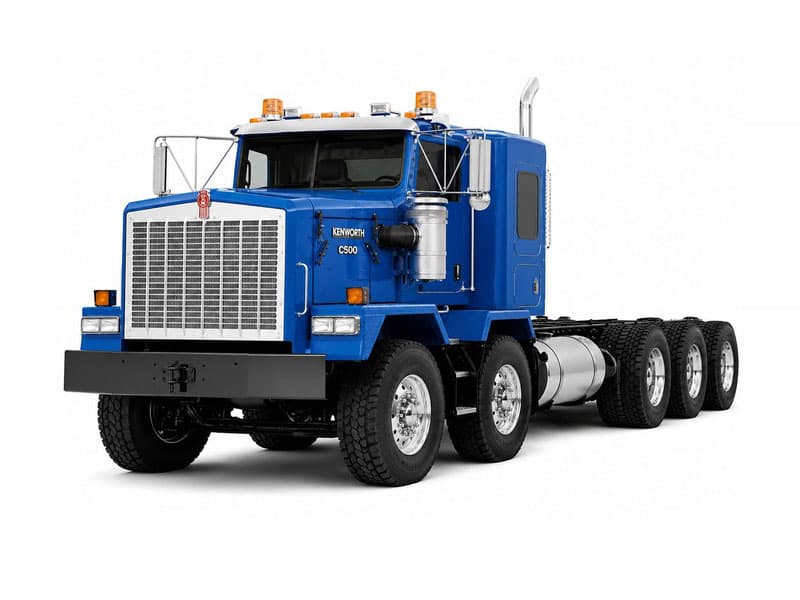
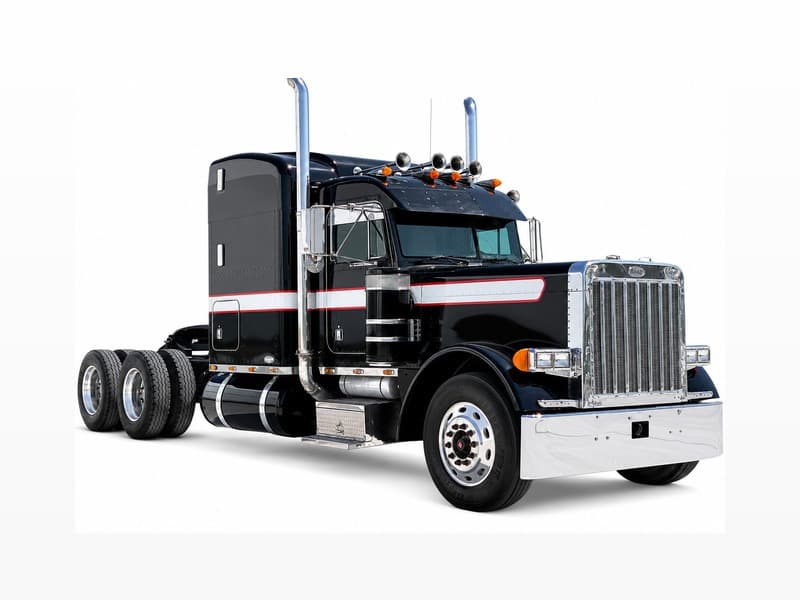
Power ratings on the C16 ran from 475 to 600 horsepower with peak torque to 1,850 lb-ft. The platform appeared in Peterbilt 379 and 359 trucks, Kenworth W900 and T800 chassis, and heavy-haul tractor configurations spec'd specifically for the C16's capabilities. Pre-ACERT (1999-2003) and ACERT (2004-2009) variants exist, with the production timeline starting earlier than the rest of the modern Cat truck lineup because the C16 evolved from earlier Cat 3406-family architecture.
Why C16 Trucks Come To Our Bench
C16 calibration work follows a specific customer pattern — most calls come from owner-operators, small heavy-haul fleets, and oilfield operators who chose the platform deliberately and want to keep their trucks running as long as the chassis hardware allows:
Owner-operator performance tuning. Stock C16 calibrations are conservative on the upper end of the platform's capability. Heavy-haul operators routinely benefit from calibrations matched to actual operating conditions — broader torque plateaus, sharper throttle response, improved performance on grades. Gains of 60-100 hp with proportional torque are typical within safe hardware envelopes on most rating variants.
Aging wiring harness and sensor issues. C16 trucks are now 15-25 years old. Wiring harness degradation, sensor failures, and the broader pattern of aging electrical hardware show up regularly. Calibration recovery after sensor replacement, plus careful management of the ECM's adaptive learning parameters, are common service requirements.
Calibration recovery on aging ADEM modules. C16 ECMs that have stopped responding after years of intermittent service, modules pulled from salvage cores, and modules corrupted by failed dealer flashes can usually be restored without replacement. The aging dealer parts ecosystem for C16-specific components makes recovery work particularly valuable.
Pre-ACERT C16 work for restoration projects. Pre-ACERT C16 trucks have a dedicated restoration community. We support that work through calibration tuning that preserves the engine's original character while addressing the specific operational priorities owners care about.
ECM Identification
C16 trucks run Caterpillar ADEM ECMs — ADEM III on most production years, with ADEM IV on later builds. Diagnostic access through SAE J1939 9-pin with Cat ET. Calibration libraries are C16-specific, and the production timeline crossover between ADEM generations matters for which library applies to a given truck. Sending us the engine serial number, the truck VIN, and the current calibration ID lets us scope the work accurately. For C16 customers, we also ask about whether the truck is pre-ACERT or ACERT, since the calibration architectures differ enough to affect what's possible.
What We Program On The C16
Performance Tuning
The dominant C16 calibration job. Heavy-haul tractors, oilfield service trucks, and owner-operator C16-powered rigs in heavy applications respond well to calibrations matched to actual operating patterns. Stock-hardware gains of 60-100 hp with proportional torque are typical, with specific numbers depending on starting rating and hardware condition.
DPF + EGR Delete (ACERT Only, For Off-Road And Export)
For ACERT-generation C16 trucks bound for export or dedicated to off-road service, delete calibration removes the DPF and EGR systems. Most C16 work doesn't involve delete work — the trucks predominantly serve operators who've kept them in their original operational role — but the work is available where applicable.
Calibration Recovery
For C16 ADEM ECMs that have stopped responding, calibration recovery procedures restore the module to running condition. Critical given the thin dealer parts support that aging out-of-production Cat truck engines now face.
Service Paths For C16 Programming
Ship-in is the most common path. Pull the ADEM ECM, ship to Fort Lauderdale, 2-3 day turnaround. Remote programming works for shops with Cat ET. On-site service is available for South Florida operators bringing the truck to us.
Quotes return same business day. Tell us the engine serial, the truck chassis, the intended application, and what you want out of the calibration. Most C16 conversations are with owner-operators who know exactly what they want from their truck — we approach the work accordingly, with calibration changes that respect what makes the C16 worth keeping while delivering the specific operational improvements the customer is after.
The C16 Community Today
The C16 has stayed in active service largely because its core operators kept it that way. Heavy-haul specialists, oilfield service operators, and dedicated owner-operators built operational relationships with these trucks that newer platforms haven't been able to replicate cleanly. The dealer ecosystem around the C16 has thinned considerably since Cat's on-highway market exit, which has made calibration recovery and platform-specific tuning expertise more valuable rather than less — there are fewer shops doing this work properly today than there were five years ago, and the trucks themselves haven't gotten any younger. We've kept our C16 capability current because the operators who still run these trucks deserve real support, not the patchwork of partial-knowledge solutions that aging platforms often get pushed into.