The Workhorse Heavy Vocational Kenworth
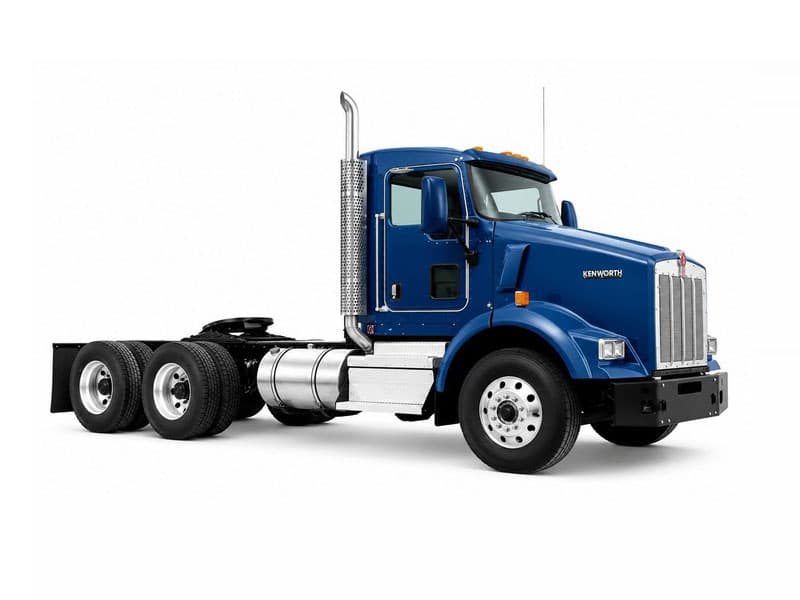
The Kenworth T800 is the dominant heavy vocational platform in Kenworth's lineup — a Class 8 chassis built specifically for the operational demands of oilfield service, construction, logging, heavy hauling, and the broader vocational duty cycle. In continuous production since 1986, the T800 has accumulated decades of refinement around the specific requirements of vocational service: chassis durability under sustained off-road operation, accommodation of heavy-duty axle configurations and PTO drives, and the engine compatibility that lets operators spec the platform with the largest available Class 8 diesels.
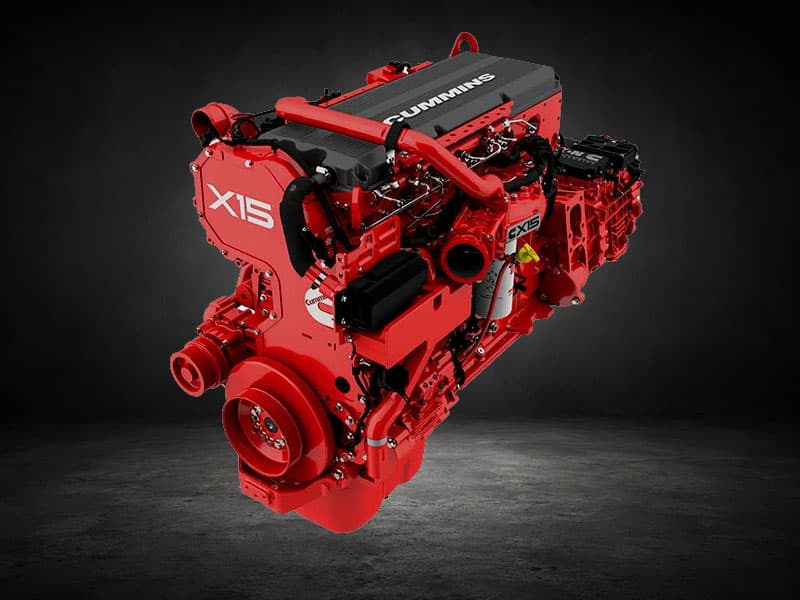
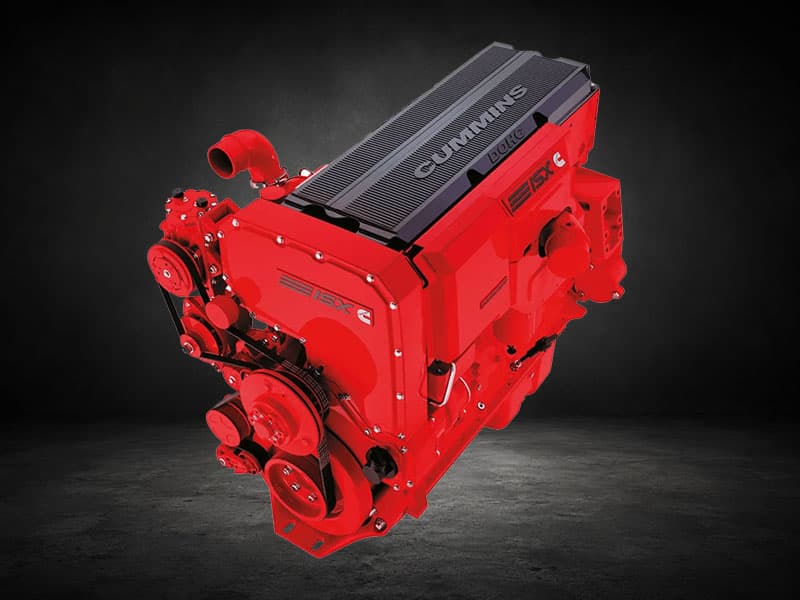
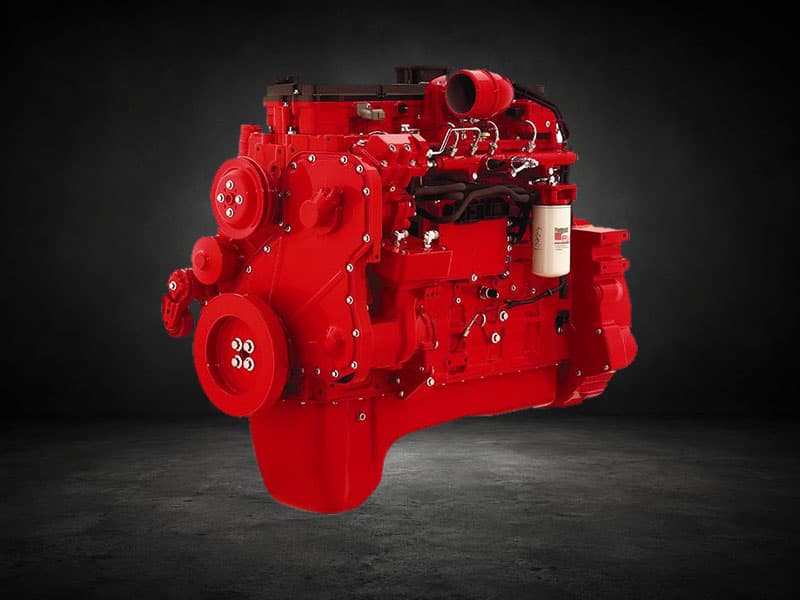
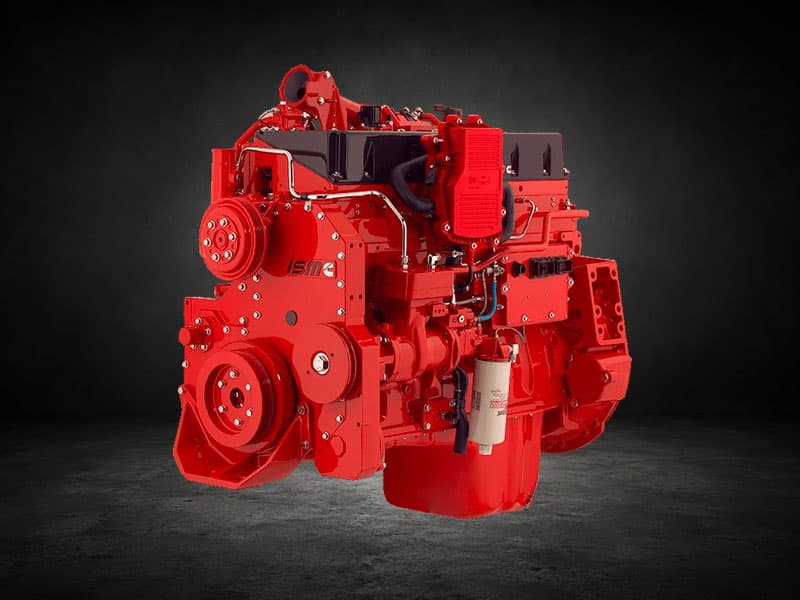
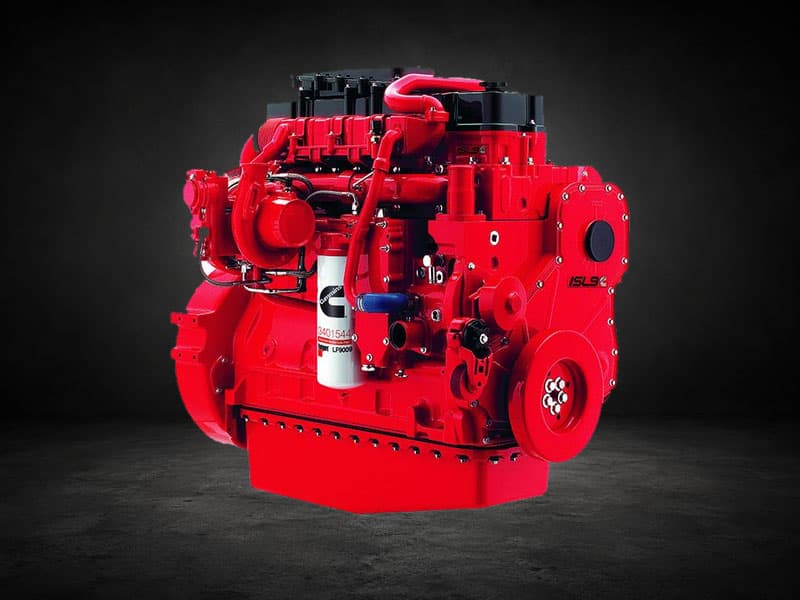
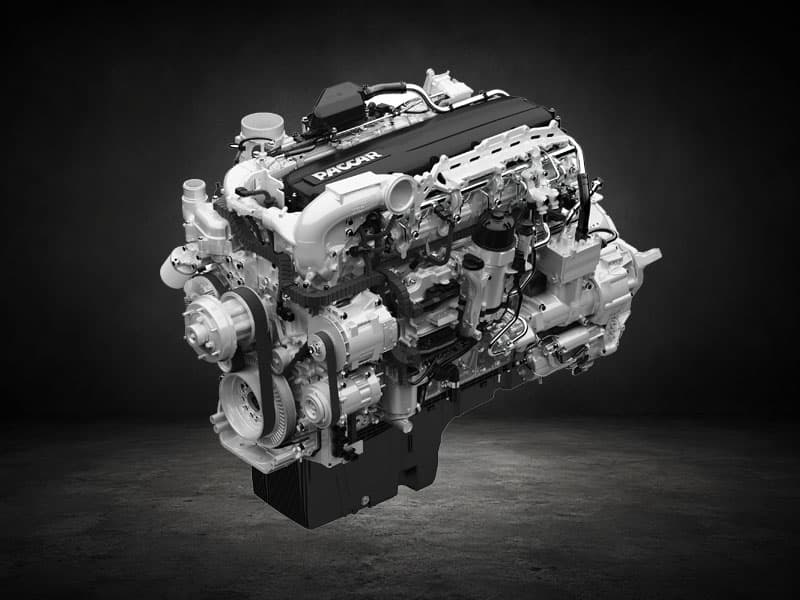
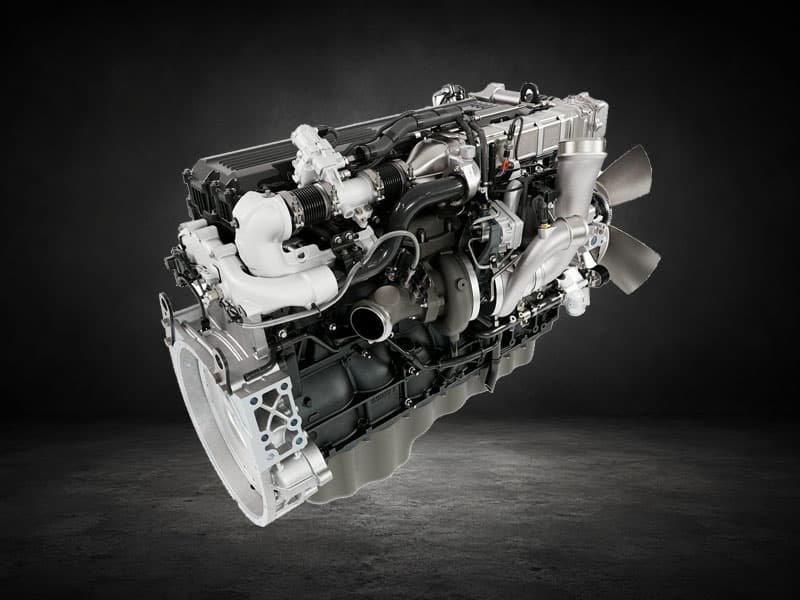
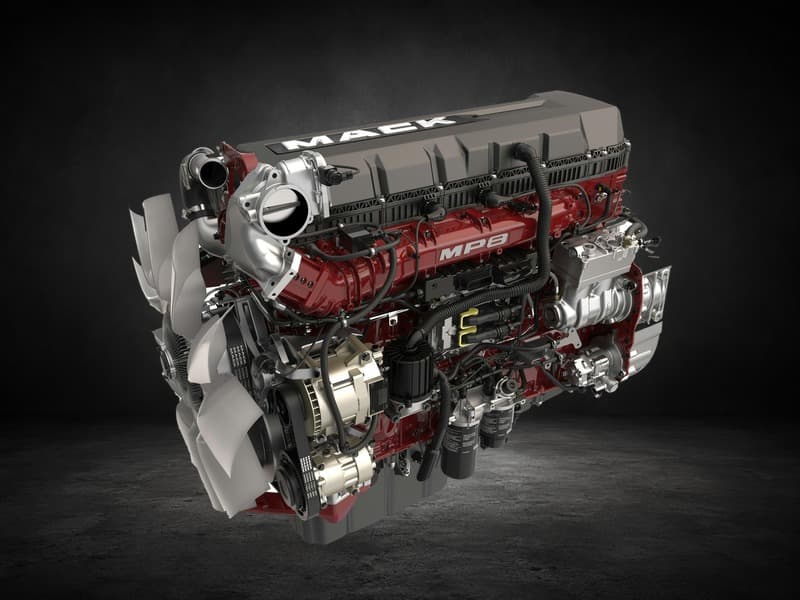
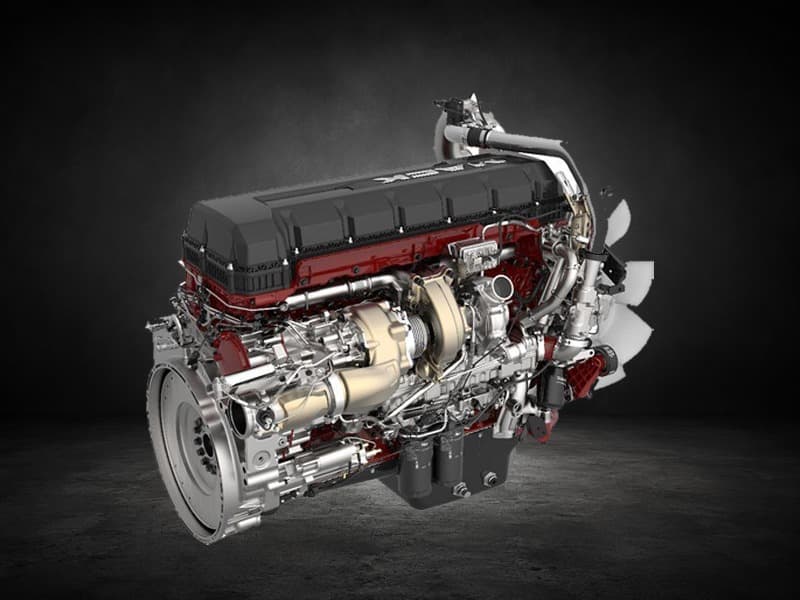
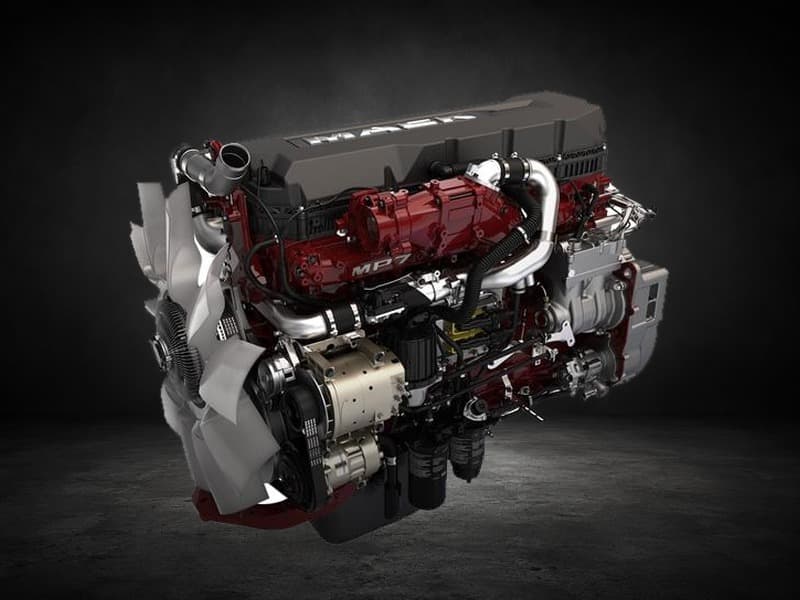
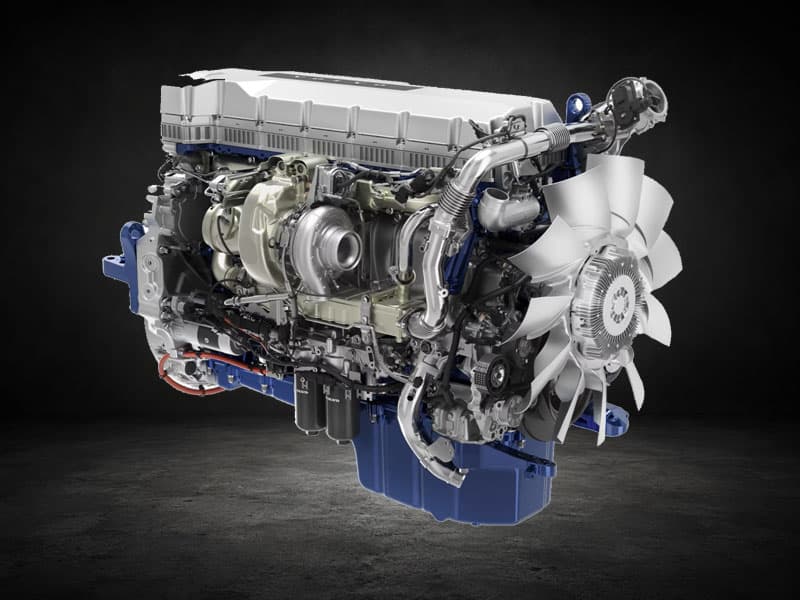
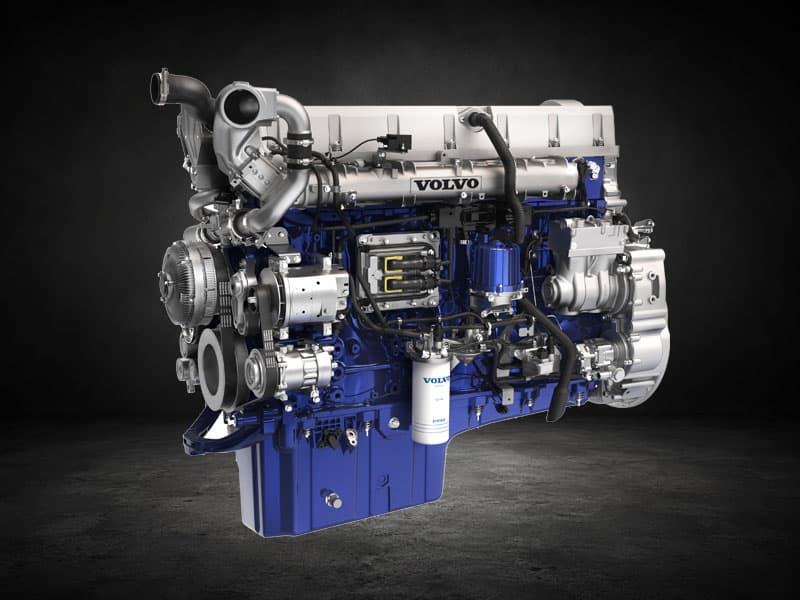
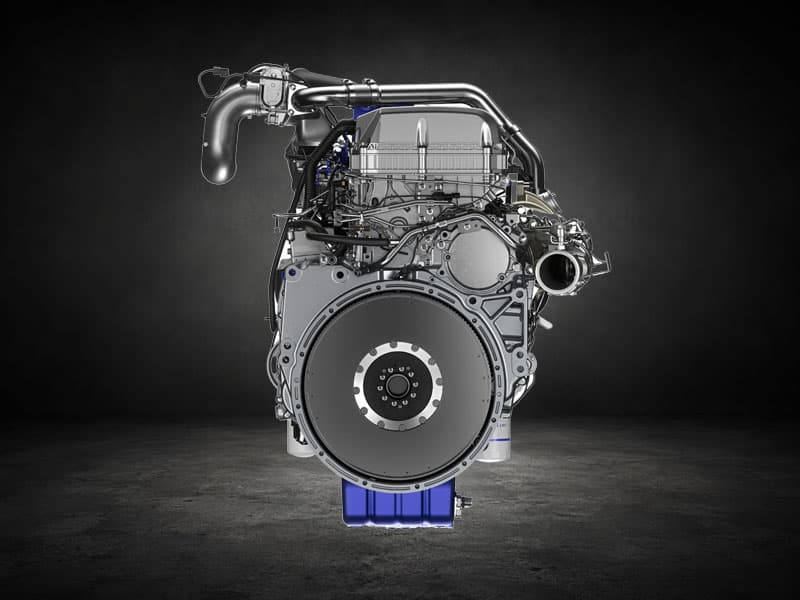
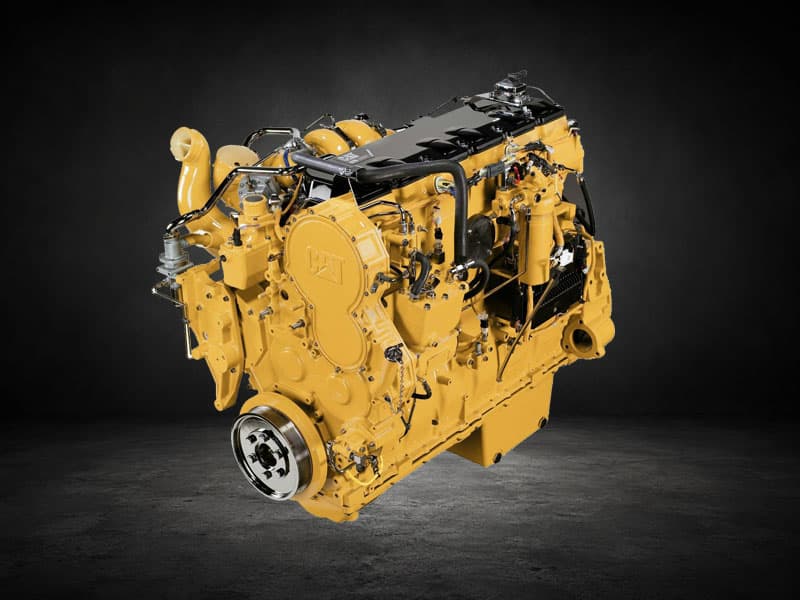
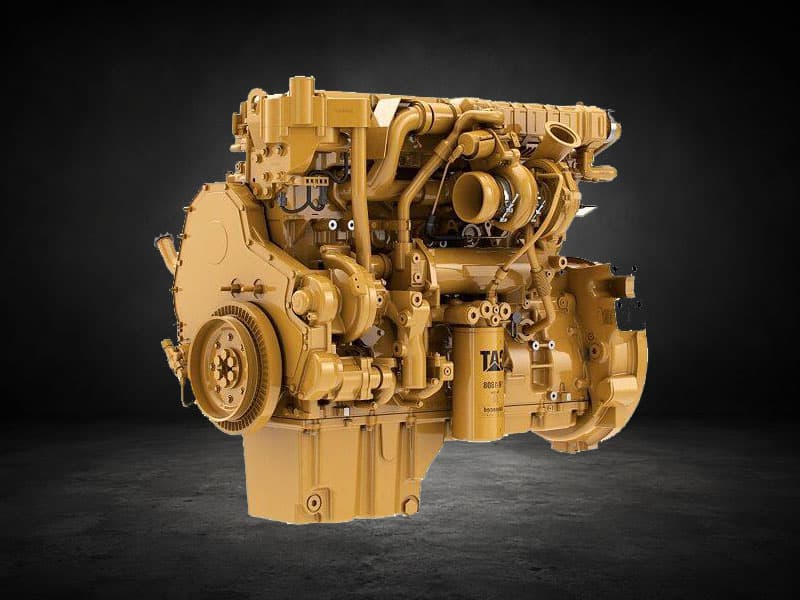
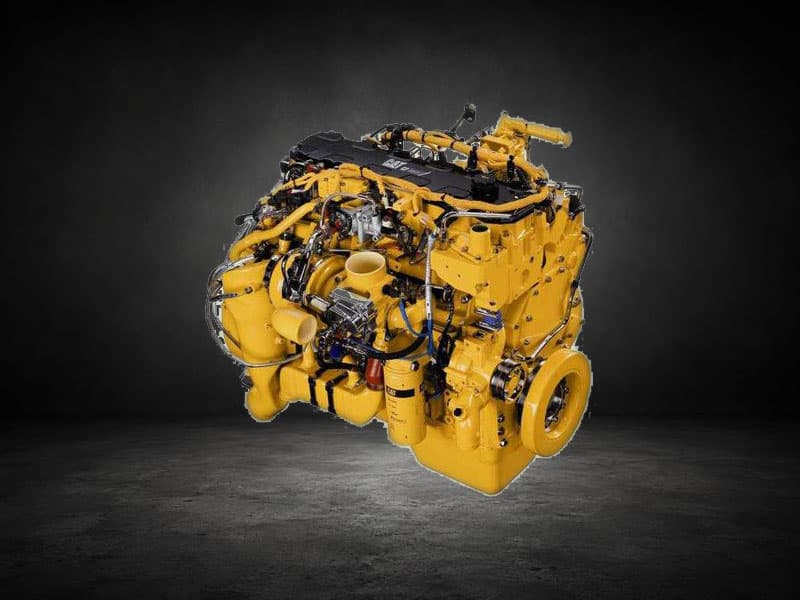
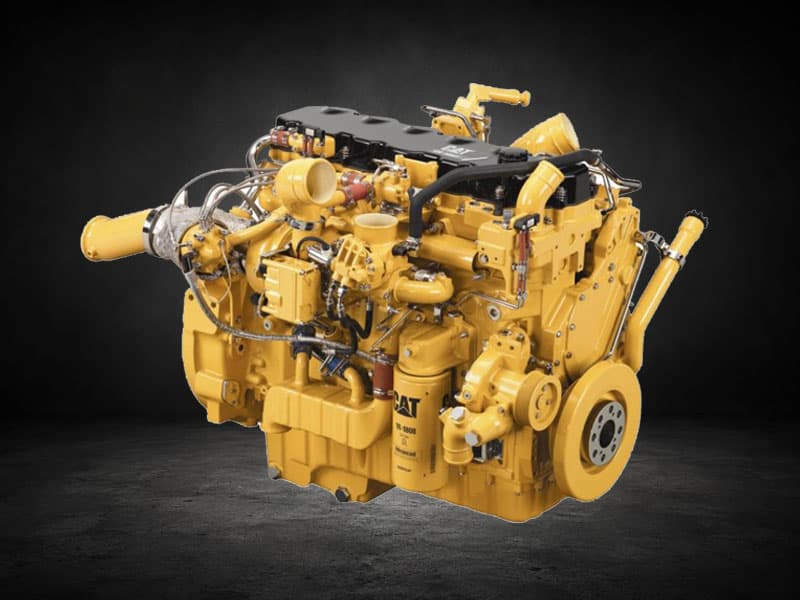
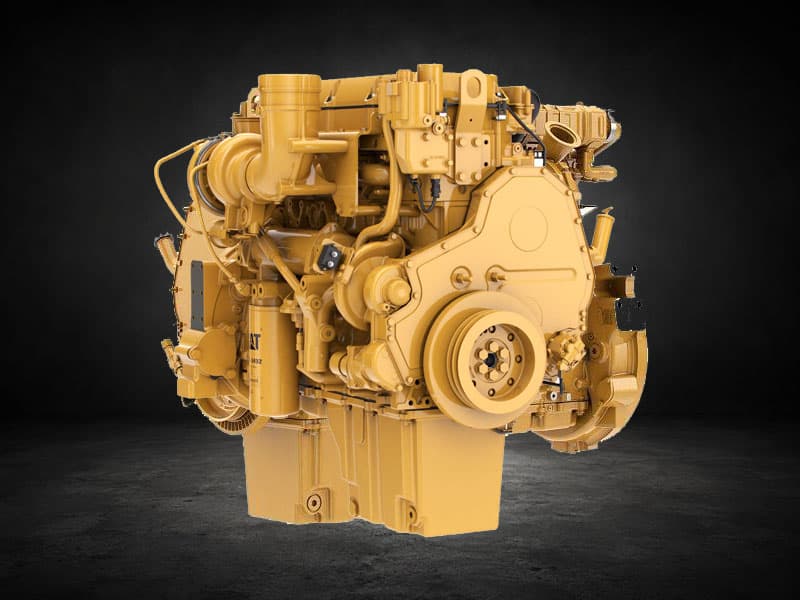
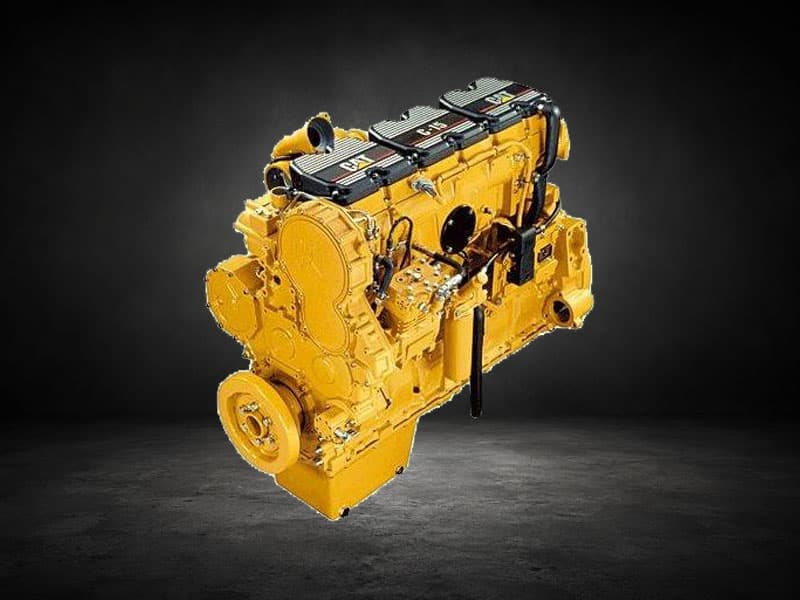
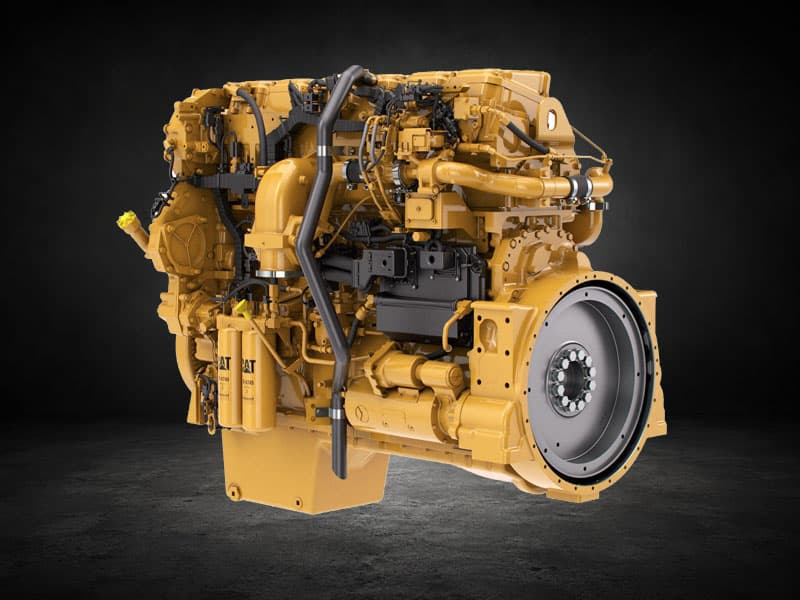
The T800 has carried virtually every major Class 8 vocational engine across its production lifetime. Modern T800s ship with Cummins X15 and Paccar MX-13 power as primary options, with Cummins ISX continuing as a fleet option. The 2002-2009 production era T800s ran predominantly Cat C15 with significant C13 availability, plus the Cummins ISX. The platform's compatibility with the full range of heavy Class 8 engines means we work T800s across our entire engine support portfolio.
Why T800s Come To Our Bench
T800 calibration work is driven by the operational demands of vocational service combined with the standard aftertreatment patterns of modern Class 8 emissions architecture:
Oilfield service performance tuning. The dominant T800 calibration application. Oilfield-spec T800s pulling frac sand, water tankers, mud trucks, or general oilfield service benefit from calibrations matched to actual operating conditions — sustained heavy loads, off-road operation, variable fuel quality, demanding PTO duty cycles. Stock fleet calibrations are conservative for these conditions.
Construction and aggregates fleet calibration. T800s in dump truck configuration, concrete pumping, and aggregates hauling face short-cycle vocational duty that stresses DPF systems beyond what stock calibrations anticipate. Active regen cycles trigger constantly. Calibration work that addresses the duty-cycle reality extends platform useful life.
Logging haul calibration work. T800s in Pacific Northwest and Western US logging applications operate in conditions that fleet calibrations simply don't account for — sustained grade operation, off-road runs to logging landings, demanding PTO duty for self-loaders. Calibration work matched to actual logging operations is meaningfully different from stock fleet calibration.
Combined DPF + EGR + SCR delete for dedicated off-road service. T800s dedicated to off-road oilfield, construction, or logging service often benefit from full aftertreatment delete preparation. Standard work for trucks that won't see public road service.
Export preparation. Used T800s have meaningful demand in export markets, particularly Latin American oilfield and construction operations. Delete preparation, calibration matched to fuel quality realities, and chassis-specific calibration work for export-bound T800s are routine.
Vocational Calibration Considerations
Vocational T800 calibration work differs meaningfully from fleet long-haul T660 or T680 work because the duty cycle assumptions are different. Where fleet long-haul calibration optimizes for highway cruise efficiency, vocational calibration has to account for sustained PTO operation, variable load profiles, off-road operating conditions, and the specific operational characteristics that the operator actually faces day-to-day.
For each engine platform on the T800 — Cummins ISX or X15, Cat C13 or C15, Paccar MX-13 — the calibration approach to vocational duty is different. Cummins INSITE-based work on ISX/X15, Cat ET-based work on C13/C15, and Paccar diagnostic-based work on MX-13 each have their own characteristics. We support all of these.
Service Paths For T800 Programming
Ship-in is the most common path. Pull the ECM, ship to Fort Lauderdale, 2-3 day programming turnaround. Remote programming works for shops with appropriate engine-platform diagnostic software. On-site service is available for South Florida operators and for fleet customers in regions where bringing the truck to us makes practical sense.
Quotes return same business day. Tell us the year, the engine, the operational situation (oilfield, construction, logging, heavy-haul, fleet vocational), and what you want out of the work. For vocational fleet customers, multi-truck programming pricing applies, and scheduling typically coordinates with operational priorities — off-season cycles for logging operations, project schedules for construction fleets, drilling program schedules for oilfield operators.
The T800 In Operational Context
The T800 has stayed in continuous production for nearly four decades because the vocational customer base hasn't found a better answer for heavy vocational service. The chassis can accommodate the largest available Class 8 engines, the configuration options support virtually any vocational application (from concrete pumping to oilfield wireline to logging to dump truck), and the operational durability under sustained off-road conditions has been proven across countless thousands of trucks in active service across every demanding vocational application North America has to offer.
For our customer base specifically, T800 calibration work shows up across the broadest range of applications we support. Oilfield operators in the Permian Basin, Eagle Ford, and Bakken regions. Logging operations across the Pacific Northwest and Southeastern US. Construction fleets working everything from interstate aggregate hauling to specialized heavy construction support. Heavy-haul tractors moving permitted loads across the country. The T800 shows up in all of these applications because the platform handles all of them well — and calibration work matched to each specific operational pattern is how we deliver the operational improvements these customers actually need.