The Cat That Refuses To Quit
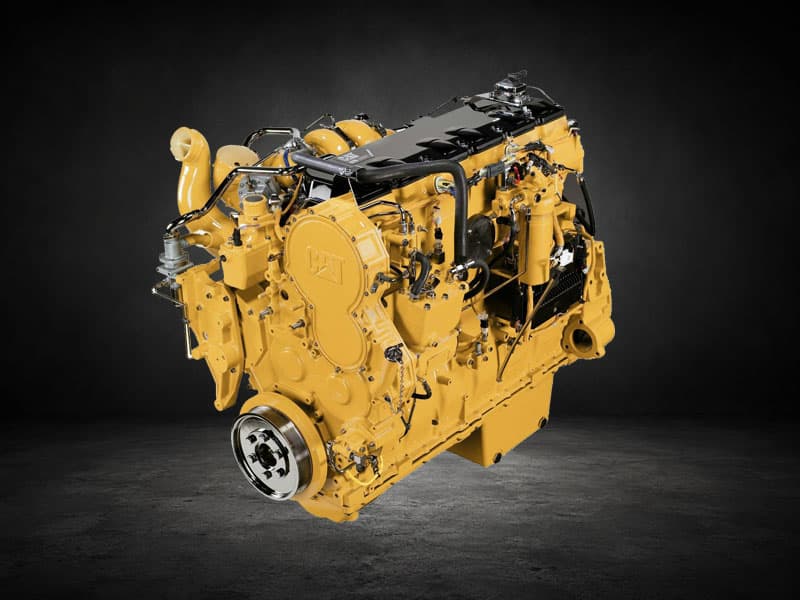
The Caterpillar C15 is the engine owner-operators remember from before Cat walked away from the on-highway truck market. A 15.2-liter inline-six that powered Class 8 highway tractors from 2002 through 2009 before EPA emissions requirements pushed Cat out of the segment, the C15 came in two distinct architectures: pre-ACERT (2002-2003) and ACERT (2004-2009). The ACERT generation introduced exhaust gas recirculation and other emissions hardware that the original pre-ACERT C15 didn't have. Both generations remain in active service today on the trucks of operators who refuse to retire them.
Power ratings on the C15 ran from 435 to 625 horsepower in highway applications, with peak torque to 2,050 lb-ft. The 625-hp variants in particular have something close to legendary status in the heavy-haul and oilfield communities — there's an entire used-truck market built around tracking down and rebuilding C15-powered Peterbilts and Kenworths because of how these engines drive and sound.
Why C15 Trucks Come To Our Bench
C15 calibration work is different from work on modern post-2010 platforms because the failure patterns are different. There's no SCR system, no DEF, no inducement countdown to worry about. ACERT C15s have a DPF and EGR system but it's a simpler architecture than what came after. Most C15 work involves:
Performance tuning for heavy-haul and oilfield service. Stock C15 calibrations are conservative. Owner-operators running heavy-haul, oilfield service, or competitive applications routinely upgrade calibrations for additional power and broader torque plateaus. The C15's mechanical hardware (injectors, turbo, rotating assembly) has substantial headroom on stock configurations — calibration changes alone can deliver +100 hp gains with proportional torque on most ratings.
DPF / EGR delete on ACERT C15s. For C15-powered trucks bound for export markets or dedicated to off-road service, delete calibrations on the ACERT generation eliminate the DPF and EGR systems. This returns the engine to pre-ACERT operating characteristics — simpler, more reliable, easier to maintain in remote operations.
Calibration recovery on bricked modules. C15 ECMs that have been sitting on the shelf, ECMs from salvage cores, ECMs that have been corrupted by failed dealer flashes — we recover most of these and restore them to running condition.
VIN and engine serial matching. When a C15 ECM is swapped between trucks (whether for upgrade, repair, or salvage rebuild), VIN and engine serial parameters need to match the new chassis. Standard work on C15 platforms.
ECM Identification
C15 trucks run Caterpillar-specific ADEM (Advanced Diesel Engine Management) ECMs accessed through Cat's proprietary diagnostic protocol. The ECM type varies by year — ADEM IV on most on-highway C15s, with different software environments than modern Cummins or Detroit platforms. The diagnostic connector is the standard SAE J1939 9-pin, but the actual calibration tools (Cat ET — Electronic Technician) are Cat-specific.
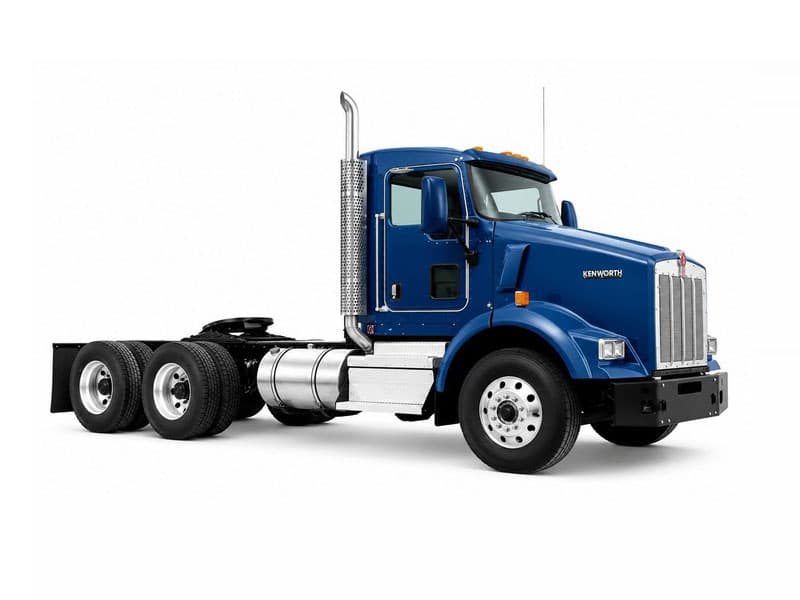
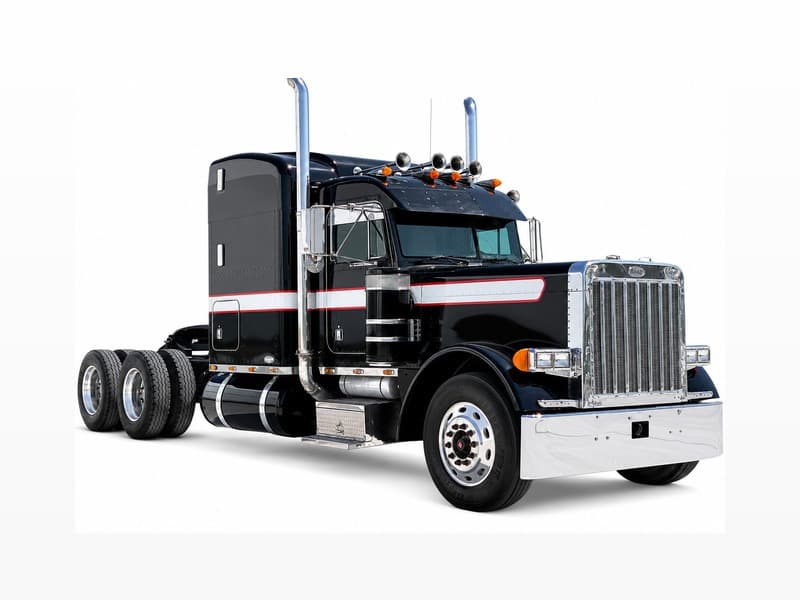
Sending us the engine serial number (printed on the data plate, usually on the side of the block), the truck VIN, and a current calibration ID lets us scope the work accurately. Most C15 jobs we do are for owner-operators running specific Peterbilt 389, 379, Kenworth W900, or T800 trucks where we already know the calibration approach.
What C15 Owners Actually Get From Calibration Work
For a C15-powered Peterbilt 389 in heavy-haul service, calibration tuning can deliver the difference between a truck that struggles at GCW and a truck that pulls without complaint. For a C15-powered Kenworth W900 in oilfield work, the tuning can match the engine to the actual duty cycle — long PTO sessions, sustained high load, variable demand on the truck's electrical and hydraulic systems. For an export-bound C15 with ACERT hardware, the delete calibration prepares the truck for international markets where the aftertreatment hardware is the wrong solution to the wrong problem.
What we don't do is destroy the character of these engines. The C15 has a sound and a pull profile that owner-operators care about. Aggressive tuning that compromises that character defeats the purpose. Our C15 calibrations preserve what makes the platform worth keeping while improving the metrics that actually matter — power, torque, throttle response, and durability under sustained load.
Service Paths For C15 Programming
Ship-in is the most common path for C15 work. Pull the ADEM ECM, ship to Fort Lauderdale, 2-3 day programming turnaround, ship back. Remote programming is possible with Cat ET on the shop's laptop and a 9-pin J1939 connection. On-site service is available for South Florida operators bringing the truck to us.
Quotes return same business day. Tell us the engine serial, the truck chassis, the intended application, and what you want out of the calibration. We're happy to discuss tuning targets, fuel economy goals, and reliability tradeoffs before any work begins.
Why The C15 Still Matters
Caterpillar exited the on-highway truck engine market over a decade ago. Despite that, the C15 community has stayed remarkably active. There are still C15 rebuild shops, C15 parts suppliers, and C15-specific calibration shops like ours because owner-operators keep choosing to maintain these trucks rather than replace them. The economics make sense — a well-maintained C15 still has the power, the sound, and the character that drove people to buy them in the first place, and the cost of keeping one on the road remains lower than the cost of starting over with a new truck note.