What's Actually Happening
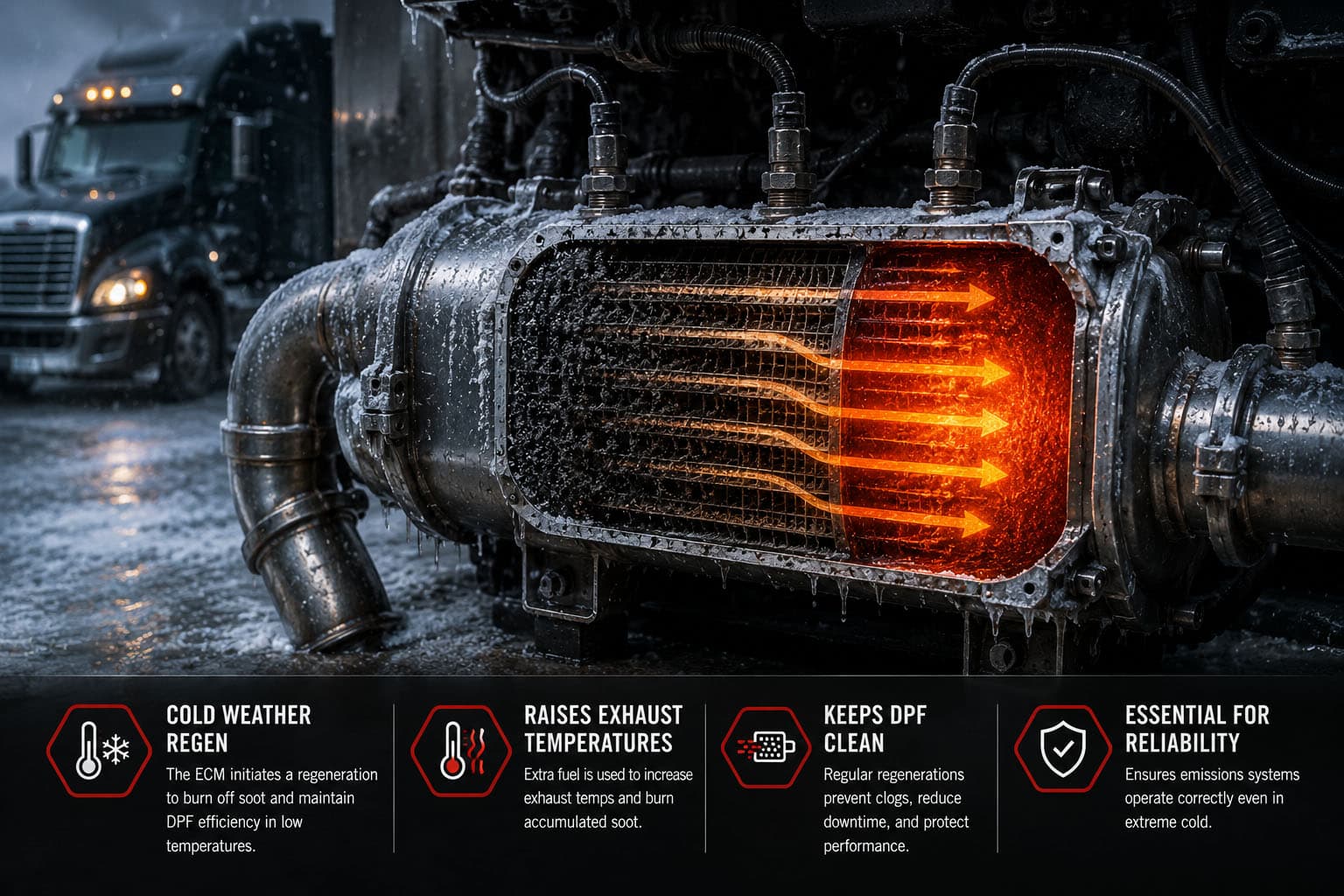
Active regen is the diesel particulate filter's self-cleaning cycle. The ECM injects fuel into the exhaust stream — either via post-injection cycles in the cylinder or through a dedicated aftertreatment fuel injector — and that fuel burns across the diesel oxidation catalyst (DOC), raising exhaust gas temperature into the 1100–1200°F range needed to oxidize accumulated soot in the DPF substrate downstream. When everything works, the cycle takes 20–40 minutes, soot converts to ash and CO2, and the DPF returns to normal flow restriction.
When regen problems appear, the cycle initiates but never completes the temperature ramp-up needed to actually burn off soot. The ECM logs the failed attempt, schedules the next attempt sooner, the truck accumulates more soot, and a feedback loop builds toward derate. From the driver's seat the symptom looks like persistent regen indicator lights, longer-than-expected regen cycles, and a creeping sense that fuel economy is dropping for no obvious reason.
Operators see this most often during the colder months, during sustained light-duty operation, and after extended idle periods at job sites. The pattern is mechanical and predictable once the operational profile is understood, but to the driver it often looks like the truck is randomly failing without warning. It rarely is — the conditions that produce failed regen are usually visible in the operational duty cycle if you know what to look for.
Why It Fails To Complete
The root causes cluster into a few patterns we see across the broader fleet population. Each one reflects a different mismatch between what the aftertreatment system was engineered to handle and what the truck is actually doing in service.
Operational duty cycle mismatch
Active regen needs sustained engine load and reasonably warm operation to maintain exhaust temperature long enough for the DPF substrate to reach light-off. Stop-and-go construction haul, refuse collection routes that never exit residential streets, urban delivery with constant brief stops, sustained idle in oilfield service or municipal vocational work, and school bus duty cycles all fall outside what active regen logic expects. The DPF system was engineered around highway-cycle operation; vocational and short-trip applications fight that assumption every cycle.
Aftertreatment hardware aging
The DOC catalyst light-off temperature rises over operational service life as catalyst aging reduces conversion efficiency. A DOC that fired at 450°F when new may need 525°F at 400,000 miles. The aftertreatment fuel injector tip accumulates carbon and produces poorer atomization over time. Differential pressure sensors drift. All of these contribute to incomplete regen even on highway-cycle operation, and they compound: an aging DOC needs more fuel to reach light-off, the aging injector delivers that fuel less efficiently, the sensors increasingly disagree with reality.
Fuel quality and contamination
Off-spec diesel, sulfur content variation, water contamination, and similar fuel quality issues affect DOC light-off and downstream regen performance. Operations with mixed fuel sourcing — particularly in oilfield, mining, and certain export operations — face this regularly. Even on US ULSD-grade fuel, regional variation in sulfur content and additive packages can shift regen behavior measurably.
Resolution Paths
The right resolution depends on what the operator wants out of the work, the regulatory situation the truck is operating under, and the operational economics of recurring service. There's rarely a single right answer — there are paths matched to specific situations.
For compliant on-road trucks
Fleet long-haul, regional, and on-road vocational trucks with regulatory compliance requirements typically benefit from a combination of hardware service (DPF cleaning service or replacement, aftertreatment fuel injector service, DOC inspection) plus calibration work that better matches the truck's actual operational duty cycle. Stock fleet calibration assumes operational patterns most fleet trucks don't actually follow; calibration adjusted to match real operational reality often resolves recurring regen issues without requiring repeated hardware service.
For off-road and export trucks
Yard operations, mining, oilfield service that doesn't travel on public roads, and trucks bound for export to destinations without DPF mandates can use DPF delete calibration paired with hardware removal to eliminate the regen failure surface entirely. The aftertreatment system gets removed from the operational equation. This isn't appropriate for compliant on-road service, but for trucks operating in dedicated off-road or export-bound roles, it's typically the right path.
For owner-operators and customers in the middle
Conversation matters. We work through the operational profile, the specific recurring failure mode, the regulatory situation, and what the operator actually needs out of the truck before recommending an approach. The answer often isn't the obvious one — sometimes the right path is calibration adjustment without hardware service, sometimes it's the opposite, sometimes it's a longer-term plan that addresses the issue across the next service cycle.
Cross-Platform Patterns We See
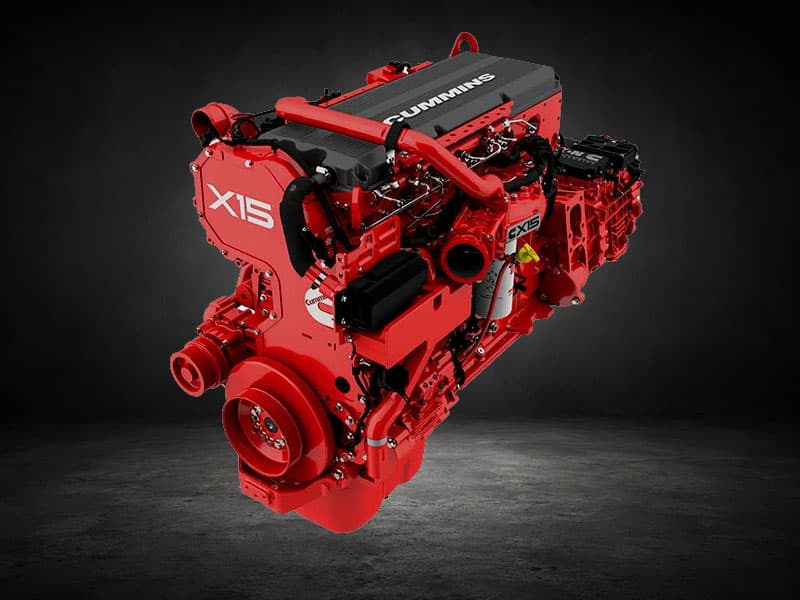
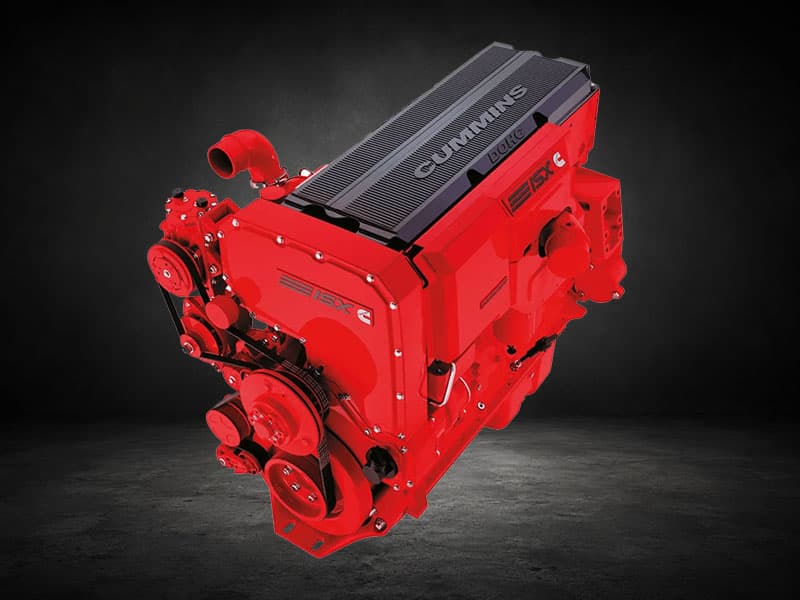
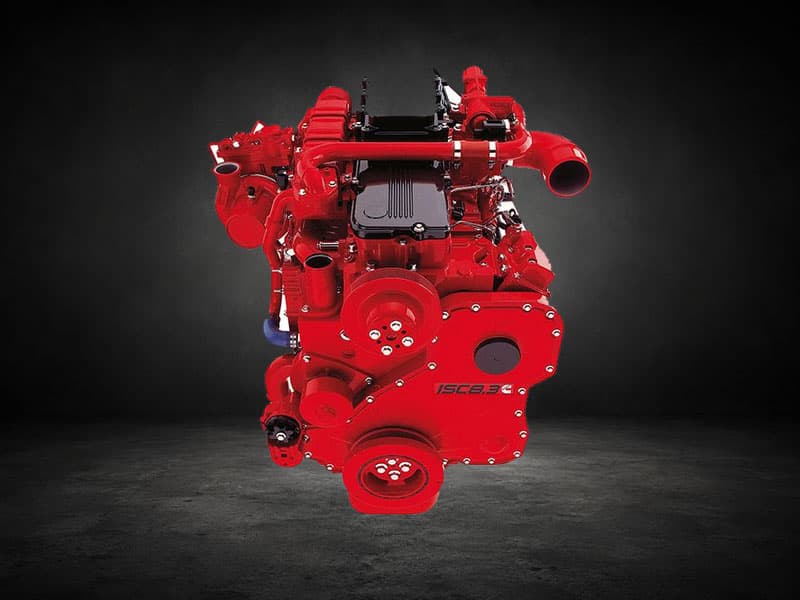
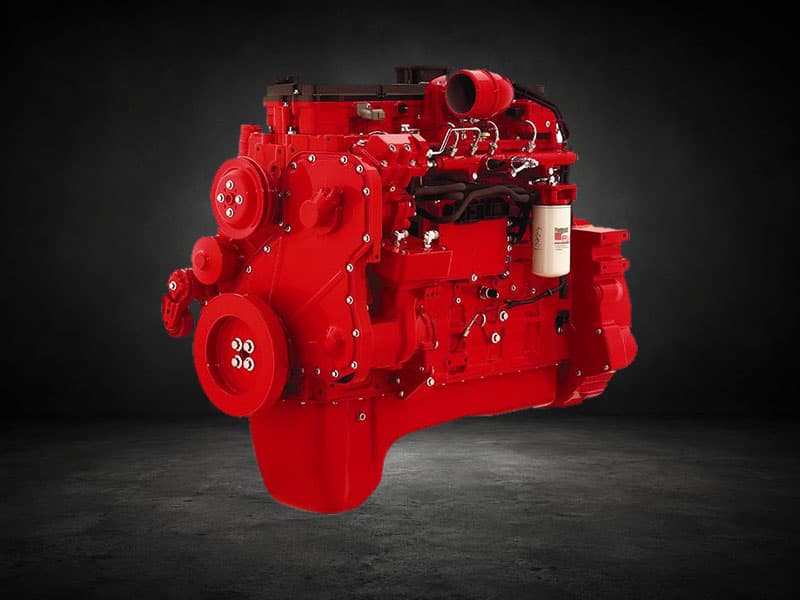
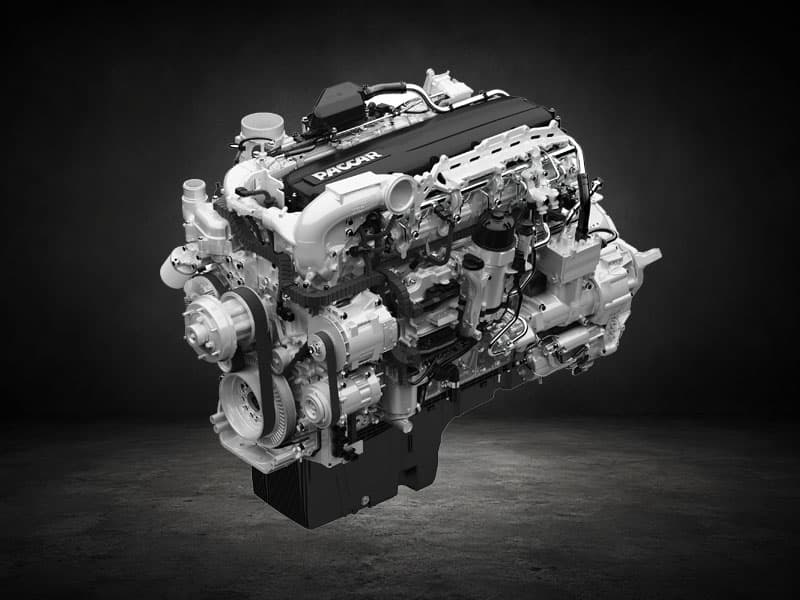
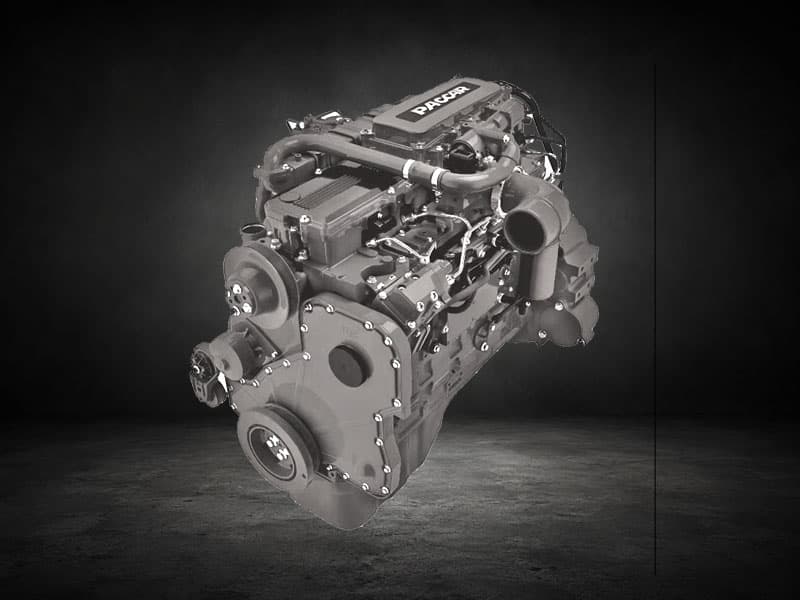
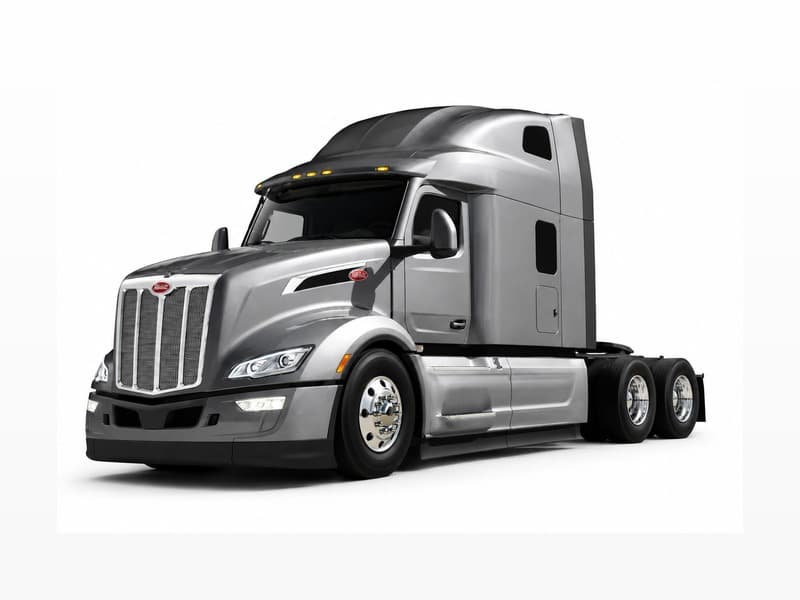
Cummins ISC and ISL platforms in construction and refuse applications show regen incompletion at predictable mileage thresholds — typically 200,000-400,000 miles depending on application severity. Cummins ISX and X15 in long-haul applications take longer to develop the pattern but reach the same operational reality past 500,000-700,000 miles. Paccar MX-13 in over-the-road service shows similar long-haul patterns.
MaxxForce platforms struggle more than others due to the EGR-only emissions architecture that places more aftertreatment stress on the DPF system without SCR/DEF support — MaxxForce DPF derate is its own well-documented operational reality across the legacy DuraStar, WorkStar, ProStar, and LoneStar fleet population. Cat C-series in vocational service shows the same fundamental regen incompletion pattern with Cat-specific calibration libraries and Cat ET diagnostic ecosystems.
Across all platforms, the common thread is the mismatch between aftertreatment engineering assumptions (highway-cycle, sustained operation) and actual fleet operational reality (stop-and-go, idle, brief cycles, mixed duty). Our calibration work addresses that mismatch directly across each platform's diagnostic and calibration ecosystem.