Industries We Serve
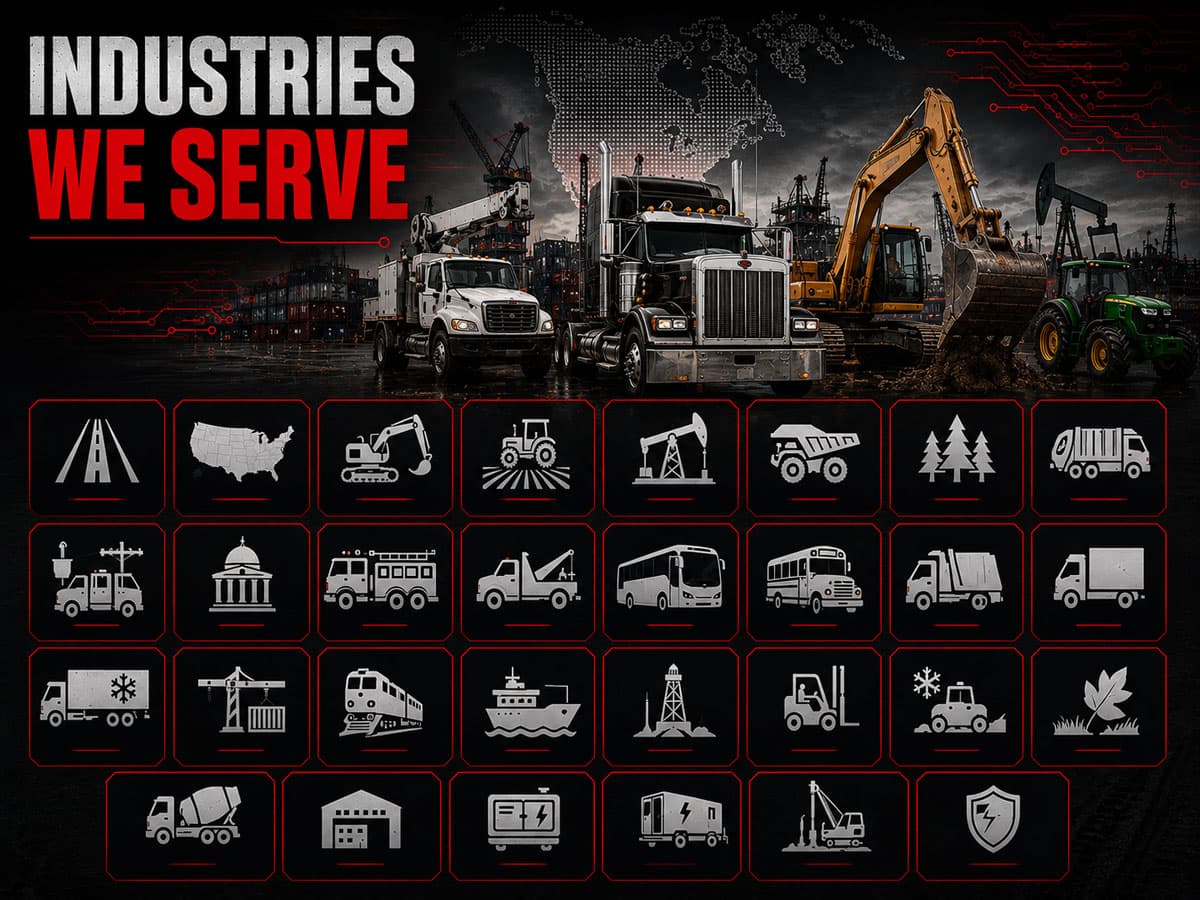
Twenty-two operational categories where diesel ECM programming addresses recurring duty-cycle mismatch, fuel quality reality, and aftertreatment system problems. Find your operation; we've probably seen the pattern before.
Duty Cycle Is The Real Pattern
Modern diesel platforms were engineered around assumed duty cycles — sustained highway operation, predictable RPM ranges, predictable load profiles. When your operation matches those assumptions, the aftertreatment system works as designed. When it doesn't, you get the patterns documented across our customer base: regens that don't complete, limp modes that recur, fault codes that resist dealer resolution, and operational unreliability that breaks fleet economics.
Industry pages organize the calibration conversation around what the truck actually does. A refuse truck's daily reality has nothing in common with a long-haul fleet's daily reality, even when they share the same engine platform. The duty cycle determines what calibration scope fits — far more than the platform alone.
The 22 industry pages below cover the operational patterns we see across active customer base. Find the one closest to your operation; the patterns and case studies surface the calibration approach that fits.
Vocational & Heavy Duty
Construction, resource extraction, severe-duty service operations, and emergency response fleets. Duty cycles built around sustained idle, low-speed PTO, severe-duty hauling, and remote operating conditions where stock aftertreatment calibration consistently produces operational problems.
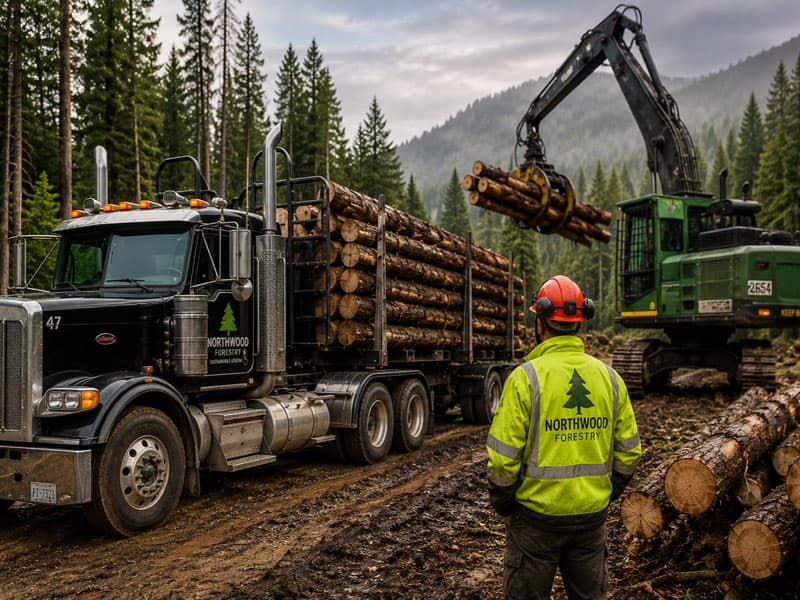
Logging & Forestry
Service trucks, log haulers, and yard equipment running in remote conditions where DPF regen cycles never complete properly.
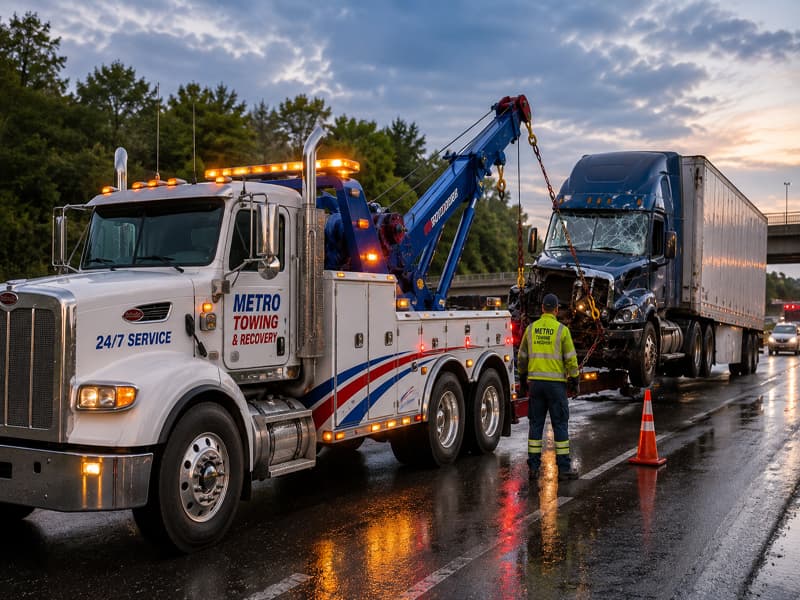
Towing & Recovery
Wreckers and recovery trucks that idle for extended on-scene work, then run heavy on tow legs. DPF regens never complete on this duty cycle.
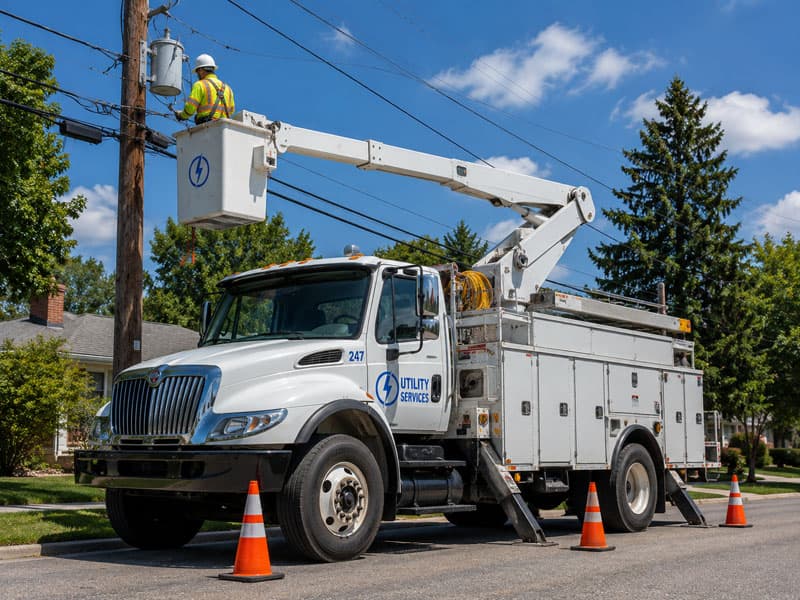
Utility Line Restoration
Bucket trucks, digger derricks, and storm-response fleets. PTO-heavy duty cycles trigger the worst DPF problems — and you can't have units down during storm work.
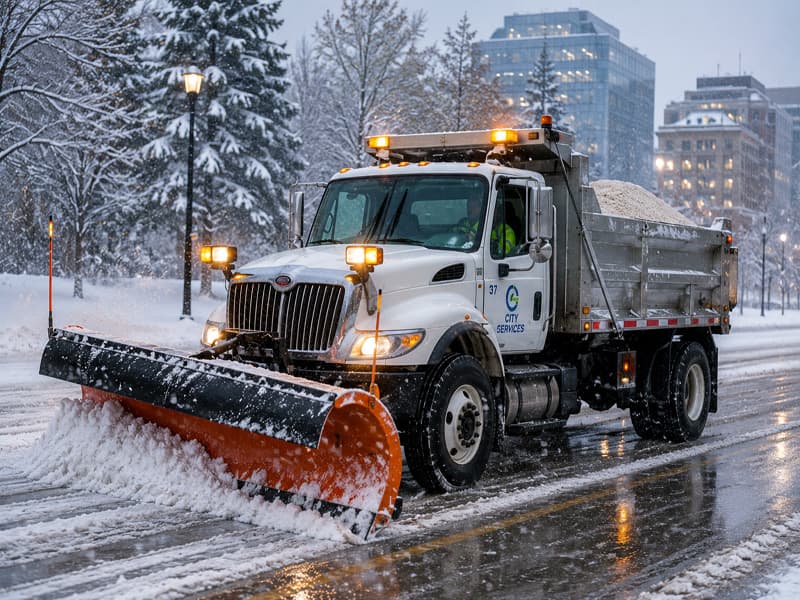
Snow Plow & Municipal
Municipal plow fleets running short, cold, heavy-load routes. Cold-weather regen failure is endemic on this duty cycle.

Oilfield & Gas
Service rigs, frac trucks, and oilfield haul trucks running on inconsistent fuel quality in remote locations far from dealer support.
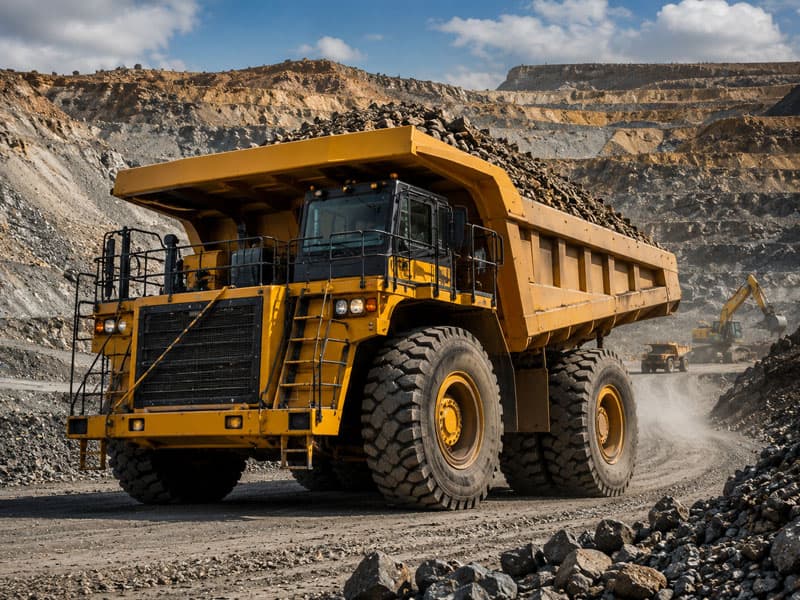
Mining
Off-highway haul trucks and support equipment where aftertreatment hardware has no business existing — designed for low-sulfur diesel that mining sites don't use.
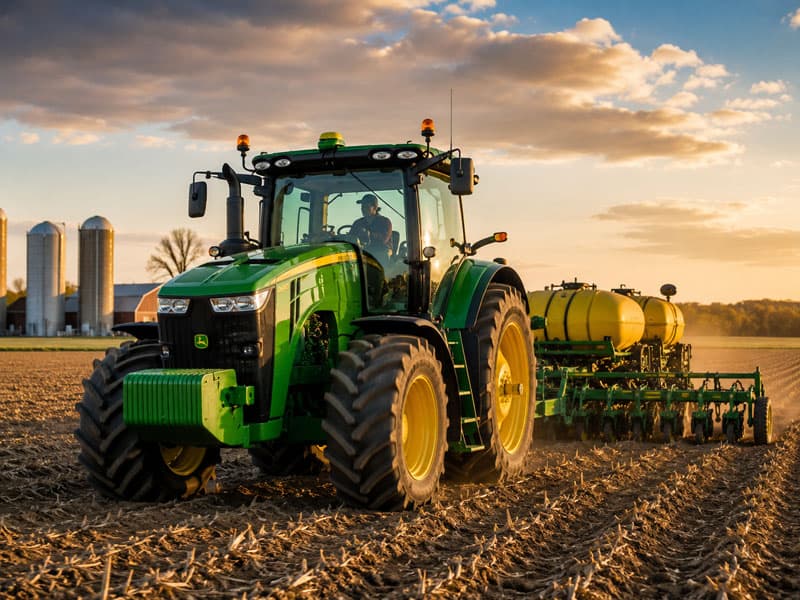
Agriculture & Farming
Farm trucks, irrigation pumps, and feed operations running on inconsistent fuel quality with no nearby dealer support.
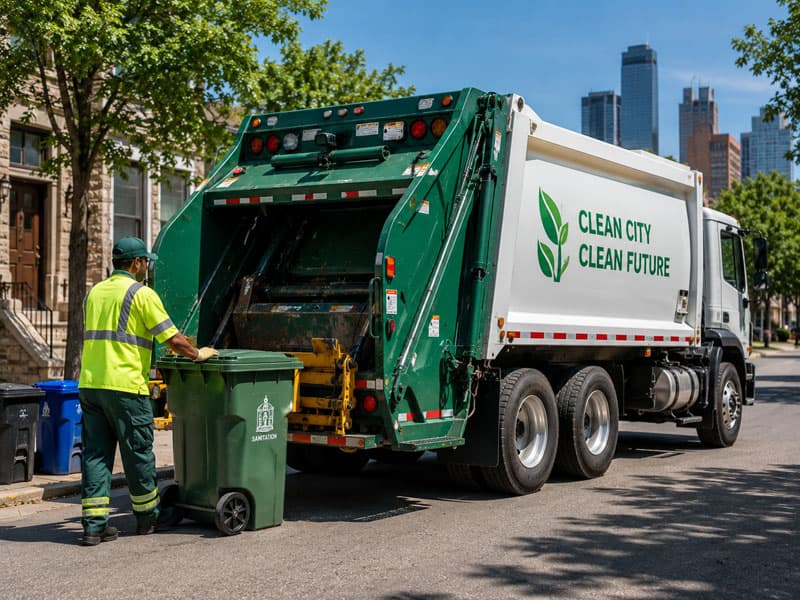
Waste & Sanitation
Sanitation fleets running start/stop routes that never reach regen temperatures. Different from refuse — fewer compactor cycles, more route-based pickup work.
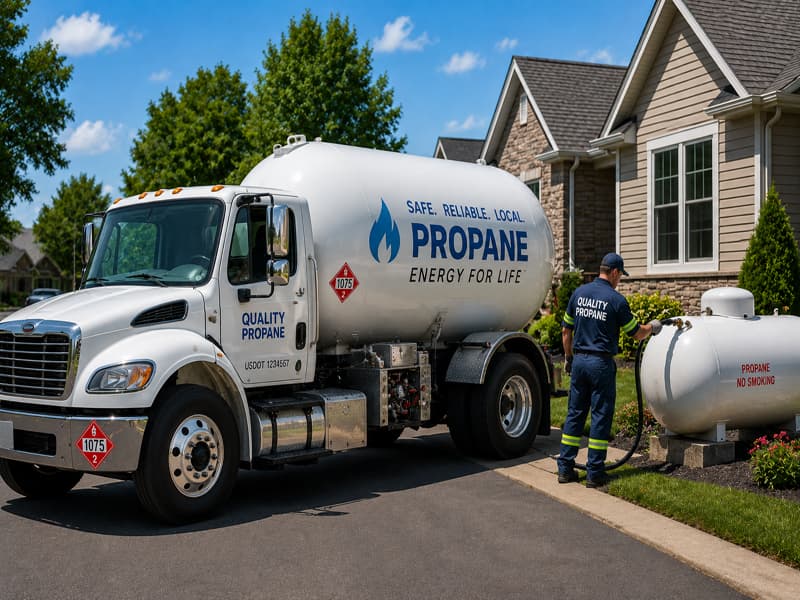
Propane & Fuel Delivery
Tanker trucks running residential and commercial delivery routes — short hops, frequent stops, no highway regen window.
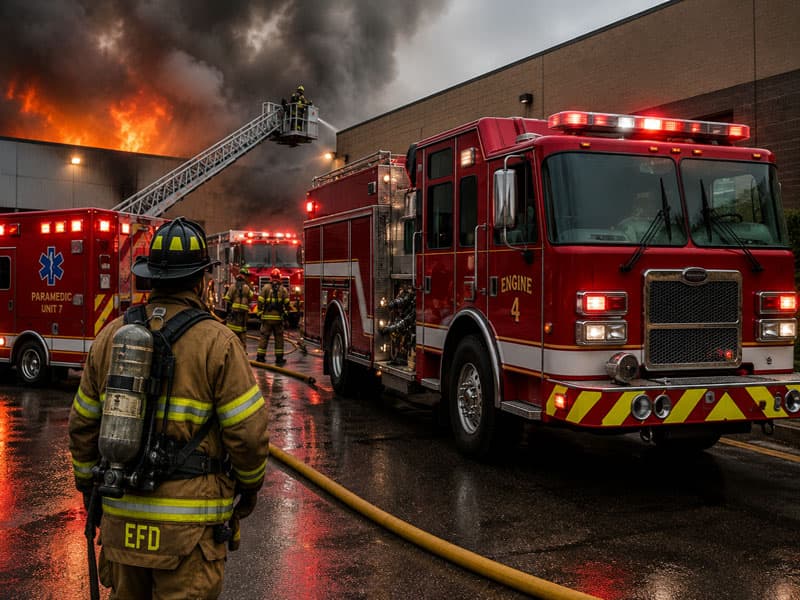
Fire & EMS
Apparatus that must start and respond — no exceptions. PTO operation during scene work triggers DPF/regen failures.
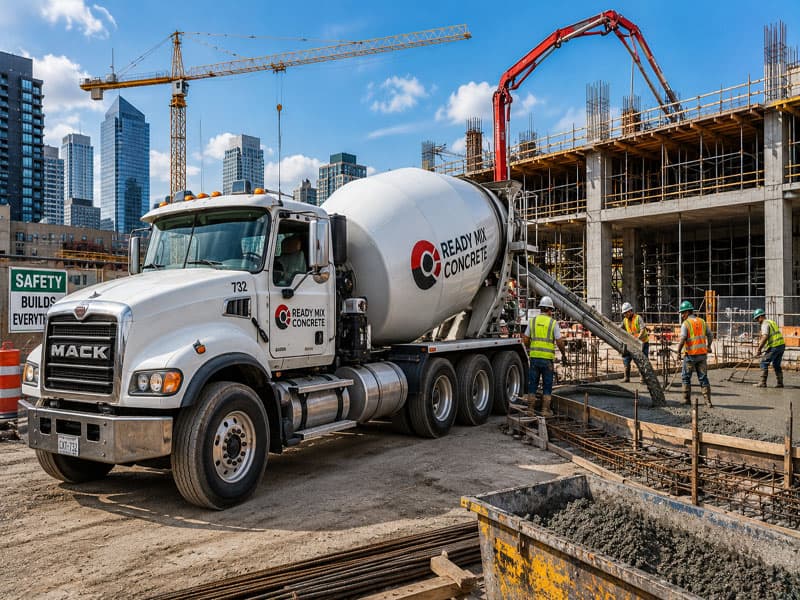
Concrete & Ready-Mix
Mixers with constant PTO load, short delivery cycles, and no opportunity for active regen between job sites.

Export & International Fleets
Trucks bound for Latin America, Caribbean, Africa, and Asia where high-sulfur diesel and absent DEF infrastructure make US-spec aftertreatment a liability.
Passenger & Transit
School transportation, municipal transit, airport shuttle, and commercial passenger transport. Frequent stops and short trip distances interrupt regen cycles before completion; the operational reality fights the stock calibration on most platforms.
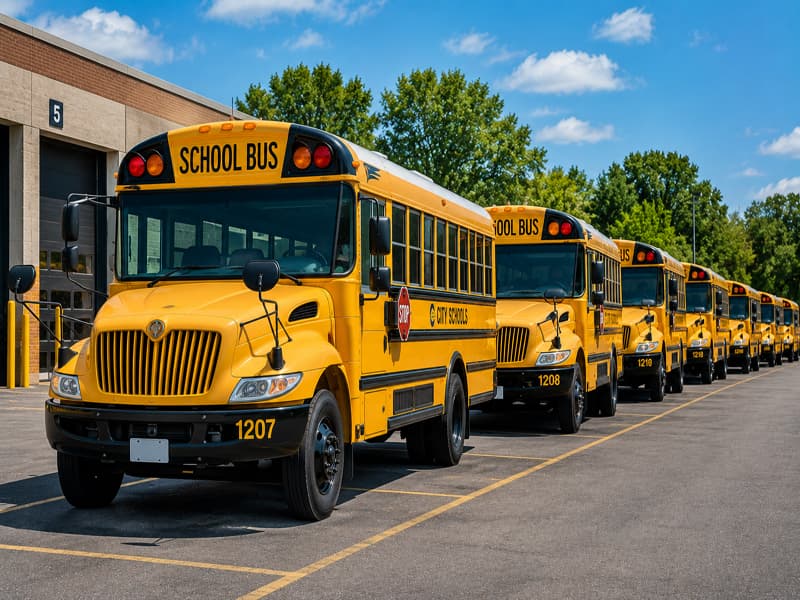
School Transportation
School bus fleets with short cold routes, twice-daily duty cycles, and tight maintenance budgets. Aftertreatment failures take buses out of rotation.
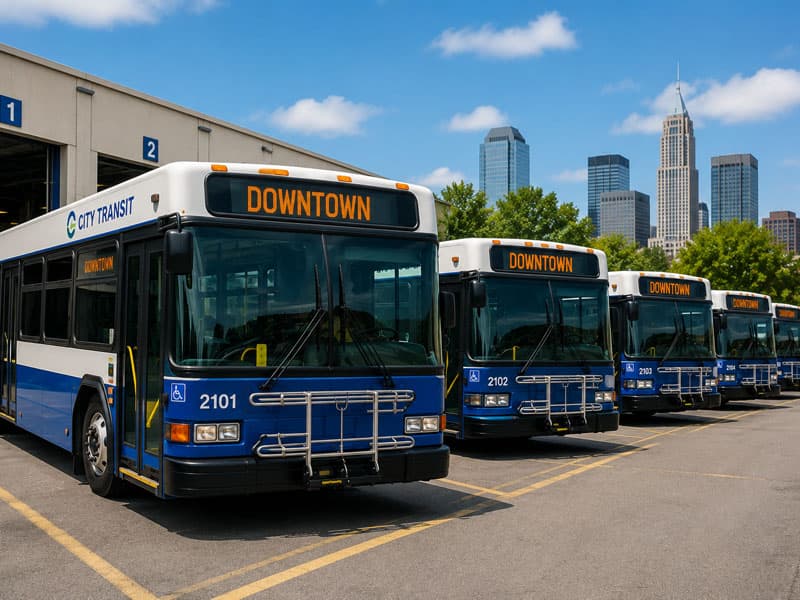
Municipal Transit
City transit buses on stop-and-go routes that never run long enough for active regen to complete.

Airport Shuttle
Shuttle fleets with terminal-loop routes and 24/7 operation. Aftertreatment downtime cascades into missed schedules.
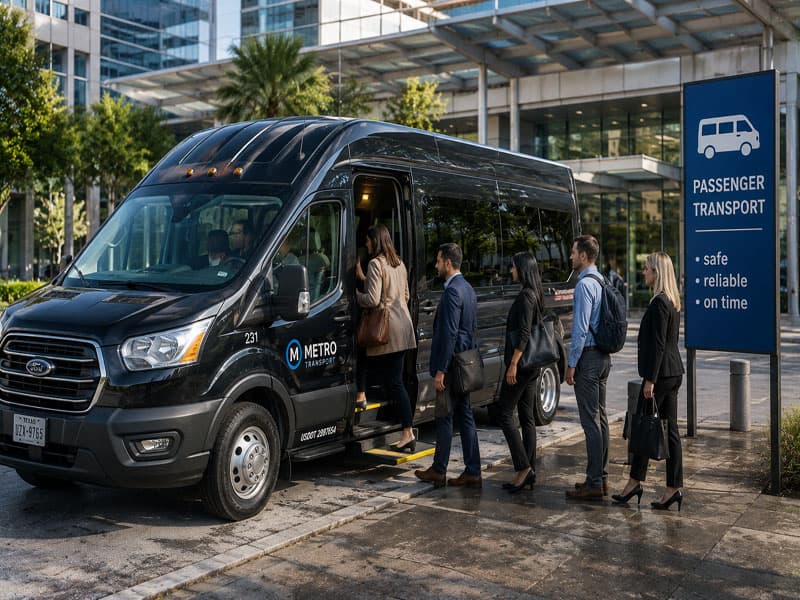
Commercial Passenger Transport
Charter, intercity, and motorcoach operators where mechanical failure means stranded passengers and refunds.
Specialty Applications
Refuse collection, intermodal logistics, construction aggregates, mobile medical, event transportation, and charter bus operations. Each application brings unique duty-cycle considerations that distinguish them from baseline vocational or passenger fleet patterns.
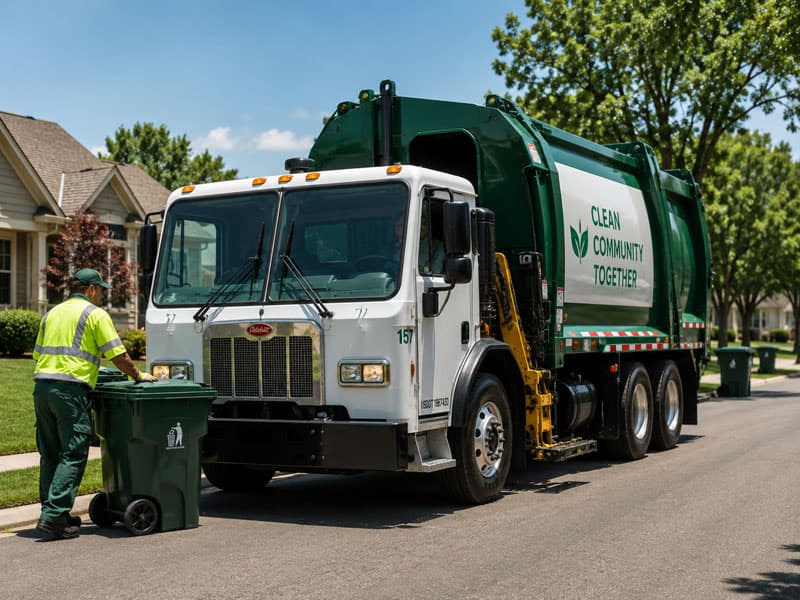
Refuse & Recycling
Refuse trucks and recycling fleets — the toughest duty cycle in trucking. Start/stop all day, packer cycles, never reaching regen temperatures.
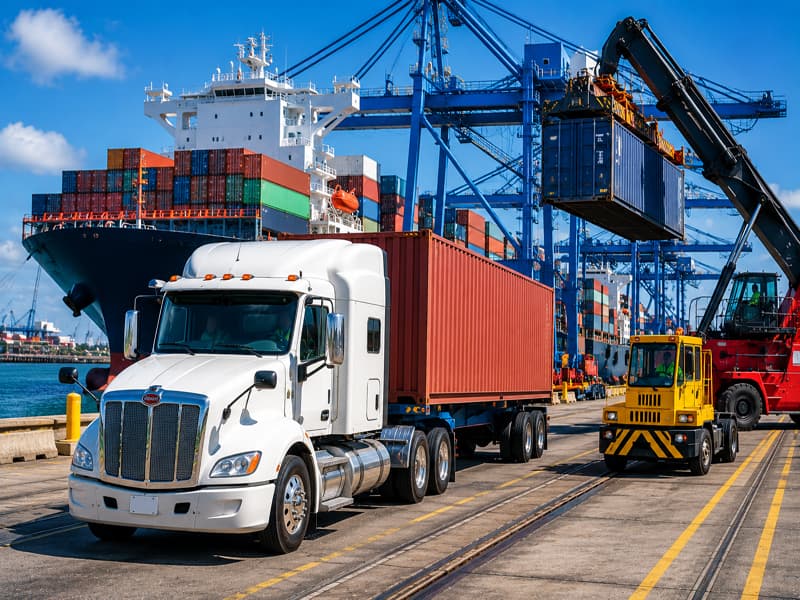
Intermodal & Logistics
Drayage, container haul, and intermodal fleets running port-to-yard short hauls and longer over-the-road legs.
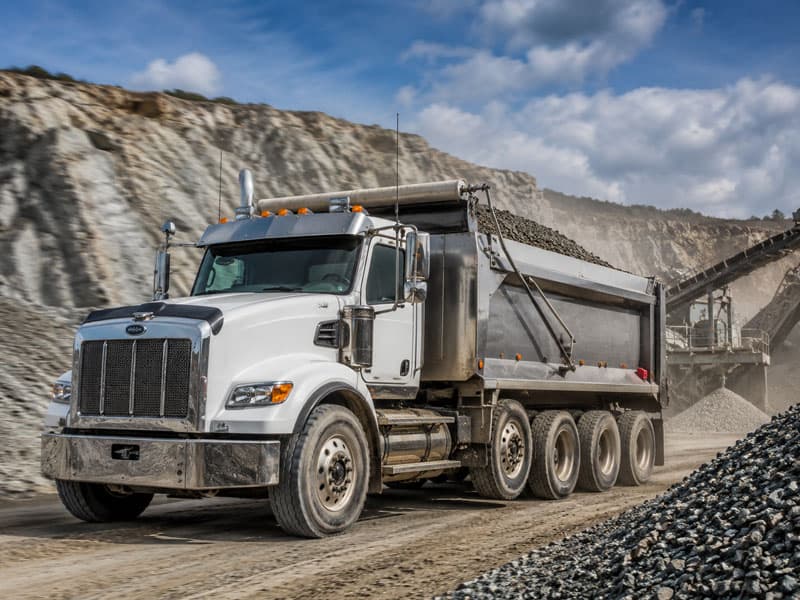
Construction & Aggregates
Dump trucks, mixers, and aggregate haulers in stop-and-go duty. DPF derates kill productivity on tight job-site schedules.
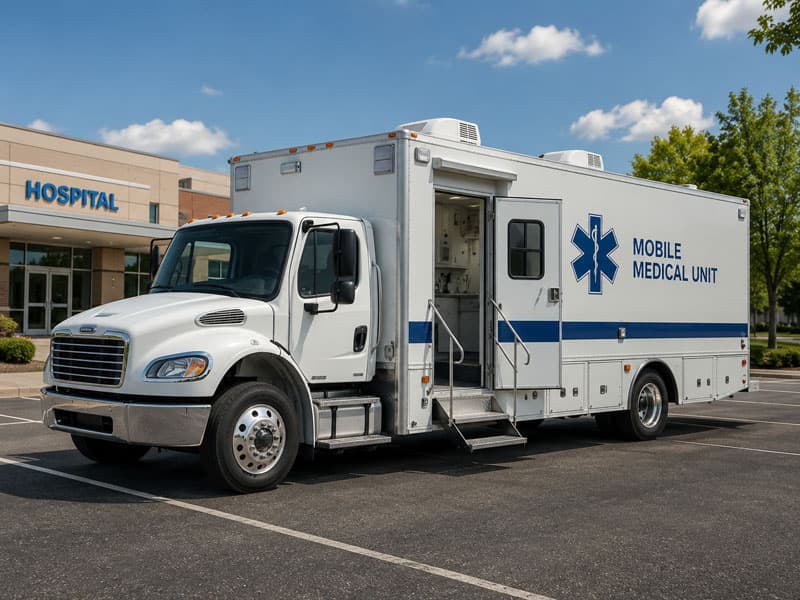
Mobile Medical Units
Specialty medical vehicles — MRI coaches, dental clinics, blood donation units — where PTO loads and idle requirements create aftertreatment problems.
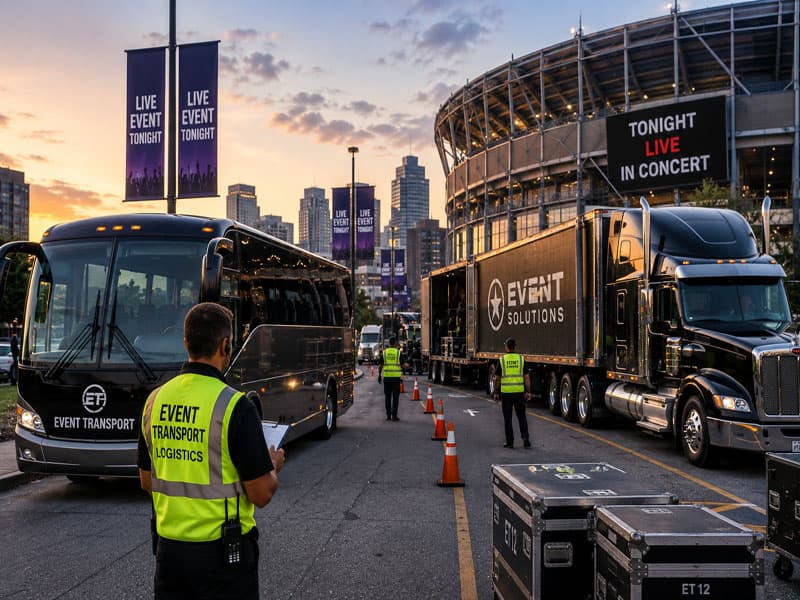
Event Transportation
Event coaches, concert and festival shuttles, sports team transport. Tight schedules, no tolerance for mechanical delays.
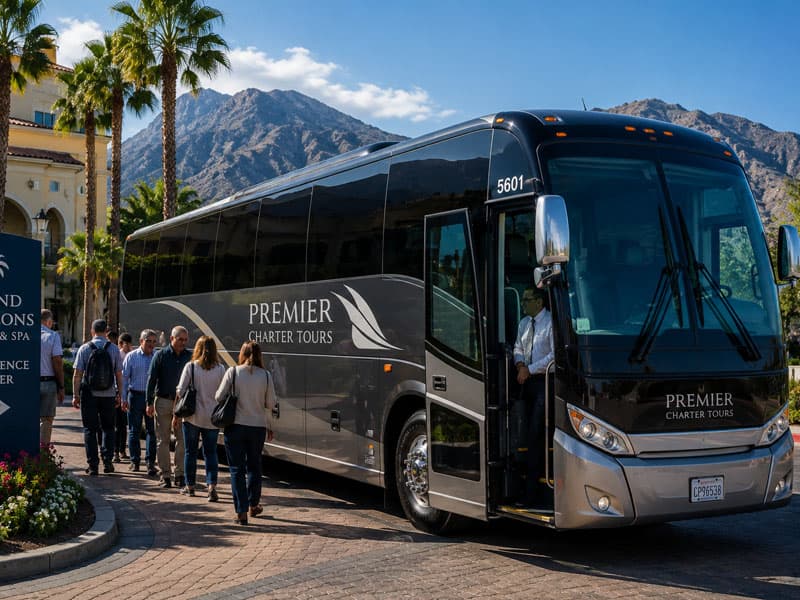
Charter & Tour Buses
Long-distance charter and tour operators. Multi-state routes mean exposure to varying fuel quality and limited dealer access.
Other Ways To Browse
Industry pages organize by operational application. The other catalogs offer different paths in:
- Engines — by manufacturer and platform (Cummins, Paccar, Cat, MaxxForce, Mack, Volvo, Detroit)
- Trucks — by truck manufacturer and category (Kenworth, Peterbilt, Freightliner, Mack, Volvo, International, Sterling, plus buses)
- Diagnostics — by fault code or symptom pattern
- Testimonials — customer case studies by engine, industry, or region
- Service Methods — ship-in, remote, on-site
Your Operation On This List?
Same-day quote response during business hours. Tell us your platform, your duty cycle, and the patterns you've been seeing — we'll surface what the truck actually needs.