Why School Bus Fleets Are A Specific Problem
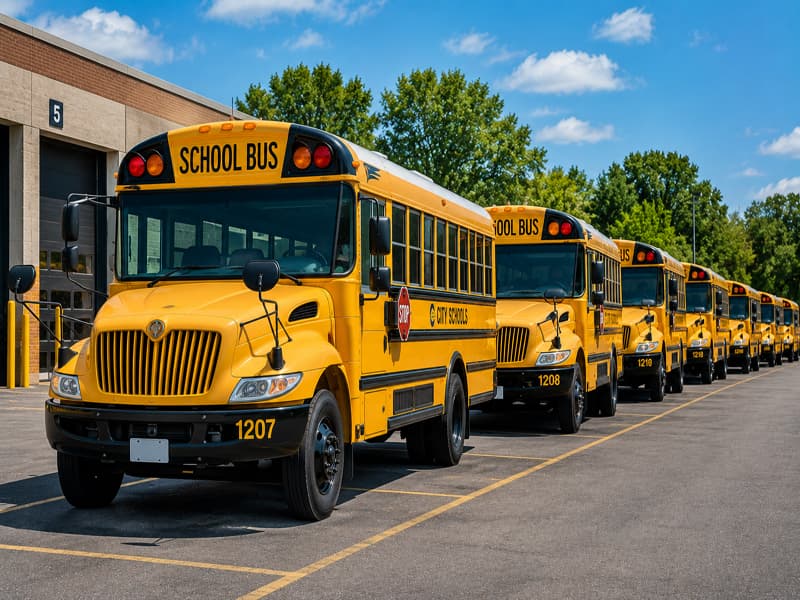
School transportation operates under a duty cycle that combines almost every operational characteristic that breaks modern diesel aftertreatment systems. Cold starts twice daily through fall, winter, and spring. Routes that rarely give the engine sustained operating temperatures. Stop-and-go neighborhood driving on collection routes. Extended parked periods between morning and afternoon routes. Sustained idle for boarding and unboarding. Two-month summer downtime when the fleet sits unused. Tight municipal maintenance budgets that don't accommodate recurring dealer-side aftertreatment service well. And operational reality that requires every bus to run reliably every school day morning, because students need to get to school and the route can't just be skipped.
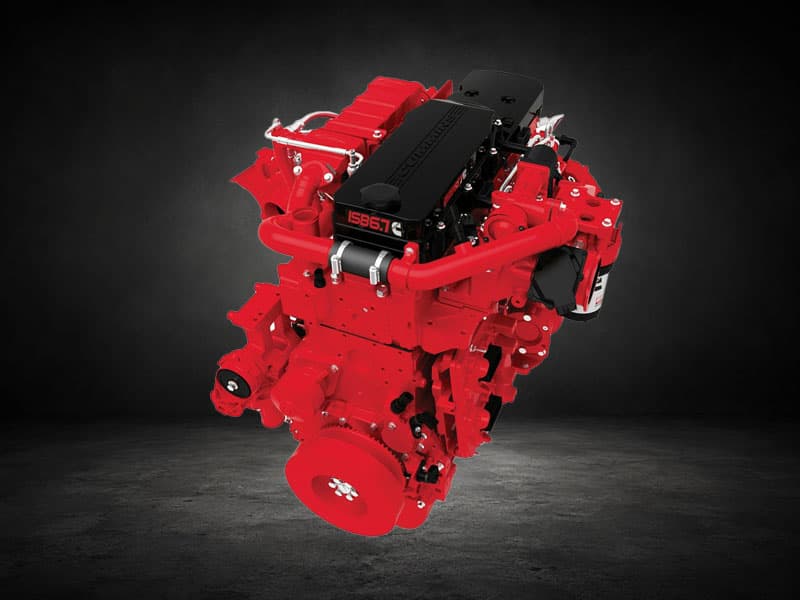
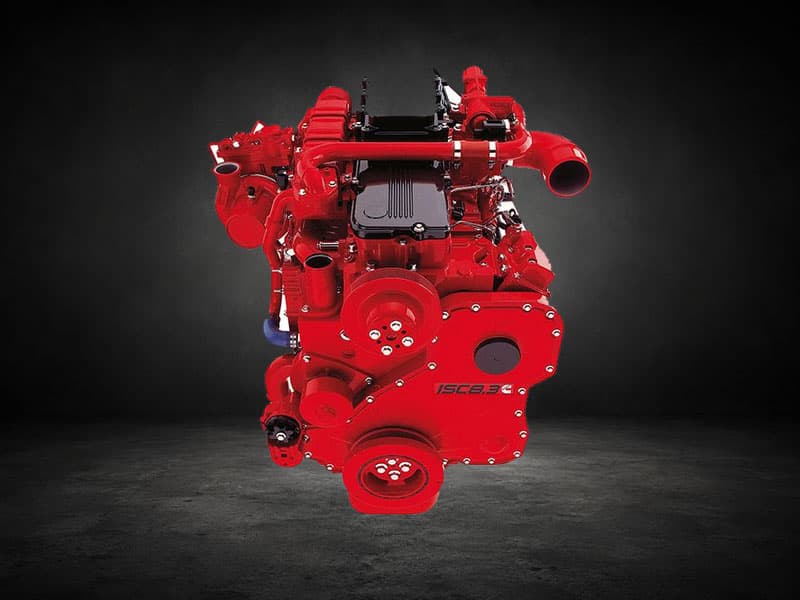
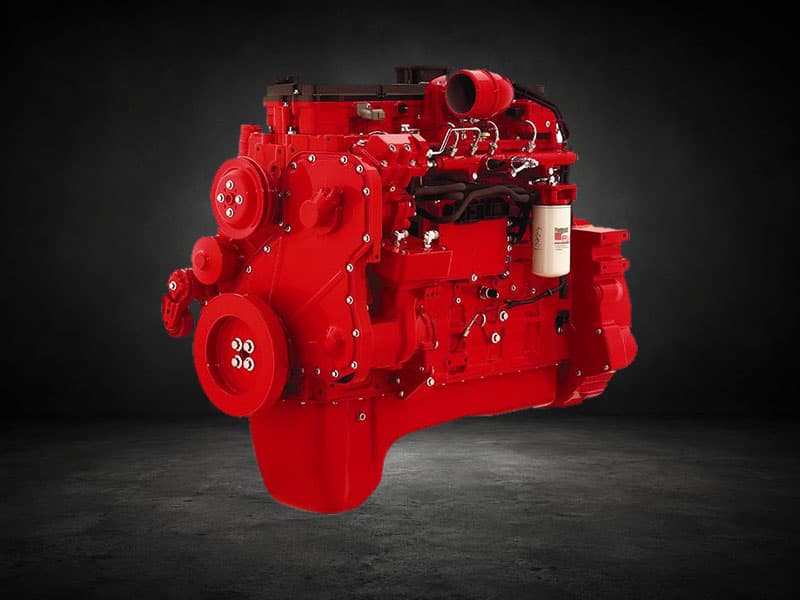
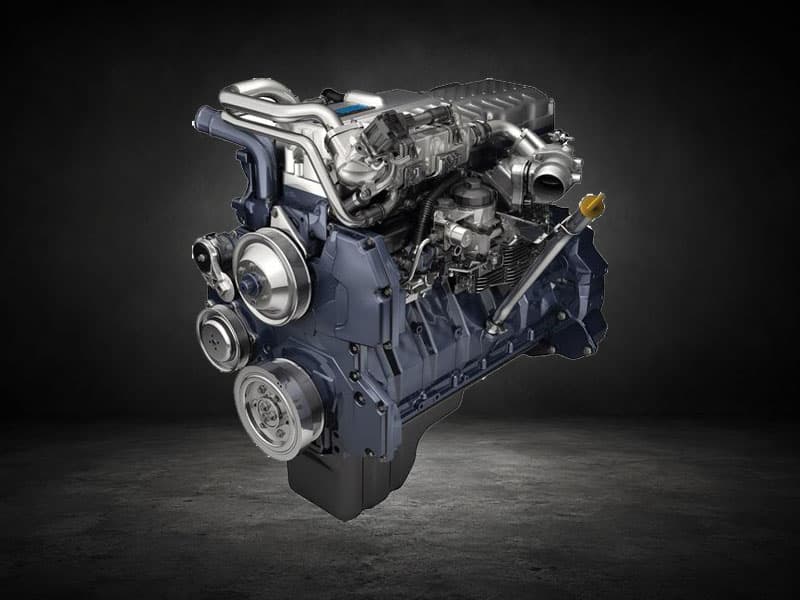
The fleet population reflects this duty-cycle stress. Conventional school buses on International chassis with MaxxForce DT, MaxxForce 7, or MaxxForce 9 power. Thomas Built buses on Freightliner chassis with Cummins ISB 6.7 power. Blue Bird buses on various engine platforms. IC Bus integral chassis with MaxxForce or Cummins power. The brand on the door varies. The aftertreatment failure pattern is consistent across the fleet population.
What's Actually Killing These Buses
Cold-start regen failures. School bus routes typically start in the early morning when ambient temperatures are at their daily minimum. Cold-start operation produces exhaust temperatures that don't support passive regen, and the route length often isn't long enough to bring the system into sustained active regen conditions. Active regen cycles trigger but don't complete. Soot accumulates. Over a school year, this builds steadily.
Short-cycle soot accumulation. Neighborhood collection routes produce sustained low-speed operation with frequent stops, which is almost the opposite of what passive DPF regen requires. Combined with the cold-start pattern, the result is steady DPF soot loading across the school year, with derate clustering around the end of the year or during specific seasonal stress periods.
DEF system faults on school district fleets. Standard EPA 2010 pattern. DEF dosing system stress from cold-weather operation, thermal cycling from the twice-daily route pattern, and accumulated wear from the school-year operational tempo. DEF system failures cluster on school buses past 100,000-150,000 miles in district fleet service.
Summer downtime DEF and emissions system issues. Two-month summer downtime stresses DEF systems in ways that consistent year-round operation doesn't. DEF tank crystallization, dosing valve binding from extended non-use, and SCR catalyst behavior after extended downtime produce a specific cluster of issues that school district mechanics learn to anticipate but that the dealer service path doesn't address efficiently.
What Calibration Work Can Do
For school districts staying compliant with emissions requirements (which is virtually all of them, given the regulatory and political environment around school transportation), recalibration work targets the specific duty-cycle realities of school bus operation. Adjusted regen logic that accounts for cold-start and short-cycle operation. Modified DPF pressure thresholds that don't trigger spurious derate on routes that produce predictable pressure patterns. Recalibrated DEF dosing strategies that account for the twice-daily thermal cycling. Inducement countdown clearing after aftertreatment hardware service — critical so that follow-up dealer service doesn't immediately re-trigger countdowns on what should be a serviced system.
For school districts with aging fleet inventory facing the question of whether to keep specific buses or capital-replace them, calibration work that addresses the recurring aftertreatment issues often extends useful service life by 3-5 years at meaningfully lower cost than dealer-side aftertreatment hardware replacement cycles.
Calibration recovery on bricked ECMs is also routine school district work — modules that have stopped responding after district mechanics or independent shops attempted partial calibration loads. We restore most modules without replacement.
School District Operational Reality
School districts operate under capital allocation pressures that the commercial trucking industry doesn't face the same way. Bond cycles, budget approval processes, and the political dynamics around school transportation budgets mean that decisions about fleet investment are typically multi-year and tightly constrained. Calibration work that extends the useful life of buses already in the fleet often delivers operational economics that capital replacement can't match within district budget cycles.
We work with school districts ranging from small rural districts running 10-15 buses through large urban districts with multi-hundred-bus fleets. Multi-truck programming pricing applies, NDAs are routine for district relationships, and scheduling coordinates with the academic calendar — summer break is the obvious primary window for fleet calibration work, with smaller maintenance windows during winter and spring breaks accommodating specific trucks as needed.
Service Paths For School Bus Fleet Programming
Ship-in is the most common path. Pull the ECM, ship to Fort Lauderdale, 2-3 day programming turnaround. Remote programming works for districts whose shop has appropriate diagnostic software. On-site service is available for South Florida districts and for larger district fleets where bringing technicians to the district makes sense.
Quotes return same business day. Tell us the bus chassis (International conventional, Thomas Built, Blue Bird, IC Bus), the engine, the year, and the fleet situation. For district relationships, we coordinate scheduling around the academic calendar and provide fleet-level pricing for batch programming work during summer downtime windows.