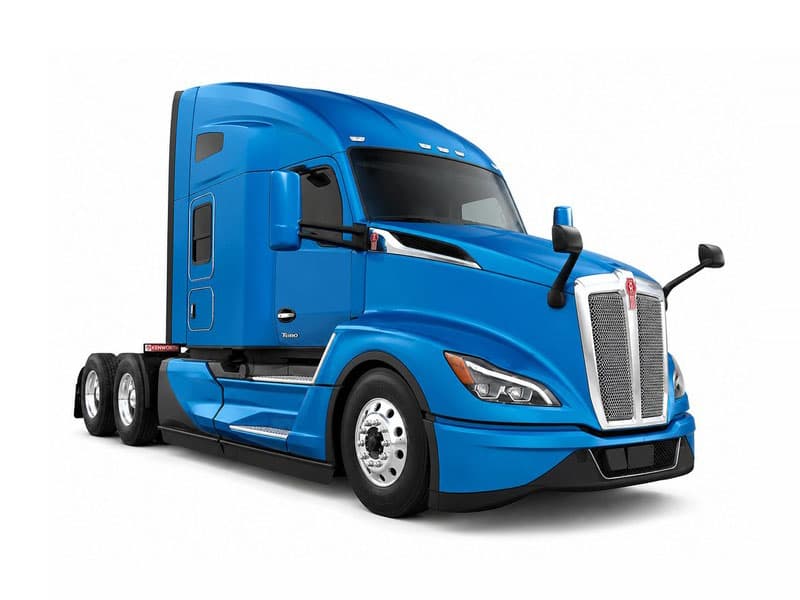
The T680 In The Class 8 Lineup
The Kenworth T680 launched in 2012 as Kenworth's aerodynamic Class 8 highway tractor — the modern fleet workhorse that replaced the older T660 in long-haul service. It sits at the center of Kenworth's lineup, with the heavier T880 vocational truck on one side and the lighter T370 medium-duty truck on the other. Most trucks of this model run sleeper cab configurations for over-the-road work, though day-cab and short-haul variants are common in regional fleet operations.
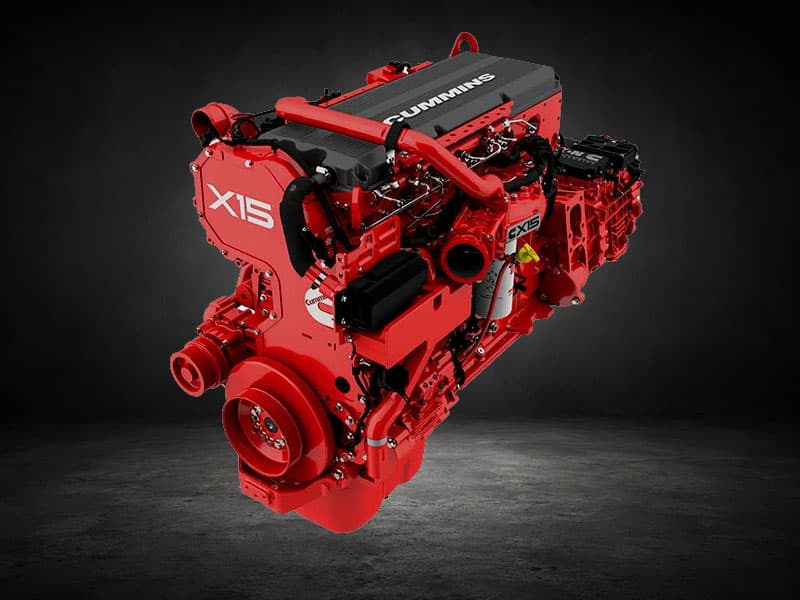
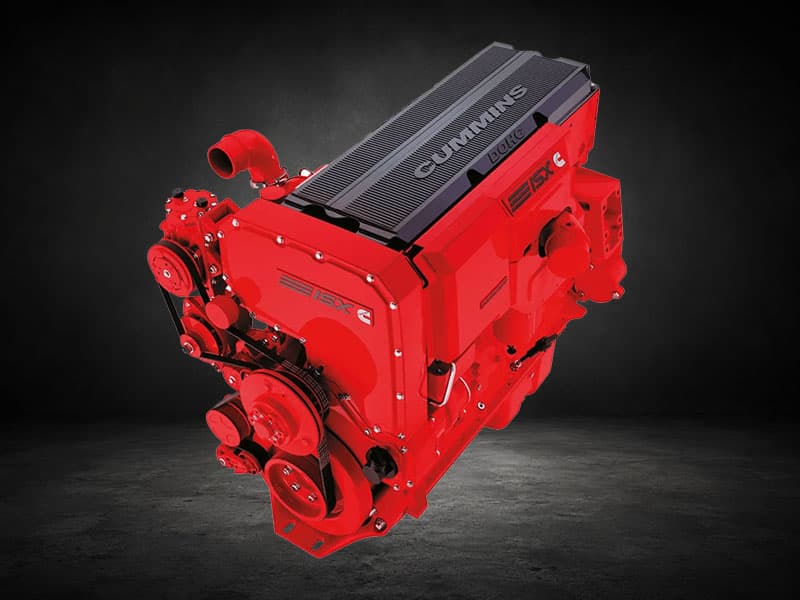
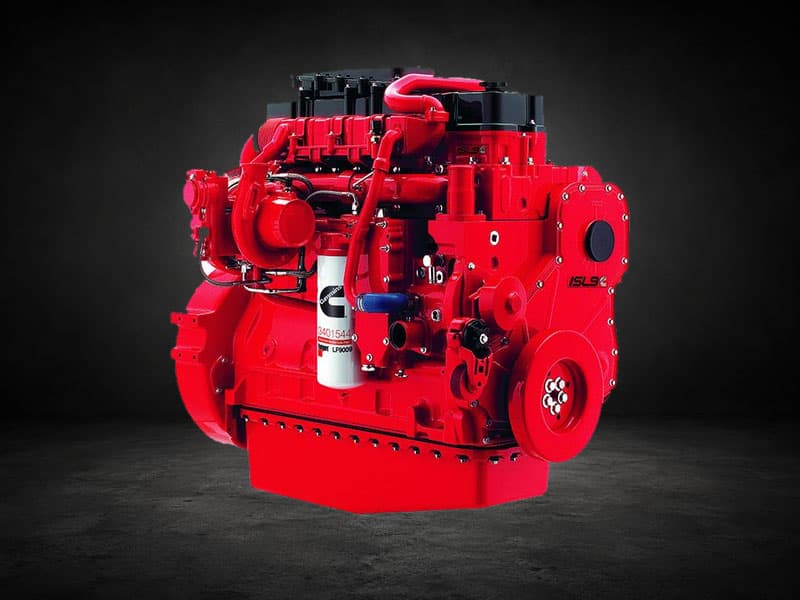
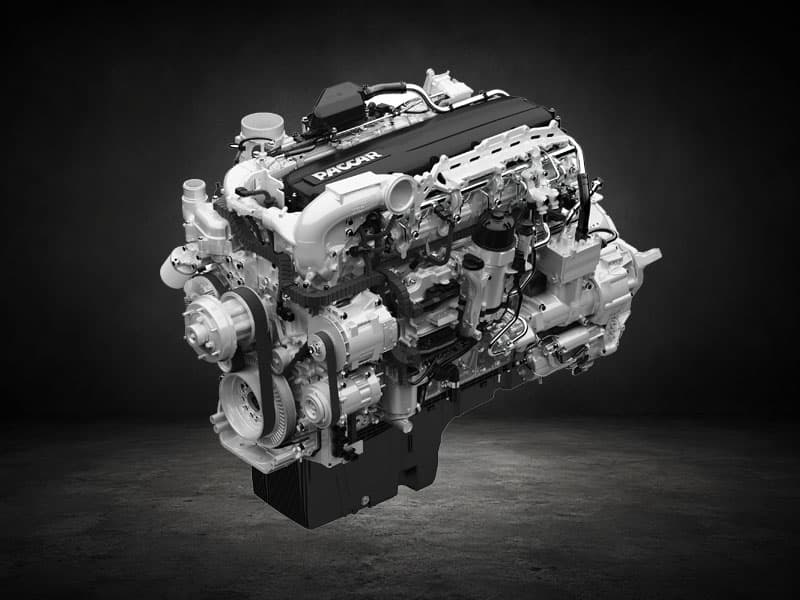
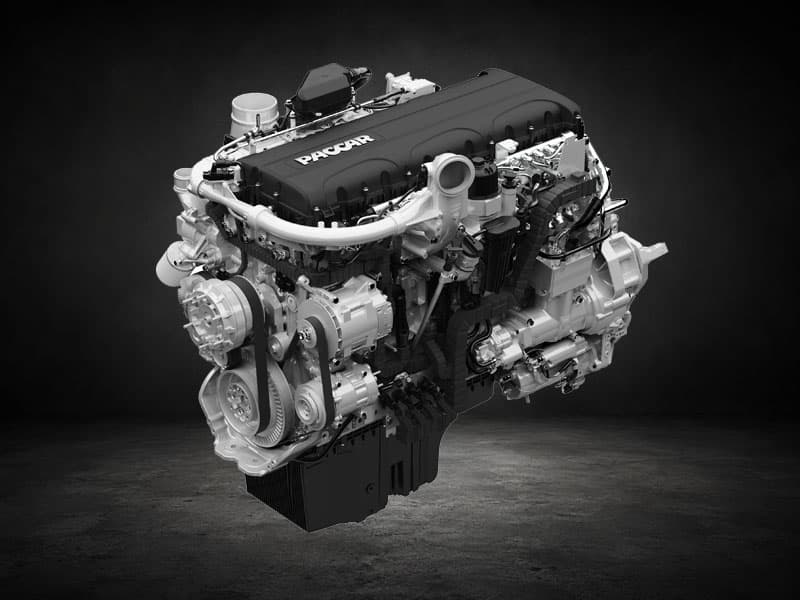
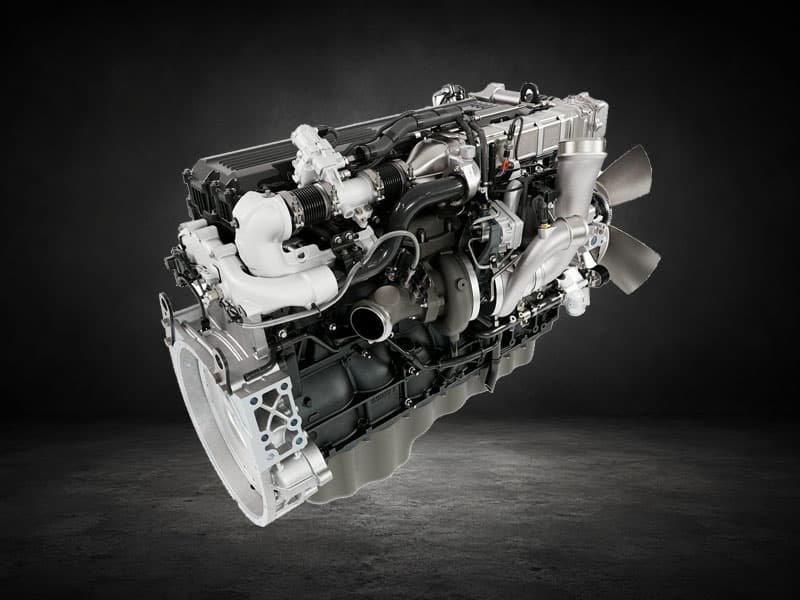
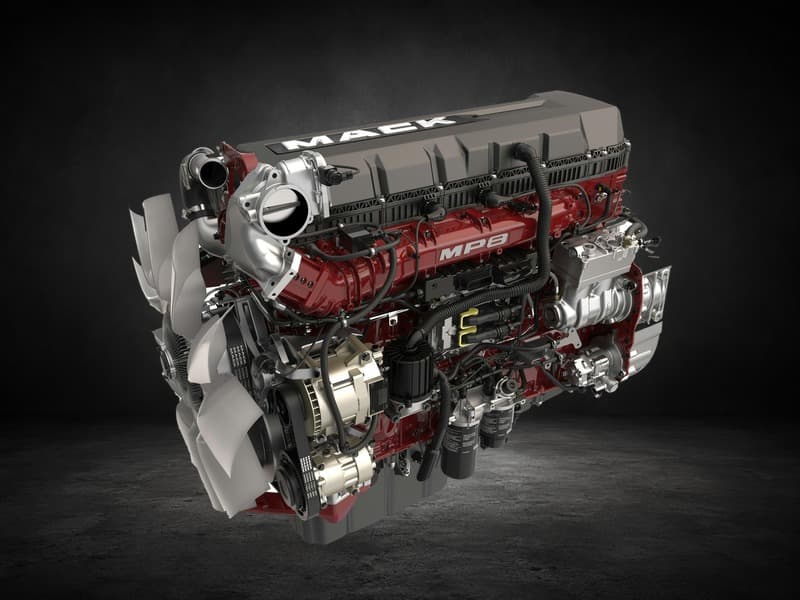
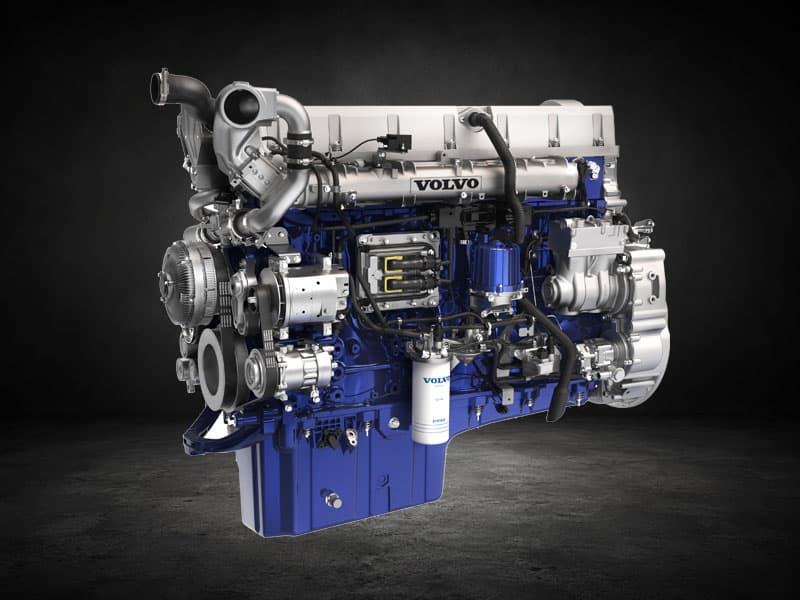
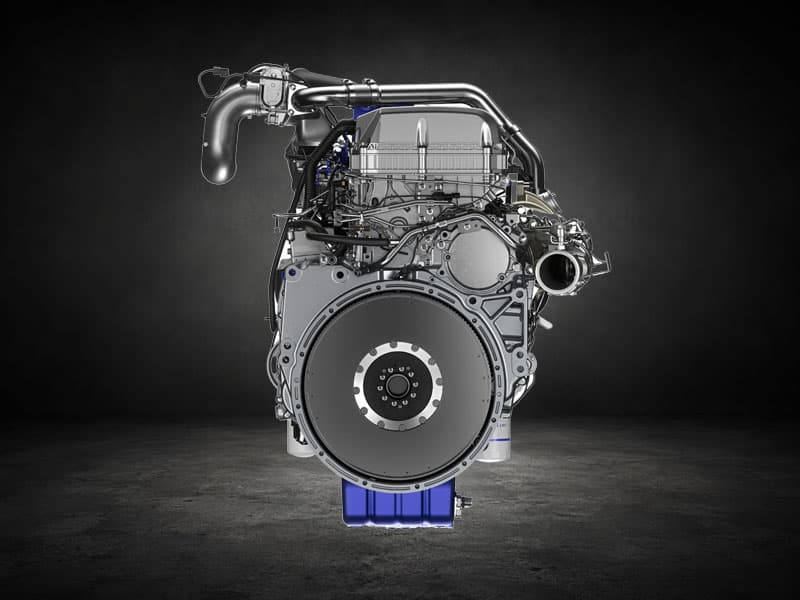
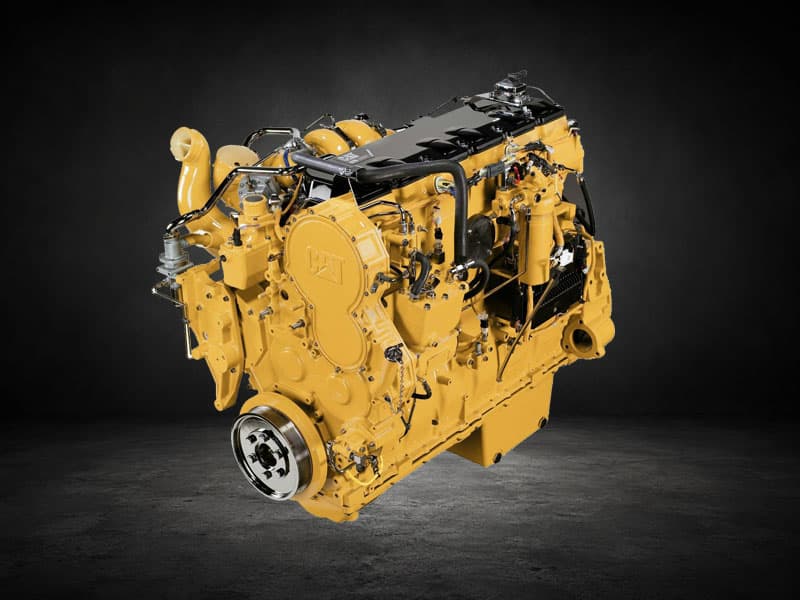
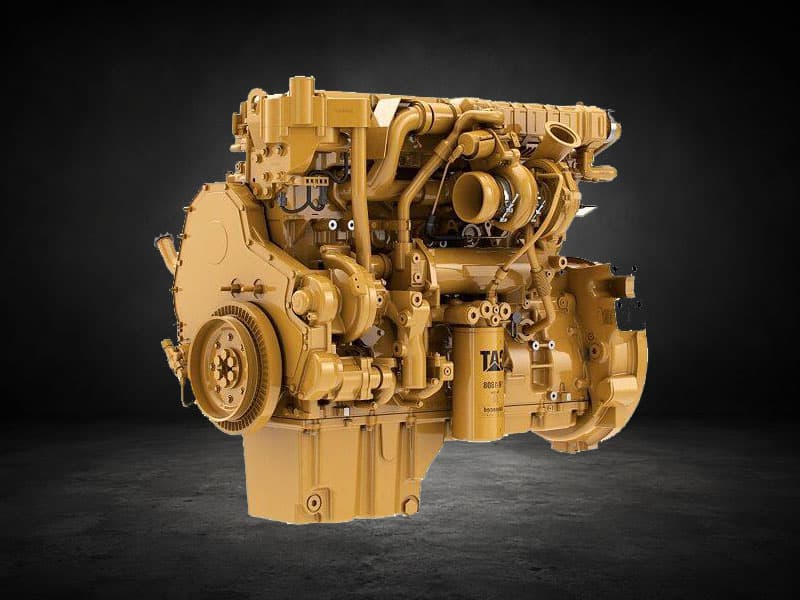
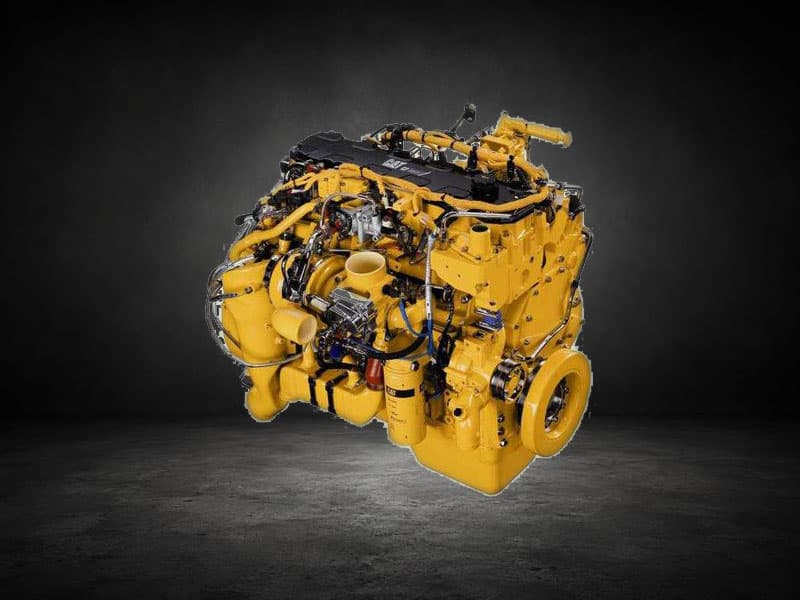
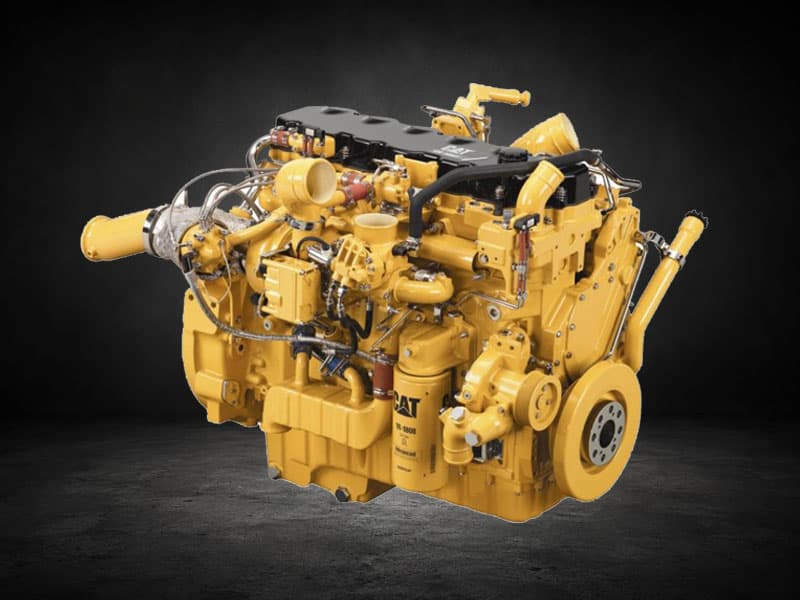
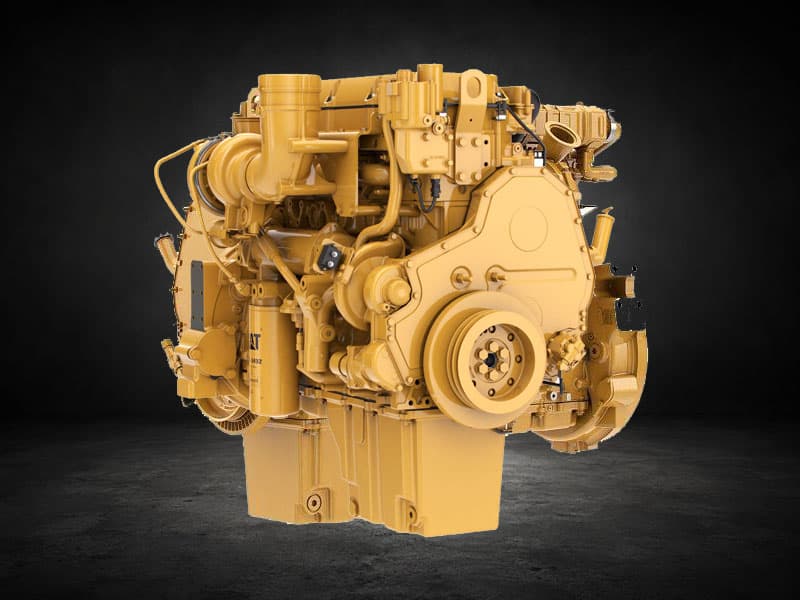
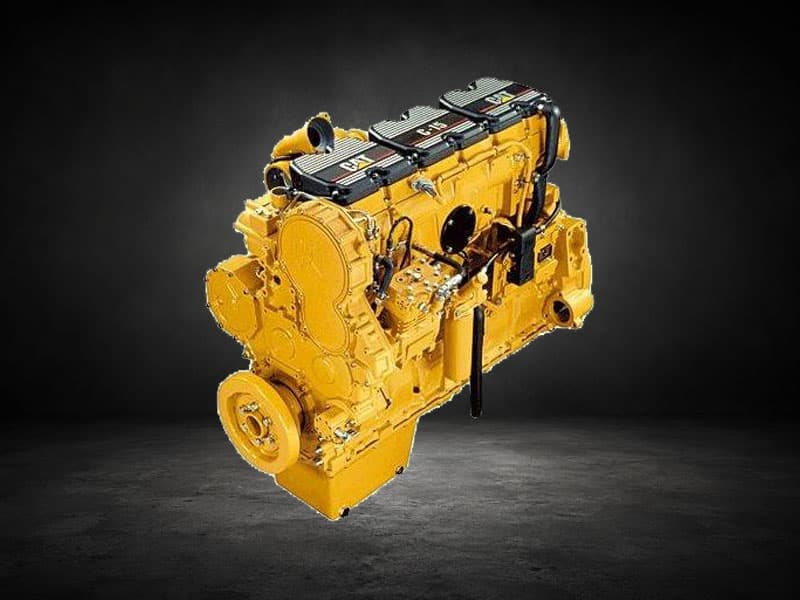
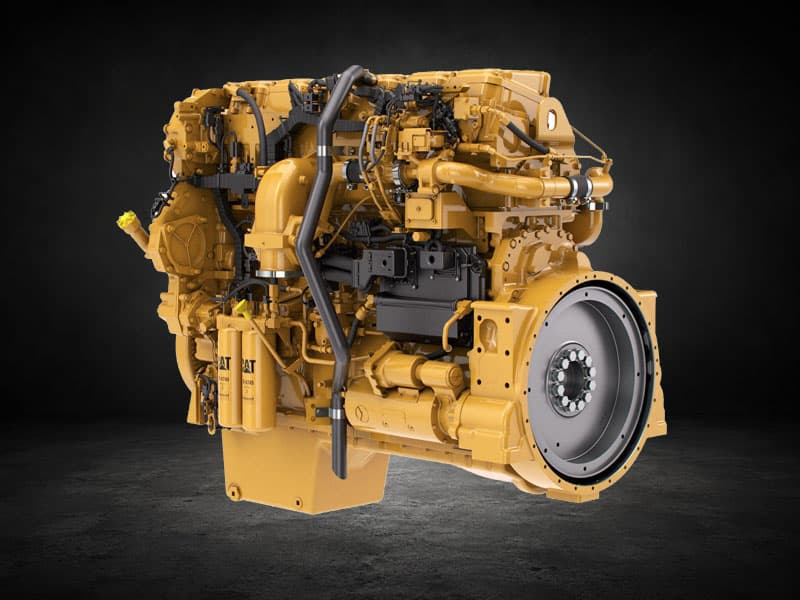
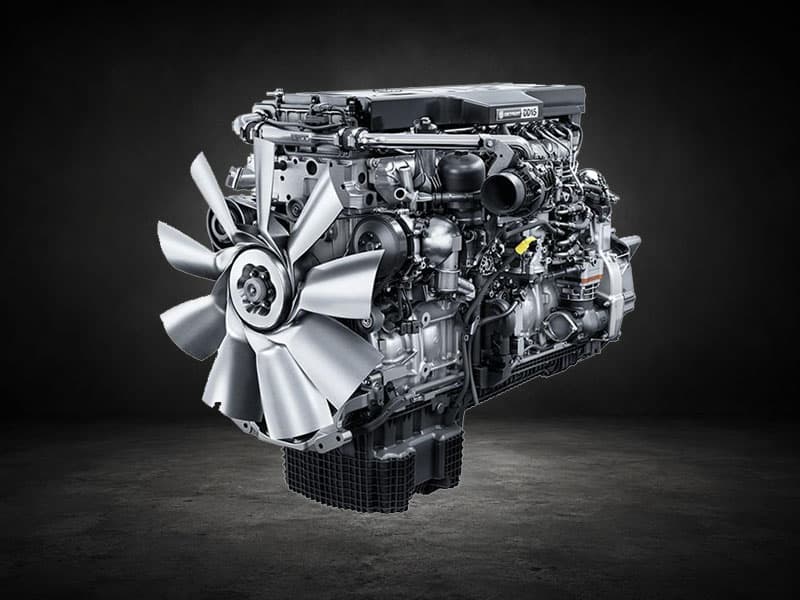
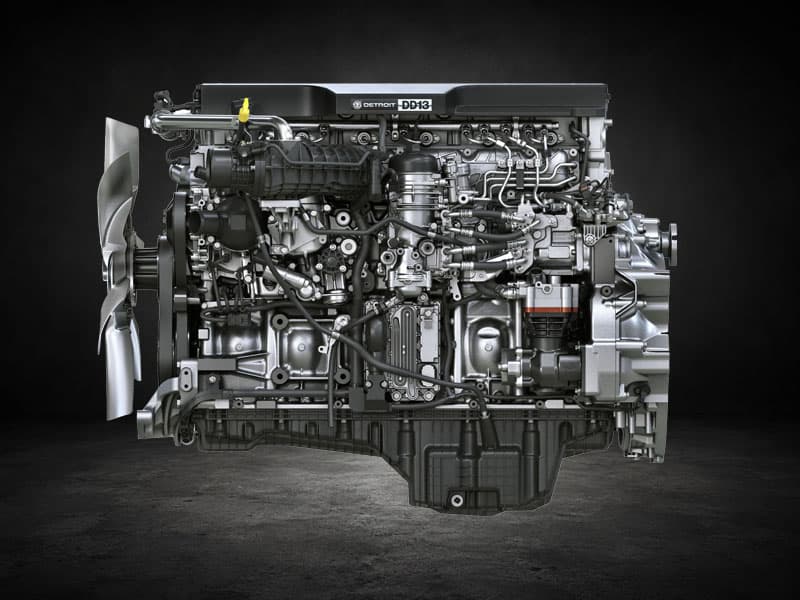
Engine options across the model run have been the Paccar MX-13 (12.9L) as the dominant platform, the smaller Paccar MX-11 in fuel-economy fleet configurations, and the Cummins X15 (15.0L) for heavy-haul and fleet customers with brand preferences. Before the X15 transition in 2017, the older Cummins ISX-15 also appeared in T680 orders. All four platforms use post-2010 EPA aftertreatment hardware — DPF, SCR, and DEF — which is where most of our T680 programming work originates.
Why T680 Trucks End Up On Our Bench
T680s come to us for the same fundamental reasons every modern Class 8 highway tractor does: the engine block is good, the chassis is sound, but the aftertreatment system around the engine is failing predictably as miles accumulate. Three patterns dominate the work we do on this platform:
MX-13 intake soot loading. Trucks running the Paccar MX-13 develop intake-side carbon buildup faster than any other major heavy-duty platform. By 400,000 miles the intake manifold often needs physical cleaning. By 600,000 miles, fault codes related to EGR flow and intake air mass start firing. EGR delete on these trucks eliminates the source of the soot loading and prevents recurrence.
X15 EGR cooler and DEF dosing failures. T680s ordered with the Cummins X15 platform inherit the same EGR cooler degradation pattern that affected the older ISX-15. Cracks develop in the cooler around 400-500k miles, allowing coolant to seep into the intake. The CM2350 ECM also tracks DEF dosing accuracy aggressively; once the dosing injector fouls or a NOx sensor fails, the truck enters inducement countdown.
DPF active regen failures and derate. Regardless of engine choice, the T680's DPF system requires sustained highway operation to passively regenerate. Fleet trucks running predictable long-haul routes typically handle this well into their first half-million miles. Trucks pulled into regional work, dropped-trailer operations, or any duty cycle with significant idle time fall behind on regeneration and eventually face the dreaded DPF derate.
T680 Programming Options
We program every variant of the T680 with calibration approaches matched to the engine platform and the truck's intended use:
Combined DPF + EGR Delete (Export & Off-Road)
The most common T680 calibration job. We rewrite the ECM so it stops expecting DPF, SCR, DEF, and EGR systems to be functional, paired with a hardware kit appropriate to the engine. For export-bound trucks moving to international markets, this is the standard preparation. For off-road fleet applications (oilfield, mining, agricultural support), this removes the aftertreatment failure surface entirely.
Emissions Recalibration (On-Road)
For fleet operators that need to keep the T680 EPA-compliant on US public roads, we recalibrate the ECM after hardware repairs — clearing inducement countdowns, resetting DEF dosing parameters, restoring SCR efficiency tracking after sensor or catalyst replacement. The aftertreatment stays in place; the ECM logic gets restored.
Performance Tuning
T680s spec'd in lower-rating MX-13 configurations (405-455 hp) have meaningful calibration headroom. We tune for broader usable torque, better throttle response at highway cruise RPMs, and improved fuel economy at GCW. Stock-hardware performance gains of 40-80 hp with proportional torque are typical without pushing the platform past its safe envelope.
Calibration Recovery
T680 ECMs occasionally end up in a non-running state after failed dealer flashes, corrupted updates, or partial calibration loads. We recover most modules without replacement.
Fleet Vs. Owner-Operator T680 Service
The T680 customer base splits cleanly along fleet vs. owner-operator lines, and we approach each one differently.
Fleet operators typically come to us with batches of trucks needing aftertreatment relief — 5, 10, 25 T680s at once that are all reaching the same mileage thresholds for aftertreatment degradation. Fleet programming pricing applies, and we schedule batch work to minimize trucks out of service at any one time. Most fleet T680 work is ship-in (pull ECMs, ship, program, ship back) or remote programming via TeamViewer for shops with their own Cummins INSITE or Paccar diagnostic hardware.
Owner-operators come to us one truck at a time, usually after a specific failure or after costing out a dealer repair quote and looking for alternatives. Ship-in service is the standard path. Same-day quotes, 2-3 business day turnaround, ECM ships back to your address. For South Florida owner-operators, on-site service is available if you'd rather drop the truck off than ship the module.
Service Paths For T680 Programming
All three of our standard service paths work for the T680:
Ship-in. The most common option. Pull the ECM from the truck, ship to Fort Lauderdale, 2-3 day programming turnaround, ship back. No diagnostic hardware needed on your end. Best for owner-operators and small fleets.
Remote programming. Connect us via TeamViewer to your laptop while it's plugged into the truck via 9-pin J1939. Total session 1 to 3 hours. Best for fleet shops with their own diagnostic hardware. Note: Paccar-specific calibration work occasionally requires ship-in for stability, especially on older MX-13 modules.
On-site programming. Available for South Florida fleet operations running multiple T680s. We come to your yard with all required hardware. Most efficient when batching five or more trucks in a single visit.