The Most Common Truck On The Interstate
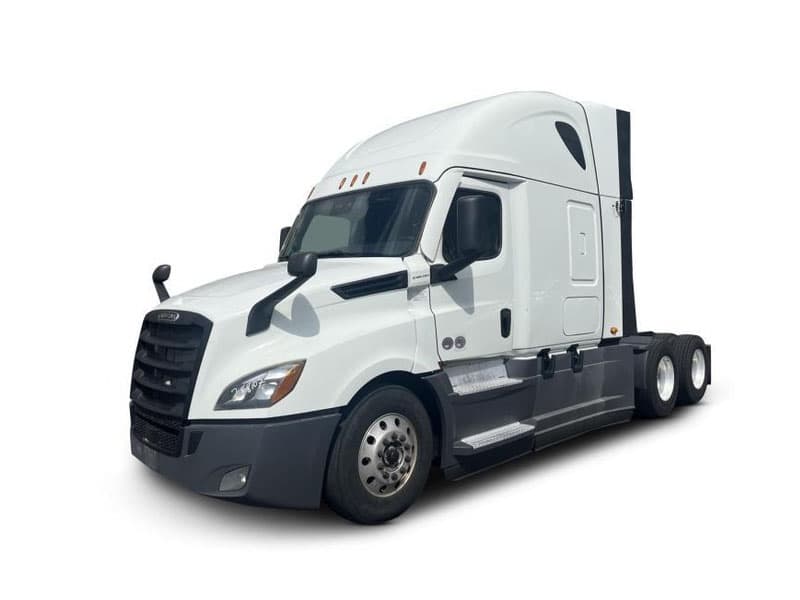
The Freightliner Cascadia has been the dominant Class 8 highway tractor in North America for over a decade. Launched in 2007 as the replacement for the Century Class, the Cascadia accumulated more market share than any other on-highway tractor in the segment through aggressive fleet pricing, fuel economy optimization, and Daimler's deep integration with the Detroit Diesel engine family. If you pull alongside ten Class 8 tractors on the interstate, statistically three to four of them are Cascadias.
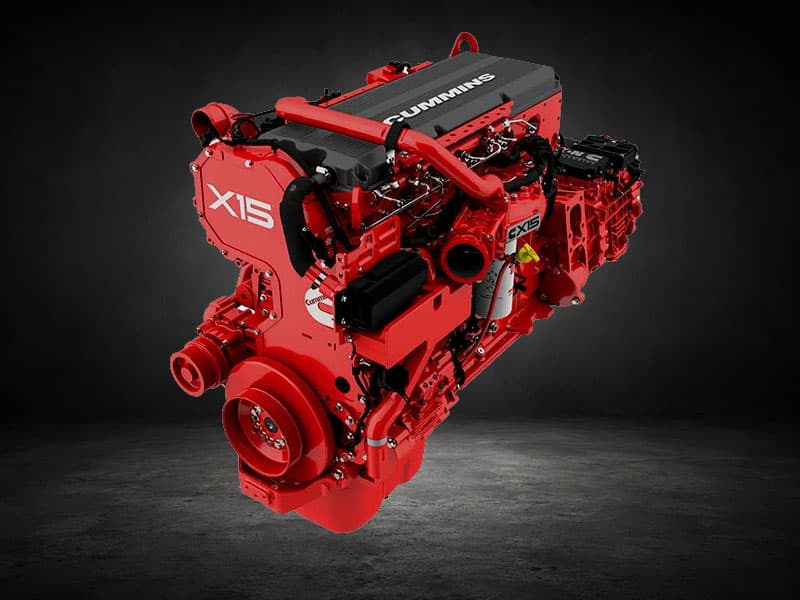
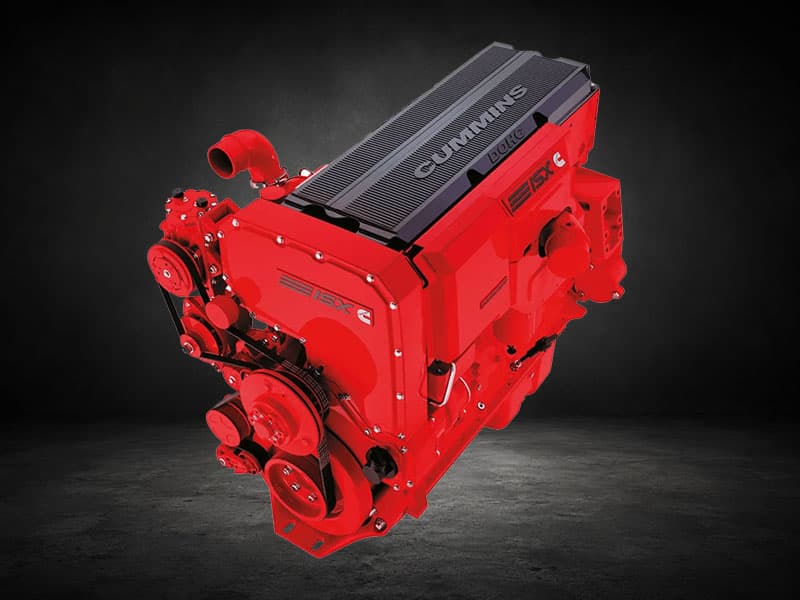
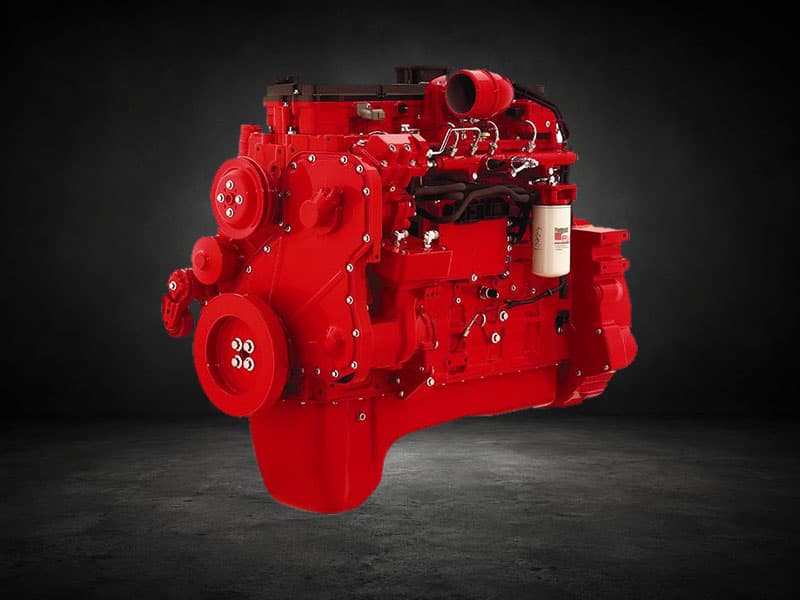
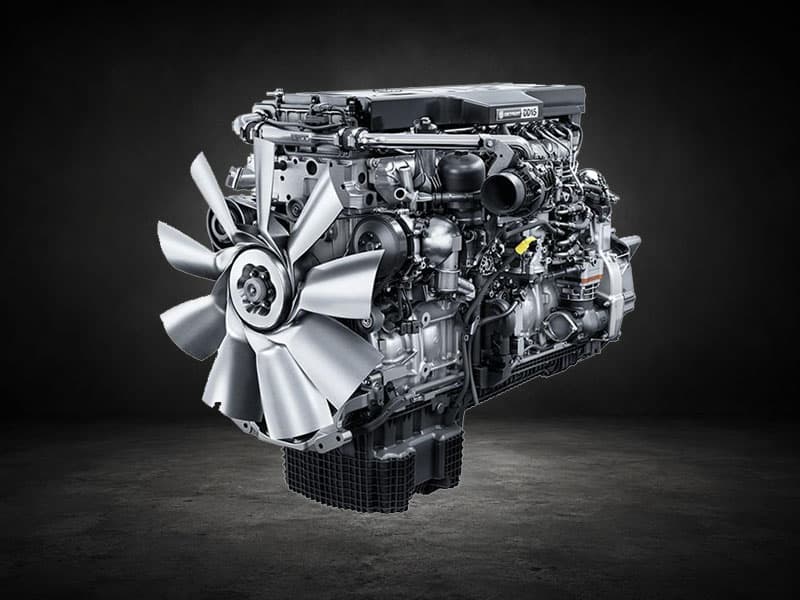
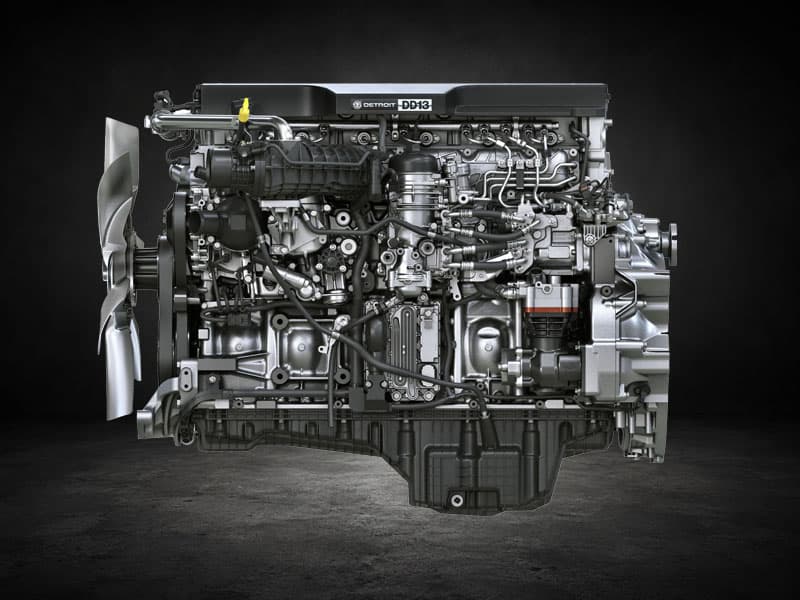
Engine options across the production run have been the Detroit DD15 (14.8L, the dominant choice in fleet long-haul orders), the Detroit DD13 (12.8L, fleet fuel-economy focused), the Cummins X15 (15.0L, common in heavy-haul and customers with Cummins fleet histories), and the older Cummins ISX-15 in pre-2017 trucks. The new-gen Cascadia (2018+) introduced the DD15 Gen 5 with refined aftertreatment hardware. All variants use post-2010 EPA emissions architecture, which is where most of our Cascadia programming work originates.
Why Cascadia Trucks End Up On Our Bench
The sheer volume of Cascadias in service means we see more of them than any other single truck model. The dominant patterns vary by engine:
Detroit DD15 / DD13 aftertreatment issues. The Detroit platforms run an ACM (Aftertreatment Control Module) separate from the main ECM, which handles SCR dosing and DPF regen logic. ACM-side failures — DEF dosing valve degradation, NOx sensor drift, SCR catalyst efficiency drop — drive the bulk of Detroit-equipped Cascadia work. The ACM3 module in particular has its own software complexity that makes calibration recovery more demanding than on simpler platforms.
Cummins X15 EGR cooler and DPF derate. X15-equipped Cascadias inherit the same EGR cooler degradation pattern affecting every X15 platform. Combined with DPF active regen failures driven by fleet duty cycles that include increasing amounts of regional and dropped-trailer work, X15 Cascadias commonly arrive at our bench between 400k and 600k miles with combined fault patterns.
High-mileage ISX inheritance. Older Cascadias with the ISX-15 are now well past 800k miles. Aftertreatment hardware is failing one component at a time, and the cost of chasing each failure with dealer hardware replacement exceeds the calibration-based solution that addresses all aftertreatment-related codes simultaneously.
What We Program On The Cascadia
Combined DPF + EGR Delete (Export & Off-Road)
The most common Cascadia calibration job. We rewrite both the engine ECM and (on Detroit-equipped trucks) the ACM to stop expecting aftertreatment hardware to be present and functional. Paired with appropriate hardware kits for the engine platform. Required for trucks bound for export markets and trucks dedicated to off-road service.
Emissions Recalibration (On-Road)
For Cascadias remaining in US on-road service, we recalibrate the ECM and ACM after aftertreatment hardware repair — clearing inducement countdowns after DEF dosing valve replacement, resetting SCR efficiency tracking after catalyst service, restoring NOx sensor baseline calibrations after sensor replacement. Aftertreatment stays in place; ECM logic gets restored.
Performance Tuning
Cascadias spec'd in fleet fuel-economy configurations have meaningful calibration headroom on the upper end of their power curve. For trucks that have moved out of long-haul service into vocational, heavy-haul, or oilfield work, performance tuning matches the calibration to the new duty cycle. Typical gains of 50-100 hp with proportional torque on DD15 and X15 platforms within safe hardware envelopes.
Calibration Recovery
Cascadia ECMs and ACMs occasionally end up in a non-running state after failed dealer flashes. Detroit ACM3 modules in particular have a documented pattern of corruption after partial calibration loads. We recover most modules without replacement.
Fleet-Scale Cascadia Service
Because Cascadias appear in fleet operations more than any other truck, much of our Cascadia work happens at fleet scale rather than individual truck level. Fleet customers running ten or more Cascadias typically reach mileage thresholds for aftertreatment degradation in batches — 5, 10, 25 trucks at once that need similar programming work. Fleet programming pricing and scheduling apply at that scale.
For fleet customers, we typically work either through batch ship-in (multiple ECMs and ACMs shipped together for combined turnaround) or through on-site programming visits at the fleet's yard. Both approaches minimize the number of trucks out of service at any single time. NDAs are routine for fleet customers who prefer the calibration work stay confidential.
Individual owner-operators running single Cascadias work through ship-in service — pull the ECM (and ACM on Detroit-equipped trucks), ship to Fort Lauderdale, 2-3 day programming turnaround, ship back. Same-day quotes on most platforms.
Service Paths For Cascadia Programming
All three of our standard service paths work for the Cascadia, with one important note: Detroit-equipped Cascadias require BOTH the engine ECM and the ACM3 module to be programmed together for the calibration changes to stick.
Ship-in. Most common path. Pull both modules (engine ECM and ACM if Detroit-equipped), ship to Fort Lauderdale, 2-3 business day programming turnaround, ship back. Best for owner-operators and shops without their own diagnostic hardware.
Remote programming. Available for fleet shops with Detroit Diesel Diagnostic Link (DDDL) for Detroit platforms or Cummins INSITE for Cummins platforms, plus a 9-pin J1939 connection. Session typically runs 1 to 3 hours for single-module work, longer for combined ECM+ACM programming.
On-site programming. Available for South Florida fleet operations. We come to your yard with all required hardware. Most efficient when batching five or more trucks in a single visit.