The Toughest Duty Cycle In Trucking
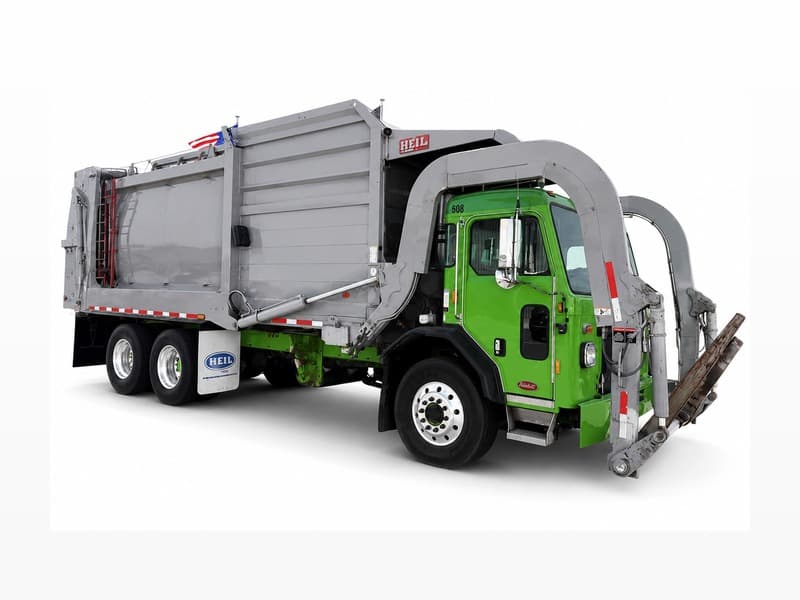
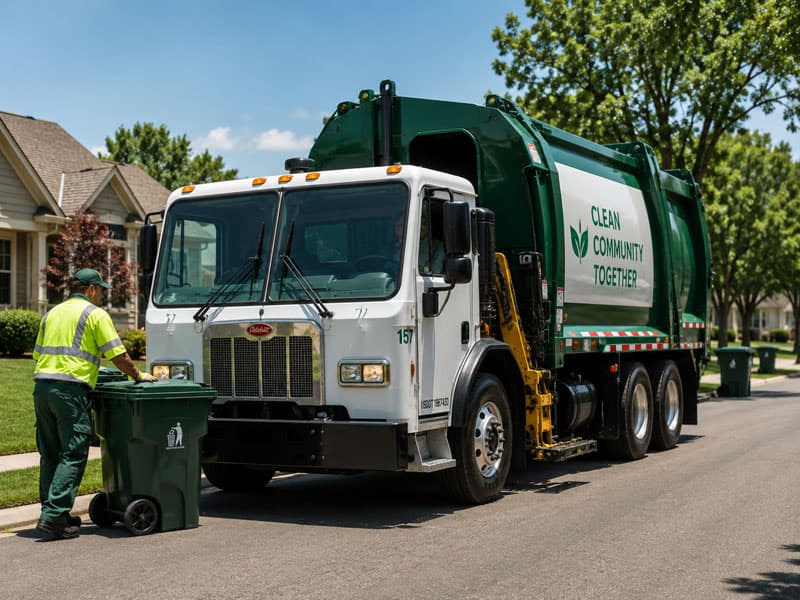
Refuse and recycling operations subject Class 8 trucks to operational stress that no other application matches. Residential collection routes mean dozens — sometimes hundreds — of stops per shift, with the engine idling between each stop for packer operation. Commercial routes involve heavy lift operations at every container. Roll-off operations involve container drops and pickups with sustained low-speed maneuvering. Transfer station runs involve heavy loads on short hauls. Almost nothing about the refuse duty cycle resembles the highway-cruise operational assumption that modern emissions calibrations are built around.
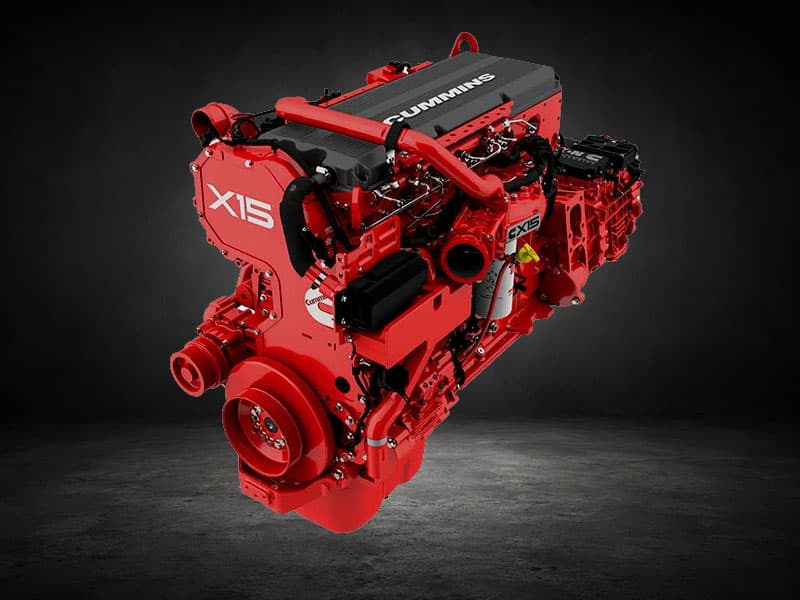
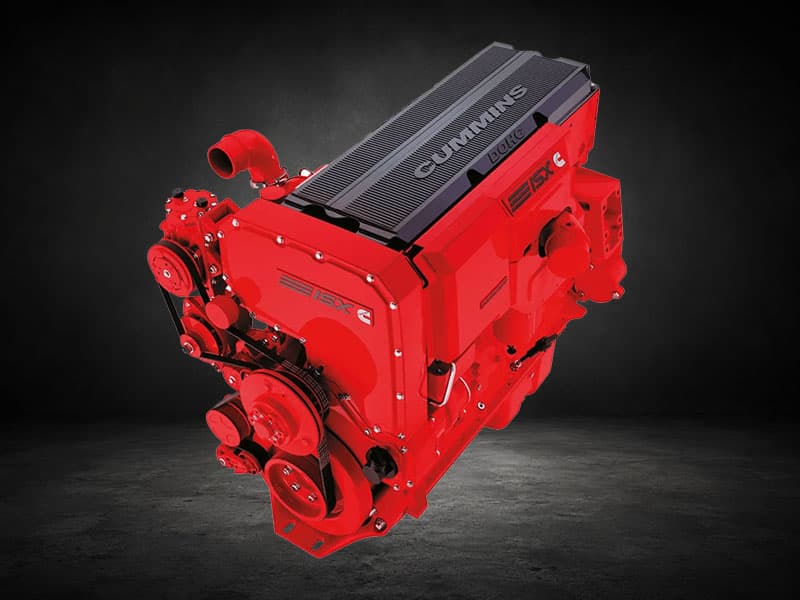
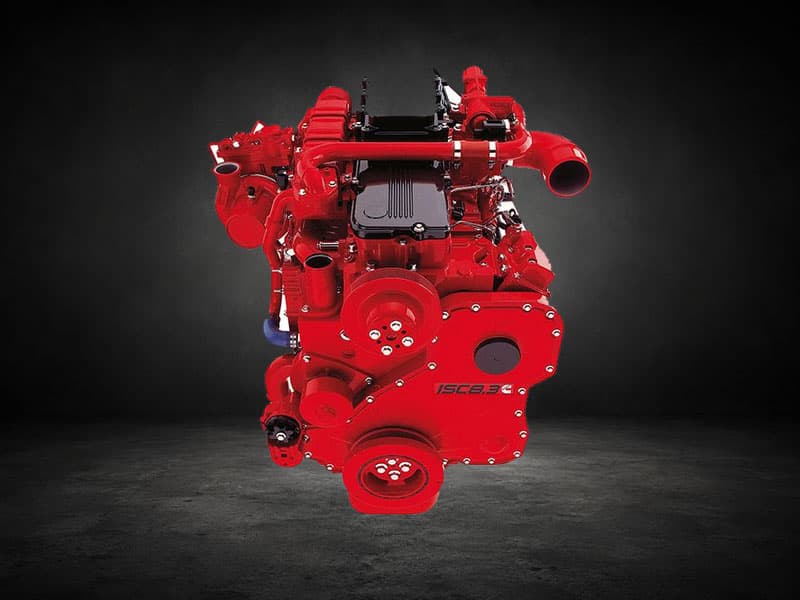
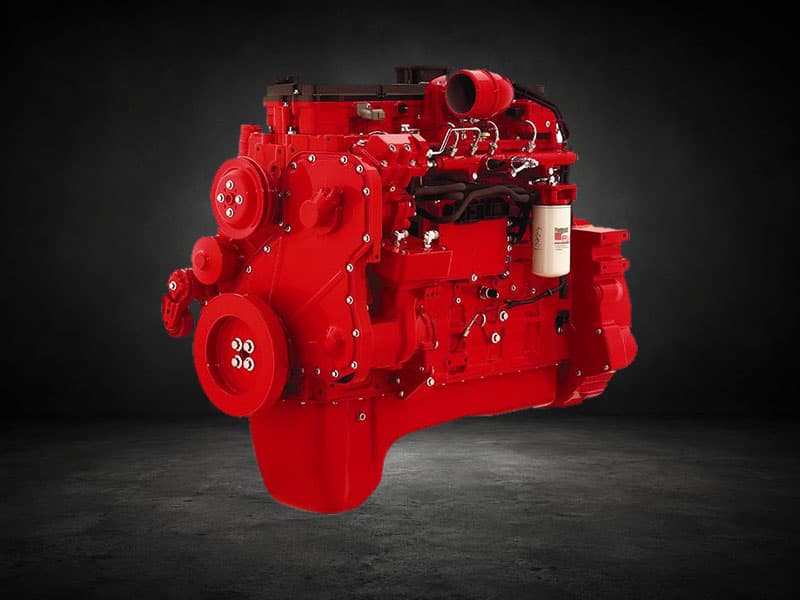
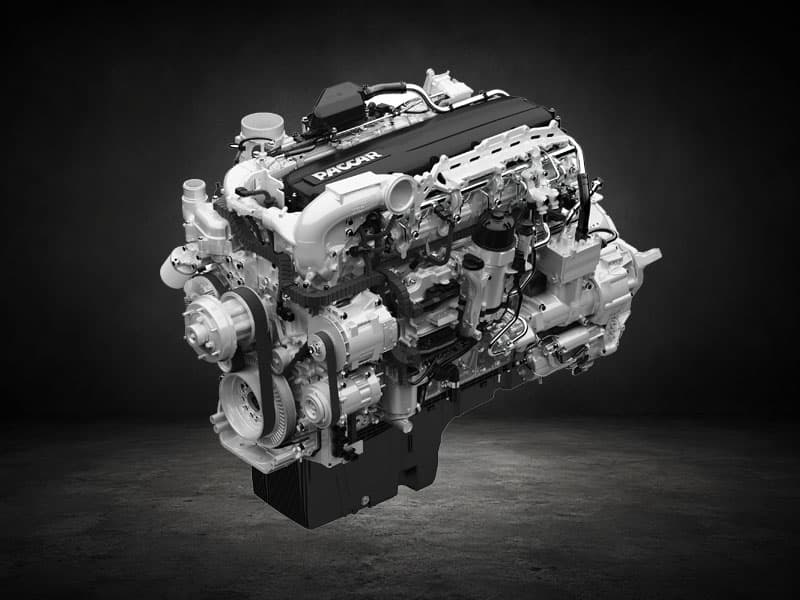
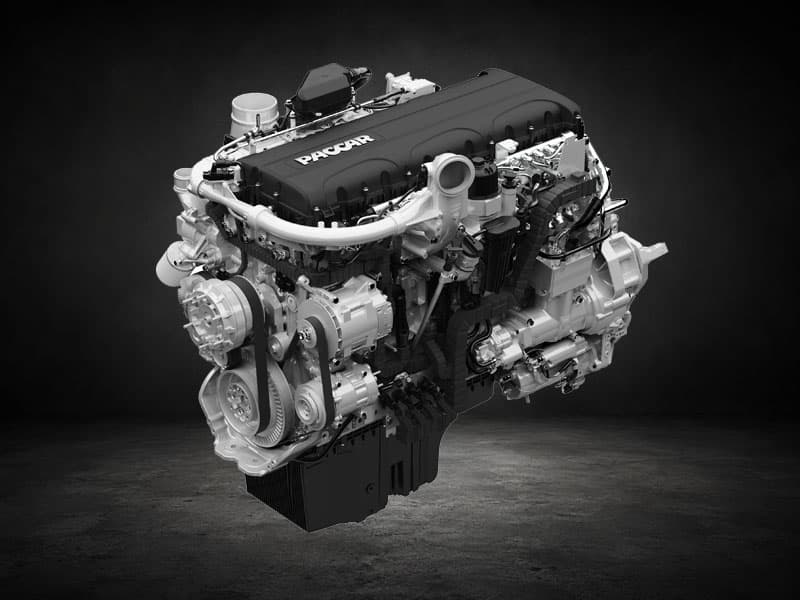
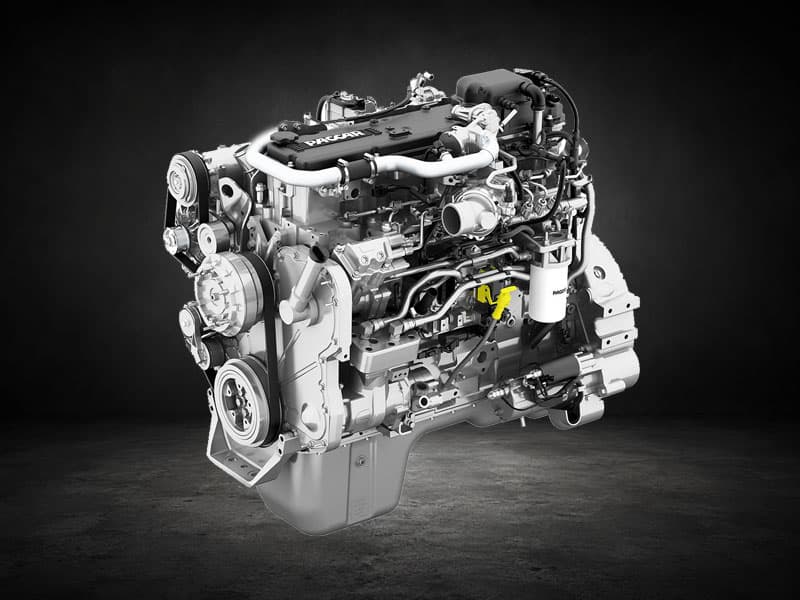
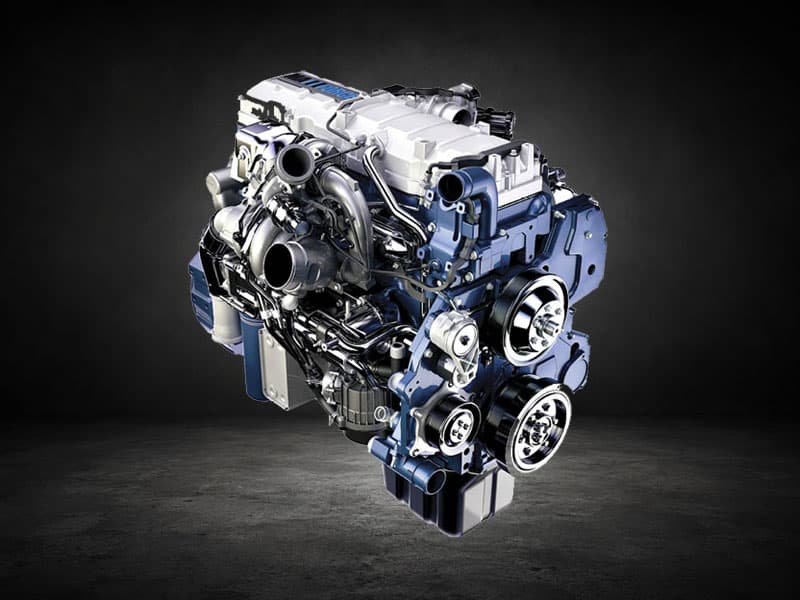
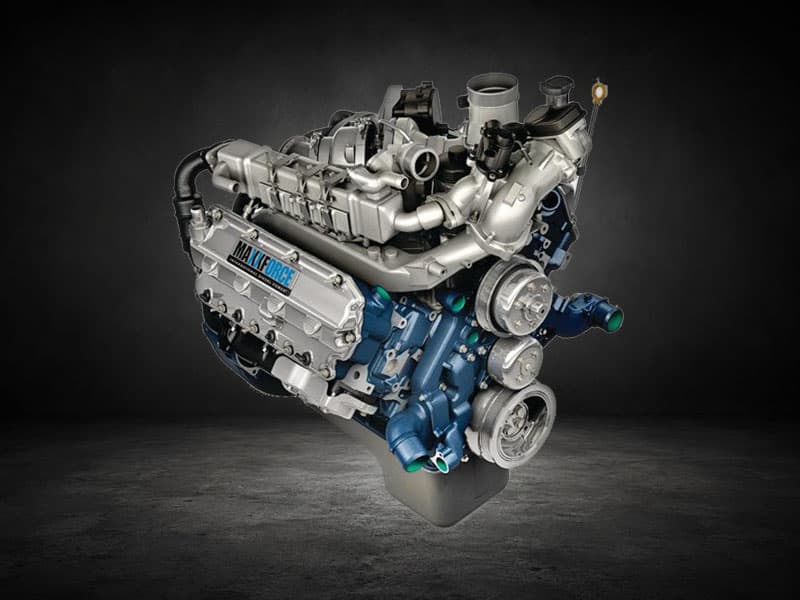
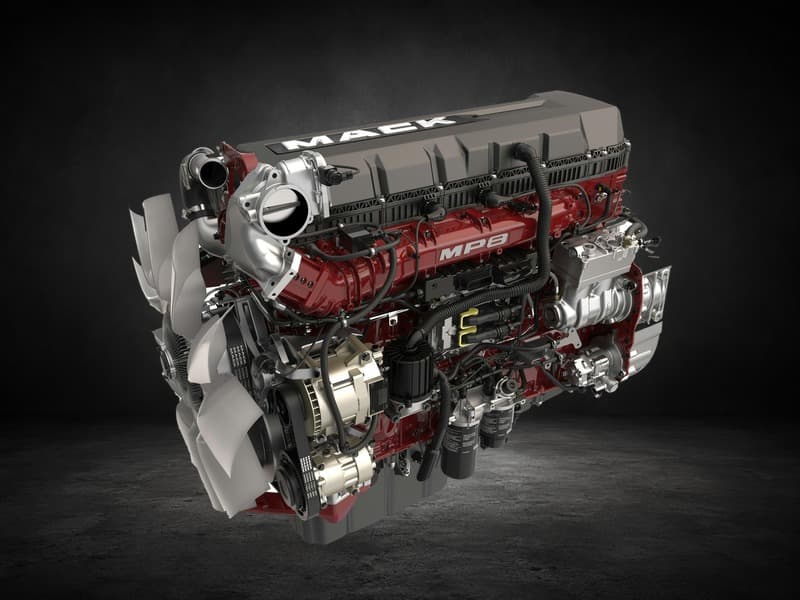
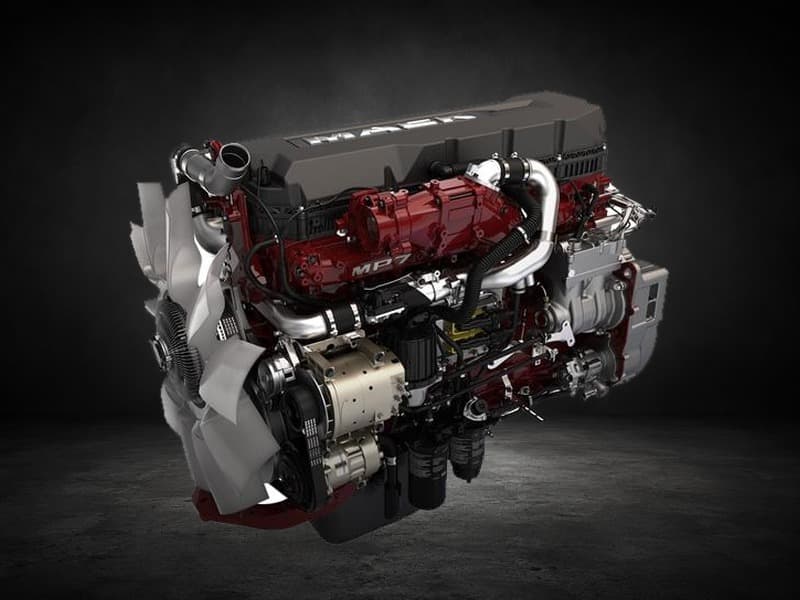
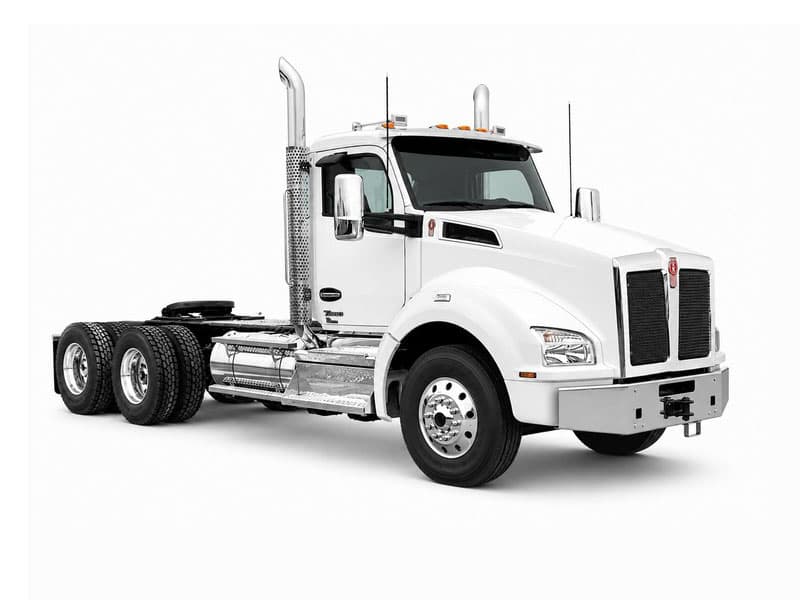
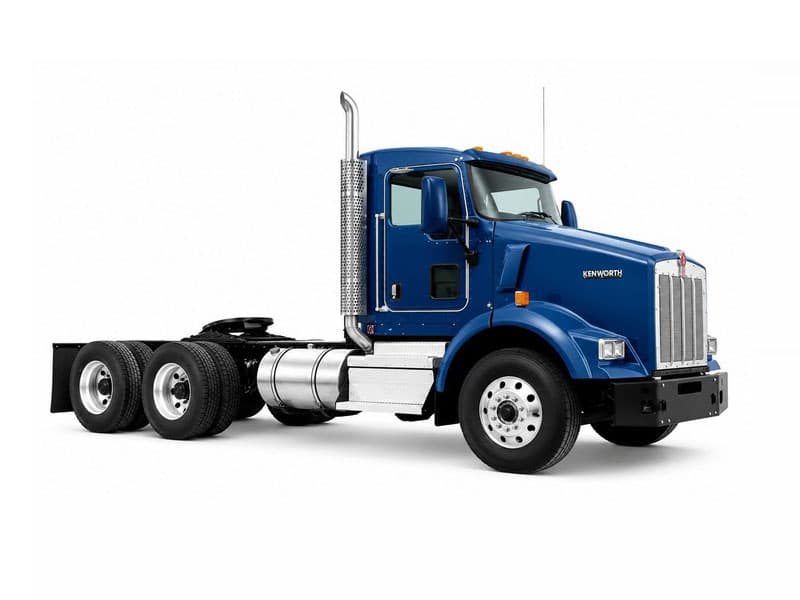
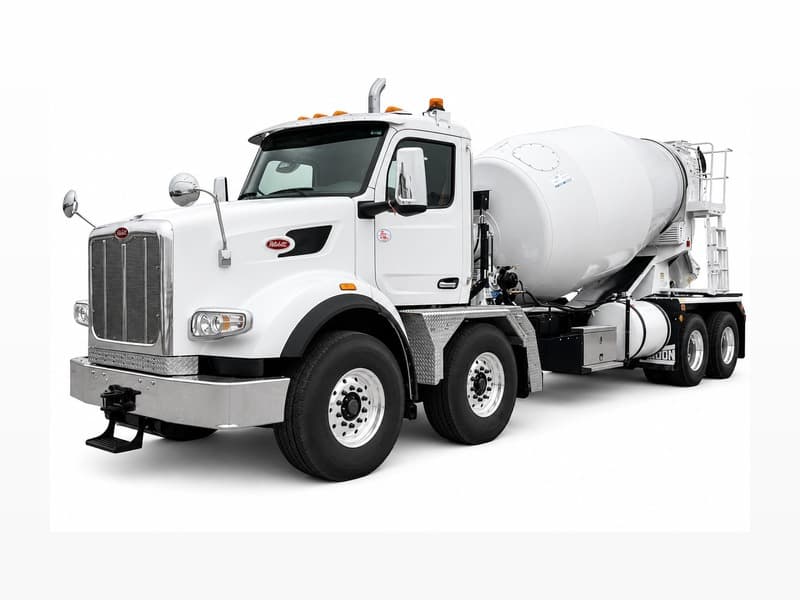
Across rear-load packers, front-loaders, side-loaders, roll-offs, and transfer trucks, the duty cycle pattern is consistent — and so are the failure modes. Cummins ISL 9 and X15 in Peterbilt 567 and 520, Kenworth T880 and T800. Paccar MX-13 in Peterbilt 567 vocational configurations. Mack MP7 and MP8 in Mack LR and Terra Pro chassis. MaxxForce 9 and 10 in International WorkStar fleets. The brand on the door varies. The pattern is consistent.
What's Actually Killing These Trucks
Packer-cycle PTO loads break aftertreatment thermal management. Packer operations require sustained PTO duty under heavy hydraulic load. The engine produces high torque at low RPM with the exhaust temperature pattern that comes from heavy-load low-RPM operation. The aftertreatment hardware was engineered around highway-cycle exhaust temperatures and the regen logic was designed around highway-cycle operational patterns. Packer cycles produce neither.
Cracked DPFs from forced parked regens. When a refuse truck refuses to regen during normal operation (because it never gets the chance to reach passive regen conditions), drivers and shops resort to parked regens to clear DPF soot accumulation. Parked regens involve sustained high exhaust temperatures with the truck stationary, which produces thermal stress that frequently cracks DPF substrates. The pattern is widespread enough that fleet operators routinely include DPF replacement in operational budgeting for refuse trucks — which is itself a sign of an underlying problem the calibration doesn't address.
Worst-case incomplete regen patterns. Active regen cycles trigger constantly on refuse trucks. They almost never complete because the truck doesn't sustain the required operating conditions long enough for the regen to finish. Soot accumulation builds steadily. Ash loading reaches limits faster than any other application. Derate hits routinely — on trucks that, by mileage standards, should be nowhere near aftertreatment-related operational issues.
DEF system failures on EPA 2010 builds. Standard post-2010 pattern, intensified by the operational stress of refuse duty cycles. DEF dosing failures cluster earlier on refuse trucks than on any other application. NOx sensor drift, SCR catalyst efficiency drops, inducement countdown patterns that re-trigger shortly after dealer service.
What Calibration Work Can Do
For refuse trucks dedicated to off-road service (private waste operations, dedicated transfer station operations), combined DPF, EGR, and SCR delete eliminates the aftertreatment failure surface entirely. The calibration approach is established across the major engine platforms used in refuse service.
For refuse trucks staying in compliant on-road service — the path most municipal contracts and most large refuse fleets must take — recalibration matched to actual refuse duty cycle delivers meaningful operational improvements over generic fleet calibration. The work includes adjusted regen logic that accounts for packer-cycle PTO duty, modified DPF pressure thresholds that don't trigger spurious derate during normal operation, recalibrated DEF dosing strategies, and reset inducement countdowns after aftertreatment hardware service.
Calibration recovery on bricked ECMs, calibration restoration after failed dealer flashes, and ECM-swap matching for modules moved between trucks are all routine refuse-fleet work. The aging refuse fleet population in active service — many trucks now 8-15 years old — has accumulated specific ECM-side issues that calibration recovery work addresses without module replacement when possible.
Refuse Fleet Operational Reality
Refuse operations run on contract schedules that don't accommodate unexpected downtime well. A truck that's down for dealer-side aftertreatment service is a truck that's not running its scheduled route, which means the contract obligation gets covered by overtime on other trucks or by reduced service quality on the route. The cumulative cost of recurring aftertreatment service across a refuse fleet adds up to operational economics that increasingly favor calibration work over continued dealer-side service cycles.
We work with refuse and recycling operators ranging from small private waste haulers through large national fleet operators. Multi-truck programming pricing applies at typical fleet thresholds, NDAs are standard for fleet relationships, and scheduling coordinates with operational priorities — typically rolling work across the fleet during routine maintenance cycles rather than batching all trucks during specific windows.
Service Paths For Refuse Fleet Programming
Ship-in is the most common path. Pull the ECM, ship to Fort Lauderdale, 2-3 day programming turnaround. Remote programming works for shops with appropriate engine-platform diagnostic software. On-site service is available for South Florida fleet customers running multiple refuse trucks.
Quotes return same business day. Tell us the year, the engine, the trucks involved, current operational situation, and what you want out of the work. For ongoing refuse fleet relationships, we maintain calibration tracking across the fleet so subsequent work picks up where prior work left off, which matters for fleets running multiple iterations of the same engine platform across model years.