The Peterbilt 389 — Long Nose, Long Service
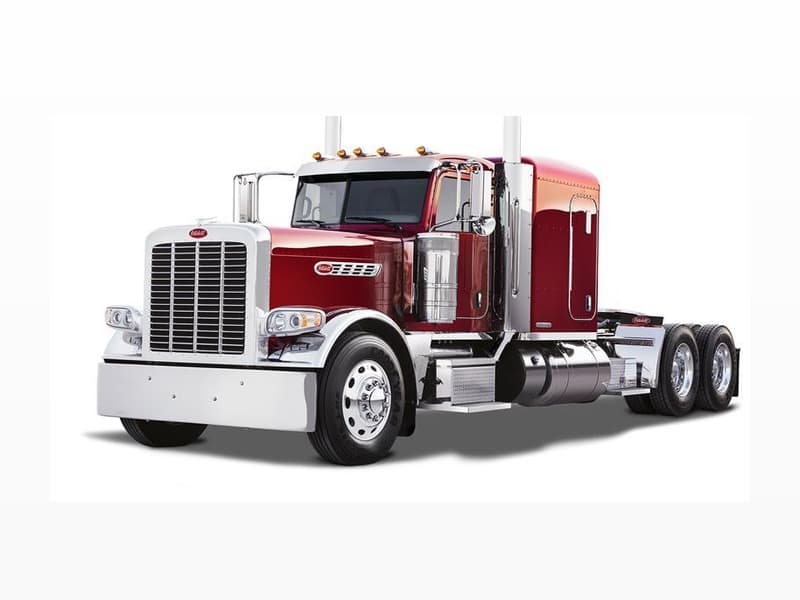
The Peterbilt 389 is the modern continuation of Peterbilt's long-nose Class 8 highway tractor lineage that traces back to the 379 and earlier classic conventionals. Launched in 2007 and still in production, the 389 occupies a specific position in the heavy-truck market: it is the truck owner-operators buy when they could have bought anything else. Aerodynamic drag is not the priority. Drag-racing fuel economy is not the priority. What is the priority is presence, durability, and the ability to pull anything legal at any weight, on any grade, for as long as the engine block holds together.
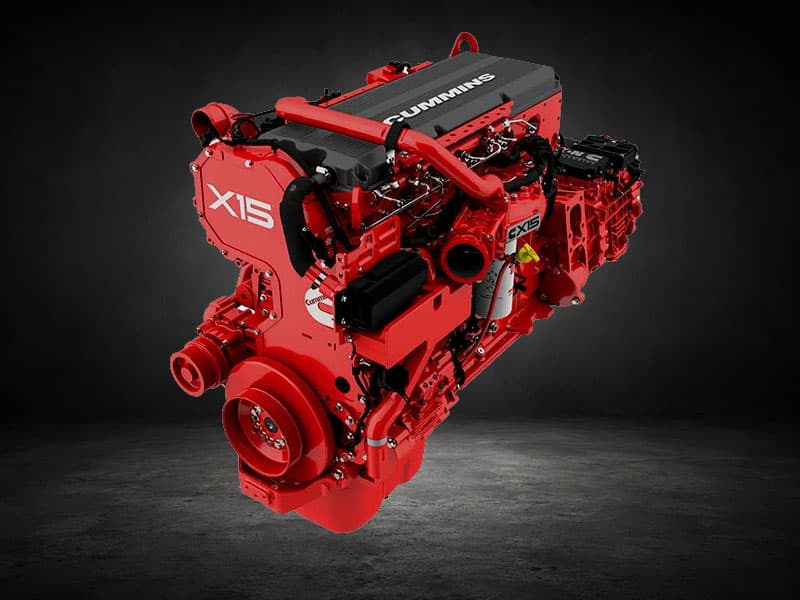
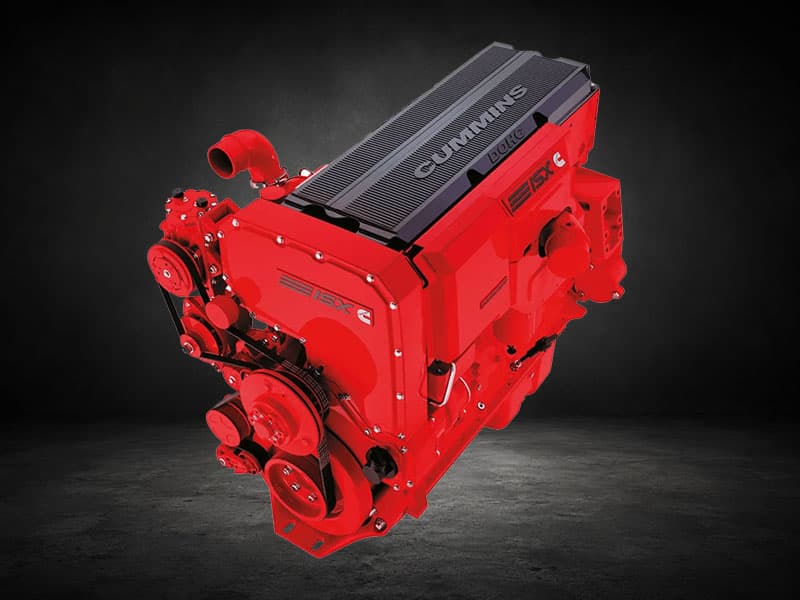
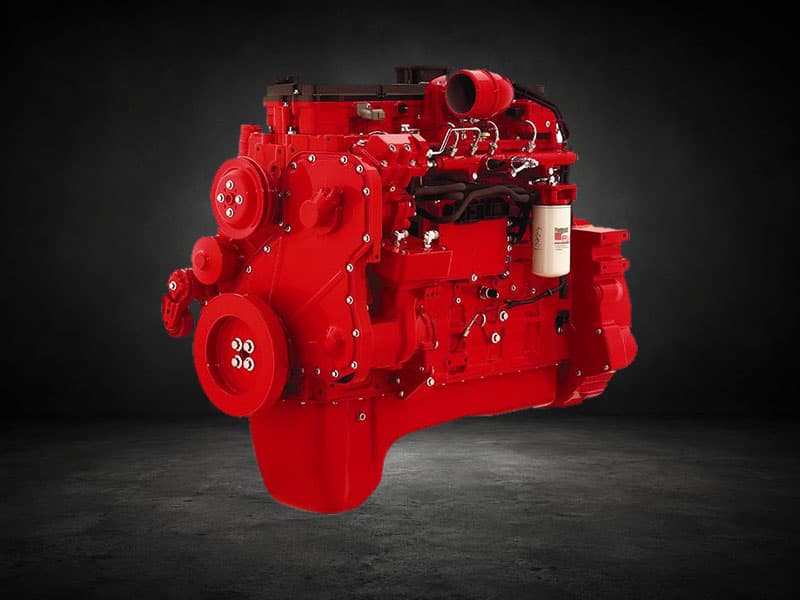
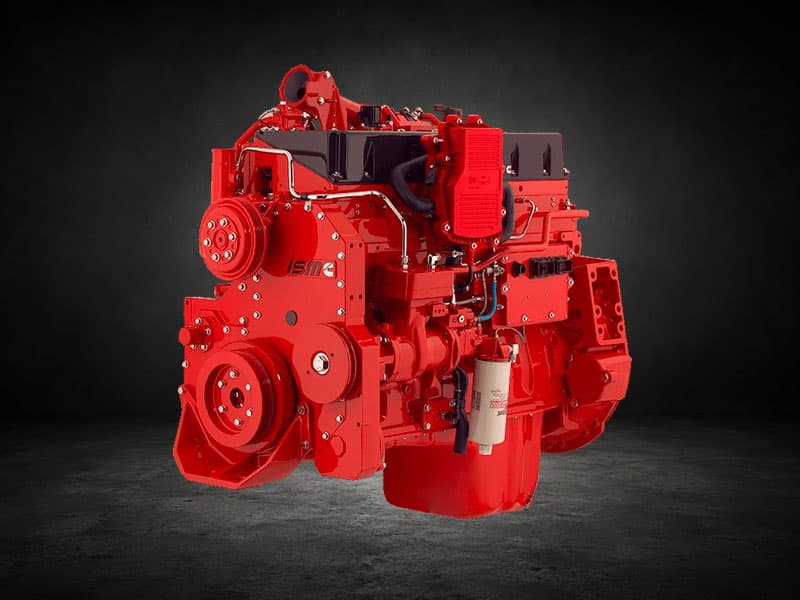
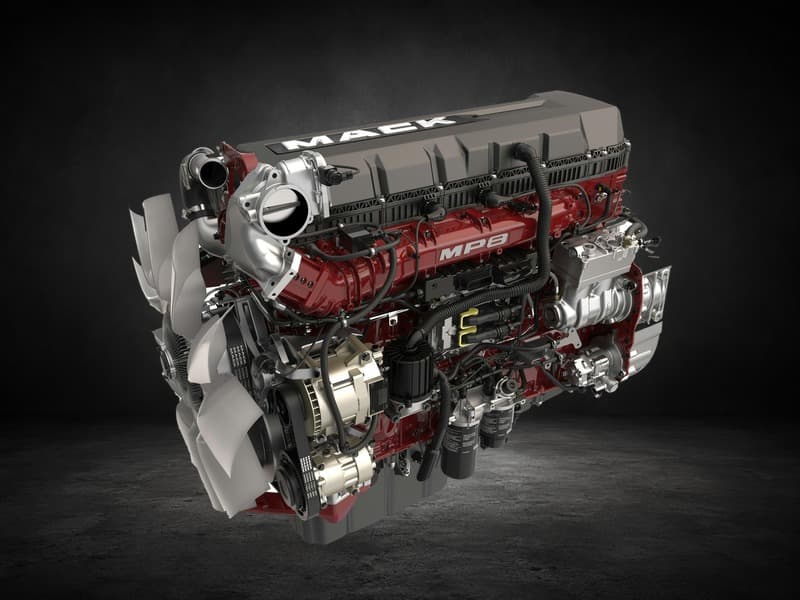
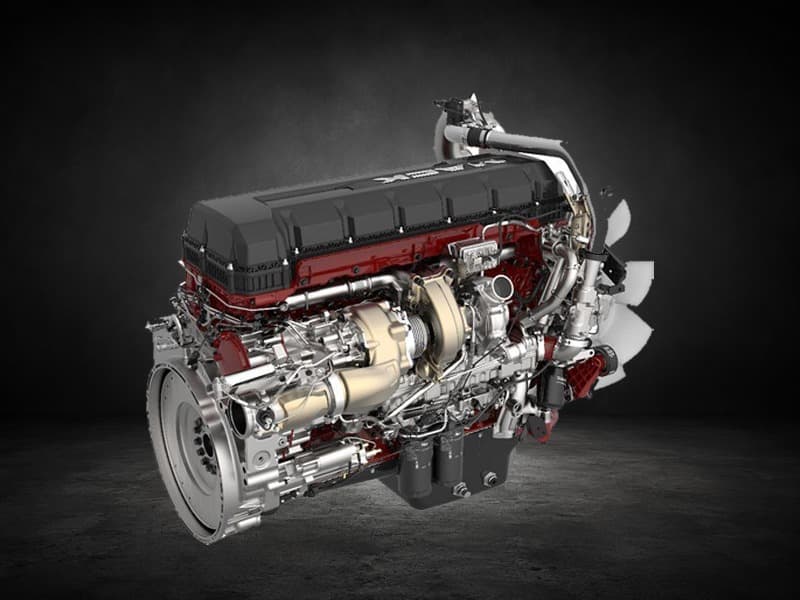
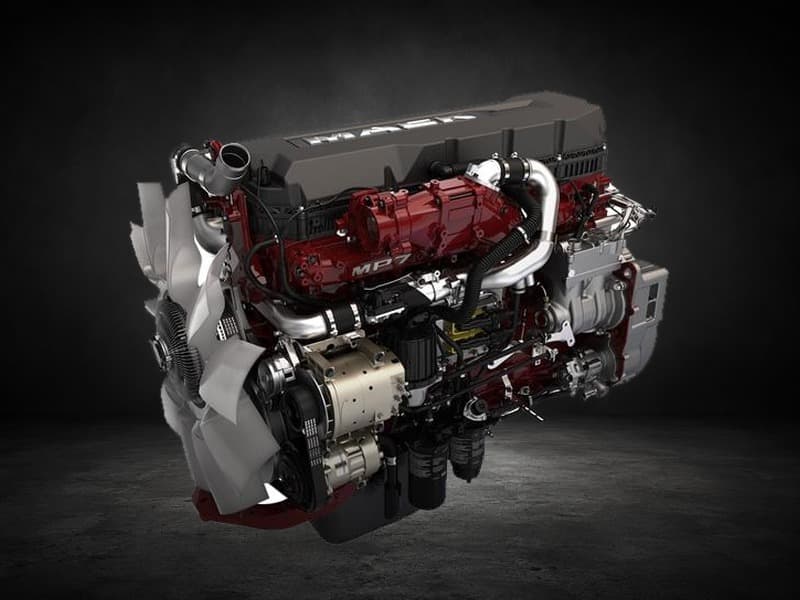
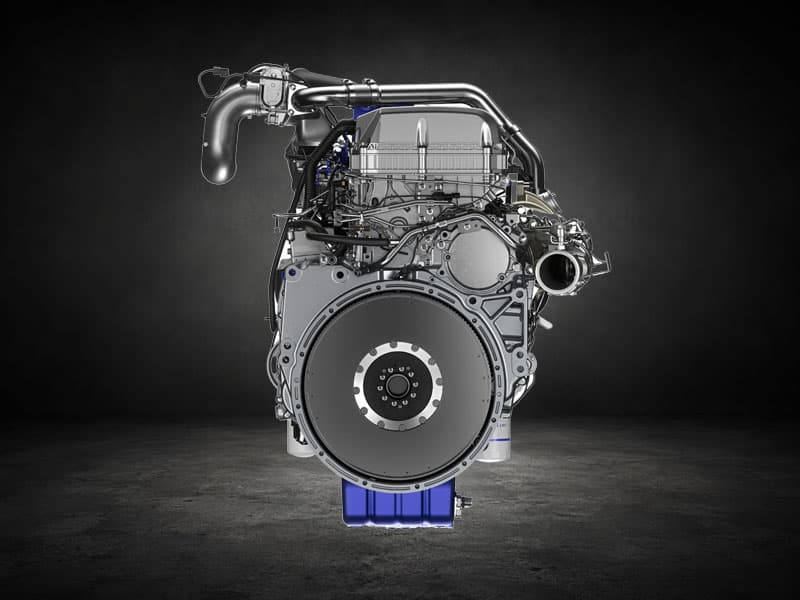
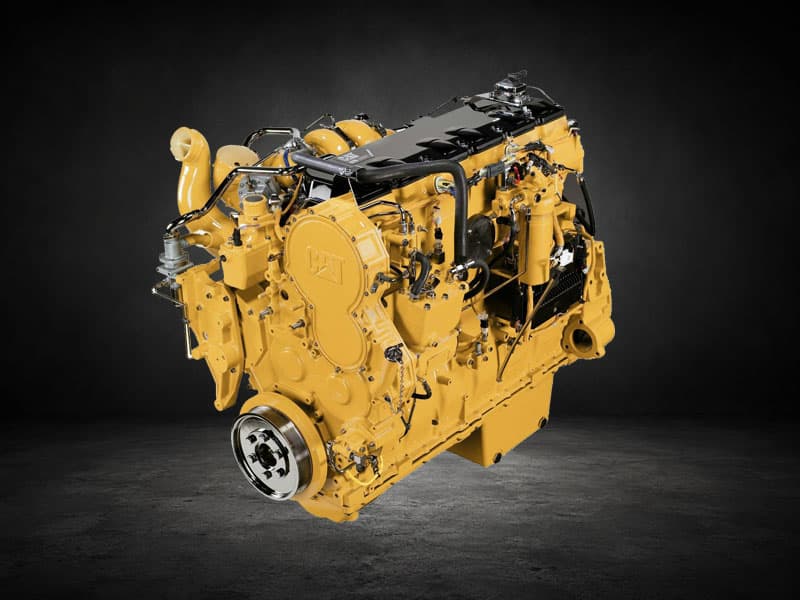
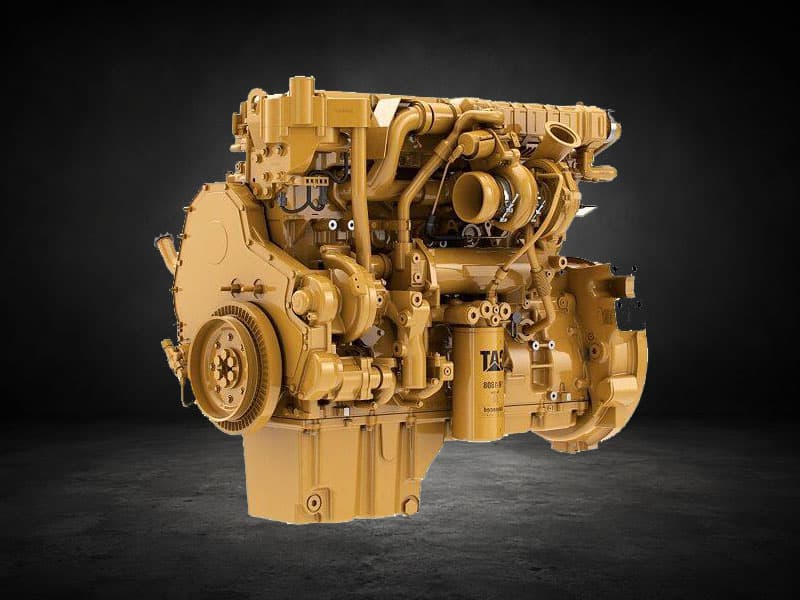
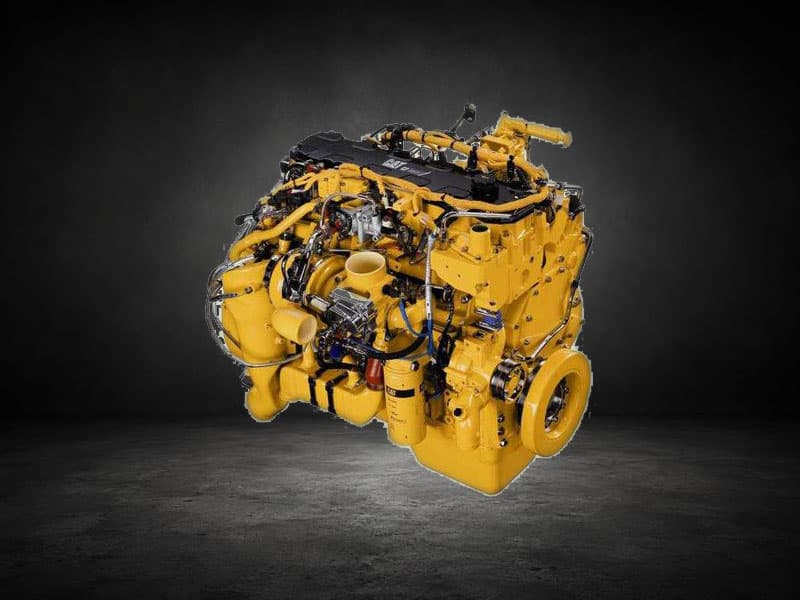
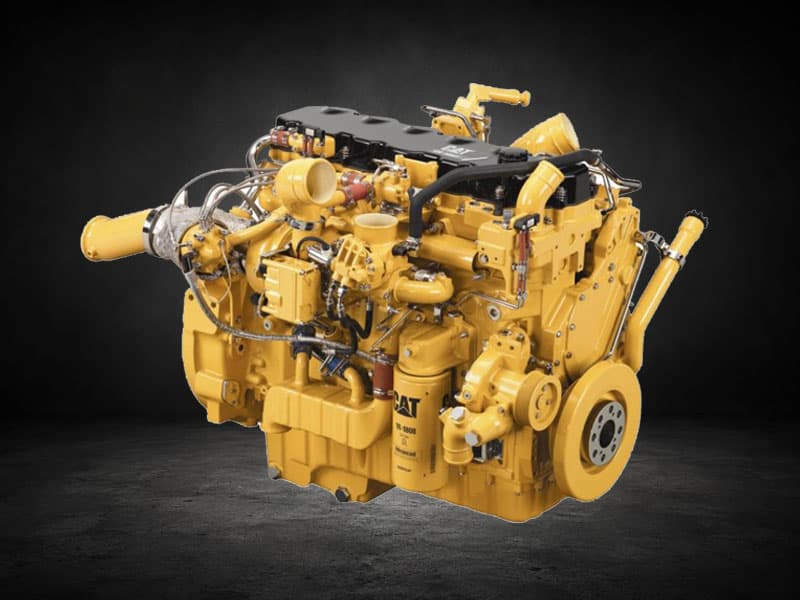
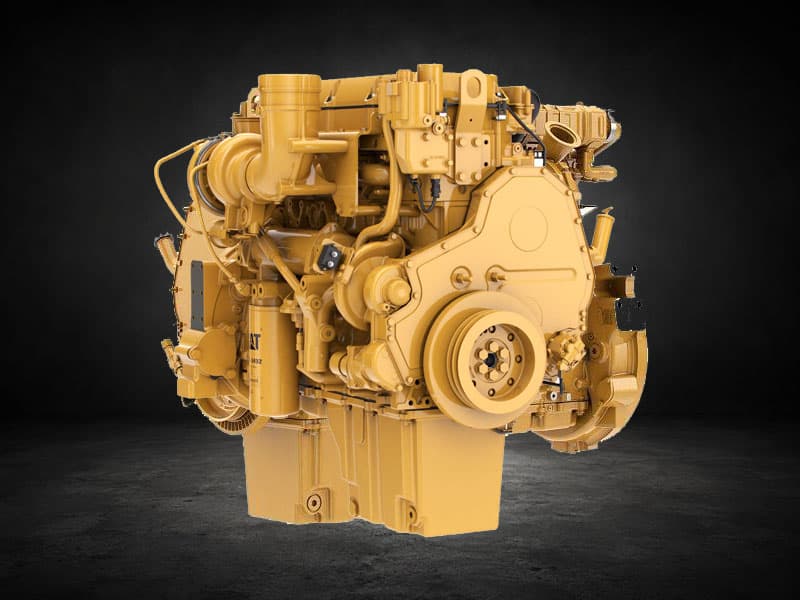
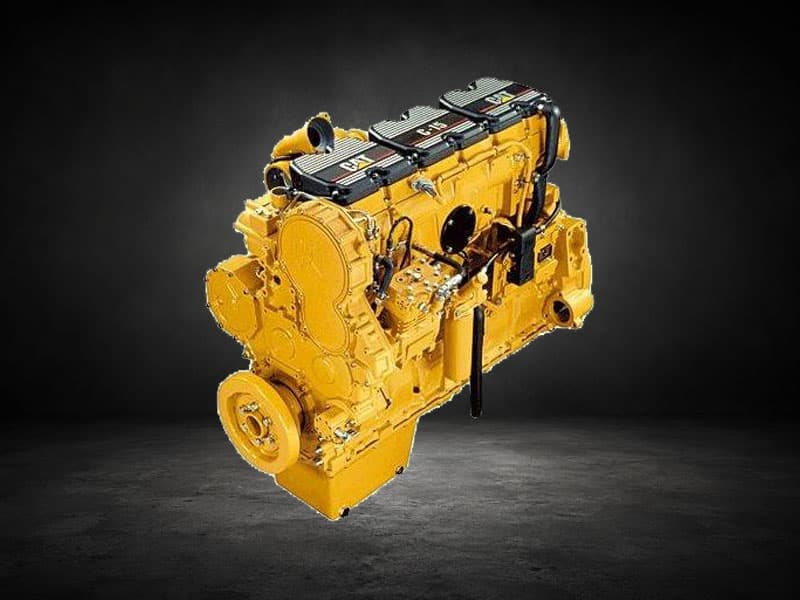
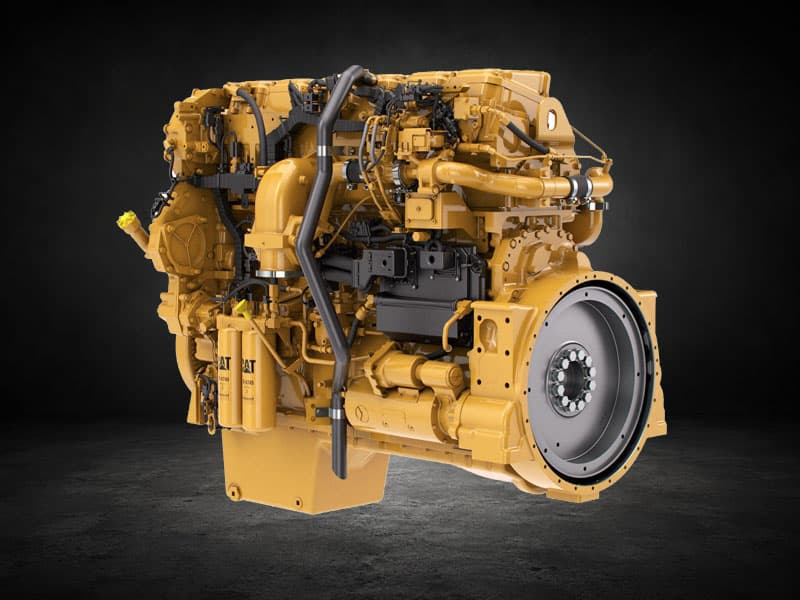
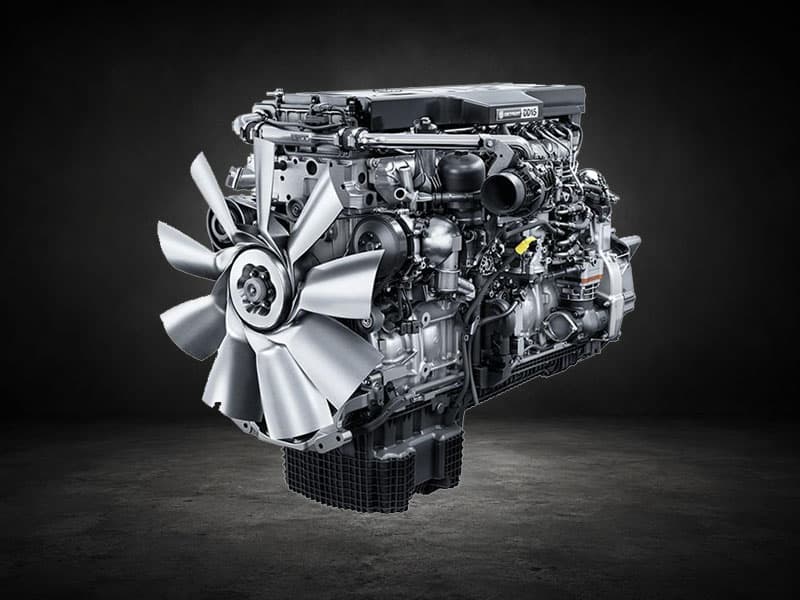
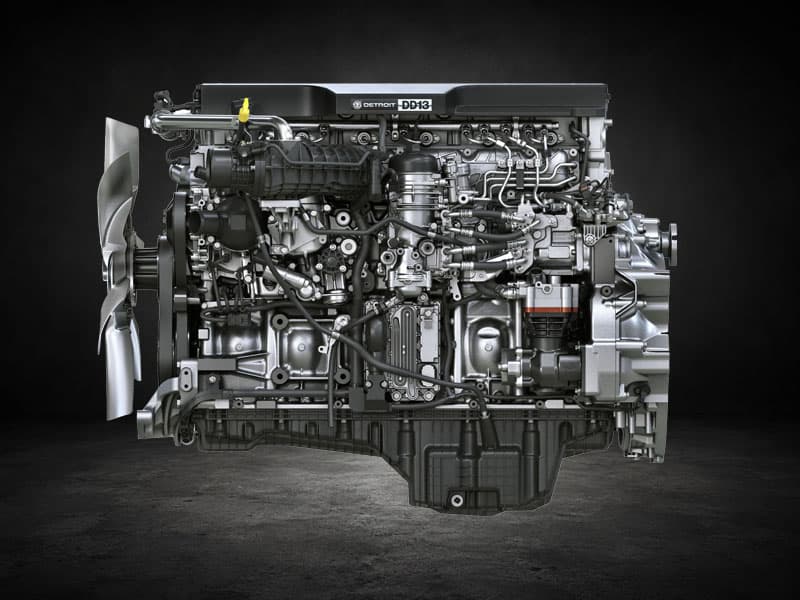
Engine options through the production run have been the Cummins ISX-15 (2007-2016), the Cummins X15 (2017-present), the Paccar MX-13 (2013-present), and limited Caterpillar C15 builds in the early years before Cat exited the on-highway market. The 389 sees more heavy-haul, oilfield, and owner-operator service than any other modern Class 8 tractor. That use profile shapes the calibration work we do on these trucks.
Why 389 Trucks Come To Our Bench
The 389 inherits the same aftertreatment failure patterns as every other modern Class 8 platform, but the use cases differ enough that the conversations we have with 389 owners are different from the ones we have with fleet customers running T680s or Cascadias. The dominant patterns:
High-load heavy-haul derate. 389s pulling heavy-haul, oversize, or oilfield loads spend more time at sustained high EGT than typical highway tractors. DPF systems on these trucks accumulate soot faster, regen cycles run more aggressively, and the cumulative thermal stress on the SCR catalyst and DEF dosing hardware shows up sooner. Owner-operators running these duty cycles often see their first major aftertreatment derate between 350k and 500k miles — earlier than fleet long-haul trucks running cube van freight.
Owner-operator economic pressure. When a 389 derates, the owner-operator is the one losing revenue per day the truck sits. Dealer quotes for full aftertreatment hardware replacement run $4,000-$8,000 and require booking against the dealer's schedule, often 2-3 weeks out. ECM programming with combined DPF and EGR delete for export or off-road use can put the truck back to work inside a week at a fraction of the cost. That math is what drives most owner-operator inquiries to us.
Performance tuning paired with delete. 389 owners often combine delete calibrations with performance tuning. Once the aftertreatment is no longer constraining the calibration, broader torque plateaus and sharper throttle response become accessible. We typically deliver 60-100 hp gains on lower-rated MX-13 and X15 builds while staying within injector and turbo safety envelopes.
Engine-Specific 389 Patterns
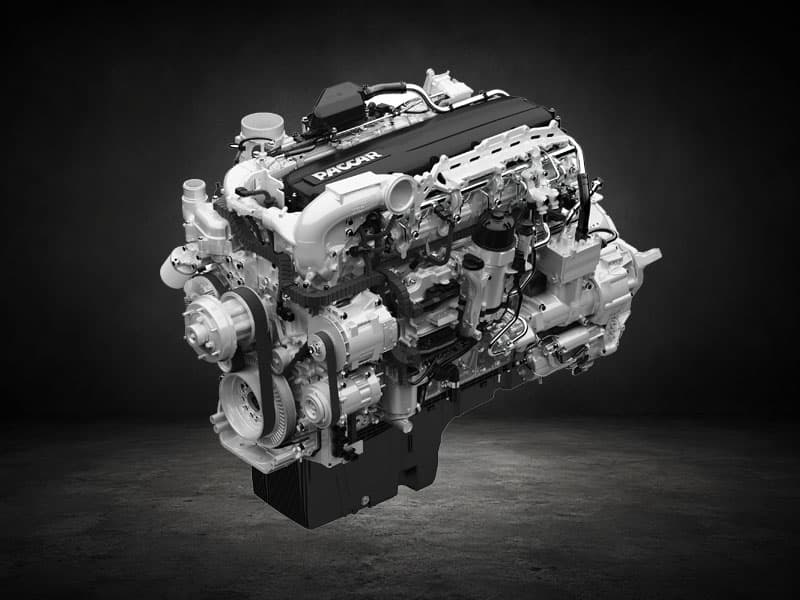
Paccar MX-13
389s ordered with the MX-13 see the same intake soot loading pattern that affects every MX-13 platform. The 389's typical heavier duty cycle accelerates the pattern — intake cleaning required earlier than on T680 highway fleet trucks. EGR delete is essentially the only durable fix for trucks running high-load applications past 400k miles.
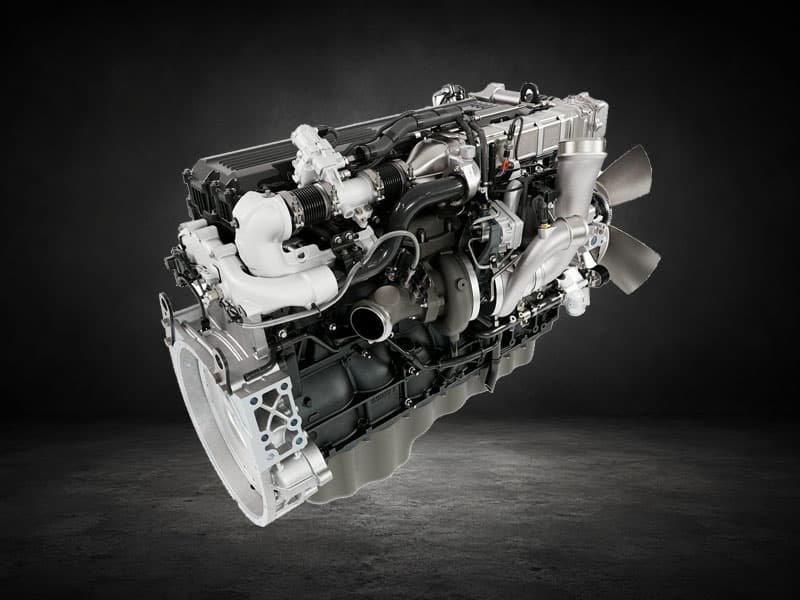
Cummins X15
X15-equipped 389s combine the EGR cooler degradation pattern common to all X15s with the higher cylinder pressures of heavy-haul operation. Cooler failures often arrive earlier than on highway fleet trucks. Combined DPF+EGR delete addresses both the cooler issue and the DPF derate triggers.
Cummins ISX-15
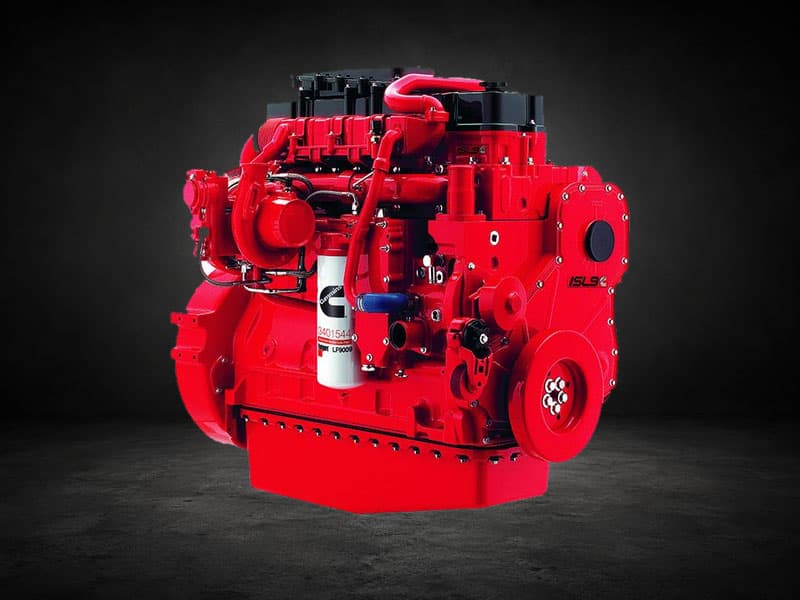
Older 389s with the ISX-15 are now well into their second half-million miles. The famous ISX EGR cooler failure pattern hits these trucks predictably. Calibration recovery, EGR delete, and DPF delete combined keep these trucks earning long past the point where dealers would push trade-in.
How 389 Owners Work With Us
Most 389 work runs through ship-in service. The owner-operator pulls the ECM (typically a 90-minute job on a 389), packs it with the truck's VIN, engine serial, current calibration ID, and a description of what the truck is doing wrong, and ships it to our Fort Lauderdale facility. We program in 2-3 business days and ship the module back. The owner-operator reinstalls and the truck is back on revenue routes.
For 389 owners with the diagnostic hardware already on hand (laptop with Cummins INSITE or Paccar diagnostic software, plus the 9-pin J1939 cable), remote programming via TeamViewer is faster — the truck never has to be opened up. Full programming session typically runs 1 to 3 hours.
On-site service is available for South Florida owner-operators who'd rather bring the truck to us. We program in our shop while you wait. Most jobs complete within a single business day on-site.
Quotes return same business day. Pricing depends on the engine platform, the scope of calibration work, and your intended use case (export, off-road, on-road recalibration). For owner-operators running multiple trucks, fleet-tier pricing applies starting at three trucks.
What To Tell Us When You Call
For 389 work the information that helps us quote and execute cleanly: year built, engine platform and rating, current mileage, current fault codes, and what you want the truck doing after the work. If the truck is running on US public roads, we recalibrate. If it is bound for export or dedicated to off-road service, we delete. Either path solves the underlying problem; the customer's intended use determines which path applies. Most 389 calls end the same way — same-day quote, scheduled programming inside the week, truck back on revenue routes inside ten days.