The Lighter Detroit
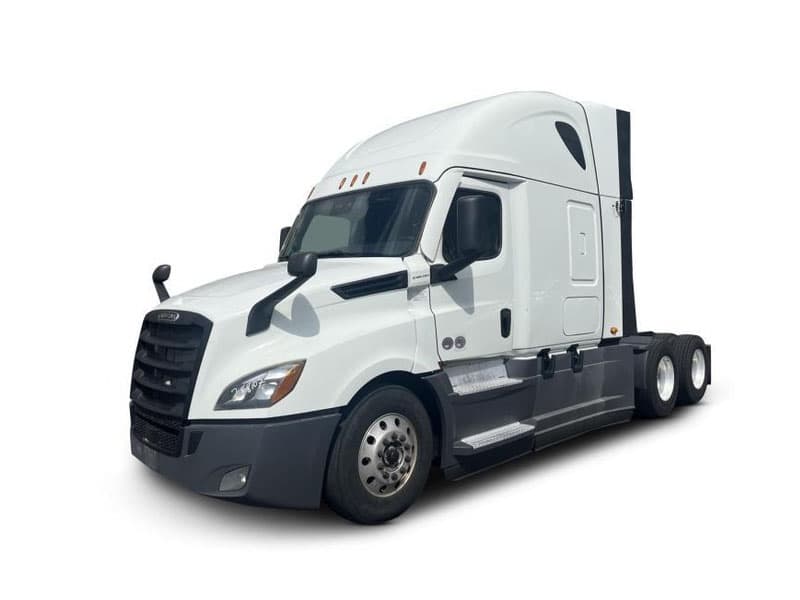
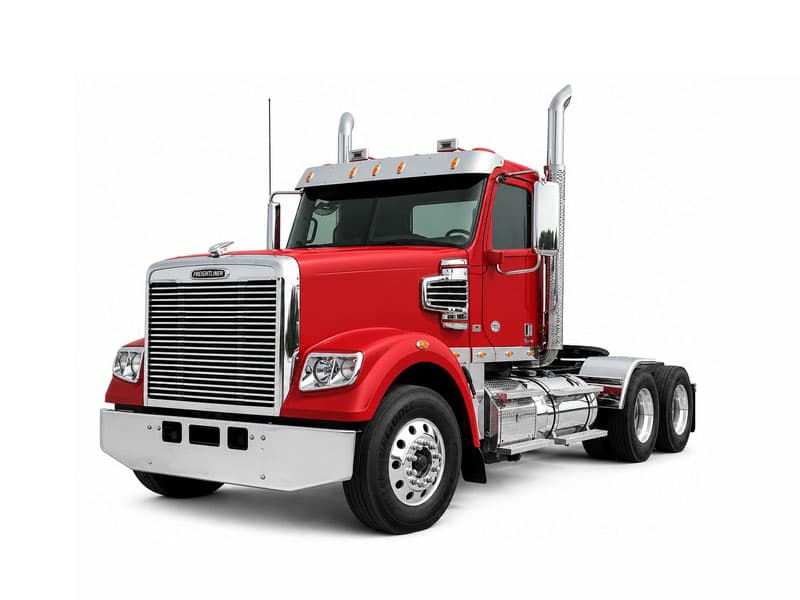
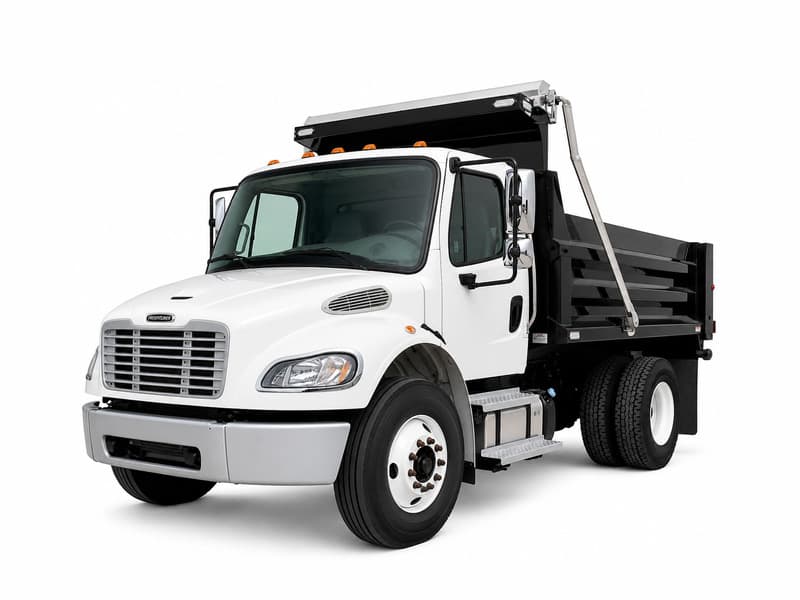
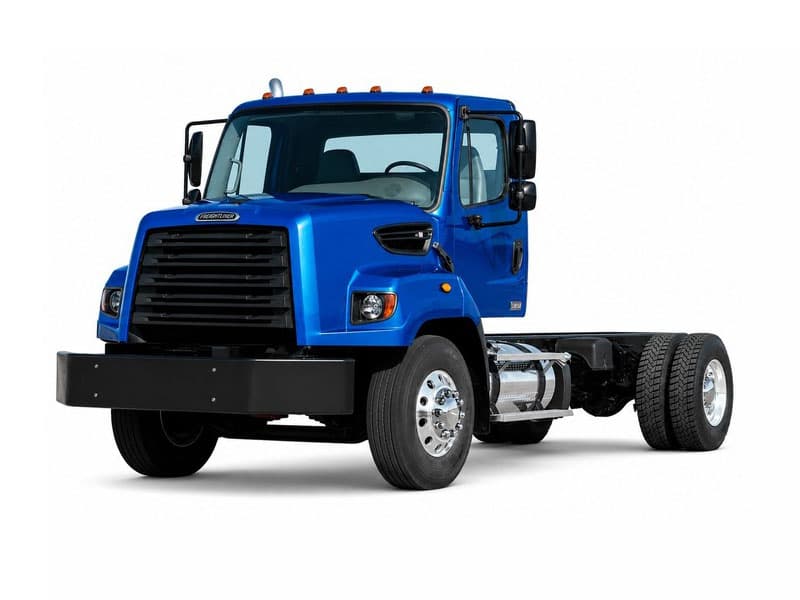
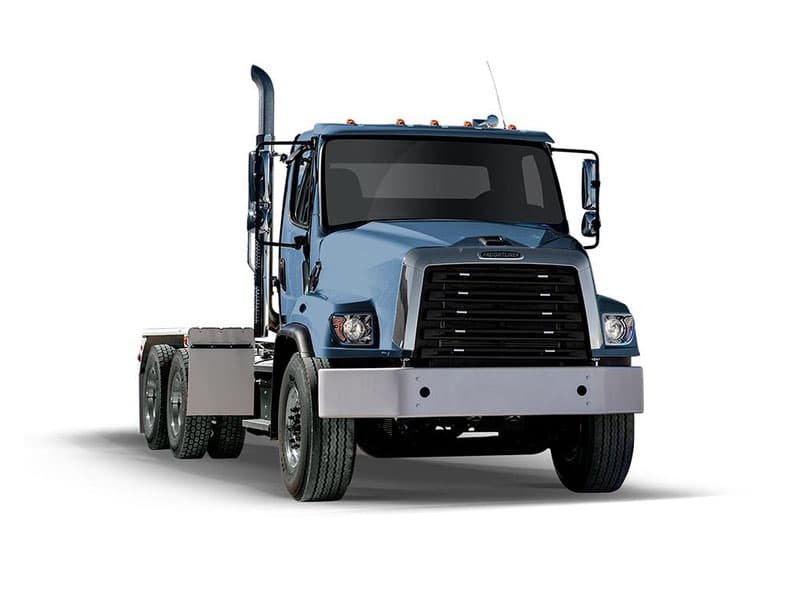
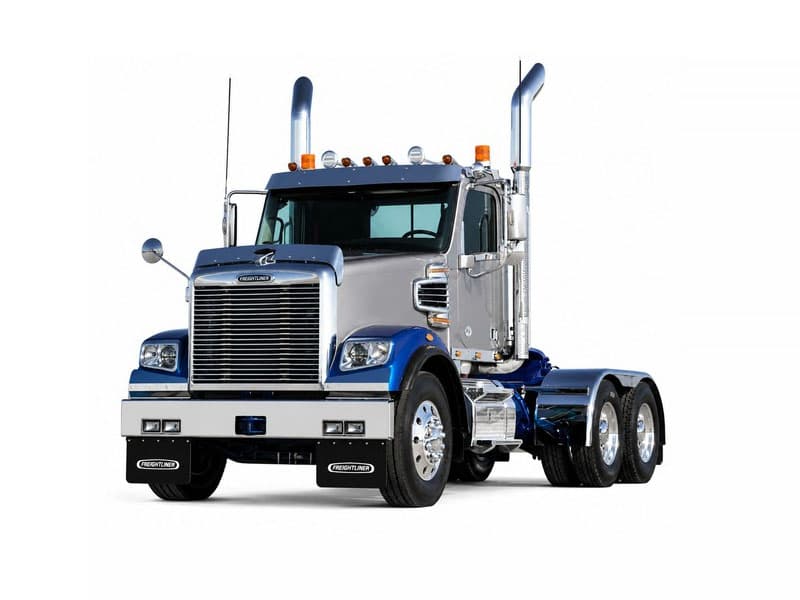
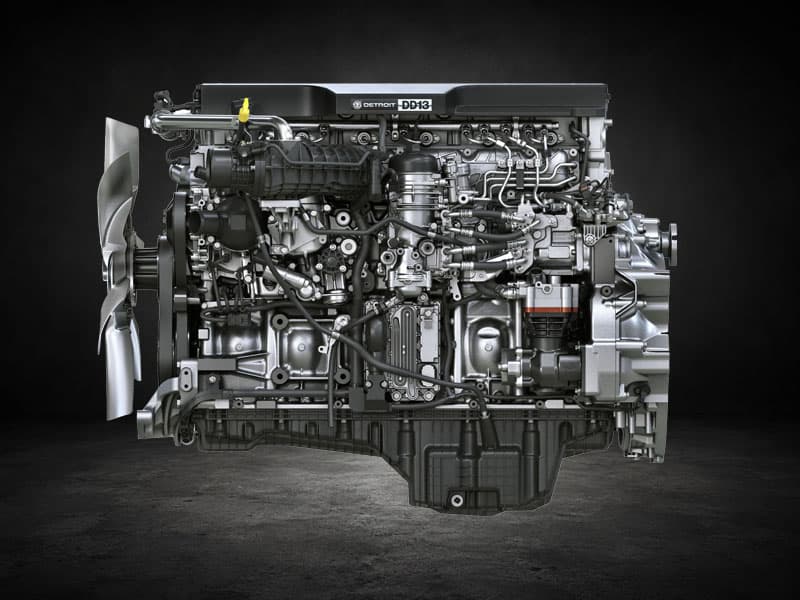
The Detroit Diesel DD13 is the 12.8-liter sister to the DD15, sharing fundamental architecture but optimized for lighter-duty fleet long-haul, regional, and vocational applications. Production launched in 2008 and continues today. Power ratings run from 350 to 505 horsepower with peak torque from 1,250 to 1,750 lb-ft. The DD13 appears in Freightliner Cascadia (fuel-economy spec), Freightliner M2 112, Freightliner Coronado, and various Daimler chassis configurations.
From a calibration standpoint, the DD13 is essentially the DD15 with different displacement and a slightly different power curve. Both engines run the CPC4 ECM paired with the ACM3 aftertreatment module. Both require coordinated dual-module programming for most calibration work. The programming approaches, failure patterns, and service paths are largely the same as the DD15.
Why DD13 Trucks End Up On Our Bench
The dominant failure patterns mirror the DD15, but with one notable difference: DD13 trucks more often serve regional and vocational duty cycles where the aftertreatment system never reaches the temperatures needed for proper passive regeneration. That makes DPF clogging and active regen failures more common on DD13 trucks than on DD15 long-haul fleet builds.
DPF derate from regional and vocational duty cycles. Cascadias spec'd with the DD13 are often ordered for regional fleet work — droppded trailers, short routes, multiple stops per day. The DPF never gets to the sustained temperature it needs for passive regen, and active regen cycles run more frequently. Eventually the filter accumulates ash faster than the system can clear it, and the truck enters derate.
DEF dosing valve failures. Same pattern as the DD15 — failure rates climb past 250,000 miles. The valve clogs or sticks, dosing accuracy drops, SCR efficiency falls below threshold, and inducement begins.
ACM3 calibration corruption. Same corruption pattern as the DD15 ACM3. Failed dealer flashes, partial calibration loads, and sometimes simple sensor failures that cascade into ACM3 communication faults.
EGR cooler degradation. Standard pattern across modern heavy diesels. Coolant intrusion into intake, intermittent fault codes, eventual catastrophic failure if left untreated.
ECM And ACM Identification
DD13 trucks run the same CPC4 ECM and ACM3 aftertreatment module as the DD15. Diagnostic access through SAE J1939 9-pin connector with Detroit Diesel Diagnostic Link (DDDL) software required. Common CPC4 part numbers for DD13 applications include A4711500120 and A4711500220, though variants exist for specific year and rating combinations.
What We Program On The DD13
Combined ECM + ACM Delete
For export and off-road trucks, dual-module delete addresses both the engine-side (CPC4) and aftertreatment-side (ACM3) calibration requirements. Result: no DPF dependency, no SCR/DEF dependency, no EGR commands, and an engine that runs against its original performance map without aftertreatment interference. Paired with appropriate hardware kits for the application.
Emissions Recalibration For On-Road Compliance
For DD13 trucks staying on US public roads, we recalibrate the ECM and ACM3 after aftertreatment hardware repairs. Clears inducement countdowns, resets DEF dosing parameters, restores SCR efficiency tracking. Critical after DEF doser replacement, NOx sensor replacement, or SCR catalyst service — without recalibration, the modules often retain stale parameters that trigger faults on perfectly healthy hardware.
Performance Tuning For Vocational Loads
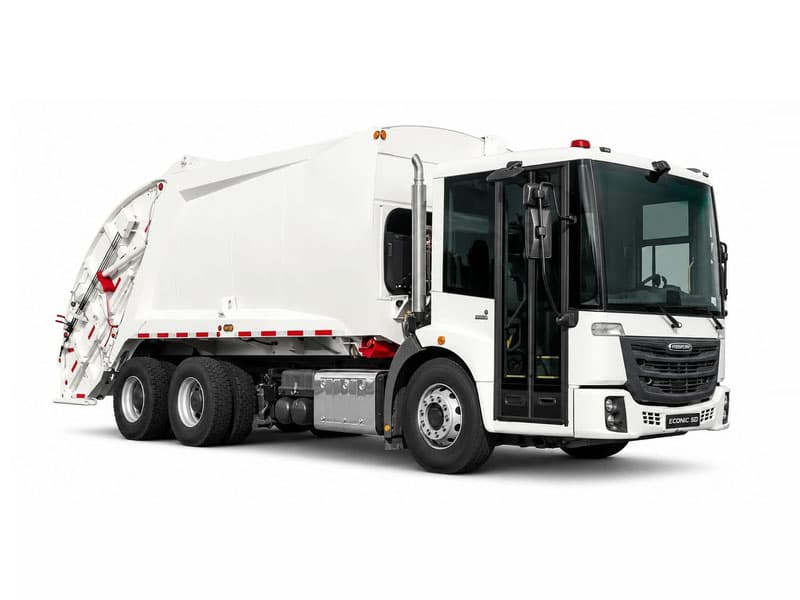
DD13s in M2 112 vocational service — dump, mixer, refuse, vacuum trucks — benefit from calibrations matched to actual duty cycle rather than stock long-haul tuning. Adjusted torque curves, PTO setpoint refinement, and improved throttle response under variable load. Typical gains of 40-70 hp with proportional torque on stock hardware.
ACM3 Recovery
Same recovery procedures as on DD15 ACM3 modules. We have established methods for restoring corrupted modules that other shops have given up on.
Service Paths For DD13 Programming
All three service paths work for the DD13, with the same note as the DD15: both the CPC4 ECM and the ACM3 module need to be programmed together for the calibration changes to fully apply. Ship-in is the most common path. Remote programming requires DDDL on the shop's laptop. On-site service is available for South Florida fleet customers running multiple Detroit-equipped trucks.
Quotes return same business day. Tell us the chassis (Cascadia / M2 112 / Coronado), the year, current fault codes, and the intended use case for the truck after programming. For fleet customers, NDAs are routine and pricing scales with volume.
Fleet Conversation Patterns
Most DD13 calls come from regional fleet operators running 10-50 Cascadias or M2s in mixed long-haul and regional service. The pattern is consistent: aftertreatment failures start clustering around 350,000-450,000 miles, and the dealer's cost to address each one individually exceeds what the calibration-based solution costs across the whole batch. The fleet operator does the math once, decides which path makes sense for their compliance posture, and we schedule batch programming work over the following weeks.
For owner-operators running single DD13 trucks, the conversation is simpler — same-day quote, ship-in programming, truck back on the road inside ten days. Either way, the calibration work is what extends the useful life of these trucks past the point where the dealer would push trade-in.