The Paccar-Badged Cummins C-Series
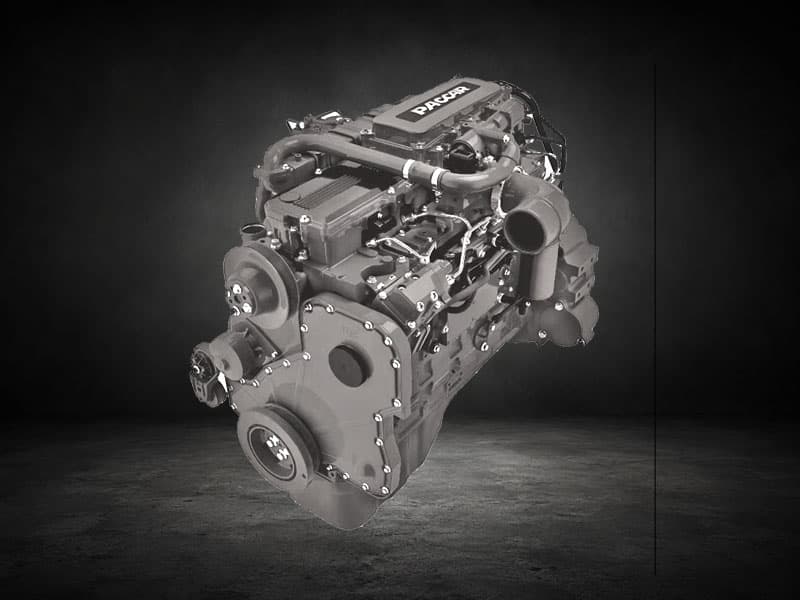
The Paccar PX-8 is the 8.3-liter inline-six Paccar marketed as its medium-heavy vocational engine in Kenworth and Peterbilt chassis primarily during the pre-2010 era. The honest description: the PX-8 is a Cummins-built ISC 8.3 with Paccar branding, Paccar-specific calibration architecture, and Paccar ECM diagnostics. The underlying engine block, fuel system, and combustion architecture are pure Cummins ISC 8.3; the diagnostic and programming framework is Paccar.
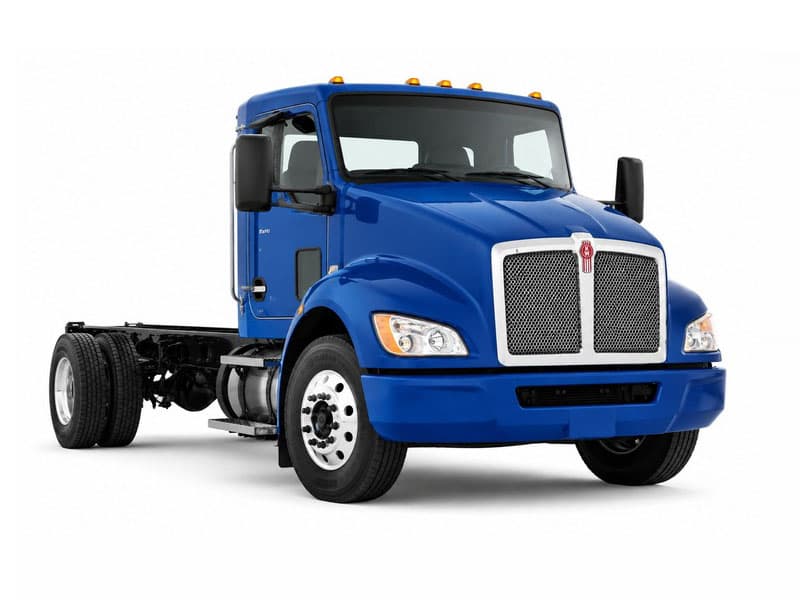
Power ratings on the PX-8 ran from 240 to 360 horsepower with peak torque to 1,000 lb-ft. The platform appeared in Kenworth T270, T370, and similar medium-duty chassis, and in Peterbilt 220, 335, and 337 medium-duty trucks. Common applications included refuse collection, fire and EMS apparatus, school buses, utility line trucks, dump trucks, and the broader medium-heavy vocational fleet.
Production largely ended around 2010 when Paccar consolidated the medium-heavy vocational platform into the PX-9 for EPA 2010 compliance. PX-8 trucks still in service today are 15+ years old.
Why PX-8 Trucks Come To Us
Most PX-8 trucks still earning their keep today are 15-22 years old. The engines themselves are typically still strong — the C-series architecture has earned a reputation for service life when maintained — but the surrounding hardware is aging and the economics of dealer-side aftertreatment service have stopped working:
High-mileage DPF clogging on vocational duty. Pre-2010 PX-8 trucks running fire, refuse, school bus, and similar vocational duty have accumulated DPF ash over fifteen-plus years. Replacement DPFs cost more than many high-mileage trucks justify. Delete calibrations are the practical fix for trucks dedicated to off-road or export service.
EGR cooler degradation. Standard Cummins-C-series-of-this-generation pattern, inherited unchanged in the Paccar-badged version. Coolant intrusion into intake, intermittent fault codes, eventual catastrophic failure. Combined with intake fouling accumulated over a decade-plus of service, EGR delete is often the only economically viable repair on high-mileage PX-8 trucks.
Calibration recovery on bricked modules. PX-8 ECMs sometimes end up corrupted by failed dealer flashes. We recover most modules without replacement.
Performance tuning for heavy vocational service. PX-8s in fire pumping, refuse, and heavy transit benefit from calibrations matched to actual duty cycle. Power gains of 30-50 hp with proportional torque are typical within hardware safety margins.
ECM Identification
PX-8 trucks run Paccar's diagnostic architecture rather than Cummins INSITE — even though the underlying engine is Cummins-built ISC 8.3. Calibration libraries are Paccar-specific and don't transfer directly from Cummins ISC calibration sources. Pre-2010 PX-8 architecture is significantly simpler than the EPA 2010 PX-9 successor because pre-2010 emissions had DPF only, no SCR or DEF.
Diagnostic access is through the standard SAE J1939 9-pin connector. Sending us the truck VIN and engine serial number lets us identify the correct calibration library and quote turnaround accurately before any work begins.
What We Program On The PX-8
Combined DPF + EGR Delete (Off-Road & Export)
Pre-2010 PX-8 delete calibrations are straightforward — no SCR system to address, simpler calibration architecture, predictable results. Trucks bound for off-road service or export markets get the calibration plus appropriate hardware kits. Eliminates regen cycles, removes the recurring aftertreatment maintenance burden, and lets the engine run against its original performance map.
Performance Tuning
PX-8s in heavy vocational service benefit from calibrations matched to actual duty cycle. The underlying ISC 8.3 platform has been around long enough that the calibration approaches are well-characterized for all common ratings and applications.
Calibration Recovery And ECM Swap Matching
PX-8 ECMs pulled from one truck and installed in another need their VIN and engine serial parameters reprogrammed. We handle this routinely, including for trucks built from salvage cores or rebuilt from donor chassis.
Service Paths For PX-8 Programming
All three standard service paths work. Ship-in is the most common — pull the ECM, ship to Fort Lauderdale, 2-3 day turnaround, ship back. Remote programming works for shops with their own Paccar diagnostic software. On-site service is available for South Florida fleet customers running multiple PX-8 vocational trucks.
Quotes return same business day. Tell us the year, the chassis, current fault codes, and intended use case. For owner-operators of single PX-8 trucks and small fleets, the calibration math usually favors keeping the truck. The engine block, transmission, and chassis hardware on most well-maintained PX-8 trucks are still good for several hundred thousand more miles. Calibration work addresses the actual problem at a fraction of the cost of replacing a still-functional truck.
PX-8 In Municipal Fleet Conversations
Many of our PX-8 calls come from municipal customers — public works departments, school districts, fire departments — looking at aging vocational trucks where the budget conversation is between calibration work and full truck replacement. The math typically favors calibration when the truck is otherwise sound: a recalibrated or properly delete-prepared PX-8 truck can extend its productive service life by years at a fraction of replacement cost, while a truck written off for aftertreatment failure represents a real budget impact on operations that are already running tight on capital allocations.
We walk through the honest math with these customers — including the cases where replacement actually does make more sense — rather than steering every conversation toward the same answer. Some PX-8 trucks have reached the point where the rest of the chassis is also at end-of-life. Others have hundreds of thousands of productive miles left if the aftertreatment situation is addressed properly. Telling them apart is part of the work.