The Kenworth That Defined An Era
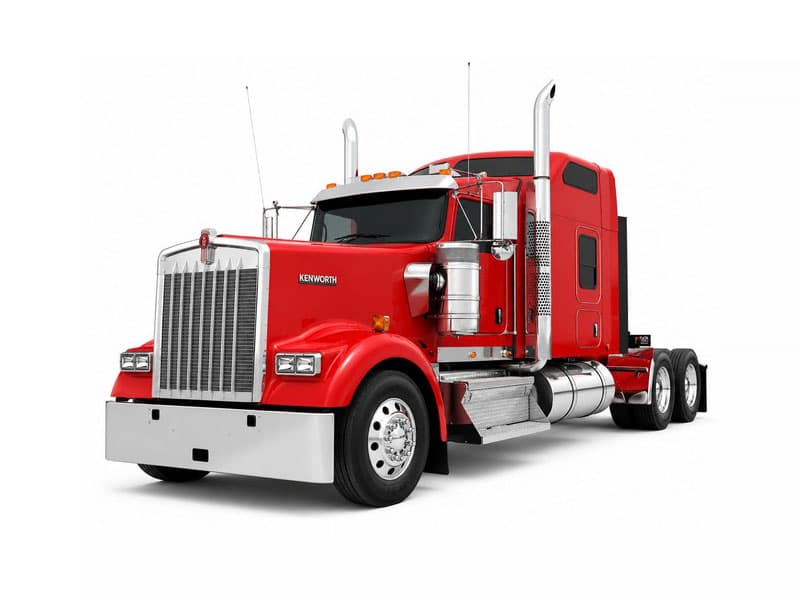
The Kenworth W900 is the longest-running model in Kenworth's product line and arguably the most recognizable Class 8 truck on North American highways. In continuous production since 1961 — through multiple emissions eras, engine partnerships, and chassis revisions — the W900 has stayed in the lineup because owner-operators and heavy-haul specialists keep buying it. The truck's classic long-hood styling, traditional chassis architecture, and ability to accommodate the largest engines in the Class 8 market have made it the default choice for operators who want maximum capability without compromising the operational character that defines the platform.
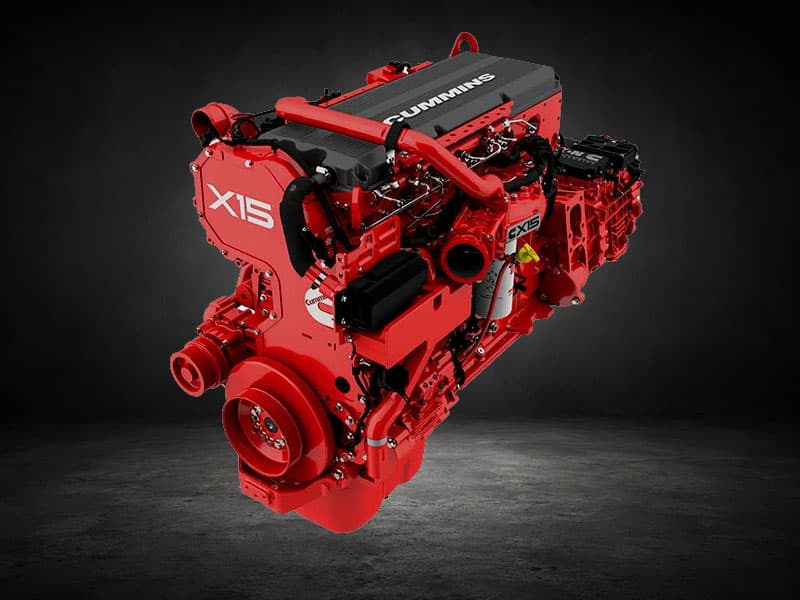
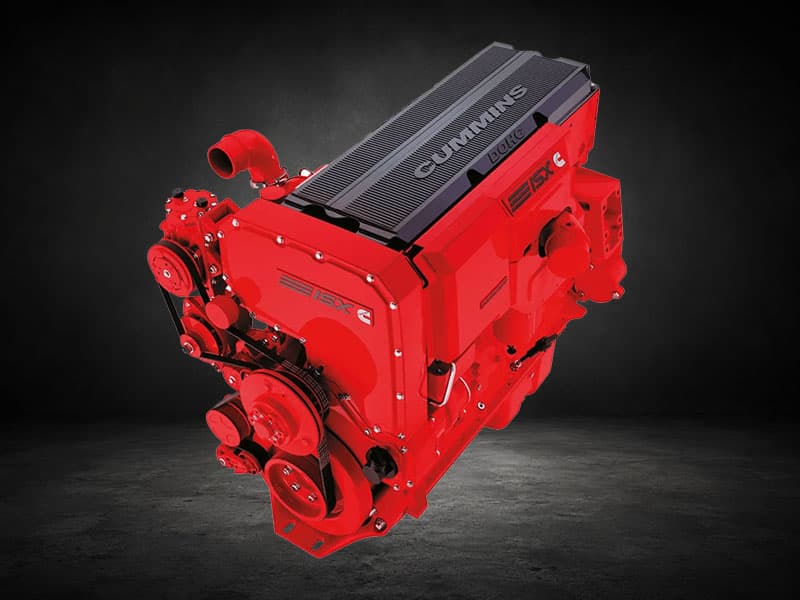
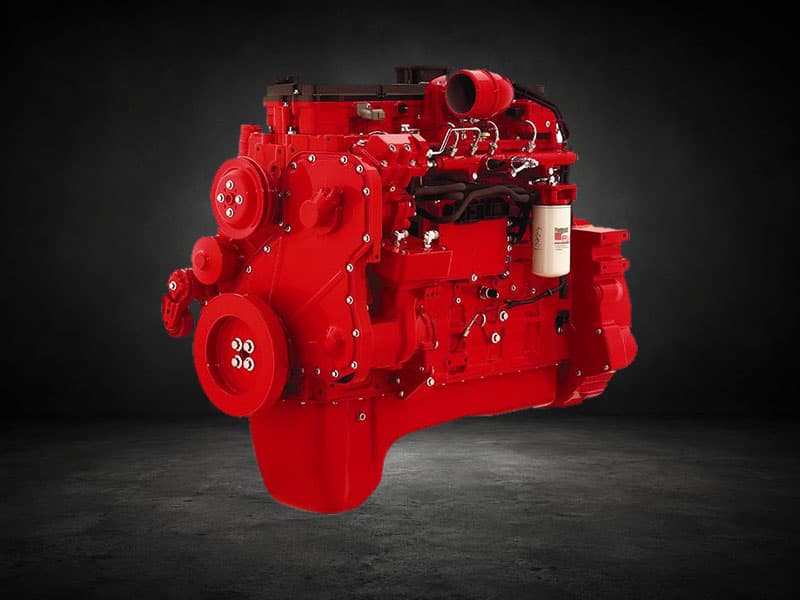
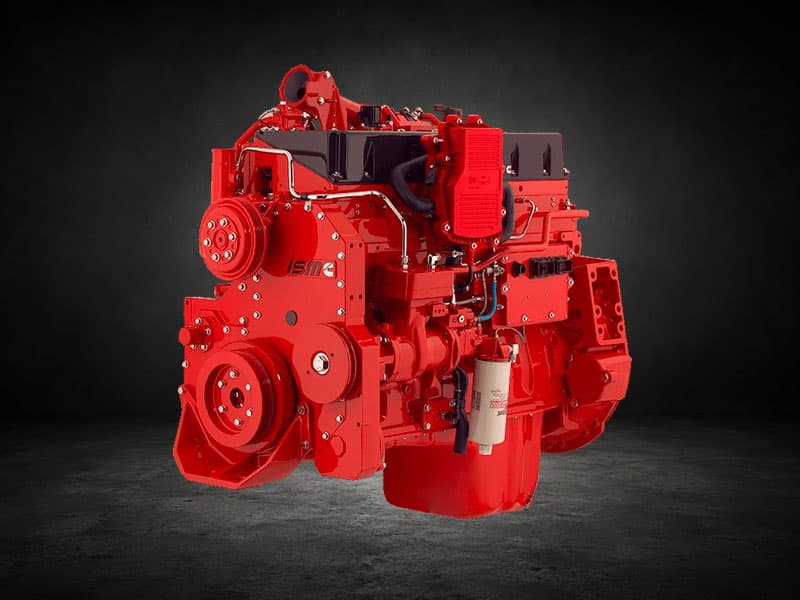
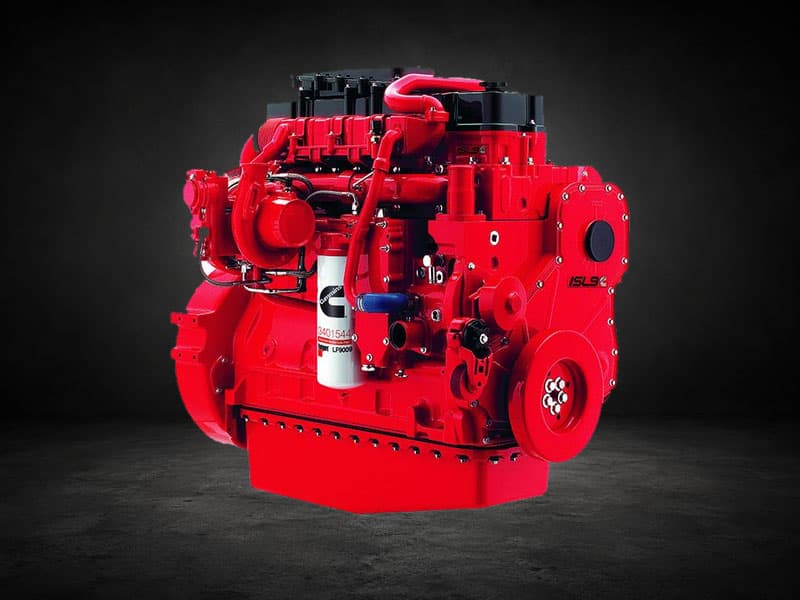
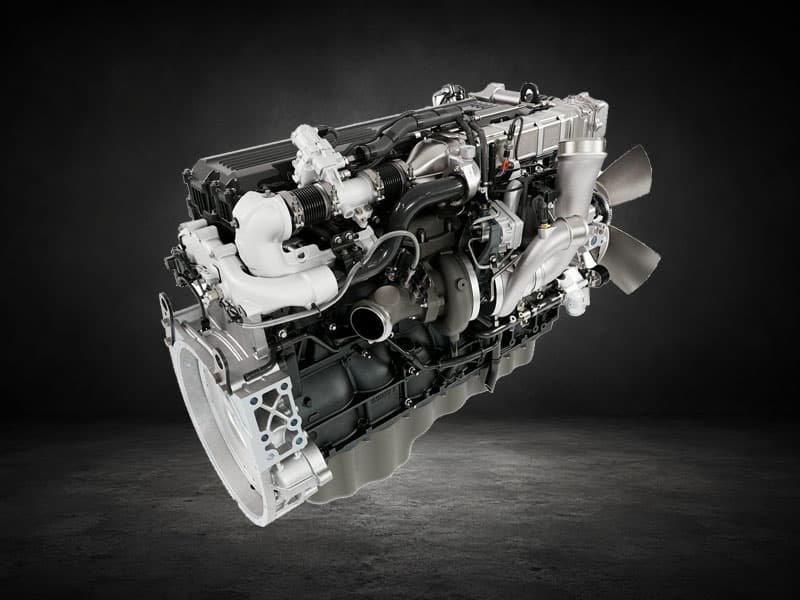
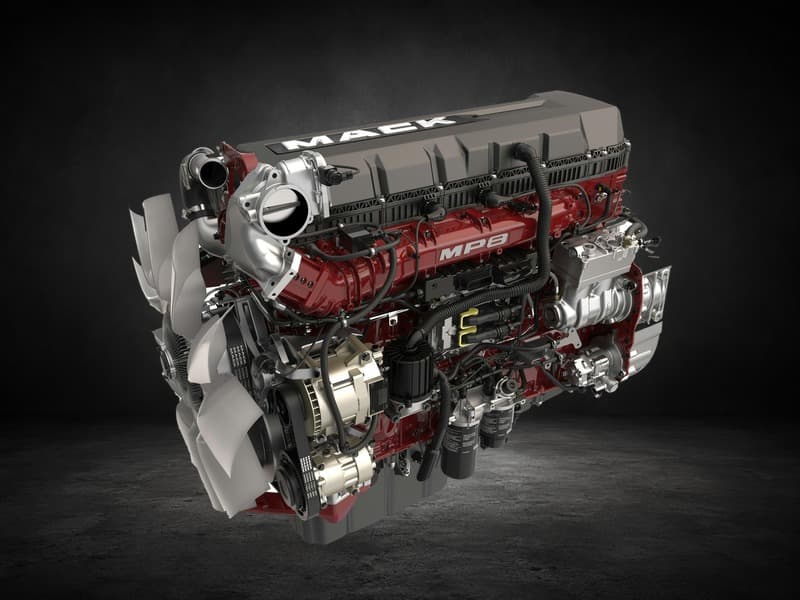
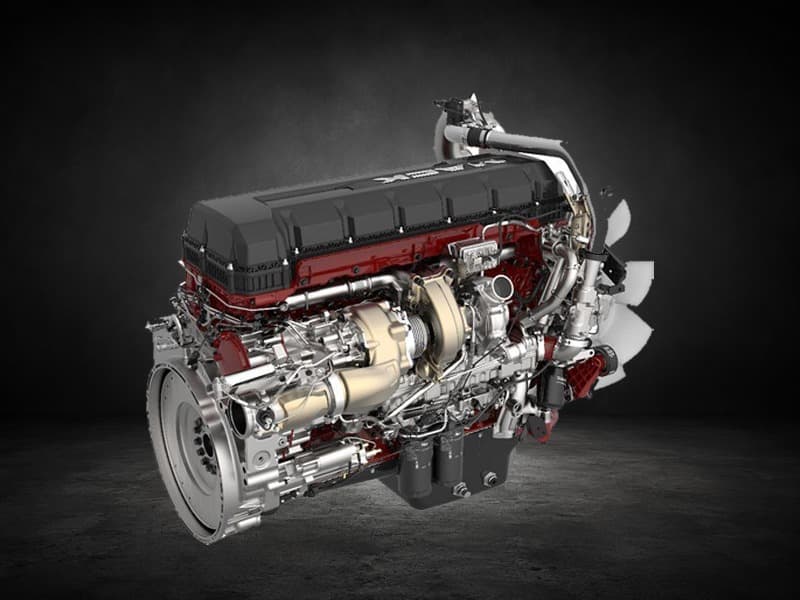
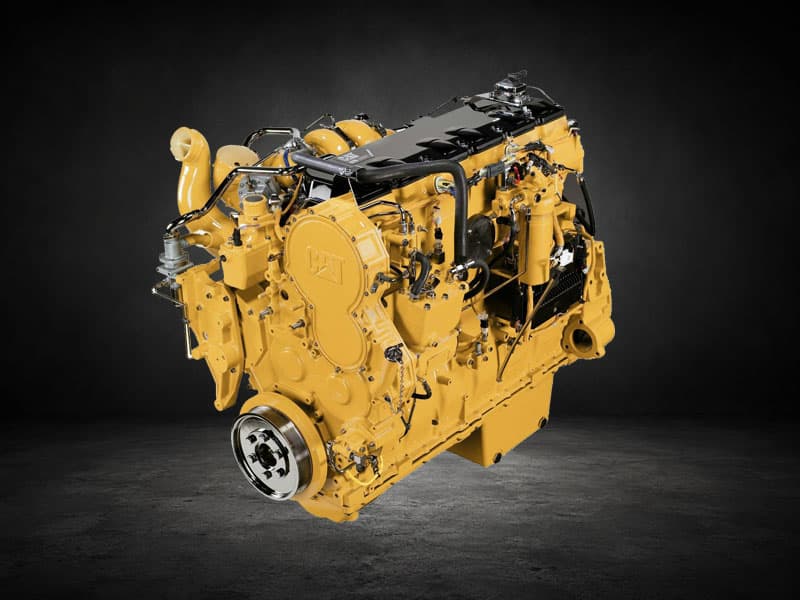
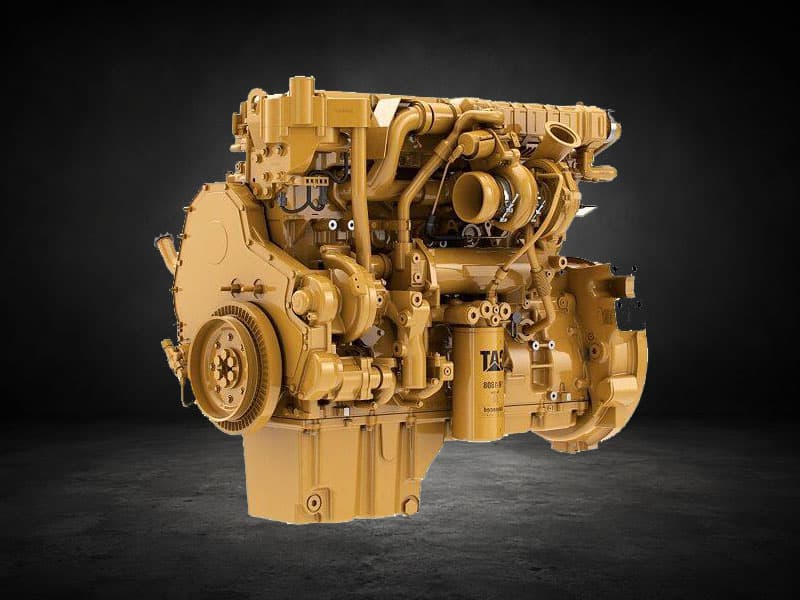
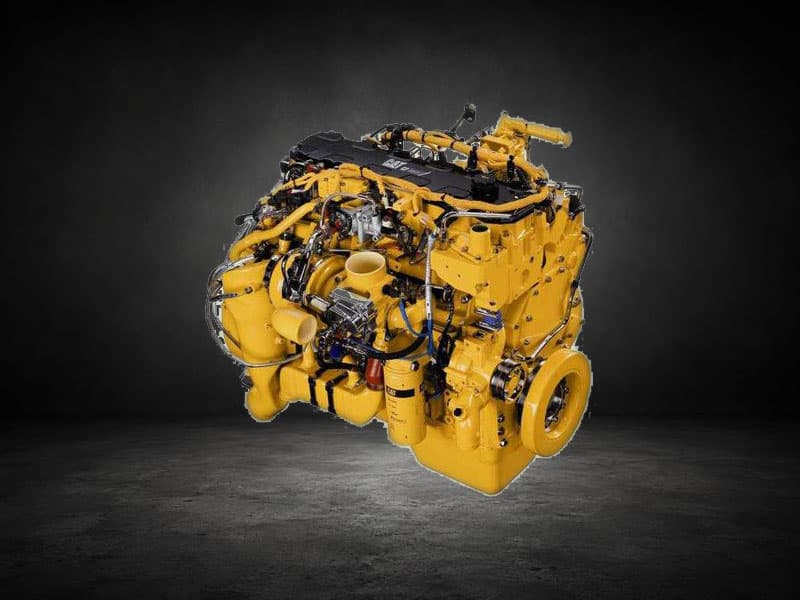
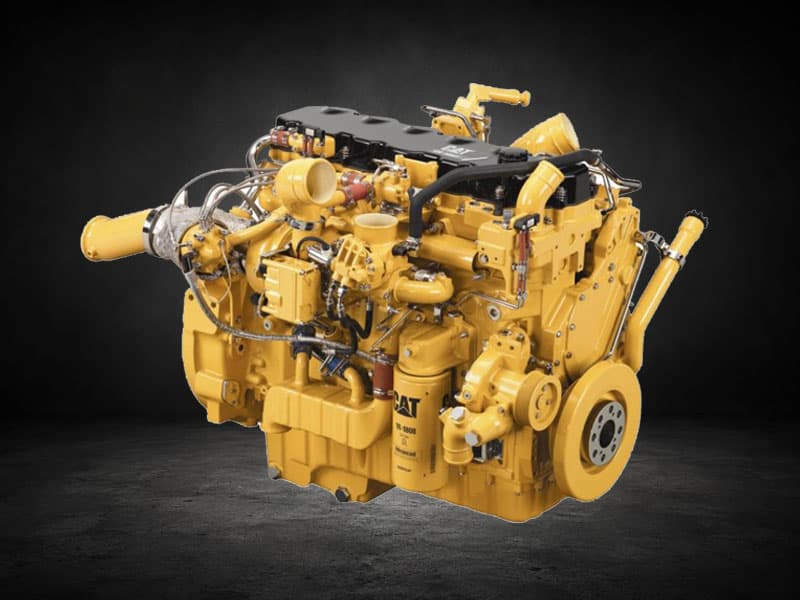
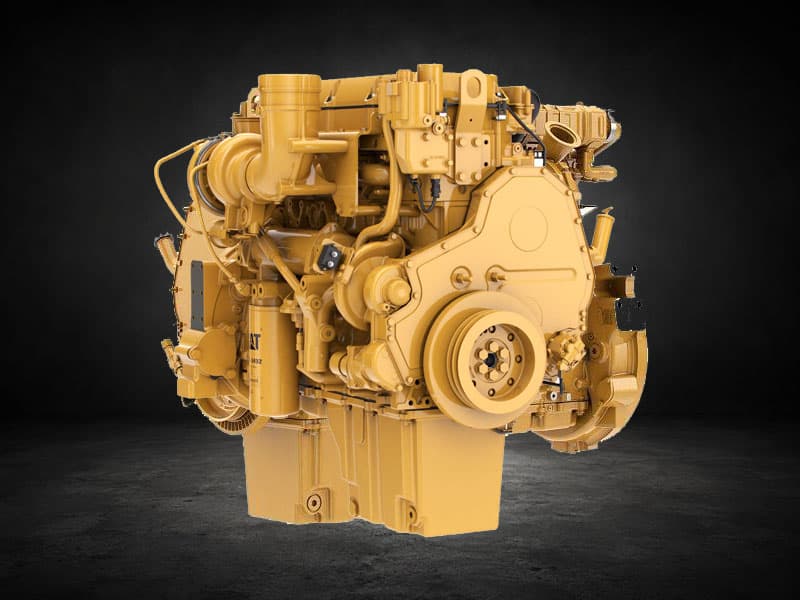
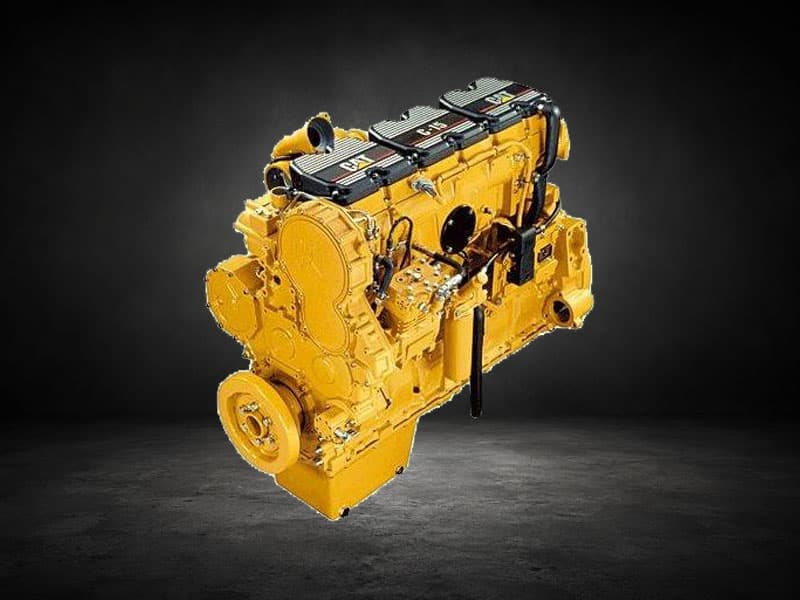
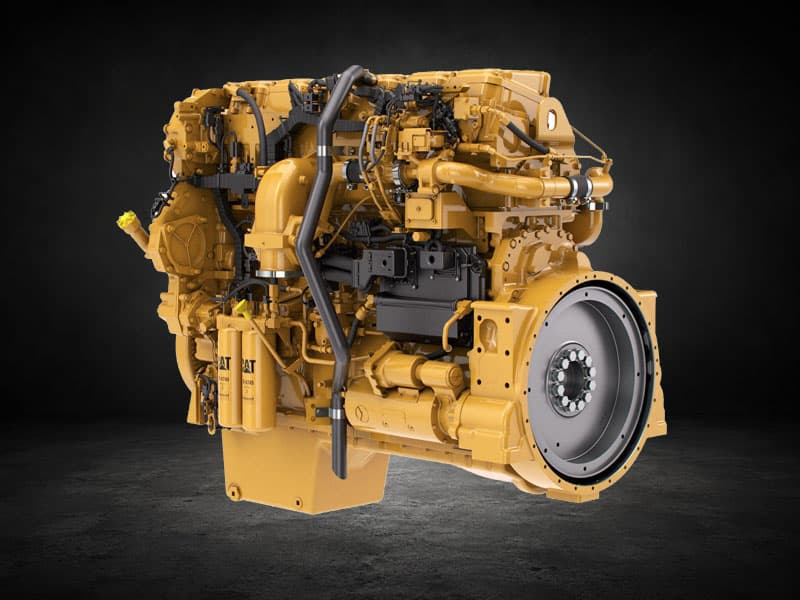
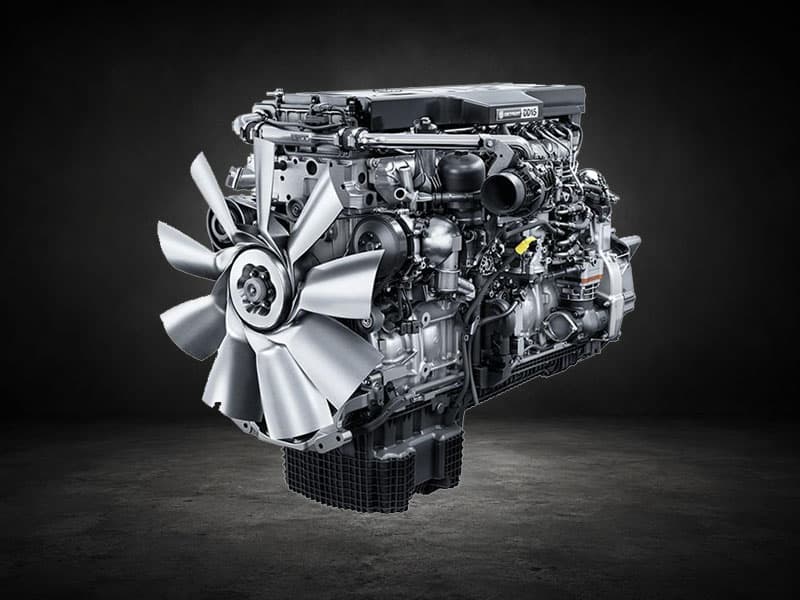
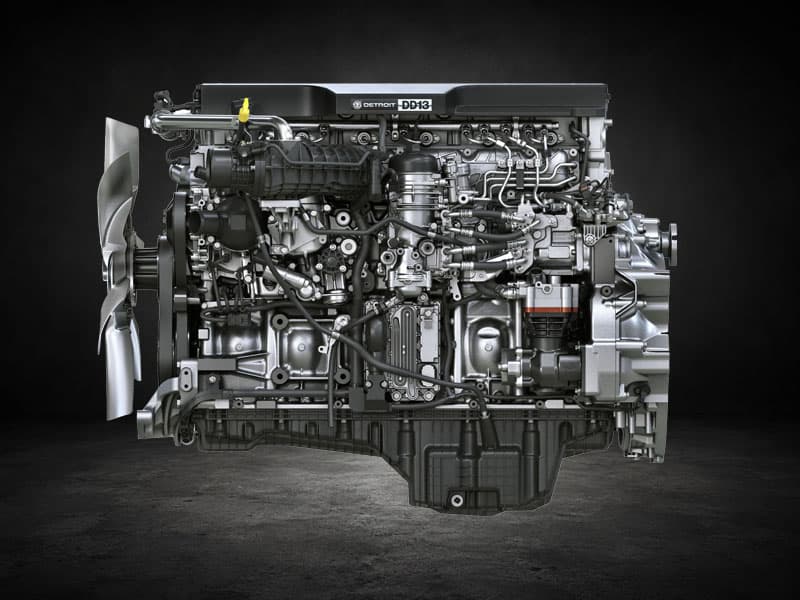
The W900 has carried virtually every major Class 8 diesel platform over its production lifetime. The dominant engine options in the modern emissions era have been the Cummins X15 and ISX 15, with the Cat C15 and C16 powering W900s during the 2002-2009 Cat truck production window. Older W900s from the 1990s and early 2000s ran a broader mix of options including the Cat 3406E, the Detroit Series 60, and various Cummins platforms. The platform's compatibility with multiple engine families means we work W900s across the full range of engines we support.
Why W900 Owners Come To Our Bench
W900 calibration work is dominated by owner-operators and small heavy-haul fleets — operators who chose the platform deliberately and want it performing the way they need it to perform. The patterns are consistent across engine platforms:
Owner-operator performance tuning. The dominant W900 calibration job. Heavy-haul operators, oilfield service operators, logging haulers, and dedicated owner-operators routinely benefit from calibrations matched to their actual operating conditions rather than the conservative stock fleet calibration. Power gains in the 50-150 hp range with proportional torque are typical depending on engine platform and starting rating, with the work focused on operational improvements (throttle response, torque availability at working RPM, performance on grades) rather than just headline horsepower numbers.
DPF and EGR delete for off-road and export applications. W900s dedicated to oilfield service, logging operations, and other off-road applications benefit from combined delete preparation. Used W900s headed for export markets are also a regular source of delete work, particularly for trucks moving into Latin American and Caribbean heavy-haul service.
Cat ADEM calibration recovery on W900 trucks with C15 and C16 power. The aging Cat dealer ecosystem makes recovery work increasingly valuable. We restore ADEM ECMs that have stopped responding without module replacement when possible.
Multi-engine fleet calibration consistency. Heavy-haul fleets with mixed W900 inventory — some trucks with Cummins X15, others with Cat C15, others with older Detroit Series 60 — benefit from calibration approaches that account for the platform-specific operational characteristics while delivering consistent operational expectations across the fleet.
Engine Platforms In The W900
The W900 has carried multiple engine families across its production lifetime. Current production (2017+) is dominated by the Cummins X15, with the ISX 15 continuing as a fleet option. The 2002-2009 era W900s ran predominantly Cat C15 and C16 power, with some Cummins ISX builds. Pre-2002 W900s came with Cat 3406E, Detroit Series 60, and various Cummins platforms.
For each engine platform, the calibration work approach is different — Cummins INSITE ecosystem for ISX/X15, Cat ET for C15/C16/3406E, Detroit DDDL for Series 60. We work all of these and support the full range of W900 trucks across the production lifetime.
Service Paths For W900 Programming
Ship-in is the most common path. Pull the ECM, ship to Fort Lauderdale, 2-3 day programming turnaround. Remote programming works for shops with appropriate engine-platform diagnostic software (INSITE for Cummins, Cat ET for Cat, DDDL for Detroit). On-site service is available for South Florida operators bringing the truck to us.
Quotes return same business day. Tell us the year, the engine (Cummins X15 / ISX 15 / Cat C15 / etc.), current operational situation, and what you want out of the work. Most W900 conversations are with operators who know exactly what they want from their truck — we approach the work accordingly, with calibration changes that respect the platform's operational character while delivering the specific improvements the customer is after.
The W900 In Operational Context
The W900 has stayed in production for over 60 years because the customer base for it has stayed loyal across multiple emissions eras, ownership changes at Kenworth, and broader industry shifts. Owner-operators, heavy-haul specialists, and fleet operators who run W900s typically don't view the platform as interchangeable with other Class 8 highway tractors — the chassis architecture, the styling, the operational character all matter to the purchase decision. Our calibration work respects that operational reality. The goal isn't to make a W900 perform like a different truck; it's to make sure the W900 performs the way the operator needs it to perform for their specific application — whether that's pulling heavy oilfield loads, hauling logs out of the Pacific Northwest, or running fleet long-haul service for an operator who wouldn't drive anything else.