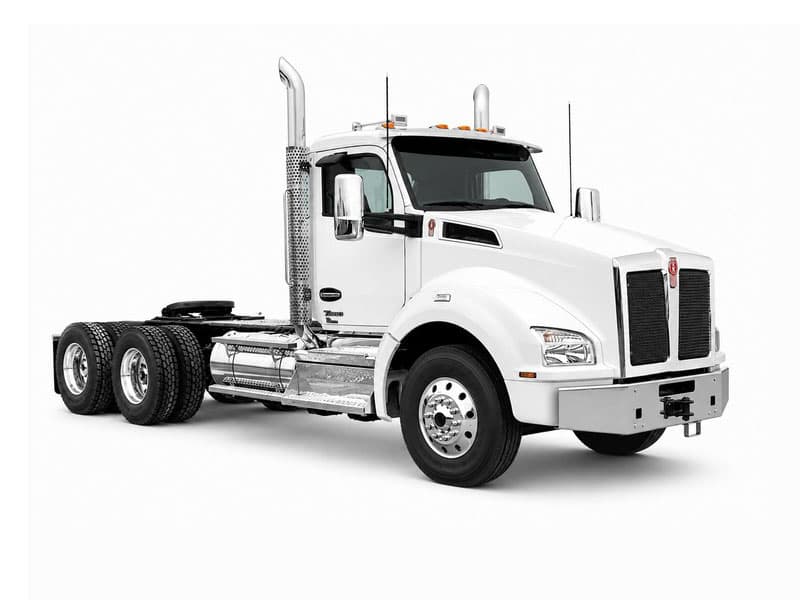
The Vocational Workhorse
The Kenworth T880 is the flagship vocational Class 8 truck in the modern Kenworth lineup. Launched in 2013 to replace the aging T800 in heavy-duty vocational applications, the T880 is what shows up to pour the concrete, haul the gravel, drag the logs, pump the frac sand, and do the heavy work that the T680 highway tractor was never designed for. Where the T680 is built for fleet long-haul aerodynamic efficiency, the T880 is built for raw capability — heavier frames, higher GVWs, set-forward axle configurations for vocational requirements, and the ability to mount specialty bodies of every imaginable kind.
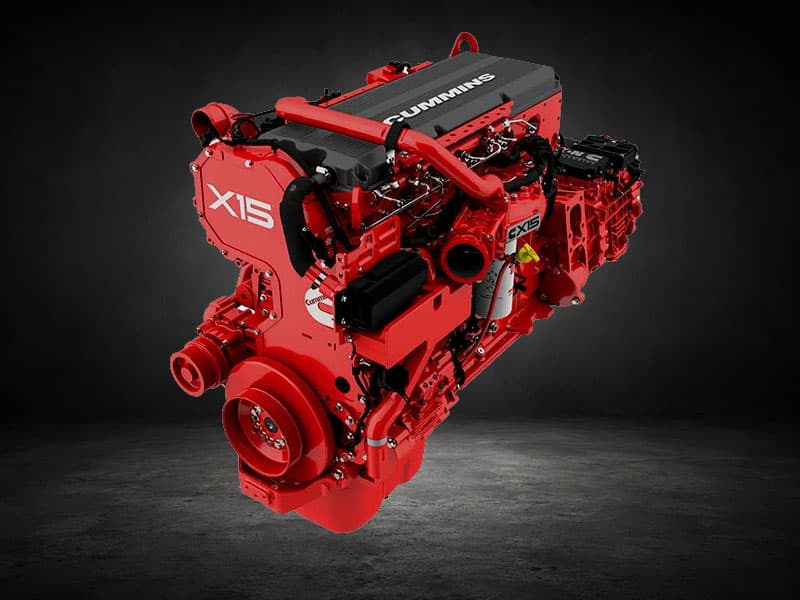
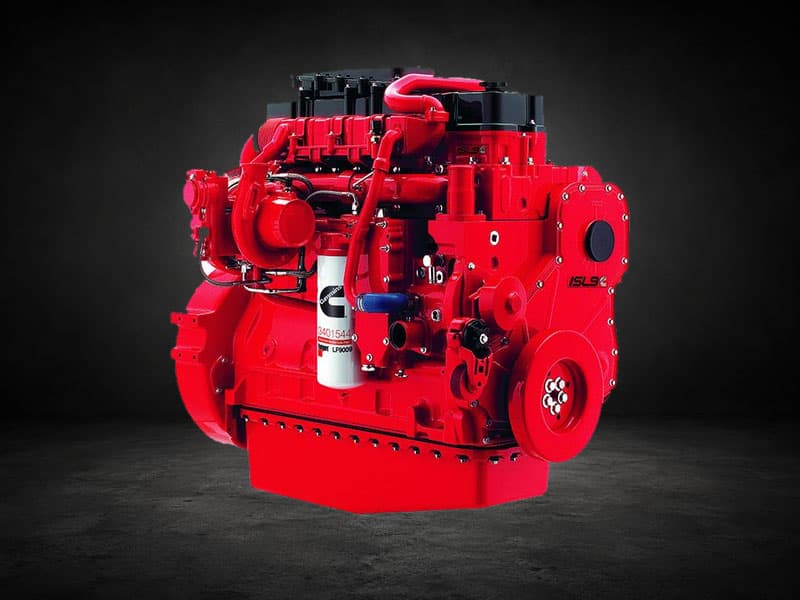
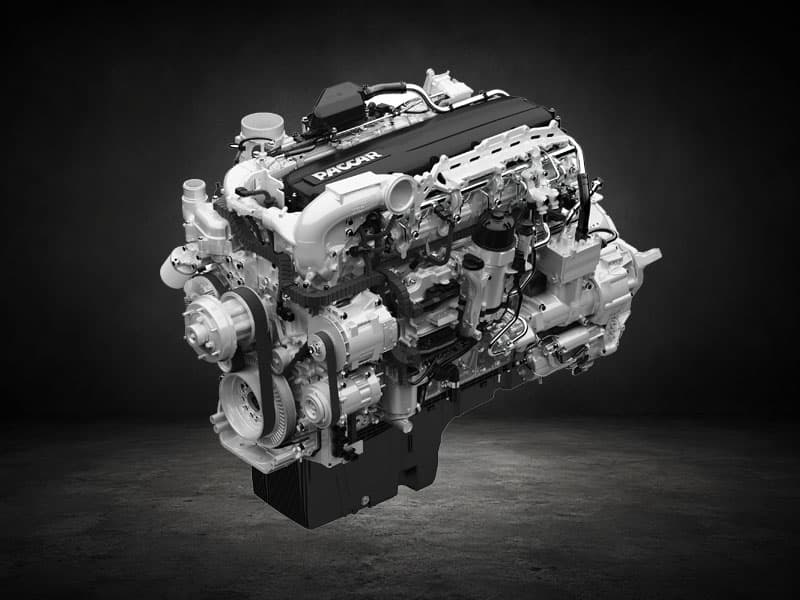
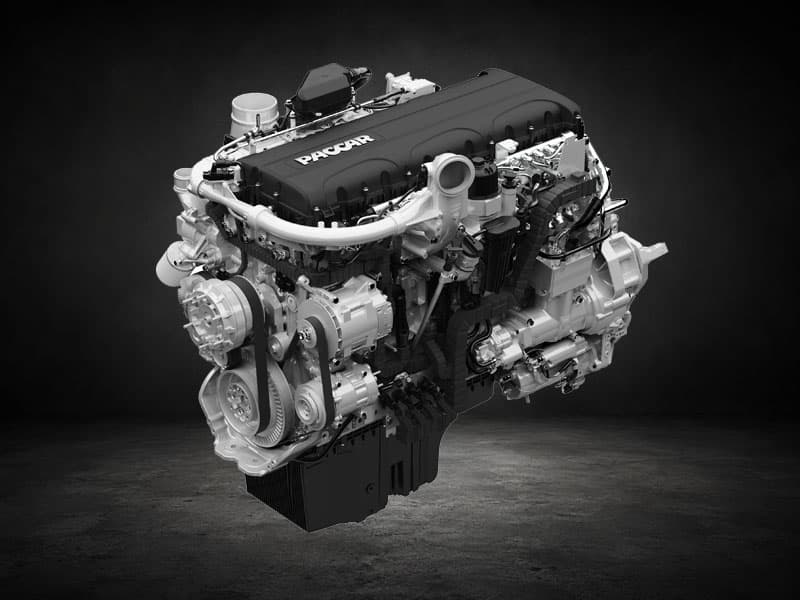
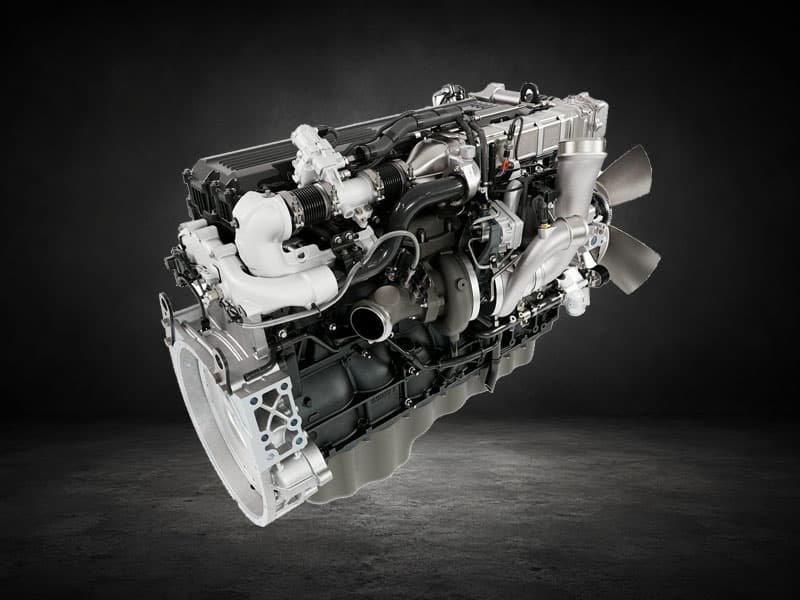
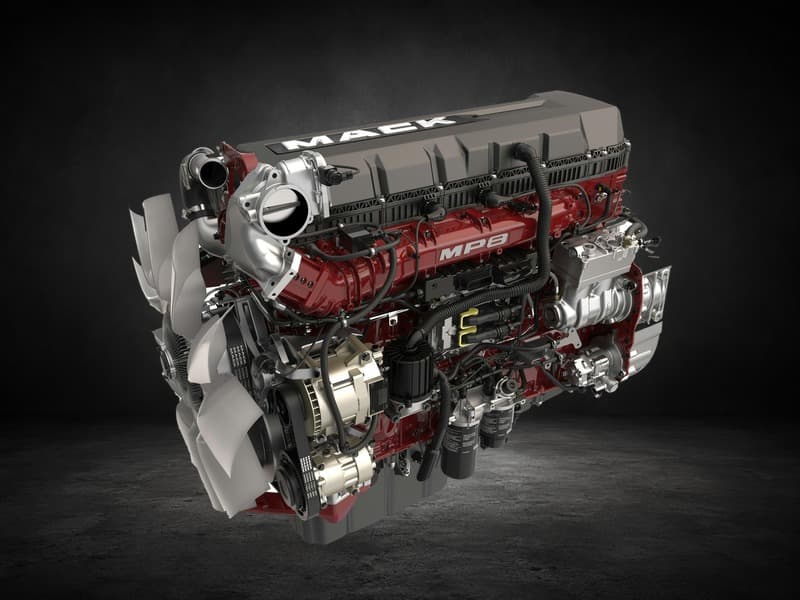
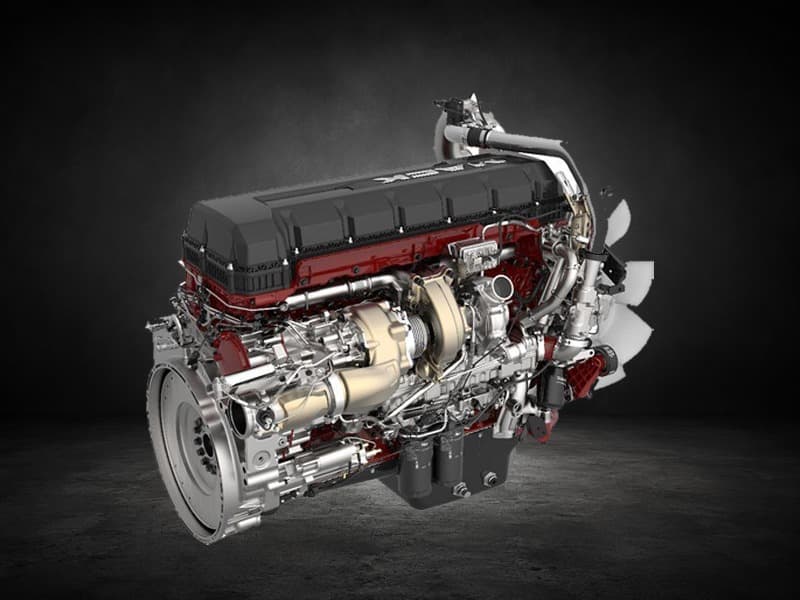
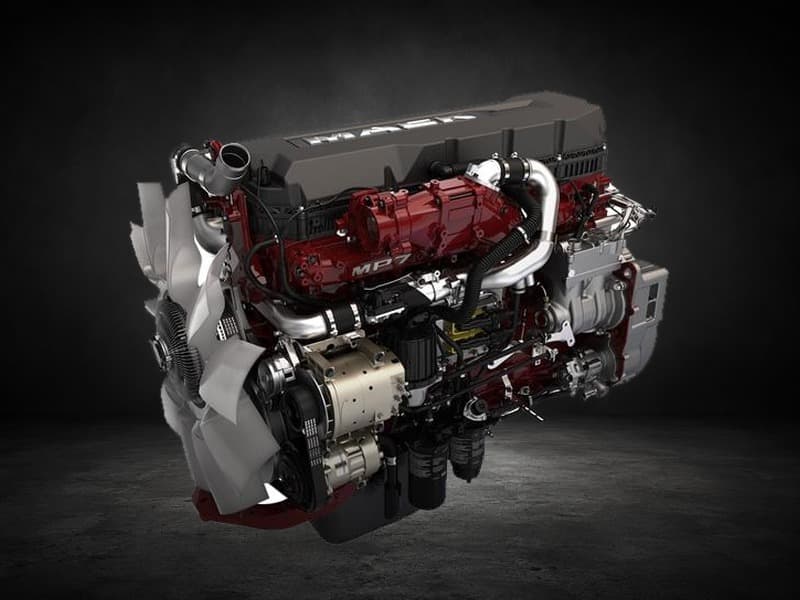
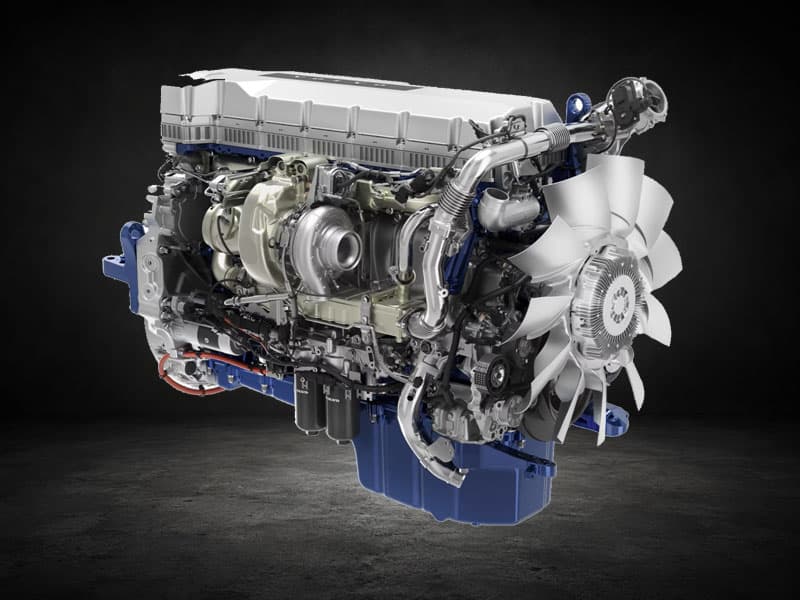
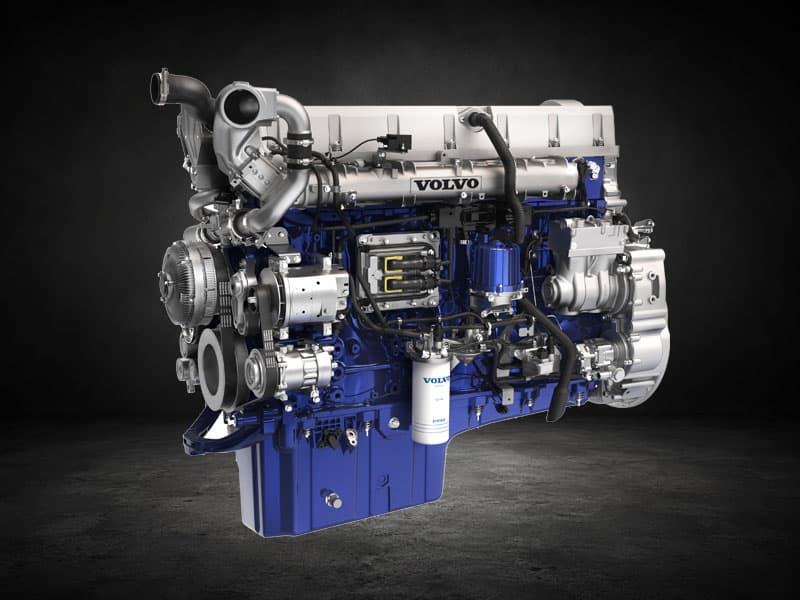
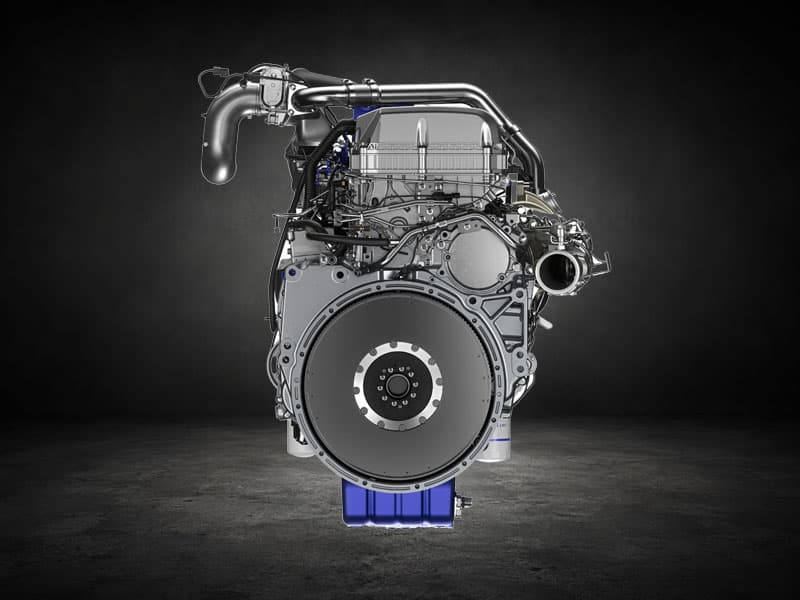
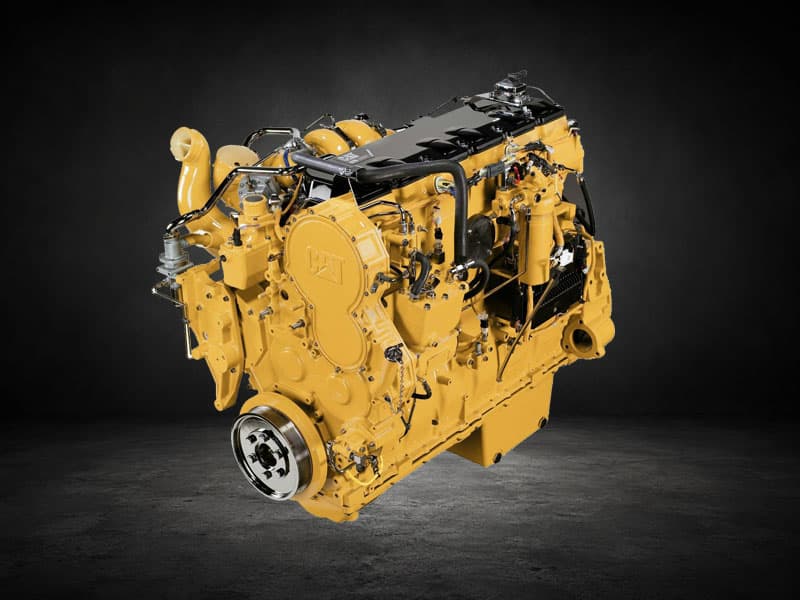
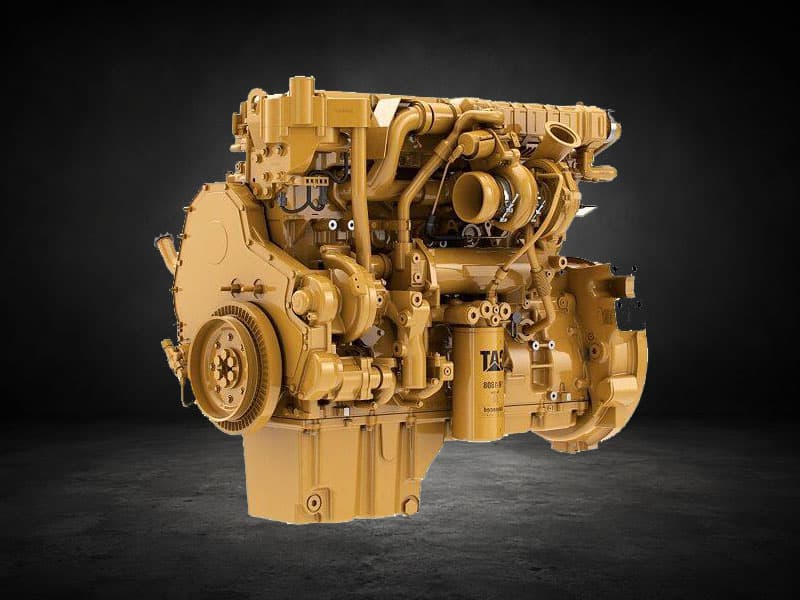
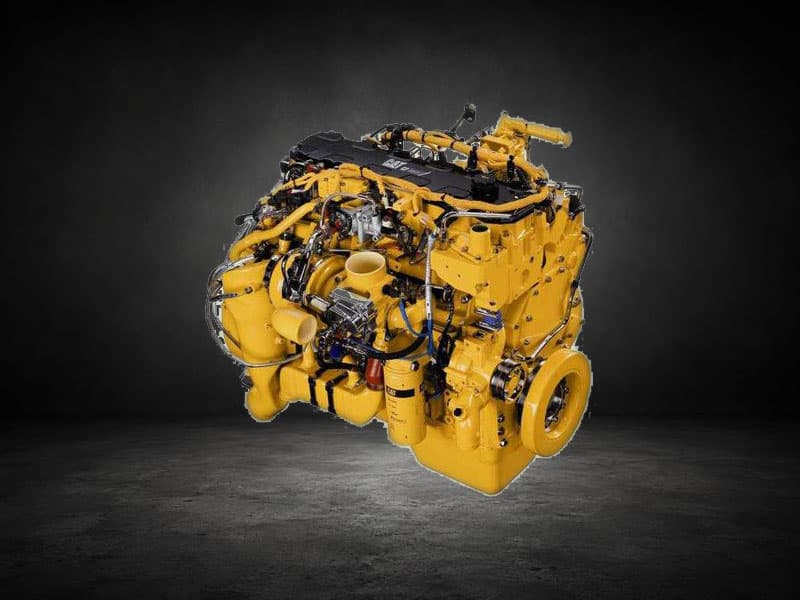
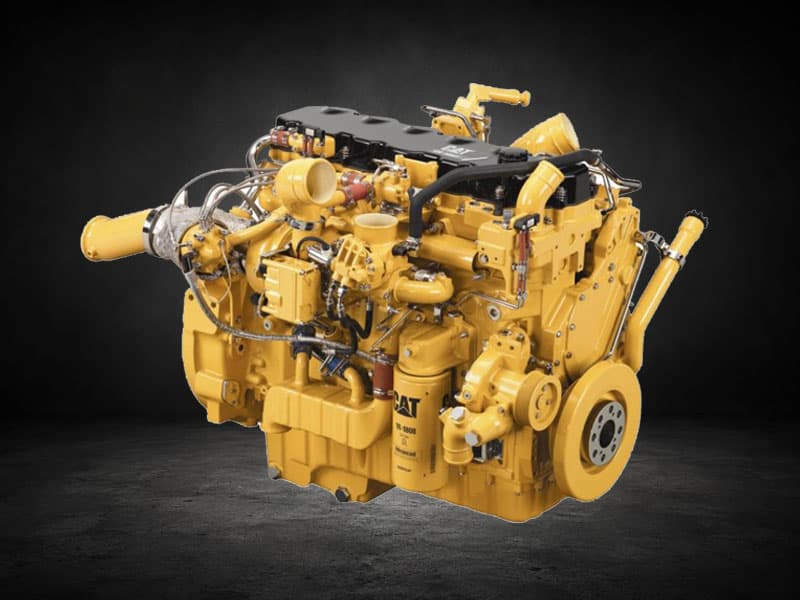
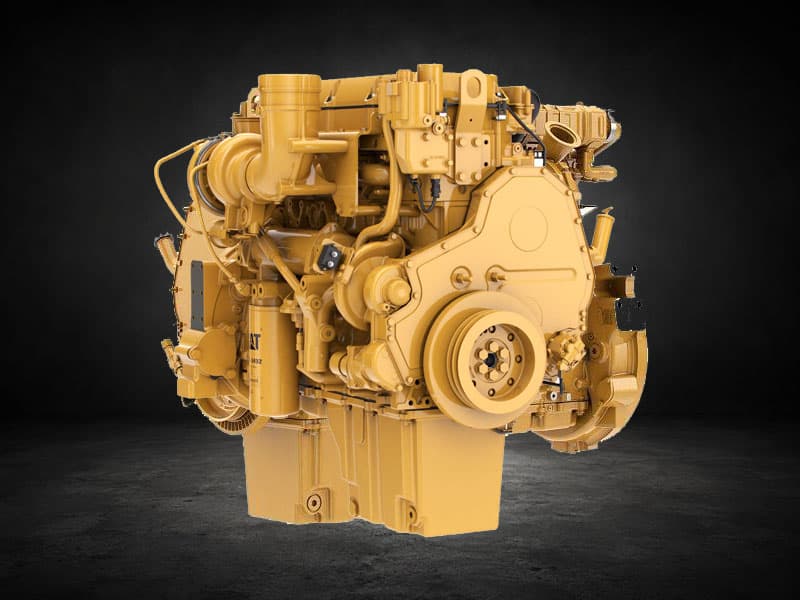
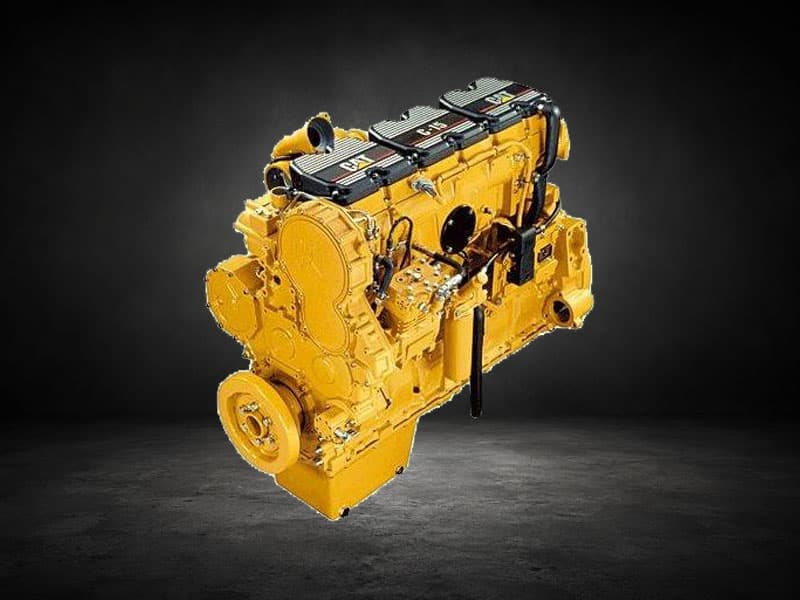
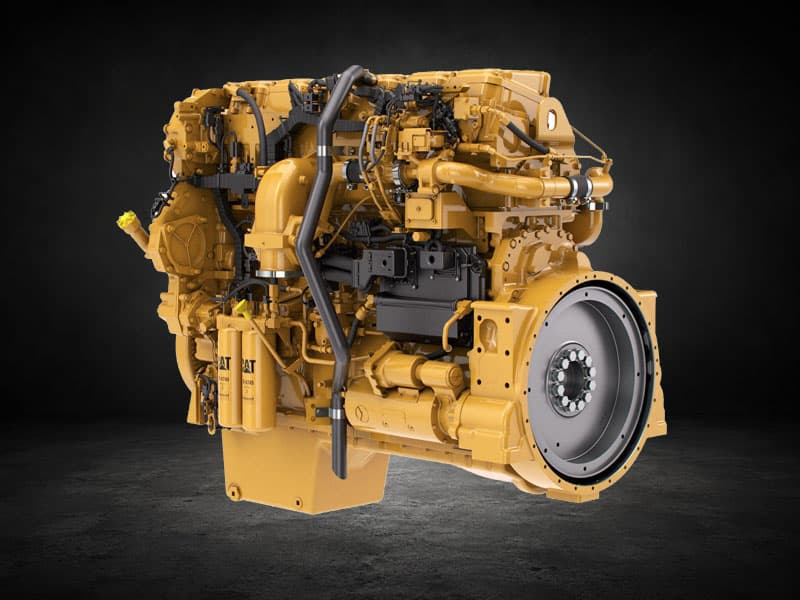
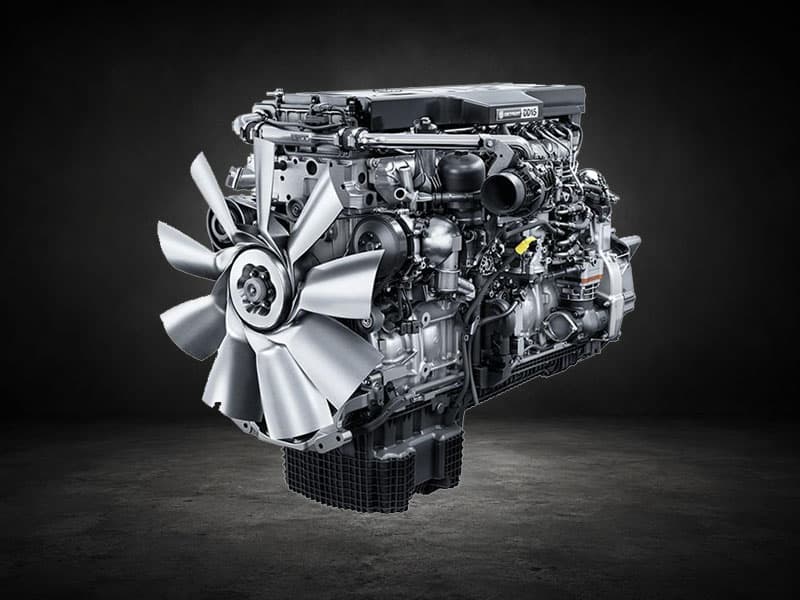
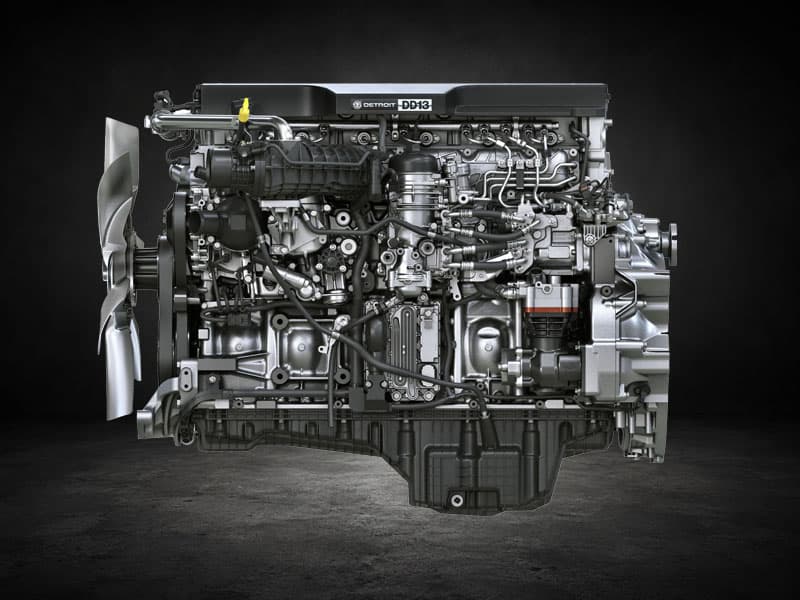
Engine options include the Paccar MX-13 (12.9L) as the most common spec, the larger Cummins X15 (15.0L) for heavy-haul and oilfield service, and the smaller MX-11 (10.8L) for lighter vocational configurations. All variants run post-2010 EPA aftertreatment hardware, which is where most of our T880 calibration work originates.
Why T880 Trucks End Up On Our Bench
T880s come to us for the same fundamental reasons every modern vocational Class 8 platform does, but the vocational duty cycle accelerates several specific failure patterns:
Short-cycle DPF derate. T880 trucks rarely run highway cruise. They're at job sites, idling between loads, doing PTO work, running short routes between pickup and dump locations. The DPF never gets sustained exhaust temperature for passive regen. Active regen cycles run constantly, the filter clogs faster than the system can clear, and the truck derates with SPN 3251 or related codes earlier than a comparable T680 highway tractor would.
MX-13 intake fouling accelerated by vocational duty. MX-13s in T880 vocational service see intake soot loading faster than in T680 highway service. The combination of high EGR rates under low-load idle conditions and the duty-cycle reality of vocational work means intake cleaning is required earlier — often by 300,000 miles in heavy applications.
X15 platform issues on heavy-haul T880s. X15-equipped T880s pulling heavy oilfield, mining, or aggregate loads inherit the X15's EGR cooler degradation pattern combined with the higher cylinder pressures of heavy-duty operation. Failures arrive earlier than on highway-cycle X15s.
DEF dosing failures aggravated by extreme heat and dust. T880s working in construction, oilfield, and aggregate environments see more thermal cycling and more particulate contamination than highway trucks. DEF dosing valves fail earlier, NOx sensors drift faster, and DEF tank heaters get cycled harder.
T880 Programming Options
Combined DPF + EGR Delete (Off-Road)
The most common T880 calibration job. Vocational trucks in oilfield service, mining support, dedicated off-road construction work, and logging operations benefit substantially from combined delete. The ECM stops expecting DPF, SCR, and DEF systems to be present, paired with hardware kits appropriate to the engine. Trucks return to revenue routes inside a week and stay there.
Performance Tuning For Heavy Loads
T880s in heavy-haul, oilfield, and mining support see significant benefit from performance tuning matched to the actual duty cycle. Broader torque plateaus at working RPM ranges, sharper throttle response under variable load, and improved boost recovery from low-RPM lugging. Stock-hardware gains of 50-100 hp with proportional torque are typical on MX-13 and X15 platforms within safe envelopes.
Emissions Recalibration (On-Road)
For T880s staying in on-road service, we recalibrate the ECM after aftertreatment hardware repairs. Clears inducement countdowns, restores SCR efficiency tracking, resets DEF dosing baselines after valve or sensor replacement.
Fleet Programming
Construction fleets, oilfield service companies, and aggregate haulers running batches of T880s typically come to us for combined work across multiple trucks. Fleet pricing applies, scheduling minimizes trucks out of service at any one time, and NDAs are routine.
Service Paths For T880 Programming
Ship-in. Most common path. Pull the ECM, ship to Fort Lauderdale, 2-3 day programming turnaround, ship back.
Remote programming. Available for fleet shops with Cummins INSITE (X15-equipped trucks) or Paccar diagnostic hardware (MX-13/MX-11 trucks) and a 9-pin J1939 connection. Session typically runs 1 to 3 hours.
On-site programming. Available for South Florida vocational fleets running multiple T880s. Most efficient when batching five or more trucks in a single visit.
Quotes return same business day. Tell us the year, engine platform, current mileage and fault codes, and the truck's primary application — heavy-haul, oilfield, construction, logging, refuse, or mixed vocational. The right calibration depends on the actual duty cycle.
What Vocational Fleet Owners Actually Save
Most T880 fleet owners come to us after the third or fourth dealer DPF replacement on a single truck. The math is unavoidable: $5,000-$8,000 per aftertreatment service event, three or four events per truck per useful life, multiplied across a fleet of ten or twenty T880s. The combined cost of dealer-side aftertreatment maintenance over a vocational truck's productive life often exceeds the cost of the truck itself. Calibration-based solutions, on platforms where they're legally available, cut that recurring cost to roughly zero — the work is done once and the underlying failure mode no longer applies. The math gets harder to argue with every fleet replacement cycle.