Peterbilt's Vocational Workhorse
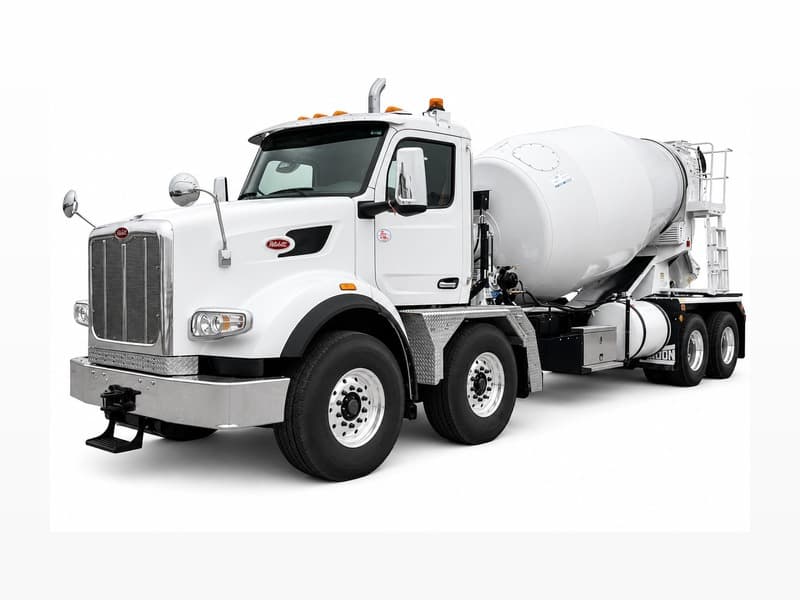
The Peterbilt 567 is Peterbilt's flagship vocational Class 8 truck — the counterpart to the Kenworth T880 in the Paccar lineup. Launched in 2014 as the vocational successor to the 367, the 567 is built for the work the 389 highway tractor and 579 fleet tractor were never designed for. Dump truck configurations, mixer bodies, oilfield service applications, logging trucks, heavy-haul tractors, and a wide range of specialty vocational bodies all run on 567 chassis.
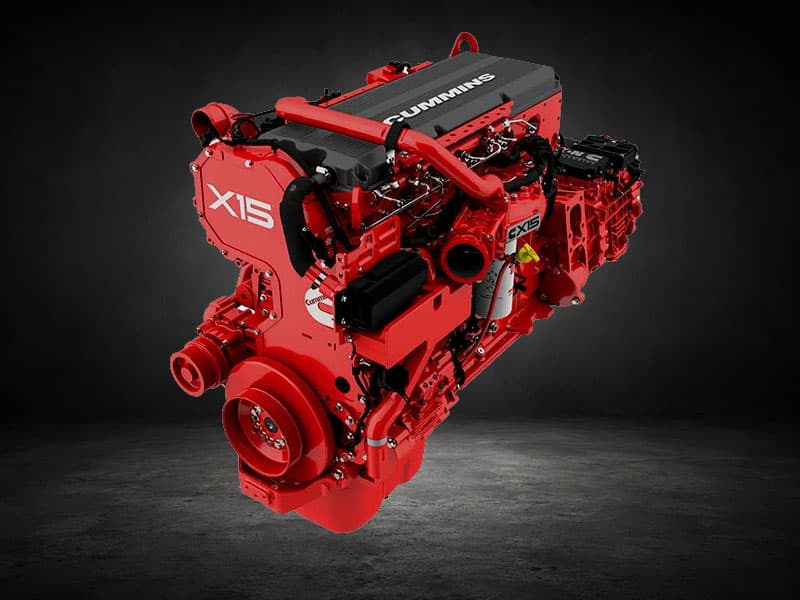
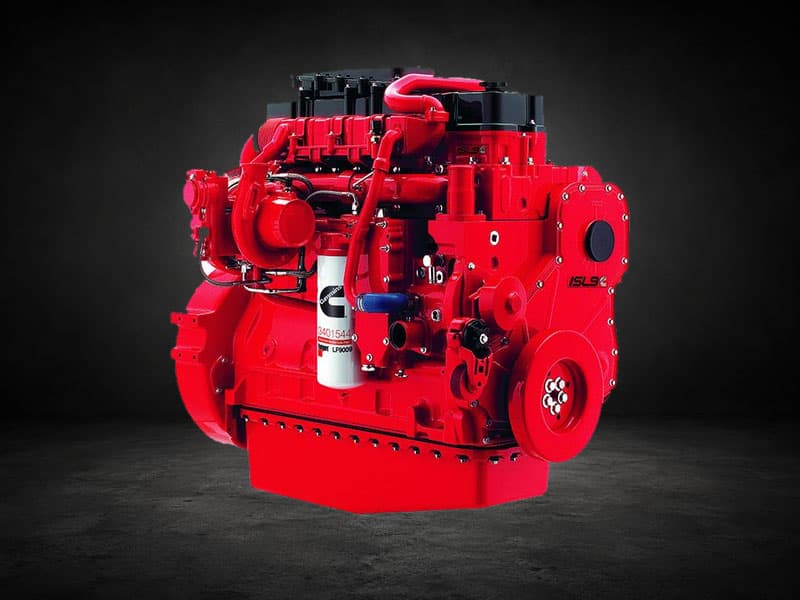
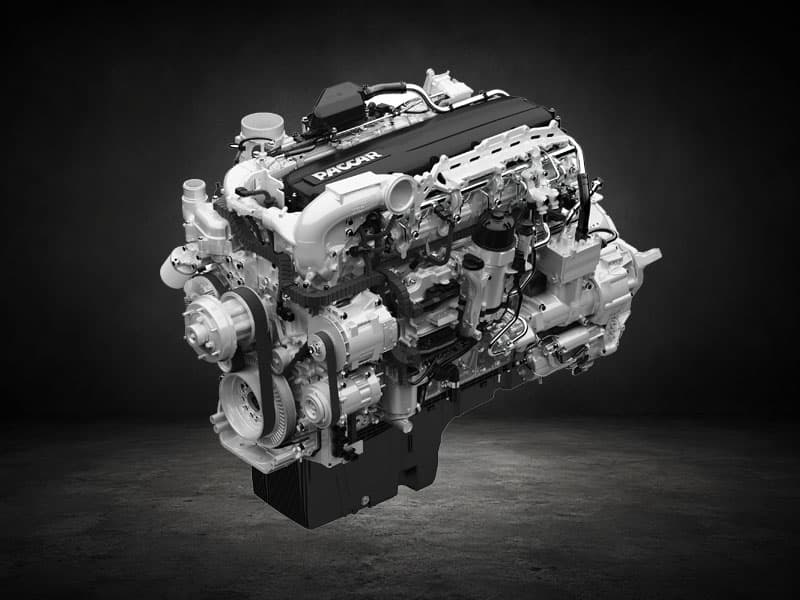
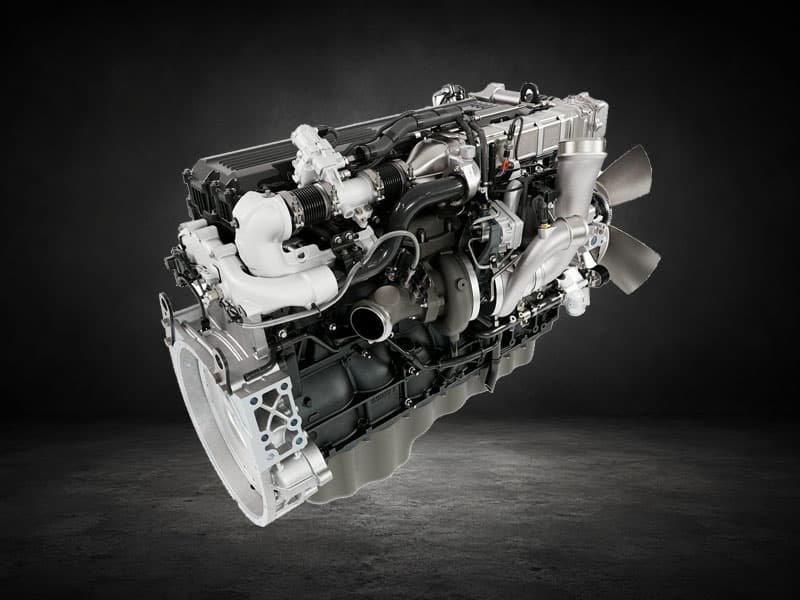
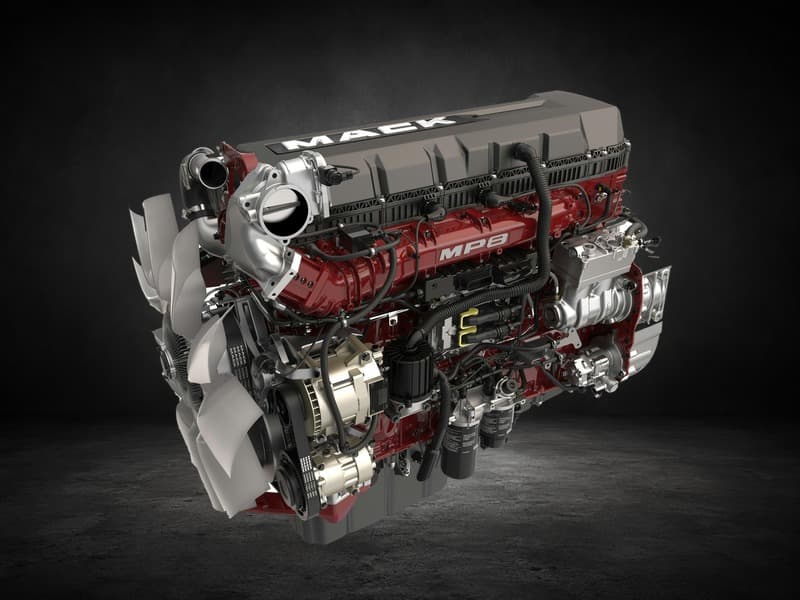
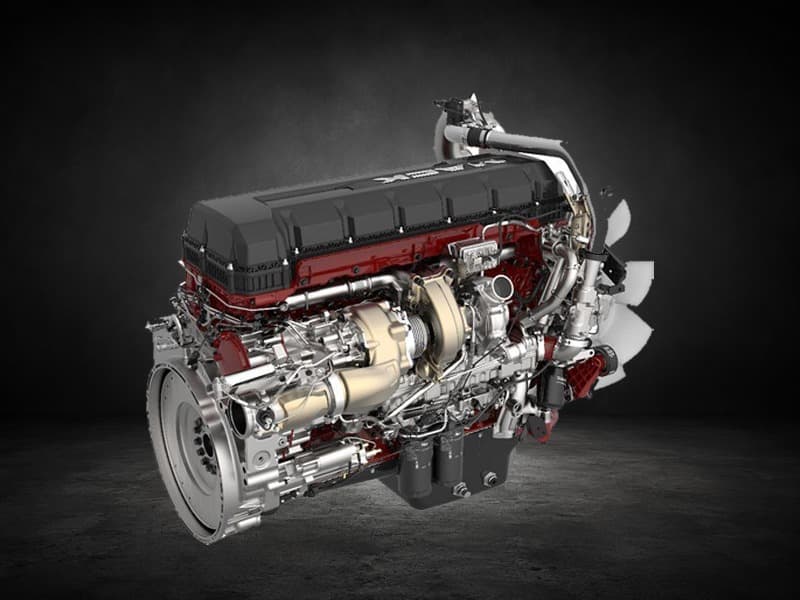
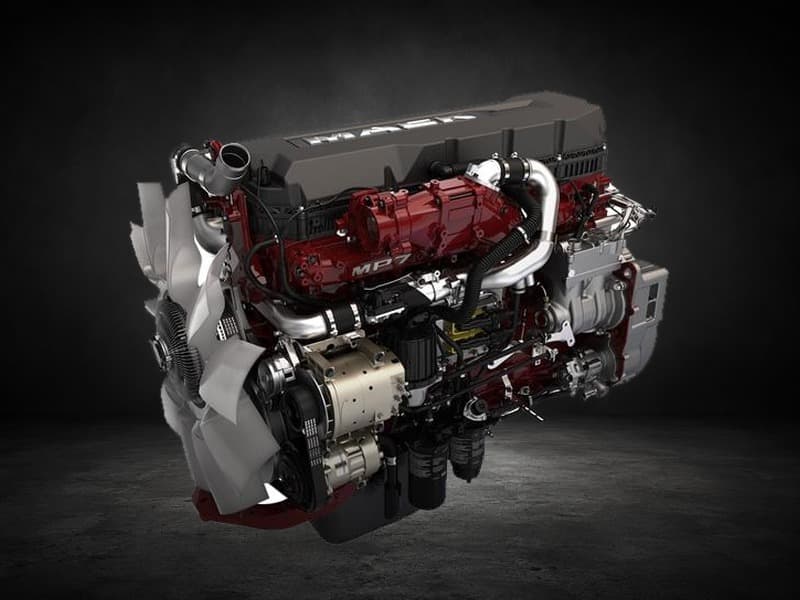
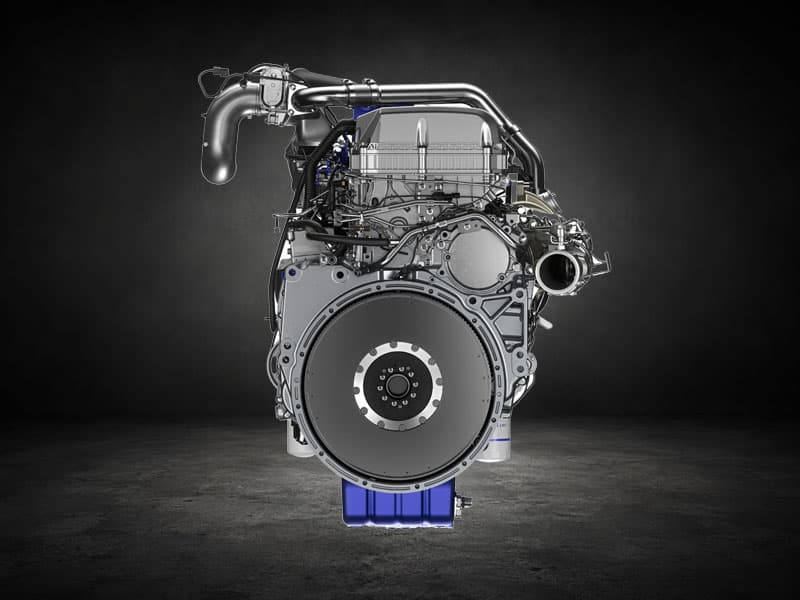
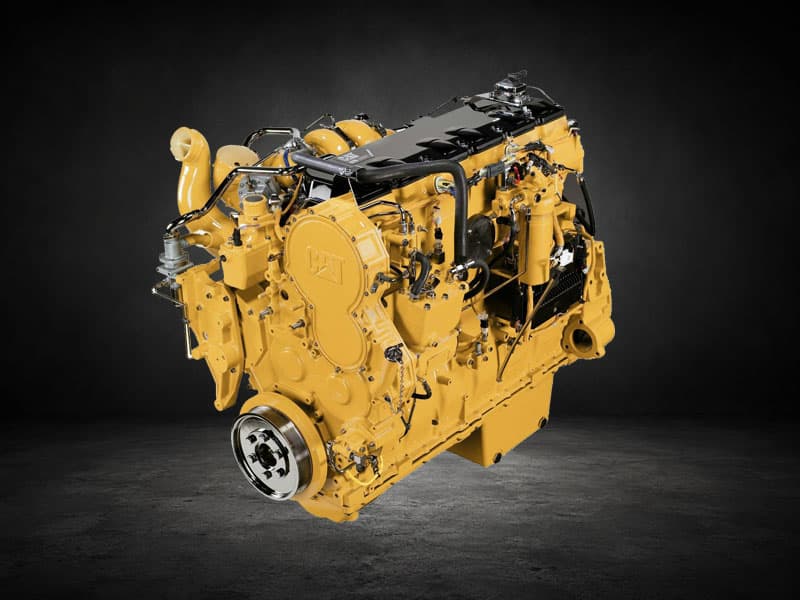
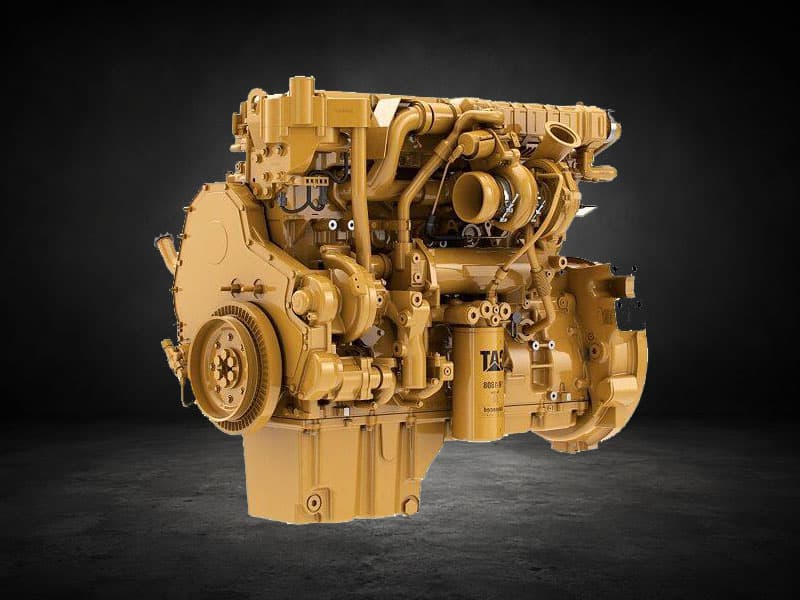
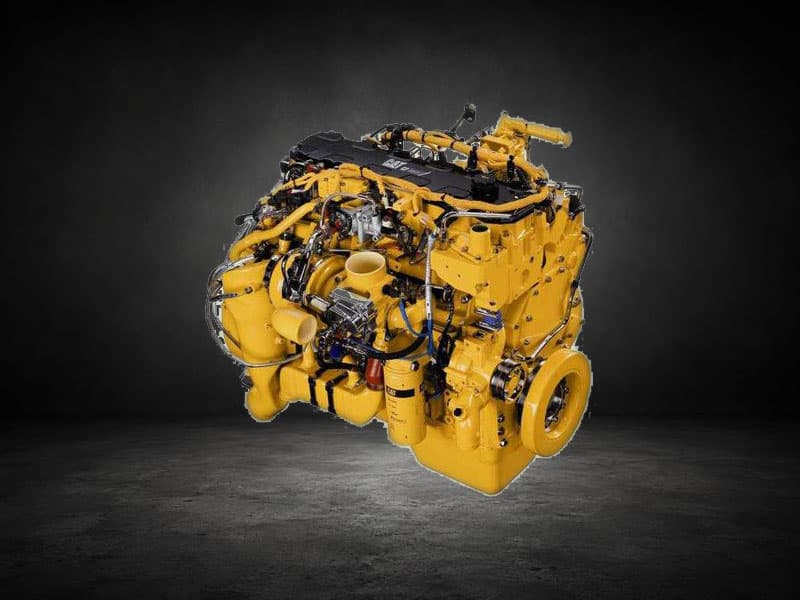
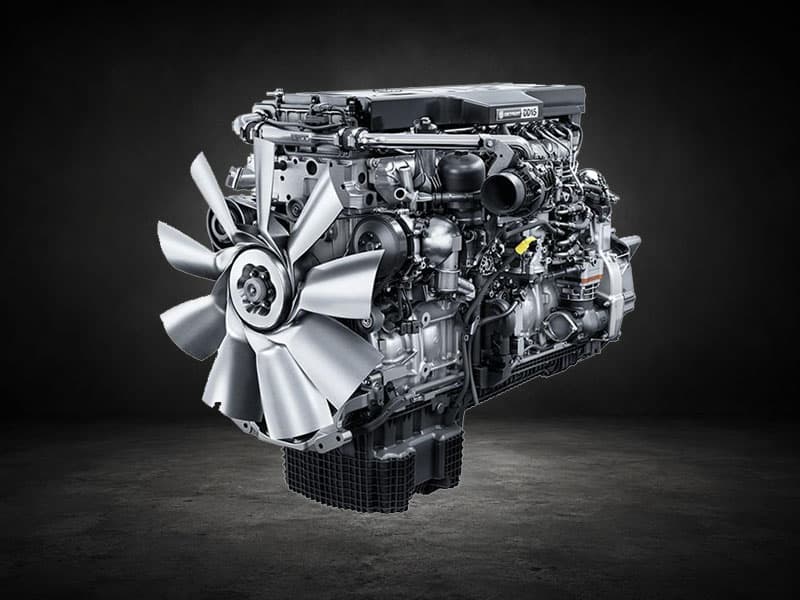
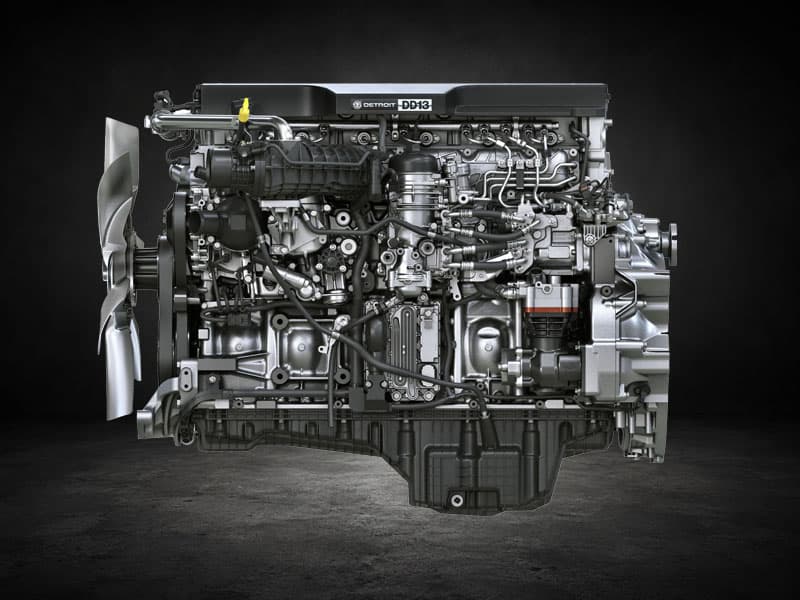
Engine options include the Paccar MX-13 (12.9L) as the most common spec for vocational service, the Cummins X15 (15.0L) for heavy-haul and oilfield applications where additional power matters, and the smaller MX-11 (10.8L) for lighter vocational configurations. All variants run post-2010 EPA aftertreatment hardware. The vocational duty cycle these trucks see is what drives most of our calibration work on the platform.
Why 567 Trucks End Up On Our Bench
Vocational trucks live a different operational life than highway tractors, and the aftertreatment failure patterns reflect that:
DPF clogging from vocational duty cycles. 567 trucks doing dump, mixer, oilfield, or refuse work spend significant time idling at job sites, doing PTO accessory work, and running short routes. The DPF never reaches the sustained temperatures required for passive regeneration. Active regen cycles trigger constantly, the filter accumulates ash, and derate hits earlier than on equivalent highway tractors. Most vocational 567s reach their first DPF crisis between 250,000 and 400,000 miles depending on application.
MX-13 intake fouling accelerated by vocational use. The MX-13's known intake-side soot loading pattern gets worse on vocational platforms. Combined low-load idle conditions with high EGR rates produces intake conditions that require physical cleaning by 250,000-300,000 miles in heavy applications.
X15 issues in heavy-haul and oilfield service. 567s pulling heavy-haul, oilfield, or aggregate loads with X15 power see EGR cooler failures earlier than highway trucks. Combined with DPF derate triggers, this often produces multiple aftertreatment-related faults at once.
PTO and idle-time emissions complications. Some 567 vocational configurations specifically struggle with emissions tracking during long PTO sessions where the engine is running but the truck isn't moving. ECM logic that expects sustained driving conditions doesn't always handle these duty cycles gracefully, and faults accumulate that wouldn't fire on a highway truck.
567 Programming Approaches
Combined DPF + EGR Delete For Off-Road
The most common 567 calibration job. For trucks running dedicated off-road service — oilfield, mining support, dedicated construction site work, logging — combined delete eliminates the aftertreatment failure surface entirely. The MX-13 and X15 calibrations are well-established for these applications, and the transition is straightforward when paired with appropriate hardware kits.
Performance Tuning For Heavy-Haul Applications
567s in heavy-haul service benefit substantially from performance tuning. Stock calibrations target the average vocational use case, not heavy-haul specifically. Targeted calibration work delivers broader torque plateaus at working RPM, sharper response to load changes, and improved performance on grades. Typical gains of 50-100 hp with proportional torque within safe envelopes.
Emissions Recalibration For On-Road Service
For 567 trucks staying in on-road compliant service, recalibration after aftertreatment hardware repair restores normal operation. Particularly valuable after DEF doser replacement, NOx sensor replacement, or SCR catalyst service where the ECM tends to retain stale parameters.
Service Paths For 567 Programming
All three service paths work for the 567. Ship-in is the most common — pull the ECM, ship to Fort Lauderdale, 2-3 day turnaround. Remote programming works for shops with their own diagnostic hardware. On-site service is available for South Florida vocational fleet customers.
Quotes return same business day. For vocational fleet customers, NDAs and fleet pricing apply at typical scale. Tell us the year, engine platform, current mileage and fault codes, and the truck's primary application — the right calibration depends on the actual work the truck does, not the badge on the door.
Real Conversation With 567 Fleet Owners
Most 567 fleet owners reach us after the math on dealer-side aftertreatment maintenance stops working. The pattern is consistent — a vocational fleet of fifteen to thirty 567s hits the point where one or two trucks are off the road every week for aftertreatment service, the dealer bills are running $4,000–$8,000 per event, and the operations manager realizes the trucks are spending more time in shop than on revenue routes.
The conversation usually starts with a question about cost per truck, but the real concern is uptime. Vocational fleets bid contracts based on truck availability. When availability drops because aftertreatment failures cluster, contracts get harder to honor. Calibration work, on platforms where it's legally available, removes the failure mode that's costing the uptime. For oilfield, mining support, and dedicated construction fleets where the trucks are off-road anyway, the math is straightforward. For mixed-duty fleets where compliance posture matters, we walk through the options honestly and let the customer decide which path fits.
Either way, the work scales — single-truck programming for owner-operators, batched fleet programming for vocational operations of any size, and recurring relationships for fleets that want continuity rather than one-off transactions.