Utility Line Work Has Its Own Operational Logic
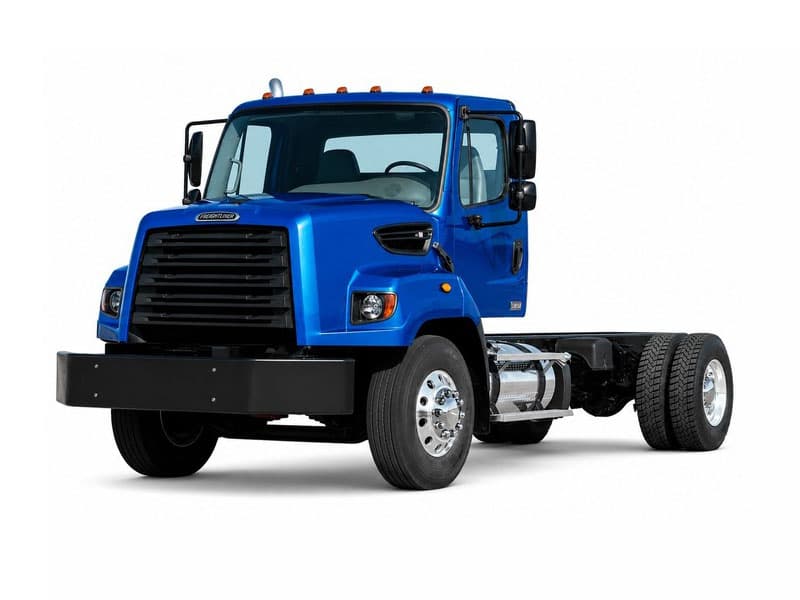
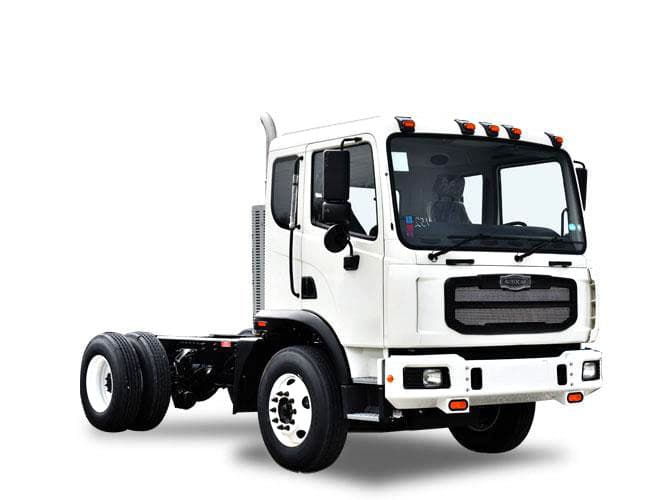
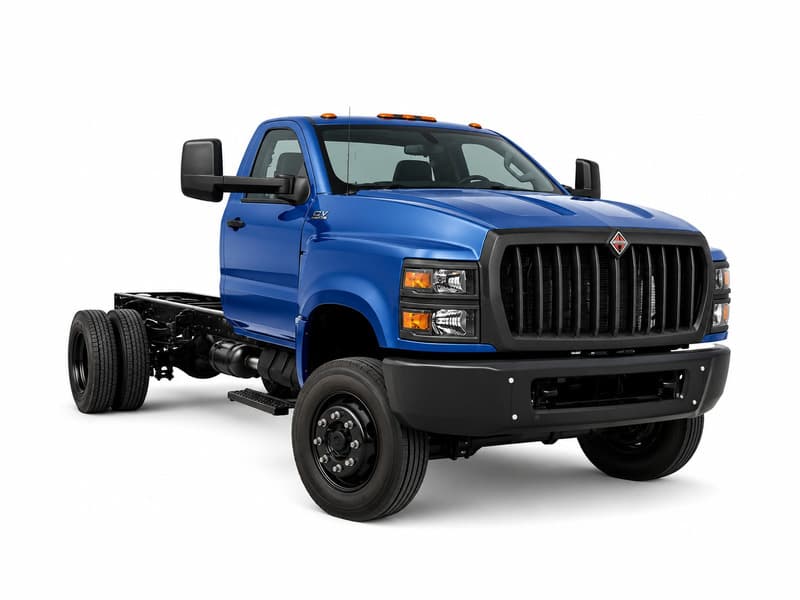
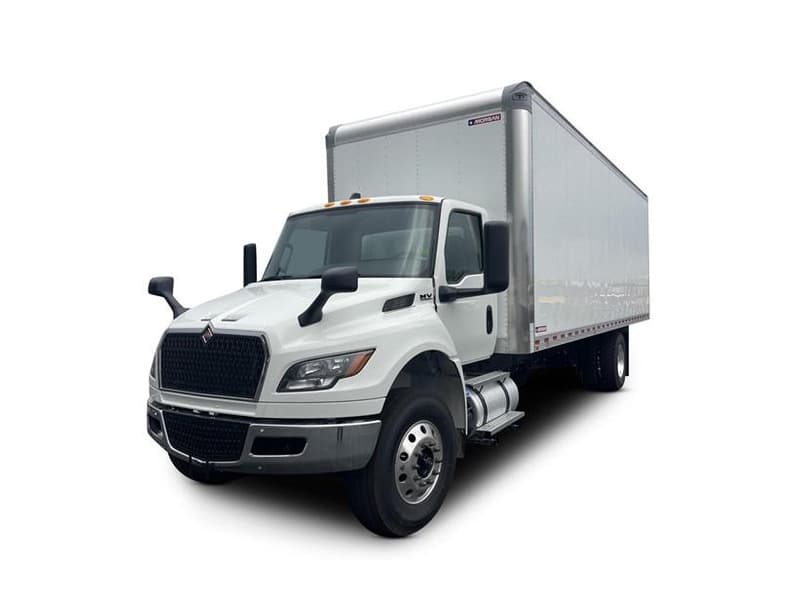
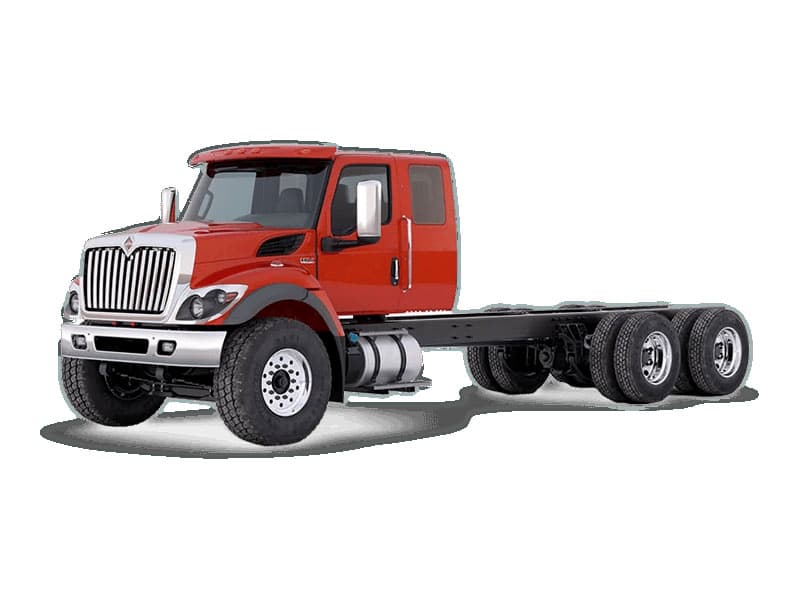
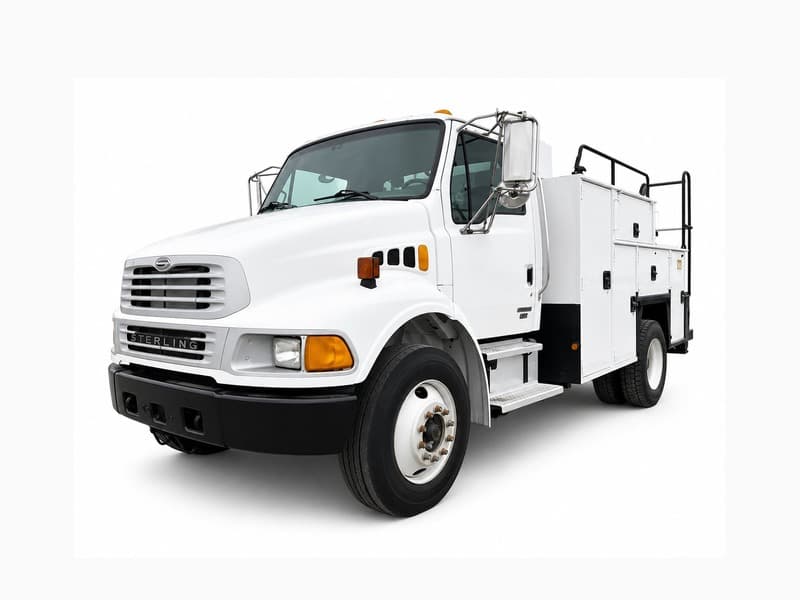
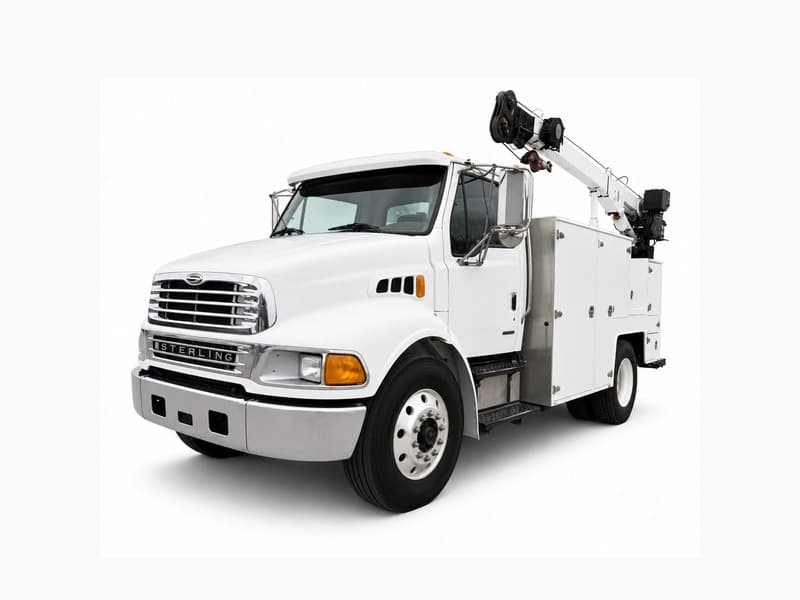
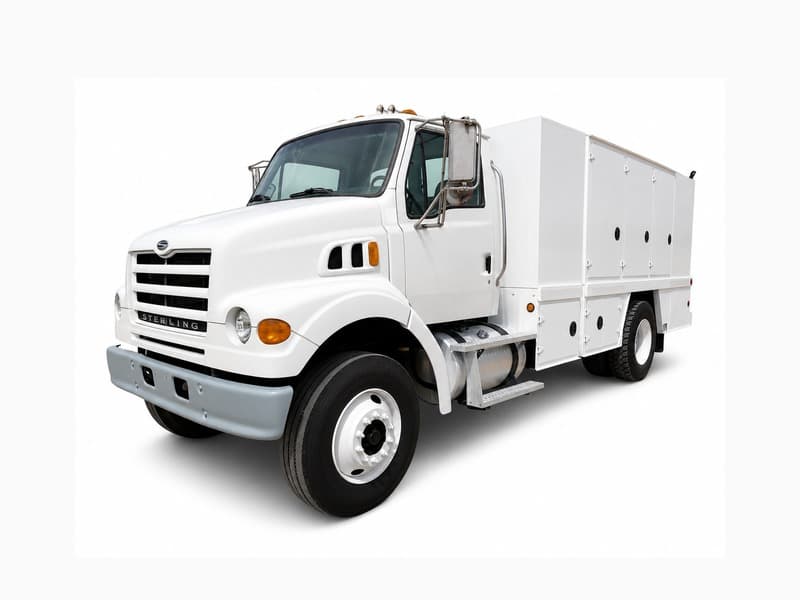
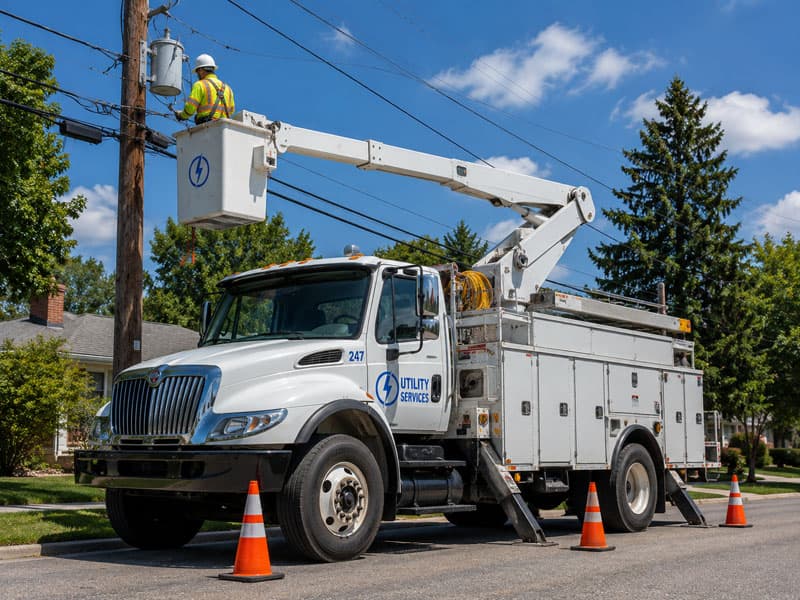
Utility line restoration is the work of keeping electrical, telecommunications, and other utility infrastructure operating. Bucket trucks for line work and aerial work, digger derricks for pole installation, cable trucks for underground utility installation and repair, and the broader fleet of medium and heavy-duty trucks that supports utility operations all share a common operational signature: long stationary PTO sessions, weather-driven dispatch patterns, storm response surge requirements, and absolute uptime expectations during outage events.
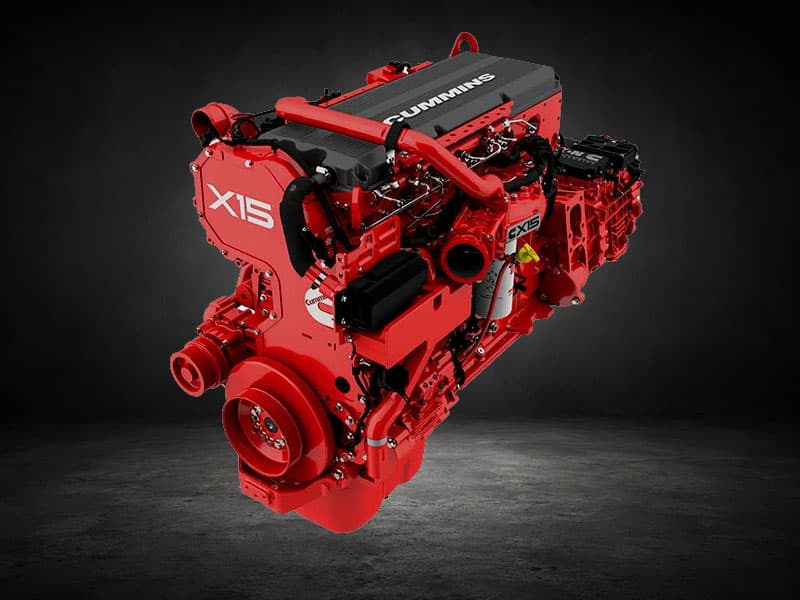
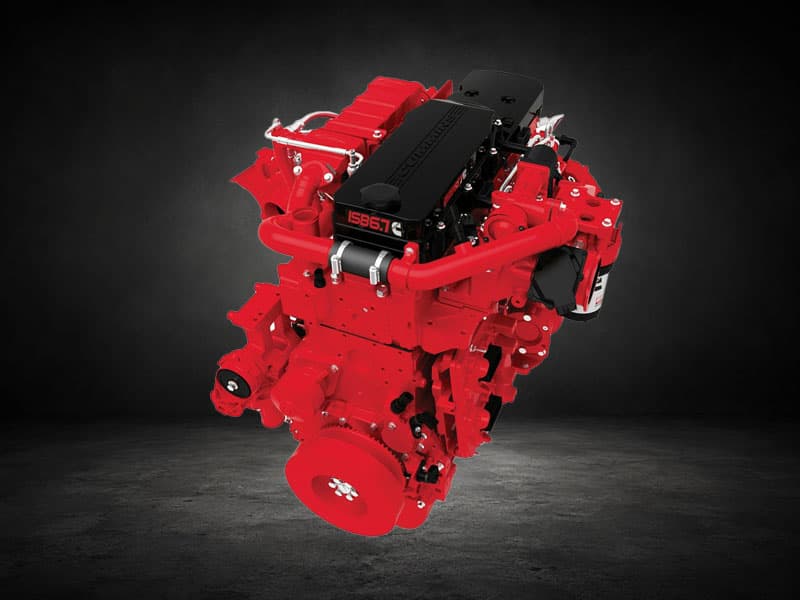
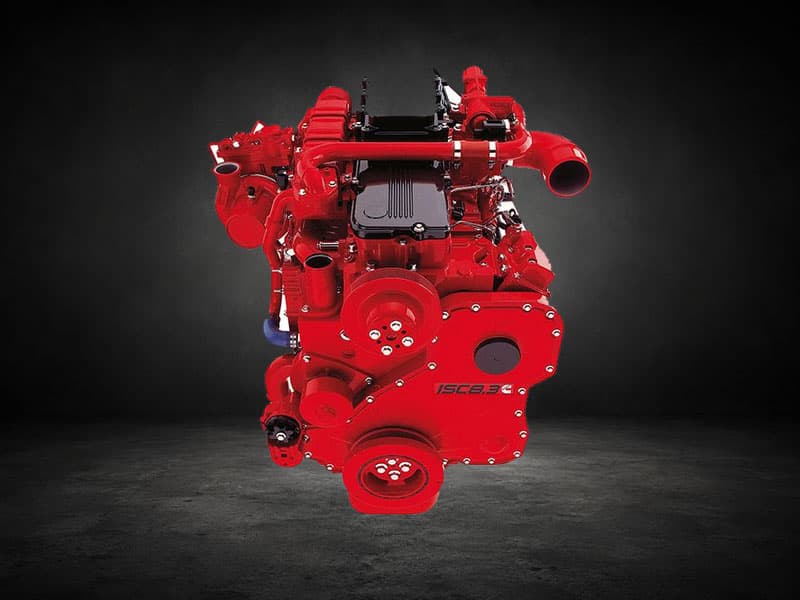
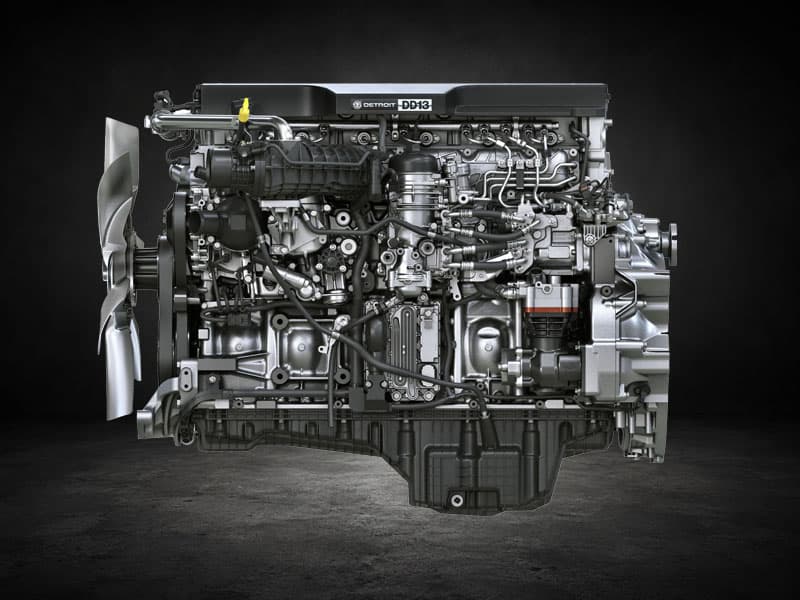
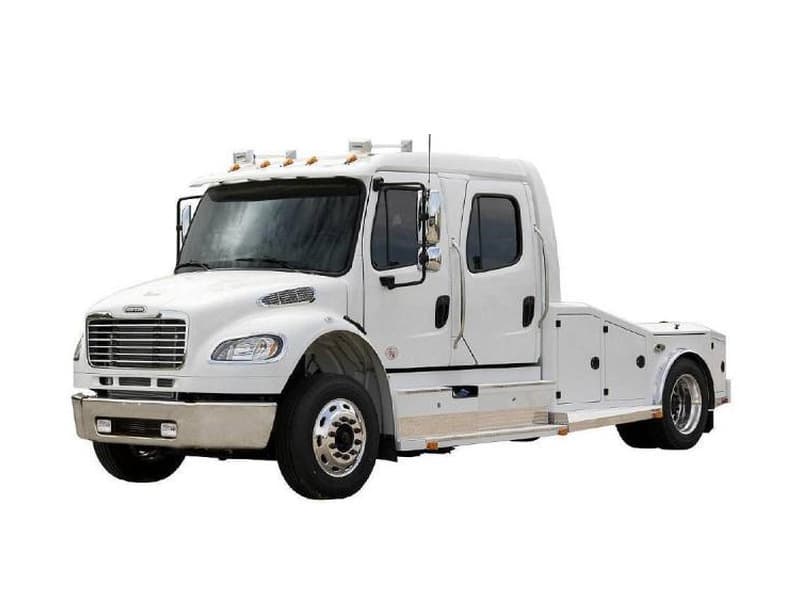
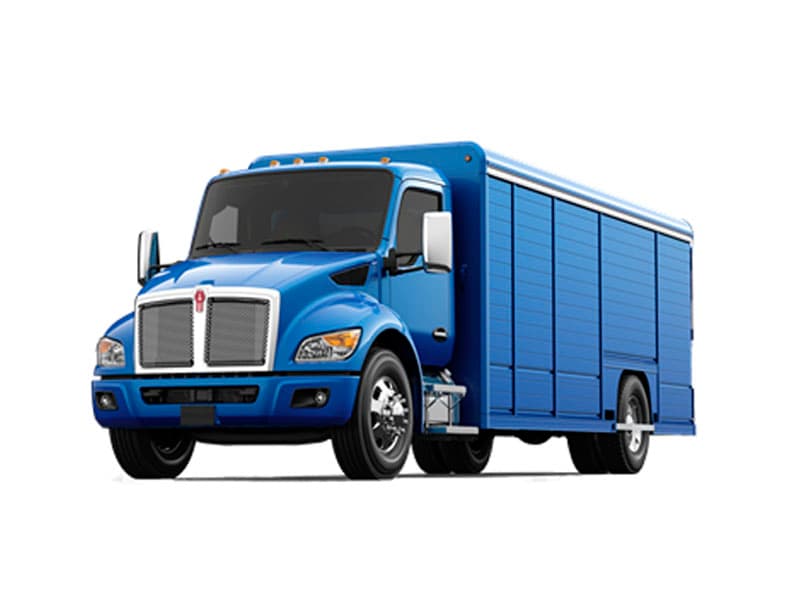
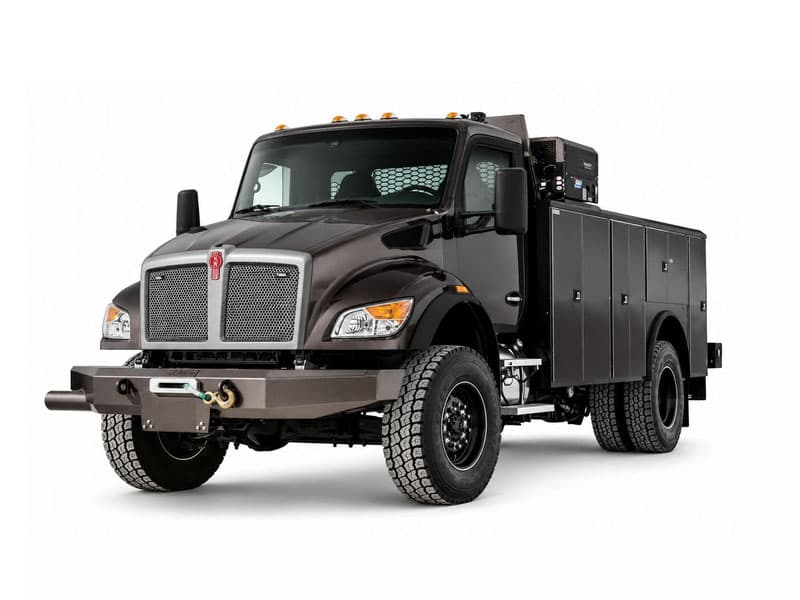
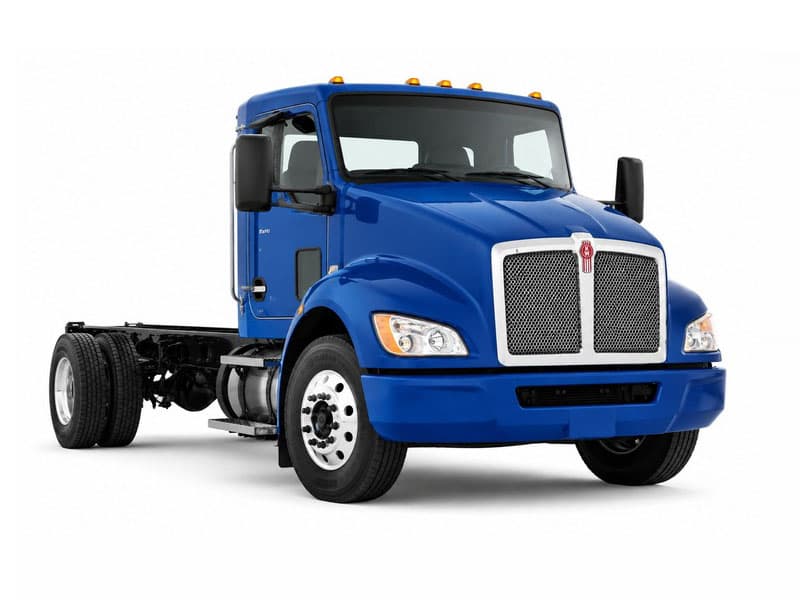
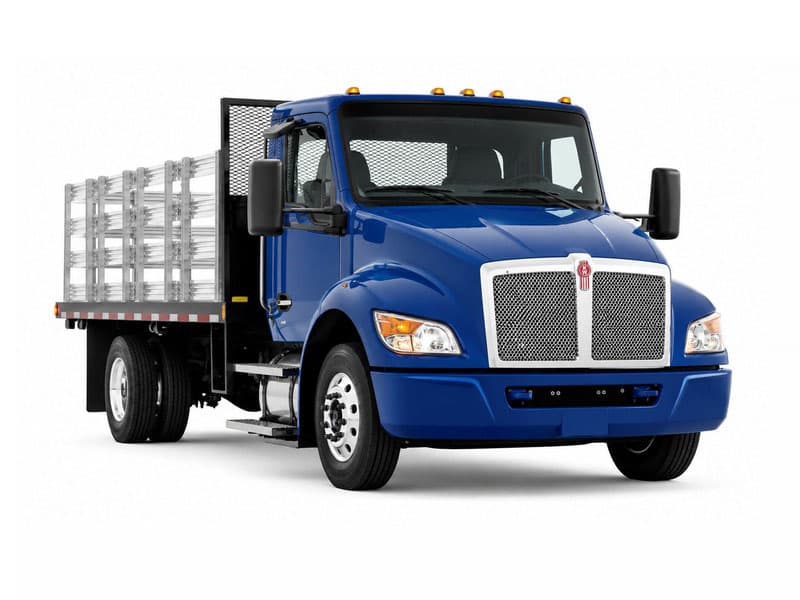
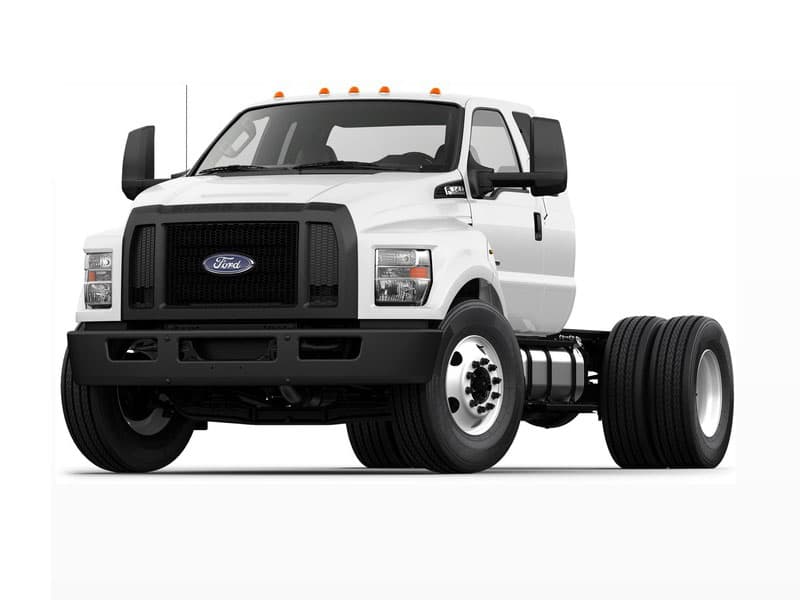
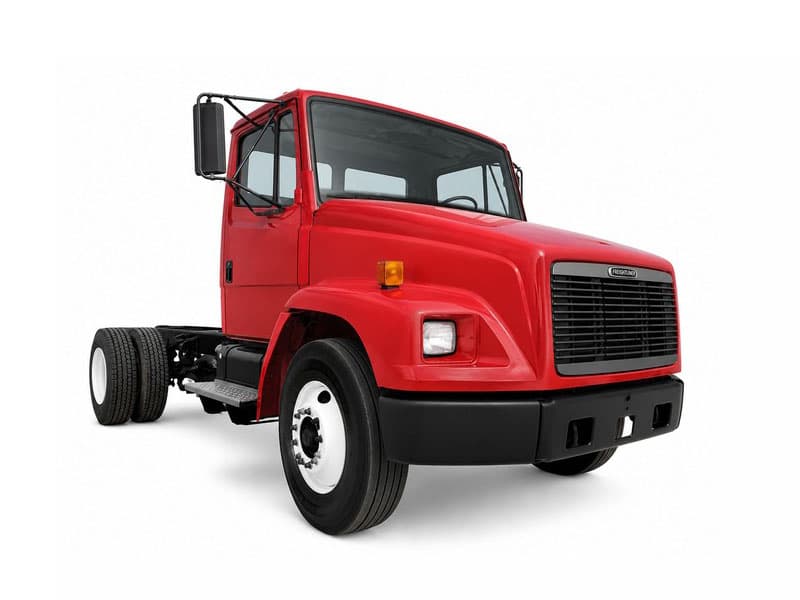
The platforms doing this work most commonly include Ford F-650 and F-750 chassis with bucket and digger derrick bodies, Kenworth T370 medium-duty chassis with utility bodies, Freightliner M2 106 chassis with various utility configurations, and a smaller population of heavier Class 8 utility trucks. Engine platforms run the gamut from Cummins ISB 6.7 and ISC 8.3 on the smaller chassis to Detroit DD13 and Cummins X15 on heavier configurations. All post-2010 builds run full EPA aftertreatment hardware, which is where the duty-cycle friction comes from.
Why Utility Trucks Hit Aftertreatment Walls
PTO sessions never produce passive regen temperatures. Utility line work involves hours of stationary engine operation while crews work the bucket boom or digger. The engine runs at idle or low load to power the PTO hydraulics. The DPF never reaches sustained temperature for passive regeneration. The ECM commands active regen cycles, but the operational reality often interrupts them — the crew finishes the work and the truck moves, or the day ends and the truck shuts down. Soot accumulation builds steadily, and DPF derate hits.
Storm response patterns produce extreme operational stress. Storm response involves multi-day deployment far from the home yard, extended operational hours, sleep in the truck for line crews, and operating patterns that bear no resemblance to normal duty. Aftertreatment systems that handled normal operation acceptably often hit failure during storm response surges. The exact moment when fleet availability matters most is when aftertreatment failures are most likely to occur.
Cold-start patterns from intermittent dispatch. Utility trucks that sit at the yard for days between calls develop cold-start patterns that stress DEF dosing pre-conditioning logic and SCR thermal management. The first hard run after extended standby often produces fault codes that don't correspond to actual hardware problems.
Mutual aid deployments cross regulatory environments. Storm response often involves mutual aid deployment across state lines. Trucks calibrated for one operating region encounter different fuel sources, different ambient conditions, and different regulatory environments. The aftertreatment system doesn't always handle these transitions gracefully.
What Utility Cooperatives Actually Need
Most utility line work needs to stay legally compliant on the on-road compliance posture — utility cooperatives, municipal utilities, and investor-owned utilities all face regulatory environments where off-road designation doesn't realistically apply to their primary fleet. For these customers, we provide recalibration after aftertreatment hardware repair. Hardware stays in place. ECM logic gets restored to functional baseline after DEF doser replacement, NOx sensor replacement, or SCR catalyst service. The work clears the inducement countdowns that would otherwise re-trigger faults shortly after hardware repair.
For utility trucks specifically, we can address PTO calibration challenges that stock ECM logic doesn't handle well. Long stationary engine operation under PTO load is an operational pattern the standard calibration doesn't anticipate gracefully. Targeted calibration work reduces nuisance faults during line work, improves system stability under extended PTO operation, and increases truck availability during storm response.
For utility trucks deployed exclusively in off-road service — work that some utility cooperatives do under specific operational designations — combined DPF and EGR delete is an option. The legal posture here matters and we work with the customer to understand whether off-road designation is realistic for their specific operation before recommending a calibration approach.
Storm Response Uptime Is The Point
Utility cooperatives and storm response operations care about one number above all others: percentage of fleet available when the call comes in. The calibration work we do is fundamentally aimed at improving that number. Trucks that aren't in shop for aftertreatment service are trucks available for storm response. Trucks that don't enter derate during a multi-day deployment stay on the line restoration job through completion. Trucks whose PTO calibration handles extended boom operation without nuisance faults make the crew more productive at the work site.
We schedule programming work around the operational calendar — non-storm seasons, slow operational windows, and routine maintenance cycles — to minimize the operational impact of the programming work itself. Ship-in is the most common service path for individual trucks. On-site batch programming is available for South Florida utility operations. Remote programming works for utility shops with the appropriate diagnostic hardware and operating procedures. Quotes return same business day. Tell us the fleet mix, the operational pattern, and the storm response posture you need to maintain.
For utility cooperatives running specifically rural service territories with extended response distances, the conversation about programming options often connects directly to the conversation about replacement cycle planning. The longer we can keep a well-built utility truck operational through calibration and recalibration work, the longer the cooperative can defer capital replacement decisions — which matters meaningfully for cooperative budget planning.