What DPF Delete Actually Does
A diesel particulate filter (DPF) traps soot from engine exhaust and burns it off during periodic regeneration cycles. When the filter clogs faster than it can clean, when sensors fail, or when the regen process stalls, your truck enters derate — limited power, capped speed, sometimes a forced shutdown until the truck is towed to a shop. The factory answer is to replace the DPF, the DEF dosing system, the SCR catalyst, or all three. That is a four-figure repair on a good day and an eight-thousand-dollar repair on a bad one, and on high-mileage trucks it often repeats within months.
DPF delete is a calibration change at the ECM level. We rewrite the engine's software so it no longer expects the DPF, SCR, or DEF systems to be present. Faults that previously triggered derates no longer fire. The engine runs against its original performance map without aftertreatment interference. For export-market and off-road applications, this is the difference between a truck that earns and a truck that sits.
Why DPF Failures Are So Common
DPF systems were designed for highway-cycle trucks running at sustained load and exhaust temperature. Two real-world conditions break that assumption:
Short-cycle vocational work. Refuse trucks, dump trucks, service trucks, and any platform that spends time idling, doing PTO work, or running short routes never reach the exhaust temperatures needed to passively regenerate the filter. Soot accumulates faster than the regen system can burn it off. Active regen cycles attempt to compensate but stress the filter and burn fuel. Eventually the filter clogs faster than active regen can clear it, and the truck derates.
High-mileage soot loading. Long-haul trucks above 500,000 miles develop carbon buildup in the EGR system that increases soot output to the DPF. The filter accumulates ash that can never be burned out — only replaced. NOx sensors, DEF dosing valves, and pressure differential sensors are wear items that fail predictably between 250k and 500k miles. Each failure throws a code; multiple failures trigger derate.
Common Fault Codes That Trigger This Work
If your truck is throwing any of these codes, DPF delete is one solution path worth costing against dealer replacement:
SPN 3251— DPF differential pressure too highSPN 4364— SCR conversion efficiency below thresholdSPN 3361— DEF dosing valve malfunctionSPN 5246— Aftertreatment SCR operator inducement (severe derate)SPN 3216 / 3226— NOx sensor failure (pre-SCR or post-SCR)SPN 3719— Soot load very high, regen requiredSPN 3556— Aftertreatment fuel injector / HC doser fault
Platform-Specific Notes
Every engine platform has its own aftertreatment architecture and its own calibration approach. Here are the platforms we program most often:
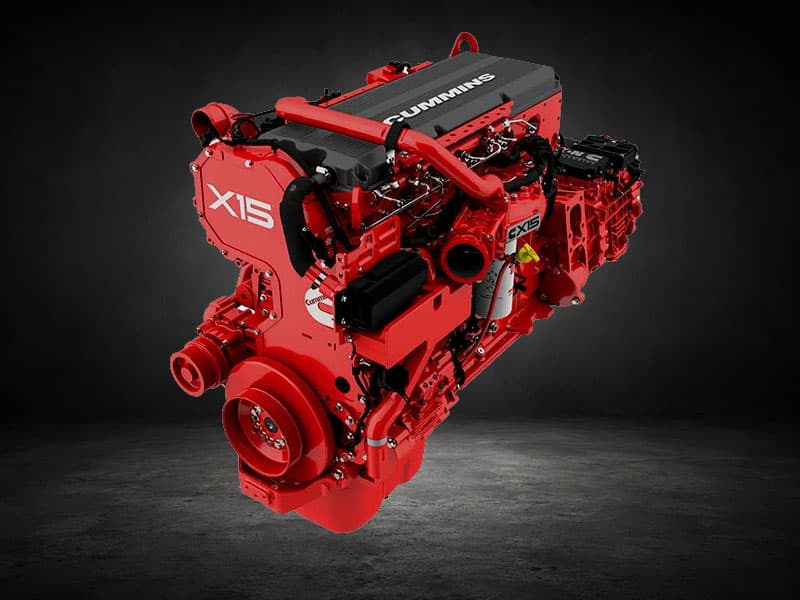
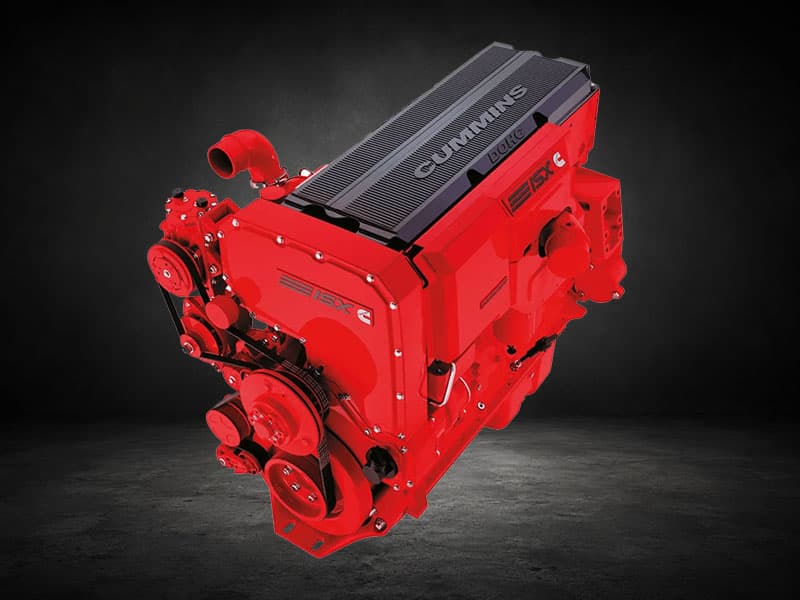
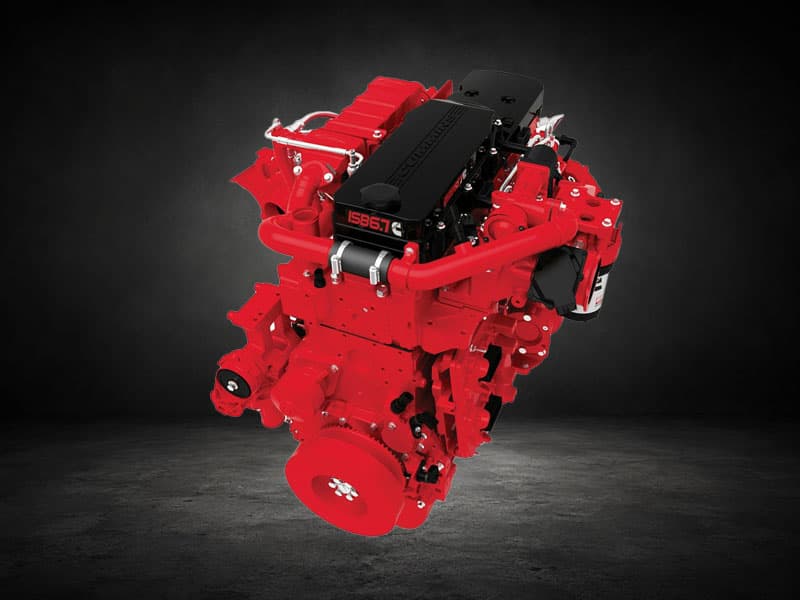
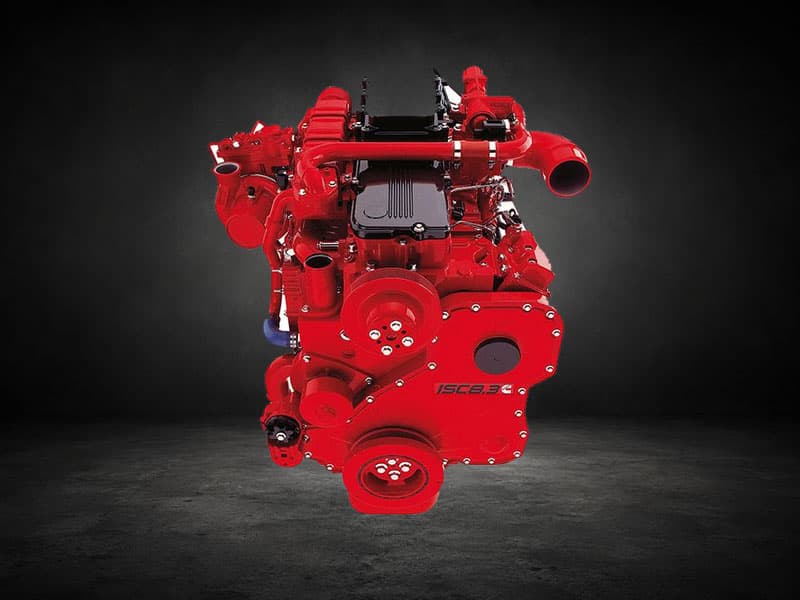
Cummins (ISX, X15, ISB 6.7, ISC 8.3, ISL)
Cummins platforms from 2010 forward run progressively complex aftertreatment systems. The CM2350 ECM (post-2017) supports the X15; the CM2250 covers most ISX-15 and ISX-12 platforms; CM2150 handles older ISC and ISB families. We program all three with calibration data matched to your VIN, year, and emissions rating.
PACCAR (MX-13, MX-11)
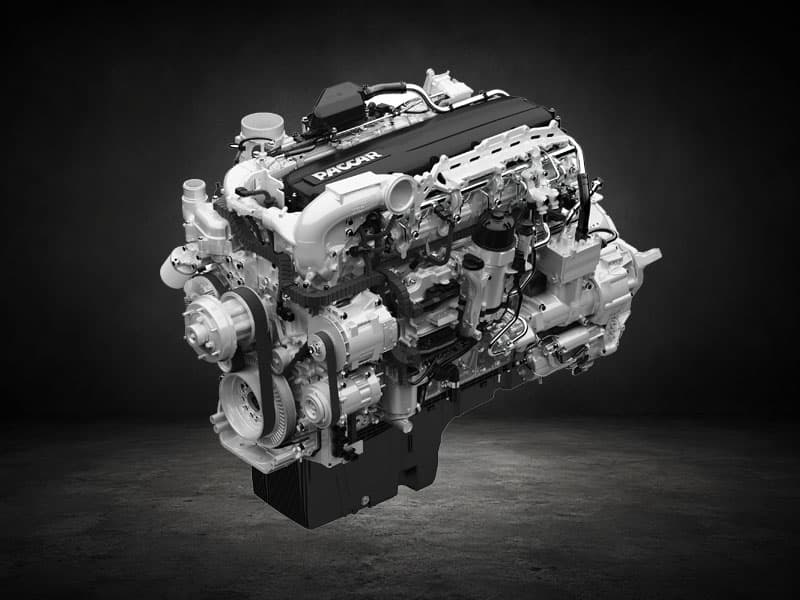
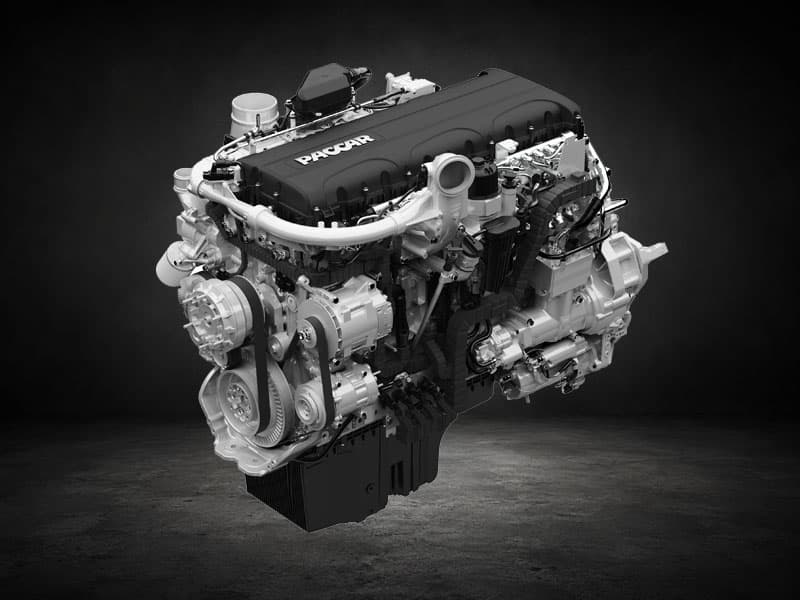
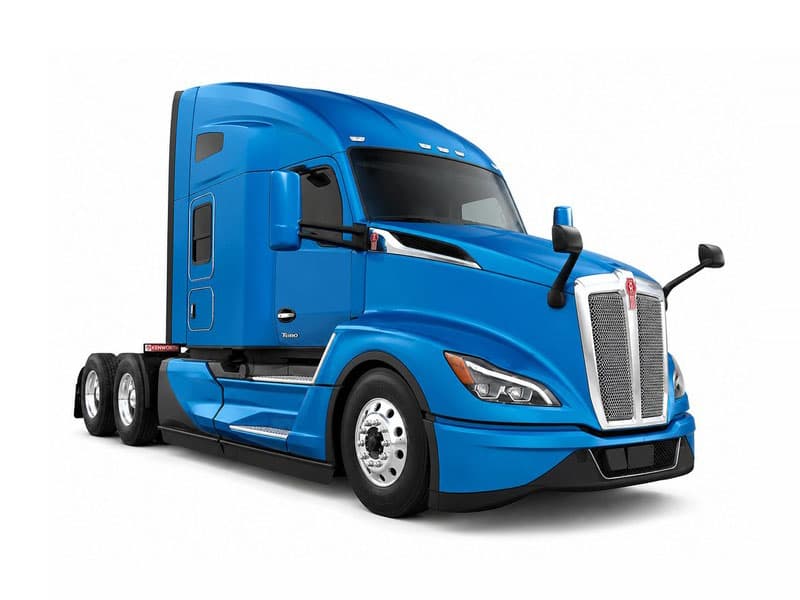
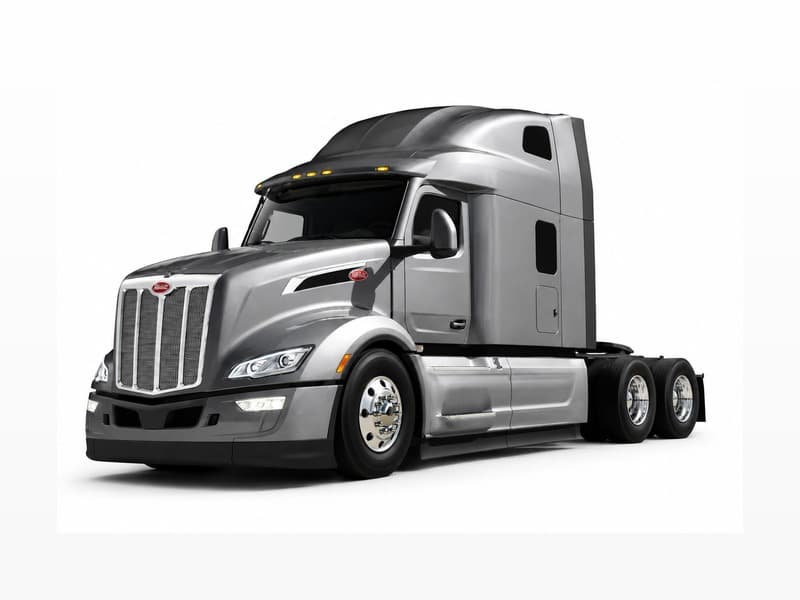
PACCAR's MX platform — found in Kenworth and Peterbilt trucks — uses an integrated DPF/SCR architecture that suffers especially in vocational service. EGR-related soot loading on MX-13s above 400k miles is a common driver of DPF delete requests.
Caterpillar (C13, C15)
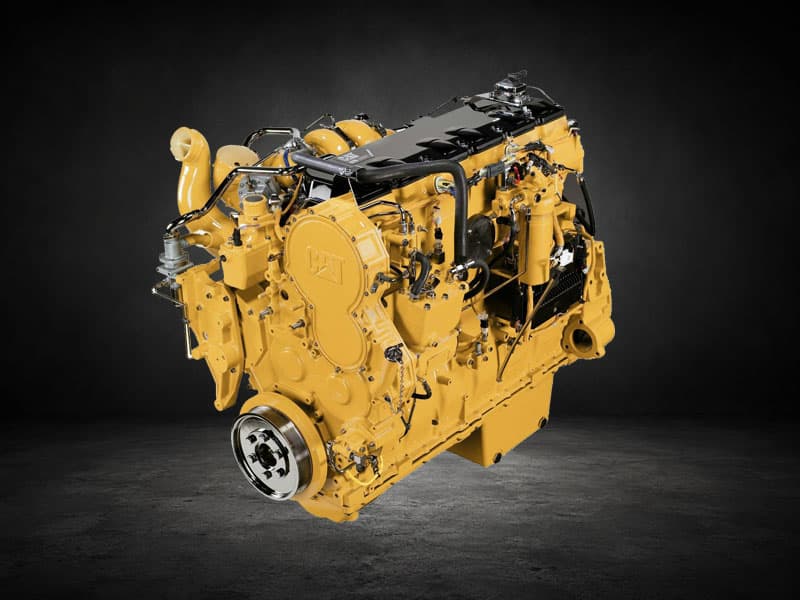
On-highway C13 and C15 platforms with ACERT aftertreatment hardware develop predictable patterns of regen failure and DPF face damage. We support both factory and off-road calibration variants.
Navistar MaxxForce (13, DT, 9, 10)
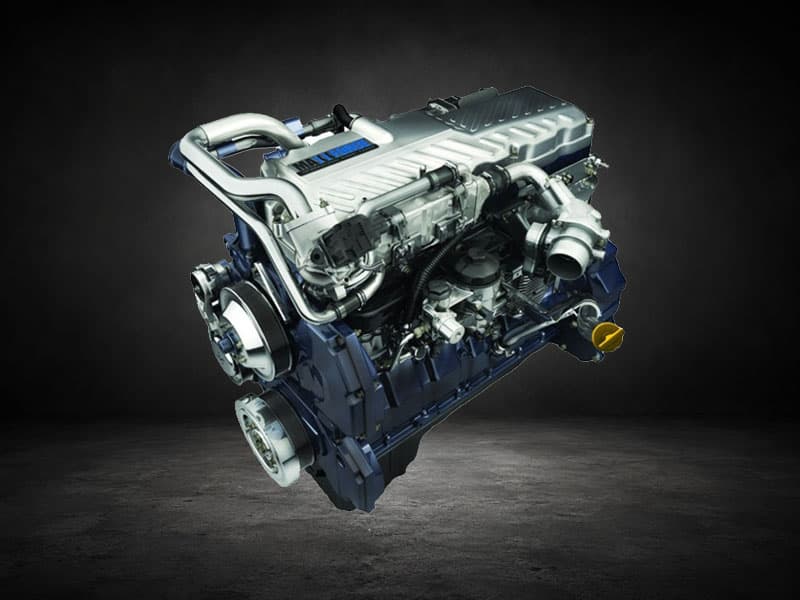
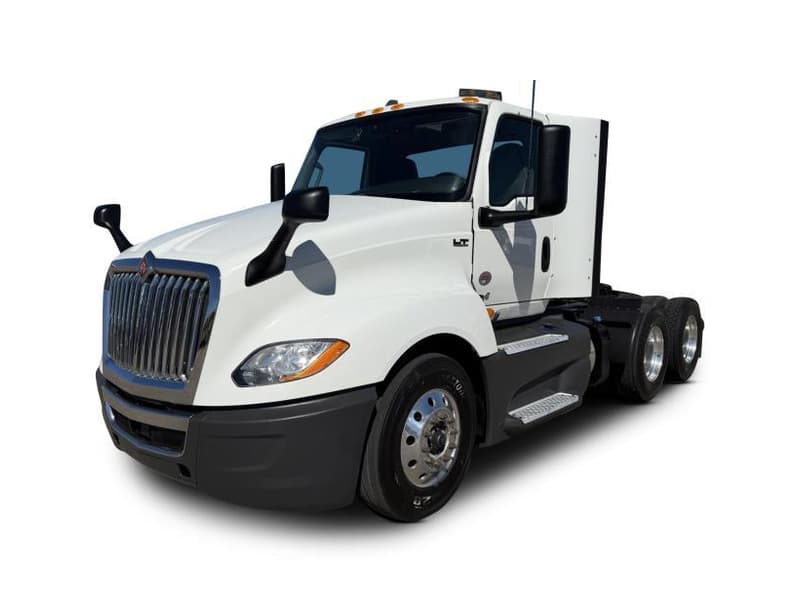
MaxxForce 13 platforms in particular benefit from delete calibrations — the OEM aftertreatment architecture on these engines has well-documented reliability problems that drove many fleets to early retirement of otherwise serviceable trucks.
How The Service Works
Three programming paths deliver the same calibration outcome. The right choice depends on your situation, not on what you can afford:
Ship-in service is the most common path. Remove the ECM from the truck, ship it to our Fort Lauderdale facility, and we program it within 2–3 business days and ship it back. No diagnostic hardware needed on your end. Best for owner-operators and small fleets.
Remote programming uses TeamViewer to connect our techs to your laptop while it is plugged into the truck via the standard 9-pin diagnostic connector. The full programming session takes 1 to 3 hours. Best for fleet shops with their own diagnostic equipment.
On-site service is available for South Florida fleet operations that cannot bring trucks down for shipping. Our technicians come to your yard with all required hardware. Best for fleets running ten or more trucks needing programming.
Pricing is quoted per ECM, with fleet and dealer rates available on volume. Quotes are returned the same business day in most cases.
Legal Notice — Export & Off-Road Only
DPF delete calibrations are intended for export-market vehicles and off-road applications including mining, oilfield, agricultural, marine, military, and competition use. They are not legal for use on EPA-regulated on-road vehicles in the United States. Compliance with applicable federal, state, and local regulations is the responsibility of the vehicle owner. By engaging this service, the customer represents that the vehicle is for export or off-road use and accepts full responsibility for any regulatory implications.