Why Logging Trucks Need Different Calibration
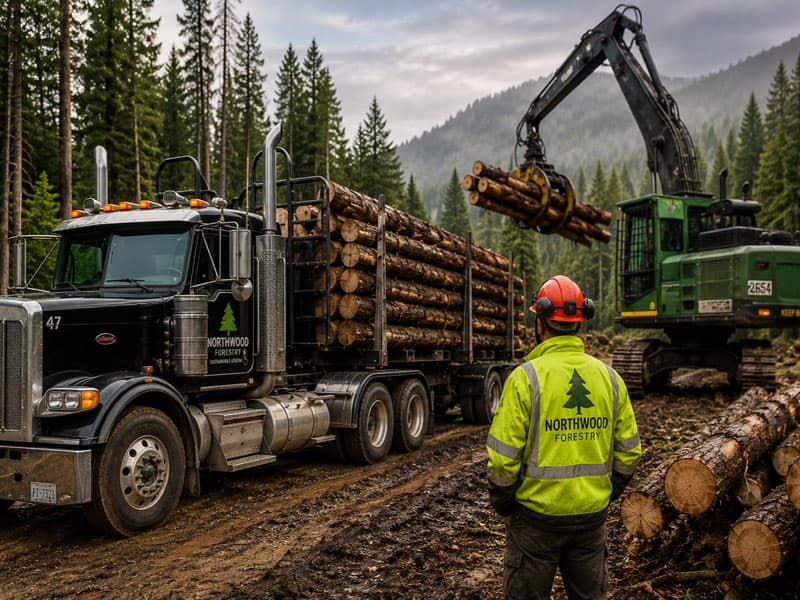
Logging operations subject Class 8 trucks to operating conditions that have nothing in common with the highway-cycle assumptions baked into modern emissions calibrations. Off-road runs into and out of harvesting sites. Sustained low-speed operation on logging roads. Heavy stem loads on steep grades. Extended idle periods waiting for loading or unloading. Self-loader operation requiring extended PTO duty. Cold-weather operation in the Pacific Northwest, Canada, the Upper Midwest, and the Southeastern US — sometimes all in the same fleet. The aftertreatment hardware was engineered around the assumption that trucks would spend most of their operational life cruising at sustained highway speeds, producing the consistent exhaust temperatures needed for passive regen and stable SCR catalyst operation. Logging operation produces none of that.
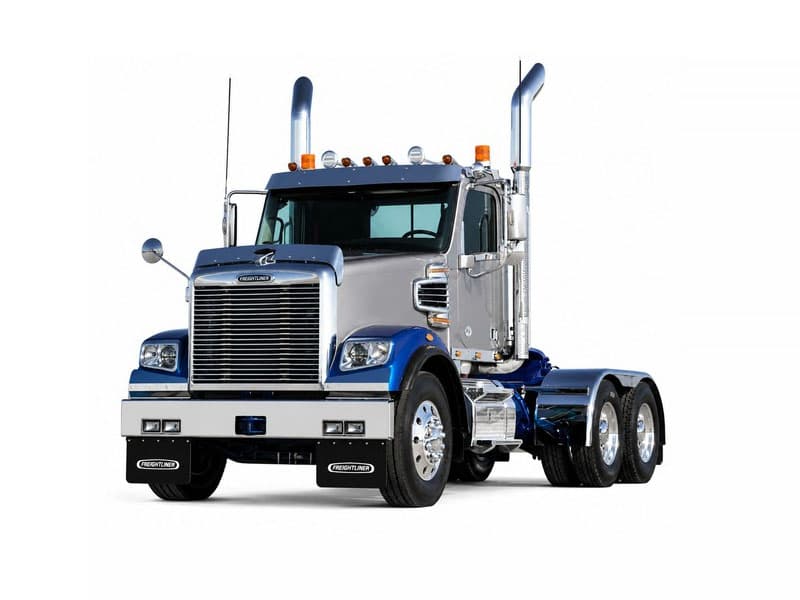
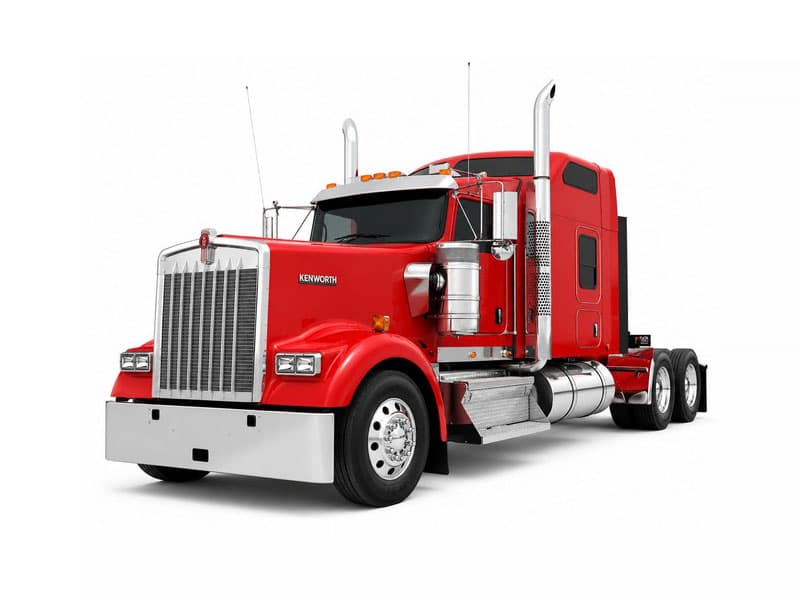
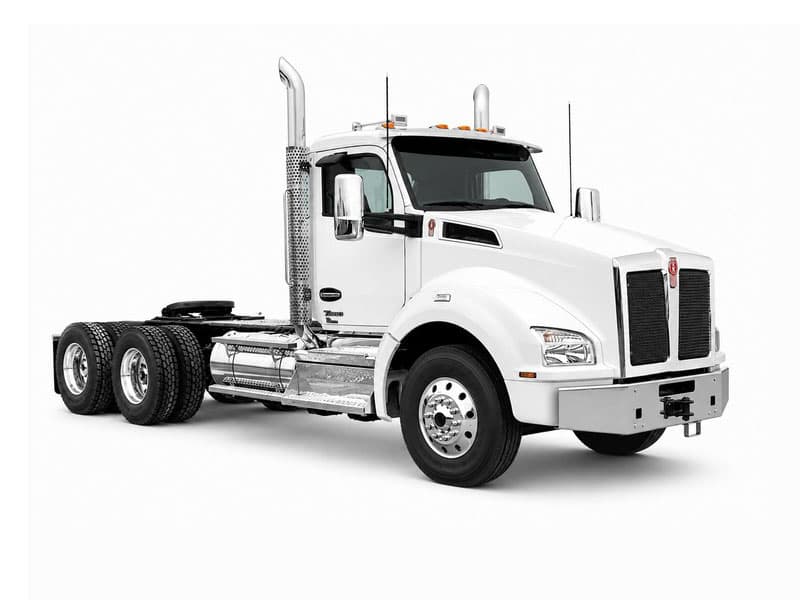
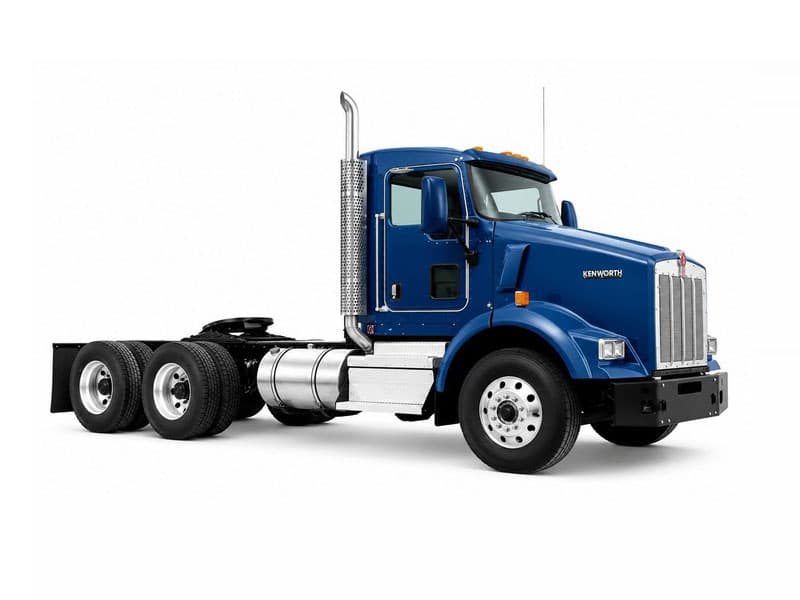
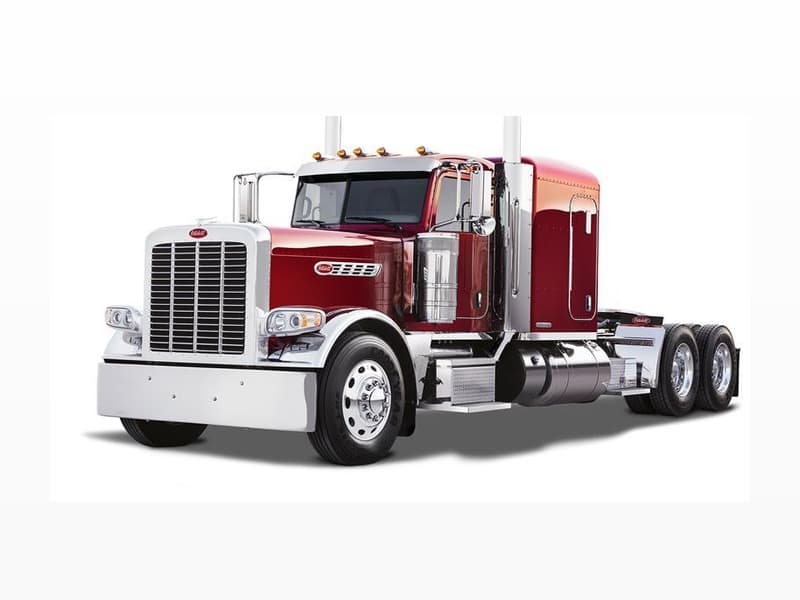
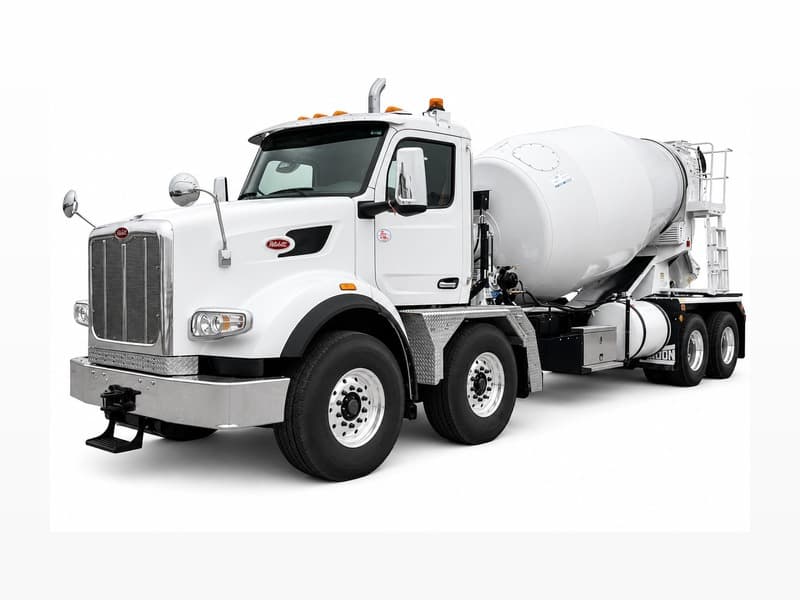
The result is a specific set of failure patterns that show up across every emissions-era Class 8 logging truck on the market — Kenworth W900 and T800 log haulers, Peterbilt 389 and 567 logging configurations, Western Star and Freightliner 122SD log trucks, Mack Granite logging applications. The brand on the door varies. The pattern is consistent.
What's Actually Killing These Trucks
Constant regen cycles in low-speed yard work. Logging trucks doing slow runs through harvesting sites, yard maneuvering, and similar low-speed operation rarely give the DPF the sustained passive regen temperatures it needs. Active regen cycles trigger constantly without completing because the truck either cycles off between movements or operates at speeds and loads that don't sustain active regen heat. Soot accumulation builds. Ash loading reaches limits faster than highway service would predict. Derate hits sooner than fleet calibration anticipates.
DPF pressure derates under loaded hill climbs. Loaded log haulers climbing out of harvesting areas produce DPF pressure differentials that trigger fault codes designed around lighter-duty operational assumptions. The trucks are operating exactly as they need to operate for the application, and the calibration responds with derate that takes operational capability away precisely when the truck needs it most.
Crankcase pressure faults from extended idle. Logging operations involve significant idle time — waiting for loading, waiting for unloading at the mill, waiting on weather, waiting on the next available load. Extended idle stresses the crankcase ventilation system in ways that intermittent idle of highway service doesn't. Crankcase pressure fault codes accumulate, and 9th injector failures (where applicable) cluster on logging trucks faster than on highway-cycle trucks.
DEF system failures from cold-weather and remote operation. Logging operations in cold climates put DEF systems under stress that fleet calibration doesn't anticipate. Cold-weather DEF dosing failures, DEF crystallization in lines and tanks, and SCR catalyst efficiency drops cluster on logging trucks operating in winter conditions. The nearest dealer is typically hours away, which means each DEF-related failure becomes a significant operational event.
What Calibration Work Can Do
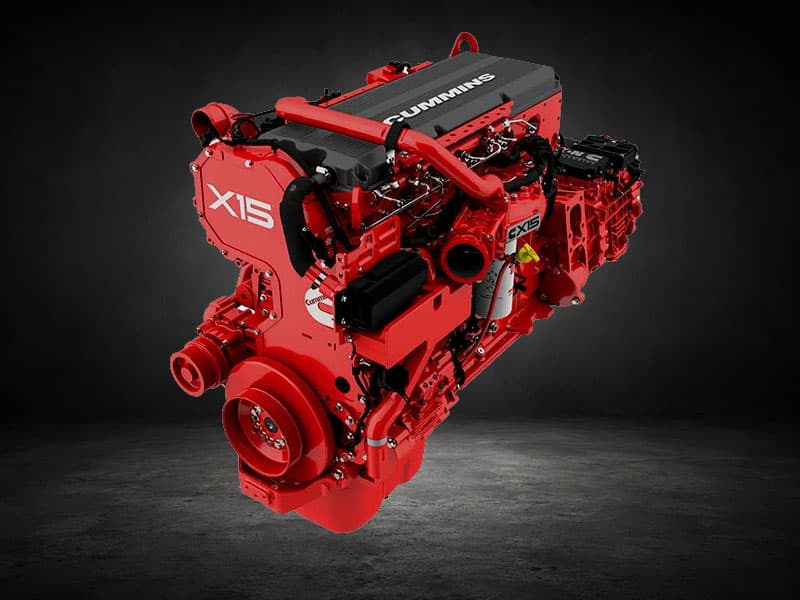
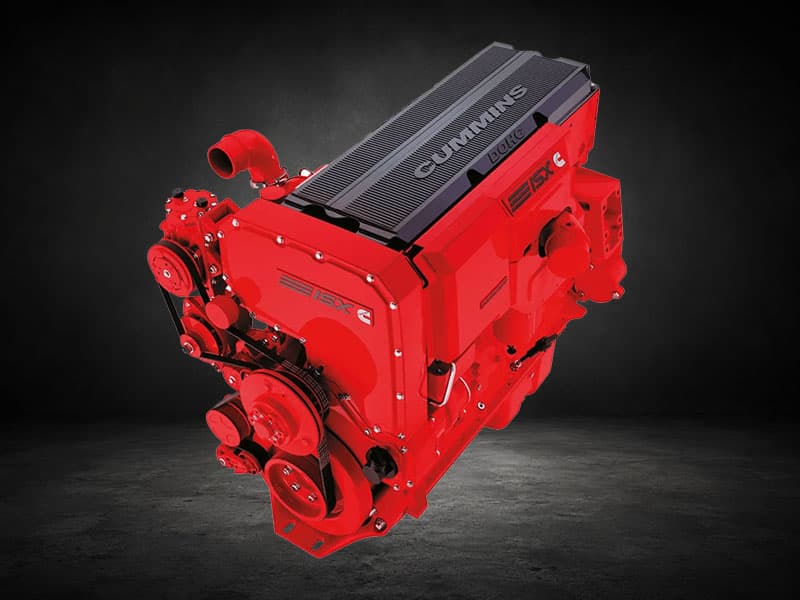
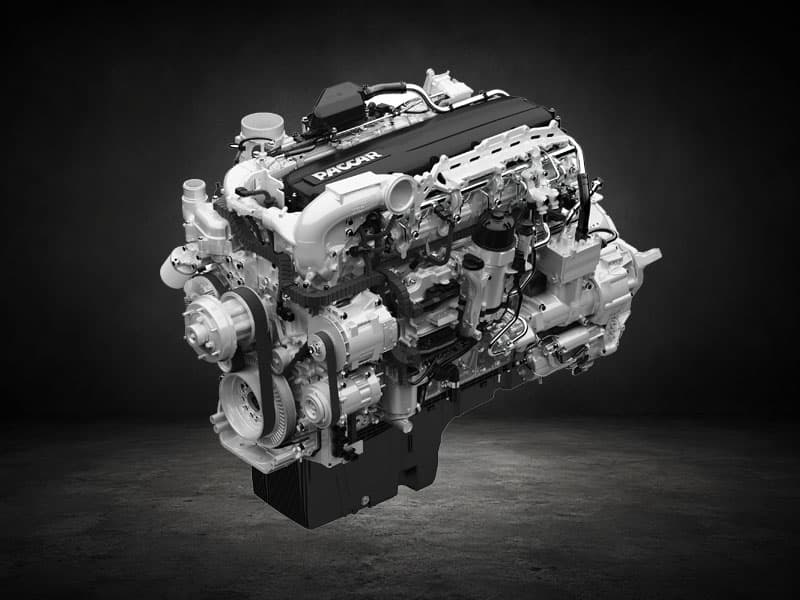
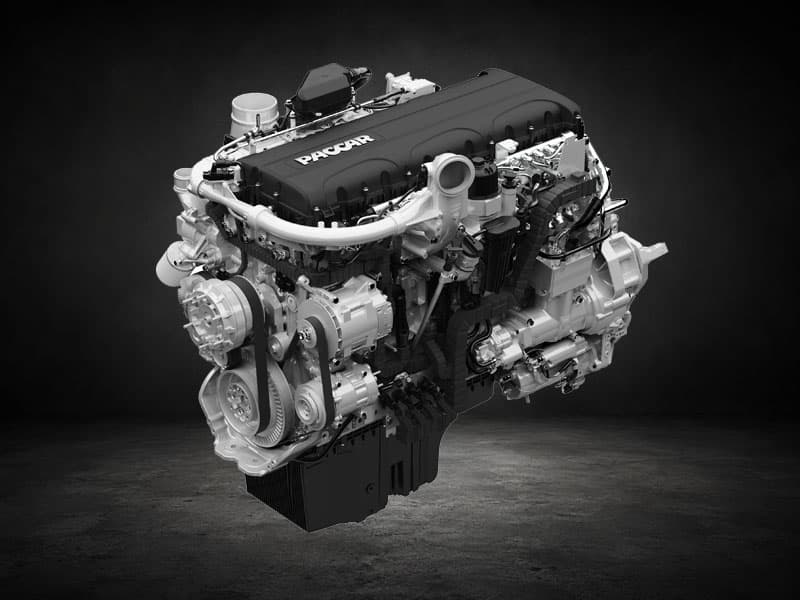
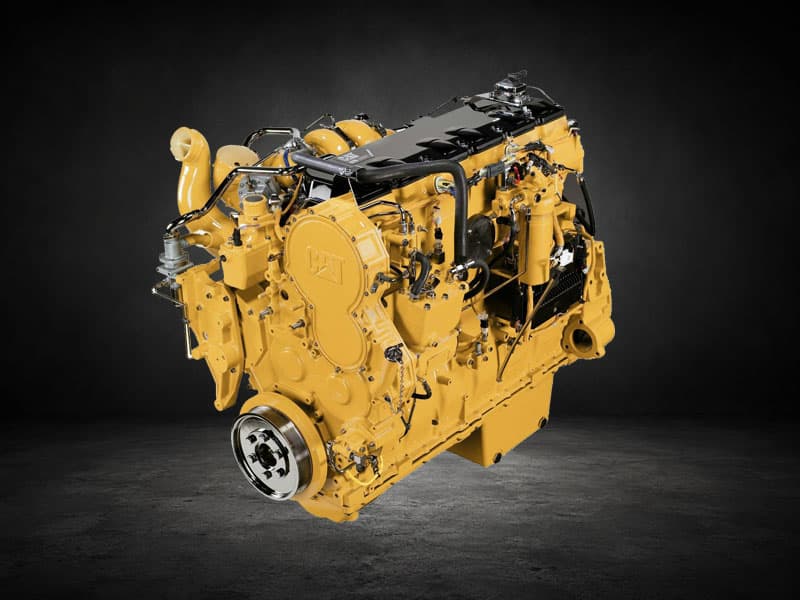
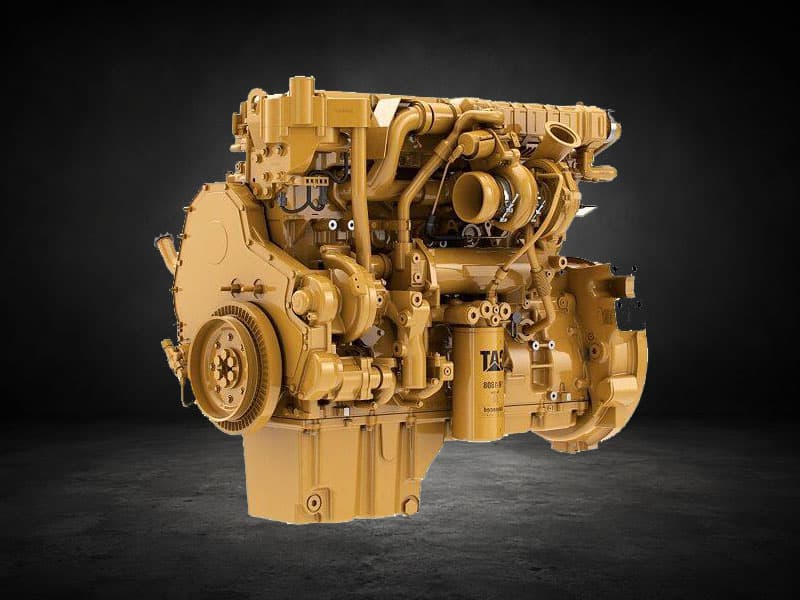
For logging trucks dedicated to off-road service or running primarily on private timber-company road networks, combined DPF and EGR delete eliminates the aftertreatment failure surface entirely. The calibration approach is well-established across the major engine platforms used in logging service — Cummins X15 and ISX, Paccar MX-13, Cat C13 and C15 — and delivers durable solutions to the recurring aftertreatment issues that define logging operational economics.
For logging trucks staying in on-road service, recalibration matched to actual logging duty cycle delivers meaningful operational improvements over generic fleet calibration. The work includes adjusted regen logic, modified DPF pressure thresholds, and recalibrated DEF dosing strategies that match logging operational reality rather than highway-cycle assumptions.
Performance tuning on logging trucks targets the operational priorities that matter to the application — sustained grade performance, throttle response under variable load, torque availability for heavy stems on launches, and overall durability under demanding conditions. Stock fleet calibrations leave meaningful capability on the table for logging applications; targeted tuning unlocks that capability within hardware safety margins.
Logging Fleet Operational Reality
Logging operations are typically run by small-to-mid-sized businesses where every truck matters and downtime is operationally and financially expensive. Sending a log truck to the dealer for aftertreatment service means losing the truck for days, plus the cost of the service work, plus the lost revenue from missed timber hauling contracts. The recurring cost adds up fast, and logging operators are typically the first to recognize when the standard dealer service path stops making operational sense.
We work with logging operators across the US and Canada, including dedicated calibration work for trucks operating in remote regions where dealer access is impractical even when the operator wants to use it. Ship-in service handles the geography problem — pull the ECM, ship to Fort Lauderdale, 2-3 day turnaround, ship back. Logging operators routinely batch ECM work across multiple trucks during seasonal downtime, which makes the scheduling work in their favor.
Service Paths For Logging Fleet Programming
Ship-in is the dominant path for logging operations. Pull the ECM, ship to Fort Lauderdale, 2-3 day programming turnaround. Remote programming works for shops with appropriate engine-platform diagnostic software. On-site service is available for South Florida operators, though most logging customers are remote.
Quotes return same business day. Tell us the year, the engine (Cummins X15 / ISX, Cat C15, Paccar MX-13, etc.), the trucks involved, current operational situation, and what you want out of the work. For logging operators batching ECM work across multiple trucks, fleet pricing applies and we coordinate scheduling around the operational calendar.