What EGR Does, And Why It Fails
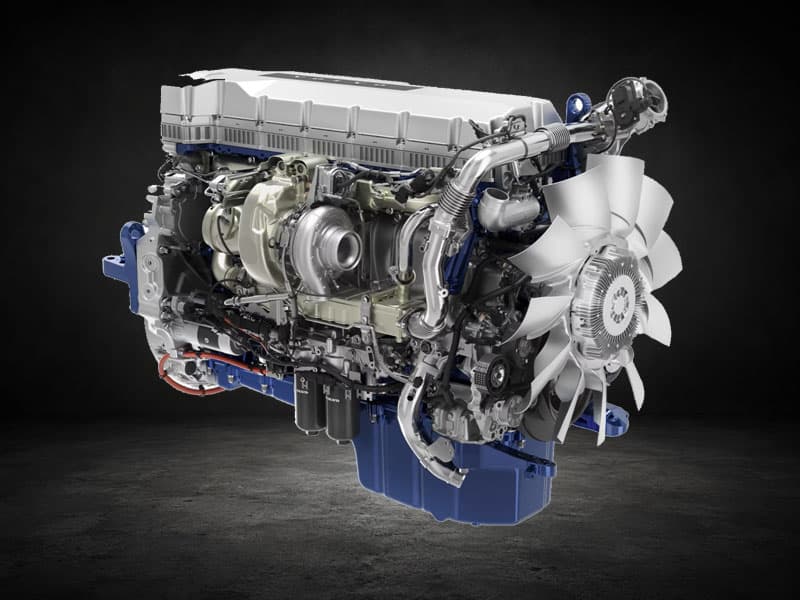
Exhaust Gas Recirculation routes a portion of exhaust gas back into the intake to lower combustion temperatures and reduce NOx emissions. On paper, it is an elegant solution. In practice, it is one of the worst long-term reliability hits a modern diesel takes — because what you are doing is pumping superheated, soot-loaded exhaust gas back into a precisely-machined intake tract designed for clean cooled air.
Over time, soot accumulates in the intake manifold, on the EGR cooler tubes, around the EGR valve, and on the back side of the intake valves. The EGR cooler develops cracks from thermal cycling and starts leaking coolant into the intake. Sensors get fouled and report inaccurate temperatures or flow rates. The turbo's variable-geometry vanes stick from carbon deposits. Each problem feeds the next, and within 300,000 miles on a typical highway truck the EGR system is contributing more problems than it is solving emissions.
What EGR Delete Does
EGR delete is a calibration change paired (in most cases) with a hardware kit. The ECM is reprogrammed to stop commanding EGR valve operation, stop monitoring EGR-related sensors for fault codes, and stop expecting the EGR cooler to be functional. The hardware kit typically includes a block-off plate for the EGR cooler, intake gaskets, and sometimes new EGR valve plugs or intake horn modifications depending on the platform.
The combination removes the EGR system from both the truck's physical operation and the ECM's expectation set. Result: no more EGR-driven soot intake fouling, no more cooler coolant leaks, no more turbo vane sticking from EGR carbon, no more fault codes for sensors that no longer matter. On platforms where the DPF and EGR systems both contribute to derate, we typically combine EGR delete with DPF delete for a complete aftertreatment recalibration.
Common Fault Codes That Trigger This Work
EGR-related fault codes vary by platform, but the patterns are similar across manufacturers:
SPN 411 / 412— EGR differential pressure sensor circuit faultsSPN 2791— EGR valve position circuit malfunctionSPN 4765— EGR cooler outlet temperature too high (indicates cooler degradation)SPN 27— EGR valve position sensor signal incorrectSPN 2659— EGR mass flow incorrectSPN 5443— EGR system blocked or restricted
On Cummins platforms, look for fault codes 1879, 1991, 2349, 2387 — these all touch the EGR architecture and routinely fire on high-mileage trucks before the EGR cooler outright fails.
Platform-Specific Patterns
Different engines fail their EGR systems in different ways. The platforms we see most:
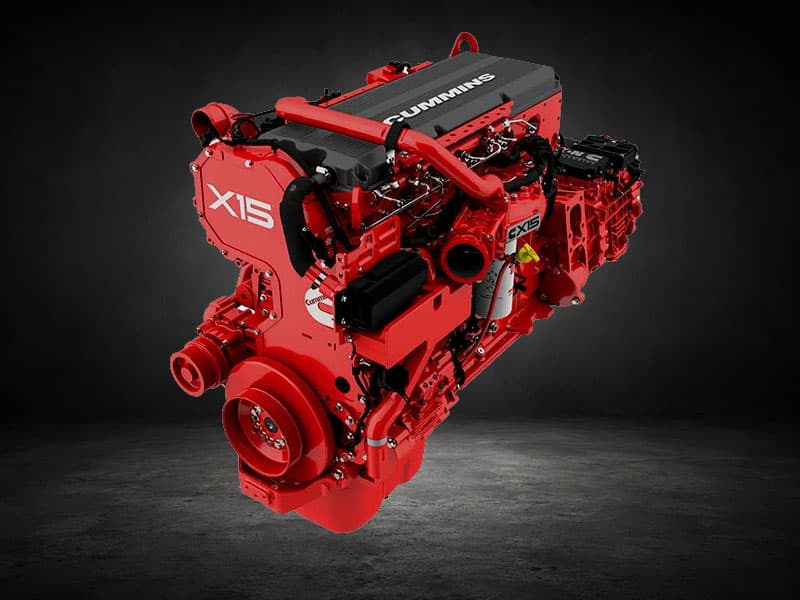
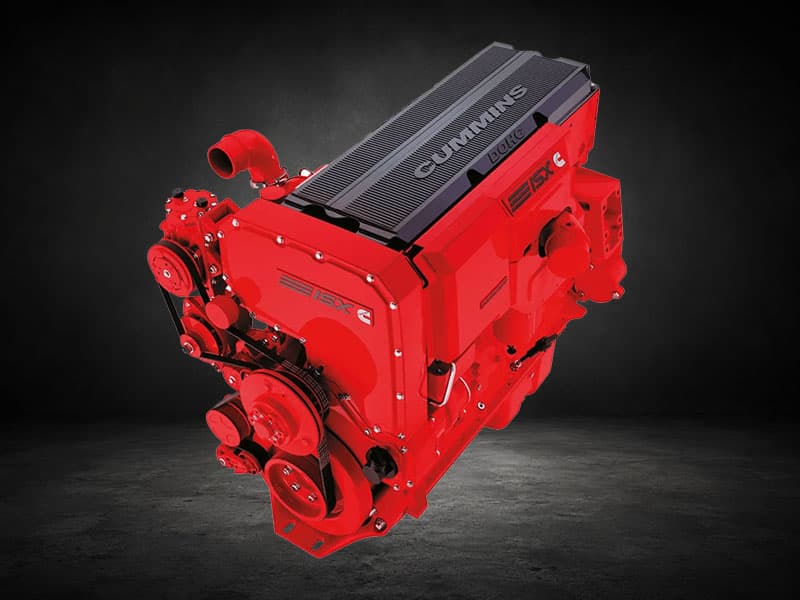
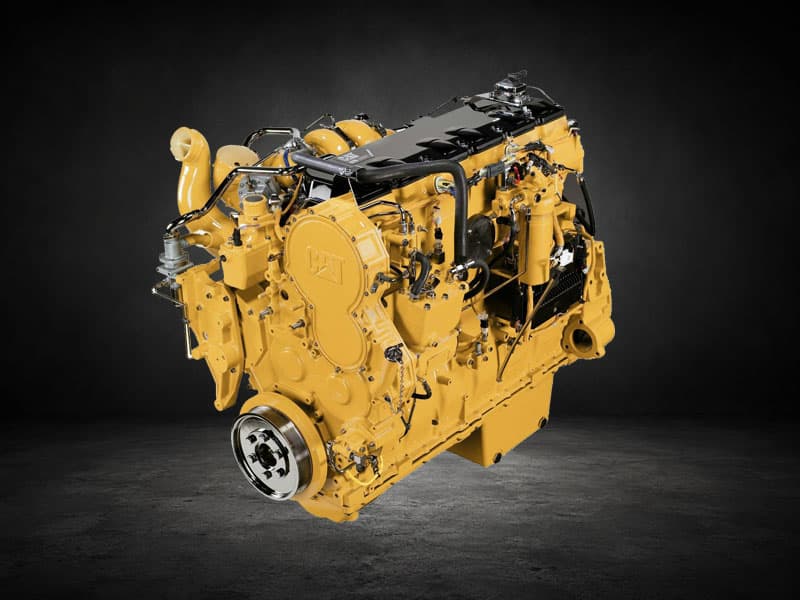
Cummins ISX and X15
EGR cooler failures on the ISX-15 and X15 platforms are a known issue between 400k and 600k miles. The cooler develops internal cracks and starts seeping coolant into the intake — first as a mist that fouls the intake manifold, eventually as a catastrophic leak that can hydraulic-lock cylinders. EGR delete eliminates the cooler from the system entirely.
PACCAR MX-13
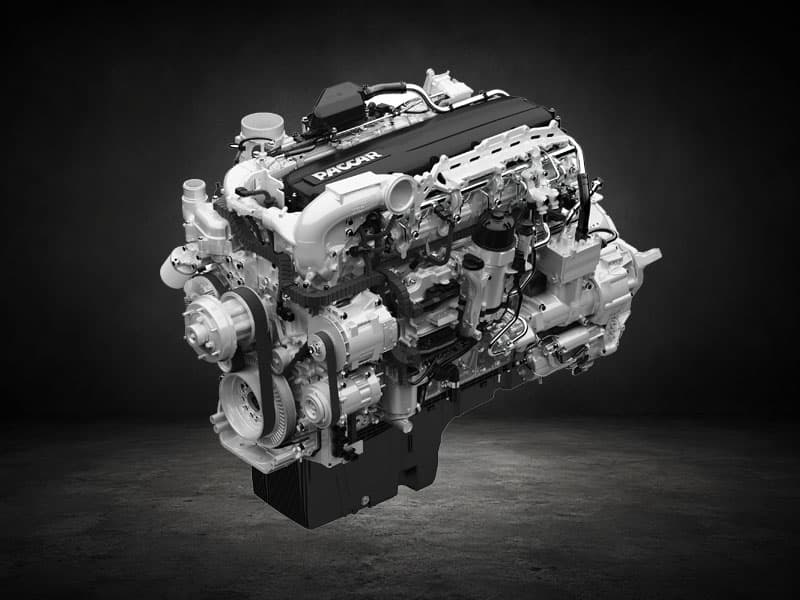
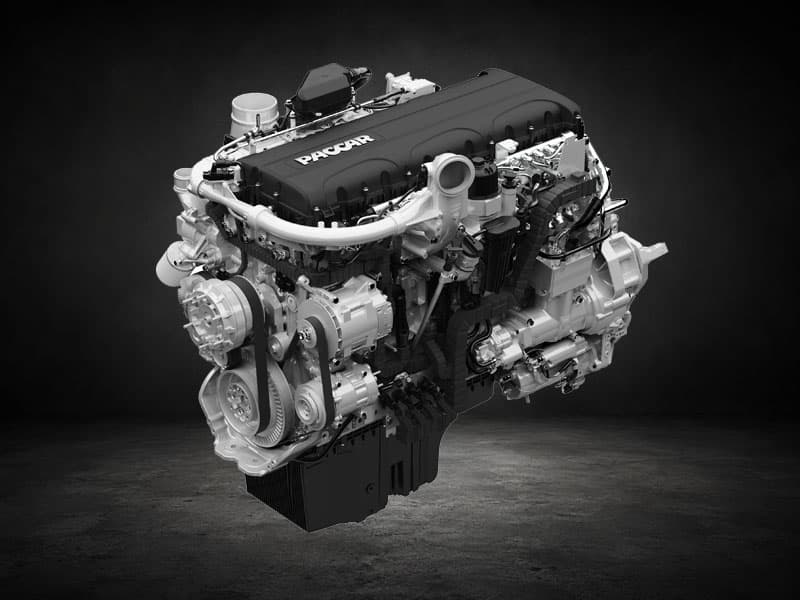
MX-13 trucks accumulate intake soot loading faster than any other major Class 8 platform. By 400k miles, intake manifolds often need physical cleaning. EGR delete prevents the recurrence after cleaning.
Navistar MaxxForce 13
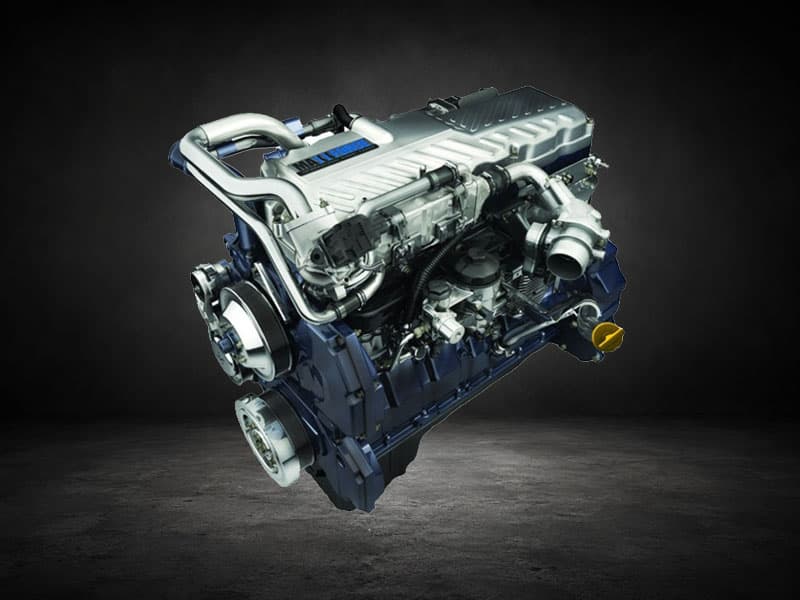
The MaxxForce 13's EGR-heavy "no SCR" architecture put extreme load on its EGR system from day one. We see early-failure patterns on these trucks at mileages where other platforms are still working fine. EGR delete is essentially mandatory to keep these trucks in service past 350k miles in heavy applications.
Detroit DD13 / DD15
EGR-related faults on Detroit platforms typically surface as a combination of cooler leaks and venturi/sensor degradation. The ACM3 module makes the diagnostic process trickier but the underlying calibration work is similar.
Combined DPF + EGR Delete
In most cases we recommend doing DPF and EGR delete as a combined service rather than separately. The two systems are tightly coupled in the ECM logic — EGR rate affects soot output to the DPF; DPF backpressure affects EGR commanded flow. Deleting one without the other often creates new fault patterns. Combined delete addresses both systems at once with a unified calibration, eliminates more fault codes, and typically costs less than two separate jobs.
For trucks running export or off-road, the practical outcome of combined delete is a diesel that runs like a pre-2007 engine — no aftertreatment dependency, simpler maintenance, predictable performance. For high-mileage trucks pulling another 500k miles of useful service, this is often the single highest-ROI calibration change available.
Legal Notice — Export & Off-Road Only
EGR delete calibrations are intended for export-market vehicles and off-road applications including mining, oilfield, agricultural, marine, military, and competition use. They are not legal for use on EPA-regulated on-road vehicles in the United States. Compliance with applicable federal, state, and local regulations is the responsibility of the vehicle owner. By engaging this service, the customer represents that the vehicle is for export or off-road use and accepts full responsibility for any regulatory implications.