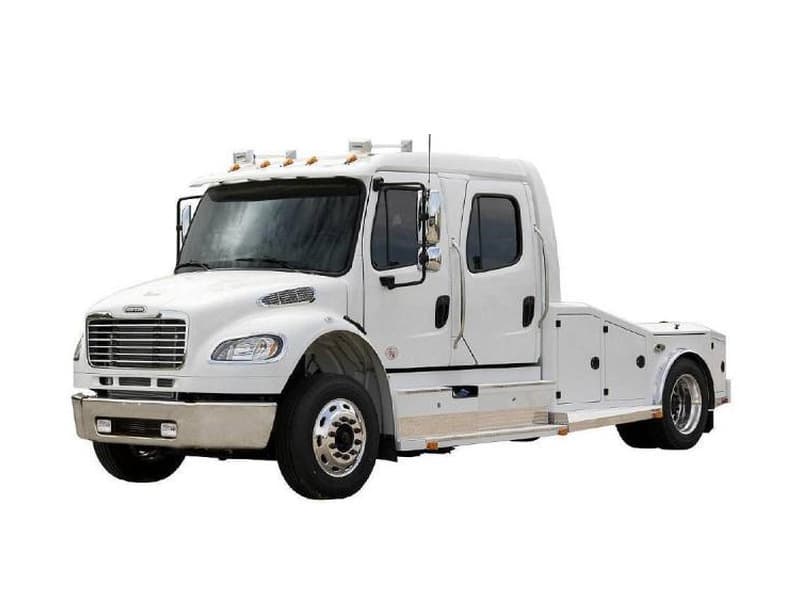
The Medium-Duty Chassis That Does Everything
The Freightliner M2 106 is the most widely deployed medium-duty Class 6-7 chassis in North America. Production launched in 2002 as the successor to the FL-series, and the M2 106 has been the default platform for medium-duty vocational work ever since. Refuse trucks, utility bucket trucks, dump trucks, delivery trucks, fire and EMS apparatus, school buses, RV chassis, towing recovery trucks, vacuum trucks, fuel delivery trucks — if it's a medium-duty commercial vehicle in North America, there's a strong probability it's an M2 106 underneath the body.
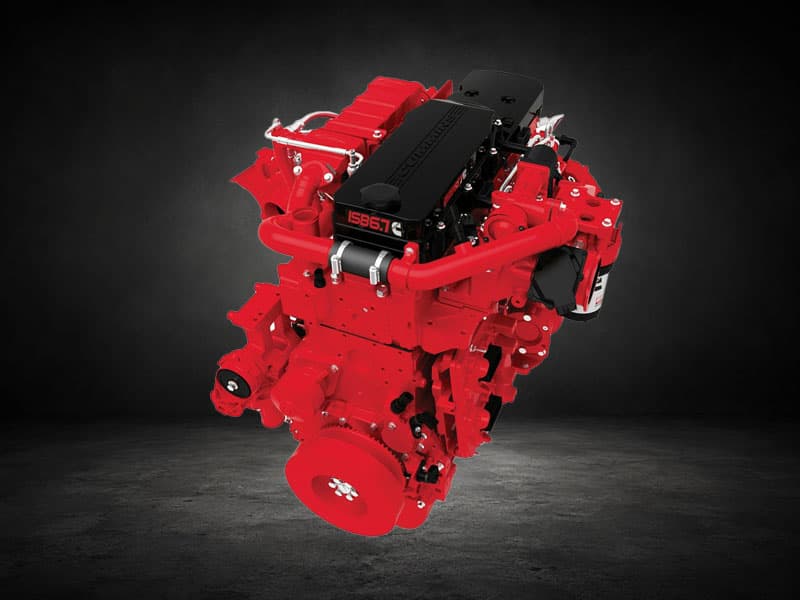
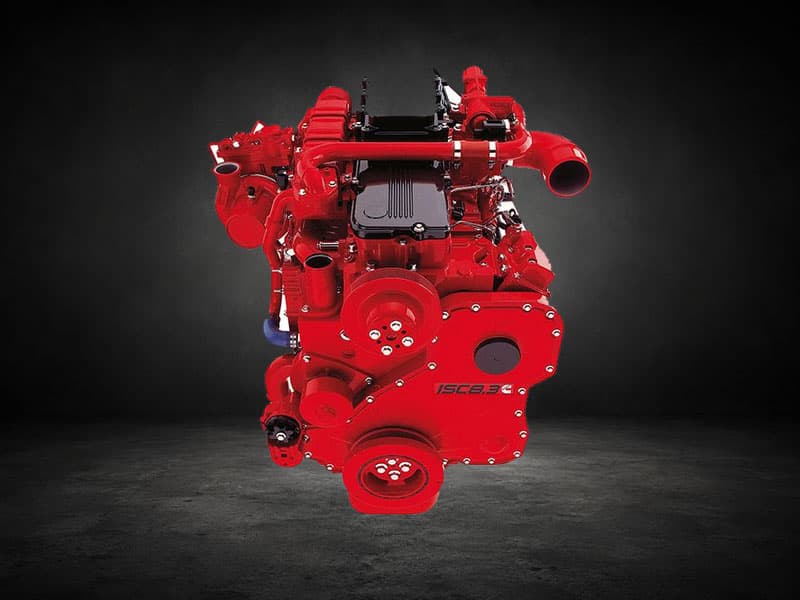
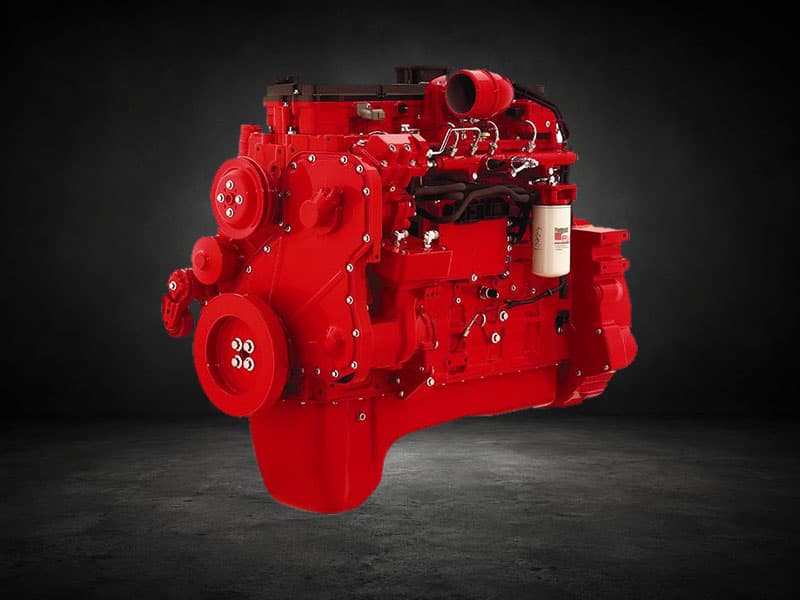
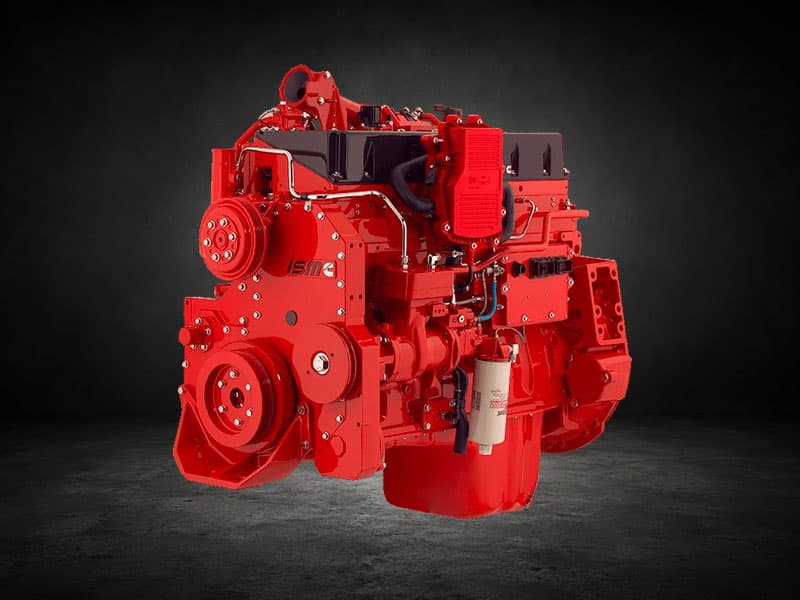
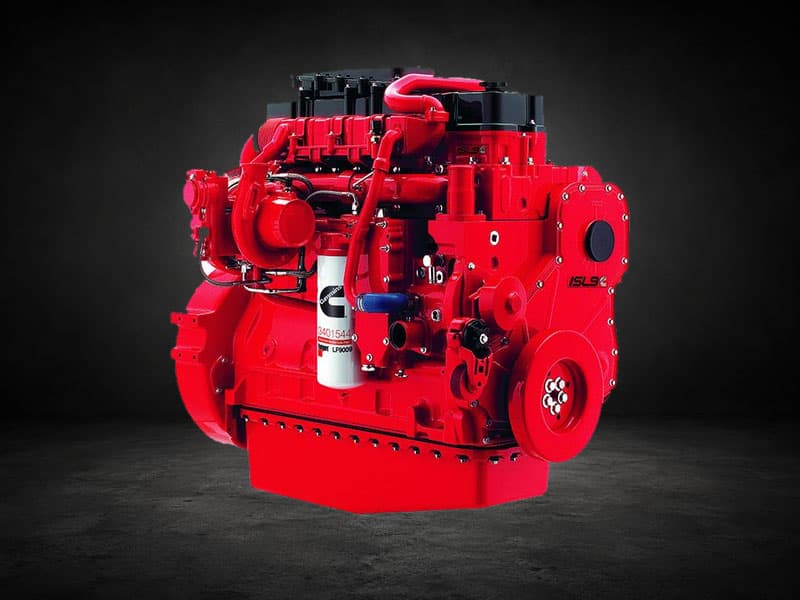
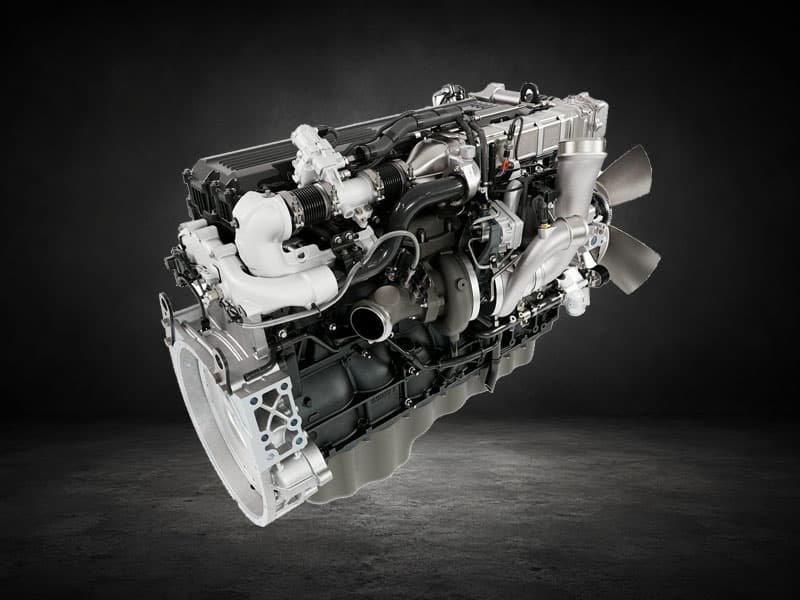
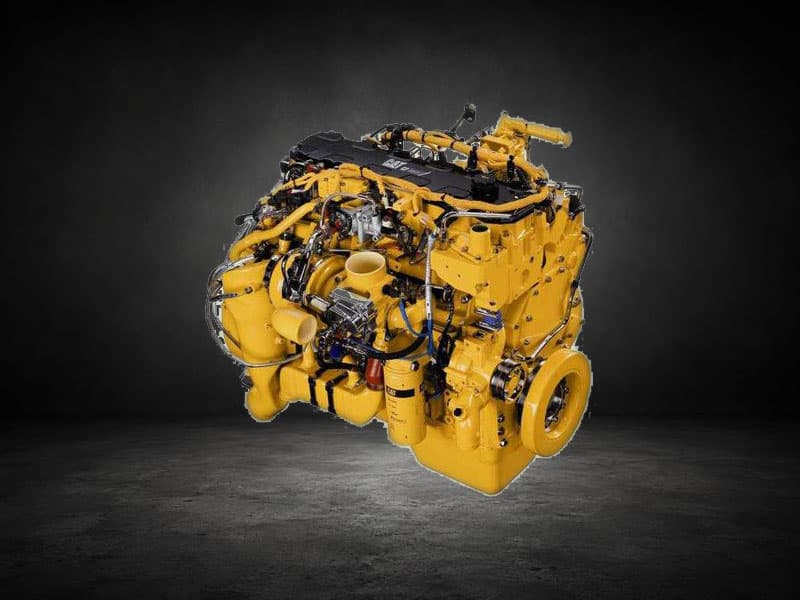
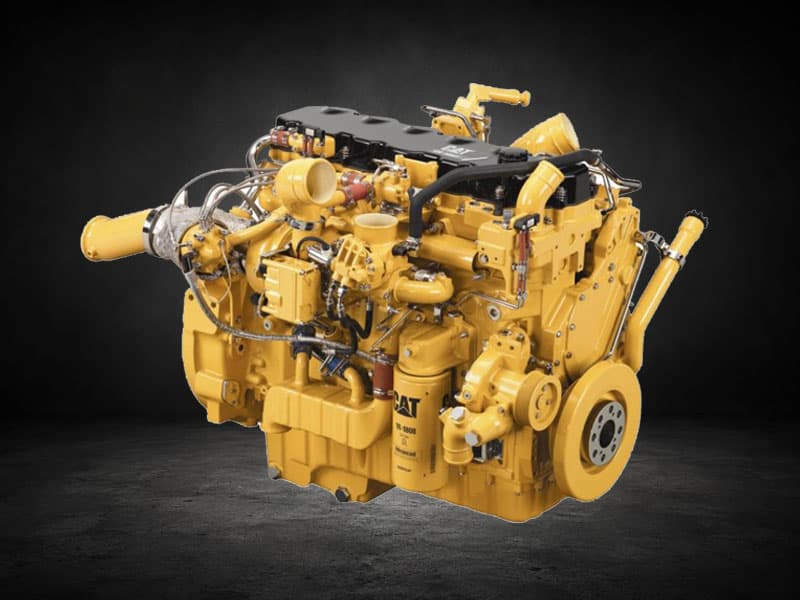
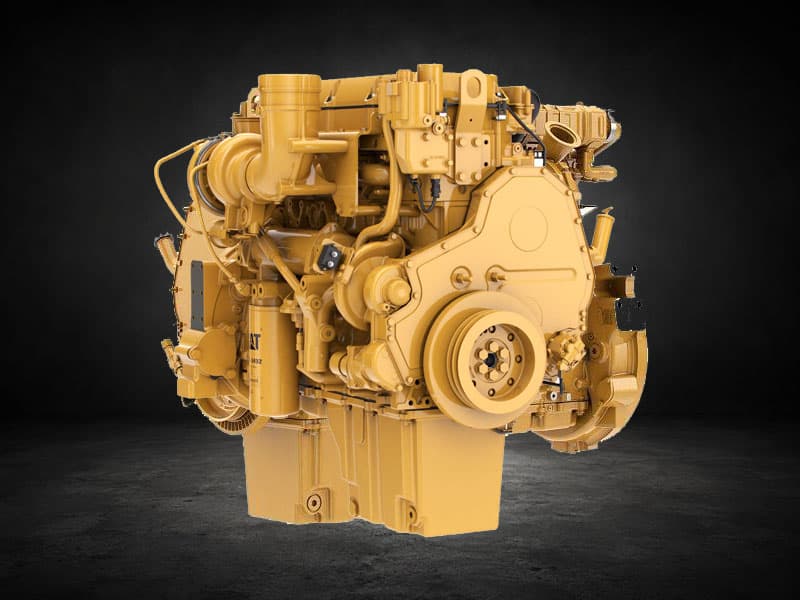
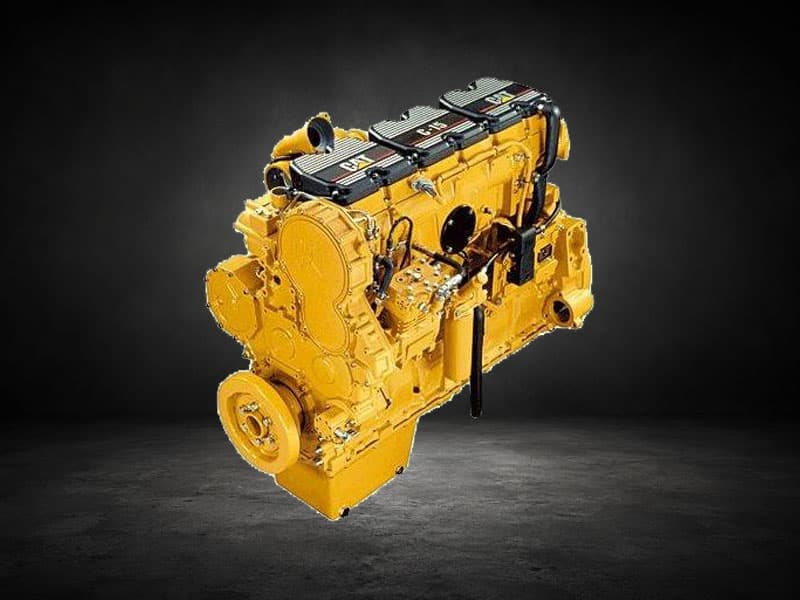
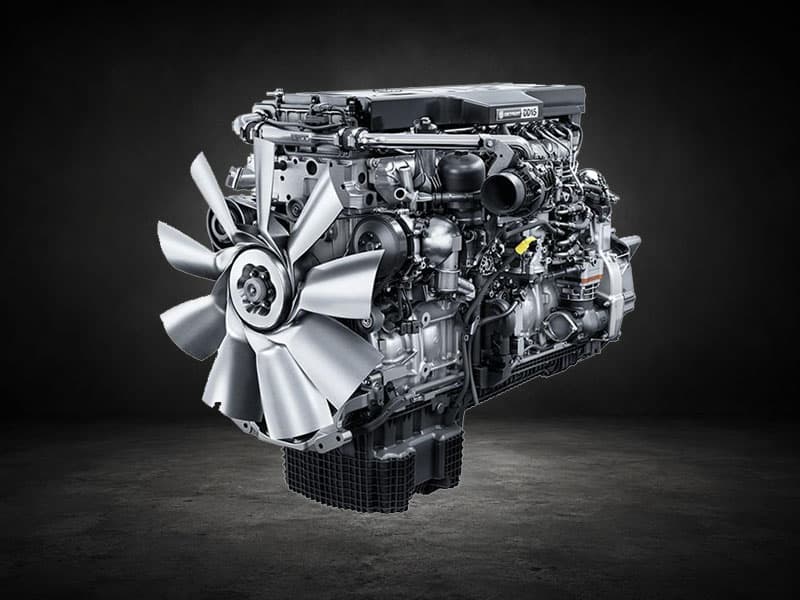
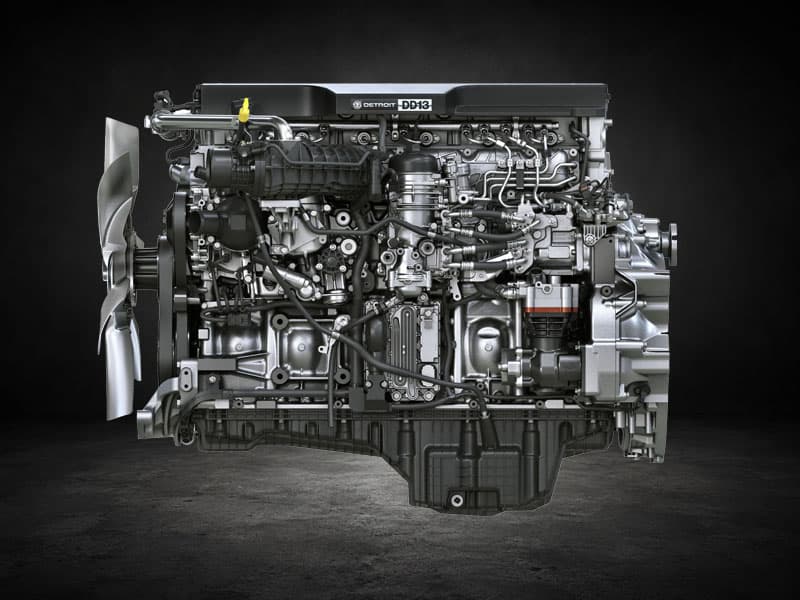
Engine options across the production run include the Detroit DD13 (12.8L) for the heaviest medium-duty applications, the Cummins ISB 6.7 (6.7L) as the most common spec for typical medium-duty use, the Cummins ISC 8.3 (8.3L) on pre-2010 builds for heavier medium-duty work, and various Mercedes-Benz MBE 900 engines on early production runs. Post-2010 builds run full EPA aftertreatment hardware — DPF, SCR, and DEF — which is what drives most of our M2 106 calibration work.
Why M2 106 Trucks End Up On Our Bench
The M2 106 is the platform where the contradiction between EPA 2010 aftertreatment design assumptions and vocational duty cycle reality shows up most clearly. The aftertreatment systems were engineered around the expectation that engines would run sustained highway loads. Medium-duty vocational trucks rarely do that. The result is predictable failure patterns:
Constant active regen on utility and refuse applications. Utility bucket trucks with long PTO sessions, refuse trucks running short routes between stops, and delivery trucks doing urban routes never let the DPF reach the sustained temperature needed for passive regeneration. The ECM commands active regen cycles constantly. The cycles often don't complete because the truck shuts down before the regen finishes. Soot accumulation builds, ash loading reaches the system limit, and derate hits — usually somewhere between 200,000 and 350,000 miles depending on application.
DEF dosing failures aggravated by short routes. DEF dosing valves on M2 106 trucks doing urban delivery or utility work see more thermal cycling than highway tractors. Failure rates climb earlier. Combined with the NOx sensor degradation pattern affecting all post-2010 platforms, M2 106 trucks accumulate emissions fault codes at a steady rate from about 200,000 miles onward.
EGR cooler issues across all engine platforms. Standard pattern across modern diesel platforms. M2 106 trucks running Cummins ISB 6.7 or Detroit DD13 power both develop EGR cooler issues at high mileage, with the heavier DD13 platform showing the pattern earlier on vocational duty.
PTO-related ECM logic issues on utility and fire/EMS applications. Some M2 106 calibrations specifically struggle with extended PTO sessions where the engine is running but the truck isn't moving. ECM logic that expects driving conditions doesn't always handle these patterns cleanly, and the resulting fault codes don't represent real hardware problems — they represent calibration assumptions that don't match the duty cycle.
M2 106 Programming Approaches
Combined DPF + EGR Delete (Off-Road & Export)
For M2 106 trucks dedicated to off-road vocational service — oilfield support, dedicated construction site work, agricultural use, mining support — combined DPF and EGR delete eliminates the source of the recurring aftertreatment costs. Both Cummins ISB/ISC and Detroit DD13 calibration approaches are well-established on the M2 106 platform.
Emissions Recalibration For On-Road Vocational Service
Most M2 106 trucks need to stay legally compliant. For these, we recalibrate after aftertreatment hardware repair — clearing inducement countdowns, resetting DEF dosing parameters, restoring NOx sensor baselines. The hardware stays in place; the calibration gets restored to functional baseline. This is particularly valuable after DEF doser replacement, NOx sensor replacement, or DPF service.
PTO Calibration For Utility And Fire/EMS
For utility bucket trucks, fire apparatus, and similar PTO-heavy applications, we can refine calibrations to better handle the actual operating pattern — long stationary engine runs with high accessory loads. The refinement reduces nuisance faults and improves system stability under the duty cycle the truck actually sees.
Fleet Programming For Municipal And Utility Operations
Municipal fleets, utility cooperatives, fire departments, school districts, and refuse haulers running batches of M2 106 trucks come to us routinely. Fleet pricing applies, NDAs are routine, and scheduling coordinates with the fleet's shop calendar.
Service Paths For M2 106 Programming
All three service paths work for the M2 106. Ship-in is most common for individual operators. Remote programming works for fleet shops with the appropriate diagnostic hardware — Cummins INSITE for ISB/ISC trucks, Detroit DDDL for DD13 trucks. On-site service is available for South Florida fleet customers running multiple M2 106 trucks.
Quotes return same business day. Tell us the year, engine platform, current mileage and fault codes, and the truck's body and application. The right calibration depends on what the truck actually does — refuse, utility, fire, delivery, dump, or mixed vocational.
For utility cooperatives, municipal public works, and fire districts especially — where the truck has to be available when the call comes in — we treat scheduling as part of the service. Programming windows are coordinated with the fleet's slow days so the trucks needed for emergency response stay available throughout the work.