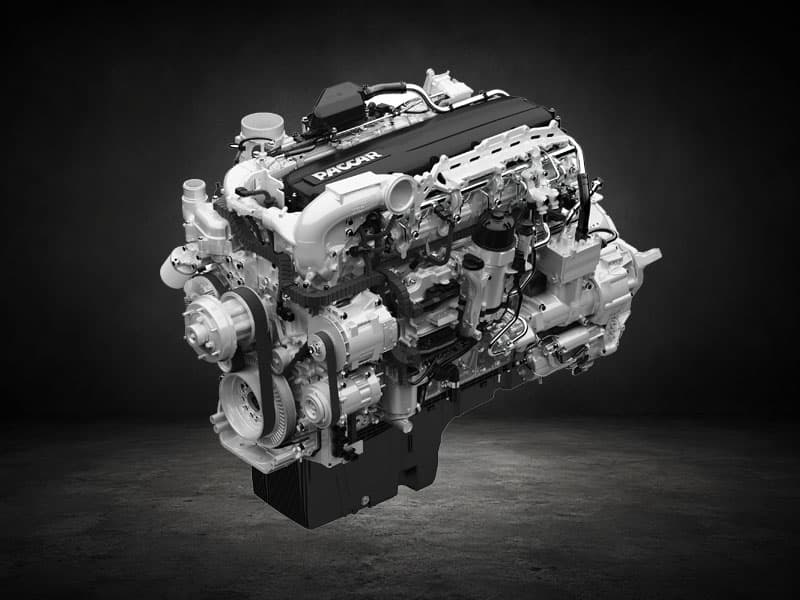
ECM Performance — Diesel ECM Programming
PaccarEngine PlatformMX Series

Paccar MX-13

2013–present

  • Tired of fault codes & derate? Call us now.
  • Stuck in regen failures? We can stop it.
  • 2-3 days from ship-in to back on the road.
  • 10,000+ ECMs across 38 countries.
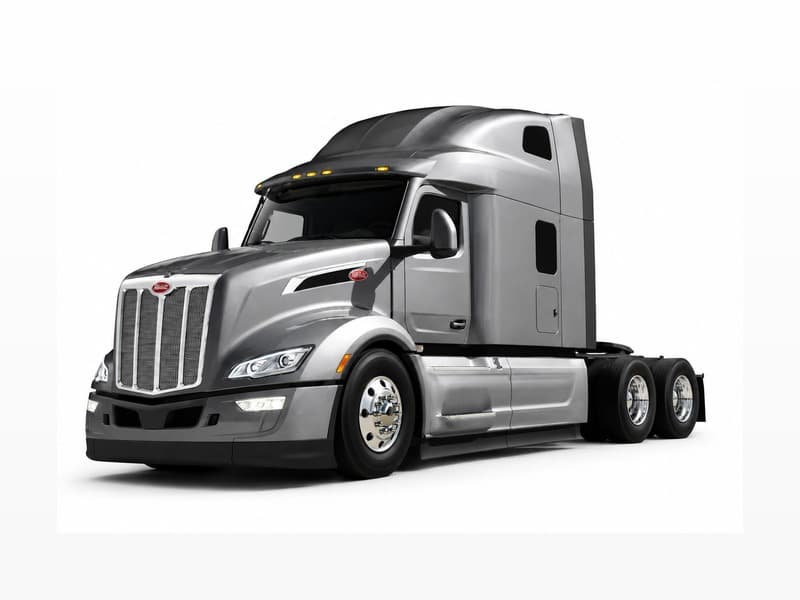
Paccar MX-13 diesel ECM tuning and programming image
Platform Specs
Displacement
12.9L inline-6
Horsepower
405–510 hp
Torque
1,450–1,850 lb-ft
Years Built
2013–present
Known Problem Patterns
  • DPF differential pressure derates
  • DEF doser injector failures
  • EGR cooler coolant intrusion
  • Aftertreatment NOx sensor inducement
  • Limp mode on high-sulfur fuel export markets
  • Turbocharger VTG actuator stuck

PACCAR's Own Flagship

The MX-13 is PACCAR's 12.9-liter in-line six — the flagship engine that finally gave Kenworth and Peterbilt a fully in-house alternative to the Cummins ISX after decades of buying powertrains from a competitor. The engine has European roots through DAF, PACCAR's heavy-truck subsidiary in the Netherlands, and arrived in North American Class 8 trucks in 2013 with EPA 2010 emissions architecture. Power ratings run from 405 to 510 horsepower with torque between 1,450 and 1,850 lb-ft, with most fleet trucks ordered in the 455-485 hp range for the long-haul sweet spot.

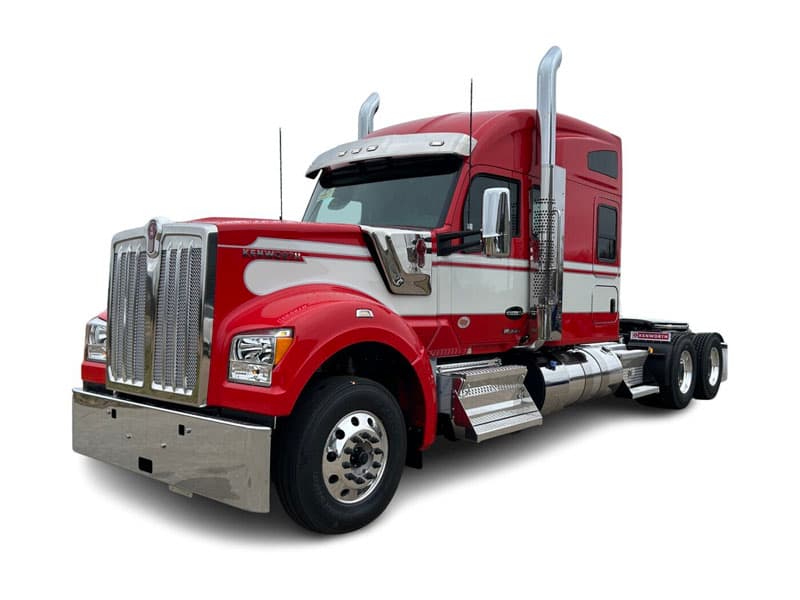
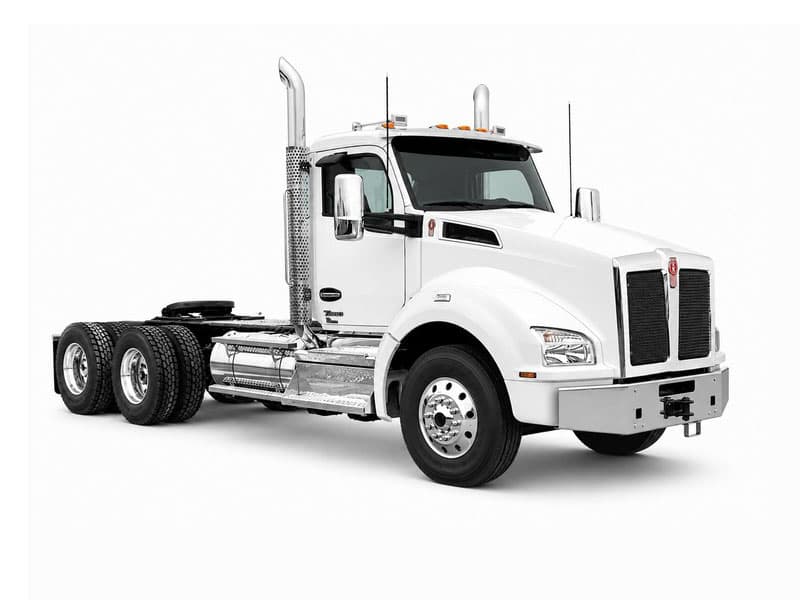
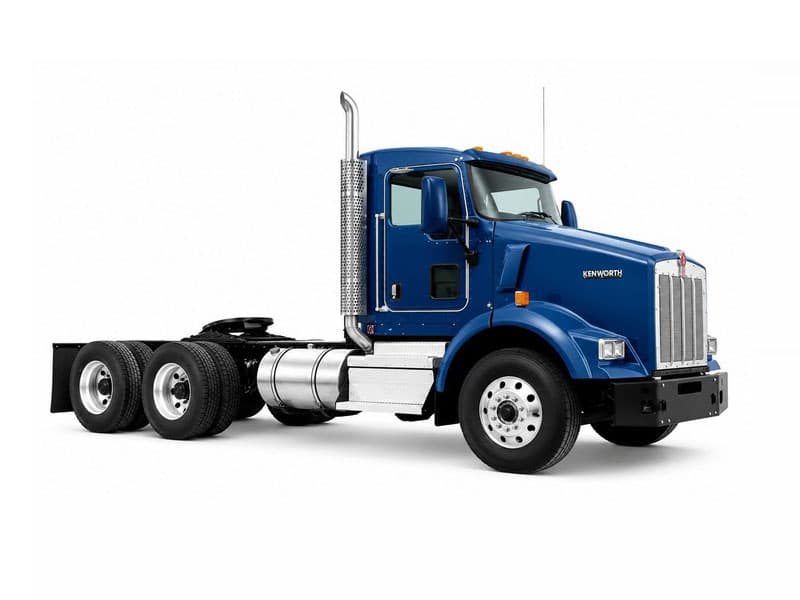
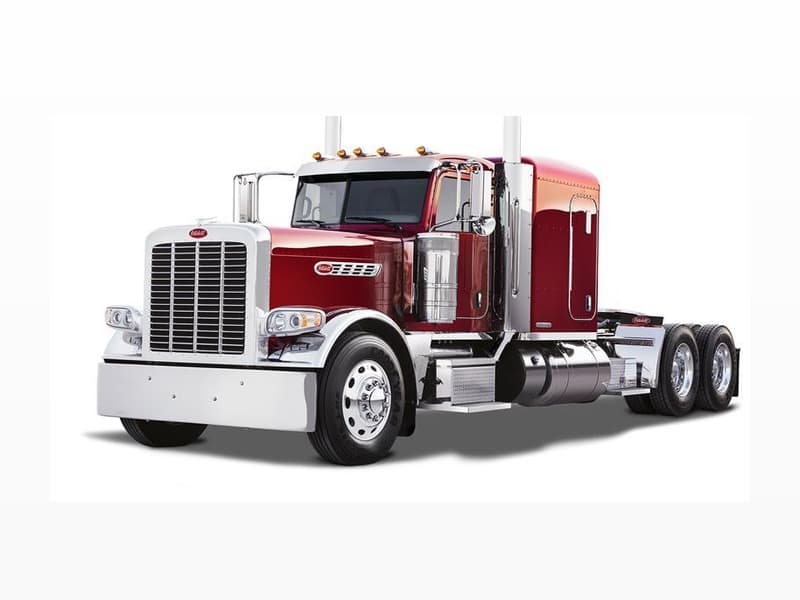
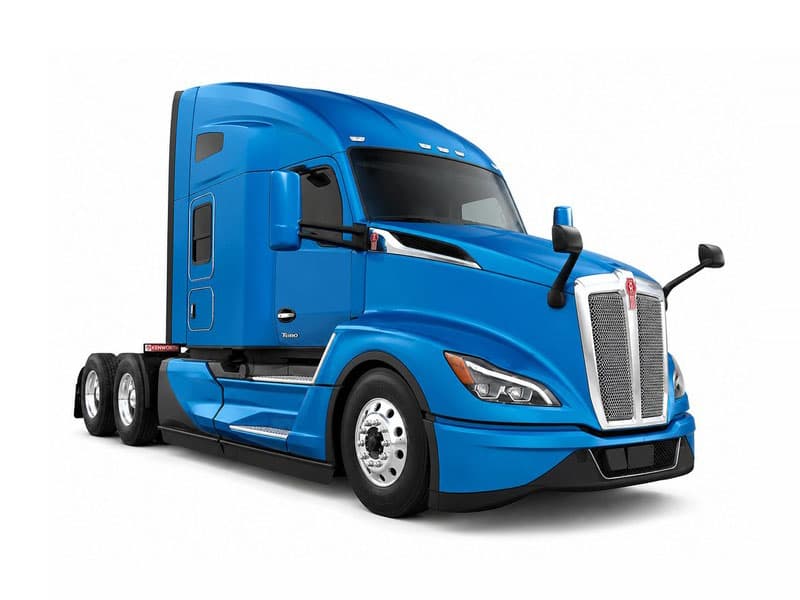
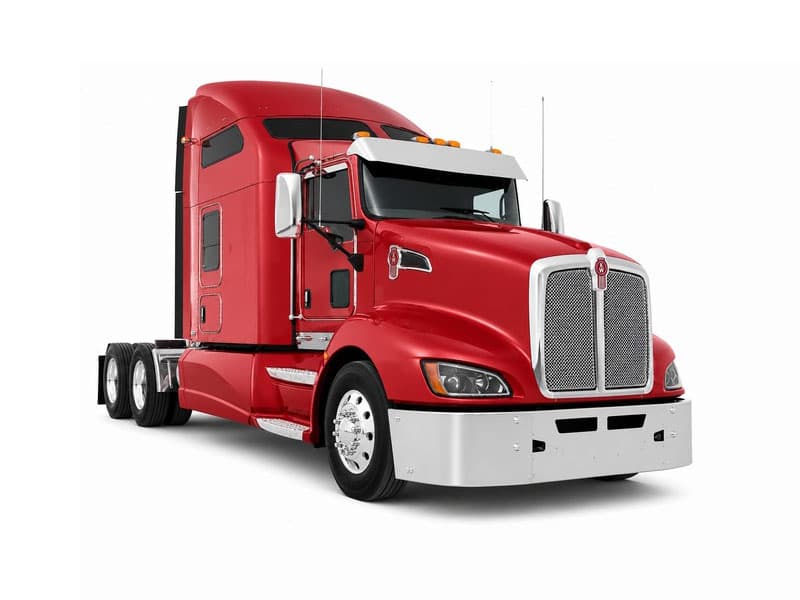
You will find the MX-13 in essentially every modern Kenworth and Peterbilt Class 8 truck — T680, T880, T880S, W990 from Kenworth; 579, 567, 589, 389 from Peterbilt. It dominates PACCAR's brand lineup for highway tractors, vocational trucks, and heavy-haul applications. The smaller MX-11 (10.8L) shares architecture and ECM family with the MX-13 and is sold in the same chassis options at lower ratings.

Why MX-13 Trucks Come To Us

The MX-13's biggest weakness is not the engine block — by all accounts the long-block is robust, well-engineered, and built to European durability standards. The weakness is the aftertreatment integration. Three specific failure patterns drive the bulk of MX-13 programming work:

Intake soot loading — the worst on any Class 8 platform. The MX-13's EGR architecture, combined with its turbocharger sizing and intake geometry, produces more intake-side soot accumulation than any other major heavy-duty diesel. By 400,000 miles, MX-13 intake manifolds often need physical removal and manual cleaning to restore proper airflow. Trucks running short-cycle vocational work see this even faster — 250k miles is not unusual for the first major intake cleaning.

DEF doser injector failures. The DEF dosing injector on the MX-13 has a known degradation pattern around the 300k-mile mark. The valve nozzle clogs from DEF residue or sticks from heat-cycling damage. Result: SPN 3361 / 3362 fault codes, SCR conversion efficiency drops, and the truck builds an inducement countdown.

EGR cooler coolant intrusion. Similar pattern to the Cummins ISX — the EGR cooler develops internal cracks after sustained thermal cycling and leaks coolant into the intake. On the MX-13 this often presents as a slow coolant loss with intermittent fault codes before any visible smoke.

The PACCAR ECM Architecture

MX-13 trucks run a PACCAR-specific ECM that differs in some respects from the Cummins and Detroit families. The diagnostic protocol is still SAE J1939 on the 9-pin connector, but the calibration architecture, file structure, and flashing process are PACCAR-proprietary. Calibration sources and access permissions are tighter than on Cummins platforms, which is one reason MX-13 work is concentrated at fewer independent shops.

We have calibration libraries for all common MX-13 configurations from the 2013 launch through current production, plus the MX-11 sister platform. Programming approaches that work include factory recalibration for emission compliance recovery, performance tuning for application-matched output, and aftertreatment delete for export and off-road. The PACCAR-specific software environment means we typically recommend ship-in or on-site programming over remote sessions for these platforms — remote works but has more failure modes on PACCAR systems than on Cummins.

MX-13 Calibration Work We Do Most Often

Combined DPF + EGR Delete (Export & Off-Road)

The most common MX-13 programming job. EGR delete addresses the intake fouling problem at the source — no EGR commanded, no soot pumped back into the intake. DPF delete eliminates the aftertreatment derate triggers. Combined, these calibrations turn an MX-13 from an aftertreatment-bound truck into a simple, reliable workhorse for export and off-road applications.

Aftertreatment Recalibration (On-Road Compliance)

For on-road trucks that have had aftertreatment hardware replaced (DPF, SCR catalyst, DEF doser), we recalibrate the ECM to clear inducement countdowns, reset learned parameters, and restore normal SCR operation. This is the right path for fleets operating under EPA enforcement that need their aftertreatment system functional, not removed.

Performance Tuning

MX-13s in lower ratings (405-455 hp) have meaningful headroom on stock injectors and turbo. Calibration-only performance work delivers +40 to +80 hp with proportional torque gains while staying within hardware safety envelopes. Best applied to heavy-haul, oilfield, and vocational trucks where the additional power earns its keep daily.

Export-Market Calibration

Used Kenworth and Peterbilt trucks moving to export markets need their MX-13 calibrations adjusted for local fuel quality (often high-sulfur), local emissions standards (often pre-2010 equivalent), and local rating preferences. We handle export calibration work for dealers and brokers regularly.

Common Fault Codes

  • SPN 3251 — DPF differential pressure too high
  • SPN 3361 / 3362 — DEF dosing injector circuit / function fault
  • SPN 4364 — SCR conversion efficiency below threshold
  • SPN 5246 — SCR operator inducement countdown active
  • SPN 411 / 412 — EGR differential pressure sensor circuit
  • SPN 2659 — EGR mass flow incorrect
  • SPN 3216 / 3226 — NOx sensor circuit fault
  • SPN 3719 — Soot load very high

If your MX-13 is throwing any combination of these codes, programming is one solution path worth costing against dealer hardware replacement. Quote turnaround is typically same business day; ship-in programming completes in 2–3 business days.
⏵ Truck down? Fleet stalled?

MX-13 Programming — Talk to a Tech

We've programmed 10,000+ ECMs across the Paccar platform. Tell us your fault codes, year, and application — we'll quote turnaround and method.

Customer Stories

Paccar MX-13 Outcomes

2011 Kenworth T370, 2011 Ford F-750, 2012 Freightliner M2 — bucket / utility fleet
Cummins ISC / ISL

Three weeks of zero limp mode, PTO, or shutdown issues. We made a huge difference in the storm relief — and earned a huge payday.

The Problem

Drove 18 hours into hurricane-stricken Florida with three bucket trucks for emergency power restoration. One truck went into shutdown within days; the other two went into limp mode within a week with PTO failures during sustained bucket operation. Without these trucks operating, the storm-relief contract — and the payday — was at risk.

Outcome

Called ECM Performance at 4:30 PM. Technician drove four hours overnight and arrived before sunrise. Coordinating with off-site team, all three trucks were running perfectly by 2 PM the next day. Three weeks of zero limp-mode, PTO, or shutdown events followed. Storm restoration completed; full payday earned.

Randall K.
Electrical Line Restoration Services — Florida hurricane response
2014 Peterbilt 579
Paccar MX-13

Got the ECM back in a week — including shipping from South Africa to the US and back. 100,000 km later, still running strong.

The Problem

Brand-new 579 with MX-13 power for coast-to-coast South African long-haul. Ongoing derates, check-engine lights, and total shutdowns. Dealer and local service offered only temporary, expensive 'solutions' that didn't hold.

Outcome

Shipped the ECM to Florida from South Africa. Programmed and returned within a week including both-way international shipping. 100,000 km of trouble-free operation since.

Pete Z.
Long-haul trucker — South Africa
Peterbilt 340, Kenworth T300, Sterling Acterra
Cummins 8.3 ISC / Paccar PX-8

After dealer-replacing turbos, EGRs, DPF filters and DOCs without fixing the problem, ECM Performance gave us a real solution. Wish I'd known about them four years earlier.

The Problem

Of 40 vehicles in the construction waste fleet, the 2007–2009 DPF-equipped trucks were the only ones with problems. Constant regen, power de-rate, recurring check-engine codes. Dealer-replaced turbos, EGRs, DPF filters, and DOCs across multiple trucks without resolving the underlying issue. Money pit.

Outcome

Started with one ECM as a test — back in two days, truck now runs better than the day it was bought. Sent the remaining fleet ECMs one at a time. All reprogrammed trucks are back on the jobsite producing revenue.

Chuck Z.
Construction waste service — 40-truck fleet
Nine Peterbilt 340s
Paccar PX-8

Six weeks, no more problems on the reprogrammed trucks. Sending the rest of the ECMs in one at a time.

The Problem

Nine Peterbilt 340 concrete mixers constantly in regen and breaking down. Trucks shut down in PTO, couldn't idle, and went into limp mode mid-pour. Forced to dump full loads of cement when trucks failed in transit. Dealer service couldn't resolve the recurring pattern.

Outcome

Started with two ECMs — back in two days. Six weeks later, zero recurrences. Working through the rest of the fleet one at a time.

Earl O.
Ready-mix concrete delivery — nine-truck fleet
Kenworth T300 dump truck fleet
Paccar PX-8

Both trucks working great. Thanks for the fast service.

The Problem

Heavy idling and PTO duty produced constant DPF problems despite under 20,000 miles per truck. Limp mode, shutdowns, impossible to haul reliably.

Outcome

ECM Performance resolved the DPF pattern across the fleet with fast turnaround.

Charlie G.
Excavation / mining company
Peterbilt 340 dump truck
Paccar PX-8

Customer service, turnaround, and results — all great. Tell your customers not to be afraid of ECM programming.

The Problem

Truck sitting idle through Minnesota winters because the DPF system couldn't handle cold-weather vocational duty. Started with one ECM in November 2012; came back to a working truck for the first time in years.

Outcome

Second ECM programmed in two days — sent Wednesday, back Friday morning. First winter ever the fleet ran without DPF-related problems.

Mark T.
Gravel company — Minnesota
2007 Peterbilt 335 feed truck
Cummins ISB 6.7L / Paccar PX-6

My advice to anyone reading this: the sooner you do this, the better off you'll be.

The Problem

Limping, constant regen, repeated shutdowns. Couldn't feed the herd without fighting the truck. Followed customer testimonials from the ECM Performance email updates for eight months before finally sending in the ECM.

Outcome

Got the ECM back in two days, reinstalled, removed the DPF. Truck works great. PTO for the feeder works without a hitch.

Ted
Cattle farmer
2010 Kenworth T370 service truck
Cummins ISC

Like magic. No more codes or problems. Wish we knew about this a year ago.

The Problem

Constant regen cycles, power de-rates, and recurring fault codes for DPF / crankcase pressure (codes 0555, 1881, 1883). Replacing the crankcase filter every 100+ hours to clear errors. Unburned regen fuel pushing past piston rings into crankcase — classic pattern for service-truck duty cycle.

Outcome

Reprogrammed ECM + DPF removal. Like magic, no more codes or problems. Wish we'd known a year ago.

Harold J.
Field equipment service — logging industry
2009 Kenworth T370 dump truck
Cummins ISC 8.3L 330HP

Highly recommend ECM Performance to anyone experiencing DPF-related issues.

The Problem

Only 1,700 hours but constant DPF-related limp modes. Cummins Insite forced regens at the dealer held for 15-18 hours before relapsing. PTO duty cycle fought the calibration. Older 2006-and-earlier trucks with no DPF had no problems.

Outcome

ECM shipped, returned in two days. 100+ hours of trouble-free operation since.

Department of Parks fleet manager
Municipal Roadway Maintenance — blacktop & gravel delivery
Kenworth T-300 farm truck — 500,000 km
Cummins ISC

I'm telling everyone about you guys.

The Problem

Second ECM sent to ECM Performance after the first repair held up. T-300 in limp mode, no boost pressure on acceleration, recurring red and amber check-engine lights.

Outcome

Lightning-fast turnaround. T-300 now running as great as the Peterbilt 340 from the previous order.

Mike K.
Farmer
Peterbilt 330 — 120K miles
Cummins ISC / Paccar PX-8

In two days, ECM Performance did what the dealer couldn't do in two weeks or two years.

The Problem

Recurring engine problems even after the dealer kept the truck for two weeks at a $3,500 cost. Truck ran for three days, then started flashing engine problems again. Barely running by week's end.

Outcome

Overnighted ECM. ECM Performance did in two days what the dealer couldn't do in two weeks — or two years.

Jose M.
Waste removal
Peterbilt 335 box truck — 80,000 miles
Paccar PX-8

You can't remove the DPF without reprogramming the truck's ECM. Big thanks to Jim and the fellas at ECM Performance.

The Problem

Constant limp mode from dirty DPF. Removed the DPF first without reprogramming the ECM — truck ran great briefly, then stopped running flat. Cummins dealer pointed to ECM Performance for the calibration work.

Outcome

ECM back in a few days. Plugged back in, truck fired right up and runs great.

Rudy J.
Dairy farmer
2008 Peterbilt 335 roll-off — 140,000 miles
Cummins ISC 8.3

Better than a brand new truck. After dozens of dealer visits over 140,000 miles, ECM Performance solved it in three days.

The Problem

Constant idle and slow-speed operation on construction sites. Replaced turbo, VGT actuator, two DPF filters across dozens of dealer visits over 140,000 miles. Shutdown, reduced power, never running properly.

Outcome

ECM shipped, returned in three days. Truck now runs better than the day it was bought — better than brand new.

Jessie C.
Construction sites
2008 Kenworth T300 service truck — 84,000 miles
Cummins ISC

Eight months with no problems. Rock solid reliable. Fuel consumption is down with more power.

The Problem

Replaced turbo and DPF filter. Couldn't idle, recurring shutdowns, limp mode every few days. Service tech directly identified the DPF filter as the source and recommended ECM Performance.

Outcome

Eight months of rock-solid reliability since reprogramming. Lower fuel consumption with more power.

Roy S.
Farm
Four 2009 Peterbilt 335 propane tank trucks
Paccar PX-8

Four trucks on the road all winter long earning money instead of costing us hard dollars out of pocket.

The Problem

$25,000+ in uncovered repair bills and towing charges across four trucks, all DPF-related. Only ran right on the 40-mile drive back from the Cummins dealer. Ready to sell the fleet at a loss.

Outcome

ECMs reprogrammed. All four trucks ran an entire winter on the road earning money instead of costing money.

Scott P.
Propane delivery
2009 Kenworth T300 water tank truck — 120,000 miles
Cummins ISC

Idles and sprays water all day with no problems. Now we stay on the job site making money instead of costing money.

The Problem

Water truck used for dust control on excavation sites. Dealer told us to take it on the highway for two hours to complete regen — except the truck is jobsite equipment, not a highway tractor. Constant shutdowns.

Outcome

ECM returned in 2-3 days. Truck now idles and sprays water all day without problems. Crew and truck stay on the job site producing revenue.

Cory K.
Excavating company
2009 Peterbilt 386 — 50,000 miles
Caterpillar C15

I wish we'd known about you guys a year ago. I would have saved a lot of money and had a running truck.

The Problem

DPF wouldn't clean, recurring stop-engine and check-engine lights, de-rates, limp modes, and shutdowns — at only 50,000 miles. Dealer mechanic referred us to ECM Performance.

Outcome

Reprogrammed ECM installed three days after ordering. No more problems.

Hector P.
Agriculture / Farming — Mexico City, Mexico
Three Peterbilt 337 mine service trucks — under 100 service hours each
Paccar PX-8

Trucks run with no problem, no engine codes, and the PTO mode runs great. Professional and quick service.

The Problem

Brand-new mine service trucks wouldn't run on local Congolese diesel fuel. DPF aftertreatment incompatible with available fuel quality. DEF fluid not easy to source in the Congo. Removing the DPF without reprogramming wouldn't let the trucks start.

Outcome

ECMs overnighted from Congo to Florida and back in a week. Mechanic reinstalled, removed DPF DOC and SCR internal elements. Trucks run with no problems and no engine codes; PTO mode runs great.

Randy M.
Mining company — Republic of Congo
2011 Kenworth T800
Caterpillar C13 ACERT

Idles all day and night without a problem. No more EGR or DPF problems.

The Problem

Certified pre-owned T800 in oilfield service with 24/7 idle and slow-speed operation. Almost immediate EGR valve failures and clogged DPF filter. Two dealer regens didn't hold. Another vendor on the job site referred ECM Performance.

Outcome

Shipped ECM, back in three days. No more EGR or DPF issues. Idles all day and night without a problem.

Caleb G.
Pipeliner services — oilfield operations
⏵ Truck down? Fleet stalled?

Get Your MX-13 Off The Dealer Hamster Wheel

Same-day quotes. 2–3 day ship-in turnaround. Remote programming worldwide. Fleet and dealer pricing available.

CallQuoteTicket