ECM Performance — Diesel ECM Programming
ServiceOff-Road & Export

Performance Tuning

OEM tunes are conservatively detuned for warranty and emissions — not for your fleet's actual duty cycle, gearing, or payload.

Available For
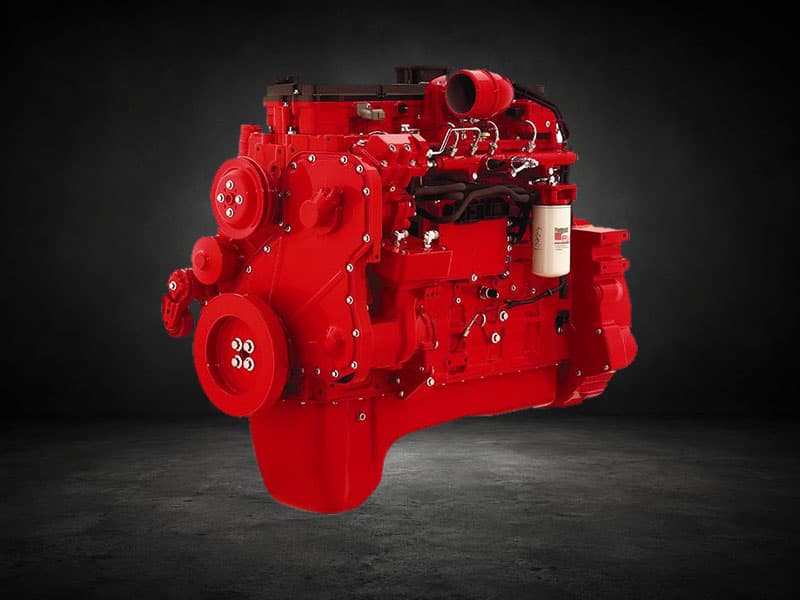
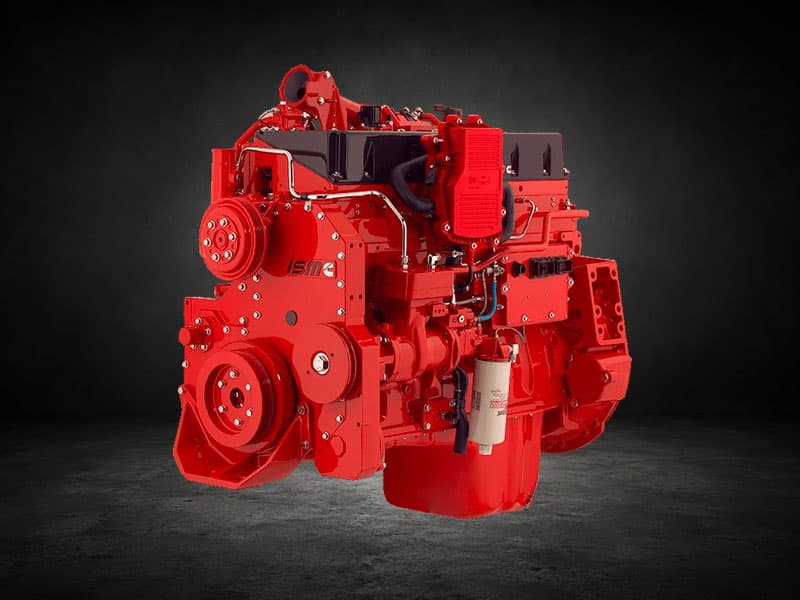
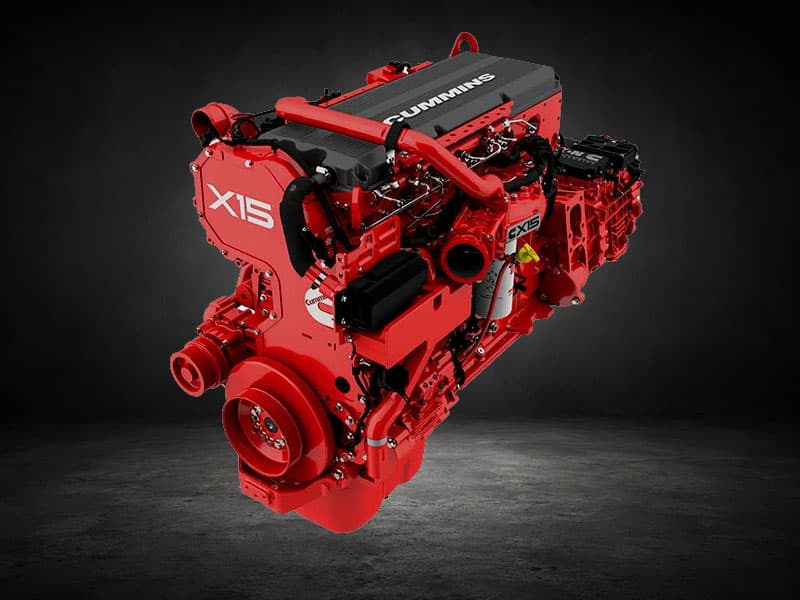
cummins▸ Supported
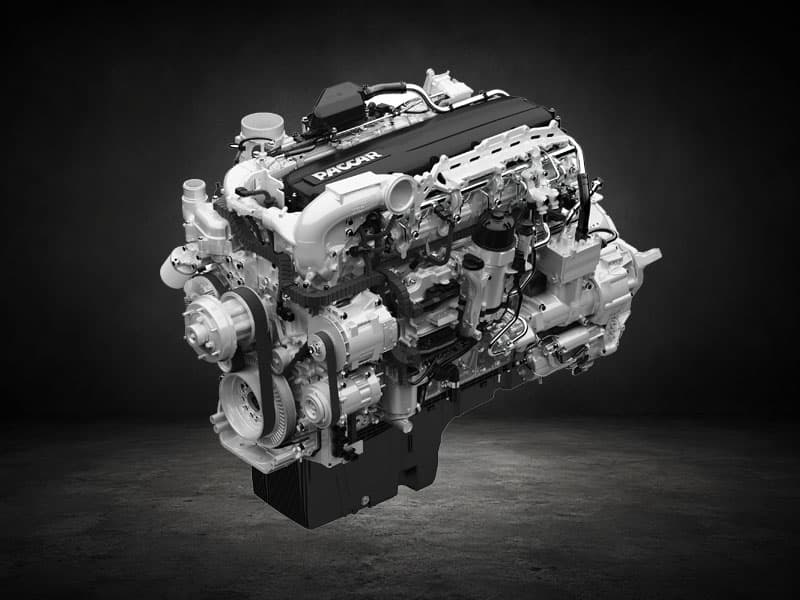
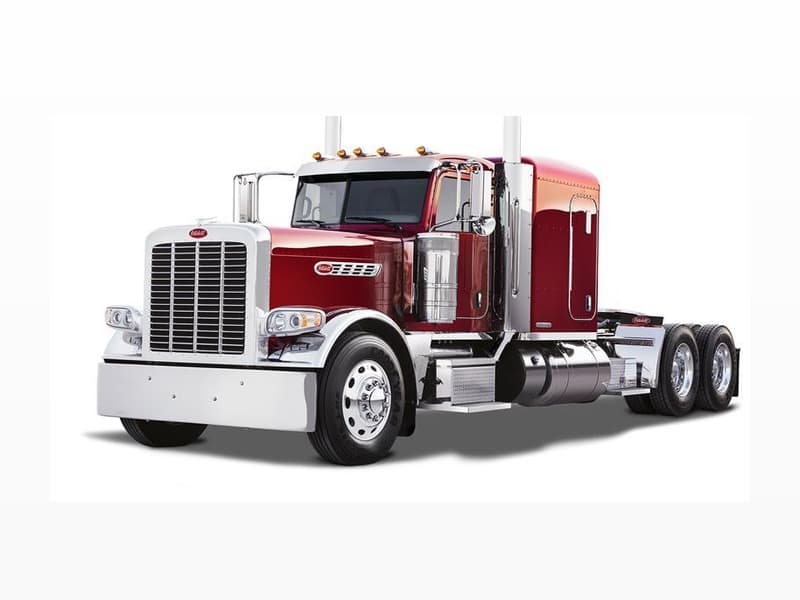
paccar▸ Supported
maxxforce▸ Supported
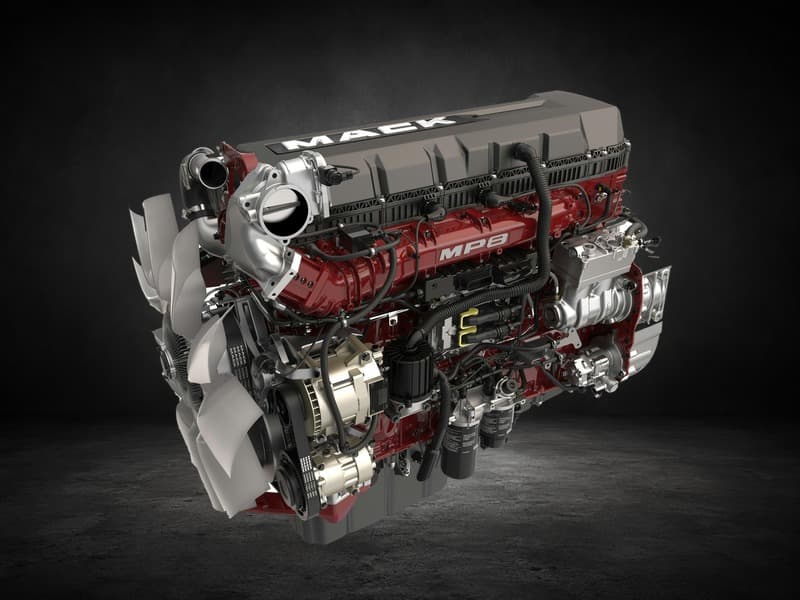
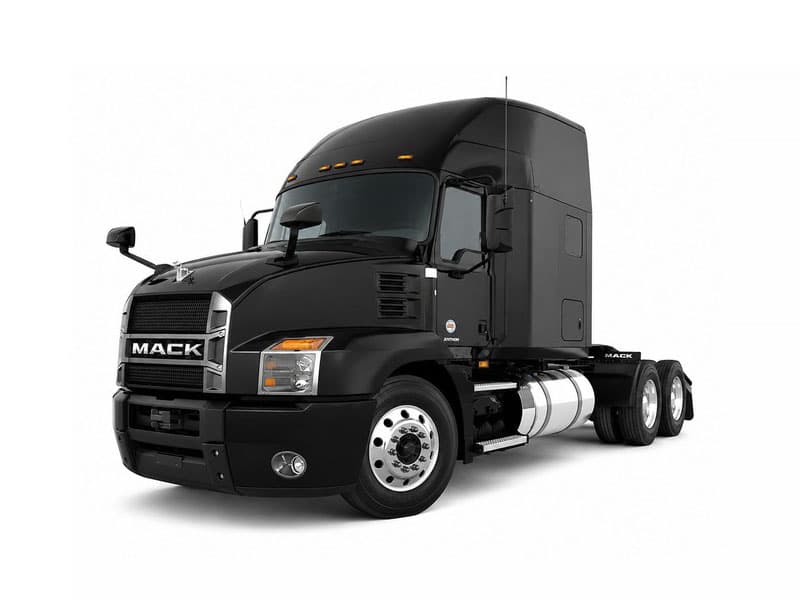
mack▸ Supported
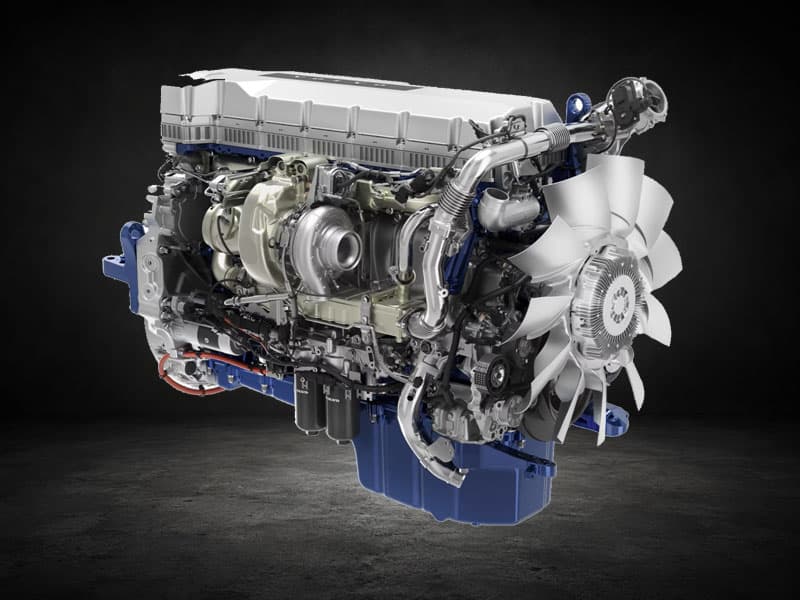
volvo▸ Supported
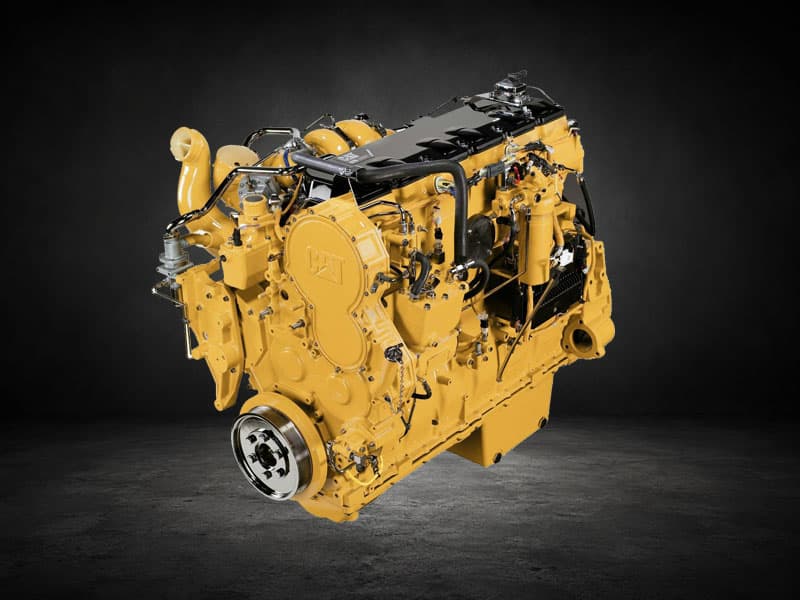
cat▸ Supported

What Performance Tuning Actually Means

Performance tuning is calibration work focused on the engine's power, torque, and throttle response — not its emissions hardware. The injectors, the turbo, the cooling system, and the rotating assembly stay the way the factory built them. What changes is the fuel map, the timing map, the boost target map, and the rev limiter. The result is an engine that produces more usable power, often more efficiently, within the mechanical limits of the hardware you already own.

Stock diesel calibrations are conservative on purpose. Manufacturers have to satisfy warranty obligations, EPA constraints, fuel economy ratings for the marketing brochure, and the lowest-common-denominator buyer who never asks more of the engine than highway cruise. You bought the truck because of what it can do at the upper end of its capability — and that upper end is rarely what the factory calibration delivers.

What Performance Tuning Can Deliver

On a typical modern heavy diesel, calibration-only performance work delivers measurable, repeatable gains:

  • +50 to +150 horsepower over stock, depending on platform and starting rating
  • +150 to +400 lb-ft of torque in the working RPM range
  • Improved throttle response and reduced turbo lag at low RPM
  • Higher rev limiter where the platform supports it
  • Fuel economy gains in some applications — counterintuitive but real when the calibration matches the load profile better than the factory map
  • Smoother power delivery under variable load (PTO work, hill cruise, heavy-haul start-ups)

Numbers depend heavily on the platform, the starting calibration, and what the customer wants from the truck. We do not promise a fixed horsepower bump — we promise a calibration matched to your application, with the actual gains documented before and after.

Reliability Considerations

Performance tuning done carelessly damages engines. The reason it has a bad reputation in some corners of the industry is that aggressive tunes load injectors past their design margin, push EGTs above safe limits, and ignore the long-tail wear effects of higher cylinder pressure. We do not do that work.

Responsible performance tuning means understanding the mechanical limits of the platform you are tuning. The injectors have a duty-cycle limit. The turbo has a maximum boost ceiling. The pistons have a peak cylinder pressure they can survive long-term. The cooling system has a thermal capacity. Calibrations that push any of these past their safe envelope are not performance tunes — they are warranty claims waiting to happen.

Our tunes target the meat of the curve where the engine is happiest. Power and torque adjustments stay within OEM hardware margins. EGTs stay within safe operating range under full load. Boost targets stay below where the turbo wastegate has to fight the calibration. Result: more usable power that the truck can actually deliver every day, every load, for the next 500,000 miles.

Application-Specific Tuning

The right tune depends entirely on what the truck does for a living. We tune differently for different applications:

Heavy-Haul And Oversize Loads

Heavy-haul trucks need maximum sustained torque in the 1100–1600 RPM range and minimum derate sensitivity under continuous high load. Calibrations emphasize broad torque plateaus and forgiveness of EGT spikes during start-ups and grade work.

Vocational PTO Work

Refuse, fire/EMS, utility, and concrete trucks spend most of their working life with the truck stationary and the engine running PTO accessories. Calibrations adjust idle behavior, PTO setpoints, and fast-idle response to match the actual duty cycle.

Off-Road And Oilfield

Oilfield service trucks, frac pumps, and off-road equipment need broad usable powerbands and tolerance for extended high-load operation. We typically pair performance tuning with aftertreatment removal on these platforms.

Highway Tractor With Fuel Economy Focus

Fleet long-haul tractors benefit from calibrations optimized for sustained 1450–1600 RPM cruise at GCW. The right calibration can return measurable fuel economy improvements over stock — typically in the 0.3–0.7 MPG range, which adds up fast over a fleet's annual mileage.

What We Need From You

To build the right calibration we need to know how the truck actually works:

  • Engine make, model, ECM family, current calibration ID
  • Truck application — what it pulls, what it pulls it through, how hard, how often
  • Current power and torque ratings, and what you want to end up with
  • Any non-stock hardware modifications (turbo, injectors, exhaust)
  • Your fuel economy and durability priorities relative to peak power

Same-day quotes on most platforms. Programming typically completes in 2–3 business days via ship-in, in 1 to 3 hours via remote session, or on-site for South Florida fleets.

How Stock Calibrations Get The Compromise Wrong

Factory calibrations are written for a single rating, a single emissions year, and a single duty cycle assumption. The same engine block, the same injectors, the same turbo can be sold in three or four different horsepower ratings by changing only the calibration. That tells you most of what you need to know about how much margin is sitting in the software waiting to be unlocked. The hardware is the same; the calibration is what defines what the truck can do.

What it also tells you is that the higher ratings out of the same factory are not pushing the hardware past its safe envelope — those higher-rated trucks pull the same loads for the same number of miles as the lower-rated ones. The difference is calibration. Performance tuning matches your truck to the rating it could have had from the factory if the spec sheet had been different on order day.
⏵ Truck down? Fleet stalled?

Ready To Schedule Performance?

Get a same-day quote, run a remote programming session, or ship your ECM to Fort Lauderdale. Worldwide service, fleet and dealer pricing on request.

Customer Outcomes

Real Results From Performance

2011 Kenworth T370, 2011 Ford F-750, 2012 Freightliner M2 — bucket / utility fleet
Cummins ISC / ISL

Three weeks of zero limp mode, PTO, or shutdown issues. We made a huge difference in the storm relief — and earned a huge payday.

The Problem

Drove 18 hours into hurricane-stricken Florida with three bucket trucks for emergency power restoration. One truck went into shutdown within days; the other two went into limp mode within a week with PTO failures during sustained bucket operation. Without these trucks operating, the storm-relief contract — and the payday — was at risk.

Outcome

Called ECM Performance at 4:30 PM. Technician drove four hours overnight and arrived before sunrise. Coordinating with off-site team, all three trucks were running perfectly by 2 PM the next day. Three weeks of zero limp-mode, PTO, or shutdown events followed. Storm restoration completed; full payday earned.

Randall K.
Electrical Line Restoration Services — Florida hurricane response
2014 Peterbilt 579
Paccar MX-13

Got the ECM back in a week — including shipping from South Africa to the US and back. 100,000 km later, still running strong.

The Problem

Brand-new 579 with MX-13 power for coast-to-coast South African long-haul. Ongoing derates, check-engine lights, and total shutdowns. Dealer and local service offered only temporary, expensive 'solutions' that didn't hold.

Outcome

Shipped the ECM to Florida from South Africa. Programmed and returned within a week including both-way international shipping. 100,000 km of trouble-free operation since.

Pete Z.
Long-haul trucker — South Africa
Peterbilt 340, Kenworth T300, Sterling Acterra
Cummins 8.3 ISC / Paccar PX-8

After dealer-replacing turbos, EGRs, DPF filters and DOCs without fixing the problem, ECM Performance gave us a real solution. Wish I'd known about them four years earlier.

The Problem

Of 40 vehicles in the construction waste fleet, the 2007–2009 DPF-equipped trucks were the only ones with problems. Constant regen, power de-rate, recurring check-engine codes. Dealer-replaced turbos, EGRs, DPF filters, and DOCs across multiple trucks without resolving the underlying issue. Money pit.

Outcome

Started with one ECM as a test — back in two days, truck now runs better than the day it was bought. Sent the remaining fleet ECMs one at a time. All reprogrammed trucks are back on the jobsite producing revenue.

Chuck Z.
Construction waste service — 40-truck fleet
2010 Kenworth T370 service truck
Cummins ISC

Like magic. No more codes or problems. Wish we knew about this a year ago.

The Problem

Constant regen cycles, power de-rates, and recurring fault codes for DPF / crankcase pressure (codes 0555, 1881, 1883). Replacing the crankcase filter every 100+ hours to clear errors. Unburned regen fuel pushing past piston rings into crankcase — classic pattern for service-truck duty cycle.

Outcome

Reprogrammed ECM + DPF removal. Like magic, no more codes or problems. Wish we'd known a year ago.

Harold J.
Field equipment service — logging industry
2008 Ford F-650 dump truck
Cummins ISB 6.7

Very happy with the programming, turnaround time, and support. Would definitely recommend.

The Problem

DPF problems across F-450 and F-550 fleet drove the decision to proactively program the low-mileage F-650 before issues arose. Removed DPF ceramics, reattached empty canister.

Outcome

Overnighted ECM, took 20 minutes to remove and reinstall. One missed connector caused a check engine light; ECM Performance support diagnosed it via blink-code pattern. Power and torque increase noticeable.

Steve K.
Landscaper
2008 Sterling Acterra — 36,000 miles
Mercedes-Benz MBE 900 / Cummins ISC

With no DPF, this truck runs better than ever. We feel confident to send it anywhere, anytime.

The Problem

In two years of ownership: DPF filter replaced, plus injectors, turbo, EGR cooler — all DPF-driven. Worried about post-warranty reliability for long hauls. When the DPF was finally removed, the ceramic elements were cracked and crumbling; catalytic converter elements melted.

Outcome

ECM Performance reprogrammed. With DPF removed, truck now runs better than ever and can run long hauls confidently.

Barry K.
Septic service
2008 Peterbilt 335 roll-off — 140,000 miles
Cummins ISC 8.3

Better than a brand new truck. After dozens of dealer visits over 140,000 miles, ECM Performance solved it in three days.

The Problem

Constant idle and slow-speed operation on construction sites. Replaced turbo, VGT actuator, two DPF filters across dozens of dealer visits over 140,000 miles. Shutdown, reduced power, never running properly.

Outcome

ECM shipped, returned in three days. Truck now runs better than the day it was bought — better than brand new.

Jessie C.
Construction sites
2008 Kenworth T300 service truck — 84,000 miles
Cummins ISC

Eight months with no problems. Rock solid reliable. Fuel consumption is down with more power.

The Problem

Replaced turbo and DPF filter. Couldn't idle, recurring shutdowns, limp mode every few days. Service tech directly identified the DPF filter as the source and recommended ECM Performance.

Outcome

Eight months of rock-solid reliability since reprogramming. Lower fuel consumption with more power.

Roy S.
Farm
2008 Sterling bucket truck — 900 miles, 540 service hours
Cummins ISC

Flew in with the ECM, had it back the same day. Best money we ever spent.

The Problem

Auction-purchased bucket truck with reduced power in PTO mode from the start. Only 300 additional miles before the truck died completely.

Outcome

Flew the ECM to Fort Lauderdale, programmed and returned same day. Truck started right up back in Panama City. Now at 8,000 miles with better than full power.

Robert S.
Panama City, Panama
⏵ Truck down? Fleet stalled?

Get Your Truck Back On Revenue Routes

Tell us about your truck or fleet. We'll quote turnaround time, pricing, and the right service path — ship-in, remote, or on-site.

CallQuoteTicket