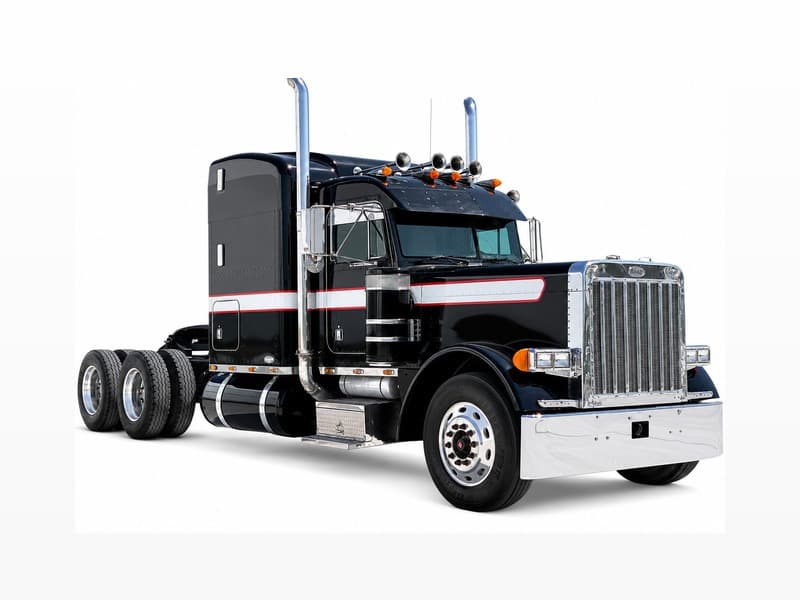
The Workhorse — Cummins ISX
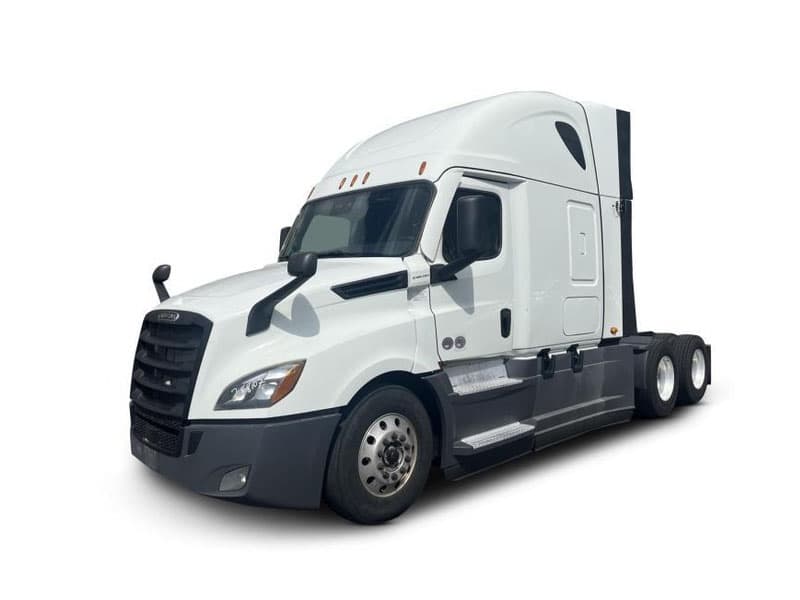
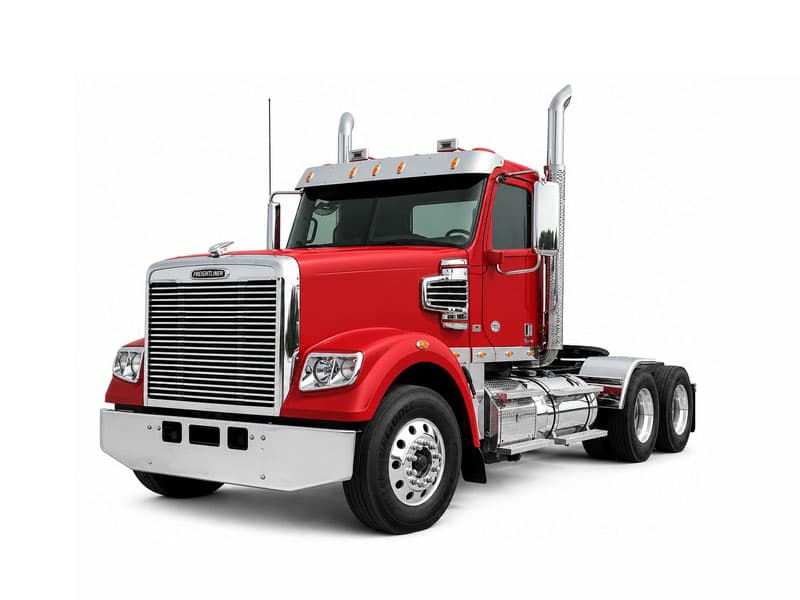
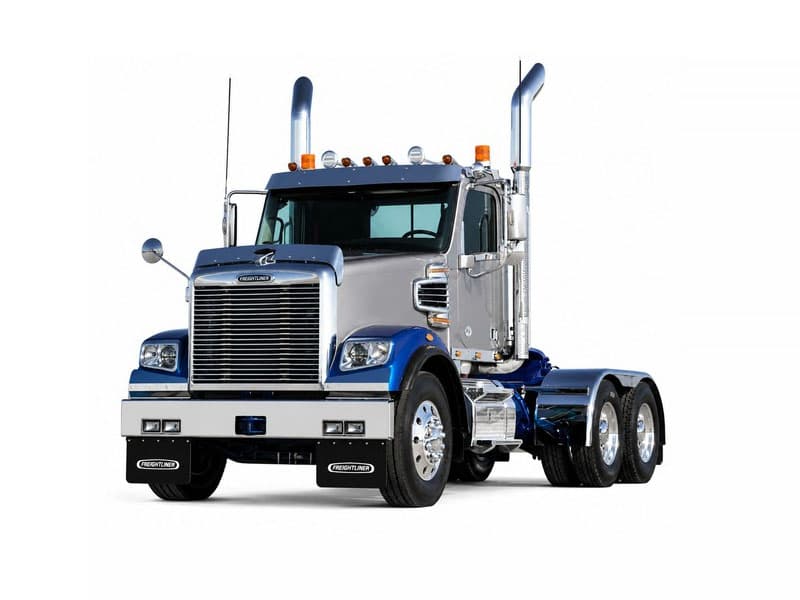
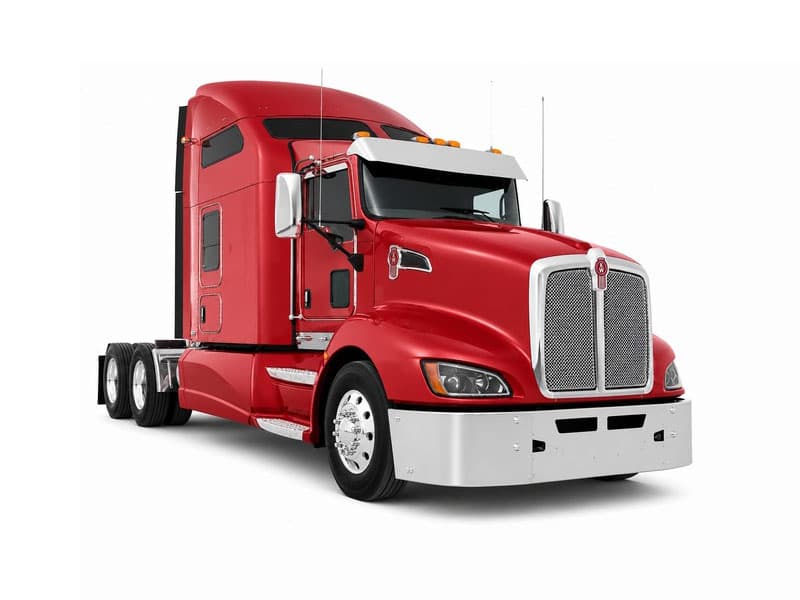
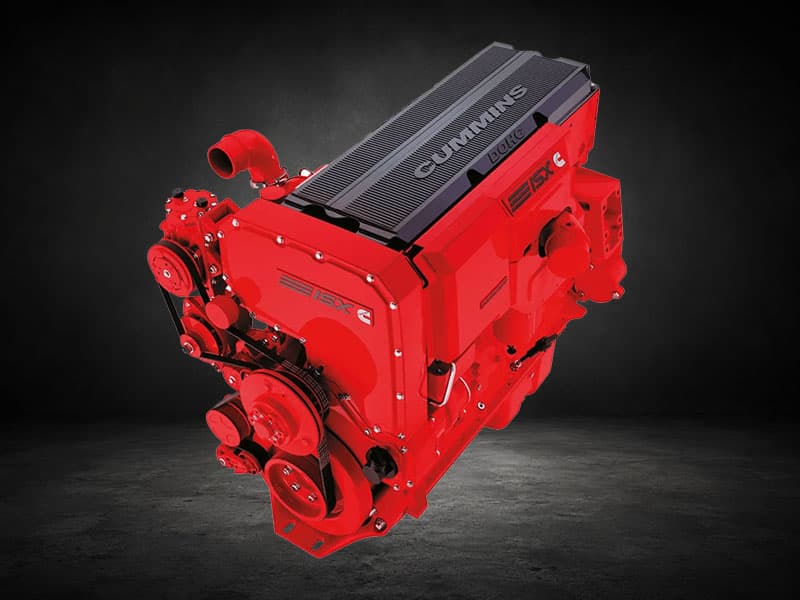
For most of the 2010s, the Cummins ISX was the dominant heavy-duty diesel on North American highways. Two displacements — ISX-15 at 15.0 liters and ISX-12 at 11.9 liters — covered nearly every Class 8 application from highway tractor to vocational vehicle to oilfield service. Power ranges from 385 to 600 horsepower with peak torque up to 2,050 lb-ft. Production ran from 2010 through the 2016/2017 transition to the X15 platform, though many fleets still operate ISX trucks built before and after the 2010 EPA shift.
The ISX's longevity is the reason fleets still call us about these engines years after Cummins stopped producing the platform. Trucks built between 2010 and 2016 are now somewhere between 600,000 and 1.5 million miles on the original engine — well past the point where aftertreatment hardware starts failing predictably and the dealer's preferred answer is "trade it in." Calibration work on these platforms is often the highest-ROI maintenance decision a fleet can make.
Pre-2010 Versus Post-2010 ISX Architecture
ISX architecture changed dramatically with the 2010 EPA emissions transition. Understanding which version your truck has shapes the calibration approach:
Pre-2010 ISX (2007–2009). These trucks run a DPF and DOC but no SCR or DEF system. No urea tank, no NOx sensors, no SCR catalyst. Calibration work is simpler and the failure modes are limited to DPF clogging and EGR-related issues. CM871 ECMs are dominant.
Post-2010 ISX (2010–2016). Adds the full SCR/DEF system on top of the existing DPF. The failure surface increases substantially — now DEF dosing, NOx sensors, SCR catalyst efficiency, and DEF quality all contribute potential derate triggers. Most CM2250 ECMs are post-2010 trucks.
Late ISX (2014–2017). Refined calibrations and revised aftertreatment hardware, but still the same fundamental architecture. CM2350 first appeared on some late ISX-15 builds before becoming standard with the X15 transition.
The Famous EGR Cooler Failure
The ISX-15's most expensive single failure mode is EGR cooler degradation. The cooler is a heat exchanger that lowers EGR gas temperature before it re-enters the intake. Under repeated thermal cycling, the cooler's internal tubes develop micro-cracks. Once cracked, coolant seeps into the intake stream. Symptoms progress predictably: white smoke from the stacks, slowly dropping coolant level with no visible external leak, fouled intercooler, eventually a sudden coolant geyser into the intake and hydraulic-lock damage to the engine.
Dealer replacement of an ISX EGR cooler runs four to six thousand dollars depending on the year and rating. For trucks past 500,000 miles, replacement is often the bridge to the next failure — and the cooler that just got replaced will fail again within 200,000 to 300,000 miles on the same duty cycle.
For export and off-road trucks, EGR delete eliminates the cooler from the system permanently. The cooler is blocked off, the intake is sealed, and the ECM is reprogrammed to stop commanding EGR operation and stop expecting EGR-related sensor data. The same calibration also addresses the secondary EGR-related faults that often appear in the months before cooler failure — fault codes 1879, 1991, 2349, and 2387 all touch the EGR architecture.
ECM Families Across The ISX Generation
Different ISX trucks run different ECMs depending on year. We program all of them:
- CM870 — Pre-2007 ISX trucks. EUI (electronic unit injectors). Different calibration architecture from later generations.
- CM871 — 2007–2009 ISX with DPF but no SCR. Most common on early-emissions ISX-15 trucks.
- CM2150 — Lower-displacement ISX-12 platform and some ISL applications.
- CM2250 — The dominant ECM family on post-2010 ISX-15 and ISX-12 trucks. Most ECM work we do on the ISX platform is on CM2250 modules.
- CM2350 — Appeared on some 2016–2017 ISX-15 builds before becoming standard on the X15. Future-proof against later updates.
Common CM2250 ECM part numbers include 4358814, 4384413, 4940520, and 4993120. Calibration sources vary by year and rating; we keep libraries for all common configurations.
Why High-Mileage ISX Trucks Are Worth Saving
By 2026, the typical ISX truck still on the road has somewhere between 800,000 and 1.2 million miles on the original engine. The lower end is fleet long-haul tractors approaching trade-in age; the upper end is owner-operator trucks that have been maintained well and pulled steady freight for a decade. Either way, the engine block, the rotating assembly, and the fundamental hardware are typically still good for another 500,000 miles or more of useful service. What is failing is the aftertreatment system around the engine.
Calibration work — combined DPF and EGR delete for export and off-road use, or careful recalibration for on-road compliance — extends the useful life of these trucks at a fraction of the cost of replacement. For owner-operators in particular, a deleted ISX with another half-million miles in it is the difference between staying in business and starting over with $200,000 of new-truck debt.
What To Send Us For An ISX Job
When you send in an ISX ECM or schedule a remote session, the information that lets us do the work cleanly the first time:
- Truck VIN and engine serial number
- Current ECM part number and calibration ID (often printed on the module label)
- Active and stored fault codes from your last scan
- Description of what the truck is doing — derate, regen failures, codes only, performance complaint, etc.
- Your intended use case — on-road, off-road, export — which determines the calibration we build
Quote turnaround on most ISX work is same business day. Programming is typically completed within 2–3 days after ECM arrival for ship-in jobs, or within a single 1 to 3 hour session for remote programming.