The Freightliner Flagship
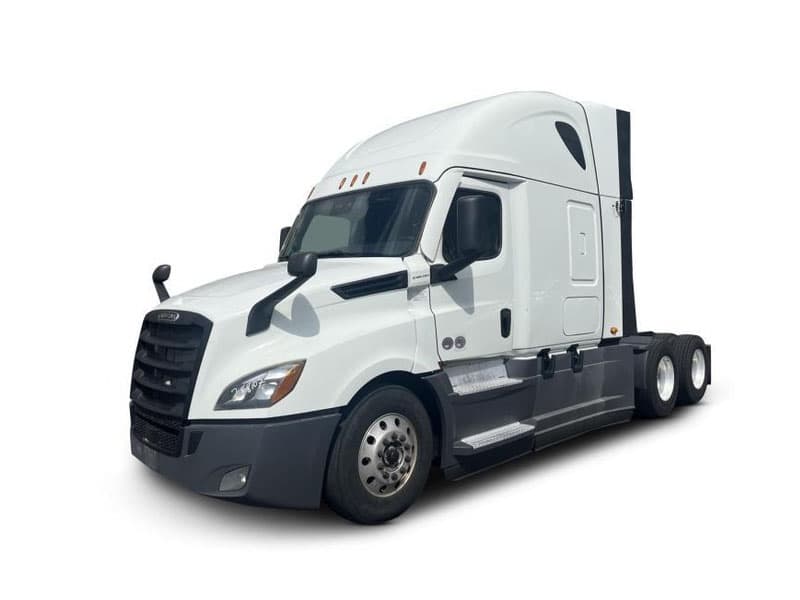
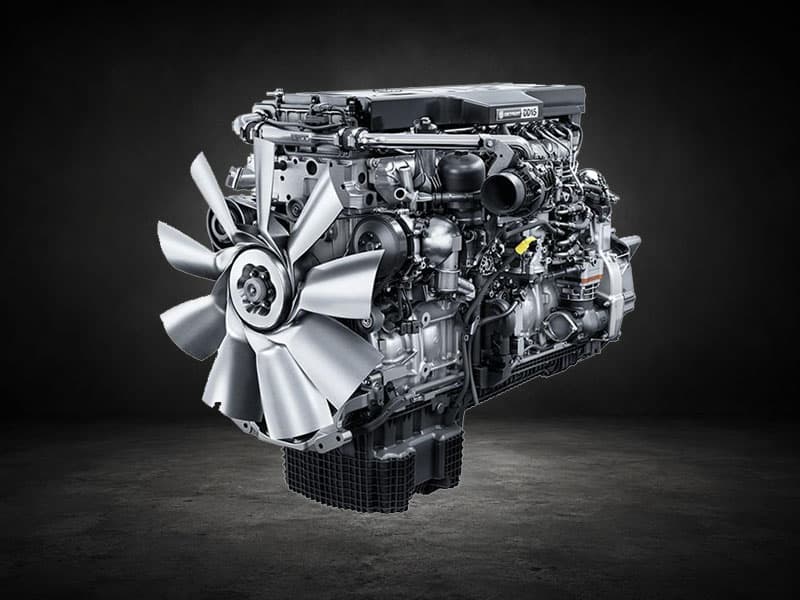
The Detroit Diesel DD15 is the dominant heavy-duty engine in modern Freightliner trucks. A 14.8-liter inline-six designed and built by Detroit (Daimler Truck North America), the DD15 launched in 2007 and has been the primary engine option in the Freightliner Cascadia ever since — making it one of the most common Class 8 highway diesels on North American roads. Power ratings run from 400 to 505 horsepower with peak torque from 1,450 to 1,750 lb-ft. The Gen 5 update in 2018 brought refined fuel injection, revised aftertreatment integration, and updated calibration architecture, but the underlying platform remains the same.
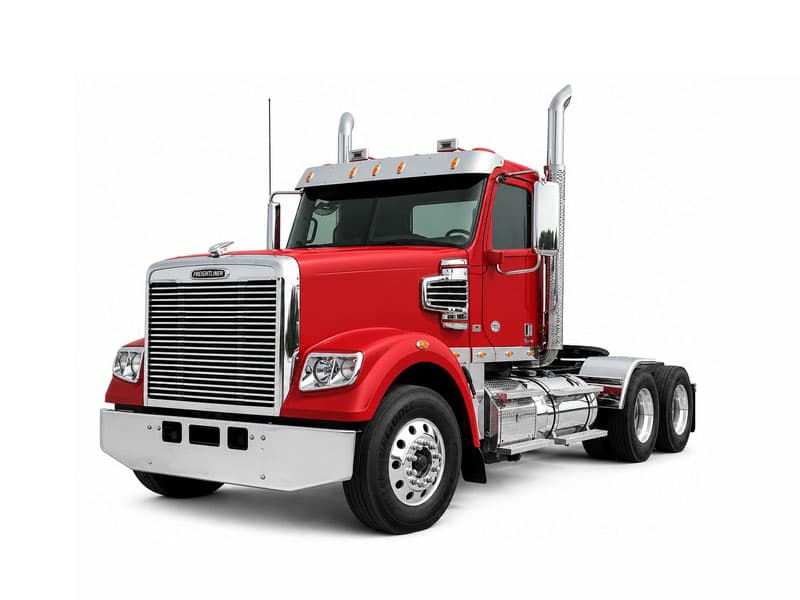
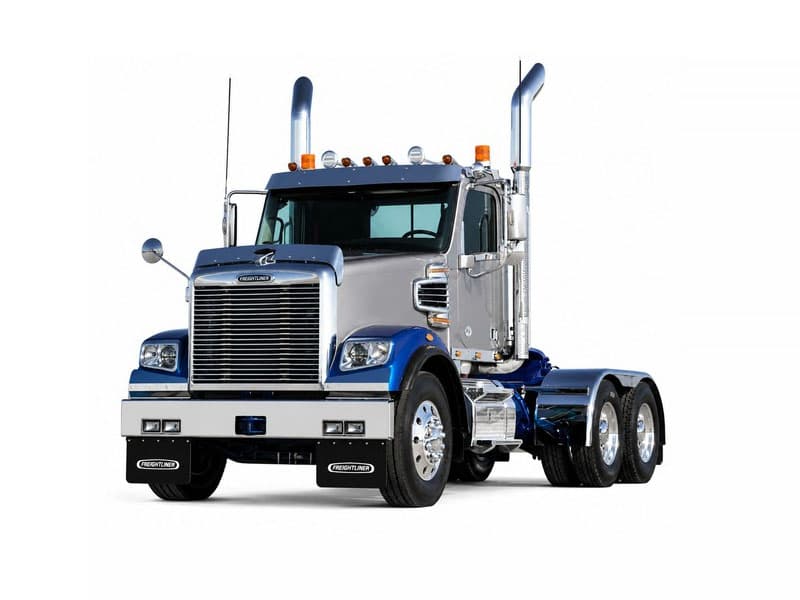
Beyond the Cascadia, the DD15 appears in Freightliner Coronado, Western Star 4900 and 5700 trucks. The smaller DD13 (12.8L) shares architecture and ECM family with the DD15 and is sold in the same chassis options for lighter-duty configurations.
Why DD15 Trucks Come To Our Bench
DD15 calibration work is shaped by one architectural fact: Detroit platforms run an Aftertreatment Control Module (ACM) separate from the main ECM. The ACM handles SCR dosing, DPF regen logic, NOx sensor calibrations, and DEF system management. The main ECM (CPC4) handles fuel injection, boost, EGR commands, and overall engine management. The two modules communicate constantly, and most calibration work requires programming BOTH modules together — particularly the ACM3 (the third-generation ACM used on most post-2013 DD15 builds).
The dominant failure patterns:
ACM3 calibration corruption. Detroit ACM3 modules have a documented pattern of corruption after partial calibration loads or failed dealer reflashes. Once corrupted, the module often won't accept normal recovery procedures. We've recovered many ACM3 modules that the dealer had given up on.
DEF dosing valve failures. The dosing injector lives in a hostile thermal environment. Failure rates climb past 250,000 miles. When the valve fails or clogs, SCR efficiency drops, the ACM3 logs faults, and the truck builds an inducement countdown leading to derate.
NOx sensor drift. Both pre-SCR and post-SCR NOx sensors degrade over time. Drift produces SCR conversion efficiency faults that look like SCR catalyst failure but are actually sensor problems. ACM3 calibration recovery after sensor replacement restores baseline tracking.
EGR cooler degradation. Like every modern heavy diesel, the DD15 develops EGR cooler issues at high mileage. Coolant intrusion into the intake, intermittent fault codes, occasional overheats. EGR delete eliminates the cooler from the system entirely on export and off-road trucks.
ECM And ACM Identification
DD15 trucks run the Detroit CPC4 ECM for engine management, paired with the ACM3 for aftertreatment management. Both modules are accessible through the standard SAE J1939 9-pin diagnostic connector. Programming requires Detroit Diesel Diagnostic Link (DDDL) software, and most calibration work involves coordinating changes between both modules — which is why DD15 programming sessions typically run longer than single-module work on simpler platforms.
Common CPC4 ECM part numbers include A4711500202, A4711500301, and several variants by year and rating. ACM3 modules carry their own separate part number families.
What We Program On The DD15
Combined ECM + ACM Delete
For export and off-road DD15 trucks, we rewrite both modules — CPC4 stops commanding EGR, ACM3 stops expecting DPF, SCR, and DEF systems to be present. Paired with appropriate hardware kits. Required for trucks bound for export markets and trucks dedicated to off-road service. The dual-module work is what makes DD15 delete more involved than equivalent work on Cummins or Paccar platforms.
Emissions Recalibration
For on-road DD15 trucks, we recalibrate both modules after aftertreatment hardware repair. Clears inducement countdowns, resets DEF dosing parameters, restores SCR efficiency tracking, and re-baselines NOx sensor calibrations.
Performance Tuning
DD15s spec'd in lower fleet fuel-economy configurations have meaningful headroom on the upper end of their power curve. Typical performance gains of 50-100 hp with proportional torque on stock hardware, within safe operating envelopes.
ACM3 Recovery
Corrupted ACM3 modules where the dealer's diagnostic equipment can no longer establish communication — we have recovery procedures for most of these situations that don't require module replacement.
Service Paths For DD15 Programming
Ship-in. Most common. Pull BOTH modules (CPC4 ECM and ACM3), ship to Fort Lauderdale, 2-3 day programming turnaround on the dual-module work, ship back. Best for shops without their own DDDL hardware.
Remote programming. Available for fleet shops with DDDL and a 9-pin J1939 connection. Sessions typically run 90-150 minutes for combined ECM + ACM3 programming — longer than single-module work on Cummins platforms.
On-site programming. Available for South Florida fleet operations. Most efficient when batching DD15 trucks in a single visit.
Quotes return same business day. Tell us the year, the chassis (Cascadia, Coronado, Western Star), current fault codes from your last DDDL scan, and what you want the truck doing after the work. For fleet customers running batches of DD15 trucks, NDAs are routine and fleet pricing applies.
Why DD15 Work Is Different
Most calibration shops avoid the DD15 because the ACM3 module makes the work harder. Single-module Cummins or Paccar programming is straightforward; dual-module Detroit programming requires Detroit-specific software, longer sessions, and the ability to recover ACM3 modules when something goes wrong mid-process. We chose to invest in those capabilities because Cascadias make up such a large share of the trucks on the road, and customers running them deserve the same calibration options that owners of Cummins or Paccar trucks already have access to.