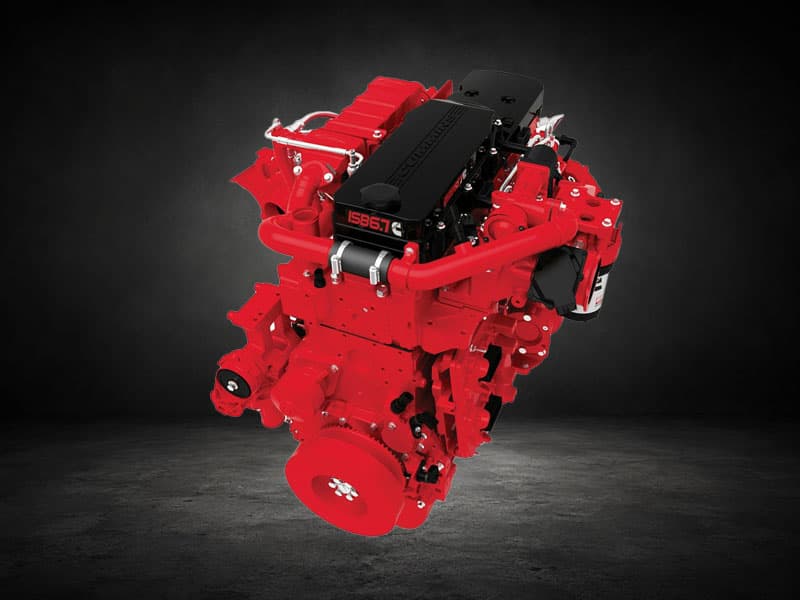
The Medium-Duty Workhorse
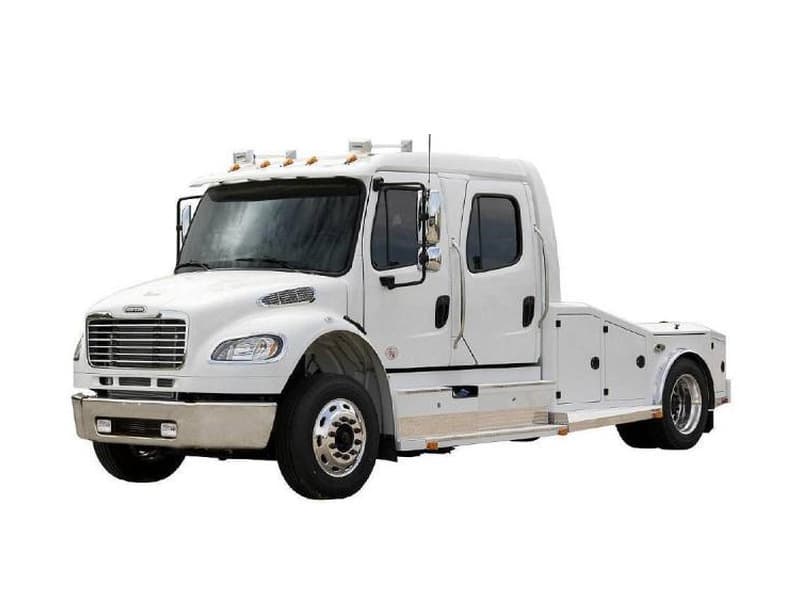
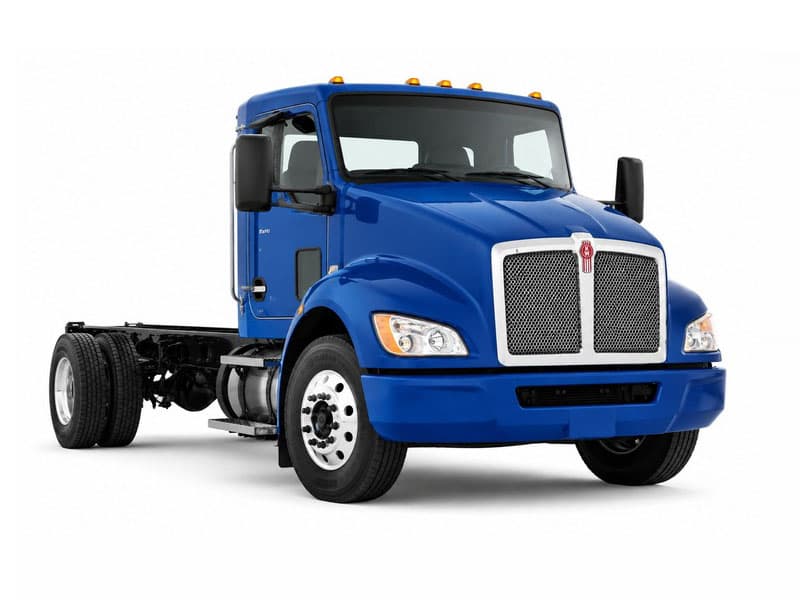
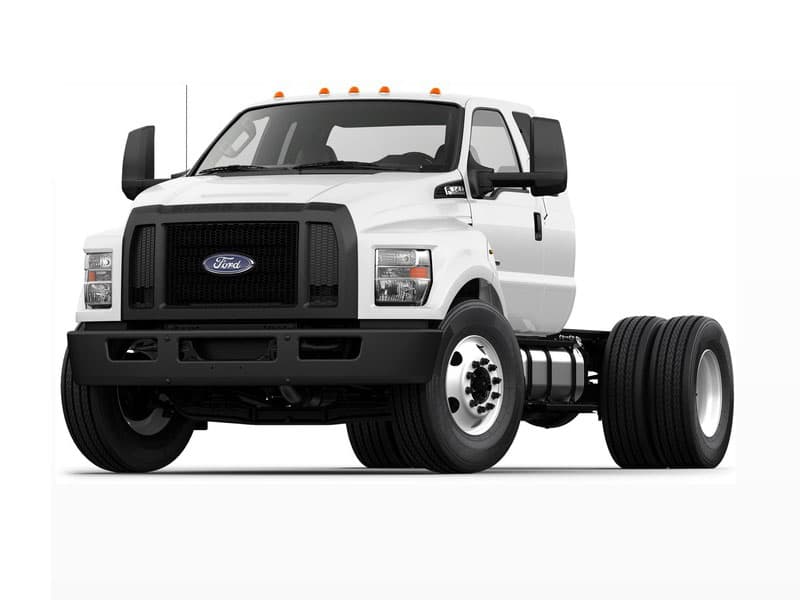
The Cummins ISB 6.7 is the dominant medium-duty diesel in North American Class 5-7 vocational applications. A 6.7-liter inline-six derivative of the long-running B-series Cummins platform, the ISB 6.7 powers Ford F-650 and F-750 Super Duty trucks, Kenworth T370 and T270 medium-duty trucks, International medium-duty chassis, bus chassis, RV chassis, and a wide range of fleet and municipal vehicles. Power ratings run from 200 to 360 horsepower with peak torque from 520 to 800 lb-ft, depending on year and application calibration.
The ISB 6.7 launched in 2007 with EPA 2007 emissions architecture (DPF, no SCR). Production transitioned to EPA 2010 architecture (DPF + SCR + DEF) in 2010 and has refined incrementally since. Most of the trucks we see on the bench are 2010-and-later builds where the full aftertreatment system has accumulated enough miles to start failing predictably.
Why ISB 6.7 Trucks End Up On Our Bench
The dominant failure pattern on the ISB 6.7 is the one that hits every short-cycle vocational diesel: short routes, idle time, and PTO work that never lets the exhaust system reach the temperature needed for passive DPF regeneration. Three specific factors compound the issue:
Active regen cycles that never complete. The ISB 6.7's ECM triggers active regeneration when soot load passes a threshold. On a vocational truck doing tow recovery, utility line work, or short-route delivery, the engine often shuts down before the regen completes. The soot load resets. The next regen starts. It also fails to complete. Eventually the truck enters derate with SPN 3251 (DPF differential pressure too high) or SPN 3719 (soot load very high).
DEF dosing failures on post-2010 trucks. The dosing injector lives in a hostile thermal environment near the exhaust. Failure rates climb past 200,000 miles. Combined with NOx sensor degradation, DEF quality faults from contaminated DEF, and the slow degradation of the SCR catalyst itself, post-2010 ISB 6.7 trucks accumulate emissions-related fault codes faster than the dealer can replace the hardware.
EGR-related intake fouling. Like every modern Cummins, the ISB 6.7 pumps EGR exhaust back into the intake. Over time the intake manifold, EGR valve, and intercooler accumulate soot. By 250,000 miles on heavy vocational duty, intake performance starts dropping. By 400,000 miles, manual cleaning or EGR delete becomes the practical fix.
ECM Identification
ISB 6.7 trucks run the Cummins CM2150 ECM family (2007-2012 platforms) or CM2350 (2013+ platforms). Both modules are accessible through the standard SAE J1939 9-pin diagnostic connector. Calibration libraries differ between the two generations, and so do the available programming approaches. Common ECM part numbers we see include 4988820, 4993120, and 4994055 for CM2150 modules; CM2350 part numbers vary by year and application.
Reading the existing calibration takes 10-20 minutes; writing a new calibration takes 30-45 minutes. Combined DPF and EGR delete programming on most ISB 6.7 modules completes inside a single 1 to 3 hour remote session, or in 2-3 business days via ship-in service.
What We Program On The ISB 6.7
Combined DPF + EGR Delete (Export & Off-Road)
The most common ISB 6.7 job, especially for trucks dedicated to off-road vocational service. Calibration is rewritten so the ECM stops expecting DPF, SCR, and DEF systems to be present, paired with hardware kits (block-off plates, intake gaskets) appropriate to the application. Eliminates regen cycles entirely, removes the inducement countdown, and lets the engine run against its original performance map.
Emissions Recalibration (On-Road)
For ISB 6.7 trucks operating on US public roads, we recalibrate after aftertreatment hardware repairs. DEF dosing valve replacement, NOx sensor replacement, SCR catalyst replacement, and DPF replacement all leave the ECM with stale calibration parameters. Recalibration clears inducement countdowns and restores normal operation without removing emissions hardware.
Performance Tuning For Vocational Loads
Stock ISB 6.7 calibrations target the mid-range of the platform's capability. Vocational trucks running heavy auxiliary loads — fire pumps, line truck hydraulics, dump truck weights, concrete delivery — benefit from calibrations matched to the actual duty cycle. Gains of 30-60 hp with proportional torque are typical within safe hardware envelopes.
Calibration Recovery
ISB 6.7 modules occasionally end up bricked after failed dealer reflashes. We recover most modules without replacement, restoring either the original calibration or a delete calibration depending on customer intent.
Service Paths For ISB 6.7 Programming
Ship-in. The most common path. Pull the ECM, ship to Fort Lauderdale, 2-3 business day programming turnaround, ship back. No diagnostic hardware needed on your end.
Remote programming. Available for shops with Cummins INSITE and a 9-pin J1939 connection. Session typically runs 1 to 3 hours total. Best for fleet shops with their own diagnostic hardware.
On-site programming. Available for South Florida fleet customers — municipal fleets, utility cooperatives, fire departments, school districts, and towing companies — running multiple ISB 6.7 trucks. Most efficient when batching five or more trucks in a single visit.
Quotes typically return same business day. Tell us the year, the ECM part number if you have it, current fault codes, and what you want the truck doing after the work. Fleet pricing applies starting at five ISB 6.7 trucks.