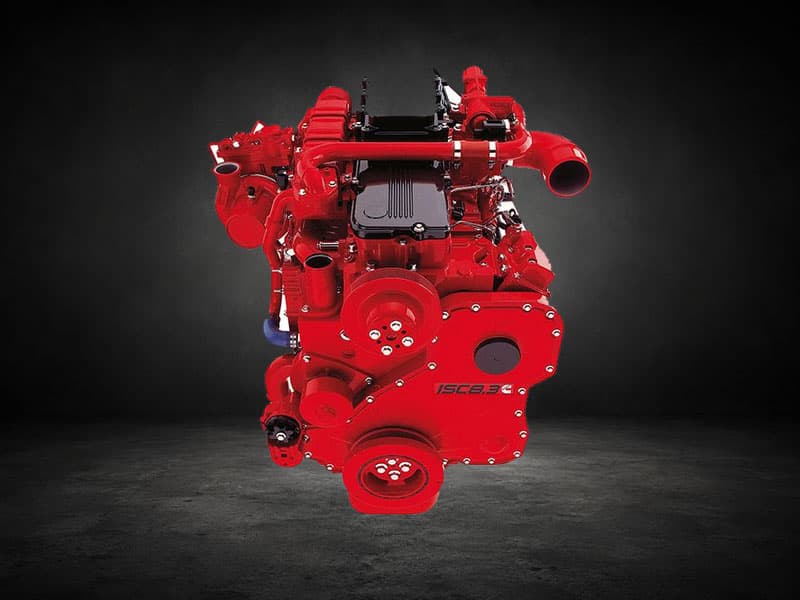
The Vocational C-Series
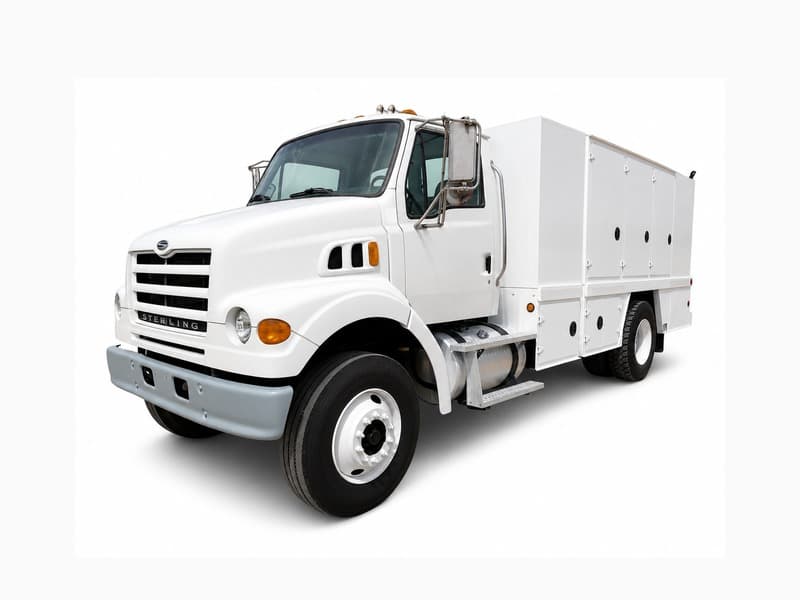
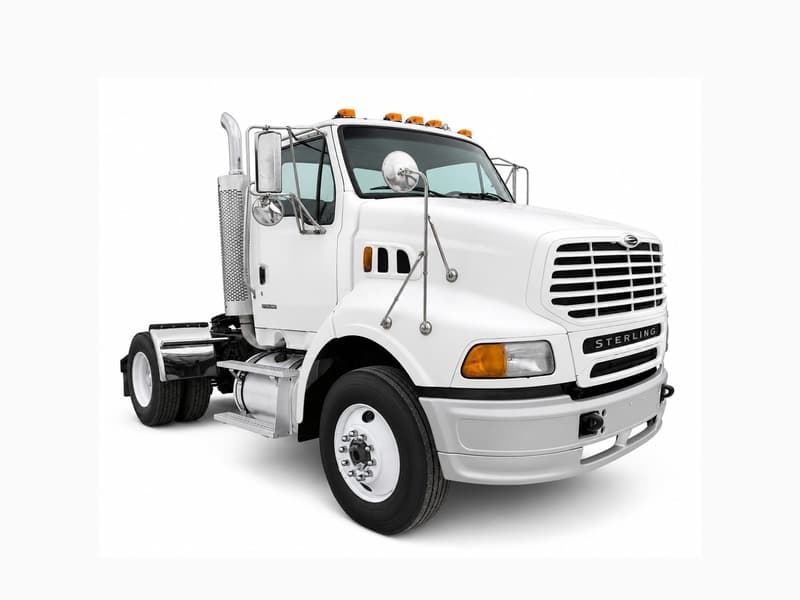
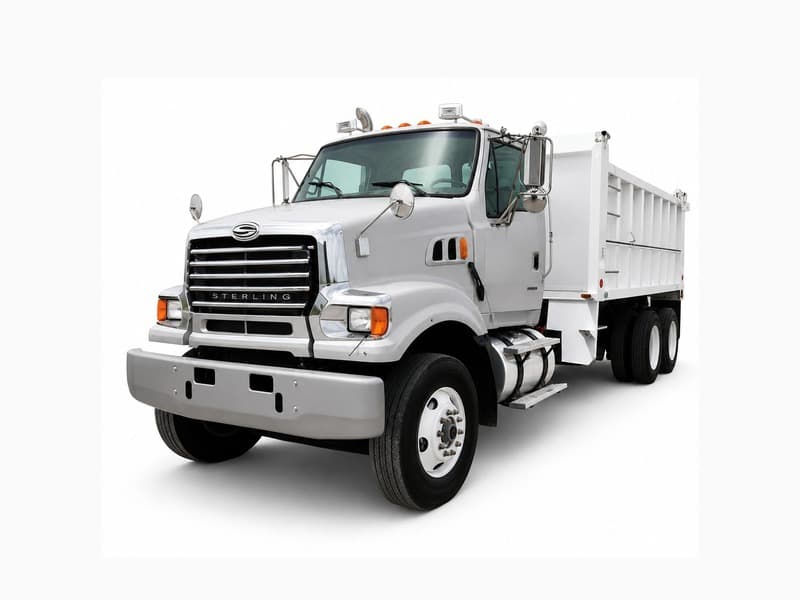
The Cummins ISC 8.3 was the dominant Class 6-7 vocational diesel for over a decade. An 8.3-liter inline-six derived from the long-running C-series Cummins platform, the ISC 8.3 powered fire trucks, dump trucks, refuse trucks, school buses, RV chassis, and most medium-heavy vocational vehicles built in North America from 1998 through about 2010, when the platform transitioned to the ISL 9 successor with EPA 2010 emissions architecture. Power ratings ran from 240 to 360 horsepower with peak torque from 660 to 1,150 lb-ft depending on rating and year.
Most ISC 8.3 trucks still in service today are pre-2010 builds running EPA 2007 emissions architecture — DPF, no SCR or DEF. That makes them significantly simpler to program than newer platforms, but it also means they have been accumulating mileage for fifteen-plus years and the aftertreatment hardware that's there is well past its design life. The ISL 9, which replaced the ISC 8.3 in production, runs the full EPA 2010 DPF + SCR + DEF stack and has its own pattern of failures we address separately.
Why ISC 8.3 Trucks Come To Us
Two dominant patterns drive our ISC 8.3 work:
High-mileage DPF clogging on vocational duty. Pre-2010 ISC 8.3 trucks running fire, dump, refuse, and bus applications spent most of their working life at low load with significant idle time. DPF systems on these trucks have accumulated ash that can never burn off. The differential pressure sensor reads high, the ECM triggers active regen cycles that further stress the filter, and the truck eventually enters derate. Replacement DPFs are expensive and the underlying duty cycle hasn't changed — replacement just delays the next derate.
EGR cooler degradation. Like every modern Cummins, the ISC 8.3 develops EGR cooler issues at high mileage. Coolant seepage into the intake, intermittent fault codes, occasional overheats. On a 15-year-old vocational truck still earning its keep, the dealer cost of EGR cooler replacement often exceeds the truck's remaining service value. EGR delete is the durable fix.
Calibration recovery after dealer flash failures. ISC 8.3 modules occasionally end up in a non-running state after partial calibration loads or corrupted software updates. We recover most of these modules without replacement.
ECM Identification
ISC 8.3 trucks run earlier Cummins CM ECM families — primarily CM2150 on post-2007 builds, CM850 on pre-2007 builds. Both are accessible through the standard SAE J1939 9-pin diagnostic connector. CM2150 is the more common module on the trucks we see today, since pre-2007 builds are aging out of fleet service. Common CM2150 part numbers include 4988820, 4993120, and several variants by application calibration.
What We Program On The ISC 8.3
DPF Delete For Off-Road And Export
Combined DPF and EGR delete on pre-2010 ISC 8.3 trucks is straightforward — no SCR system to address, simpler calibration architecture, and predictable results. Trucks bound for off-road service or export markets get the calibration plus appropriate hardware kits. Trucks running on US public roads need recalibration paths rather than delete, since the aftertreatment hardware is what makes them compliant.
Performance Tuning
ISC 8.3 trucks in heavy vocational service — fire pumping, concrete delivery, heavy hauling — benefit from calibrations matched to actual duty cycle. The platform has been around long enough that we have well-characterized tuning approaches for all common ratings and applications. Power gains of 30-60 hp with proportional torque are typical within hardware safety margins.
Calibration Recovery And ECM Swap Matching
ISC 8.3 ECMs pulled from one truck and installed in another need their VIN and engine serial parameters reprogrammed. We handle this routinely, including for trucks built from salvage cores.
Service Paths For ISC 8.3 Programming
All three standard service paths work for the ISC 8.3. Ship-in is the most common for individual operators — pull the ECM, ship to Fort Lauderdale, 2-3 day turnaround, ship back. Remote programming works for shops with their own Cummins INSITE diagnostic hardware and a 9-pin J1939 connection — typical session 1 to 3 hours. On-site service is available for South Florida fleet customers running multiple ISC 8.3 trucks.
Quotes return same business day in most cases. Tell us the year, application, current fault codes, and what you want the truck doing after the work — on-road compliance, off-road service, or export preparation. The right calibration depends on your intended use, not on what's easiest.
Fleet And Municipal ISC 8.3 Patterns
Most ISC 8.3 calls come from fleet operations and municipal customers — fire departments, refuse haulers, public works fleets, school districts — running batches of aging vocational trucks. These customers usually don't need one ECM programmed; they need ten or twenty programmed across the next quarter as trucks come up for service. Fleet pricing applies, and we work with the fleet's scheduling to minimize trucks out of service at any one time. NDAs are routine when calibration work needs to stay confidential between us and the customer.
For municipal fleets in particular, the conversation often starts with a budget cycle question — "is calibration cheaper than another round of DPF replacements?" The answer almost always depends on the duty cycle and the intended remaining service life. We can quote either path and let the customer decide which math works for their operation.