The ISC 8.3 Successor
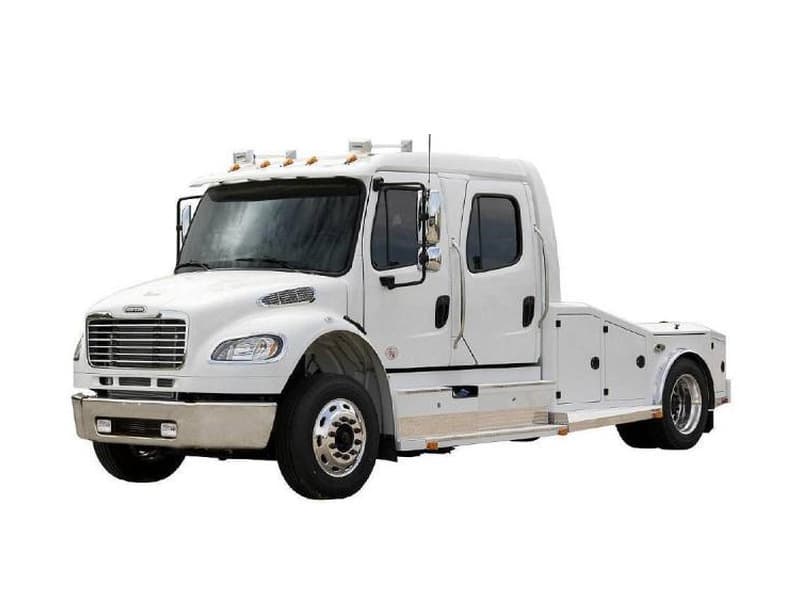
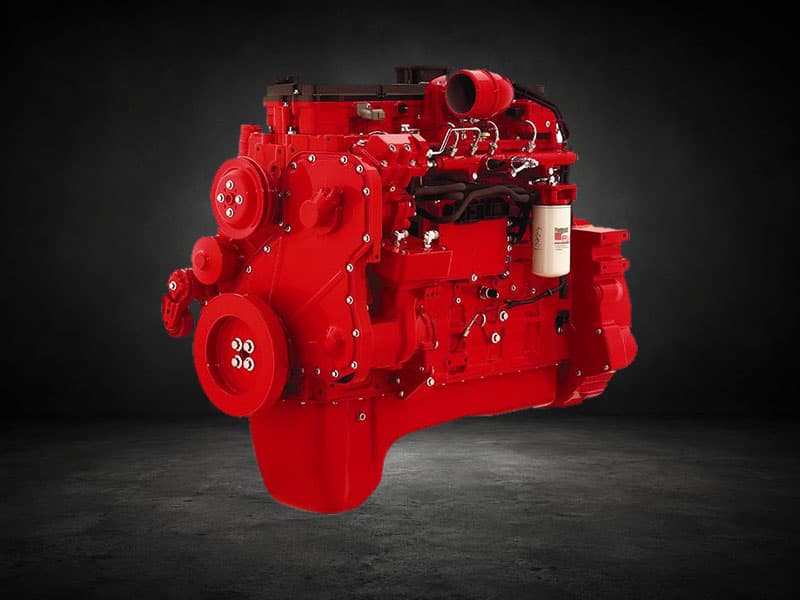
The Cummins ISL 9 launched in 2010 as the EPA 2010-compliant successor to both the pre-2010 ISL (8.9L) and the long-running ISC 8.3 vocational platform. With 8.9 liters of displacement and power ratings from 260 to 380 horsepower with peak torque to 1,300 lb-ft, the ISL 9 became the default Cummins choice for vocational Class 7-8 applications during its 2010-2016 production window — refuse trucks, fire and EMS apparatus, school buses, dump trucks, concrete mixers, vacuum trucks, utility line trucks, and the broader fleet of medium-heavy vocational vehicles built in North America during that period.
From a calibration standpoint, the ISL 9 is where Cummins fully committed to the EPA 2010 architecture on the mid-range vocational platform — DPF, SCR, DEF dosing, and the CM2350 ECM family. The transition meant ISL 9 trucks inherited the full set of post-2010 aftertreatment failure patterns at the same time vocational duty cycles were making those patterns hit faster than highway operation would predict.
Why ISL 9 Trucks End Up On Our Bench
The dominant failure patterns track closely with what we see on the ISB 6.7 and ISC 8.3 platforms in vocational service — same duty cycle, same aftertreatment architecture, similar failure cadence:
Vocational duty cycle never clears DPF soot loading. Refuse trucks running residential routes, fire apparatus sitting in station for days at a time, school buses doing morning and afternoon runs, dump trucks doing short hauls between quarry and job site — none of these duty cycles give the DPF sustained passive regen temperatures. Active regen cycles trigger constantly. The cycles often don't complete because the truck shuts down between jobs. Soot accumulation builds, ash loading reaches limits, and derate hits earlier than highway operation would predict.
DEF dosing failures from short-cycle thermal patterns. Vocational ISL 9 trucks see more thermal cycling per mile than highway tractors do. DEF dosing valves clog earlier. NOx sensors drift faster. SCR catalysts degrade ahead of their design life. The combined emissions hardware accumulates faults at a steady cadence from about 200,000 miles onward.
EGR cooler degradation. Standard pattern. Coolant intrusion into intake, intermittent fault codes, occasional overheats. The combined EGR plus high-load vocational operation accelerates the failure compared to highway service.
PTO calibration challenges on utility, fire, and refuse apparatus. Some ISL 9 vocational calibrations specifically struggle with extended PTO sessions where the engine is running but the truck isn't moving. ECM logic that expects sustained driving doesn't always handle these patterns gracefully. The resulting fault codes don't represent real hardware problems; they represent calibration assumptions that don't match the duty cycle.
ECM Identification
ISL 9 trucks run the Cummins CM2350 ECM family — the same generation used on ISB 6.7, ISC 8.3 (late builds), and ISX-15 (late builds) of the same era. Diagnostic access through standard SAE J1939 9-pin connector with Cummins INSITE software required for programming. Common ECM part numbers include 4994055, 5256093, and several variants by application calibration. Sending us the engine serial number plus current calibration ID lets us scope the work accurately before any quote.
What We Program On The ISL 9
Combined DPF + EGR + SCR Delete (Off-Road & Export)
The most common ISL 9 calibration job for trucks dedicated to off-road service or export markets. Calibration is rewritten so the ECM stops expecting DPF, SCR, and DEF systems to be present, paired with hardware kits appropriate to the application. Eliminates regen cycles entirely, removes inducement countdowns, and lets the engine run against its original performance map.
Emissions Recalibration (On-Road Vocational)
For ISL 9 trucks staying in on-road compliant service — most municipal fleets, utility cooperatives, school districts, and fire departments need this path — recalibration after aftertreatment hardware repair restores normal operation. Clears inducement countdowns, resets DEF dosing baselines, restores SCR efficiency tracking. Particularly valuable after DEF doser replacement, NOx sensor replacement, or SCR catalyst service where the ECM tends to retain stale parameters.
PTO Calibration For Fire, Utility, And Refuse Apparatus
For ISL 9 trucks built as fire pumpers, utility line trucks, vacuum trucks, or other PTO-heavy apparatus, we can refine calibrations to better handle the actual operating pattern. Long stationary engine runs with high accessory loads stress the standard ECM logic in ways that cause nuisance faults — calibration refinement addresses the underlying assumption mismatch.
Calibration Recovery
ISL 9 modules occasionally end up bricked after failed dealer reflashes. We recover most modules without replacement, restoring either the original calibration or a delete calibration depending on customer intent.
Service Paths For ISL 9 Programming
Ship-in. The most common path. Pull the ECM, ship to Fort Lauderdale, 2-3 business day programming turnaround, ship back. No diagnostic hardware needed on your end.
Remote programming. Available for shops with Cummins INSITE and a 9-pin J1939 connection. Session typically runs 1 to 3 hours total. Best for fleet shops with their own diagnostic hardware.
On-site programming. Available for South Florida fleet customers — municipal fleets, refuse haulers, fire departments, school districts, and utility cooperatives — running multiple ISL 9 vocational trucks. Most efficient when batching five or more trucks in a single visit.
Quotes return same business day. Tell us the year, the chassis (M2 112, T370, T270, etc.), current fault codes, and what you want the truck doing after the work. Municipal and utility fleet pricing applies starting at five trucks.