The Medium-Duty Workhorse
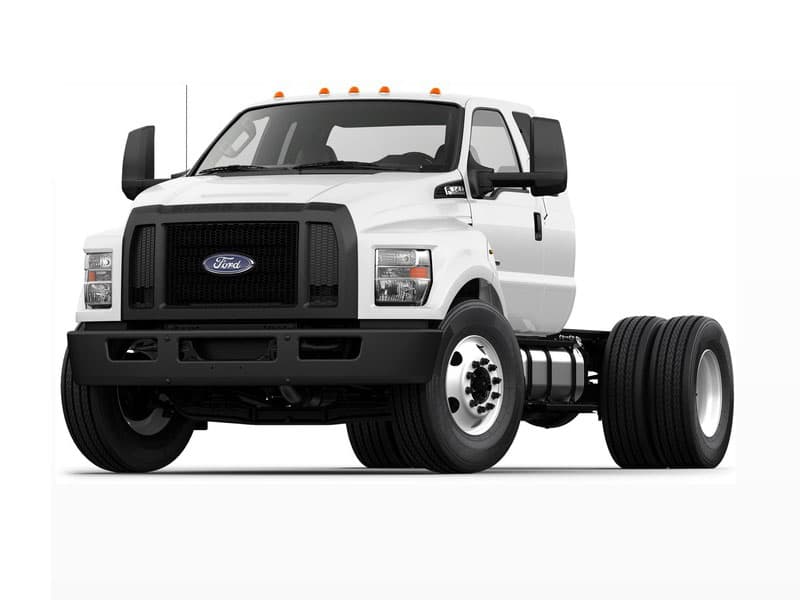
The Ford F-650 and F-750 Super Duty trucks occupy the dominant position in the North American medium-duty market — bigger than a pickup, smaller than a Class 8, and built to do work that neither extreme is suited for. They are the trucks that show up to put out fires, restore utility lines after storms, haul broken-down semis off the shoulder, deliver concrete to suburban driveways, and pick up your trash on Tuesday morning. The medium-duty segment is where vocational use cases live, and the F-650 / F-750 is the vehicle most of those use cases ride on.
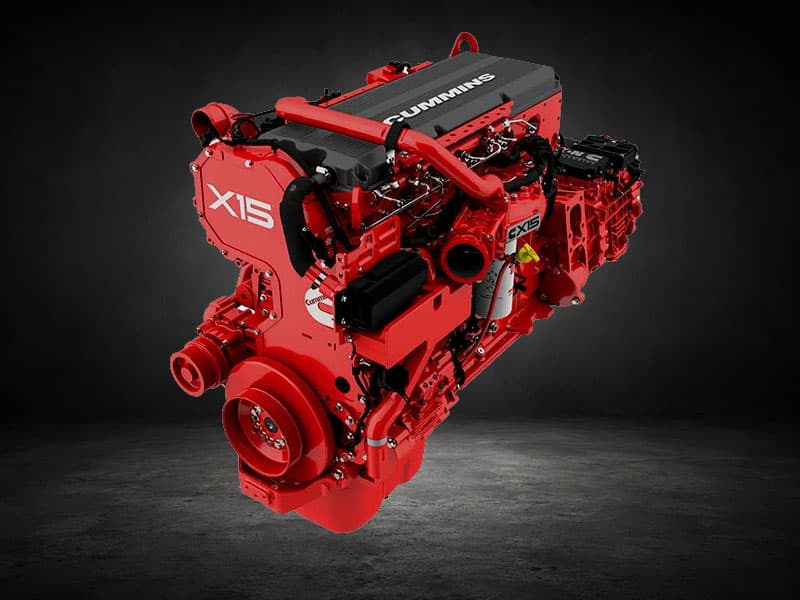
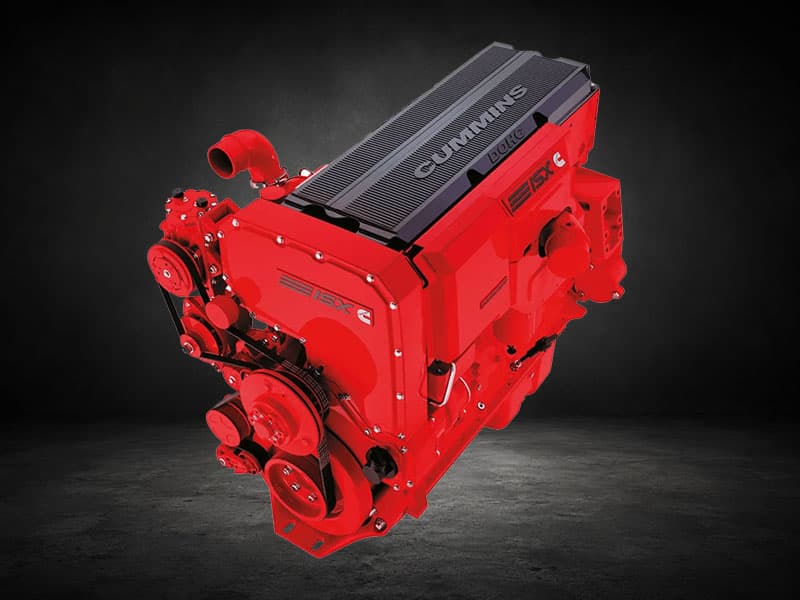
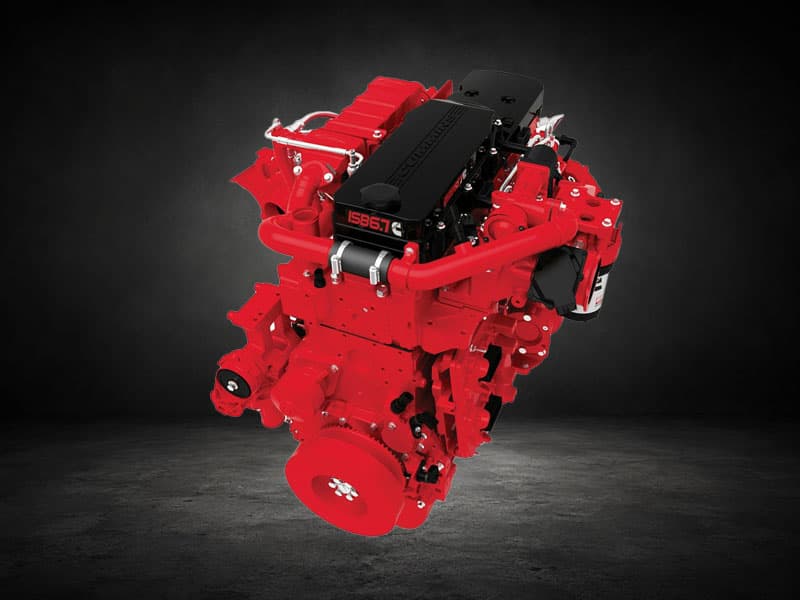
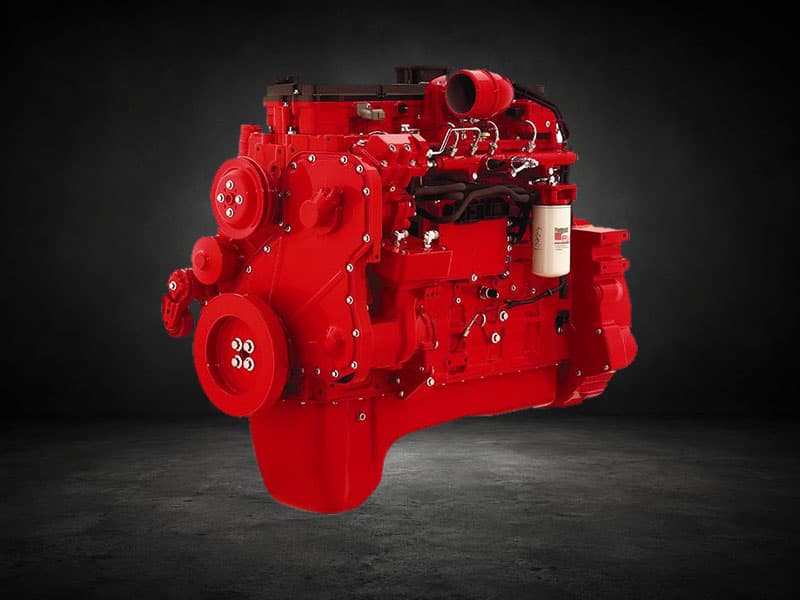
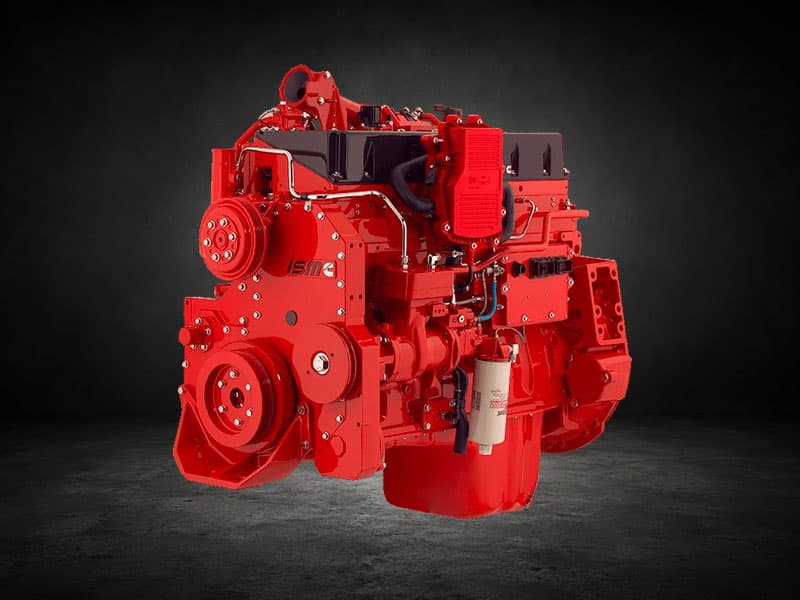
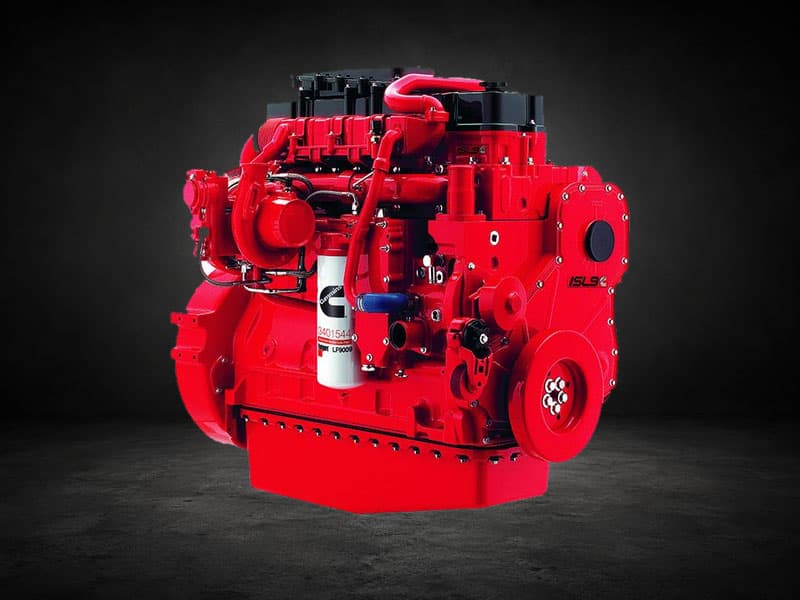
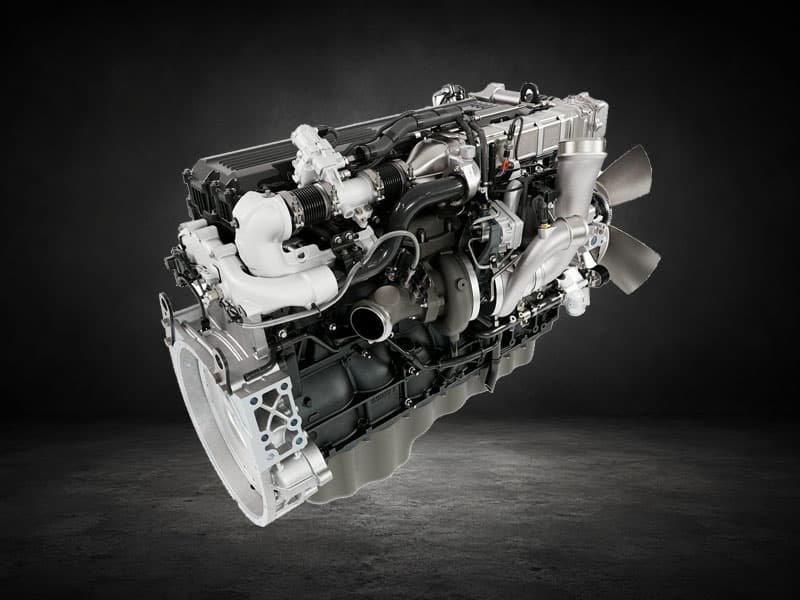
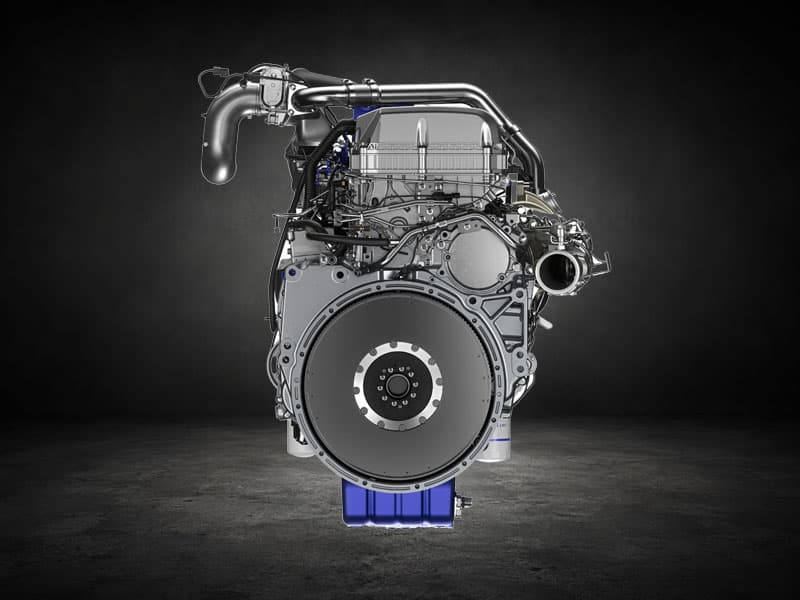
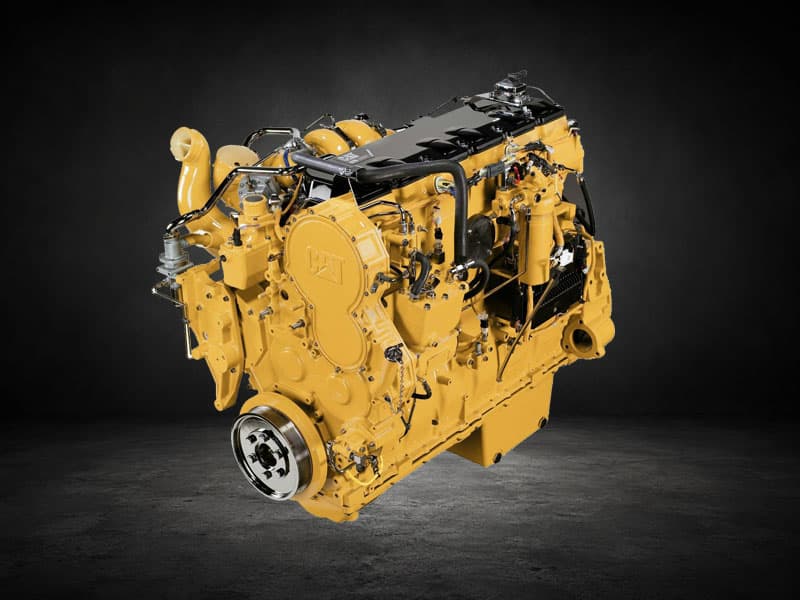
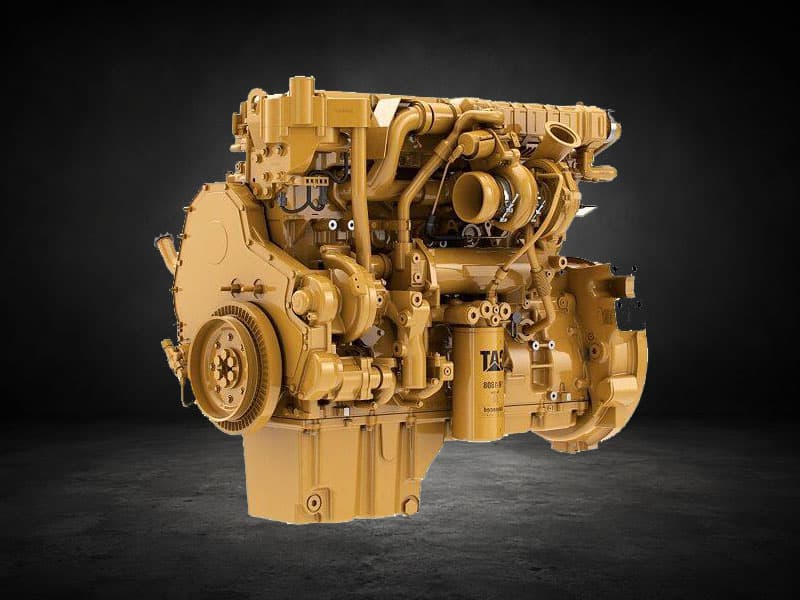
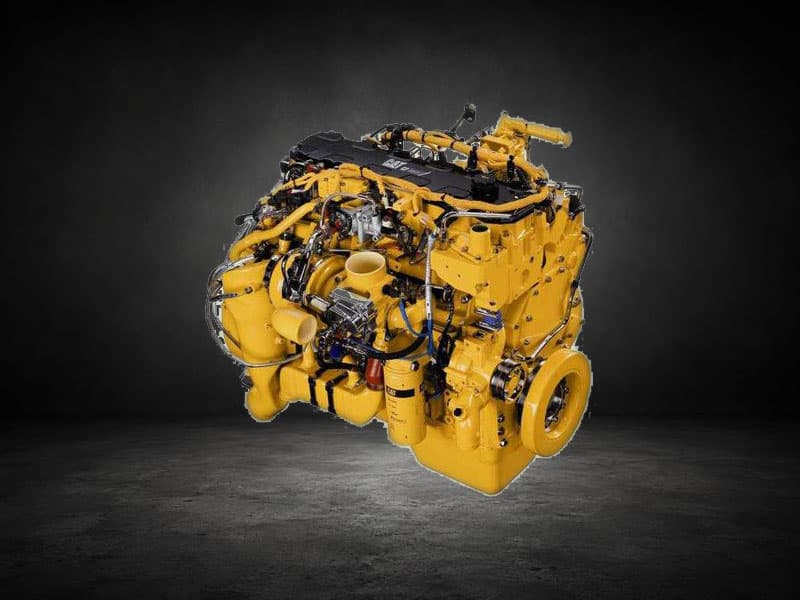
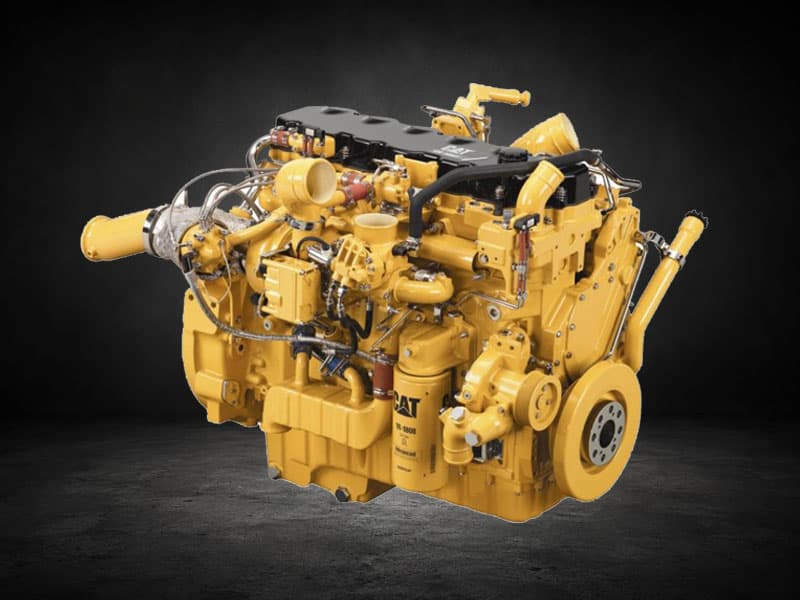
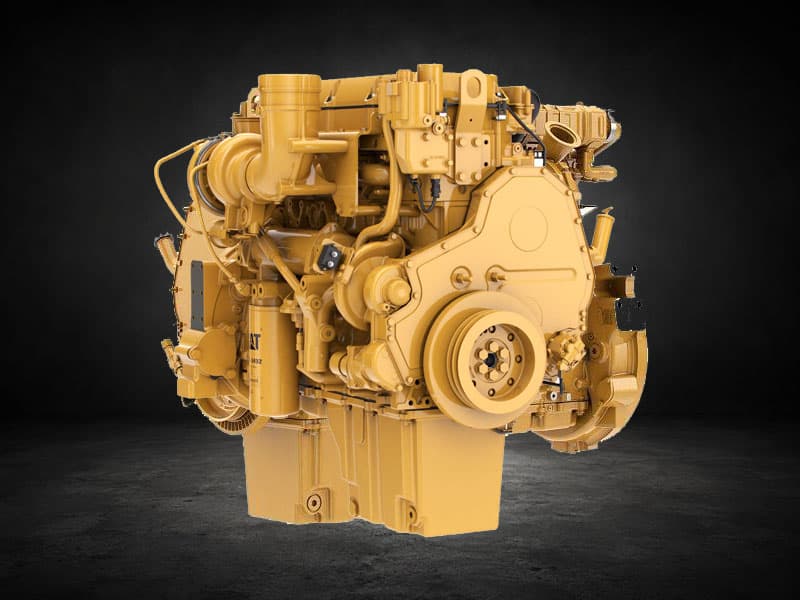
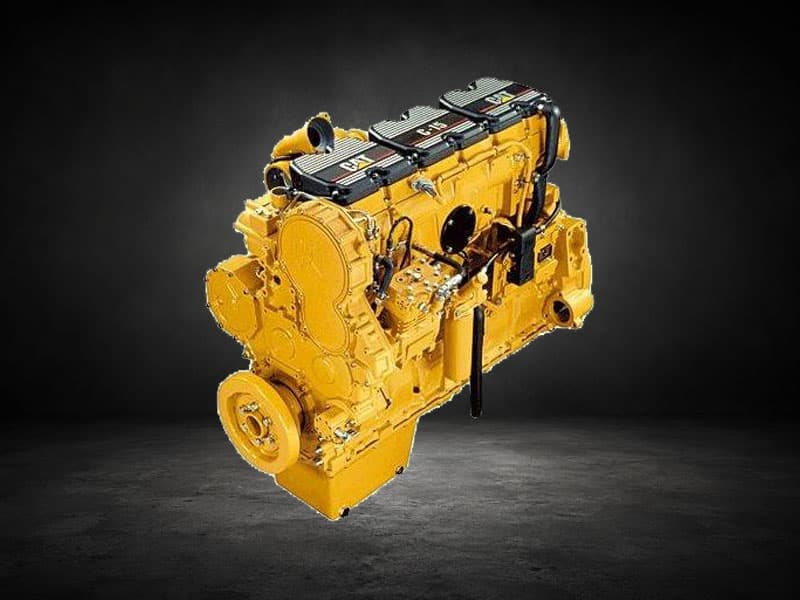
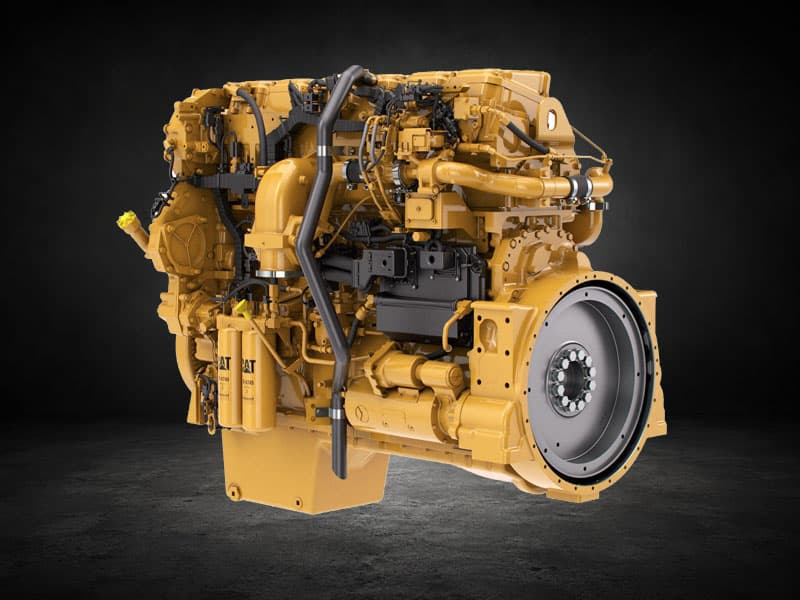
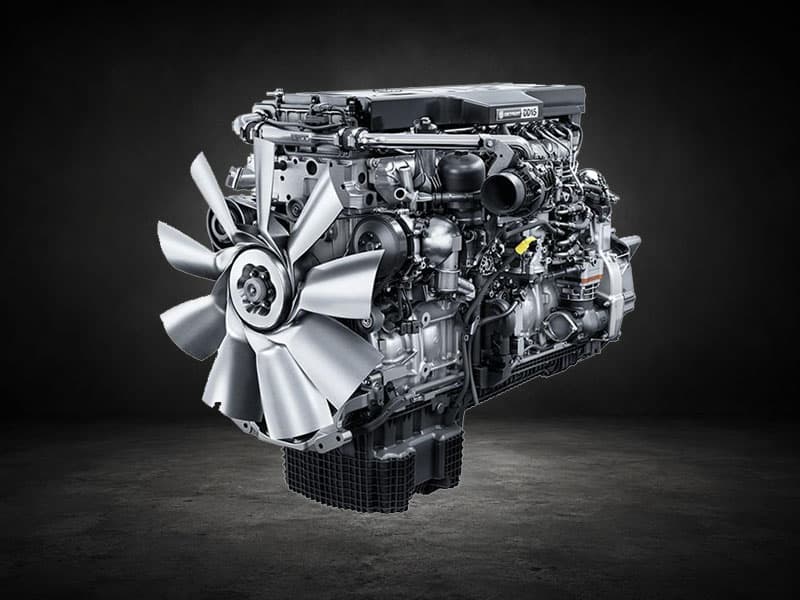
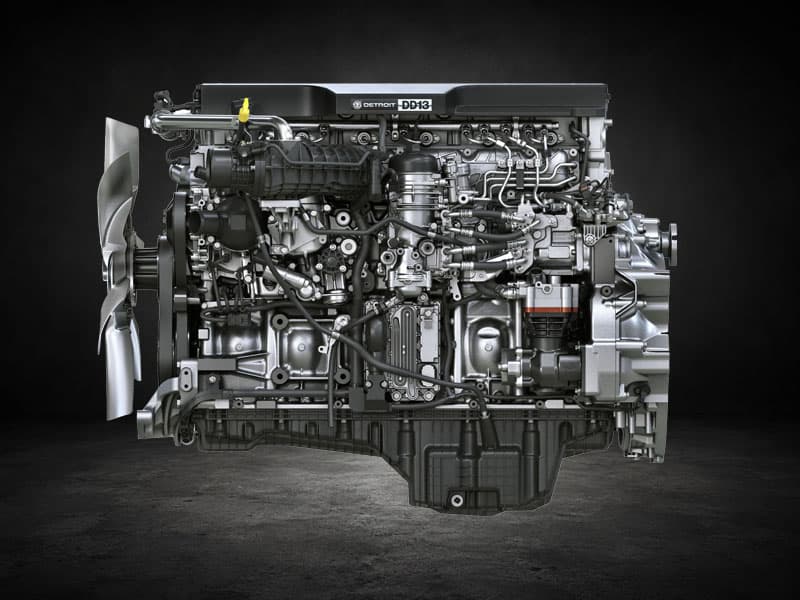
The current production run dates back to 2000, with significant updates in 2004, 2008, 2011, and 2016. Engine options have varied considerably across the model run. The Cummins ISB 6.7 (a 6.7-liter inline-six diesel) is the dominant platform we see — it powered the vast majority of F-650 and F-750 builds from 2007 through current production. Older trucks ran the Navistar VT365 (the Ford-branded version of the International V8 diesel) and the Cat C7 in some commercial configurations. Newer trucks also run Ford's own 6.7L Power Stroke V8 diesel as a factory option.
Why F-650 / F-750 Trucks Come To Our Bench
The dominant failure pattern on these trucks is the one that hits every short-cycle vocational diesel: the DPF clogs faster than the regen system can clear it, and the truck enters derate. Three specific factors make F-650 / F-750 trucks particularly susceptible:
Idle time and PTO work. A fire truck spends hours parked with the pump running. A utility line truck spends a workday parked with the bucket extended and the auxiliary hydraulics running. A service truck idles between calls. None of these duty cycles produce the sustained high exhaust gas temperatures needed for passive DPF regeneration. The system tries to compensate with active regen cycles, but those cycles also fail when the engine cannot stay at load long enough to complete them.
Short routes and start-stop operation. Trash trucks, delivery trucks, and tow trucks accumulate enormous numbers of short trips with the engine never reaching steady-state operating temperature. The DPF never has the thermal opportunity to burn off accumulated soot. Active regen cycles start, get interrupted by the next service stop, and never complete. Soot load increases. Eventually the truck derates.
High accessory loads. Many F-650 / F-750 builds run heavy auxiliary loads — pumps, generators, hydraulic systems, refrigeration, PTO-driven equipment. These accessory loads pull engine power away from clean combustion conditions and contribute to higher soot output. Combined with vocational duty cycles, accessory-heavy builds reach DPF derate earlier than over-the-road trucks at the same mileage.
What We Program On The F-650 / F-750
Combined DPF + EGR Delete (Export & Off-Road)
For F-650 and F-750 trucks dedicated to off-road work or bound for export, combined delete is the most durable solution. ISB 6.7-equipped trucks respond particularly well — the engine is fundamentally robust and the aftertreatment removal eliminates the dominant failure surface. Combined with appropriate hardware kits (DPF block-off, EGR cooler block-off, intake plate), these trucks can run another half-million miles of vocational service without aftertreatment-related derate.
Emissions Recalibration (On-Road)
For F-650 / F-750 trucks operating on US public roads, we recalibrate the ECM after aftertreatment hardware repair. DPF replacement, DEF dosing valve replacement, NOx sensor replacement, and SCR catalyst service all leave the ECM with stale calibration parameters that need resetting. Recalibration restores normal operation without removing any emissions hardware.
Performance Tuning For Vocational Loads
F-650 and F-750 trucks in heavy vocational service — concrete delivery, towing recovery, fire truck pumping, line truck PTO work — benefit from calibrations tuned for the actual load profile. Stock ISB 6.7 calibrations are optimized for light-duty fleet delivery service. Vocational F-650 / F-750 builds carrying much heavier accessory loads benefit from broader torque plateaus at PTO RPM ranges and adjusted throttle response for stop-start operation.
Calibration Recovery
F-650 / F-750 ECMs occasionally end up in a bricked state after failed dealer flashes, especially on older Ford-branded calibration variants where dealer software updates have introduced corruption. We recover most of these modules without replacement.
Service Paths For F-650 / F-750 Programming
Three service paths work for F-650 and F-750 trucks. Most customers go ship-in:
Ship-in. The most common path. Pull the ECM from the truck (about 60-90 minutes on most F-650 / F-750 builds, depending on year), ship to Fort Lauderdale, programmed in 2-3 business days, shipped back. Best for individual operators and small fleets without diagnostic hardware on hand.
Remote programming. Available for shops with Cummins INSITE (for ISB 6.7 trucks) or Ford IDS (for Power Stroke V8 trucks) and a 9-pin J1939 connection. We connect via TeamViewer, session typically 1 to 3 hours. Best for fleet shops running multiple trucks.
On-site programming. Available for South Florida fleet customers — municipal fleets, utility cooperatives, fire departments, towing companies — running multiple F-650 / F-750 trucks. We come to your yard or shop with all required hardware. Most efficient when batching trucks in a single visit.