ECM Performance — Diesel ECM Programming
IndustryVocational Service

Fire & EMS

Apparatus that must start and respond — no exceptions. PTO operation during scene work triggers DPF/regen failures.

  • Tired of fault codes & derate? Call us now.
  • Stuck in regen failures? We can stop it.
  • 2-3 days from ship-in to back on the road.
  • 10,000+ ECMs across 38 countries.
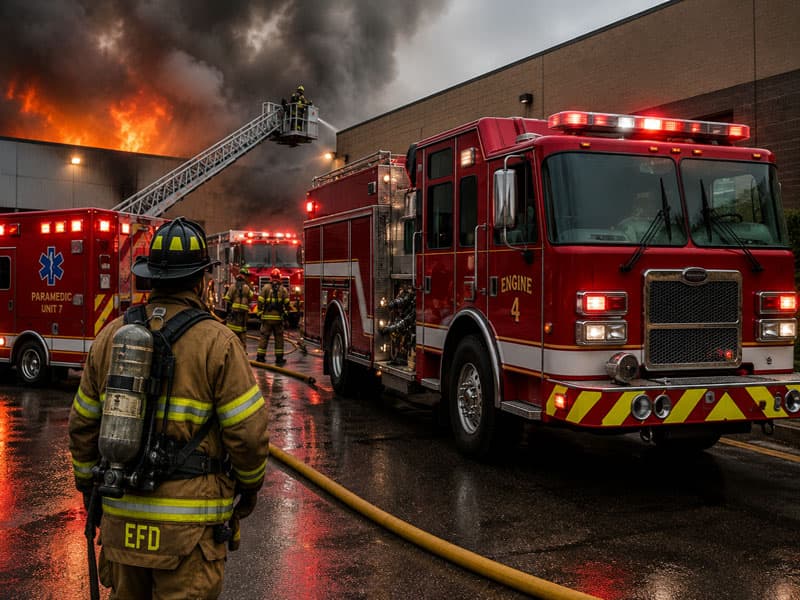
Fire Emergency diesel ECM tuning and programming image
Known Problem Patterns
  • DPF clogs on apparatus that primarily idle
  • Reduced power during pump operations
  • Hours-based regen miscounts

Apparatus That Must Start And Respond

Fire and EMS apparatus operate under a duty cycle that has almost nothing in common with the assumptions baked into modern diesel emissions calibration — and they operate under operational reality where the truck failing is a public safety issue, not just a fleet inconvenience. Apparatus sits idle in stations for the vast majority of operating hours. When responses happen, the truck cold-starts and runs at high load almost immediately. Once on scene, the truck typically operates in PTO mode for sustained periods — running pumps for fire suppression, running hydraulics for extrication, running generators for scene lighting, running compressors for SCBA air. Then back to the station to sit idle again until the next response.

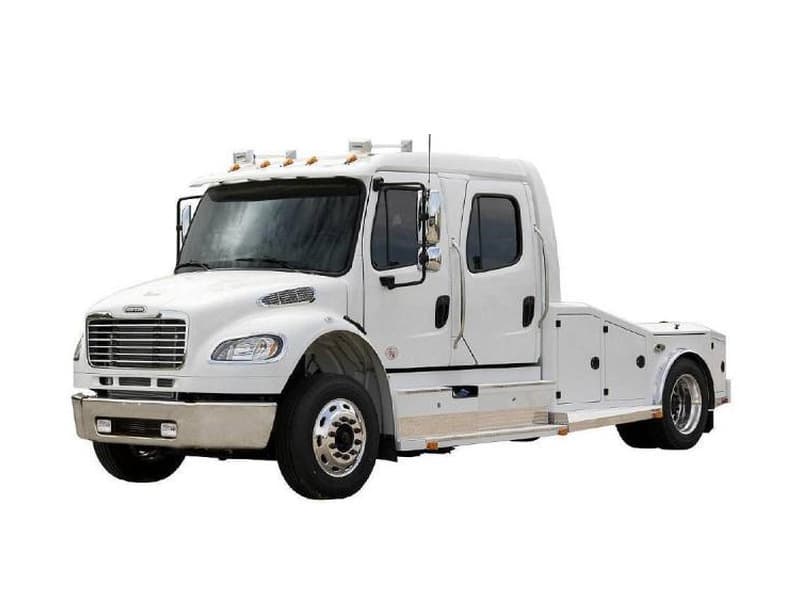
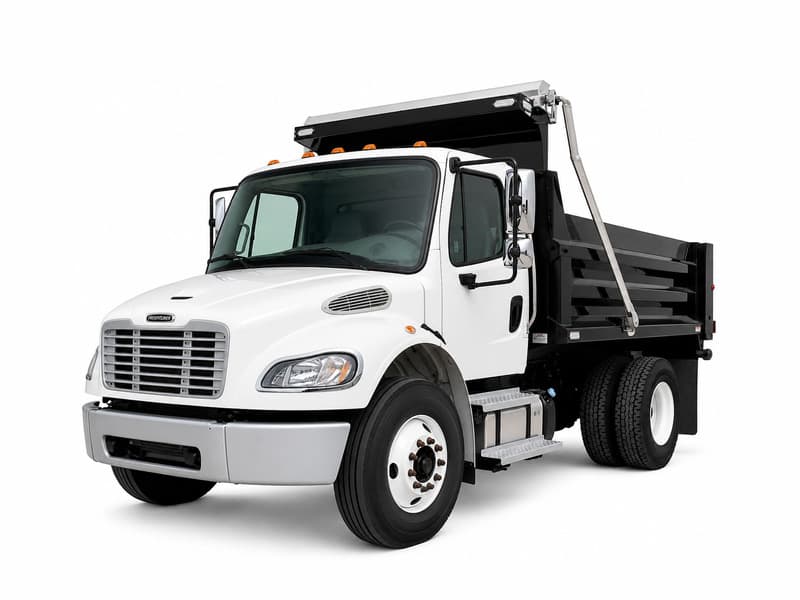
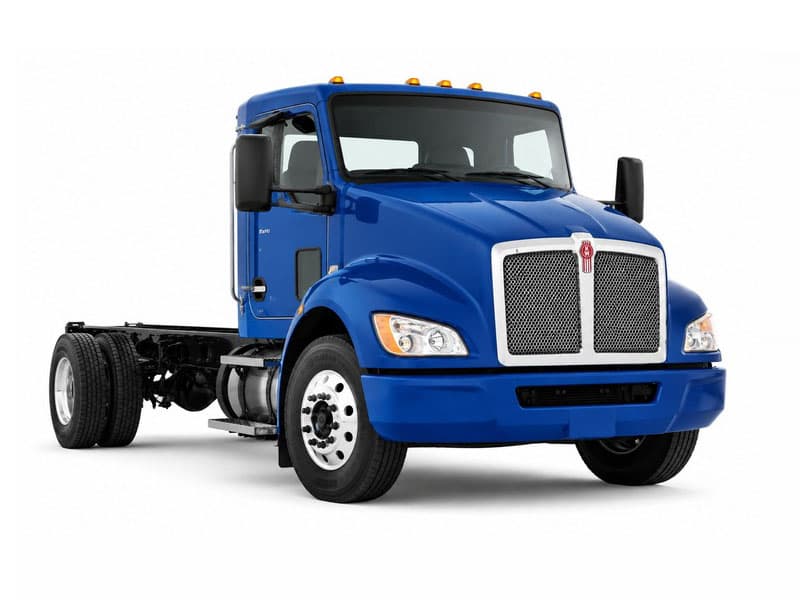
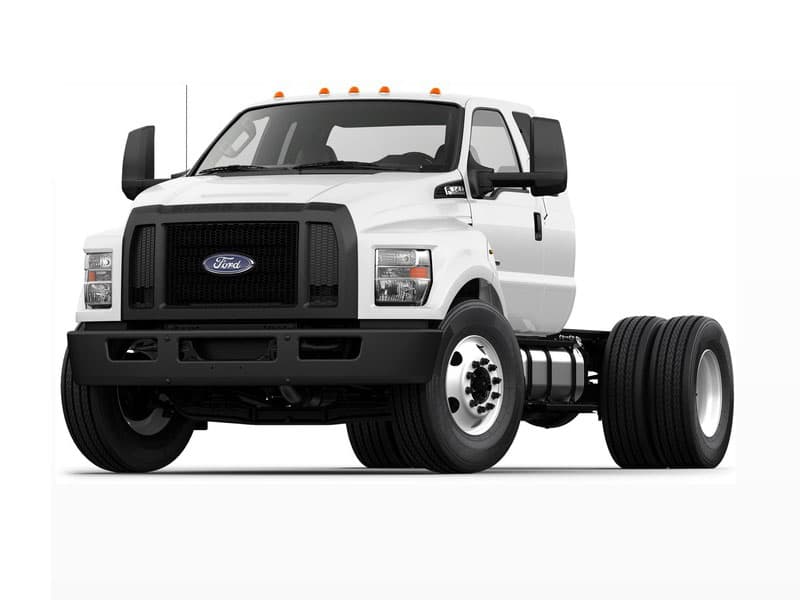
The fleet population reflects the operational reality. Custom apparatus on Pierce, Spartan, Rosenbauer, and KME chassis. Pumpers and rescues on commercial chassis — Freightliner M2-106 and M2-112 with Detroit DD13 power, International CV/MV-series with Cummins ISB or ISL power, Kenworth T370 with PX-9 power, Ford F-650 and F-750 medium-duty configurations. Heavy rescues, brush trucks, tankers, ambulances on F-450/F-550 cab-chassis, and the broader range of emergency service vehicles. The brand varies. The duty cycle reality is consistent.

What's Actually Failing On These Trucks

DPF clogs on apparatus that primarily idle. Fire apparatus in normal duty rarely produce the sustained operating conditions required for passive DPF regen. Stations sit. Responses are short. PTO duty produces exhaust patterns that don't support passive regen. Active regen cycles trigger but rarely complete because the response doesn't last long enough. Soot accumulates over months and years until derate becomes a regular issue.

Reduced power during pump operations. Engine derate during pump operations on a fire apparatus is an immediate, urgent operational issue. The pump needs to deliver rated flow at rated pressure for fire suppression to work as intended. When the engine derates due to DPF pressure or regen requirements during pump operations, fire suppression capability is directly compromised. This is the operational pain point that drives most fire department calibration conversations.

Hours-based regen miscounts. Emergency apparatus accumulate engine hours through extended PTO duty at a rate that doesn't correlate with road miles. Regen logic that uses mileage-based triggers misses the actual aftertreatment state on apparatus that accumulate hundreds of engine hours per quarter while accumulating only modest road mileage. Regen scheduling falls behind actual accumulation, and the result is derate that hits during responses rather than during routine operation.

DEF system stress from station idle. Apparatus that sit at the station with the engine off for days at a time produce DEF system stress that fleet calibration doesn't anticipate. DEF dosing valve binding, tank crystallization, and SCR efficiency drops cluster on apparatus that don't run regularly.

What Calibration Work Can Do

For fire and EMS apparatus staying compliant with emissions requirements, recalibration work targets the specific operational reality of emergency service. Modified regen logic that accounts for hours-based rather than mileage-based accumulation. Adjusted DPF pressure thresholds that don't derate during pump operations. Recalibrated DEF dosing strategies that account for extended station idle periods. Inducement countdown clearing after aftertreatment hardware service — critical so apparatus aren't immediately re-triggered into derate after service.

For apparatus dedicated to off-road service (some industrial fire brigades, dedicated brush trucks, wildland fire apparatus operated in off-road conditions), combined DPF and EGR delete eliminates the aftertreatment failure surface entirely.

Calibration recovery on bricked ECMs is also routine fire department work. The departments running aging apparatus increasingly face thinning dealer support for the specific engine platforms in older fire trucks, and calibration recovery work extends operational service life without module replacement when possible.

Fire Department Operational Reality

Fire departments operate under public safety obligations that don't accommodate apparatus failures gracefully. A pumper that derates during a structure fire is a direct public safety issue. An ambulance that won't start when a call comes in costs lives. The operational stakes are different from commercial trucking, and fire department maintenance approaches reflect that — apparatus get maintained on rigorous schedules, and recurring issues get addressed promptly because the consequences of letting them ride are unacceptable.

We work with fire departments and EMS services ranging from small volunteer departments running 2-3 apparatus through large urban fire departments with hundreds of apparatus. Multi-truck programming pricing applies for larger departments, and scheduling coordinates with operational priorities. For volunteer and small career departments, we work around the operational reality that the apparatus may not be available for any extended downtime window — ship-in turnaround stays in the 2-3 day window which usually accommodates the operational situation.

Service Paths For Fire & EMS Apparatus Programming

Ship-in is the most common path. Pull the ECM, ship to Fort Lauderdale, 2-3 day programming turnaround. Remote programming works for departments with shop access to appropriate diagnostic software. On-site service is available for South Florida departments.

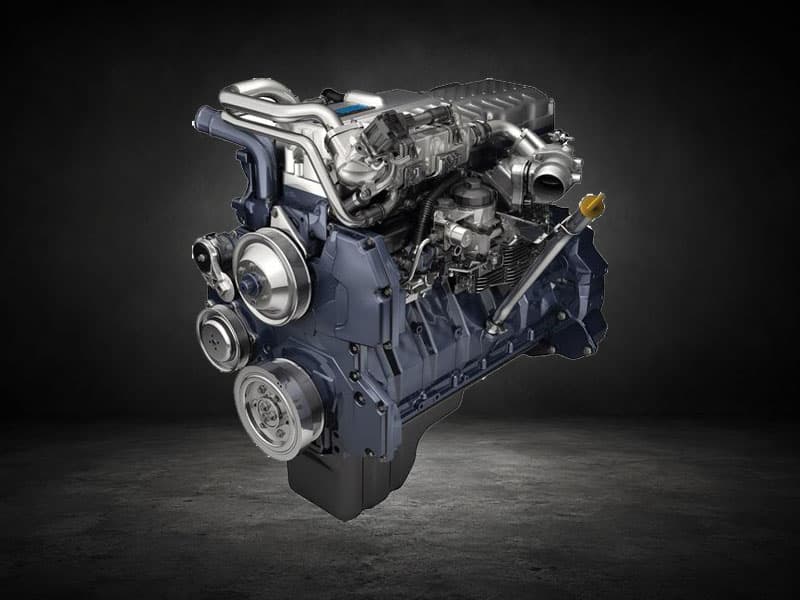
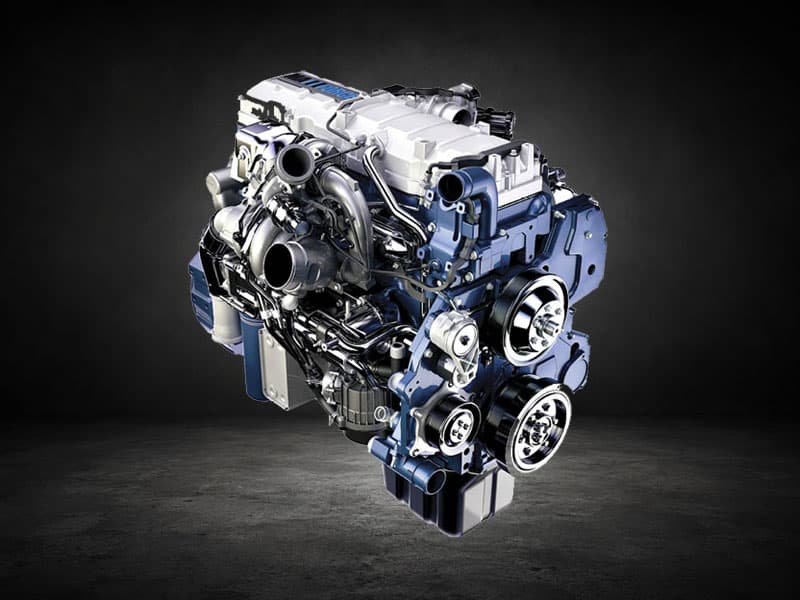
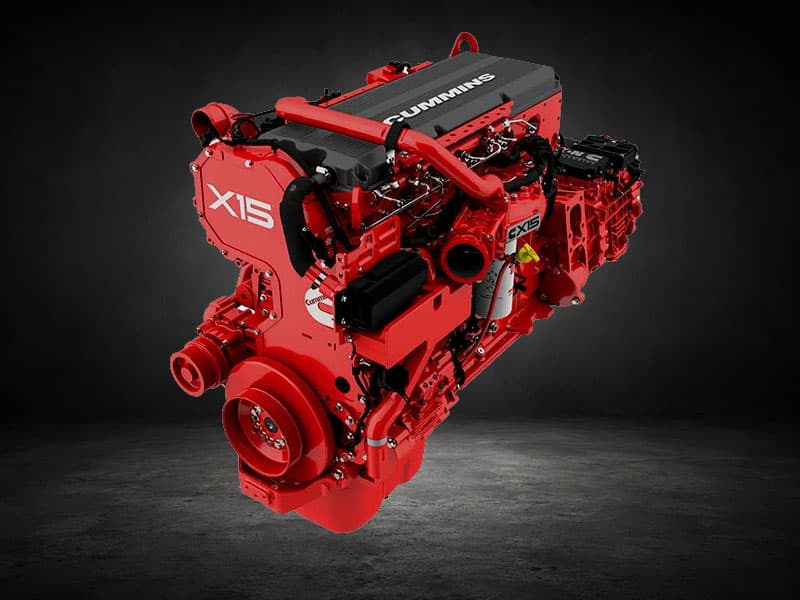
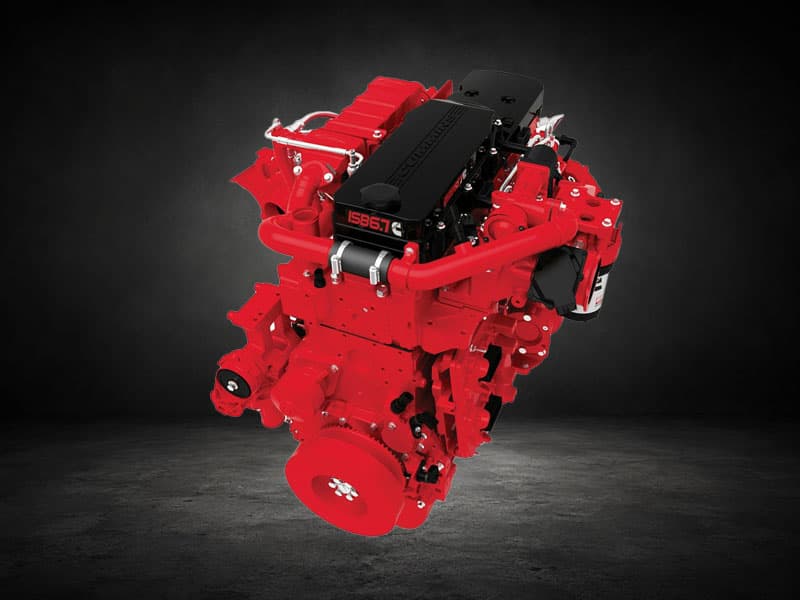
Quotes return same business day. Tell us the apparatus type, the chassis, the engine, the year, and current operational situation including any recent dealer service history. For departments with mixed-engine apparatus inventory, we coordinate across the engine platforms involved — Cummins ISL or X15 on heavy apparatus, Cummins ISB on medium-duty rescues and brush trucks, MaxxForce platforms on older International chassis, Detroit DD13 on Freightliner M2 medium-heavy apparatus.
⏵ Truck down? Fleet stalled?

Fire & EMS Fleet — Get Your Trucks Back On Revenue

Tell us your fleet mix and current pain. Same-day quote, fleet pricing, NDA available.

Customer Stories

Fire & EMS Outcomes

2011 Kenworth T370, 2011 Ford F-750, 2012 Freightliner M2 — bucket / utility fleet
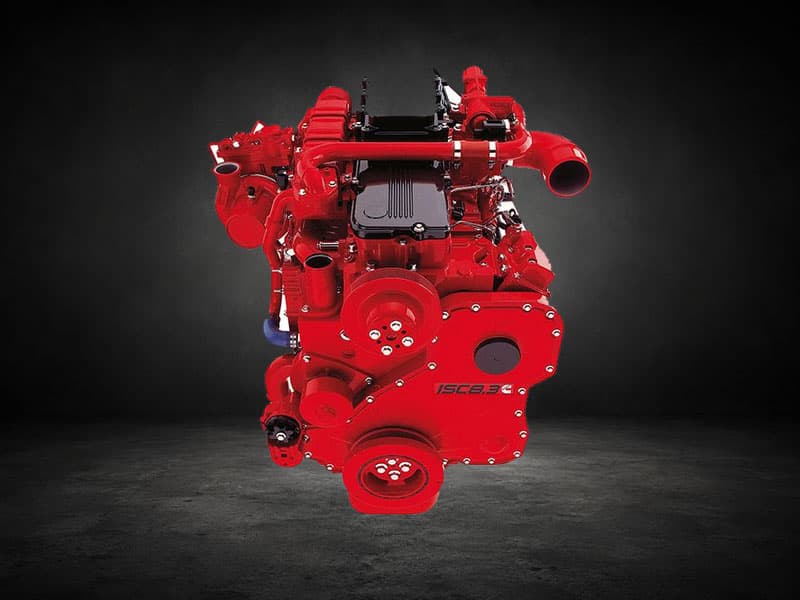
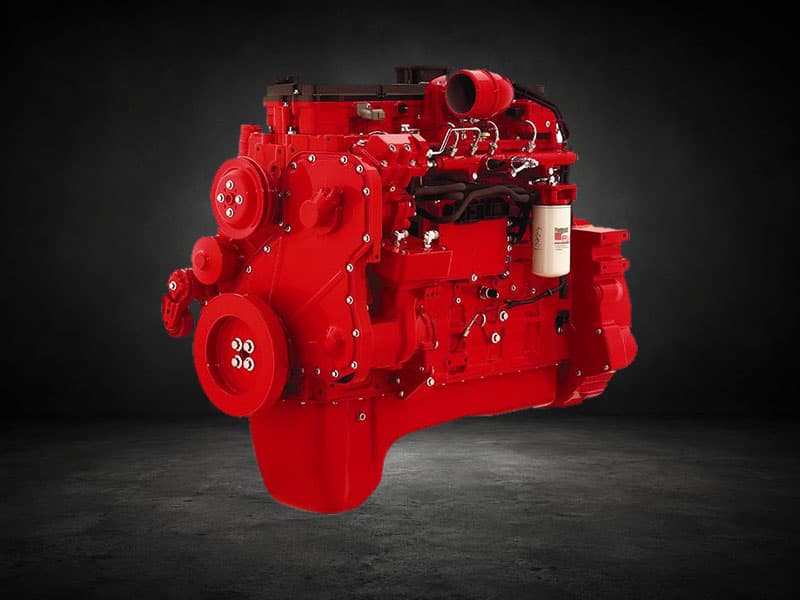
Cummins ISC / ISL

Three weeks of zero limp mode, PTO, or shutdown issues. We made a huge difference in the storm relief — and earned a huge payday.

The Problem

Drove 18 hours into hurricane-stricken Florida with three bucket trucks for emergency power restoration. One truck went into shutdown within days; the other two went into limp mode within a week with PTO failures during sustained bucket operation. Without these trucks operating, the storm-relief contract — and the payday — was at risk.

Outcome

Called ECM Performance at 4:30 PM. Technician drove four hours overnight and arrived before sunrise. Coordinating with off-site team, all three trucks were running perfectly by 2 PM the next day. Three weeks of zero limp-mode, PTO, or shutdown events followed. Storm restoration completed; full payday earned.

Randall K.
Electrical Line Restoration Services — Florida hurricane response
Peterbilt 340, Kenworth T300, Sterling Acterra
Cummins 8.3 ISC / Paccar PX-8

After dealer-replacing turbos, EGRs, DPF filters and DOCs without fixing the problem, ECM Performance gave us a real solution. Wish I'd known about them four years earlier.

The Problem

Of 40 vehicles in the construction waste fleet, the 2007–2009 DPF-equipped trucks were the only ones with problems. Constant regen, power de-rate, recurring check-engine codes. Dealer-replaced turbos, EGRs, DPF filters, and DOCs across multiple trucks without resolving the underlying issue. Money pit.

Outcome

Started with one ECM as a test — back in two days, truck now runs better than the day it was bought. Sent the remaining fleet ECMs one at a time. All reprogrammed trucks are back on the jobsite producing revenue.

Chuck Z.
Construction waste service — 40-truck fleet
Kenworth T300 dump truck fleet
Paccar PX-8

Both trucks working great. Thanks for the fast service.

The Problem

Heavy idling and PTO duty produced constant DPF problems despite under 20,000 miles per truck. Limp mode, shutdowns, impossible to haul reliably.

Outcome

ECM Performance resolved the DPF pattern across the fleet with fast turnaround.

Charlie G.
Excavation / mining company
Peterbilt 340 dump truck
Paccar PX-8

Customer service, turnaround, and results — all great. Tell your customers not to be afraid of ECM programming.

The Problem

Truck sitting idle through Minnesota winters because the DPF system couldn't handle cold-weather vocational duty. Started with one ECM in November 2012; came back to a working truck for the first time in years.

Outcome

Second ECM programmed in two days — sent Wednesday, back Friday morning. First winter ever the fleet ran without DPF-related problems.

Mark T.
Gravel company — Minnesota
2010 Kenworth T370 service truck
Cummins ISC

Like magic. No more codes or problems. Wish we knew about this a year ago.

The Problem

Constant regen cycles, power de-rates, and recurring fault codes for DPF / crankcase pressure (codes 0555, 1881, 1883). Replacing the crankcase filter every 100+ hours to clear errors. Unburned regen fuel pushing past piston rings into crankcase — classic pattern for service-truck duty cycle.

Outcome

Reprogrammed ECM + DPF removal. Like magic, no more codes or problems. Wish we'd known a year ago.

Harold J.
Field equipment service — logging industry
2009 Kenworth T370 dump truck
Cummins ISC 8.3L 330HP

Highly recommend ECM Performance to anyone experiencing DPF-related issues.

The Problem

Only 1,700 hours but constant DPF-related limp modes. Cummins Insite forced regens at the dealer held for 15-18 hours before relapsing. PTO duty cycle fought the calibration. Older 2006-and-earlier trucks with no DPF had no problems.

Outcome

ECM shipped, returned in two days. 100+ hours of trouble-free operation since.

Department of Parks fleet manager
Municipal Roadway Maintenance — blacktop & gravel delivery
Peterbilt 330 — 120K miles
Cummins ISC / Paccar PX-8

In two days, ECM Performance did what the dealer couldn't do in two weeks or two years.

The Problem

Recurring engine problems even after the dealer kept the truck for two weeks at a $3,500 cost. Truck ran for three days, then started flashing engine problems again. Barely running by week's end.

Outcome

Overnighted ECM. ECM Performance did in two days what the dealer couldn't do in two weeks — or two years.

Jose M.
Waste removal
Ford F-650 flatbed
Cummins ISB 6.7

Truck now gets 14 MPG. It used to get 8-9 mpg. The reprogramming pays for itself in fuel savings.

The Problem

Constant slow-speed and idle operation prevented DPF from completing regen. Truck shut down unexpectedly and had to be towed to the dealer with no permanent fix.

Outcome

ECM programmed, returned in two days. No more problems. Fuel economy went from 8-9 mpg to 14 mpg — the reprogramming pays for itself in fuel savings.

Rudy E.
Farmer
Peterbilt 335 box truck — 80,000 miles
Paccar PX-8

You can't remove the DPF without reprogramming the truck's ECM. Big thanks to Jim and the fellas at ECM Performance.

The Problem

Constant limp mode from dirty DPF. Removed the DPF first without reprogramming the ECM — truck ran great briefly, then stopped running flat. Cummins dealer pointed to ECM Performance for the calibration work.

Outcome

ECM back in a few days. Plugged back in, truck fired right up and runs great.

Rudy J.
Dairy farmer
2008 Ford F-650 dump truck
Cummins ISB 6.7

Very happy with the programming, turnaround time, and support. Would definitely recommend.

The Problem

DPF problems across F-450 and F-550 fleet drove the decision to proactively program the low-mileage F-650 before issues arose. Removed DPF ceramics, reattached empty canister.

Outcome

Overnighted ECM, took 20 minutes to remove and reinstall. One missed connector caused a check engine light; ECM Performance support diagnosed it via blink-code pattern. Power and torque increase noticeable.

Steve K.
Landscaper
2009 Kenworth T300 water tank truck — 120,000 miles
Cummins ISC

Idles and sprays water all day with no problems. Now we stay on the job site making money instead of costing money.

The Problem

Water truck used for dust control on excavation sites. Dealer told us to take it on the highway for two hours to complete regen — except the truck is jobsite equipment, not a highway tractor. Constant shutdowns.

Outcome

ECM returned in 2-3 days. Truck now idles and sprays water all day without problems. Crew and truck stay on the job site producing revenue.

Cory K.
Excavating company
2009 Peterbilt 386 — 50,000 miles
Caterpillar C15

I wish we'd known about you guys a year ago. I would have saved a lot of money and had a running truck.

The Problem

DPF wouldn't clean, recurring stop-engine and check-engine lights, de-rates, limp modes, and shutdowns — at only 50,000 miles. Dealer mechanic referred us to ECM Performance.

Outcome

Reprogrammed ECM installed three days after ordering. No more problems.

Hector P.
Agriculture / Farming — Mexico City, Mexico
Three Peterbilt 337 mine service trucks — under 100 service hours each
Paccar PX-8

Trucks run with no problem, no engine codes, and the PTO mode runs great. Professional and quick service.

The Problem

Brand-new mine service trucks wouldn't run on local Congolese diesel fuel. DPF aftertreatment incompatible with available fuel quality. DEF fluid not easy to source in the Congo. Removing the DPF without reprogramming wouldn't let the trucks start.

Outcome

ECMs overnighted from Congo to Florida and back in a week. Mechanic reinstalled, removed DPF DOC and SCR internal elements. Trucks run with no problems and no engine codes; PTO mode runs great.

Randy M.
Mining company — Republic of Congo
2008 Ford F-650 fire truck — 1,000+ service hours
Cummins ISB 6.7

6,000+ hours of smooth idling and no problems. God bless you guys.

The Problem

Two turbos replaced and the DPF filter cracked — truck no longer running. Manufacturer recommended international overnight shipment of the ECM to ECM Performance.

Outcome

One week turnaround for international shipment. Pulled DPF, replaced with straight pipe, plugged in reprogrammed ECM. Truck fired right up. 6,000+ hours of smooth-idling, problem-free operation since. Sending four more ECMs.

Corey D.
Fire service — Dalian, China
⏵ Truck down? Fleet stalled?

Get Your Fire & EMS Fleet Back On The Job

Same-day quotes. 2–3 day ship-in turnaround. Remote programming worldwide. Fleet and dealer pricing available.

CallQuoteTicket