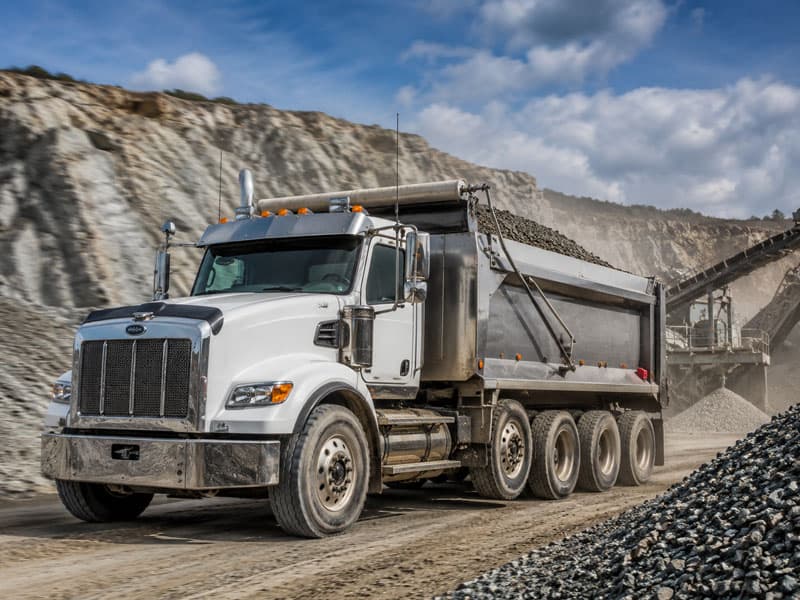
Construction Trucks Live A Different Operational Reality
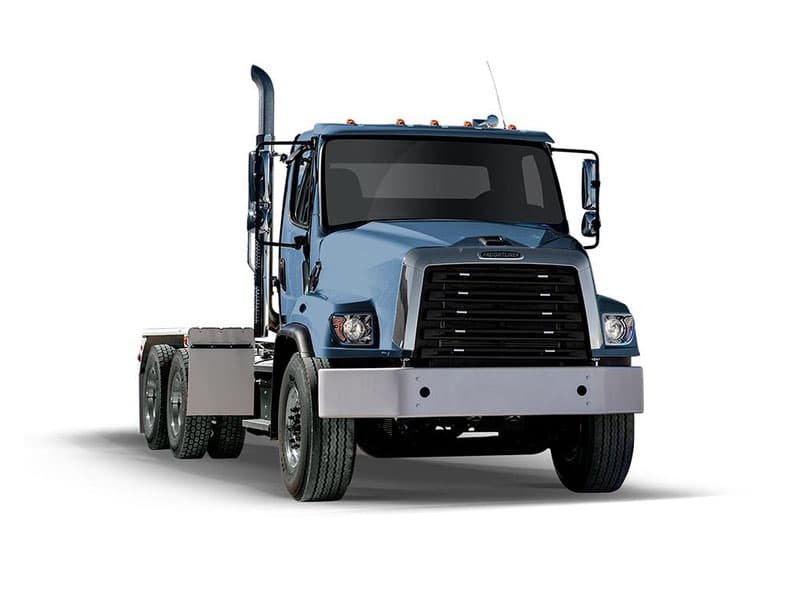
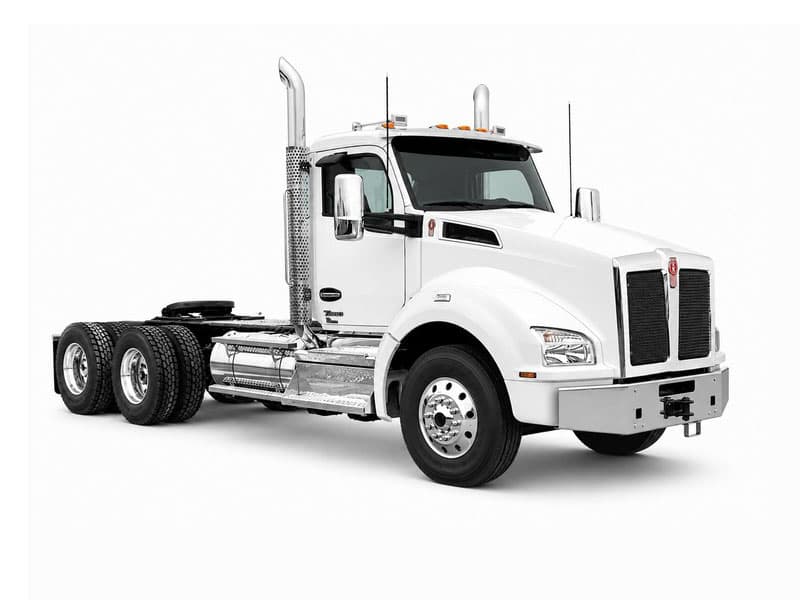
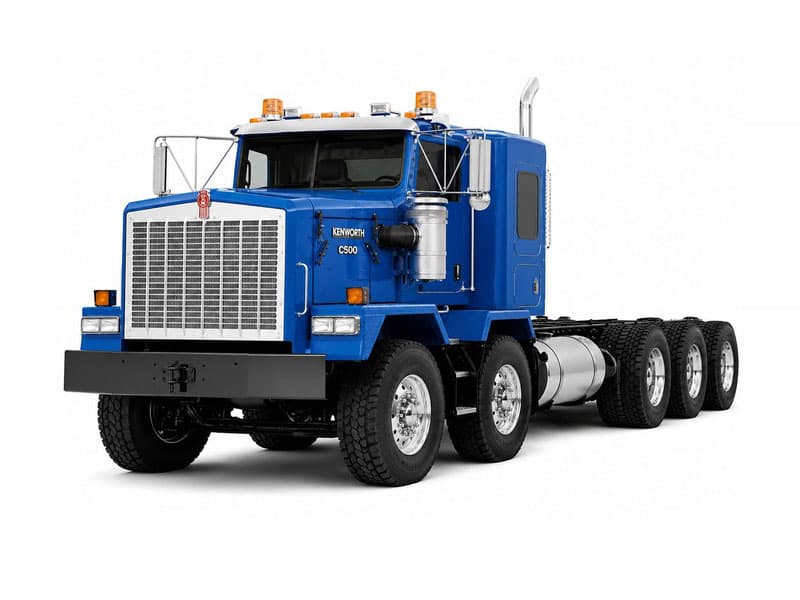
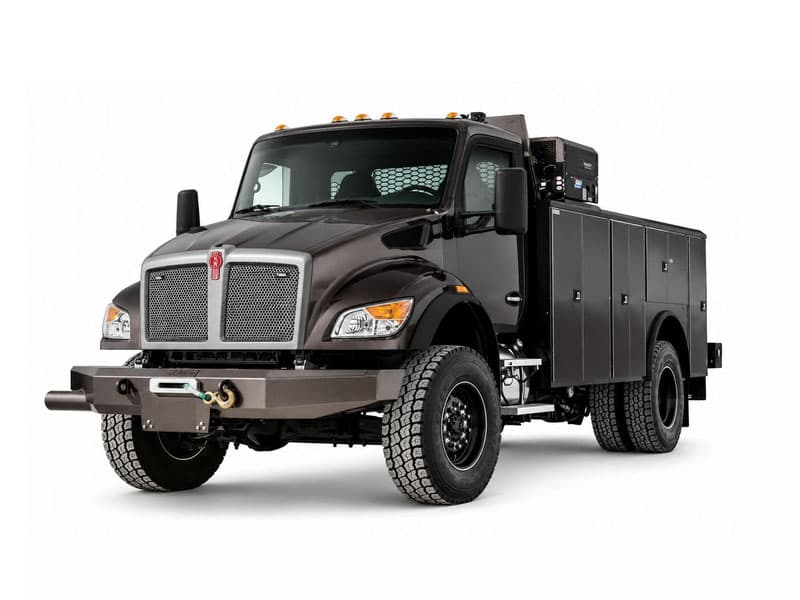
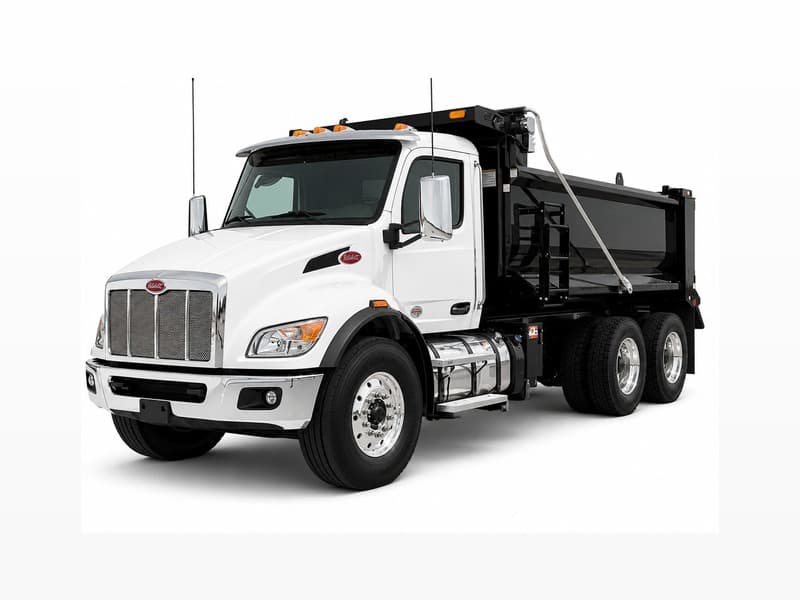
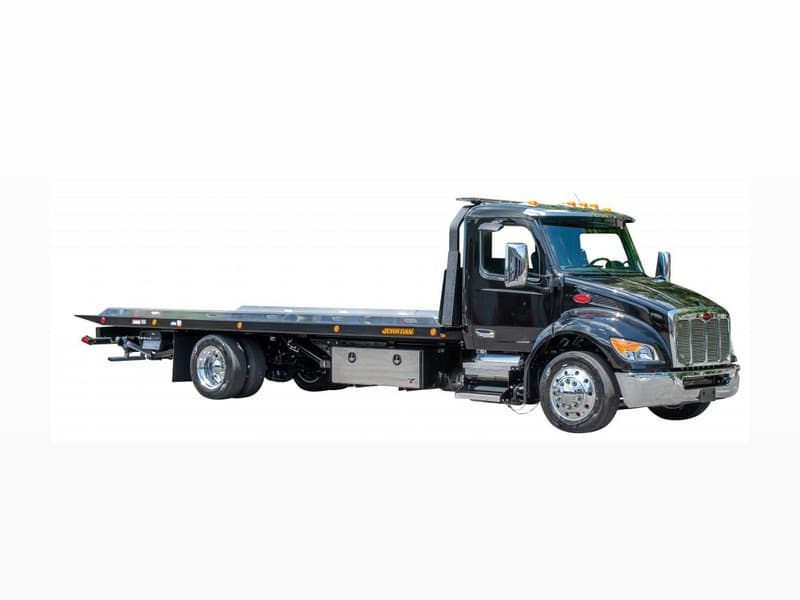
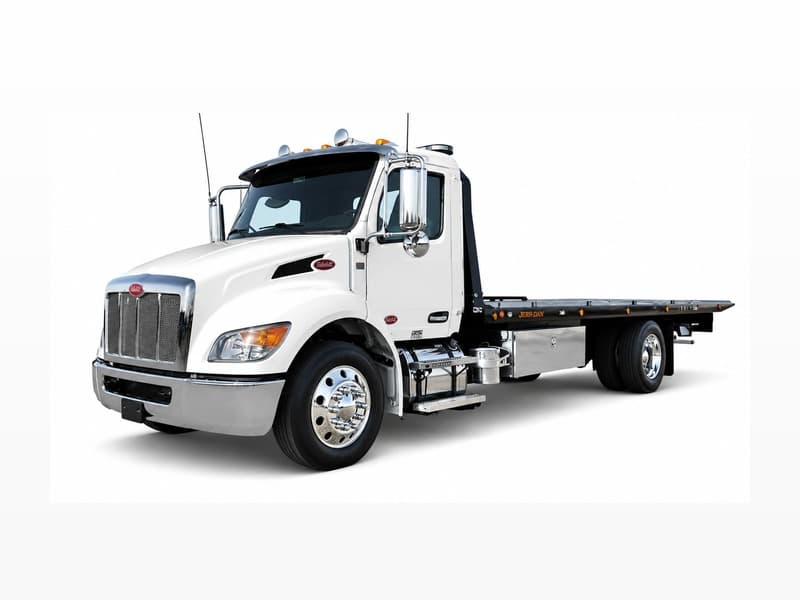
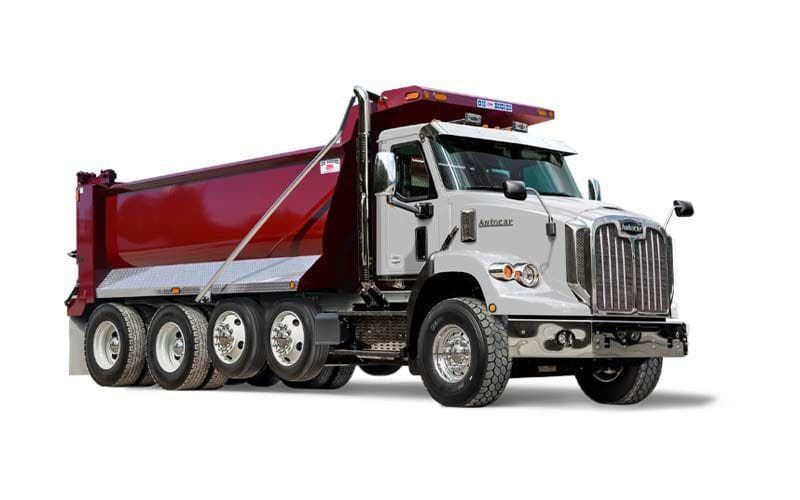
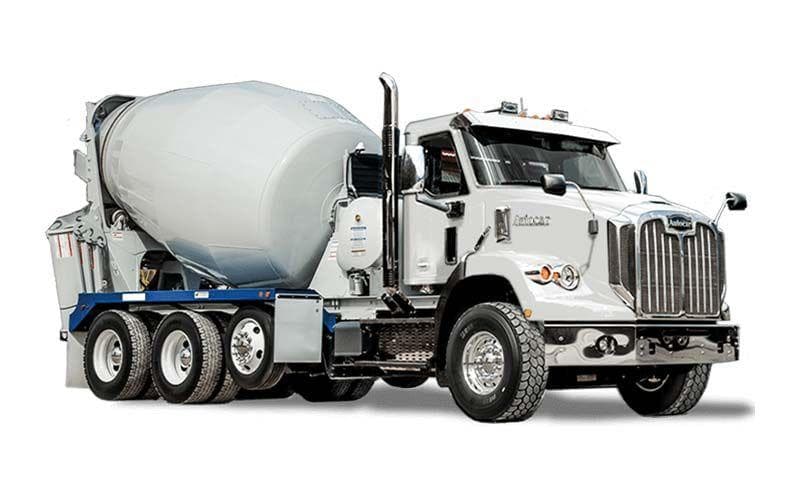
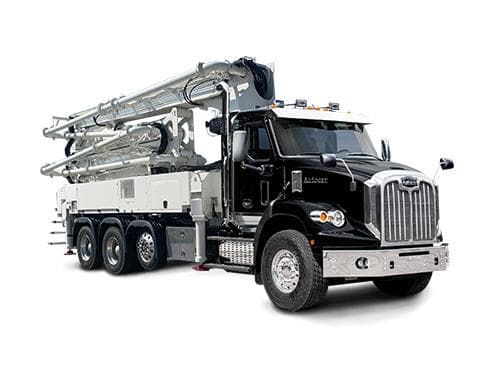
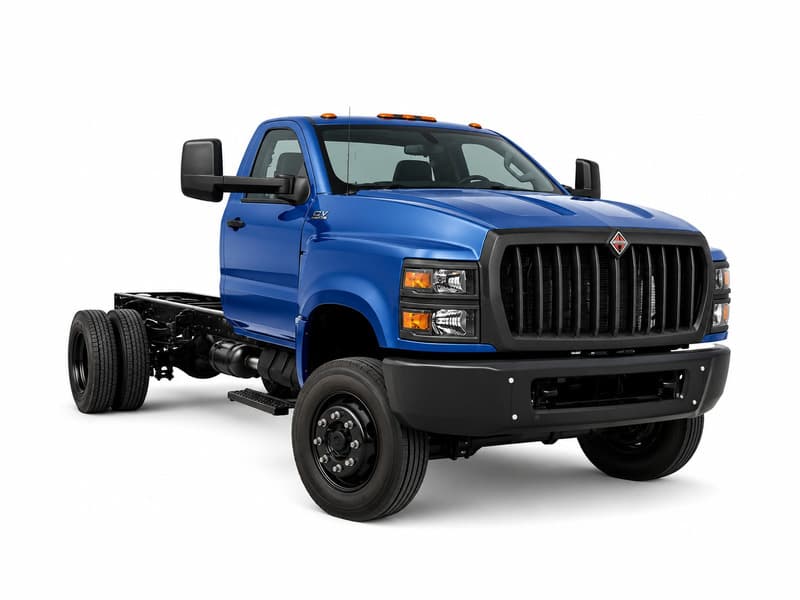
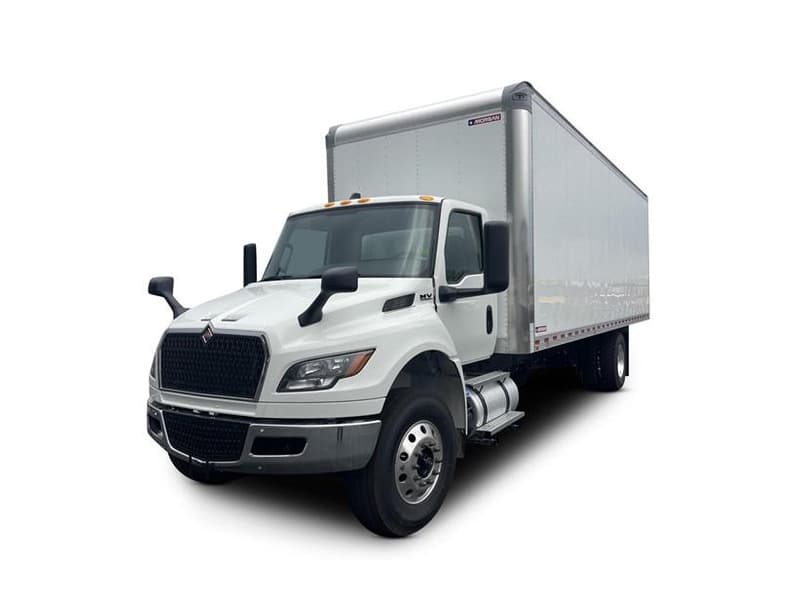
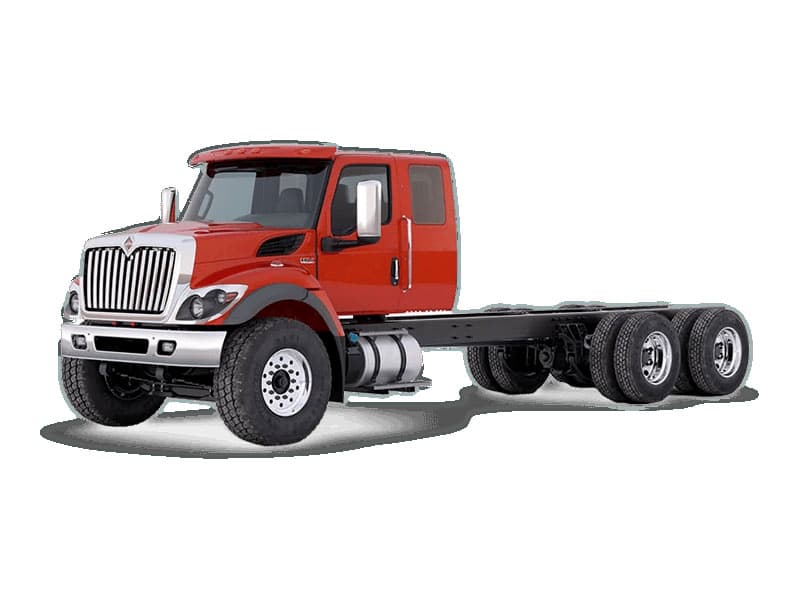
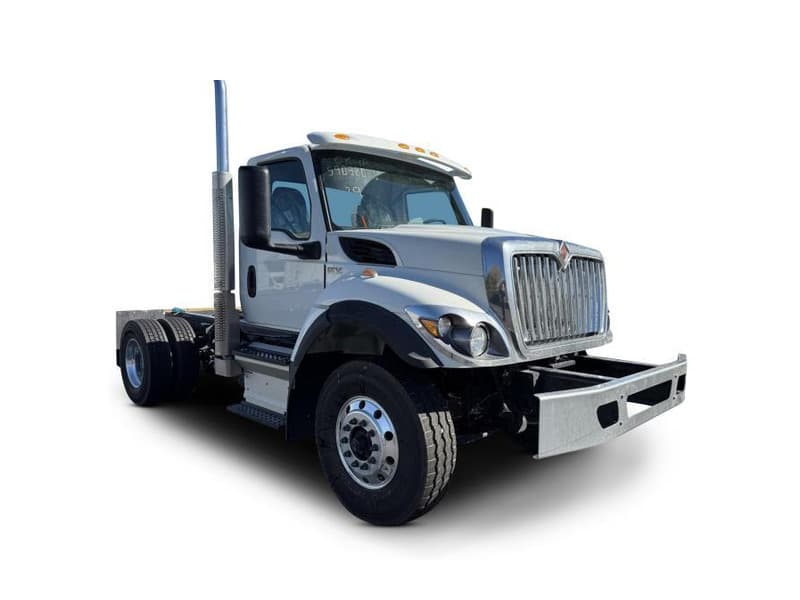
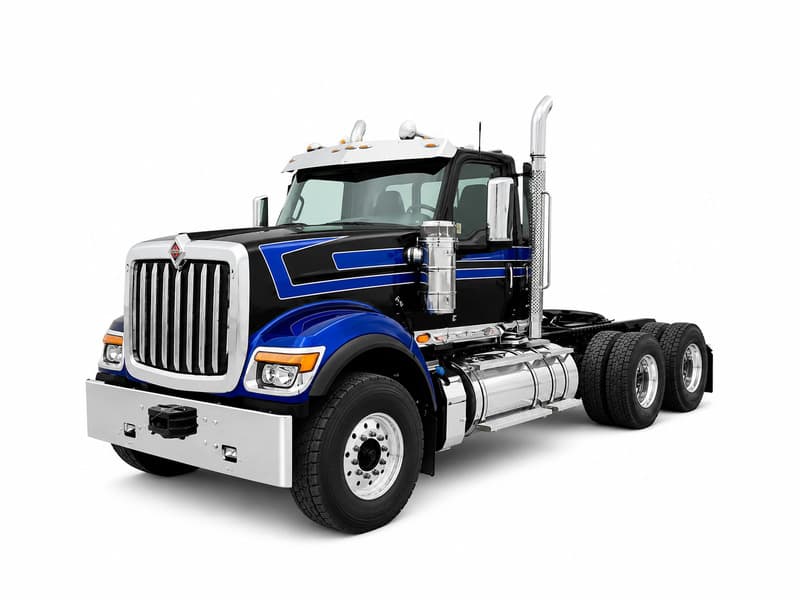
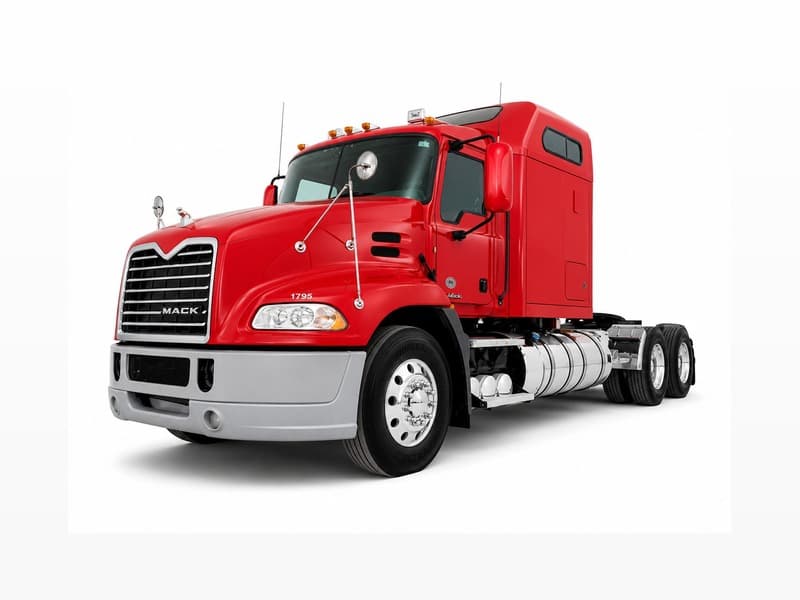
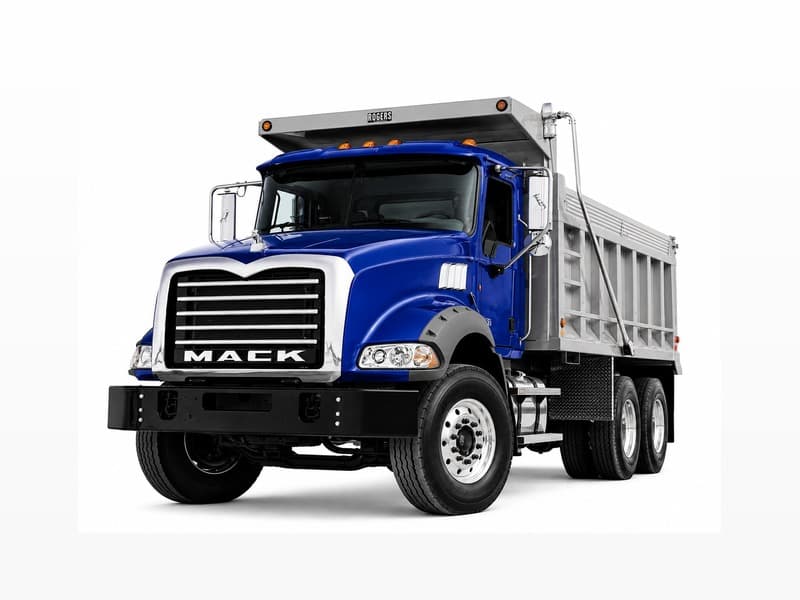
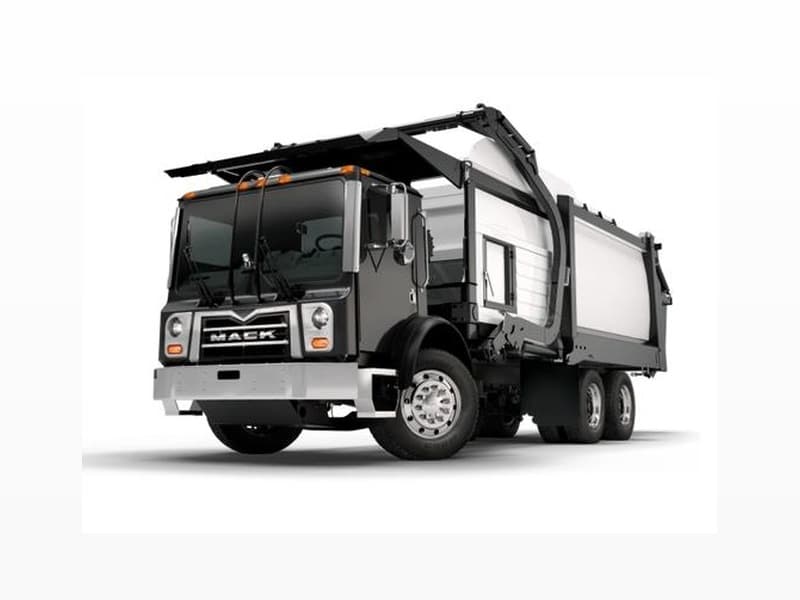
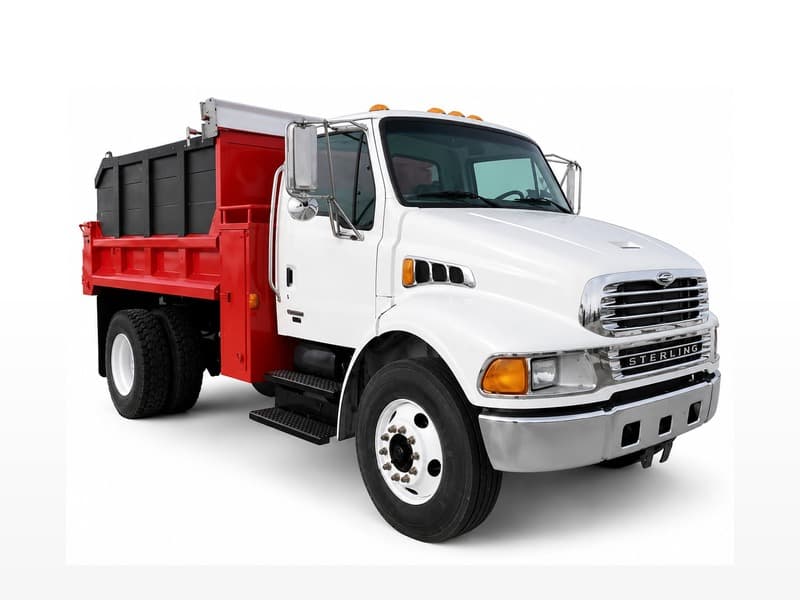
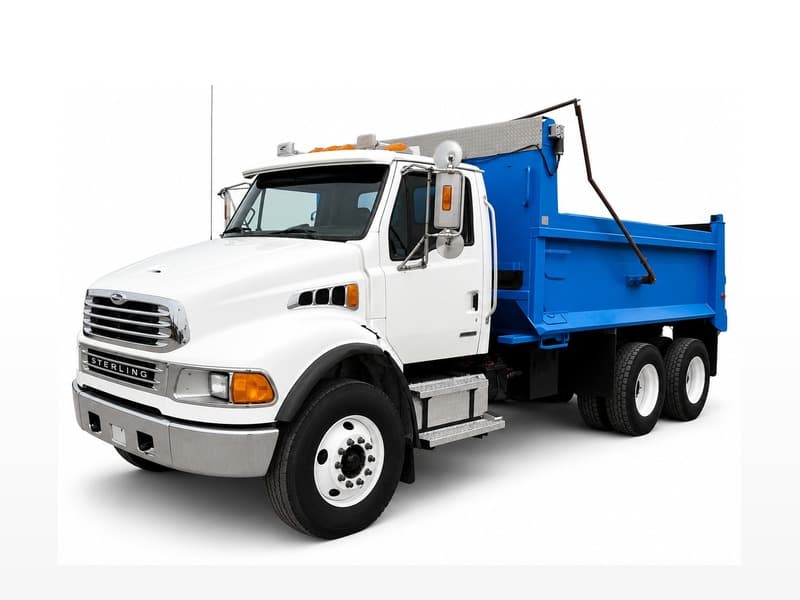
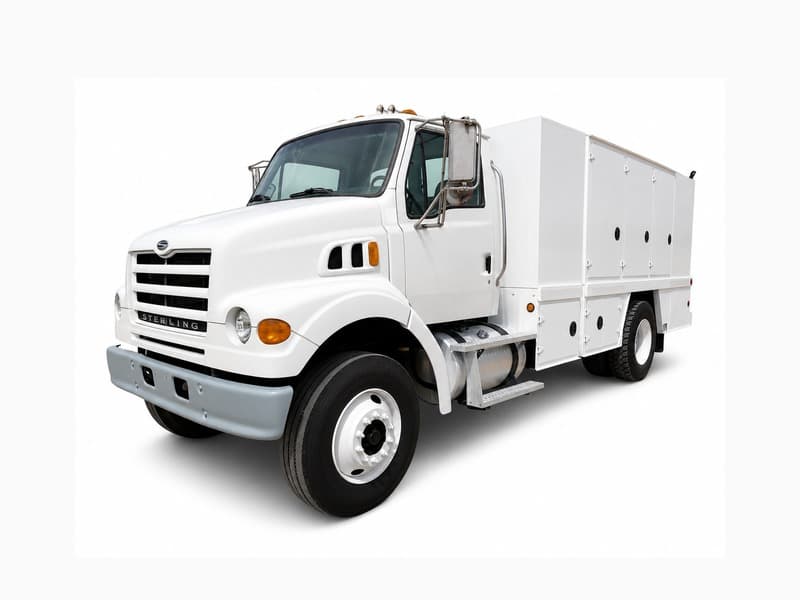
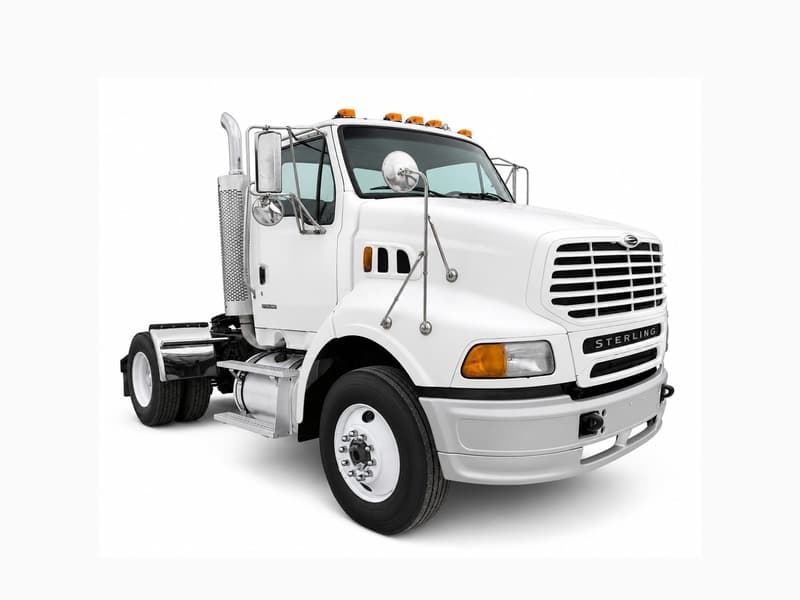
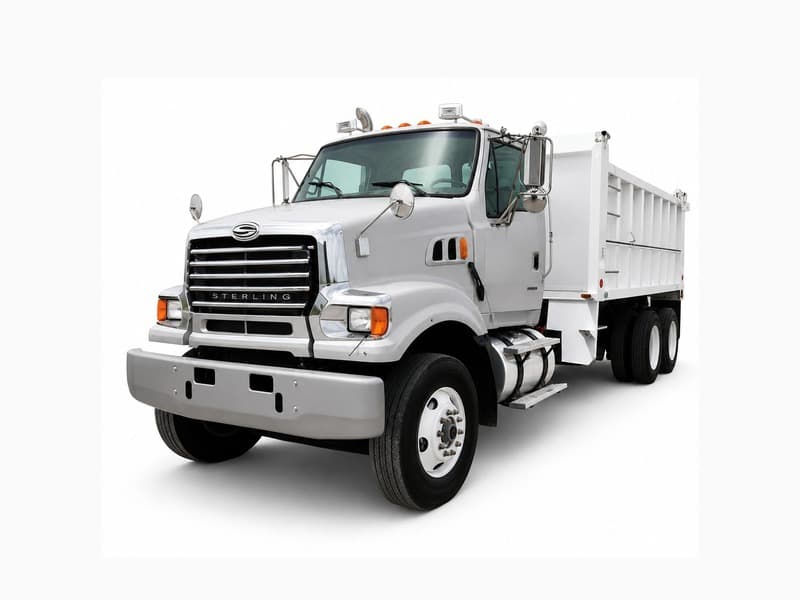
Dump trucks, transit mixers, aggregate haulers, lowboy tractors hauling construction equipment, water trucks for dust control, and the broader fleet of vocational Class 8 trucks that keep construction projects running operate in conditions that aren't anticipated by EPA 2010 aftertreatment system design. The trucks see heavy loads on the way to job sites, light or empty returns, extended idle periods at pour or load-out operations, off-road segments at job sites, and short overall routes that rarely give the aftertreatment system sustained highway conditions.
The result is predictable. Construction fleet DPF failures cluster at 200,000-350,000 miles depending on application — much earlier than the same engine platforms see in highway service. The trucks are nowhere near worn out at that mileage. The aftertreatment system has just been asked to function in conditions it wasn't engineered for.
What Goes Wrong On Construction Trucks
DPF derate from short-cycle duty. The dominant failure mode on construction Class 8 trucks. Short routes between quarry and job site. Long idle at job sites for pour operations or load-out. Cold starts every morning followed by hot afternoon loads. The DPF never sustains passive regen temperature, active regen cycles trigger constantly, and the cycles often don't complete because the truck shuts down between jobs. Soot accumulation builds, ash loading reaches limits, and derate hits.
Aggregate haul cycle stresses EGR systems. Aggregate haulers running long hauls between quarry and concrete plant accumulate EGR soot at high rates. The combination of consistently high loads, dusty operating environment, and the heat cycling of repeated loading/unloading puts the EGR system through more stress than highway operation would. By 300,000-400,000 miles, EGR-related issues are common.
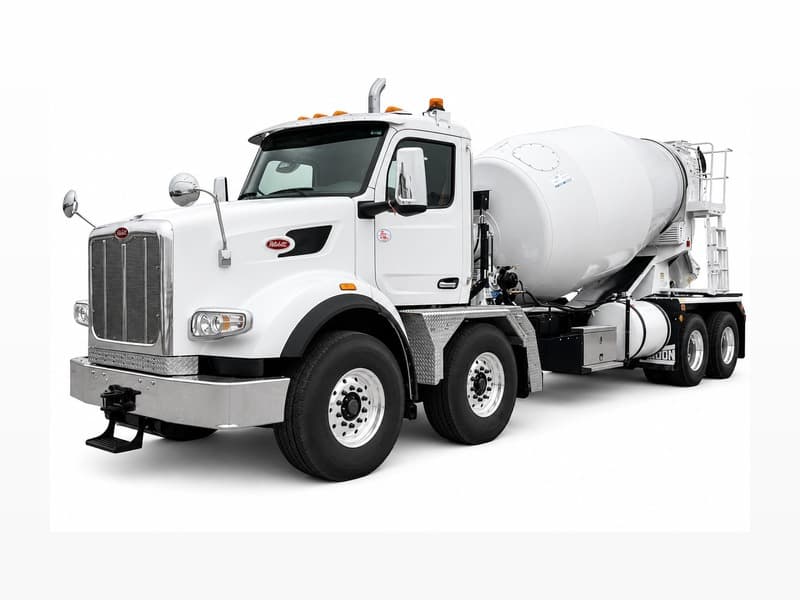
Mixer trucks have unique calibration challenges. Transit mixer trucks run their drum from auxiliary engine drives or PTO arrangements that some ECM calibrations don't handle gracefully. The unusual load profile produces calibration faults that don't represent real hardware problems. The dealer's response is often to replace hardware that wasn't actually broken.
DEF system failures from dust and thermal cycling. Standard pattern across off-road duty cycles. DEF dosing valves, NOx sensors, and SCR catalyst all see operating conditions that exceed design assumptions. Failure rates climb earlier than highway service would suggest.
Job-site downtime costs more than truck downtime. When a dump truck or mixer goes down at a job site, the cost isn't just the truck — it's the project delay, the crew that's waiting, and the contractual implications. Construction operations care about uptime more intensely than most fleet operations because the downtime ripples through the entire project schedule.
What Calibration Work Does For Construction Fleets
For construction trucks designated for off-road service — and many construction trucks legitimately fit this designation given their actual operational pattern — combined DPF and EGR delete eliminates the aftertreatment failure surface entirely. The truck runs against its original performance map, the recurring aftertreatment cost disappears, and uptime improves substantially. For trucks staying in on-road compliant service, recalibration after aftertreatment hardware repair restores normal operation and clears the inducement countdowns that would otherwise re-trigger faults within months.
Performance tuning is a frequent companion to either path. Construction trucks under heavy loads benefit from calibration optimization matched to actual duty cycle. Stock calibrations target generic vocational use; construction haul and aggregate haul have specific demand profiles. Calibration changes matched to those profiles deliver measurable improvements in performance and fuel economy under actual operating conditions.
For transit mixers specifically, we can address the unique PTO and auxiliary drive calibration challenges that cause nuisance faults on the platform. The work reduces the recurring fault clearing that fleet shops would otherwise have to do.
Service Options For Construction Customers
Construction fleets typically work with us across multiple trucks rather than one-at-a-time. Fleet pricing applies, NDAs are routine, and scheduling coordinates with the project calendar to minimize trucks out of service during active construction windows. Ship-in is the most common service path. Remote programming works for fleets with their own diagnostic hardware. On-site service is available for South Florida construction operations.
Quotes return same business day. Tell us the fleet mix (dump, mixer, aggregate haul, lowboy, water truck, etc.), the typical operating pattern, the engine platforms in service, and the operational pain points driving the conversation. The work scales to fit the operation, from single-truck owner-operator service to multi-month engagements with regional construction fleets.
What Project Schedule Pressure Looks Like
Most construction fleet owners reach us in the middle of a project crunch — a key dump truck or mixer is down with derate, the project has visible deadline pressure, and the dealer is quoting weeks for the aftertreatment service. The conversation usually starts urgent, and we treat it that way: same-day quotes, expedited shipping windows when needed, and remote programming options that get a truck back on revenue work inside 48 hours when the operational situation justifies it.
The longer-term relationship looks different. Once the immediate crisis is handled, fleet customers typically move to scheduled programming windows where we work through the rest of the fleet at a pace that matches the construction calendar. Slow seasons, rain delays, and project transitions become opportunities to address the aftertreatment failure mode across the whole fleet rather than reacting one truck at a time.