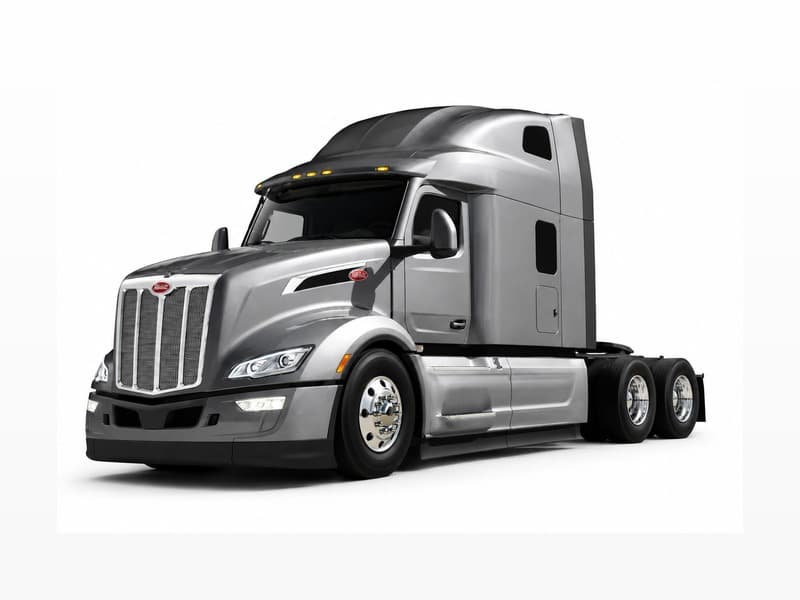
Peterbilt's Aerodynamic Class 8
The Peterbilt 579 is Peterbilt's modern aerodynamic Class 8 highway tractor — the fleet-focused counterpart to the 389 long-nose classic. Launched in 2012 to compete directly with the Kenworth T680 and Freightliner Cascadia for fleet long-haul business, the 579 prioritizes fuel economy, driver comfort, and operational efficiency over the muscle-car character that defines the 389. The same Paccar engineering team built both trucks; the difference is positioning, not platform sophistication.
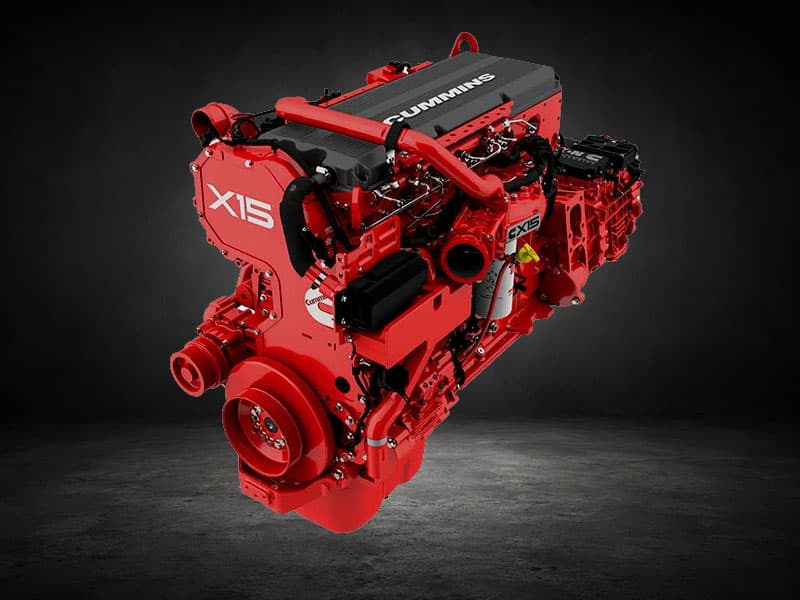
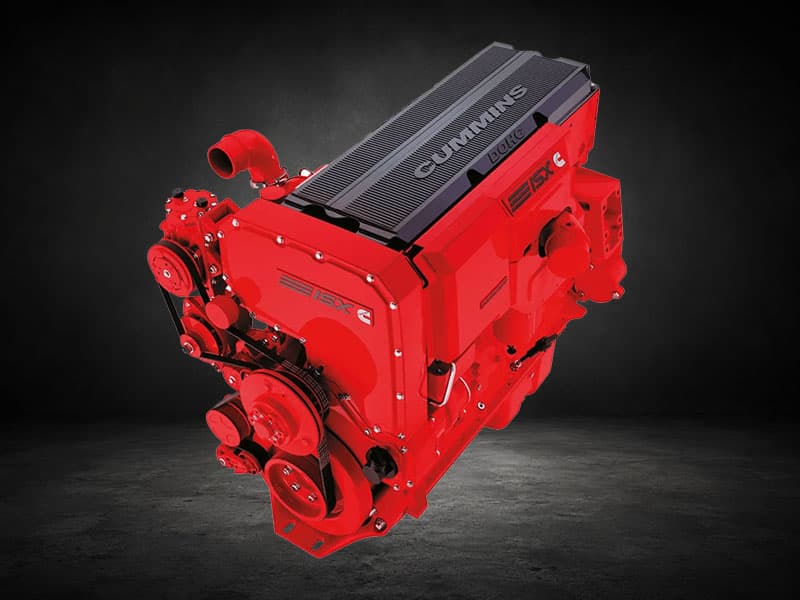
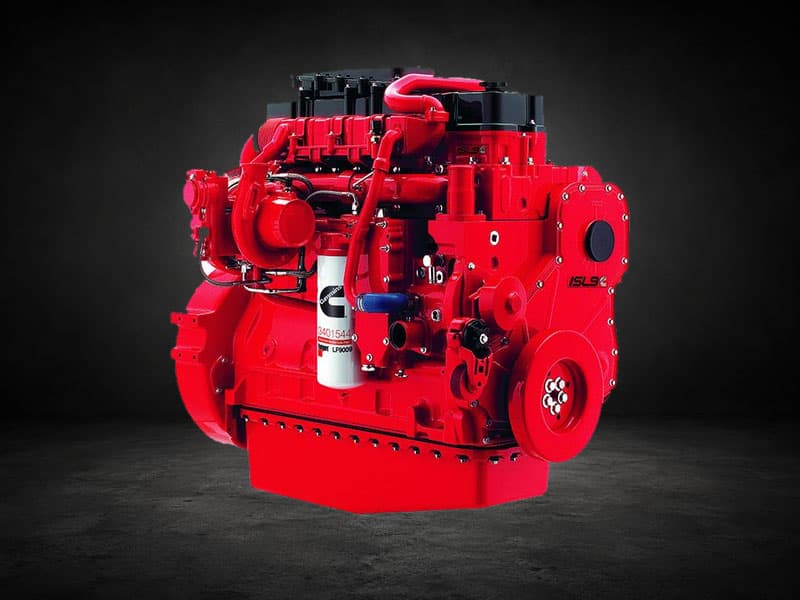
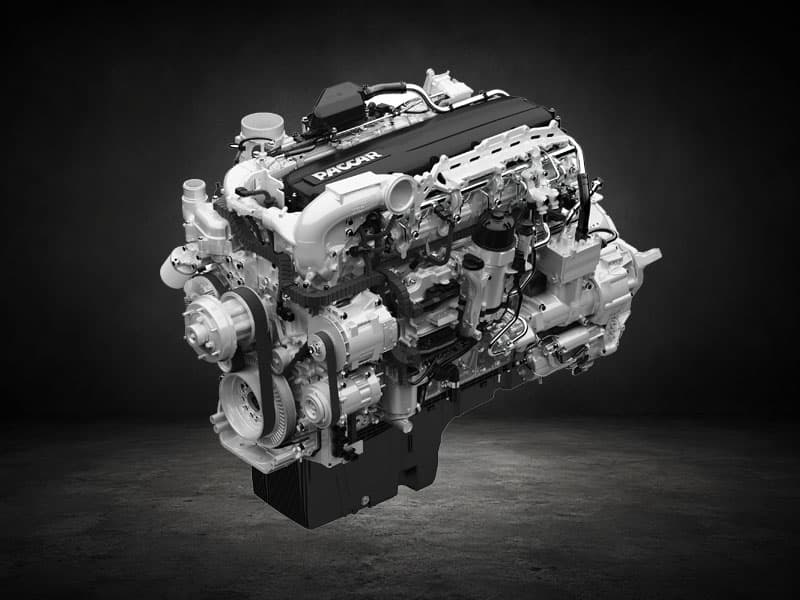
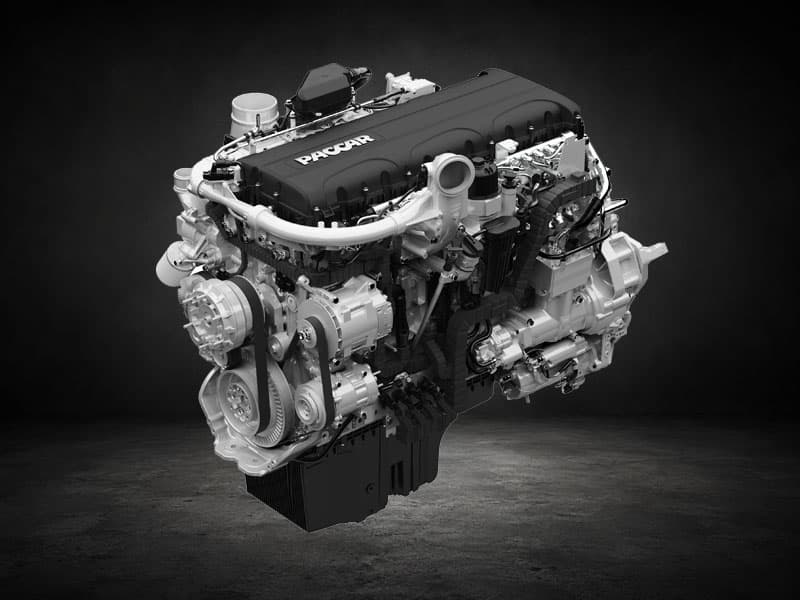
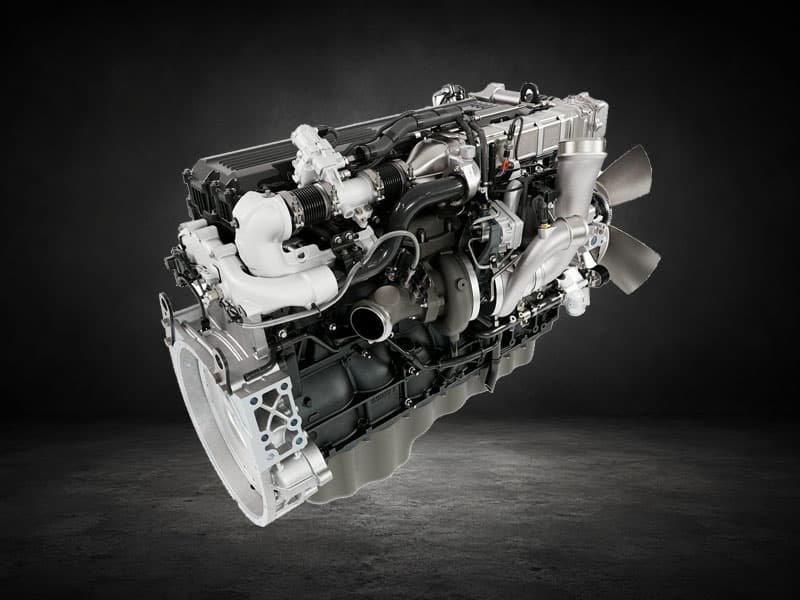
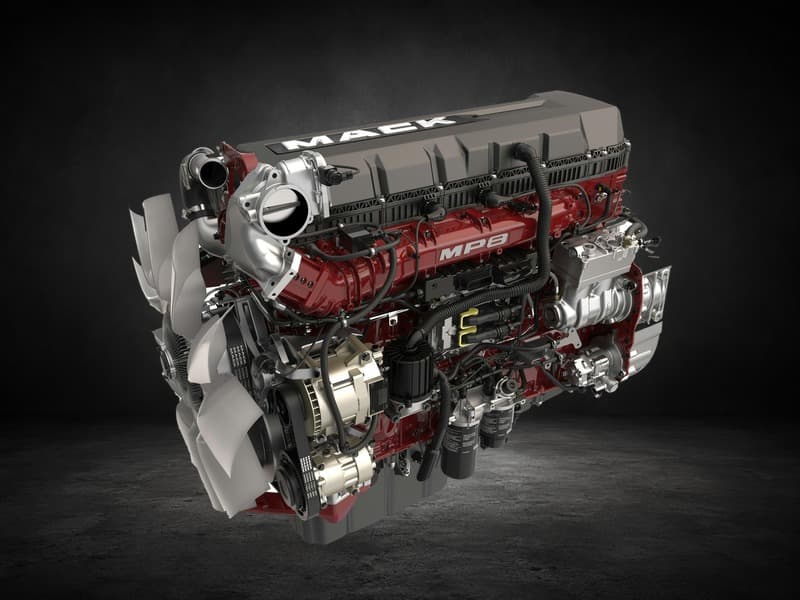
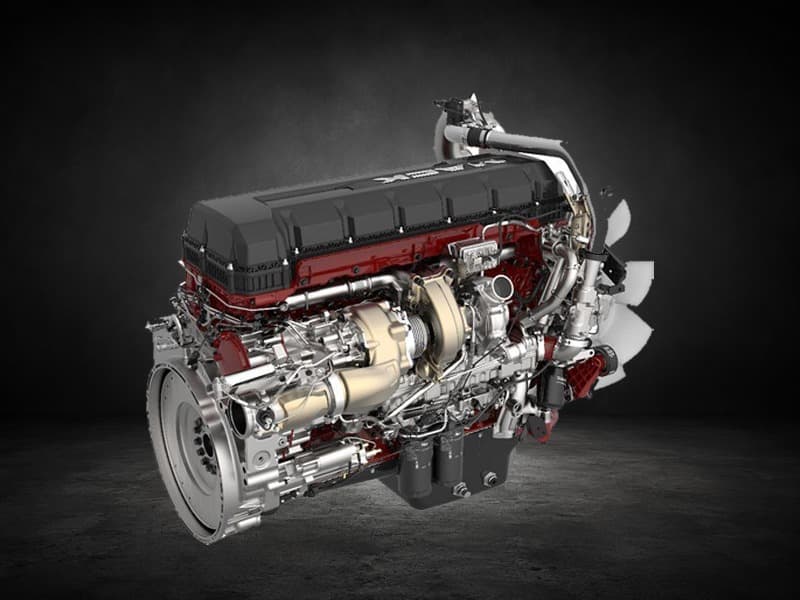
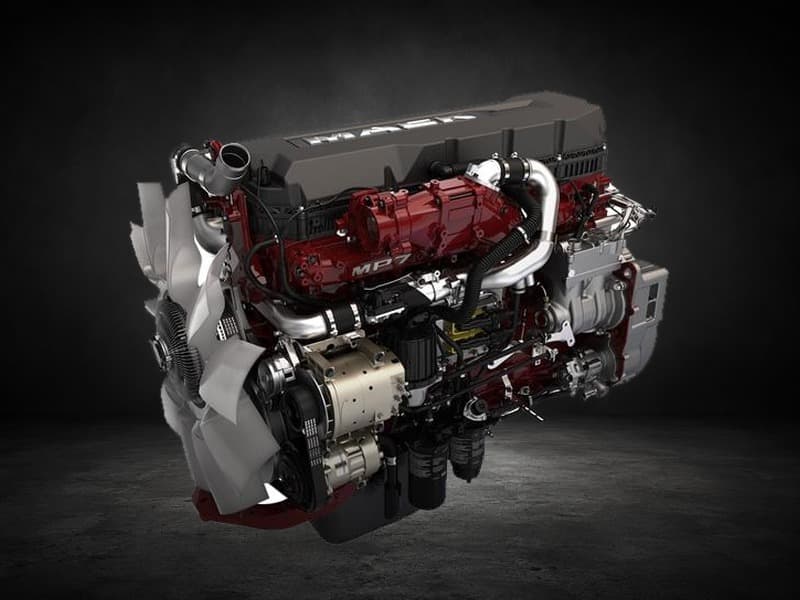
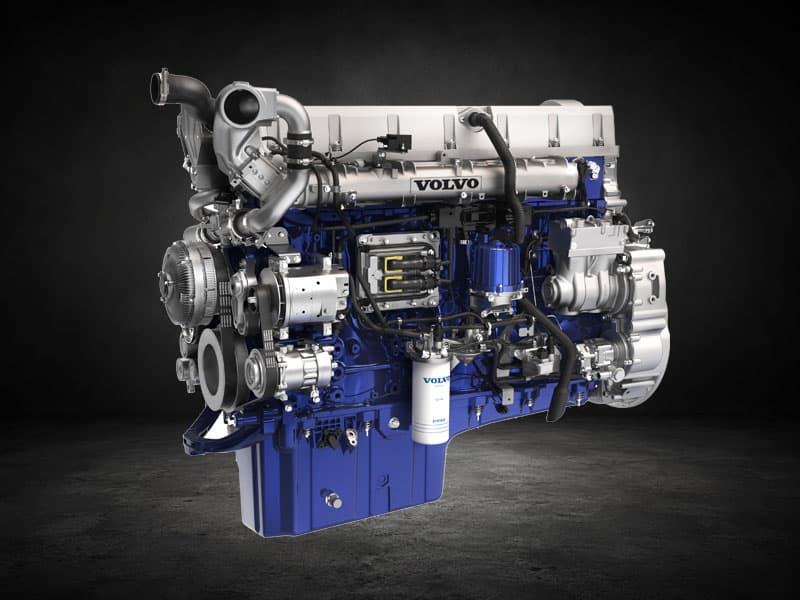
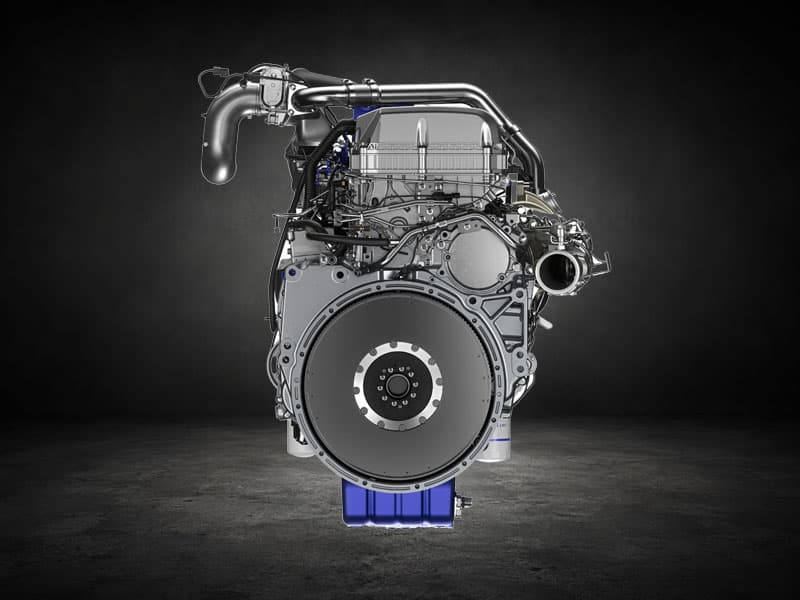
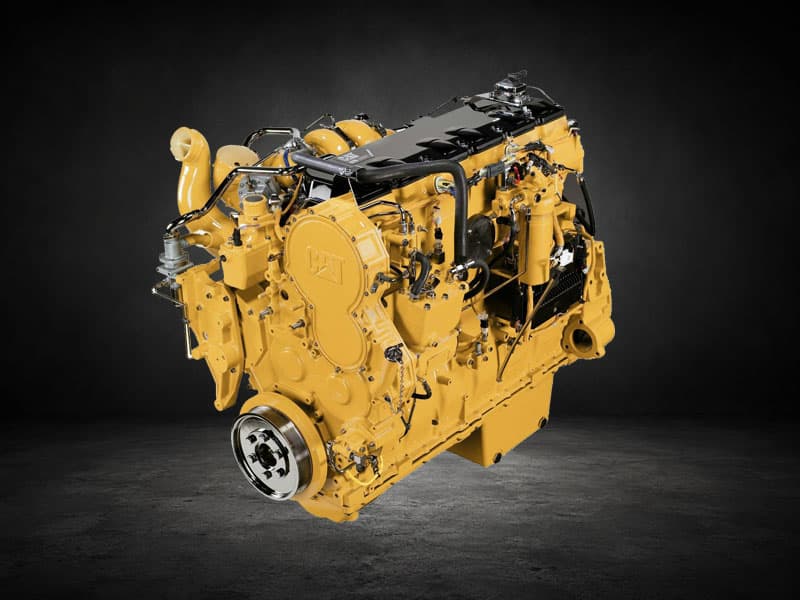
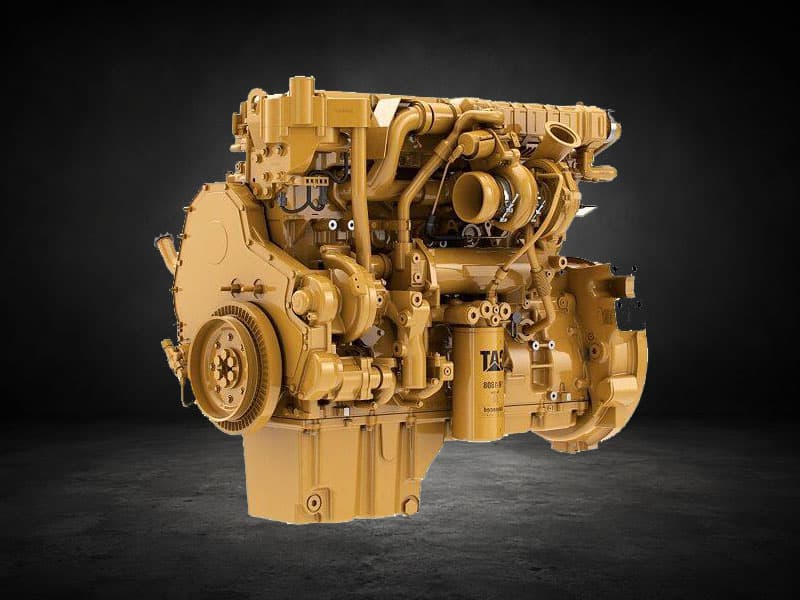
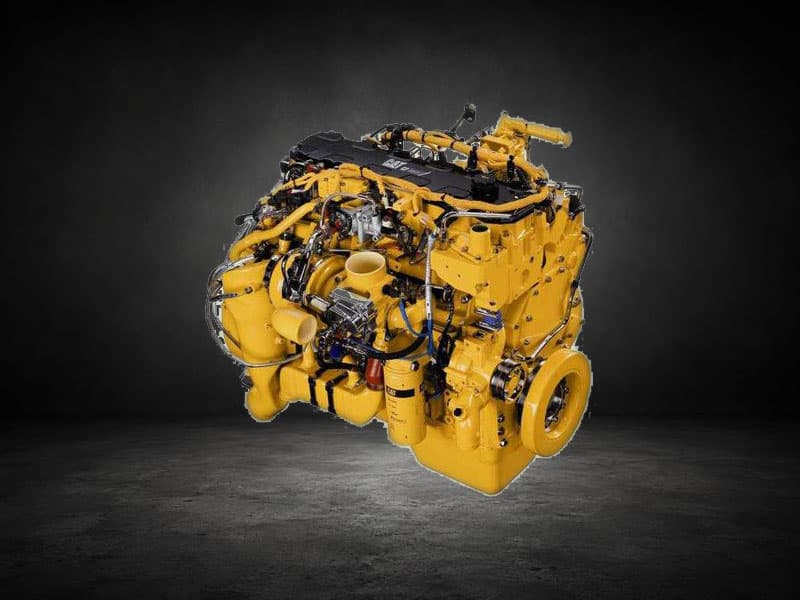
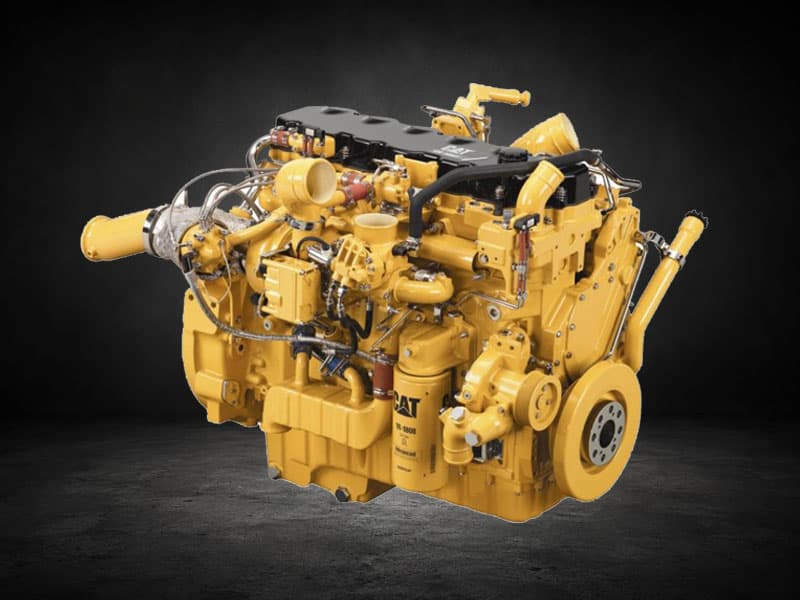
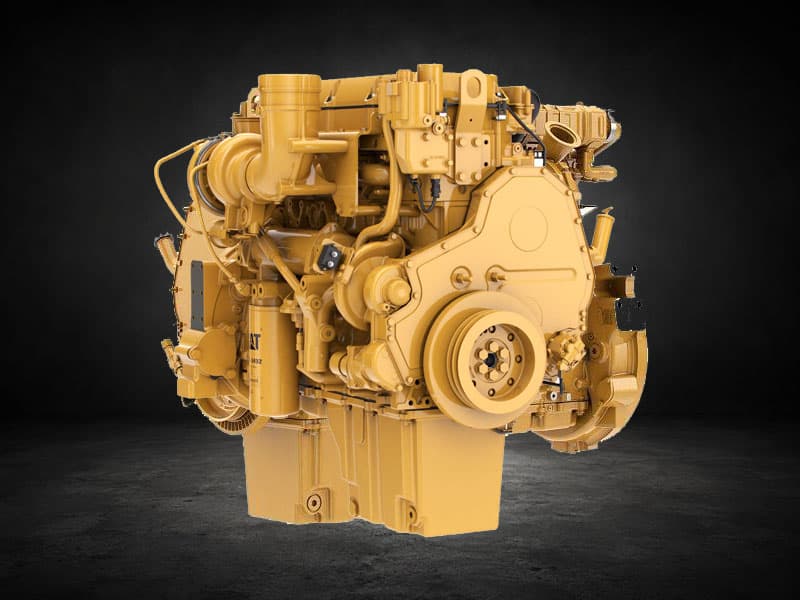
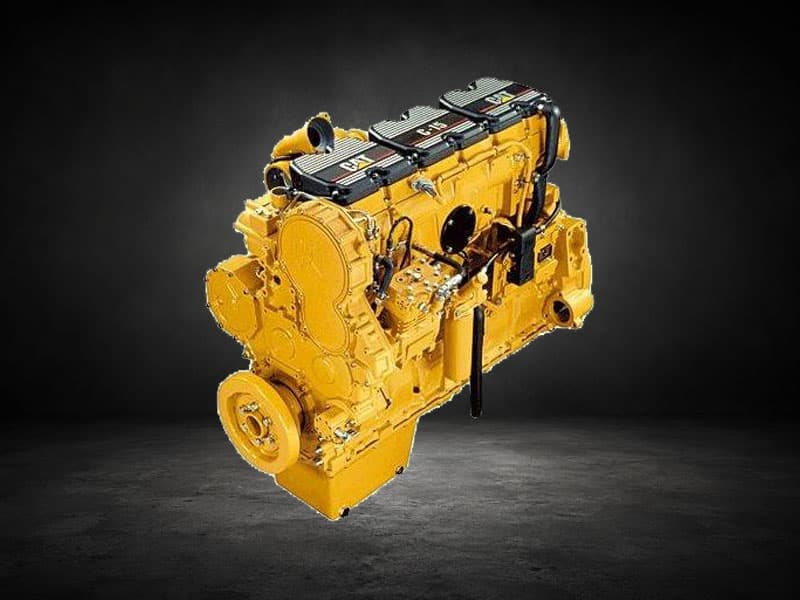
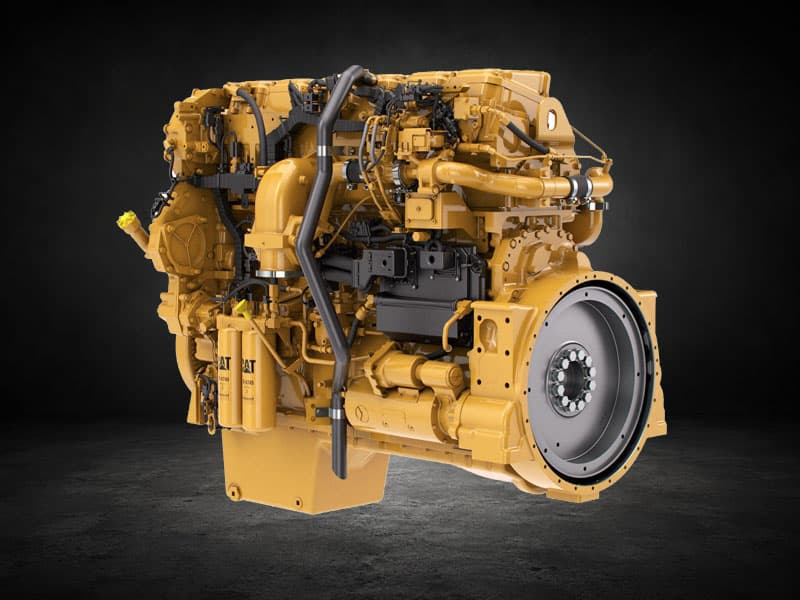
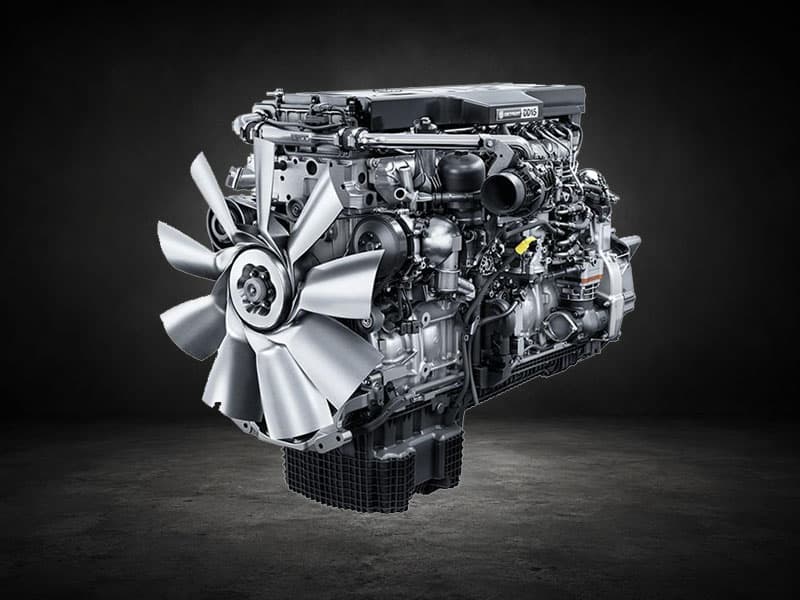
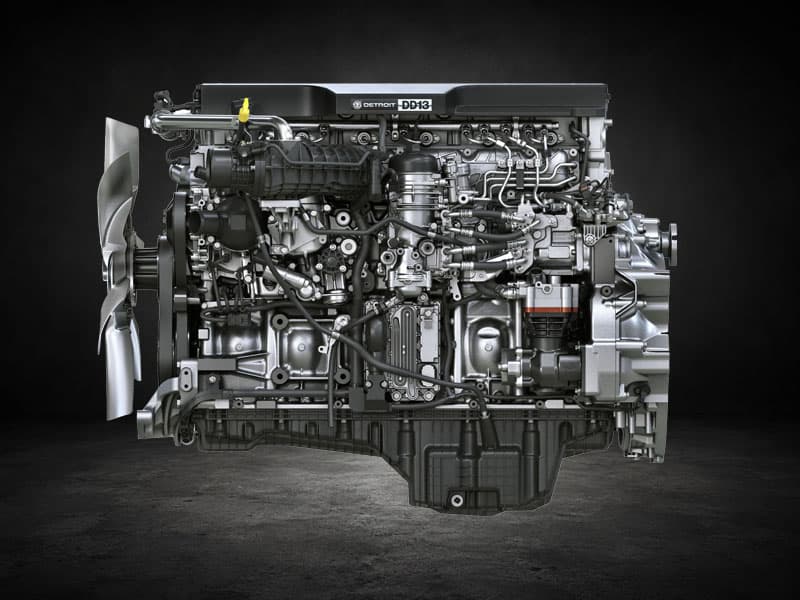
Engine options across the production run include the Paccar MX-13 (12.9L) as the most common spec for fleet customers, the smaller MX-11 (10.8L) for maximum fuel-economy applications, and the Cummins X15 (15.0L) for heavy-haul and customers with established Cummins fleet relationships. Pre-2017 trucks could also be ordered with the older Cummins ISX-15. All variants run post-2010 EPA aftertreatment hardware.
Why 579 Trucks Come To Our Bench
The 579 sees most of its work in fleet long-haul service — the most predictable duty cycle for any modern aftertreatment system. That means 579s often run longer between aftertreatment failures than vocational trucks. But fleet long-haul trucks also accumulate enormous mileage, and by the time a 579 reaches 500,000-700,000 miles, the aftertreatment system has earned the right to start failing.
MX-13 intake soot at high mileage. MX-13 trucks in 579 long-haul service eventually accumulate enough intake soot loading that performance degrades and fault codes start firing. By 600,000 miles, intake cleaning becomes maintenance. By 800,000 miles, EGR delete is the practical option for keeping the truck operating predictably.
DPF derate on trucks moving to regional service. When a 579 transitions from highway long-haul to regional fleet work — common as fleets rotate trucks through different service tiers — the change in duty cycle suddenly stresses the DPF system. Trucks that handled passive regen fine for 400,000 highway miles start needing active regens that don't complete, and derate follows.
DEF dosing failures at high mileage. Standard post-2010 pattern. Dosing valves fail, NOx sensors drift, inducement countdowns build.
Fleet decommissioning preparation. Some 579 work involves preparing trucks for export markets or off-road resale. Calibration changes for international markets, delete preparation for off-road buyers, and ACM/ECM resets after fleet ownership changes are common requests from dealer partners.
579 Programming Options
Combined DPF + EGR Delete (Export & Off-Road)
The most common 579 calibration job for trucks bound for export markets or dedicated to off-road service. Same calibration approach as on the T680 — the trucks share engine platforms and ECM families, so the programming work is identical even if the chassis branding differs.
Emissions Recalibration (On-Road)
For 579s staying in fleet long-haul service, recalibration after aftertreatment hardware repair restores normal operation. The work usually pairs with dealer-side DEF doser, NOx sensor, or DPF replacement to clear the resulting fault state.
Fleet Fuel-Economy Tuning
579s spec'd for fuel economy benefit from calibration optimization for actual operating conditions. Most fleet trucks run within a relatively narrow speed and load range; calibration changes matched to that range can deliver measurable MPG improvements — typically 0.3-0.7 MPG over stock — which adds up substantially across fleet annual mileage.
Fleet Volume Programming
Fleets running batches of 579s typically work with us across multiple trucks at once. Fleet pricing applies, NDAs are routine, and we coordinate with the fleet's shop schedule to minimize trucks out of service at any one time.
Service Paths For 579 Programming
All three standard service paths work for the 579. Ship-in is the most common — pull the ECM, ship to Fort Lauderdale, 2-3 day turnaround, ship back. Remote programming is available for shops with Cummins INSITE (X15 trucks) or Paccar diagnostic hardware (MX-13/MX-11 trucks). On-site service is available for South Florida fleet customers.
Quotes return same business day. Tell us the year, engine platform, current mileage and fault codes, and intended use case. For fleet customers, NDAs and volume pricing apply at typical fleet scale (5+ trucks).
579 Vs. 389 — A Note On Programming Differences
Customers sometimes ask whether 579 calibration work differs from 389 calibration work. The answer is mostly no — both trucks run the same Paccar and Cummins engine platforms, the same ECM families, and the same fundamental calibration architecture. What differs is the typical duty cycle. 579s are fleet long-haul trucks; 389s are owner-operator heavy-haul and oilfield trucks. The calibrations we apply tend to differ accordingly, with 579 work emphasizing fuel economy and SCR efficiency while 389 work emphasizes torque plateau and sustained-load performance. Same hardware, different optimization targets.
Export-Market 579 Demand
Used Peterbilt 579s have substantial export-market demand, particularly into Latin America and the Caribbean where their combination of aerodynamics, reliability, and Paccar mechanical heritage makes them attractive to fleet buyers. Export preparation typically means combined DPF/EGR delete plus calibration adjustments for local fuel quality. We handle export calibration work for truck dealers and brokers regularly, and the work usually batches efficiently since export shipments tend to involve multiple trucks at once.