Mining Operations As An Operational Extreme
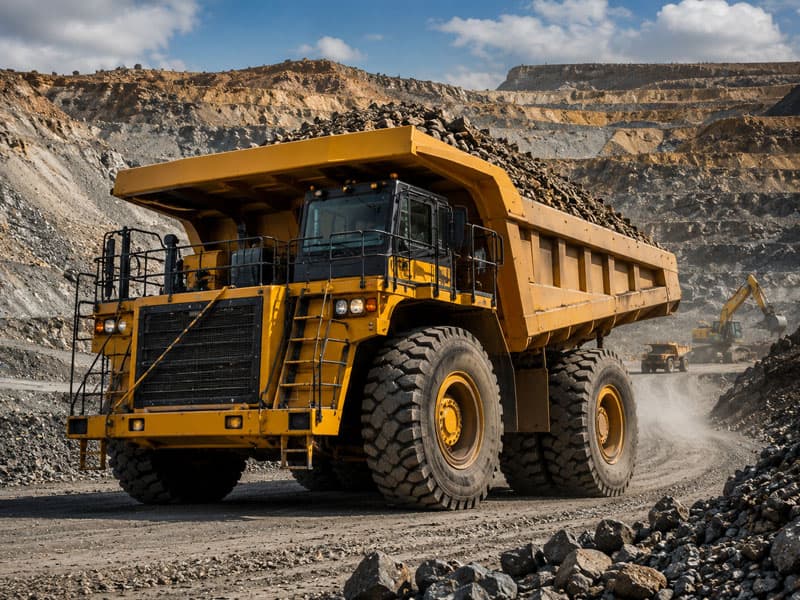
Mining operations subject Class 8 trucks and heavy equipment to operational extremes that fleet calibrations were never engineered to handle. Sustained heavy haul on unpaved haul roads at gross combination weights well above on-highway maximums. Dust loading from blasted rock and crushed ore that fills air intakes and abrasively wears every external component. High-altitude operation at mining locations across the Western US, Appalachia, and similar elevations where air density affects combustion. Operating temperatures that range from below-freezing winter mornings to scorching afternoons. Extended PTO duty for hydraulic implements on service trucks. And operational reality where the nearest dealer is typically hours away — sometimes days, for the most remote operations.
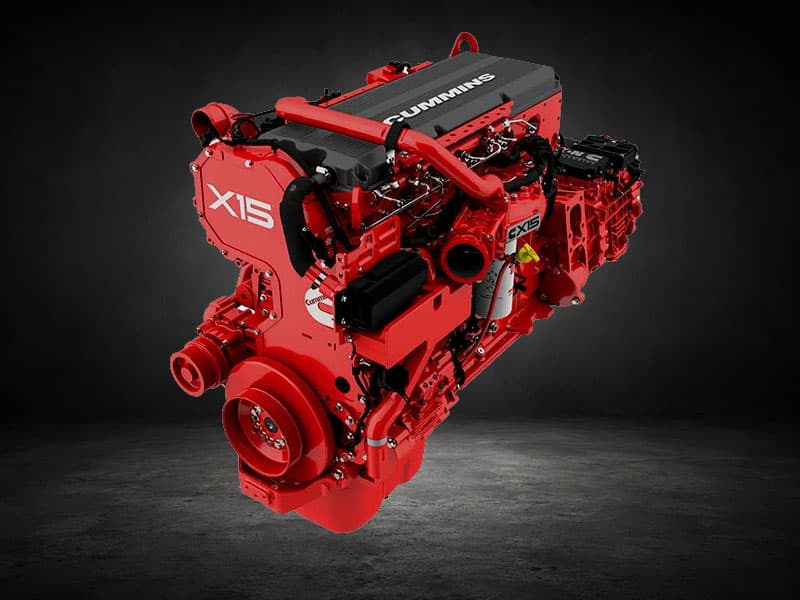
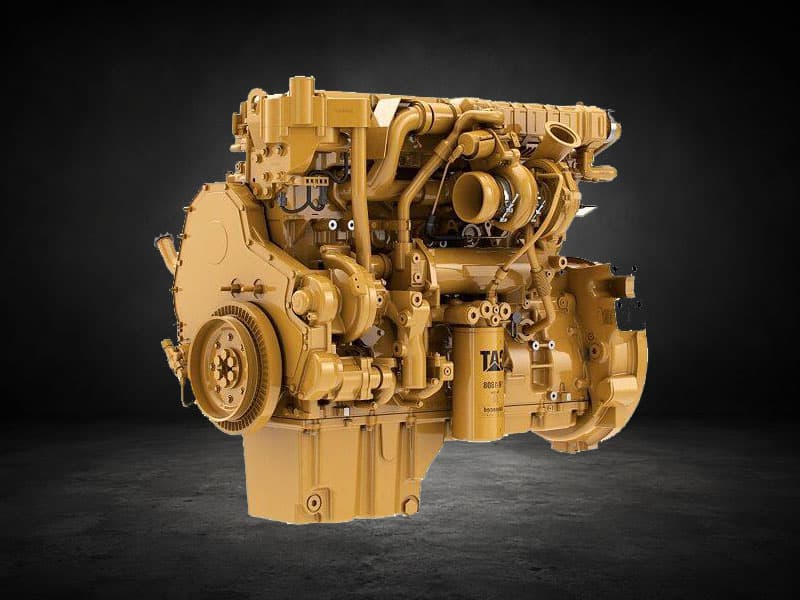
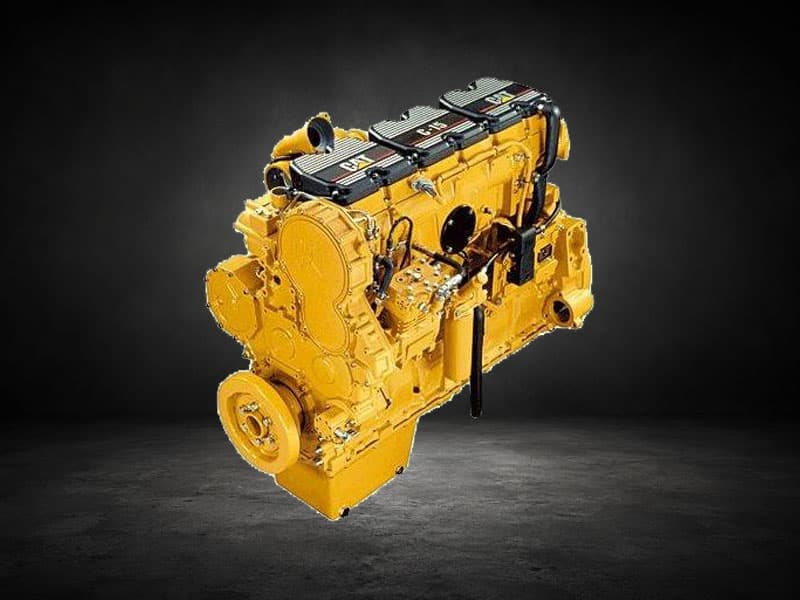
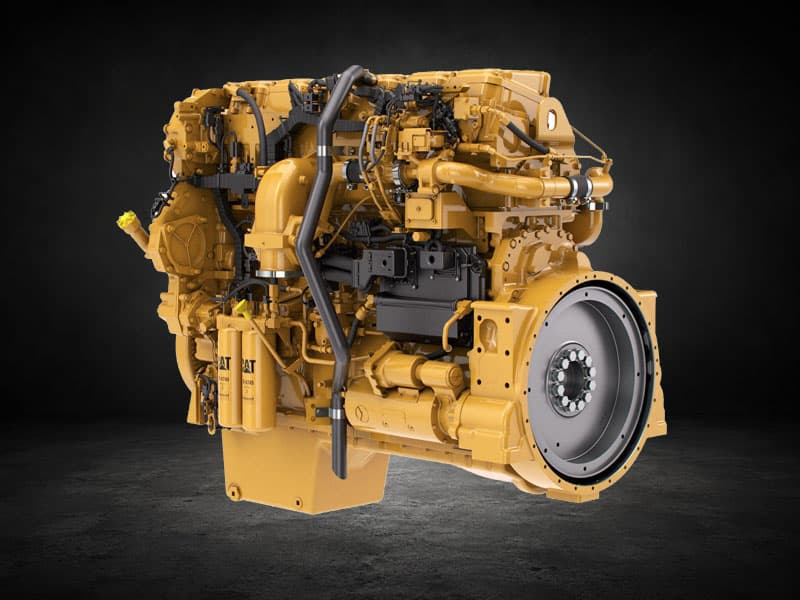
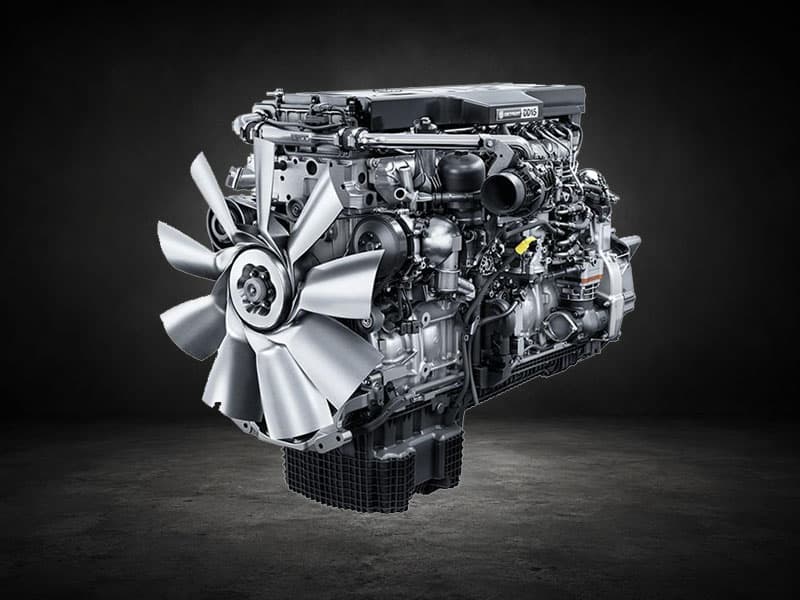
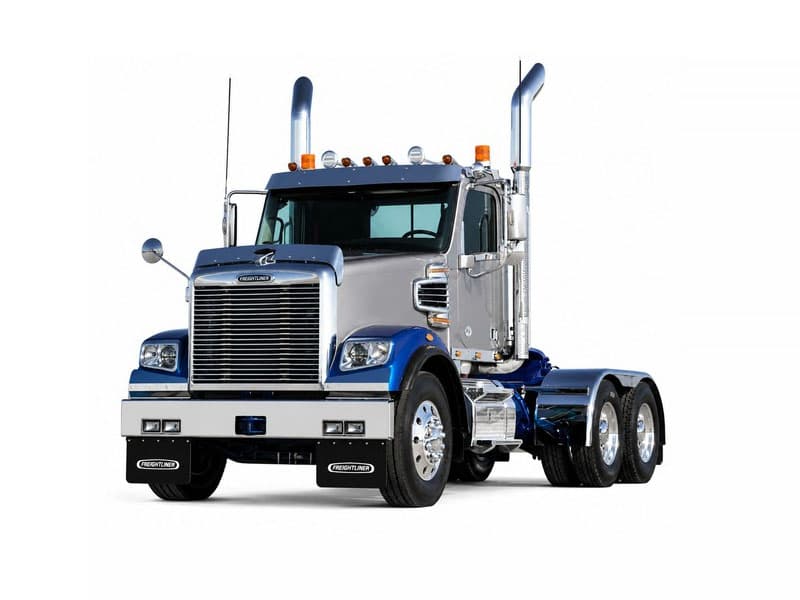
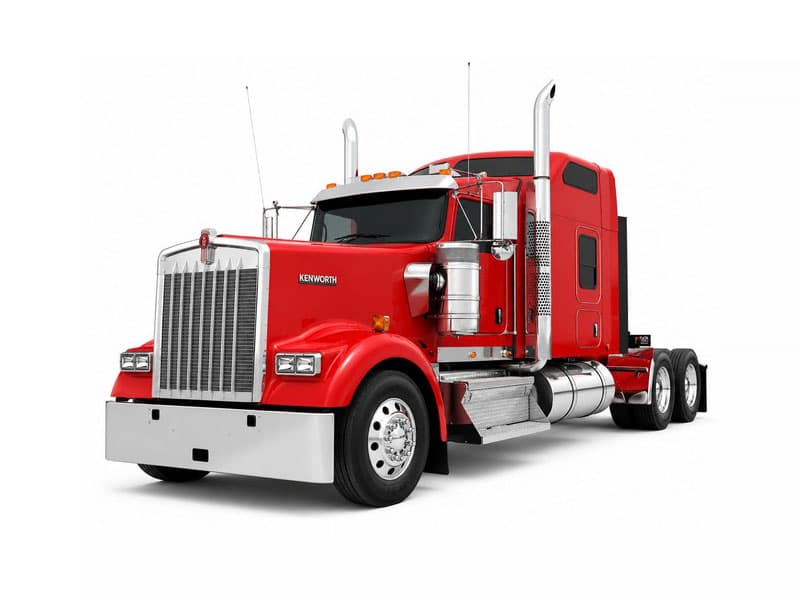
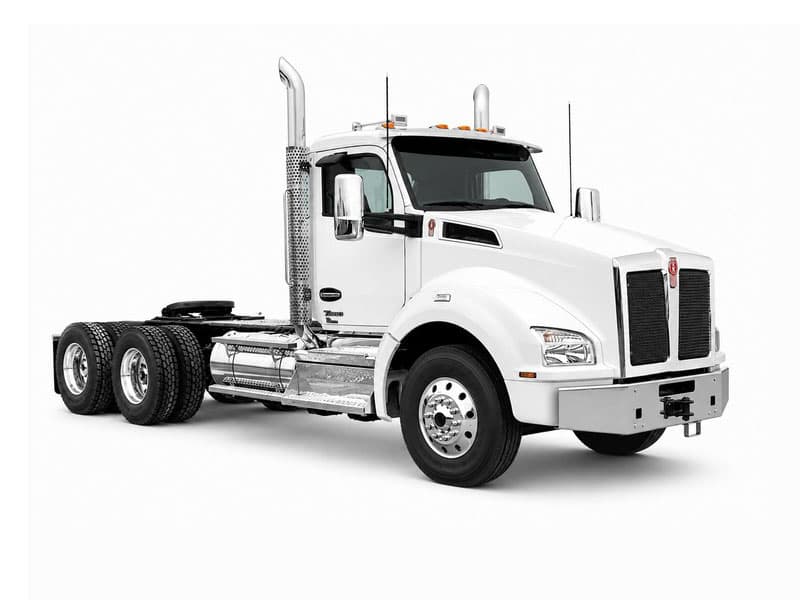
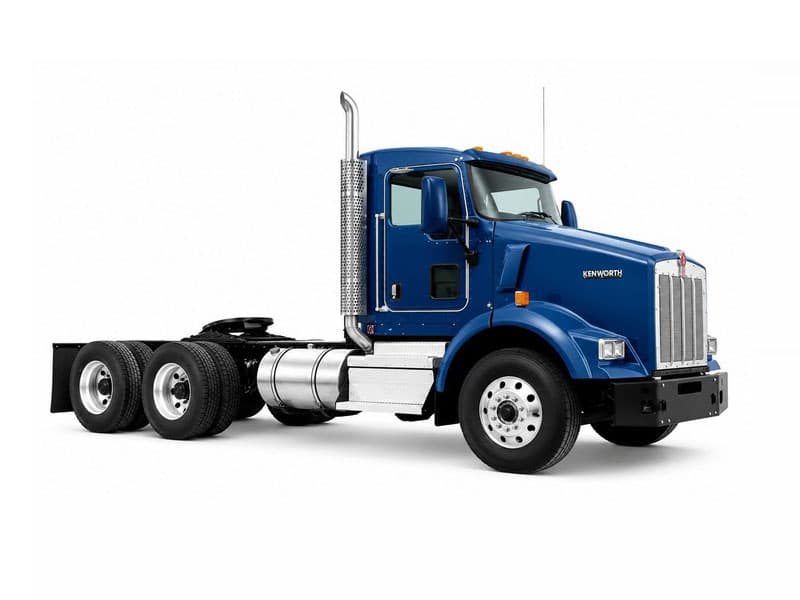
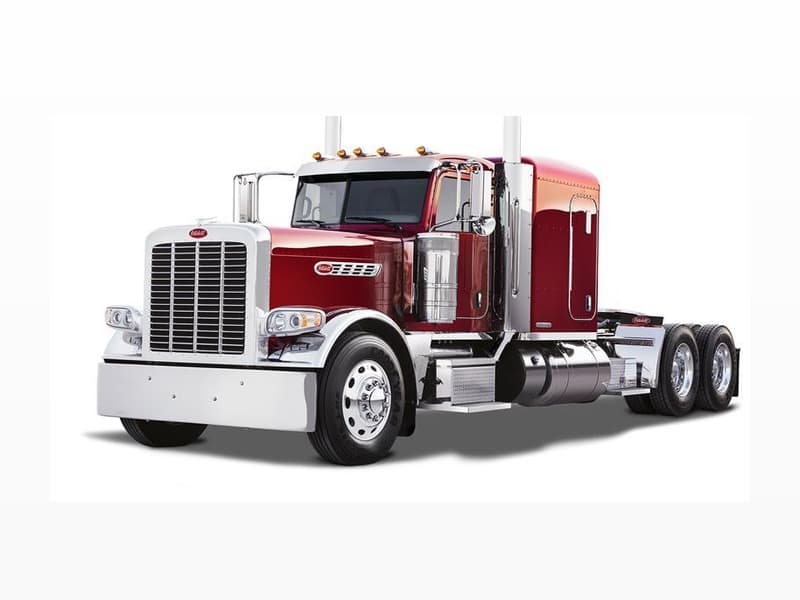
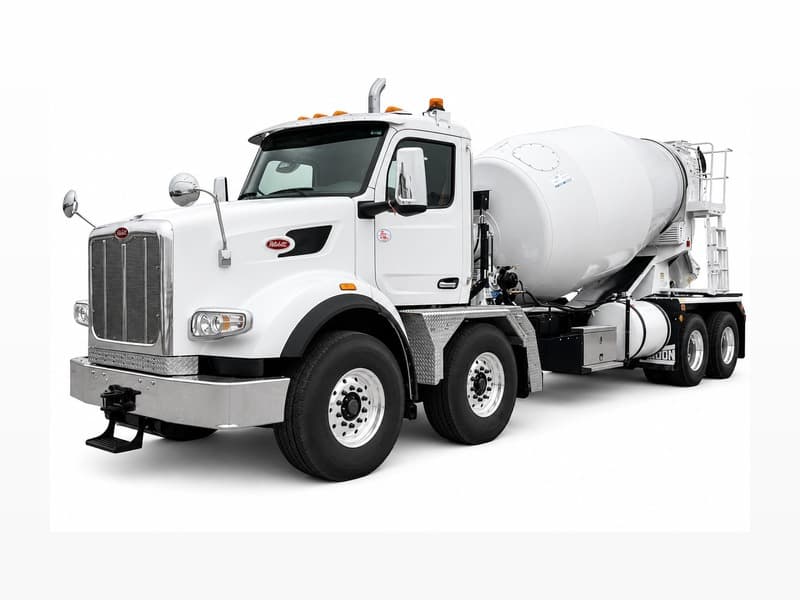
The fleet population reflects mining operational reality. Off-highway haul trucks with Cat C32 or Cummins QSK industrial power (covered separately under industrial engines). On-highway haul trucks for coal and aggregate transport — Kenworth W900, T800, T880; Peterbilt 389, 567; Mack Granite; Freightliner 122SD with Cummins X15 or Detroit DD15 power. Mine service trucks running mechanical service, electrical service, blasting agent delivery, and similar support functions on medium-duty and Class 8 vocational chassis.
What's Actually Killing These Trucks
Dust loading destroys aftertreatment hardware. Mine haul roads produce dust loading that on-highway trucks never see. Air intake systems fill with fine particulate that bypasses standard filtration approaches. DPF systems accumulate ash loading at rates that fleet calibration doesn't anticipate. Sensor failures cluster on mining trucks from accumulated dust and abrasive wear on connections.
High-altitude calibration mismatches. Stock calibrations are typically optimized for sea-level operation. Operations at 5,000-10,000+ feet elevation produce combustion conditions the calibration doesn't anticipate. Air mass calculations drift from calibration assumptions. Boost pressure targets miss optimal. Fuel economy and power both suffer.
Sustained heavy-haul thermal management. Heavy haul on unpaved haul roads produces sustained high exhaust temperatures and high coolant loads. Aftertreatment thermal management runs near operational limits. Combined with dust loading and altitude operation, the result is aftertreatment failure patterns that arrive earlier than on-highway service would predict.
Remote operations and dealer access. When a mining truck goes into derate or inducement countdown, the practical response is often hours of haul road travel plus highway transit to reach the dealer, plus days of downtime, plus service cost. Across mining fleet operations, the cumulative cost of recurring aftertreatment service becomes a significant operational expense — and one increasingly viewed as preventable through calibration work.
What Calibration Work Can Do
For mining trucks dedicated to off-road service (which is virtually all of them given typical mine geography), combined DPF, EGR, and SCR delete eliminates the aftertreatment failure surface entirely. This is the dominant calibration approach for mining operations because the operational benefits are significant — eliminated derate during heavy haul, eliminated aftertreatment maintenance interval, restored full operational capability under demanding mining conditions.
For mining trucks that occasionally operate on public roads (haul to rail spur, occasional service runs to town), calibration work that addresses the duty-cycle mismatch while maintaining compliance is available. The work includes altitude calibration adjustment, dust-loading-aware regen logic, and modified DPF pressure thresholds matched to mining operational reality.
Performance tuning on mining haul trucks delivers measurable operational improvements — improved throttle response under heavy load, broader torque plateau at working RPM, better performance on grades. Calibration work that respects the mining operational reality delivers the operational character mining operators actually need.
Mining Fleet Operational Reality
Mining operations run on production schedules that don't accommodate equipment downtime well. A haul truck down for dealer-side aftertreatment service is production capacity that's not running, which means stored ore backing up at the loading face, production schedule disruption, and potential ore-quality issues from material that should be at the processing plant already. The operational cost of recurring aftertreatment service across a multi-truck mining haul fleet can be substantial.
We work with mining operations ranging from small surface operations running a handful of trucks through large multi-state and international mining operations with substantial fleet inventory. Ship-in service handles the geography problem effectively — pull the ECM, ship to Fort Lauderdale, 2-3 day turnaround, ship back. For mining operations batching ECM work during scheduled production downtime, fleet pricing applies and we coordinate scheduling around the operational calendar.
Service Paths For Mining Fleet Programming
Ship-in is the dominant path. Pull the ECM, ship to Fort Lauderdale, 2-3 day turnaround. Remote programming works for shops with appropriate engine-platform diagnostic software. On-site service is available for South Florida operations and for larger mining operations where bringing technicians to the site makes operational sense.
Quotes return same business day. Tell us the year, the engine, the trucks involved, the operational situation (haul, service, support), elevation of typical operations, dust loading conditions, and what you want out of the work. For mining operations batching ECM work across production maintenance windows, fleet pricing applies and we coordinate scheduling around the operational calendar.