
Why Oilfield Trucks Need Different Calibration
Oilfield and gas service trucks operate in conditions modern diesel aftertreatment systems were never designed to handle. The combination of extreme PTO duty, inconsistent fuel quality, remote operations far from dealer support, and duty cycles that bear no resemblance to highway operation produces a specific set of failure patterns that show up across every oilfield-equipped Class 8 truck on the market.
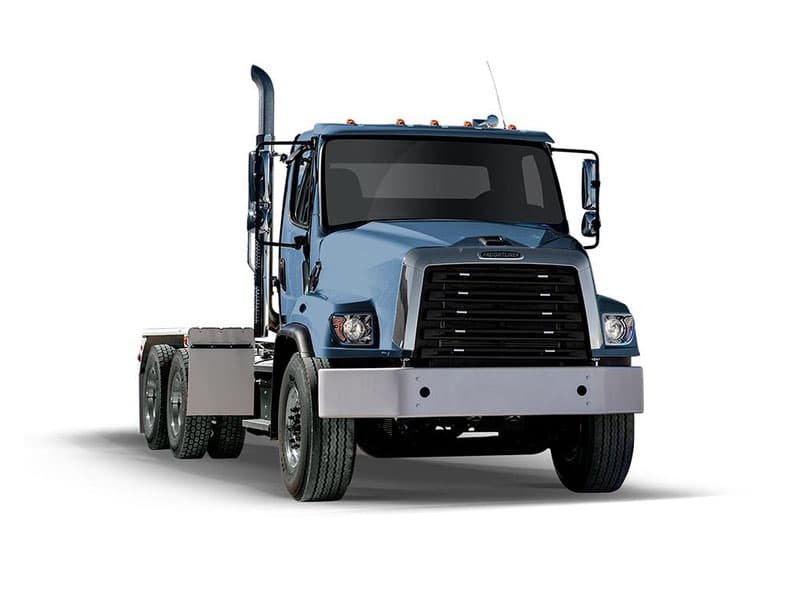
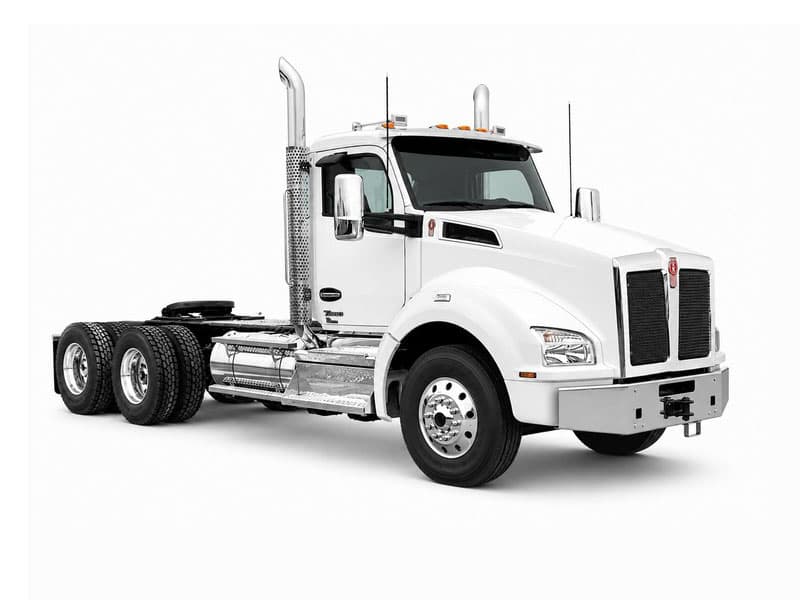
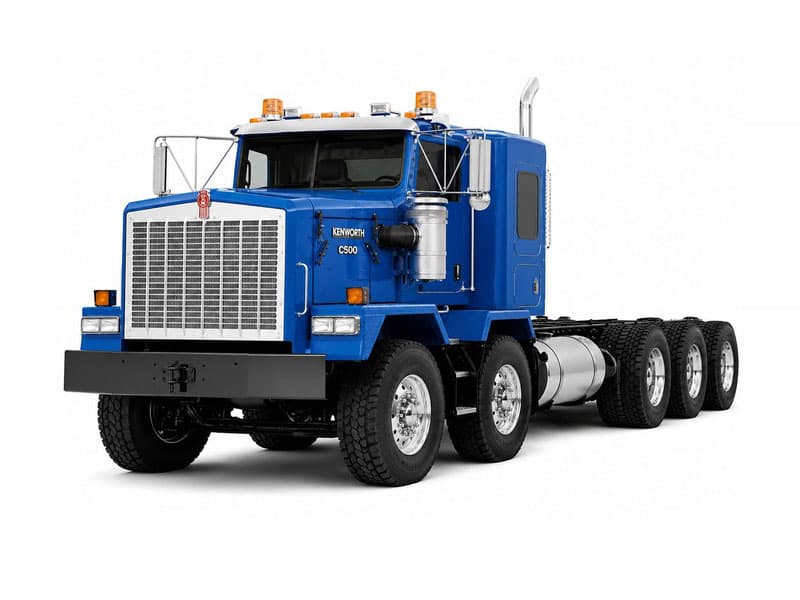
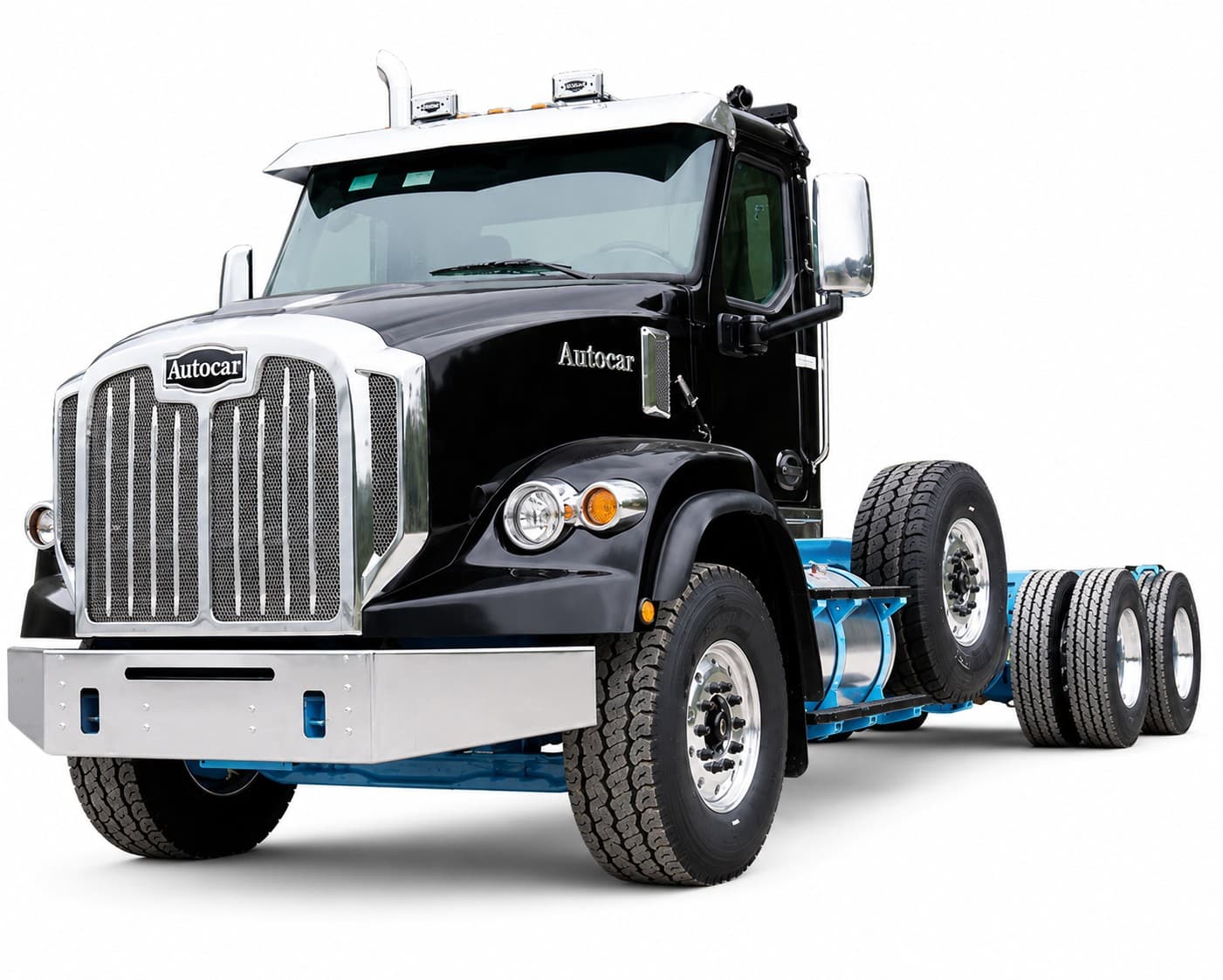
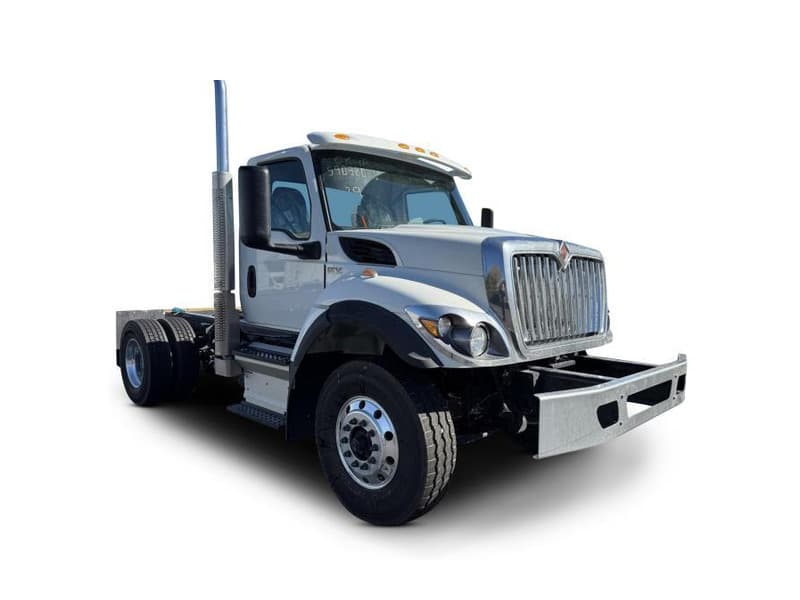
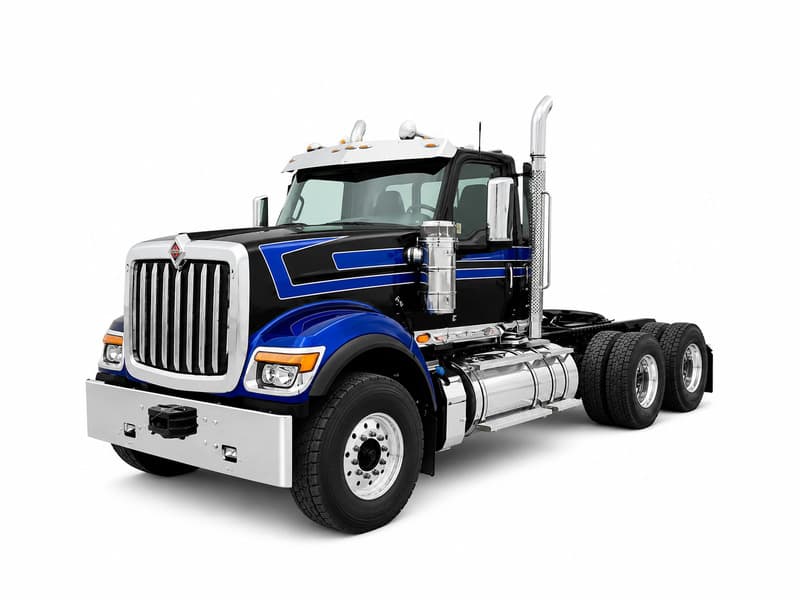
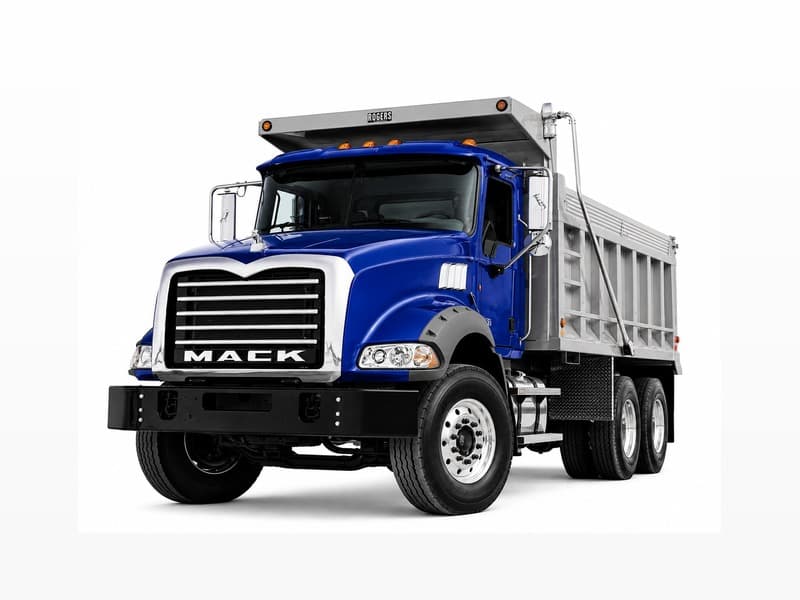
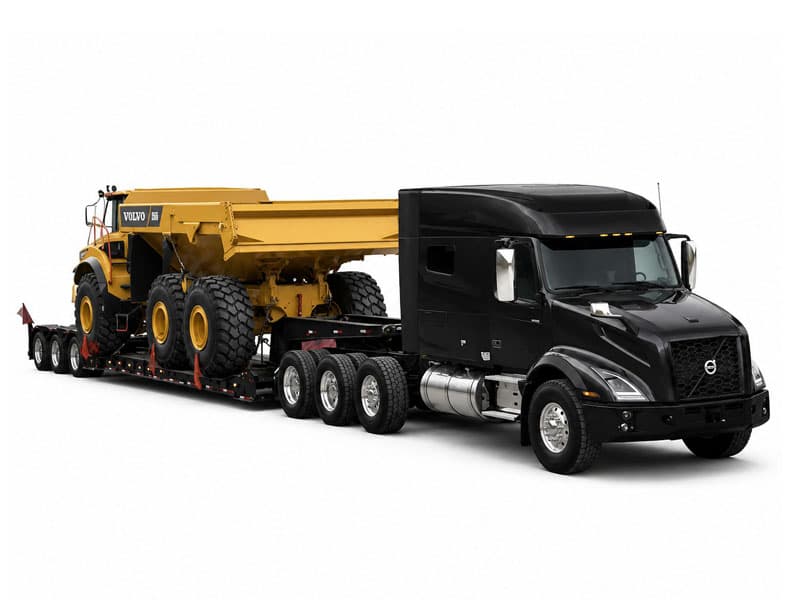
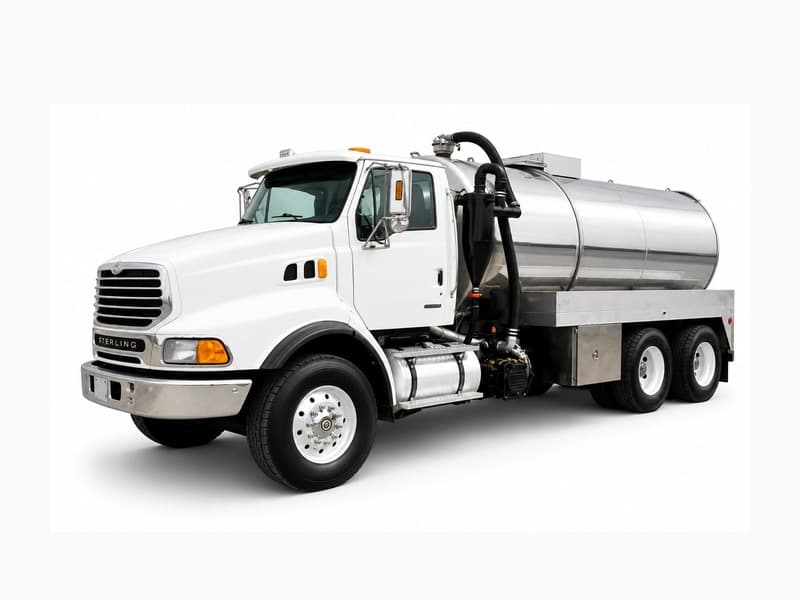
We see service rigs, frac trucks, hot oil trucks, vacuum trucks, water trucks, sand haulers, coil tubing units, wireline trucks, well stimulation trucks, pump-down units, and every other variation of heavy diesel truck deployed into oilfield service. The brand on the door varies — Kenworth T800 and T880, Peterbilt 567 and 389, Western Star 4900, Mack Granite, Freightliner 122SD. The pattern is consistent.
What's Actually Killing These Trucks
Extended PTO operation breaks aftertreatment thermal management. Frac trucks run pump operations for hours at a stretch. Vacuum trucks run suction operations for similarly extended periods. Service rigs run hydraulic operations under variable load. The DPF, SCR, and DEF systems were engineered around the expectation of sustained highway exhaust temperatures. Extended PTO operation rarely produces those temperatures consistently, and the aftertreatment system accumulates faults that don't correspond to actual hardware failure.
High-sulfur fuel destroys SCR catalysts. While ULSD (ultra-low-sulfur diesel) is the standard for on-road use, oilfield operations frequently access fuel that doesn't meet ULSD specifications — off-road diesel from local distributors, fuel transferred from storage tanks of uncertain provenance, and in some operations, fuel produced or stored on-site. Higher sulfur content destroys SCR catalysts. NOx sensors fail. Inducement countdowns build. The dealer's solution — replace the catalyst — is the wrong fix for an environment where the next tank of fuel will destroy the new catalyst too.
Remote operations mean dealer access isn't an option. A frac crew working in the Eagle Ford, Permian, Bakken, or any other producing basin is hours from the nearest dealer service department. Aftertreatment derate that puts a truck out of service costs the operation real money — not just truck idle time, but delayed crew rotations, idle pump equipment, and missed completion windows. The economic case for eliminating the aftertreatment failure mode is overwhelming in these operations.
Dust and thermal cycling stress every modern diesel component. Oilfield environments produce dust loading that exceeds what aftertreatment systems and DEF tanks handle gracefully. The thermal cycling between cold morning start-ups and afternoon heat pushes hardware past its operational limits faster than highway service would.
What We Program For Oilfield Operations
For trucks dedicated to off-road oilfield service, combined DPF and EGR delete is the standard. Calibration changes paired with appropriate hardware kits eliminate the aftertreatment failure surface entirely. The truck runs against its original performance map, fuel quality variation stops causing fault cascades, and the truck stays available for revenue work instead of disappearing into dealer service queues.
For trucks transitioning between on-road and off-road duty — a common configuration for oilfield service trucks that haul to and from well sites on public roads — we work with customers on the practical compliance posture that fits their operational reality. The calibration work follows the operational decision, not the other way around.
Performance tuning is a frequent companion to delete work on oilfield trucks. Service rigs, frac trucks, and heavy-haul oilfield tractors benefit from calibration optimization matched to the actual duty cycle. Stock calibrations target generic vocational use; oilfield service has more specific demands. Calibration work tuned to those demands delivers measurable benefits in truck performance under load and PTO operation stability.
Service Options For Oilfield Customers
Ship-in service is the most common path. Pull the ECM at the operation's shop, ship to Fort Lauderdale, 2-3 day programming turnaround, ship back. This works whether the truck is at a well site, at the operation's home yard, or anywhere in between — all that matters is access to ship the module.
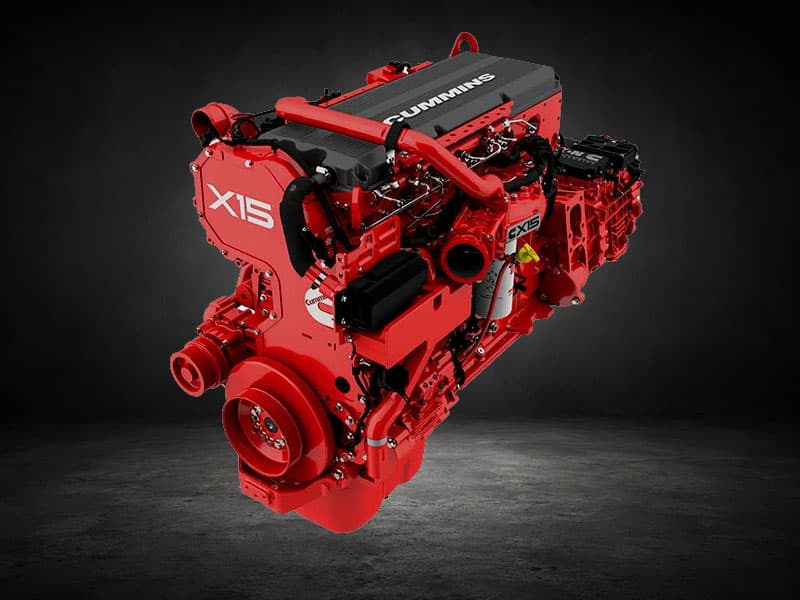
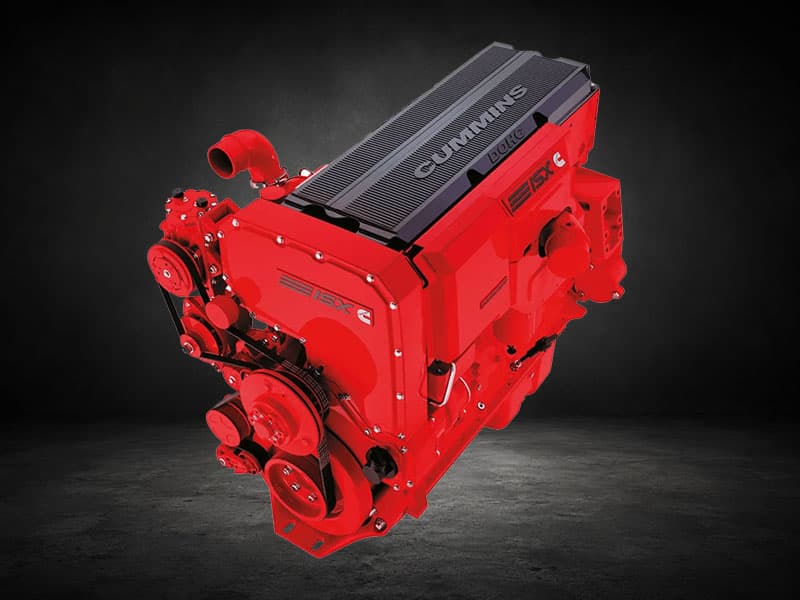
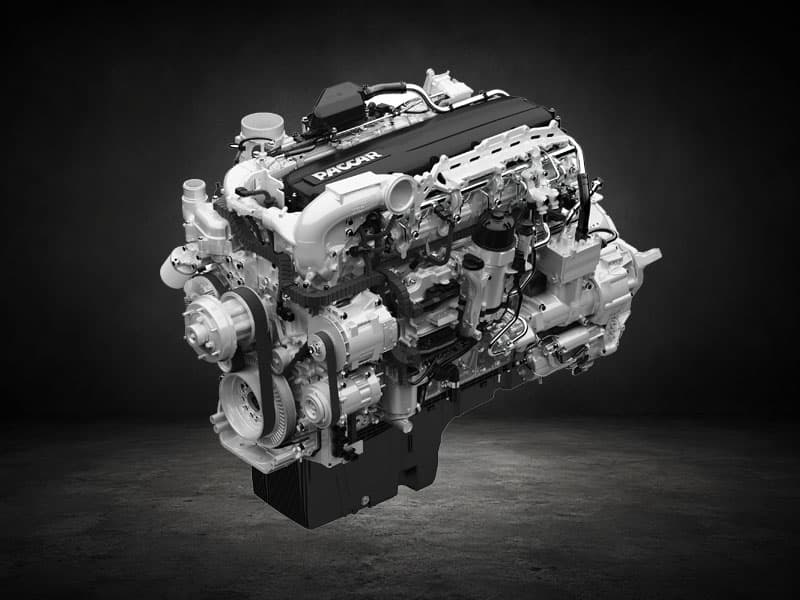
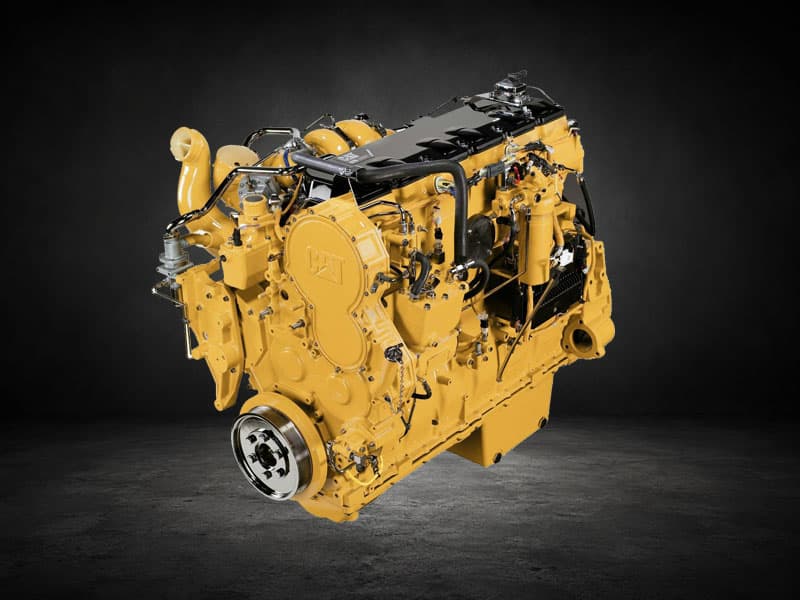
Remote programming is available for operations with their own diagnostic hardware on staff. Cummins INSITE, Detroit DDDL, Paccar diagnostic, or Cat ET — whatever the shop already has, we can typically work with it. Sessions run 1 to 3 hours for single-module work, longer for dual-module Detroit jobs.
For oilfield service companies running fleets of 20+ trucks, fleet pricing and recurring relationship pricing apply. NDAs are standard. Most of our oilfield fleet work happens under multi-month engagements where we handle programming work in batches as trucks come up for service, rather than as one-off transactions.
Quotes return same business day. Tell us the truck mix, the engine platforms, current operational pain points, and what you want the trucks doing six months from now. The work scales to fit the operation.
We also work with the dealer side of the oilfield equipment market — used-truck dealers preparing inventory for sale to oilfield operators, equipment brokers handling oilfield service company asset sales, and rebuild shops working on oilfield-veteran trucks. The export-market work in particular tends to involve oilfield trucks heading into Latin American producing basins where the calibration and hardware preparation differs from domestic off-road use.