Kenworth's Heaviest Severe-Duty Conventional
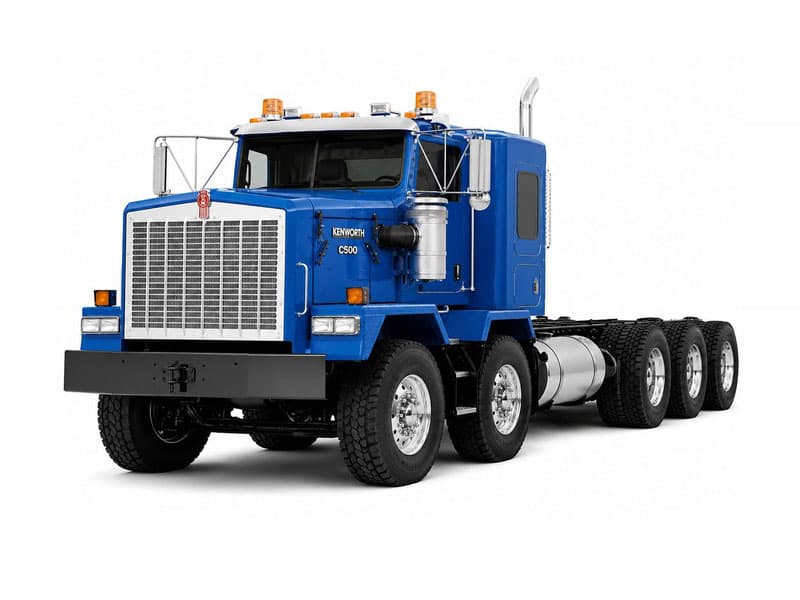
The Kenworth C500 is Kenworth's heaviest conventional severe-duty platform — built for operational extremes that no other Class 8 chassis in the standard product line handles the same way. Set-back front axle for weight distribution on heavy-haul configurations. Heavy-spec everything: frame, suspension, cooling package, axles, transmissions. Designed for off-road operation on unpaved roads, severe-duty haul operations at gross combination weights well beyond on-highway maximums, and the broader operational reality of applications that destroy conventional Class 8 trucks within months.
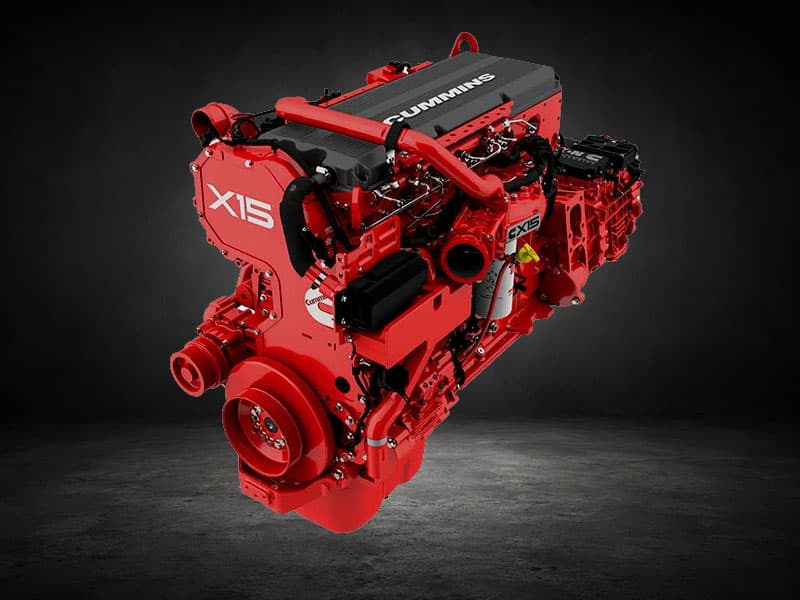
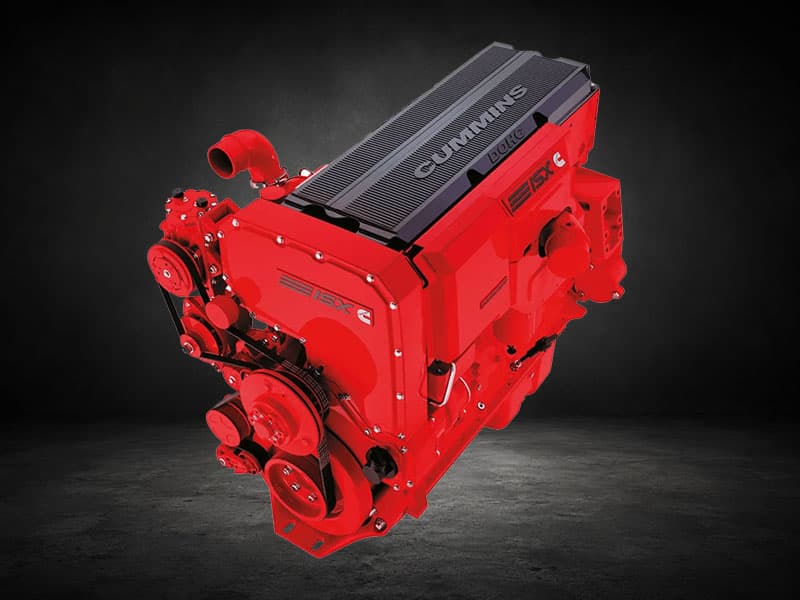
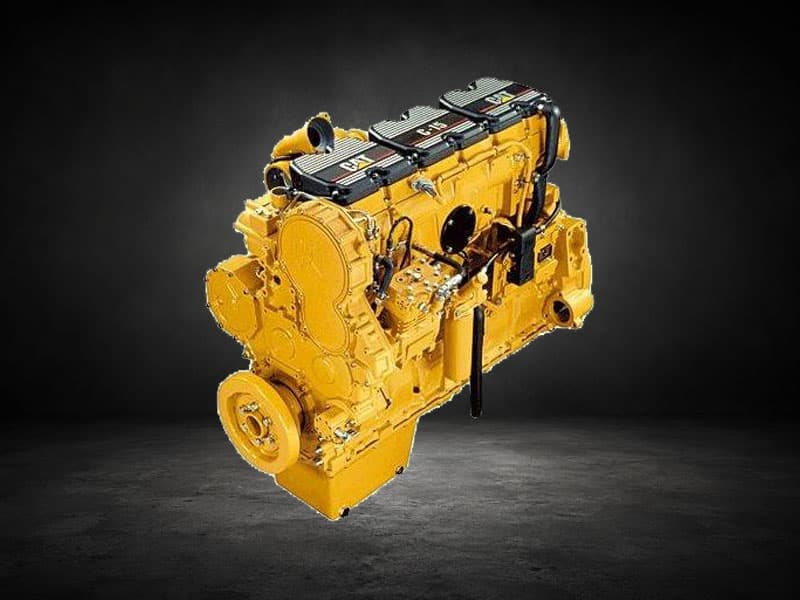
The platform appears across oilfield service operations (frac sand haulers, water trucks, mud trucks, heavy service rigs), heavy mining haul, severe-duty logging operations including off-road log hauling on private timber-company road networks, heavy construction haul, and the broader range of severe-duty applications where standard Class 8 vocational chassis can't sustain the operational tempo. Cummins X15 is the dominant modern power option; older C500 fleet inventory still runs Cummins ISX and Cat C15 power across active service.
Why C500 Trucks Come To Our Bench
C500 calibration work tracks the severe-duty operational reality with engine platform driving the specific approach:
Severe-duty performance tuning. The dominant C500 calibration application. Oilfield operators, heavy mining haul operations, severe-duty logging operations, and heavy construction fleets benefit from calibration matched to actual operational reality — sustained heavy loads at gross combination weights, off-road operation, demanding PTO duty cycles, and the broader operational extremes that fleet calibration doesn't anticipate. Calibration work on properly maintained X15, ISX, or C15 hardware routinely delivers 60-100 hp gains with proportional torque within safe operational envelopes.
Combined DPF + EGR + SCR delete for dedicated off-road service. C500 trucks dedicated to off-road oilfield, mining, or heavy logging service often benefit from full aftertreatment delete preparation. Standard preparation for trucks that won't see public road service — eliminates aftertreatment failure surface entirely under the operational extremes the C500 faces.
Oilfield-specific calibration adjustments. C500 oilfield service trucks face standard aftertreatment patterns amplified by oilfield operational realities — variable fuel quality, dust loading on access roads, extended PTO operation, thermal cycling between operations. Calibration approaches matched to oilfield duty cycle deliver meaningful operational improvements.
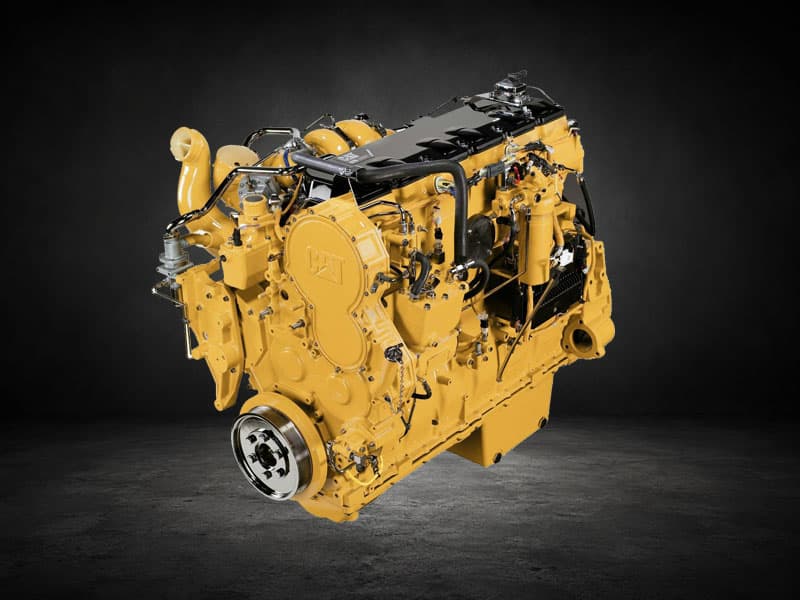
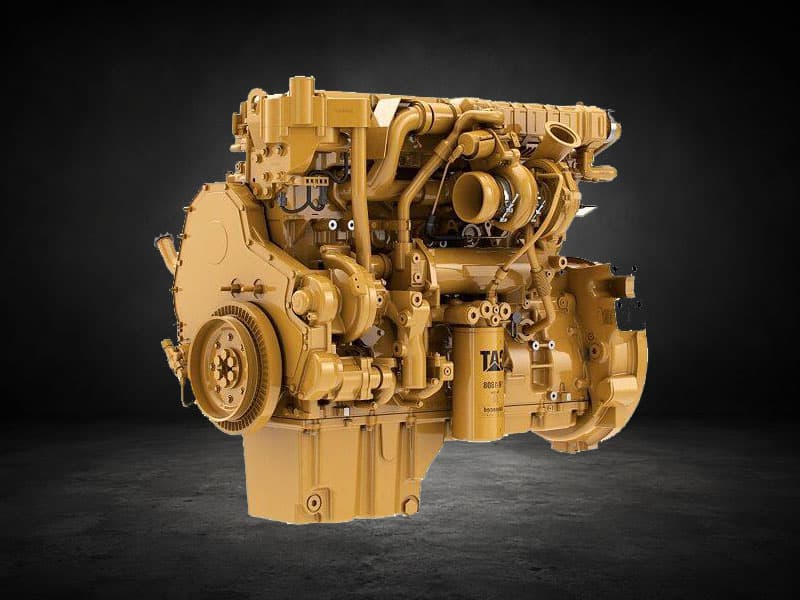
Cat C15 legacy calibration work. Older C500 trucks with Cat C15 power remain in active service across heavy haul, mining, and oilfield operations. Cat C15 calibration recovery, performance tuning matched to severe-duty applications, and emissions calibration work on the older pre-EPA-2010 C15 platforms all represent typical C500 calibration scope.
High-altitude calibration adjustments. C500 trucks operating at elevation (mountain logging, high-altitude mining, certain oilfield operations) benefit from calibration work that accounts for actual operating altitude rather than stock sea-level calibration assumptions. Air mass calculations, boost pressure targets, and combustion timing all benefit from altitude-aware calibration approach.
Calibration recovery on aging ECMs. Standard calibration recovery scope across X15, ISX, and C15 platforms in the C500 fleet population.
Engine Platforms In The C500
C500 calibration work depends on engine platform. Cummins X15-powered C500s (the dominant modern configuration) use Cummins INSITE diagnostic and X15-specific severe-duty calibration libraries. Cummins ISX-powered C500s (older fleet inventory) use INSITE with ISX-specific calibrations and benefit from calibration approaches developed across the broader ISX severe-duty application population. Cat C15-powered C500s use Cat ET diagnostic with C15-specific severe-duty calibration approaches.
For each engine platform, we have the diagnostic tools and calibration libraries required. The intake conversation centers on engine identification, application (oilfield, mining, logging, heavy construction), operational priorities, and any specific severe-duty calibration requirements before scoping the work.
Service Paths For C500 Programming
Ship-in is the most common path for C500 work given the typical operational distance from major service centers — oilfield operations in the Permian Basin or Bakken, mining operations in remote regions, severe-duty logging operations far from urban service centers. Pull the ECM, ship to Fort Lauderdale, 2-3 day programming turnaround.
Quotes return same business day. Tell us the year, the engine (Cummins X15, ISX, or Cat C15), the application (oilfield, mining, logging, heavy haul, severe-duty construction), operating elevation and dust loading conditions, and what you want out of the work. For heavy vocational fleet customers running C500 inventory, multi-truck programming pricing applies and scheduling typically coordinates with operational priorities — drilling program windows for oilfield operators, off-season cycles for logging operations, production maintenance windows for mining operations.
The C500 In Severe-Duty Context
The C500 occupies the heaviest operational position in the Kenworth product line — the truck operators turn to when other Class 8 vocational chassis can't sustain the application. For operators choosing between C500 and competitor severe-duty platforms (Peterbilt 567 in heavy-spec configurations, Mack Granite, Western Star 4900 / 49X), the choice depends on operational specifics including engine preference, dealer support geography, and chassis hardware preferences.
Our calibration work draws on the broader Cummins X15, ISX, and Cat C15 severe-duty platform expertise we maintain across the full Kenworth severe-duty population and competing chassis families. The result for C500 customers is consistent severe-duty calibration expertise regardless of engine platform selection.