Kenworth's Modern Long-Hood Conventional
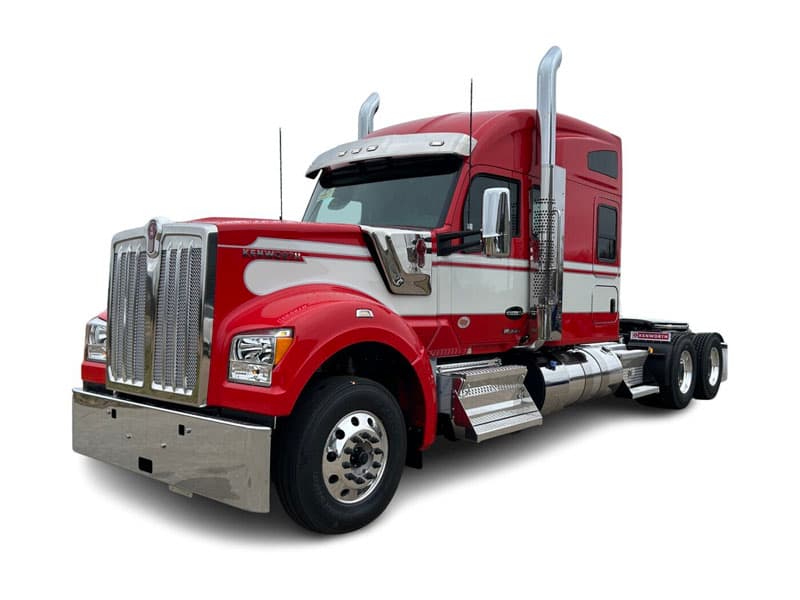
The Kenworth W990 is Kenworth's modern long-hood conventional Class 8 highway tractor — launched in 2019 to complement the W900 in Kenworth's long-hood product line, designed for long-haul operators and owner-operators who want the long-hood aesthetic and operational character alongside modern emissions-era engineering. Where the W900 represents Kenworth's legacy long-hood heritage extending back decades, the W990 brings a newer architecture with updated aerodynamics, modernized cab interior, and platform integration with current emissions hardware and electronic systems.
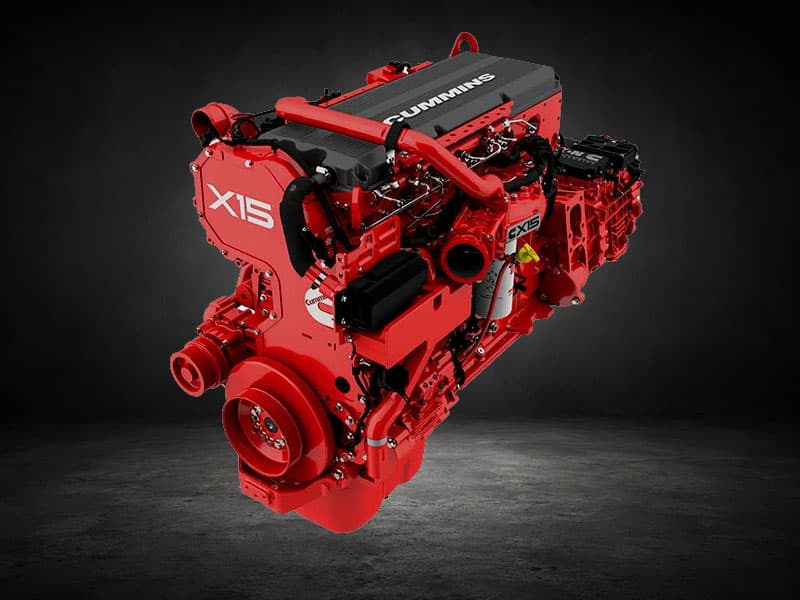
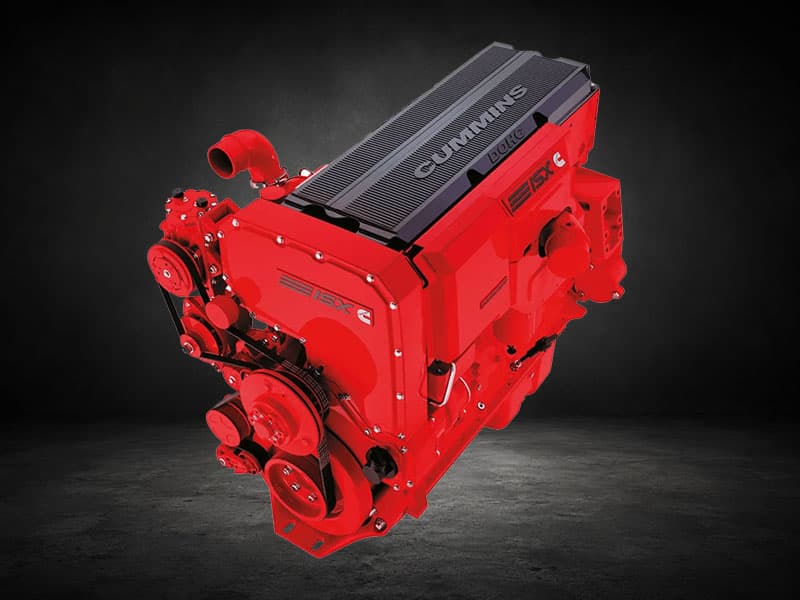
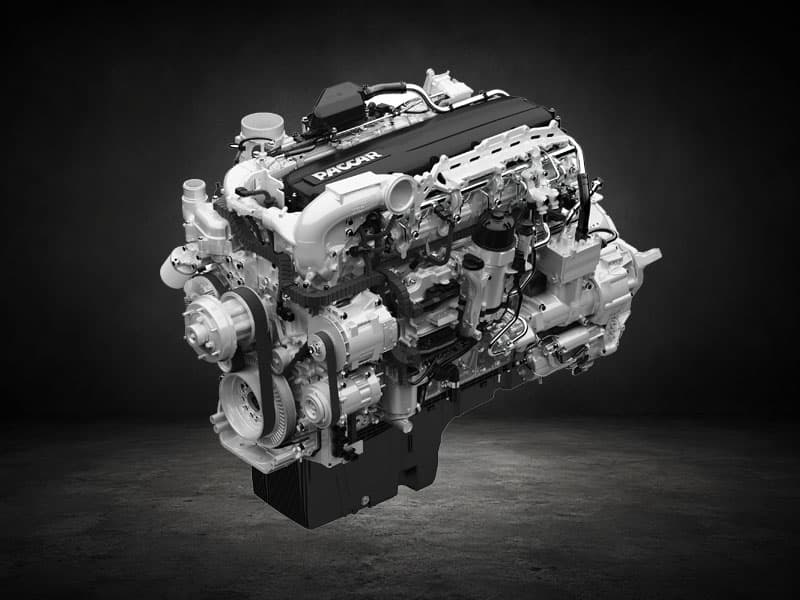
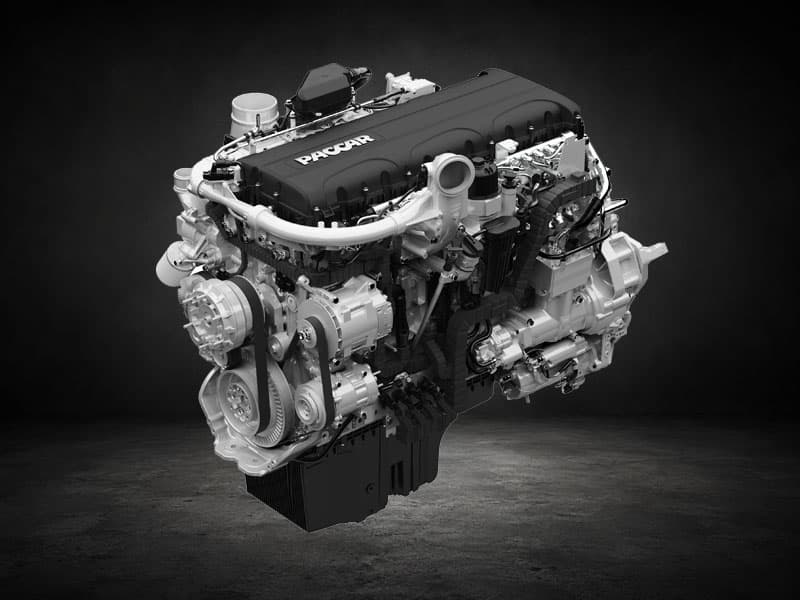
The platform draws customers from the same operational segments that have always favored Kenworth's long-hood offering — owner-operators who view the truck as both equipment and identity, long-haul fleets with brand standards favoring the long-hood look, severe-duty applications where the long-hood architecture accommodates heavier engine and cooling specifications, and export operations where the W990's combination of modern engineering and classic aesthetic matches international market expectations. Cummins X15 is the dominant power option; Paccar MX-13 is the alternative.
Why W990 Trucks Come To Our Bench
W990 calibration work centers on Cummins X15 and Paccar MX-13 platform behavior in long-haul highway and severe-duty applications:
X15 / MX-13 performance tuning. The dominant W990 calibration application. Owner-operators and small fleet customers consistently seek calibration work that delivers improved throttle response, broader torque plateau at working RPM, better operational character for long-haul service, and overall power-band improvements within the hardware safety envelope. Stock fleet calibrations on both X15 and MX-13 leave operational capability available, and calibration work routinely produces 50-100 hp gains with proportional torque on properly maintained hardware.
Cummins X15 DPF derate on high-mileage long-haul service. Standard X15 pattern. W990 trucks accumulating high mileage in long-haul service eventually hit DPF derate thresholds — typically past 600,000-800,000 miles depending on operational profile and fuel quality. DPF substrate degradation, ash loading approaching service limits, and the broader pattern of high-mileage aftertreatment accumulation.
Paccar MX-13 emissions calibration issues. Standard MX-13 patterns. EGR-related fault codes, DPF derate on demanding duty cycles, DEF dosing failures on post-2010 builds, and the broader MX-13 aftertreatment issues that affect the platform across the W990 application range.
SCR / DEF system stress on long-haul operation. Long-haul operation accumulates DEF dosing system stress at predictable rates. NOx sensor drift, SCR catalyst efficiency drops, inducement countdowns that arrive at predictable mileage thresholds. W990 long-haul trucks show DEF system service intervals matching the broader X15 and MX-13 long-haul fleet population.
Combined DPF + EGR + SCR delete preparation for export. W990 trucks bound for export markets typically receive full aftertreatment delete preparation. Standard export work scope across the W990 fleet shipping to Latin America, the Caribbean, and other international markets.
Calibration recovery on X15 / MX-13 ECMs. Standard calibration recovery scope across the platform.
Engine Platform Calibration Approach
W990 calibration work depends on engine platform. Cummins X15-powered W990s (the dominant configuration) use Cummins INSITE diagnostic and require X15-specific calibration libraries with long-haul application calibration approaches. Paccar MX-13-powered W990s use Paccar Davie diagnostic with MX-13-specific calibration libraries.
For each W990 customer, the intake conversation centers on engine identification, application (long-haul fleet, owner-operator, export, severe-duty), and operational priorities before scoping the work. Performance tuning conversations tend to focus on operational character and operational envelope; emissions calibration conversations focus on resolving recurring aftertreatment-driven service issues.
Service Paths For W990 Programming
Ship-in is the most common path. Pull the ECM, ship to Fort Lauderdale, 2-3 day programming turnaround. Remote programming works for shops with Cummins INSITE or Paccar Davie diagnostic access. On-site service is available for South Florida customers — and for owner-operators routing through Fort Lauderdale, on-site work coordinates with travel schedule.
Quotes return same business day. Tell us the year, the engine (Cummins X15 or Paccar MX-13), the application (long-haul fleet, owner-operator, export, severe-duty), and what you want out of the work. For owner-operators, individual-vehicle calibration work is straightforward; for fleet customers, multi-truck pricing applies.
The W990 In Long-Hood Context
The W990 represents Kenworth's commitment to the long-hood market segment with a modern architecture, complementing the W900 in Kenworth's product line. For operators choosing between W900 and W990, the choice centers on platform generation preferences, specific feature sets, and operational priorities rather than fundamental capability differences. Our calibration work draws on the broader Cummins X15 and Paccar MX-13 platform expertise we maintain across the full Kenworth and Peterbilt long-hood family — W900, W990, 389, 589 — with consistent calibration approach across the platform population.
For export operations specifically, the W990 is well-positioned in many international markets where modern long-hood Class 8 architecture matches both regulatory and aesthetic expectations. Our export preparation work for W990 trucks covers the standard scope — combined aftertreatment delete preparation, fuel-quality calibration adjustment for destination markets, and documentation supporting the destination customs process.
Owner-Operator Calibration Considerations
The W990 appeals strongly to owner-operators who view the truck as both equipment and a long-term investment. For this customer segment, calibration work conversations differ from typical fleet calibration discussions — operational character matters substantially, fuel economy improvements compound over the long operational service life of the truck, and the relationship with the truck is closer than typical fleet operational distance. We work routinely with owner-operators on W990 calibration, with conversations that center on actual operational priorities rather than fleet-style standardization. Performance tuning, fuel-economy calibration, and emissions troubleshooting all benefit from the closer collaboration that owner-operator engagements involve.