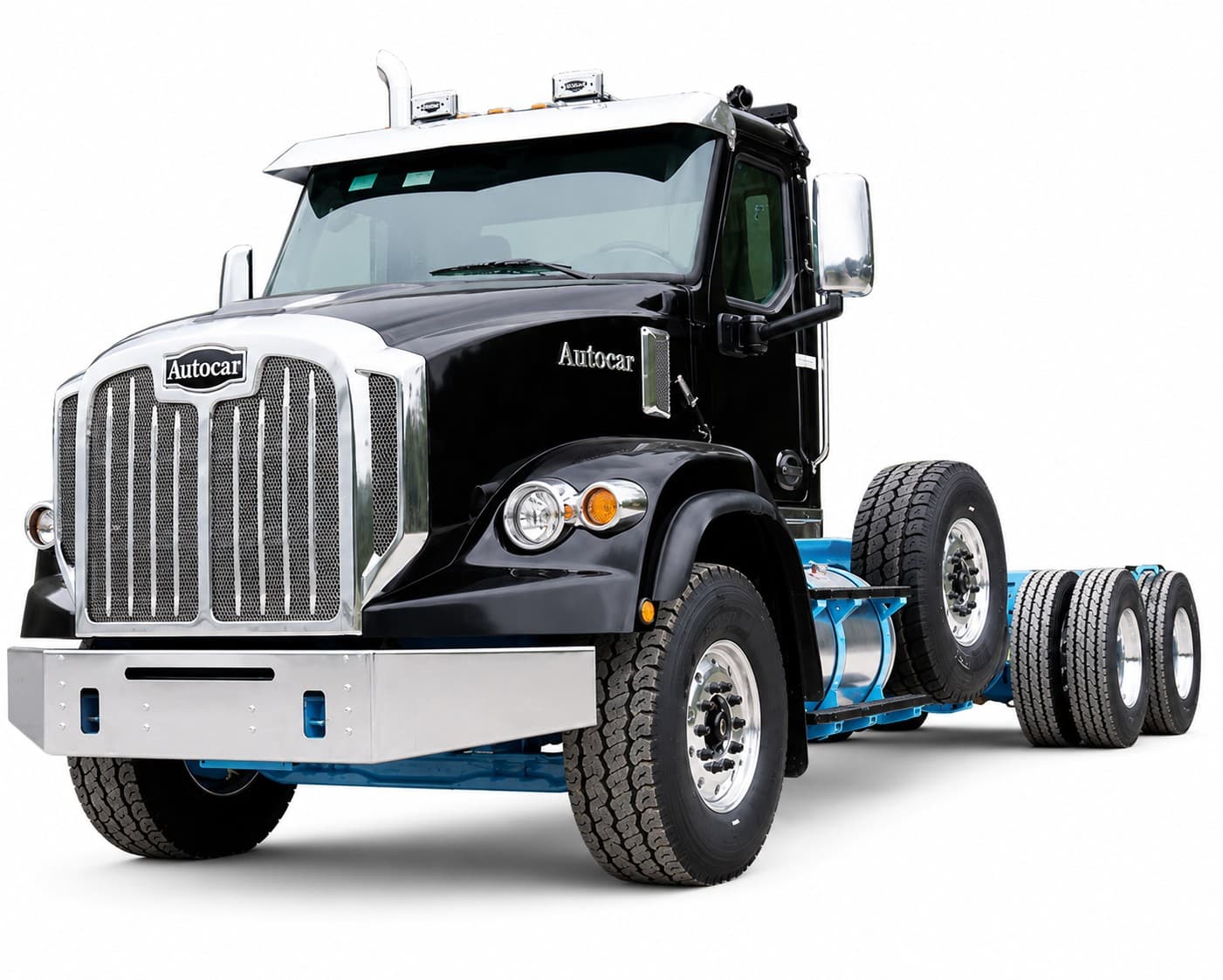
Autocar DC-64T — Autocar's heavy-haul and tanker configuration
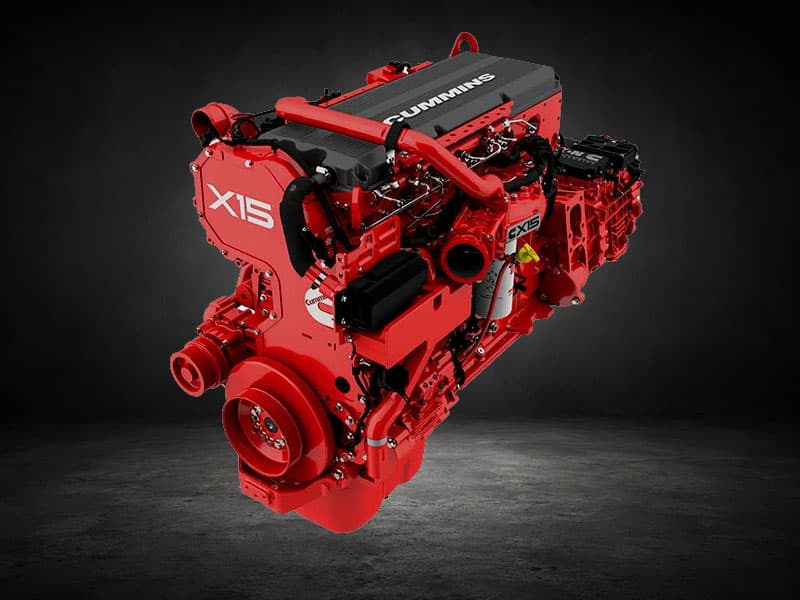
The Autocar DC-64T is Autocar's Class 8 heavy-haul and tanker configuration within the DC-64 vocational platform family. The T-suffix designates tanker/transport configuration — chassis hardware optimized for heavy tank body installations and severe-duty haul applications, premium chassis specifications throughout, and Cummins X15 power as the standard configuration matching the operational demands. The DC-64 platform identifies configurations via letter suffixes; the T for tanker/transport designation distinguishes this DC-64T variant within the broader DC-64 family.
The platform serves heavy-haul operations including oilfield service tankers, propane and fuel delivery in heavy configurations, mining haul, and broader heavy-haul vocational work. Autocar's specialty manufacturing focus distinguishes the brand from broader-line OEMs — Autocar builds exclusively severe-duty vocational and refuse trucks at the Birmingham, Alabama facility, with no highway tractor or general commercial line. For fleet operators choosing Autocar over broader-line competitors, the choice typically reflects priorities including Autocar's specialty manufacturing approach, refuse-industry brand presence, and the focused dealer network supporting severe-duty applications.
Why DC-64T Trucks Come To Our Bench
DC-64T calibration work tracks heavy-haul, oilfield tanker service, and propane delivery operational reality with Cummins X15 platform behavior:
Cummins X15 DPF derate on heavy-haul, oilfield tanker service, and propane delivery duty. Standard pattern, expressed through the specific operational stress profile of heavy-haul, oilfield tanker service, and propane delivery applications. DPF accumulation patterns produce derate clustering at predictable thresholds depending on application severity.
DEF dosing failures on EPA 2010+ builds. Standard post-2010 pattern. DC-64T trucks accumulating mileage show DEF dosing failures, NOx sensor drift, SCR catalyst efficiency drops, and inducement countdown patterns clustering at predictable thresholds.
EGR cooler degradation. Standard pattern across Cummins L9 and X15 platforms. Coolant intrusion into intake, intermittent fault codes, eventual catastrophic failure if untreated.
Performance tuning matched to heavy-haul, oilfield tanker service, and propane delivery operational reality. DC-64T fleet customers benefit from calibration work that delivers improved torque response under load, broader operating envelope at working RPM, and operational character matched to the specific application reality rather than generic Class 8 vocational assumptions.
Calibration recovery on Cummins ECMs. Standard recovery scope across Cummins X15 platforms.
Cummins Platform Calibration Approach
DC-64T calibration work uses Cummins INSITE diagnostic with platform-specific calibration libraries. The libraries are DC-64T application-specific within the broader Cummins ecosystem — heavy-haul, oilfield tanker service, and propane delivery calibration approaches differ from generic Class 8 vocational calibrations because the operational reality differs meaningfully.
For each DC-64T customer, intake conversation centers on engine identification, application, year, and operational priorities before scoping the work.
Service Paths For DC-64T Programming
Ship-in is the most common path. Pull the ECM, ship to Fort Lauderdale, 2-3 day programming turnaround. Remote programming works for shops with Cummins INSITE diagnostic access. On-site service is available for South Florida operators running DC-64T inventory.
Quotes return same business day. Tell us the year, the engine, the application, fleet size, and current operational situation. For fleet customers running multiple DC-64T trucks or mixed Autocar inventory across DC-64, ACX, ACMD, and ACTT XSpotter, multi-truck programming pricing applies and scheduling coordinates around operational priorities.
The DC-64T In Autocar Family Context
Autocar's specialty severe-duty and refuse focus gives the brand a distinctive position in the North American truck market — building exclusively vocational and severe-duty trucks at the Birmingham, Alabama facility rather than competing across the full Class 8 product spectrum. Our calibration work on Autocar trucks covers the full lineup — DC-64 vocational variants (D, M, R, P, T), ACX LCF refuse cabover, ACMD medium-duty vocational, and ACTT XSpotter terminal tractor — with calibration approaches consistent across the Autocar family.
For Autocar fleet customers running mixed inventory across the Autocar lineup, calibration approaches benefit from our consistent platform expertise. For fleet operators running mixed-OEM severe-duty inventory that includes Autocar alongside competitors (Mack Granite, Kenworth T880, Peterbilt 567, Freightliner 114SD Plus, International HV507, Volvo VHD), our broader vocational platform expertise covers all major Class 8 vocational platforms consistently.
Heavy-Haul And Oilfield Tanker Considerations
Heavy-haul and tanker operations produce operational stress patterns distinct from other vocational applications. Sustained heavy loaded operation, oilfield site access road conditions, variable fuel quality in oilfield operational areas, dust loading from access road operations, sustained PTO duty during pump or transfer operations, and the broader operational reality of severe-duty heavy-haul work. Our DC-64T calibration approaches account for heavy-haul tanker operational reality specifically — sustained heavy loaded operation, oilfield duty cycle, propane and fuel delivery operational patterns — drawing on the broader oilfield service calibration expertise we maintain across the heavy vocational fleet population in major US production basins.
Oilfield Service Operational Considerations
Oilfield service operations across major US production basins — Permian Basin, Eagle Ford, Bakken, Haynesville, and other major basins — represent the dominant DC-64T deployment for heavy-haul tanker applications. Oilfield-bound DC-64T inventory faces operational reality that fleet calibration anticipates only partially — variable fuel quality across production areas, dust loading from access road operations, sustained PTO duty during transfer operations, and the broader operational stress of oilfield service. For oilfield service operators running DC-64T tanker inventory, combined DPF + EGR + SCR delete preparation for off-road-exclusive trucks is routine scope; for trucks staying compliant, recalibration matched to actual oilfield operational reality delivers meaningful operational improvements over generic fleet calibration.