ECM Performance — Diesel ECM Programming
PeterbiltHighway

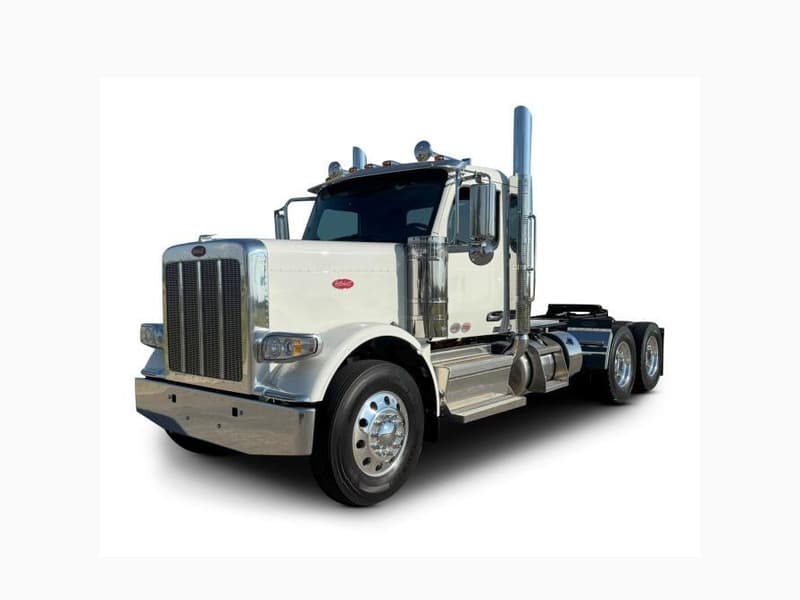
Peterbilt 589

  • Tired of fault codes & derate? Call us now.
  • Stuck in regen failures? We can stop it.
  • 2-3 days from ship-in to back on the road.
  • 10,000+ ECMs across 38 countries.
Peterbilt 589 diesel ECM tuning and programming image
Platform Details
Brand
Peterbilt
Category
Highway
Model
589
Engine Platforms
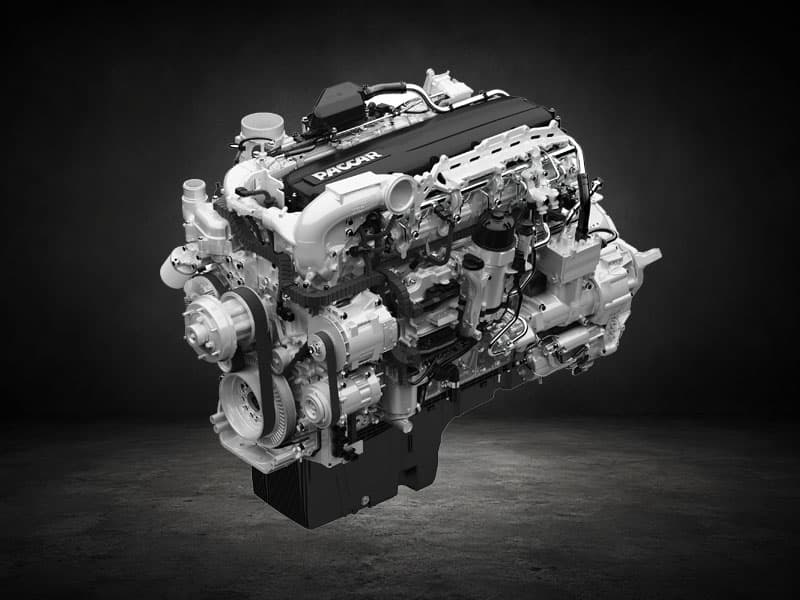
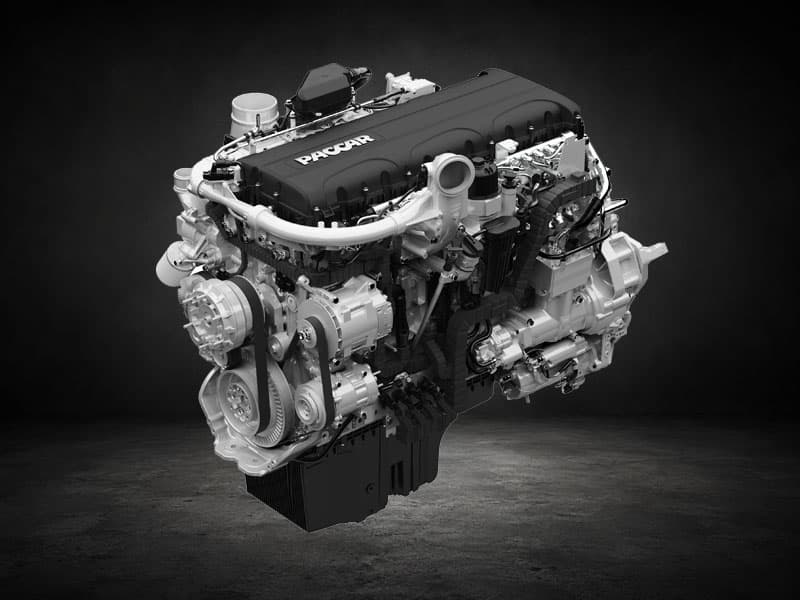
  • Paccar MX-13▸ Supported
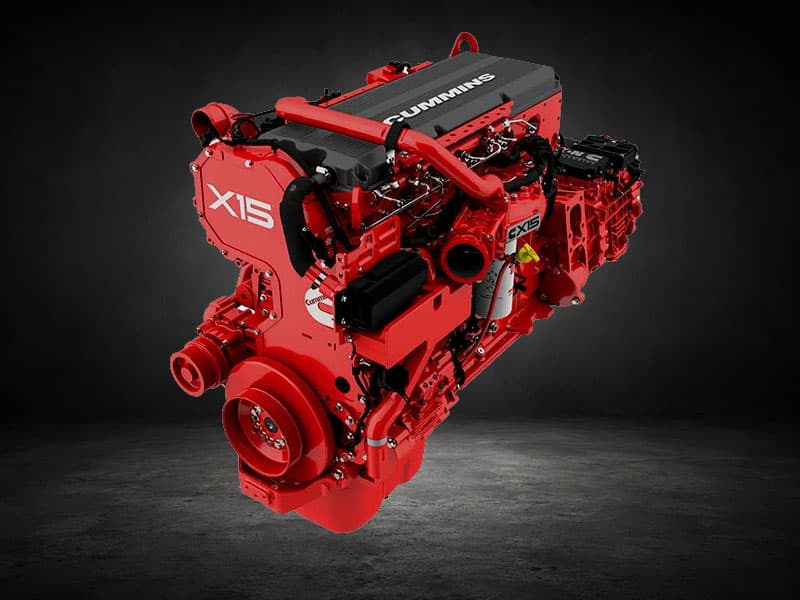
  • Cummins X15▸ Supported
Programming Available

Custom ECM programming, DPF/EGR delete, performance tuning, and emissions recalibration available for all Peterbilt 589 engine platforms. Ship-in, remote, or on-site service in South Florida.

Peterbilt's Modern Long-Hood Conventional

The Peterbilt 589 is Peterbilt's modern long-hood Class 8 highway tractor — successor to the 389 platform that dominated the Peterbilt long-hood market for nearly two decades. Launched in 2023, the 589 brings updated architecture, modernized cab interior, refined aerodynamics, and current emissions-era engineering to Peterbilt's long-hood product line. For Peterbilt customers who valued the 389's combination of operational character and platform identity, the 589 provides the modern successor that maintains the long-hood heritage while addressing fleet expectations around updated technology integration.

The platform draws customers from the same segments that historically chose the 389 — owner-operators who view their truck as both equipment and identity, long-haul fleets with brand standards favoring the long-hood architecture, severe-duty applications where chassis specifications accommodate heavier engine and cooling configurations, and export operations where the 589's combination of modern engineering and classic Peterbilt aesthetic matches international market expectations. Cummins X15 is the dominant power option; Paccar MX-13 is the alternative for fleet customers preferring the Paccar engine family.

Why 589 Trucks Come To Our Bench

589 calibration work centers on Cummins X15 and Paccar MX-13 platform behavior in long-haul highway and severe-duty applications. Given the 589's relatively recent launch (2023+), the calibration application mix skews toward newer-truck calibration approaches:

X15 / MX-13 performance tuning. The dominant 589 calibration application. Owner-operators and small fleet customers consistently seek calibration work that delivers improved throttle response, broader torque plateau at working RPM, better operational character for long-haul service, and overall power-band improvements within the hardware safety envelope. Stock fleet calibrations on both X15 and MX-13 leave operational capability available, and calibration work routinely produces 50-100 hp gains with proportional torque on properly maintained hardware.

Newer-platform calibration approach. The 589's relatively recent launch means most 589 calibration work involves recent-build trucks with current emissions architecture. Calibration approaches account for the newer platform architecture, current X15 and MX-13 emissions configurations, and the broader updated electronic systems integration that the 589 platform brings.

Combined DPF + EGR + SCR delete preparation for export. 589 trucks bound for export markets typically receive full aftertreatment delete preparation. As the 589 enters the export market through used-truck channels in the coming years, export preparation calibration work will likely scale with the platform. Standard export work scope applies across the X15 and MX-13 platforms in 589 chassis.

DEF dosing system tuning for high-mileage service. 589 trucks accumulating high mileage in long-haul service will eventually hit DEF system service intervals matching the broader X15 and MX-13 long-haul fleet population. Calibration work that addresses DEF system stress patterns and inducement countdown clearing after aftertreatment hardware service represents typical future 589 calibration scope.

Calibration recovery on X15 / MX-13 ECMs. Standard calibration recovery scope across the platform.

Engine Platform Calibration Approach

589 calibration work depends on engine platform. Cummins X15-powered 589s (the dominant configuration) use Cummins INSITE diagnostic and require X15-specific calibration libraries with long-haul application calibration approaches. Paccar MX-13-powered 589s use Paccar Davie diagnostic with MX-13-specific calibration libraries.

For each 589 customer, intake conversation centers on engine identification, application (long-haul fleet, owner-operator, export, severe-duty, heavy haul), and operational priorities. Performance tuning conversations tend to focus on operational character and operational envelope; export preparation conversations focus on destination market requirements; emissions calibration conversations focus on resolving recurring aftertreatment-driven service issues.

Service Paths For 589 Programming

Ship-in is the most common path. Pull the ECM, ship to Fort Lauderdale, 2-3 day programming turnaround. Remote programming works for shops with Cummins INSITE or Paccar Davie diagnostic access. On-site service is available for South Florida customers — and for owner-operators routing through Fort Lauderdale, on-site work coordinates with travel schedule.

Quotes return same business day. Tell us the year, the engine (Cummins X15 or Paccar MX-13), the application (long-haul fleet, owner-operator, export, severe-duty), and what you want out of the work. For owner-operators, individual-vehicle calibration work is straightforward; for fleet customers, multi-truck pricing applies.

The 589 As Successor To The 389

The 589 succeeds the 389 in Peterbilt's product line — a platform refresh that maintains the long-hood architecture and operational character while updating chassis architecture and electronic systems to current standards. For fleet operators transitioning between 389 and 589 inventory, our calibration work covers both platform generations consistently, drawing on the same Cummins X15 and Paccar MX-13 platform expertise we maintain across the full Peterbilt long-hood product line.

For owner-operators evaluating 389 vs 589 platform choice, our perspective from the calibration side is that both platforms benefit from the same Cummins X15 and Paccar MX-13 calibration approaches, with operational character differences driven more by chassis architecture and feature configuration than by underlying calibration architecture. Whichever long-hood Peterbilt the operator chooses, calibration work draws on consistent platform expertise across the long-hood family.

Owner-Operator And Identity Truck Considerations

The 589 sits in a customer segment where the truck is more than fleet equipment — owner-operators and small operations often treat their Peterbilt long-hood as a long-term investment, an operational tool, and a piece of identity. Calibration work for this customer segment differs from typical fleet conversations: operational character matters substantially, the relationship with the truck is closer than typical fleet operational distance, and fuel-economy improvements compound across the long operational service life of the truck. We work routinely with owner-operators on long-hood Peterbilt calibration including 589 work, and the conversations center on actual operational priorities rather than generic fleet standardization.
⏵ Truck down? Fleet stalled?

Peterbilt 589 — Get Your Truck Programmed

Tell us your year, engine platform, and current fault codes. Same-day quotes. Ship-in, remote, or on-site programming available.

Customer Stories

Peterbilt 589 Outcomes

2014 Peterbilt 579
Paccar MX-13

Got the ECM back in a week — including shipping from South Africa to the US and back. 100,000 km later, still running strong.

The Problem

Brand-new 579 with MX-13 power for coast-to-coast South African long-haul. Ongoing derates, check-engine lights, and total shutdowns. Dealer and local service offered only temporary, expensive 'solutions' that didn't hold.

Outcome

Shipped the ECM to Florida from South Africa. Programmed and returned within a week including both-way international shipping. 100,000 km of trouble-free operation since.

Pete Z.
Long-haul trucker — South Africa
Peterbilt 340, Kenworth T300, Sterling Acterra
Cummins 8.3 ISC / Paccar PX-8

After dealer-replacing turbos, EGRs, DPF filters and DOCs without fixing the problem, ECM Performance gave us a real solution. Wish I'd known about them four years earlier.

The Problem

Of 40 vehicles in the construction waste fleet, the 2007–2009 DPF-equipped trucks were the only ones with problems. Constant regen, power de-rate, recurring check-engine codes. Dealer-replaced turbos, EGRs, DPF filters, and DOCs across multiple trucks without resolving the underlying issue. Money pit.

Outcome

Started with one ECM as a test — back in two days, truck now runs better than the day it was bought. Sent the remaining fleet ECMs one at a time. All reprogrammed trucks are back on the jobsite producing revenue.

Chuck Z.
Construction waste service — 40-truck fleet
Nine Peterbilt 340s
Paccar PX-8

Six weeks, no more problems on the reprogrammed trucks. Sending the rest of the ECMs in one at a time.

The Problem

Nine Peterbilt 340 concrete mixers constantly in regen and breaking down. Trucks shut down in PTO, couldn't idle, and went into limp mode mid-pour. Forced to dump full loads of cement when trucks failed in transit. Dealer service couldn't resolve the recurring pattern.

Outcome

Started with two ECMs — back in two days. Six weeks later, zero recurrences. Working through the rest of the fleet one at a time.

Earl O.
Ready-mix concrete delivery — nine-truck fleet
Peterbilt 340 dump truck
Paccar PX-8

Customer service, turnaround, and results — all great. Tell your customers not to be afraid of ECM programming.

The Problem

Truck sitting idle through Minnesota winters because the DPF system couldn't handle cold-weather vocational duty. Started with one ECM in November 2012; came back to a working truck for the first time in years.

Outcome

Second ECM programmed in two days — sent Wednesday, back Friday morning. First winter ever the fleet ran without DPF-related problems.

Mark T.
Gravel company — Minnesota
2007 Peterbilt 335 feed truck
Cummins ISB 6.7L / Paccar PX-6

My advice to anyone reading this: the sooner you do this, the better off you'll be.

The Problem

Limping, constant regen, repeated shutdowns. Couldn't feed the herd without fighting the truck. Followed customer testimonials from the ECM Performance email updates for eight months before finally sending in the ECM.

Outcome

Got the ECM back in two days, reinstalled, removed the DPF. Truck works great. PTO for the feeder works without a hitch.

Ted
Cattle farmer
Peterbilt 330 — 120K miles
Cummins ISC / Paccar PX-8

In two days, ECM Performance did what the dealer couldn't do in two weeks or two years.

The Problem

Recurring engine problems even after the dealer kept the truck for two weeks at a $3,500 cost. Truck ran for three days, then started flashing engine problems again. Barely running by week's end.

Outcome

Overnighted ECM. ECM Performance did in two days what the dealer couldn't do in two weeks — or two years.

Jose M.
Waste removal
Peterbilt 335 box truck — 80,000 miles
Paccar PX-8

You can't remove the DPF without reprogramming the truck's ECM. Big thanks to Jim and the fellas at ECM Performance.

The Problem

Constant limp mode from dirty DPF. Removed the DPF first without reprogramming the ECM — truck ran great briefly, then stopped running flat. Cummins dealer pointed to ECM Performance for the calibration work.

Outcome

ECM back in a few days. Plugged back in, truck fired right up and runs great.

Rudy J.
Dairy farmer
2008 Peterbilt 335 roll-off — 140,000 miles
Cummins ISC 8.3

Better than a brand new truck. After dozens of dealer visits over 140,000 miles, ECM Performance solved it in three days.

The Problem

Constant idle and slow-speed operation on construction sites. Replaced turbo, VGT actuator, two DPF filters across dozens of dealer visits over 140,000 miles. Shutdown, reduced power, never running properly.

Outcome

ECM shipped, returned in three days. Truck now runs better than the day it was bought — better than brand new.

Jessie C.
Construction sites
Four 2009 Peterbilt 335 propane tank trucks
Paccar PX-8

Four trucks on the road all winter long earning money instead of costing us hard dollars out of pocket.

The Problem

$25,000+ in uncovered repair bills and towing charges across four trucks, all DPF-related. Only ran right on the 40-mile drive back from the Cummins dealer. Ready to sell the fleet at a loss.

Outcome

ECMs reprogrammed. All four trucks ran an entire winter on the road earning money instead of costing money.

Scott P.
Propane delivery
2009 Peterbilt 386 — 50,000 miles
Caterpillar C15

I wish we'd known about you guys a year ago. I would have saved a lot of money and had a running truck.

The Problem

DPF wouldn't clean, recurring stop-engine and check-engine lights, de-rates, limp modes, and shutdowns — at only 50,000 miles. Dealer mechanic referred us to ECM Performance.

Outcome

Reprogrammed ECM installed three days after ordering. No more problems.

Hector P.
Agriculture / Farming — Mexico City, Mexico
Three Peterbilt 337 mine service trucks — under 100 service hours each
Paccar PX-8

Trucks run with no problem, no engine codes, and the PTO mode runs great. Professional and quick service.

The Problem

Brand-new mine service trucks wouldn't run on local Congolese diesel fuel. DPF aftertreatment incompatible with available fuel quality. DEF fluid not easy to source in the Congo. Removing the DPF without reprogramming wouldn't let the trucks start.

Outcome

ECMs overnighted from Congo to Florida and back in a week. Mechanic reinstalled, removed DPF DOC and SCR internal elements. Trucks run with no problems and no engine codes; PTO mode runs great.

Randy M.
Mining company — Republic of Congo
⏵ Truck down? Fleet stalled?

Get Your Peterbilt Back On Revenue Routes

Same-day quotes. 2–3 day ship-in turnaround. Remote programming worldwide. Fleet and dealer pricing available.

CallQuoteTicket