The Drayage Duty Cycle Is The Worst Case For Modern Aftertreatment
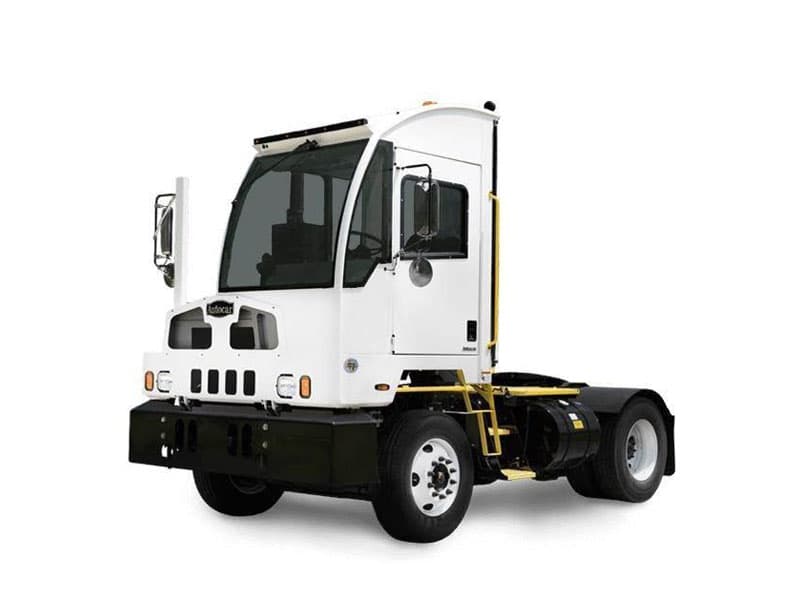
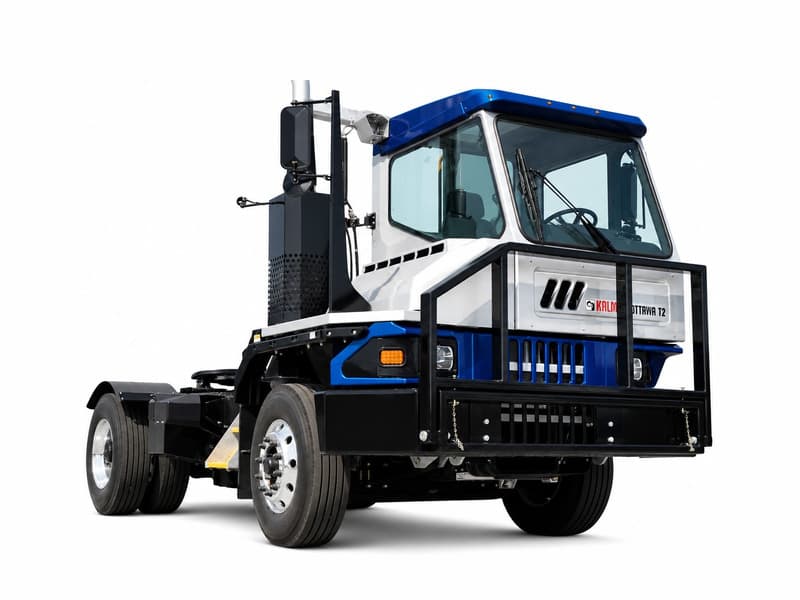
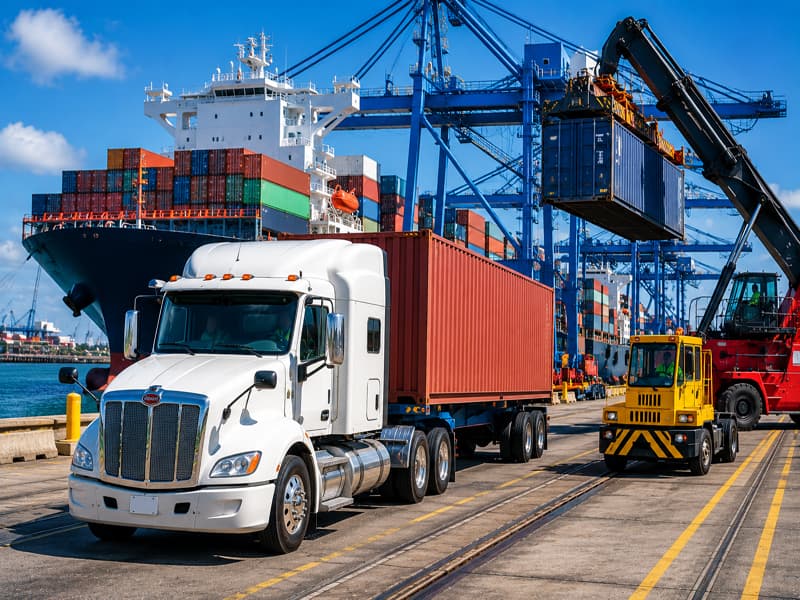
Intermodal logistics — port-to-warehouse drayage, container hauls, terminal-to-rail movement, and short-haul connecting service between intermodal facilities — is the single most damaging duty cycle for EPA 2010 aftertreatment systems. Where highway long-haul gives the DPF, SCR, and DEF systems the conditions they were designed to handle, drayage gives them the opposite: stop-start operation, extended idle at terminals, low-load conditions on short routes, and almost no sustained exhaust temperature.
Drayage trucks routinely fail their aftertreatment systems by 250,000-400,000 miles. The trucks themselves are typically nowhere near worn out at that point — chassis, transmission, axles, and engine block all have hundreds of thousands of miles left. But the aftertreatment system has been asked to function in conditions it was never engineered for, and it gives up earlier than the rest of the truck.
What's Happening On Drayage Trucks
DPF derate from constant active regen. The drayage truck never gets sustained highway temperatures. The DPF clogs faster than passive regen can clear it. The ECM commands active regen cycles constantly. The active regens often don't complete because the driver shuts down at the terminal or the truck is moving between short stops. Soot accumulates, ash builds, and derate hits — usually somewhere between 200,000 and 350,000 miles depending on the specific operation.
DEF dosing system failures from thermal cycling. Drayage operation produces extreme thermal cycling — engine cold-soaked during terminal dwell, then hard-loaded for short runs, then back to idle. The DEF dosing valve and SCR catalyst experience this cycling constantly. Valve failure rates climb earlier than highway operation would predict.
NOx sensor drift from operational pattern. NOx sensors degrade faster on drayage trucks than on highway trucks. The sensor sees a wider range of operating conditions and accumulates more cumulative stress per mile. Drift produces SCR efficiency faults that look like SCR failure but are actually sensor problems — and the dealer's solution of catalyst replacement doesn't fix the underlying sensor issue.
Inducement countdowns hit in the wrong places. Drayage trucks build up to derate inducement inside the operational pattern that produced the failure in the first place. A truck that suddenly enters 5 MPH derate while inside a port terminal is creating real safety and operational problems — and the fix isn't accessible because the dealer is hours away.
What Drayage Operators Actually Need
The drayage operation has two distinct decisions to make. The first is compliance posture — does the operation need to keep its trucks on the books as EPA-compliant on-road vehicles, or does the business model allow off-road designation for some or all of the fleet? The second decision flows from the first. EPA-compliant trucks need recalibration paths and the aftertreatment hardware stays in place. Off-road trucks can take combined DPF/EGR delete that eliminates the failure mode entirely.
For EPA-compliant drayage fleets, we recalibrate after every aftertreatment hardware repair — DEF doser replacement, NOx sensor replacement, SCR catalyst service. The calibration work restores ECM logic to functional baseline so the hardware repair actually clears the underlying fault state instead of leaving stale parameters that re-trigger faults within weeks.
For drayage fleets where the operational reality already justifies off-road designation, combined DPF and EGR delete eliminates the aftertreatment failure surface. The trucks run against their original performance map, the duty-cycle stress on aftertreatment hardware stops mattering because the hardware isn't there to fail, and uptime improves substantially.
Service Options For Intermodal Fleets
Drayage and intermodal fleets typically run at scale — 20-100+ trucks is normal. The work we do for these customers happens in batches across multiple trucks rather than one-at-a-time, and the engagement is usually a multi-month relationship rather than a single transaction. Fleet pricing applies. NDAs are routine. Scheduling coordinates with the fleet's operational calendar to minimize the number of trucks out of service at any one time.
Remote programming works well for fleets with their own shop and diagnostic hardware. Ship-in works for fleets without diagnostic capability or for one-off jobs. On-site service is available for South Florida drayage operations — Port Everglades, Port of Miami, and the intermodal facilities feeding those ports.
Quotes return same business day. Tell us the truck mix, the typical operating pattern, the current pain points (which engine platforms, which fault codes, what's been replaced and when), and the compliance posture the operation needs to maintain. The work follows the operational requirements, not the other way around.
Honest Talk About Compliance
Drayage operations sometimes ask whether they can simply ignore the compliance question and run delete on their on-road fleet. The honest answer is that doing so creates substantial risk — emissions enforcement at port terminals has tightened materially in the last several years, CARB compliance is a separate and serious matter for any operation touching California, and the regulatory exposure on a fleet of 50+ trucks running with deleted aftertreatment systems is real. We won't talk a customer into either path. We'll explain what each path actually means, what the operational and regulatory tradeoffs are, and let the fleet operator make the call that fits their business model and their compliance appetite.