Why Farm Trucks Need Different Calibration
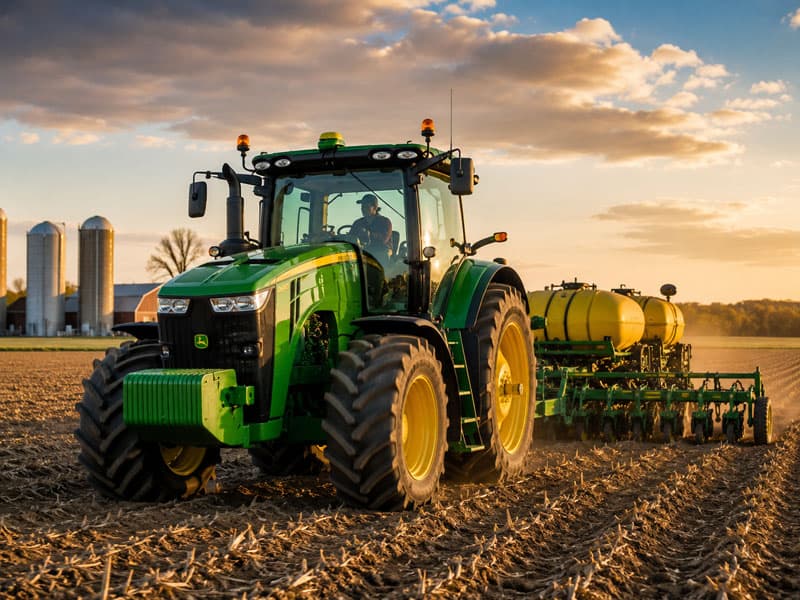
Agricultural operations subject Class 8 trucks and medium-duty diesels to operating conditions that fleet calibrations don't account for. Seasonal duty cycles where the truck sits for months and then runs hard during planting or harvest. Off-road operation on field roads, into and out of grain storage facilities, and around farm yards. Variable fuel quality from off-road tanks, occasional high-sulfur fuel from regional supply, and the broader fuel-quality reality of agricultural fuel handling. Sustained low-speed PTO operation for grain augers, water pumping, and feeding operations. Cold-weather operation through winter feeding programs. And operational reality where the nearest dealer is often hours away and downtime during planting or harvest costs the operation real money.
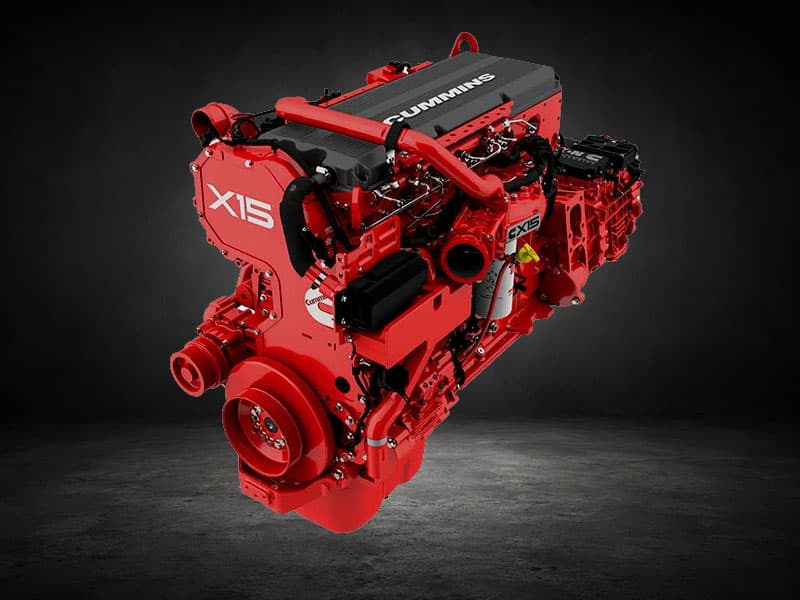
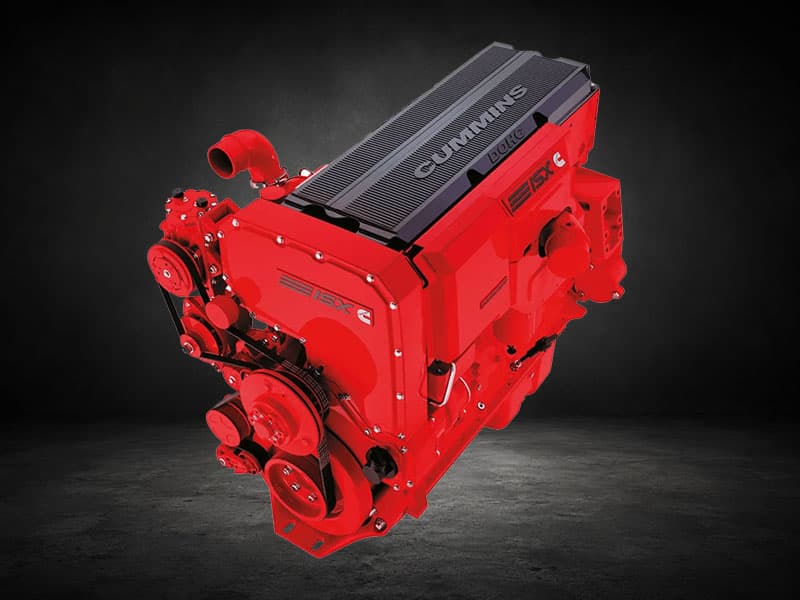
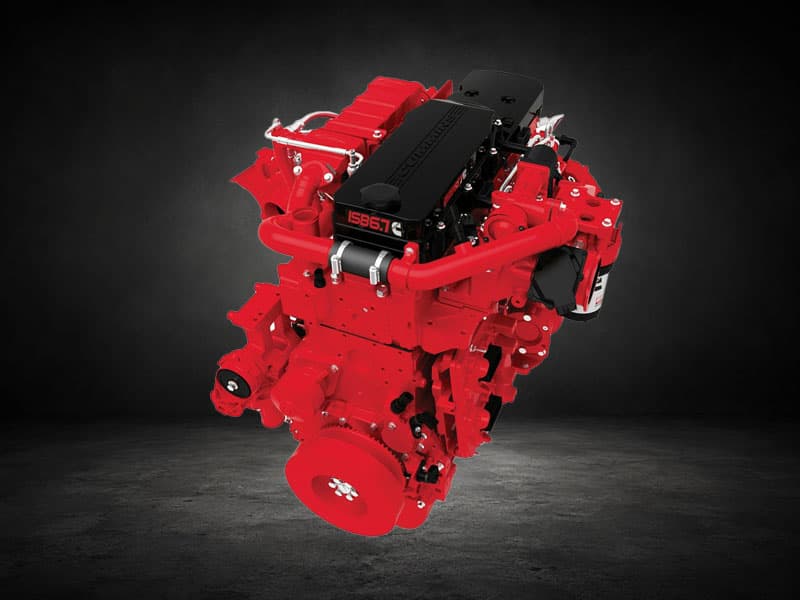
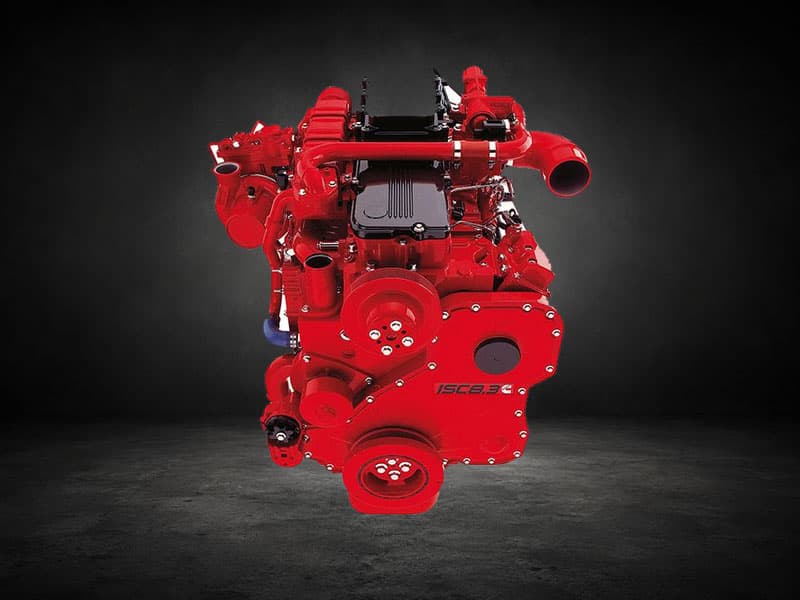
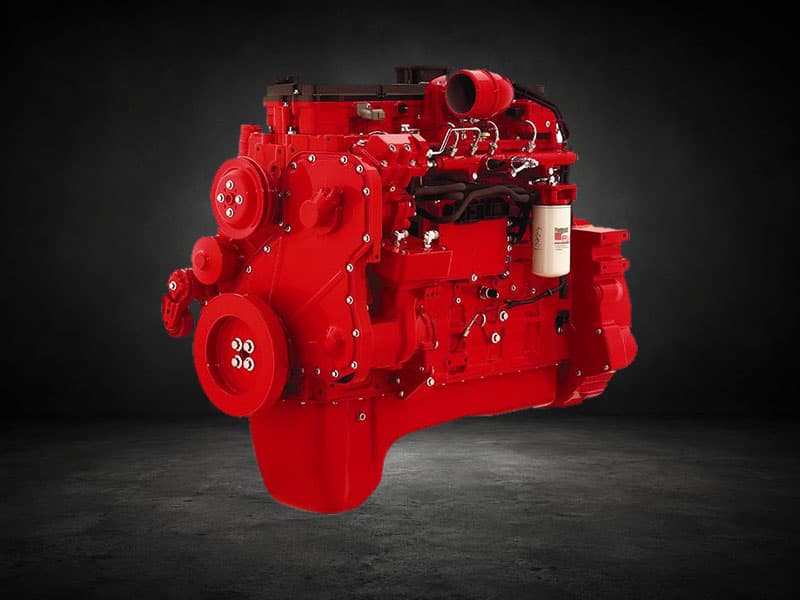
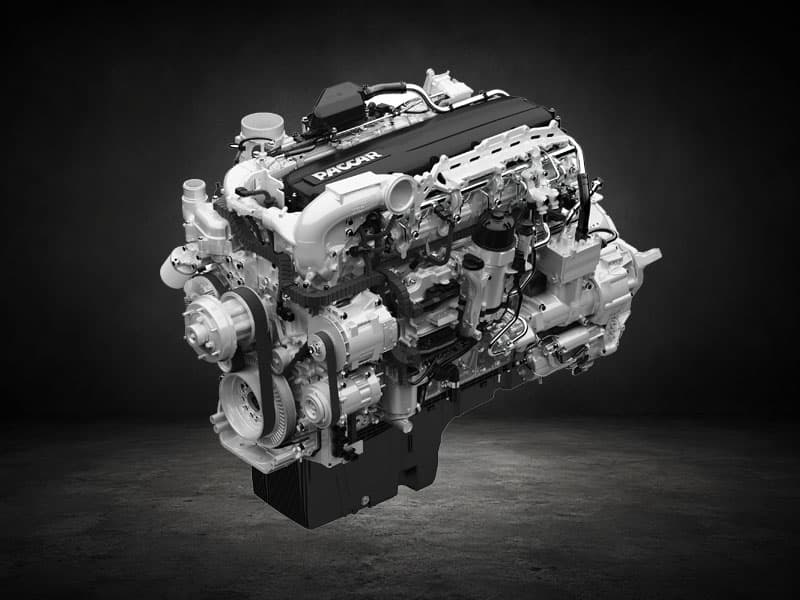
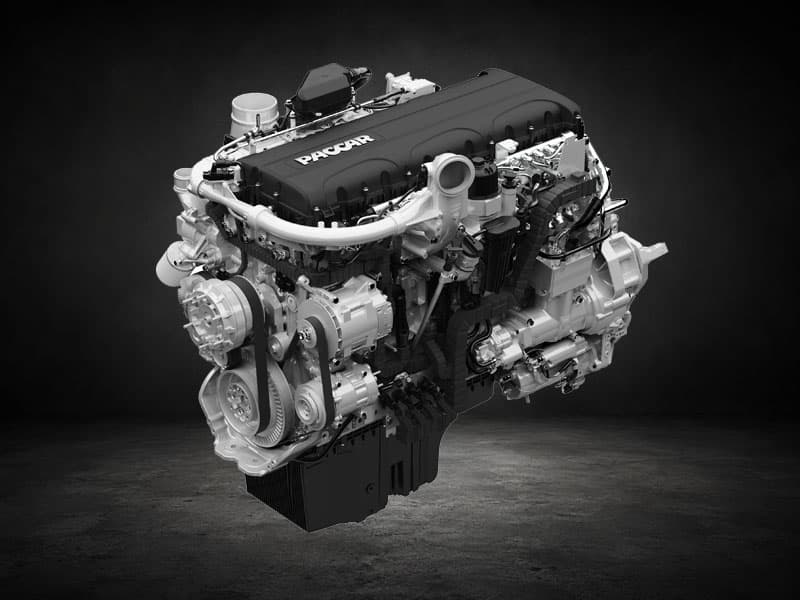
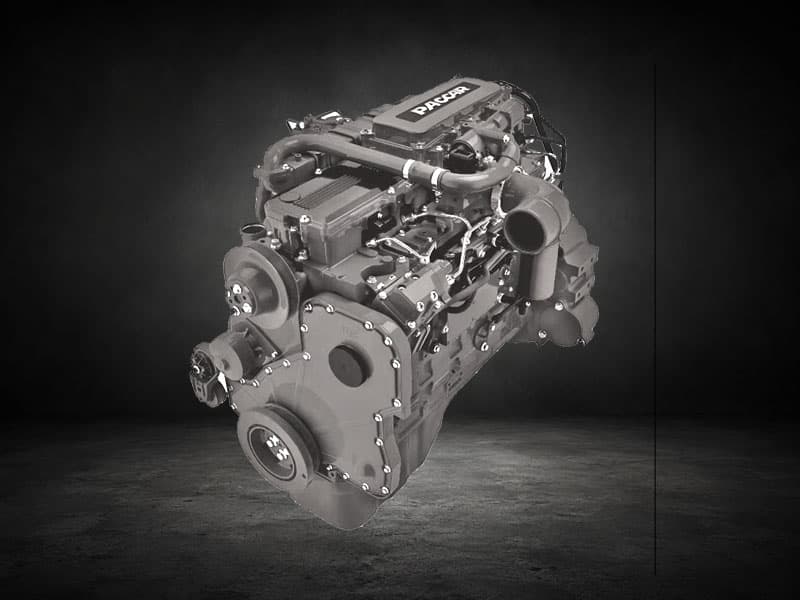
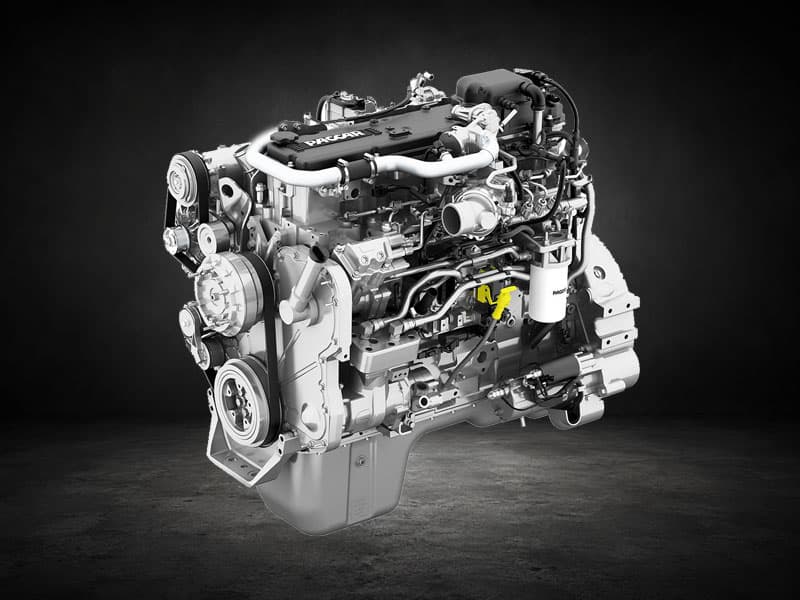
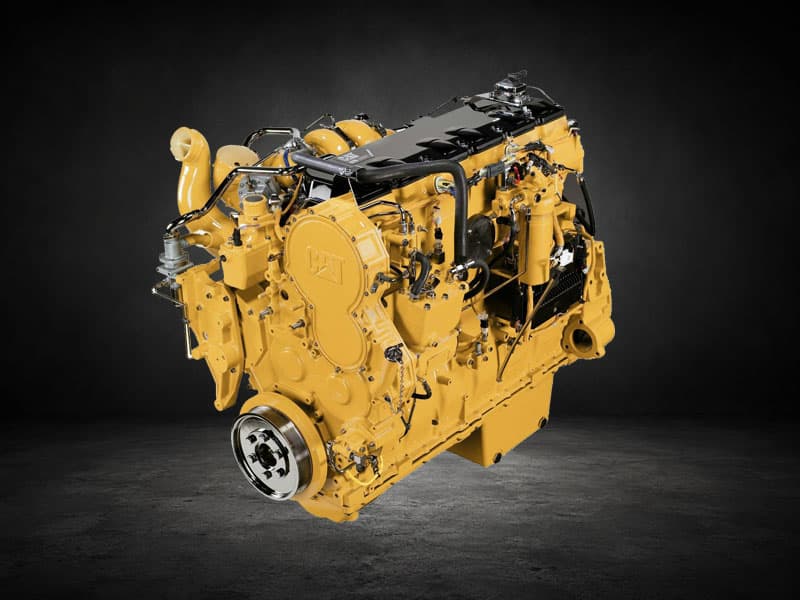
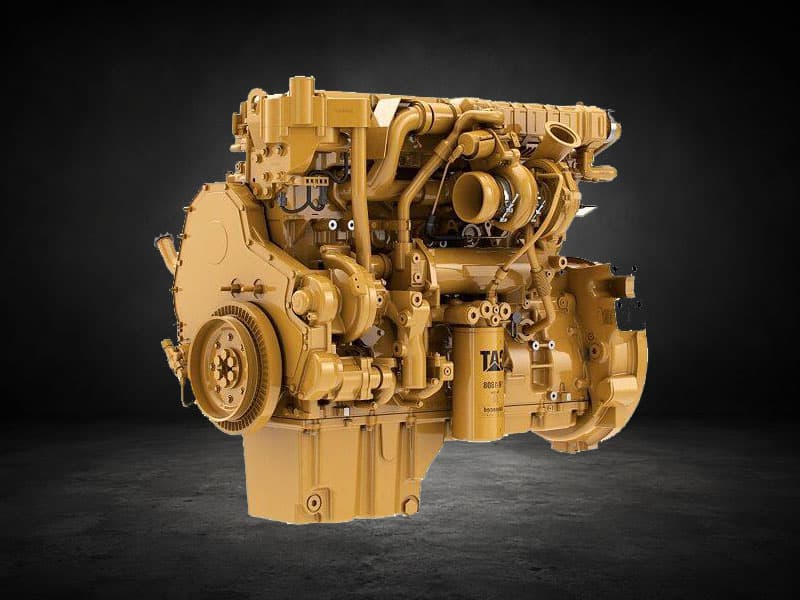
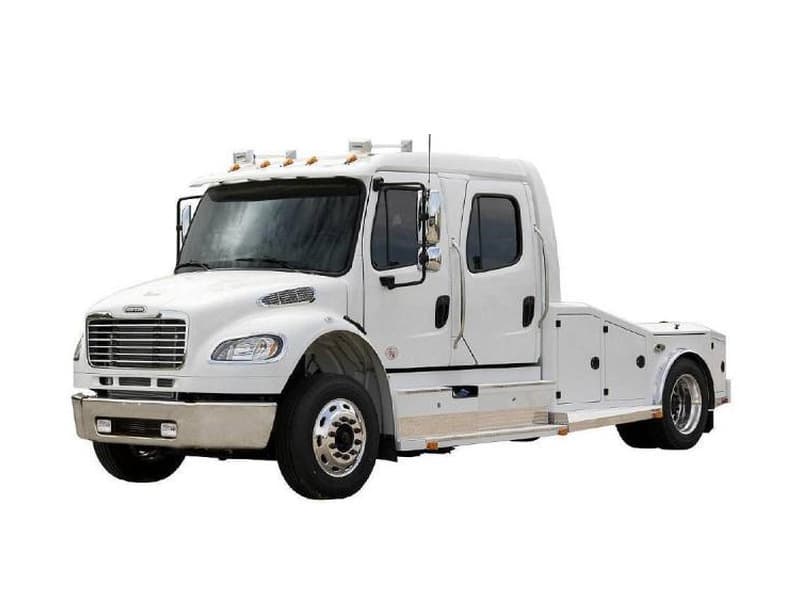
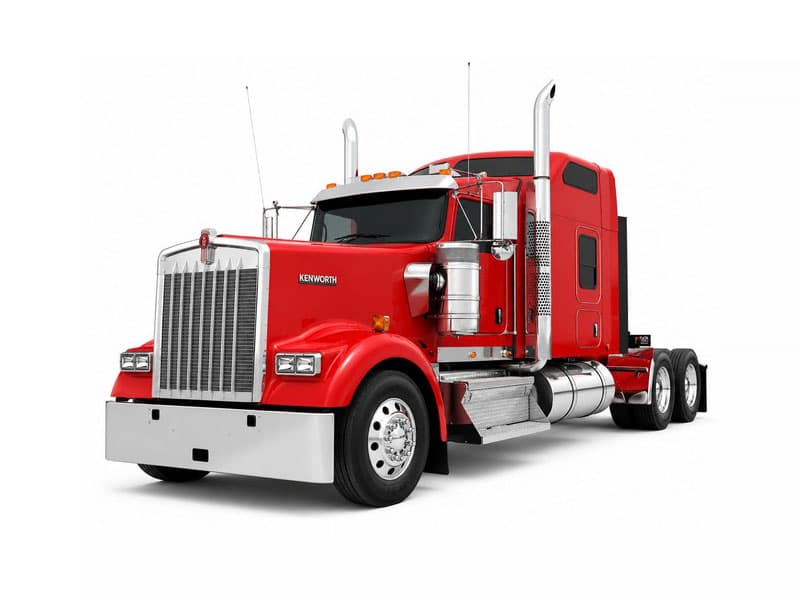
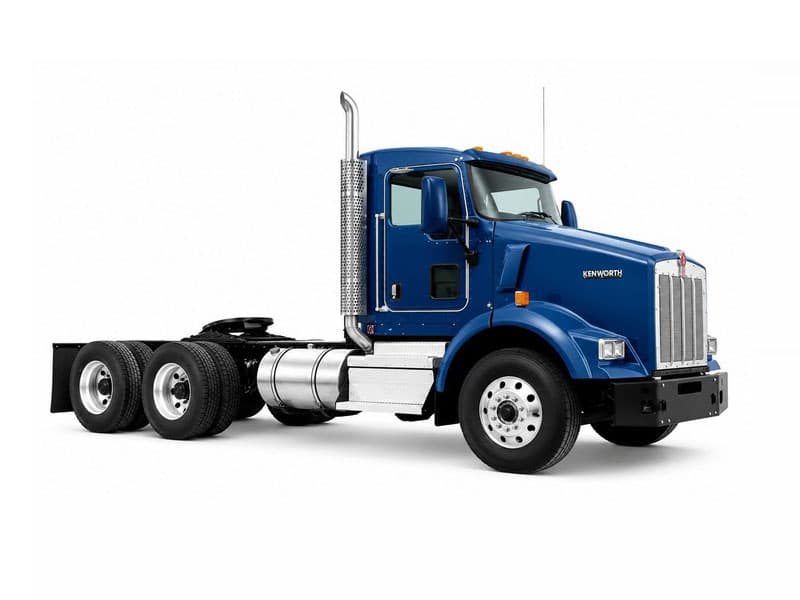
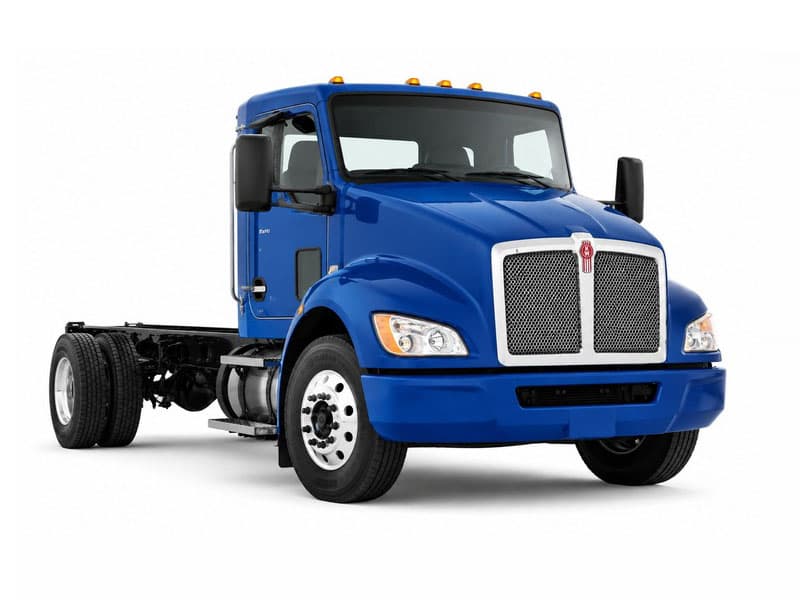
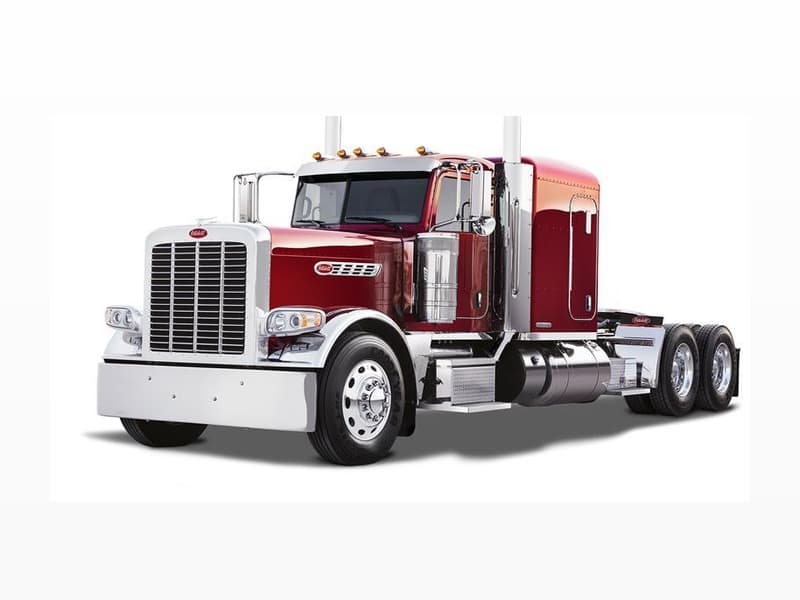
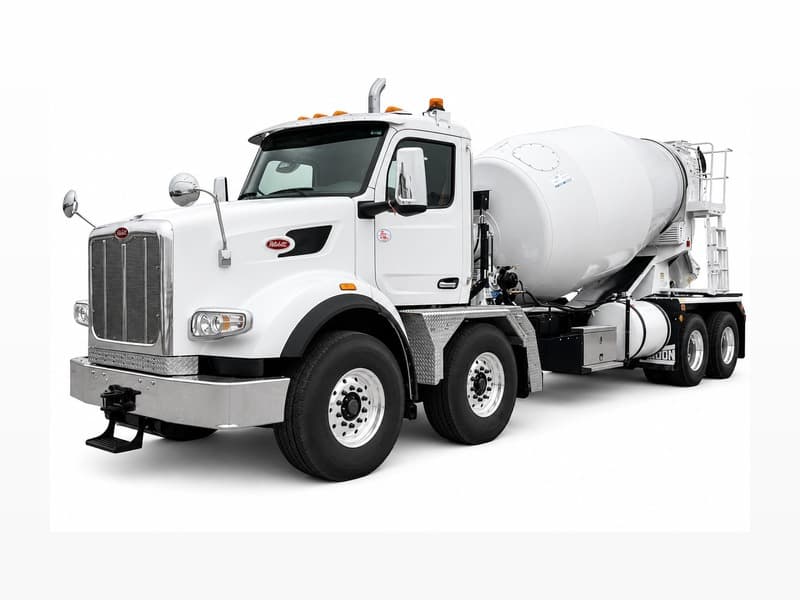
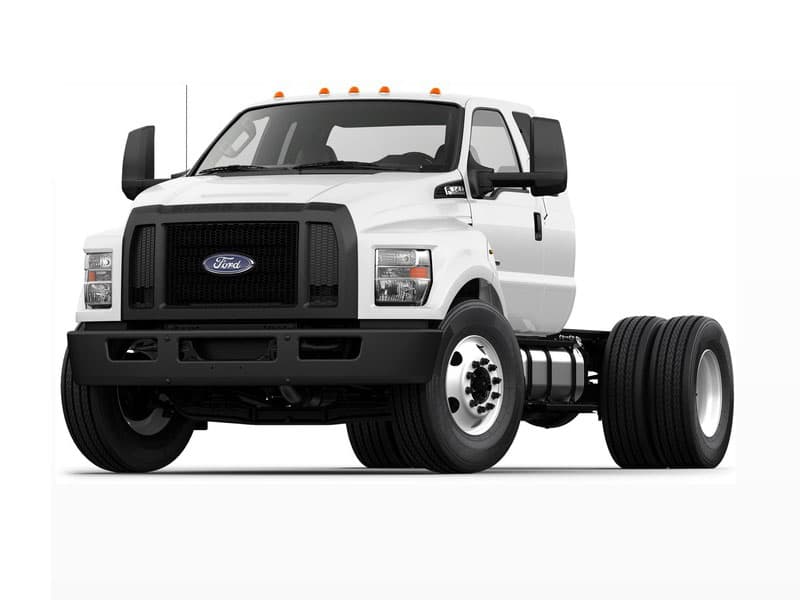
The fleet population reflects agricultural operational reality. Grain haulers — Peterbilt 389 and 379 with Cummins ISX or X15, Kenworth W900 and T800 with the same engine families, similar trucks from Mack and Freightliner. Feed delivery trucks on Kenworth T370 or Freightliner M2-106 chassis with Cummins ISB or ISL power. Farm service trucks on Ford F-650 and F-750 with Power Stroke or ISB power. Older legacy trucks with Cummins 8.3 ISC, Cat C13 and C15, and other earlier emissions-era engines still in active service across thousands of operations. The brand varies. The operational reality is consistent.
What's Actually Killing These Trucks
High-sulfur fuel destroying DPF/SCR. Agricultural fuel supply varies. On-farm tanks may not be sourced from the same supply chain as commercial diesel. Off-road dyed diesel sometimes ends up in trucks operating on-road. Imported equipment may have run on higher-sulfur fuel before arrival. The aftertreatment hardware was engineered around the assumption of consistent ULSD (Ultra Low Sulfur Diesel) fuel supply. When that assumption fails, the consequences are progressive damage to the DPF substrate, SCR catalyst, and DEF dosing components.
No local dealer for SCR/DEF service. Rural agricultural operations are typically located far from major dealer service centers. When a truck goes into derate or inducement countdown, the practical response is often hours of travel to the dealer plus days of downtime plus the service cost itself. Across a fleet of trucks during planting or harvest, the cumulative cost adds up fast and the operational disruption is significant.
Idle-heavy duty cycles. Grain haulers loading at the elevator, feed trucks running augers, service trucks running PTO for hydraulic implements — agricultural trucks see substantially more PTO and idle duty than highway trucks. The aftertreatment hardware doesn't accumulate the highway-cycle conditions it needs for stable operation, and DPF derate hits earlier than mileage-based expectations would suggest.
Seasonal downtime stress. Trucks that sit for months between operational windows produce a specific set of aftertreatment system issues. DEF tank crystallization, dosing valve binding from extended non-use, calibration adaptive learning that doesn't track actual operational state, and the broader pattern of aftertreatment system issues that appear when seasonal operations restart.
What Calibration Work Can Do
For farm trucks dedicated to off-road service (on-farm grain hauling, feed delivery within the operation, service trucks that never see public roads), combined DPF, EGR, and SCR delete eliminates the aftertreatment failure surface entirely. The calibration approach is well-established across the engine platforms used in agricultural service.
For farm trucks that operate on public roads — grain haulers running to elevators, feed delivery trucks to neighboring operations, service trucks crossing public roads to reach off-farm work — the path varies depending on local operational reality. Some agricultural operations operate under exemptions that allow off-road equipment treatment. Some need to stay fully compliant. Calibration recalibration matched to agricultural duty cycle delivers operational improvements within whatever compliance posture the operation maintains.
Calibration recovery on bricked ECMs is also routine agricultural work. The combination of variable fuel quality, seasonal operational tempo, and limited dealer access means agricultural trucks accumulate ECM-side issues that recovery work addresses without module replacement when possible.
Agricultural Operational Reality
Agricultural operations run on weather windows and harvest schedules that don't accommodate equipment downtime well. A grain hauler down for dealer-side aftertreatment service during harvest is a hauler that's not moving grain, which means stored grain backing up at the combine, harvest schedule disruption, and potential quality issues from grain that should be at the elevator already. The operational cost of recurring aftertreatment service across a multi-truck agricultural operation can be substantial.
We work with agricultural operations ranging from small family farms running 1-2 trucks through large multi-state agricultural operations with substantial truck fleets. Ship-in service handles the geography problem effectively for remote operations — pull the ECM, ship to Fort Lauderdale, 2-3 day turnaround, ship back. For multi-truck operations, batching ECM work during off-season windows works well.
Service Paths For Agricultural Fleet Programming
Ship-in is the dominant path for agricultural operations. Pull the ECM, ship to Fort Lauderdale, 2-3 day programming turnaround. Remote programming works for shops with appropriate engine-platform diagnostic software. On-site service is available for South Florida agricultural operations.
Quotes return same business day. Tell us the year, the engine, the trucks involved, the operational situation (grain hauling, feed delivery, farm service, equipment hauling), and what you want out of the work. For agricultural operations batching ECM work across off-season windows, fleet pricing applies and we coordinate scheduling around the operational calendar — planting prep, harvest prep, and post-harvest cleanup windows all work well for batch programming work.