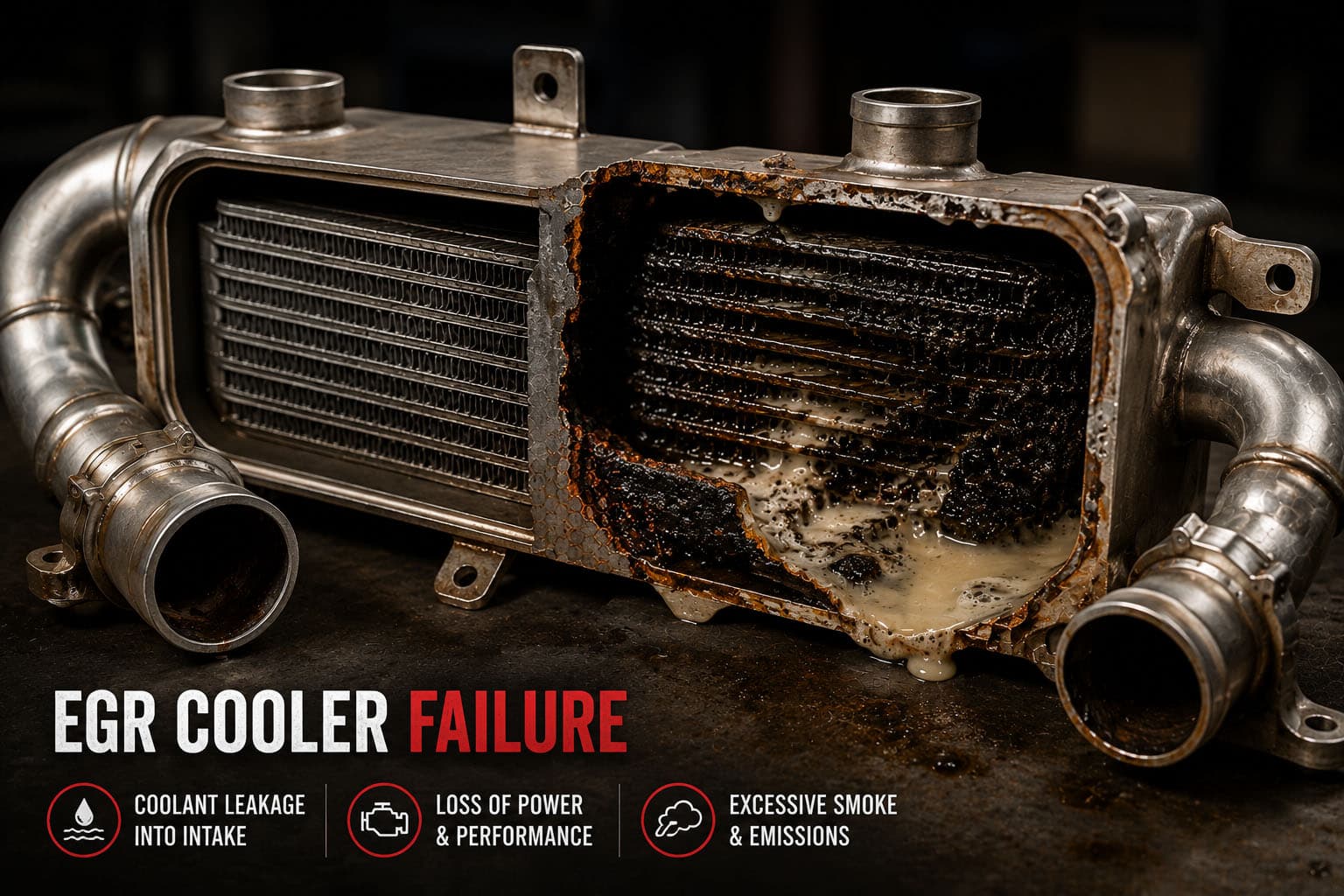
What An EGR Cooler Does And How It Fails
The EGR (exhaust gas recirculation) cooler is part of the cooled-EGR architecture that all EPA 2002+ heavy-duty diesel engines use to reduce NOx emissions. Hot exhaust gas gets routed through a coolant-cooled heat exchanger before re-entering the intake — cooling the exhaust gas reduces combustion temperatures, which reduces NOx formation.
The cooler itself is a compact heat exchanger with engine coolant on one side and high-temperature corrosive exhaust gas on the other, separated by thin metal walls that must hold pressure on both sides. The hardware operates in a thermally hostile environment with corrosive media on the exhaust side and high-pressure coolant on the cooling side.
EGR coolers fail by developing internal leaks that allow coolant to enter the exhaust side and ultimately the intake manifold and combustion chambers. The thin separation walls fatigue from thermal cycling — every load change cycles the exhaust gas temperature, expanding and contracting the cooler structure. Corrosion accelerates on the exhaust side from acidic combustion products. Eventually a crack or pinhole opens up and coolant starts entering the intake.
The Failure Pattern And What Drivers See
Early-stage EGR cooler failures produce subtle symptoms — slow coolant loss without obvious external leak, occasional white exhaust on cold start, intermittent fault codes that clear on restart. The cooler may seal during cold operation and leak only at sustained operating temperature, making diagnosis difficult.
Late-stage failures are unmistakable. Substantial coolant loss into the intake produces dramatic white exhaust, low-coolant warnings, eventual coolant exhaustion if not addressed. In the worst cases, coolant entering combustion chambers produces hydrolocking when the engine stops — pistons unable to compress liquid coolant on the next start attempt — which can bend connecting rods or destroy bearings. Coolant in combustion also contaminates engine oil through cylinder wall washdown, which destroys oil film and accelerates bearing wear.
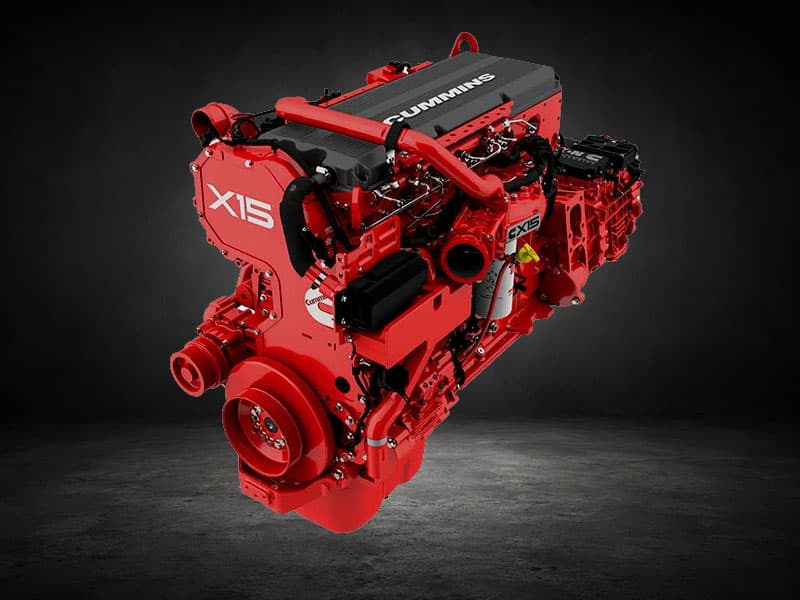
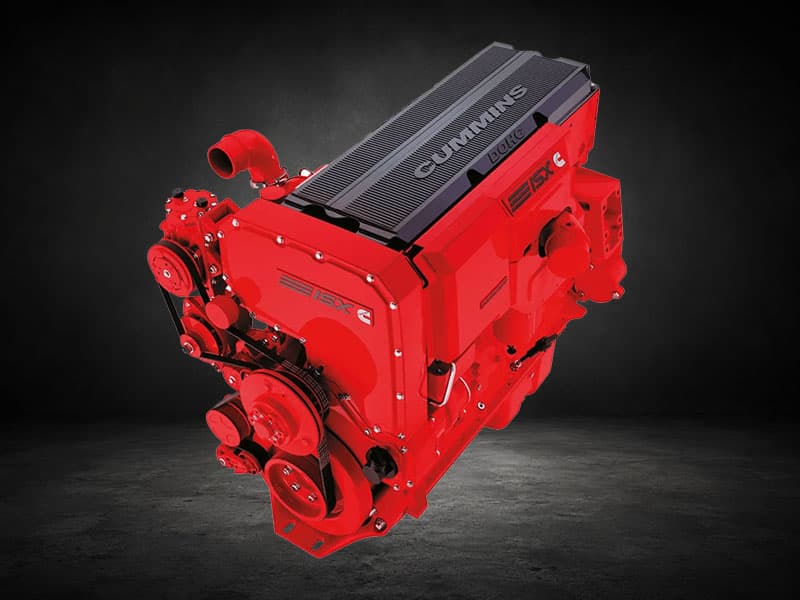
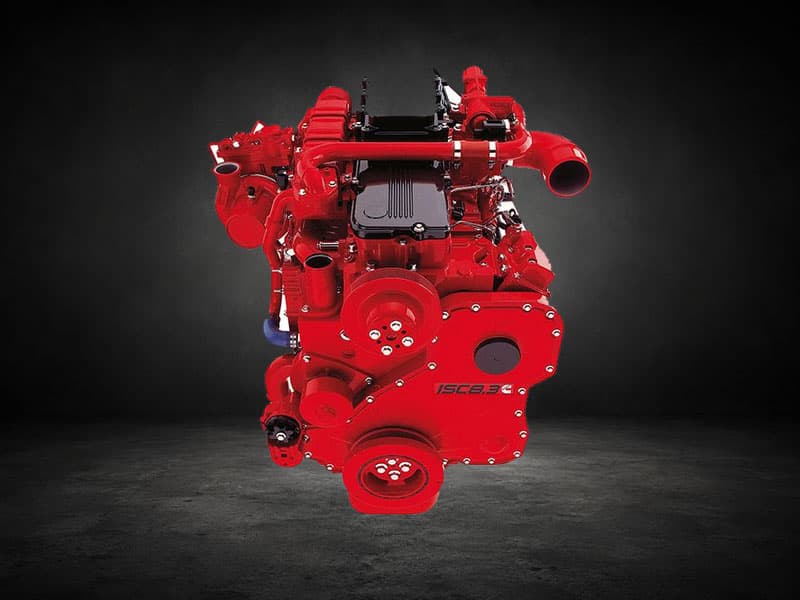
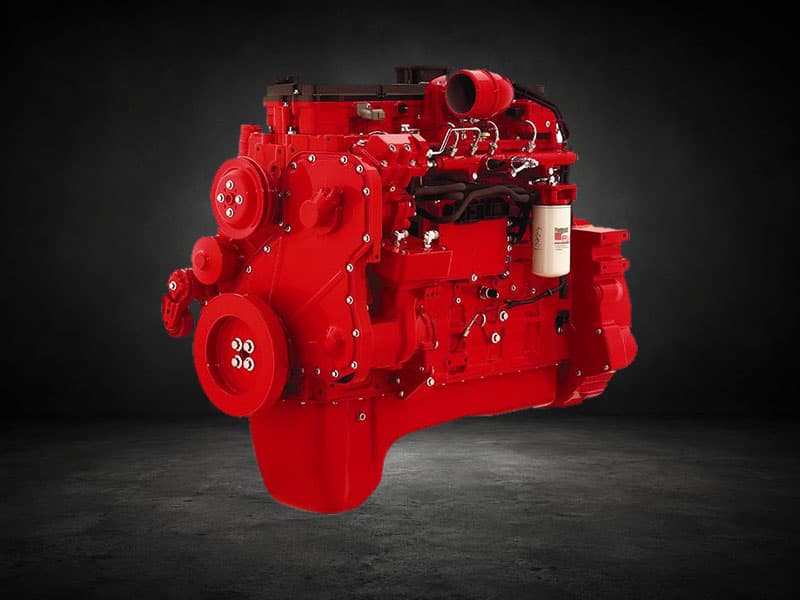
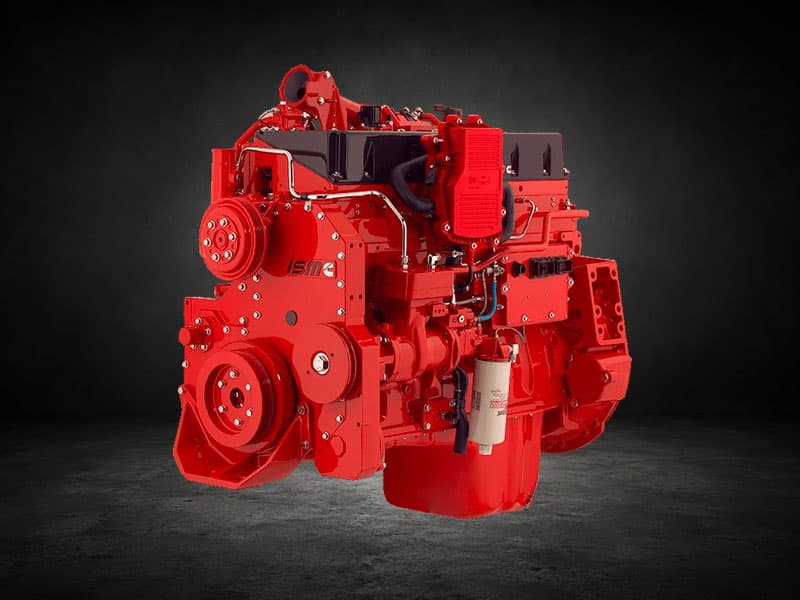
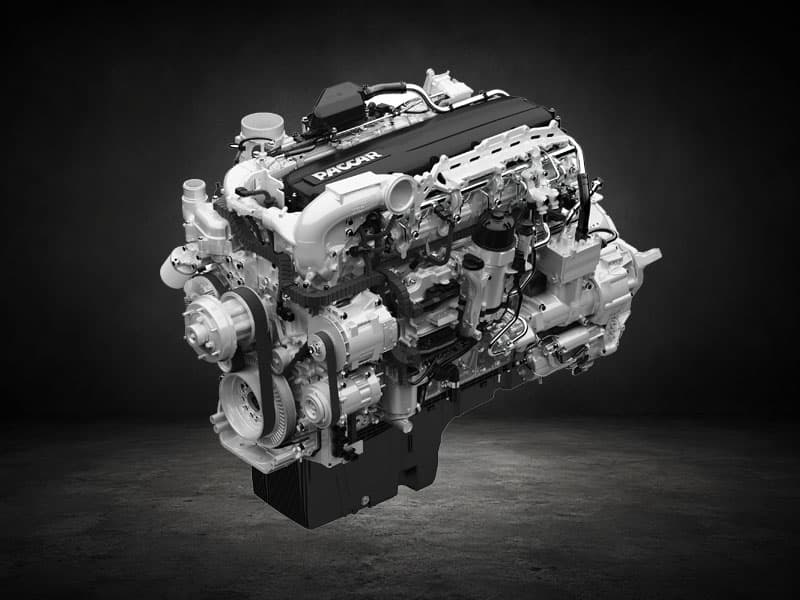
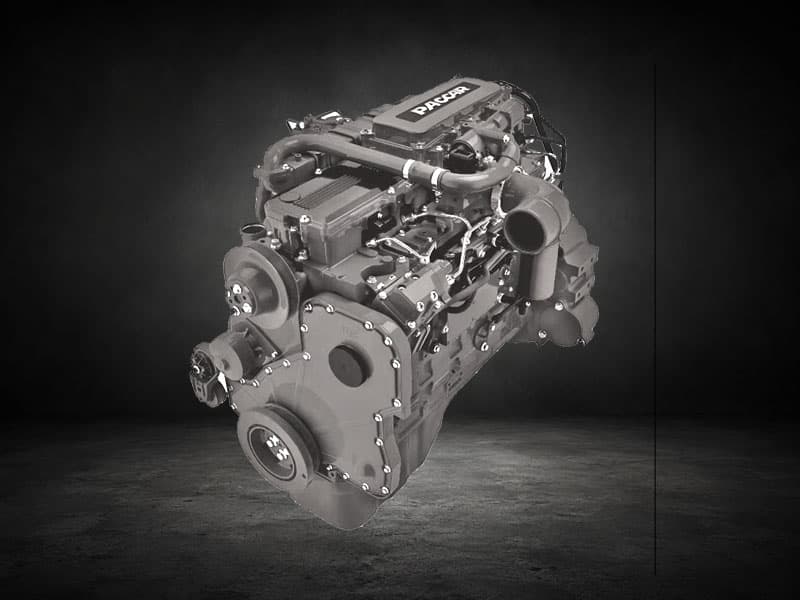
For fleet operators, EGR cooler failures cluster at predictable mileage thresholds depending on platform and operational profile. Heavy vocational service typically sees failures earlier than long-haul service of comparable mileage. Cummins ISX and X15 platforms in over-the-road service typically show failures past 500,000 miles. Cummins ISC and ISL in vocational service often see failures at 300,000-400,000 miles. Paccar MX-13 follows similar patterns. MaxxForce platforms had particularly notorious EGR cooler reliability issues — the EGR-only emissions architecture placed substantially more stress on the cooler than SCR-equipped competitors.
Resolution Paths
When an EGR cooler has failed, the failed hardware must be replaced — calibration alone can't restore a leaking cooler. OEM replacement coolers vary substantially in price by platform; aftermarket and remanufactured options exist at lower price points with variable quality. After replacement, calibration reset clears the fault history and confirms the system reads correctly with the new hardware.
For trucks in dedicated off-road service or bound for export markets, EGR delete is an option — removing the EGR system entirely and recalibrating accordingly. Delete eliminates the EGR cooler failure surface permanently. This isn't appropriate for on-road compliant trucks but is a routine consideration for off-road oilfield, mining, and export-bound applications where the regulatory framework permits.
For trucks staying compliant but seeking to reduce future EGR cooler stress, calibration work that reduces sustained EGR rates can extend cooler service life. The trade-off — slightly higher engine-out NOx — is typically absorbed by the SCR system on EPA 2010+ trucks with adequate margin to remain compliant. This calibration approach extends operational service life on existing hardware rather than addressing failed hardware after the fact.
Fleet Considerations
For fleet operators, EGR cooler failures often appear as a fleet-wide pattern rather than isolated incidents. When the fleet hits the mileage threshold where coolers typically fail, multiple trucks tend to develop the issue within a relatively short time window.
Planning for fleet-wide cooler service alongside calibration work — addressing the operational stress patterns that drive cooler failure — delivers better long-term operational economics than reactive replacement as each truck fails. The reactive path means trucks coming out of service one at a time, often unpredictably, with operational disruption distributed across the fleet over time. The proactive path means scheduled service that integrates with operational priorities and fleet maintenance windows.
For fleet customers facing this pattern, we work through the operational profile, mileage distribution across the fleet, and the appropriate combination of hardware service and calibration approaches to address the recurring issue. The conversation typically covers operational priorities, regulatory constraints, and operational economics rather than treating EGR cooler failure as purely a hardware service question.
Cross-Platform EGR Cooler Reliability Patterns
EGR cooler reliability varies substantially across platforms, and operators planning fleet service approaches benefit from understanding the platform-specific patterns rather than assuming uniform failure behavior.
Cummins ISX and X15 platforms in long-haul service typically reach EGR cooler service threshold past 500,000 miles in nominal operational conditions, with vocational service or sustained heavy load shifting the threshold earlier. Cummins ISC and ISL in heavy vocational service often reach the threshold substantially earlier — 300,000 to 400,000 miles is a realistic range for refuse, construction, and similar heavy-duty applications. Paccar MX-13 follows broadly similar long-haul patterns to Cummins ISX.
MaxxForce platforms had particularly notorious EGR cooler reliability across the DT, 9, 10, 13, and 15 product line, driven by the EGR-only emissions architecture that placed substantially more thermal stress on the cooler than SCR-equipped competitors. Many MaxxForce coolers failed well before 300,000 miles in moderate operational conditions, and the pattern was a significant factor in the broader operational economics of legacy International fleet inventory.
Volvo D-series and Mack MP-series coolers generally show competitive reliability with the Cummins long-haul platforms. Cat C-series cooler patterns vary by application but generally fall within the broader heavy-duty operational range.