Mack's Flagship Heavy Engine
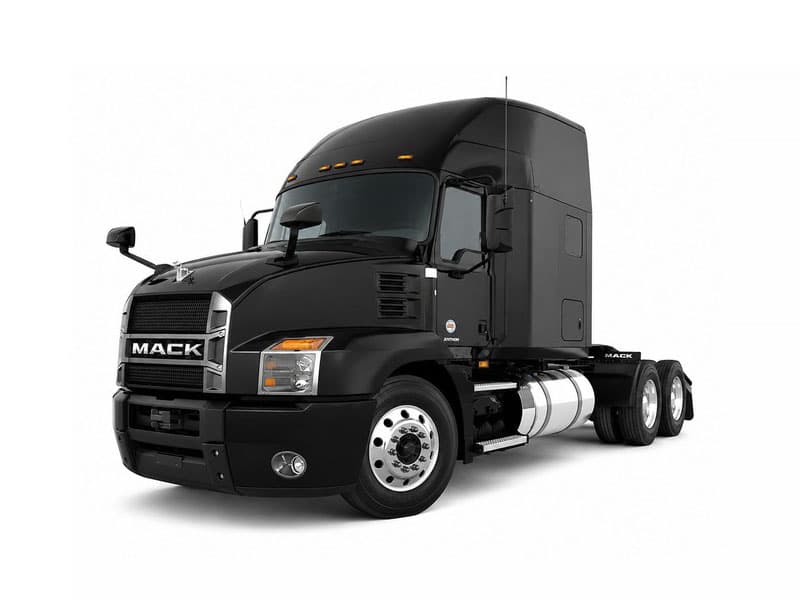
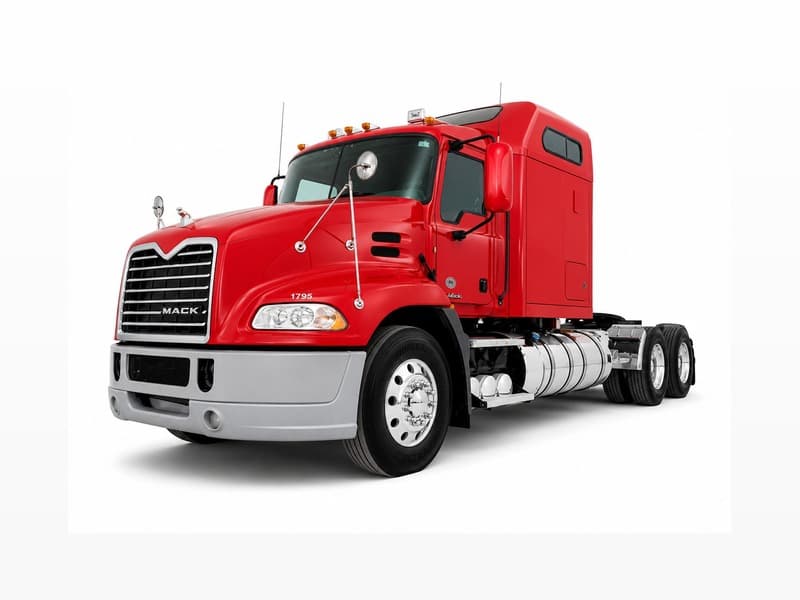
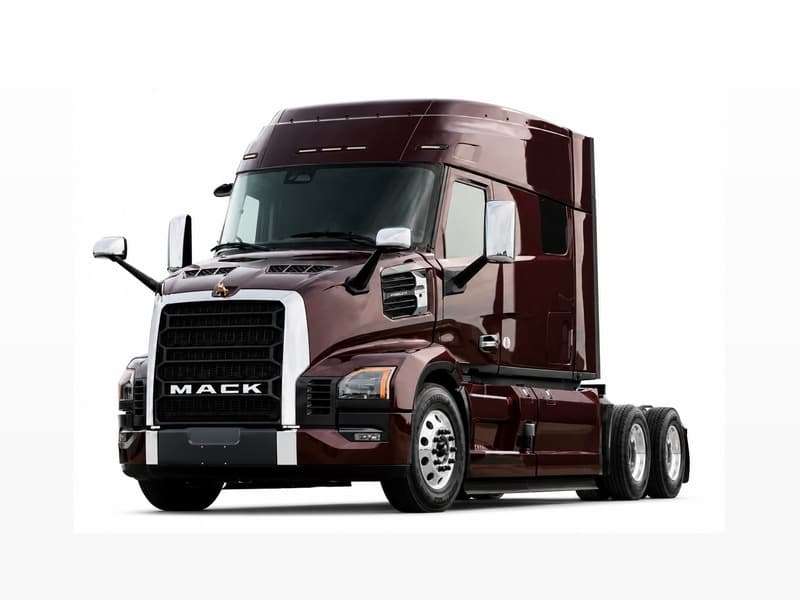
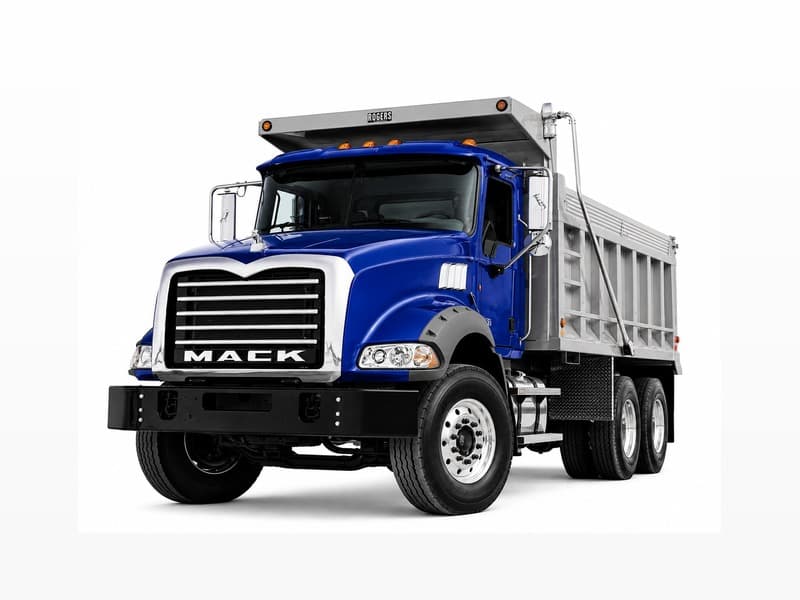
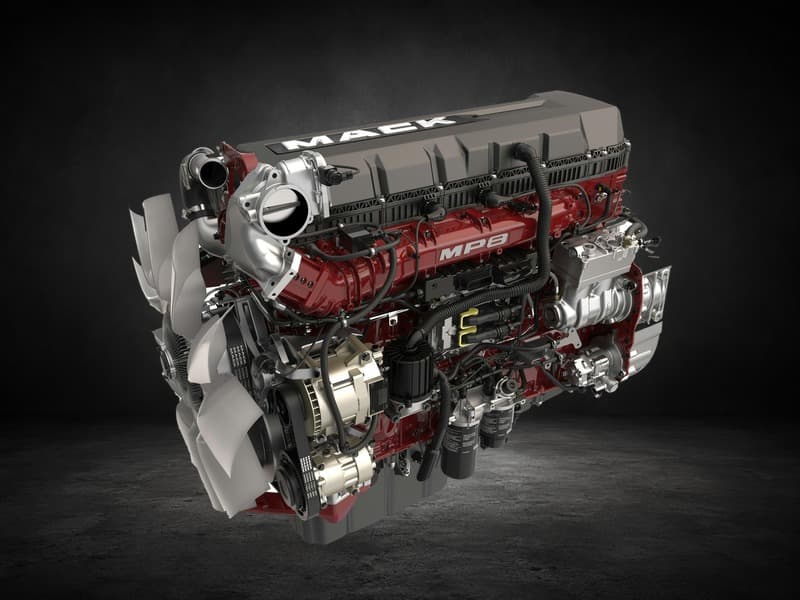
The Mack MP8 is the 12.8-liter inline-six that anchors Mack's heavy Class 8 lineup. Launched in 2007 as Mack's flagship modern engine, the MP8 became the standard power option for Mack Anthem highway tractors, Mack Pinnacle long-haul fleet tractors, and the heaviest configurations of Mack Granite vocational trucks. Power ratings on the MP8 run from 415 to 505 horsepower with peak torque from 1,560 to 1,860 lb-ft. There's also the MP8HE (high-efficiency) variant for fuel-economy-focused fleet applications and the MP8 Super Econodyne calibration variants designed for maximum cruise efficiency.
The MP8 shares fundamental architecture with the Volvo D13 — Mack and Volvo are both Volvo Group subsidiaries, and the engineering for the MP8 and D13 happened in coordination. The two engines are mechanically very similar; the differences are in calibration philosophy, ECM family, brand-specific tuning, and the diagnostic and programming ecosystem. From a customer standpoint, MP8 work and D13 work require different software and different calibration libraries despite the architectural similarity.
Why MP8 Trucks End Up On Our Bench
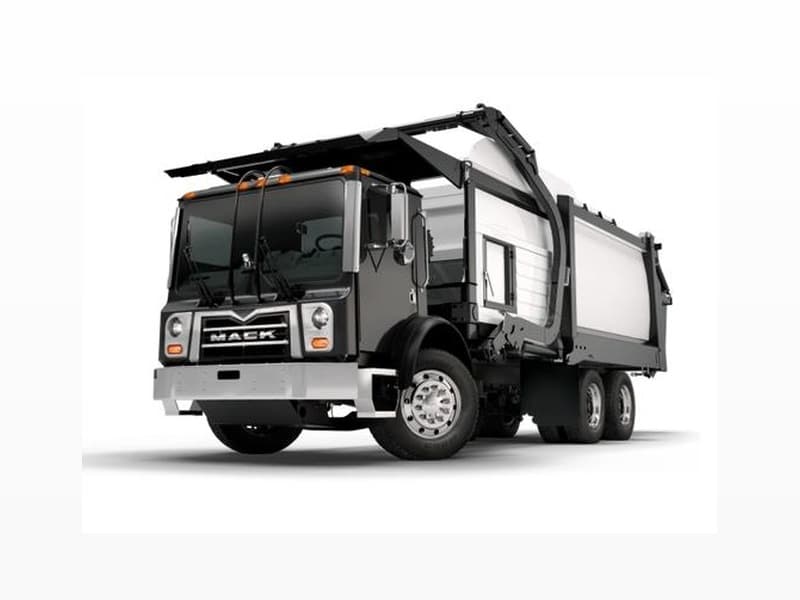
MP8 trucks see work across the spectrum of Class 8 applications — Anthem and Pinnacle long-haul fleet tractors, heavy vocational Mack Granite configurations, oilfield service Mack trucks, and heavy-haul tractor applications. The failure patterns track duty cycle:
MP8 intake-side soot loading at high mileage. Like other modern heavy diesels, the MP8 develops intake soot loading driven by EGR rates and combustion characteristics. The pattern accumulates over hundreds of thousands of miles in long-haul service and arrives faster on vocational duty. Heavy-haul and oilfield MP8s see intake loading particularly fast given the sustained high-load operation.
DEF dosing failures from age and duty. Standard post-2010 pattern. DEF dosing valves fail past 400,000-500,000 miles in long-haul service, earlier in vocational service. NOx sensors drift, SCR efficiency drops, inducement countdowns build.
EGR cooler degradation. Standard pattern across modern heavy diesels. Coolant intrusion into intake, intermittent fault codes, eventual catastrophic failure. MP8s in heavy-haul or oilfield service see this pattern earlier than highway-cycle MP8s.
Fleet decommissioning preparation. A significant share of our MP8 work involves preparing used Mack trucks for export markets or off-road resale. Calibration changes for international markets, delete preparation for off-road buyers, and ECM resets after fleet ownership changes are common requests from dealer partners.
Heavy-haul performance tuning. MP8s in heavy-haul service — particularly trucks pulling oilfield, heavy machinery, or specialized heavy loads — benefit substantially from calibrations matched to the actual duty cycle. Stock fleet long-haul tuning is conservative on the upper end; calibration changes can deliver +50-100 hp with proportional torque on most rating variants within safe envelopes.
ECM Identification
MP8 trucks run Mack's diagnostic architecture, accessible through the SAE J1939 9-pin connector with Mack-specific software — typically Mack Premium Tech Tool or its successors. Calibration libraries are MP8-specific and not interchangeable with Volvo D13 calibration sources despite the shared architecture.
Sending us the truck VIN, engine serial number, current calibration ID, and rating designation (Standard, HE, Super Econodyne) lets us scope the work and identify the correct calibration library before any quote.
What We Program On The MP8
Combined DPF + EGR + SCR Delete (Off-Road & Export)
For MP8 trucks dedicated to off-road service or export markets, combined delete eliminates the aftertreatment failure surface. Calibration is rewritten so the ECM stops expecting DPF, SCR, and DEF systems to be present. Paired with appropriate hardware kits, this is the standard preparation for export-bound MP8 Anthems, Pinnacles, and Granites.
Emissions Recalibration (On-Road Fleet Service)
For MP8 trucks staying in compliant fleet long-haul service, recalibration after aftertreatment hardware repair restores normal operation. Clears inducement countdowns, resets DEF dosing parameters, restores SCR efficiency tracking. Particularly valuable after DEF doser replacement, NOx sensor replacement, or SCR catalyst service.
Heavy-Haul And Oilfield Performance Tuning
MP8s in heavy-haul, oilfield service, and similar sustained-high-load applications benefit from performance tuning matched to actual duty cycle. The work delivers broader torque plateaus at working RPM, sharper response to load changes, and improved boost recovery from low-RPM lugging. Gains of 50-100 hp with proportional torque are typical.
Fleet Volume Programming
Long-haul fleets, regional fleets, and heavy vocational operations running batches of MP8-powered Mack trucks typically work with us across multiple trucks. Fleet pricing applies, NDAs are routine.
Service Paths For MP8 Programming
All three standard service paths work. Ship-in is the most common — pull the ECM, ship to Fort Lauderdale, 2-3 day turnaround. Remote programming works for shops with Mack diagnostic software. On-site service is available for South Florida fleet customers and heavy-haul operators running multiple MP8 trucks.
Quotes return same business day. Tell us the year, the chassis (Anthem, Pinnacle, Granite), the rating variant if known, current fault codes, and intended use case. For fleet customers and dealer/broker partners, NDAs and volume pricing apply at typical scale.
MP8 vs. Volvo D13 — Practical Considerations
Mixed fleets running both Mack and Volvo trucks face a practical reality: the MP8 and D13 are architecturally similar engines, but the calibration ecosystems are entirely separate. Mack diagnostic software and Volvo diagnostic software don't substitute for each other, the calibration libraries are brand-specific, and the ECM access procedures differ in details that matter when programming work needs to be done correctly. Operators who consolidate calibration work with us across both brands get the operational simplicity of one phone call regardless of which truck has the problem, without sacrificing per-platform expertise.