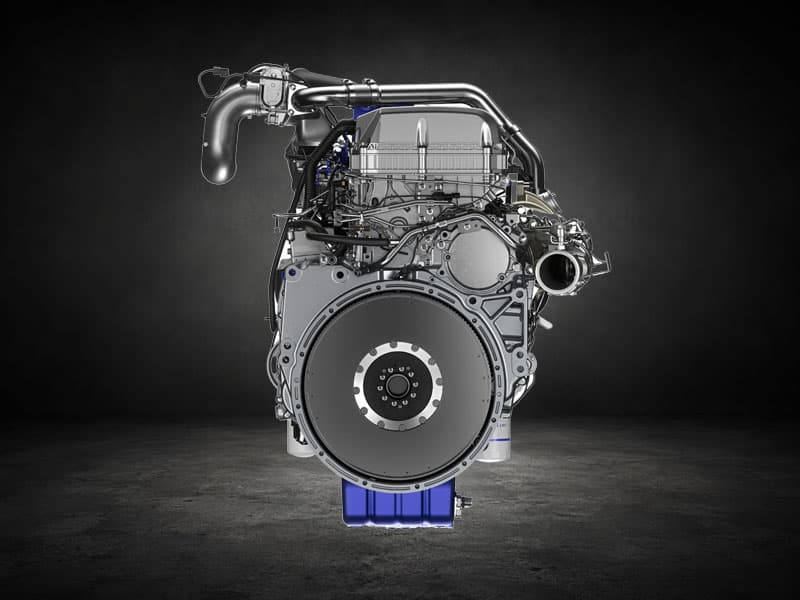
Turbo Compounding For Fuel Economy
The Volvo D13TC is the turbo compound variant of the standard D13 platform, introduced in 2016 as Volvo's fuel-economy answer for fleet long-haul customers focused on per-mile operating cost. Turbo compounding is a fundamentally different efficiency strategy from the calibration optimization that defines the Mack MP8HE or similar fuel-economy variants — the D13TC adds a second turbine to the exhaust stream that recovers otherwise-wasted exhaust energy and feeds it back to the crankshaft, delivering measurable fuel-economy improvements through hardware rather than purely through calibration.
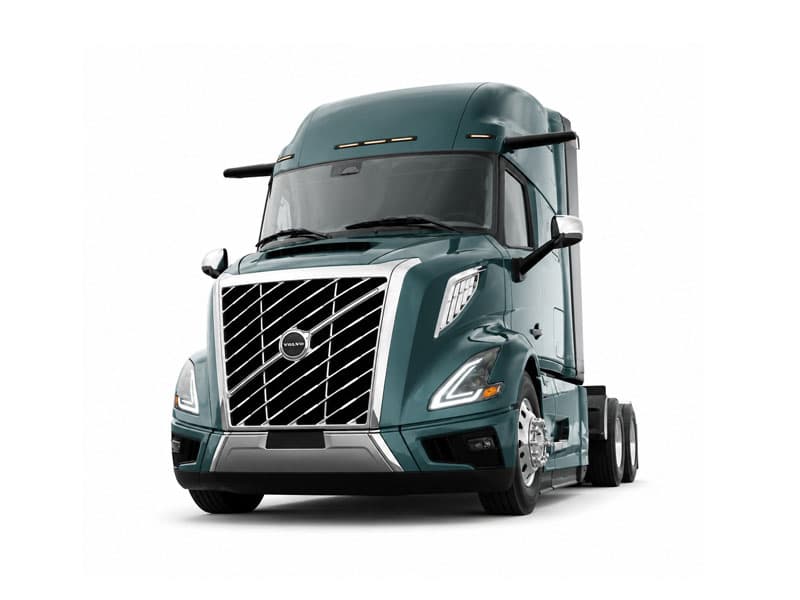
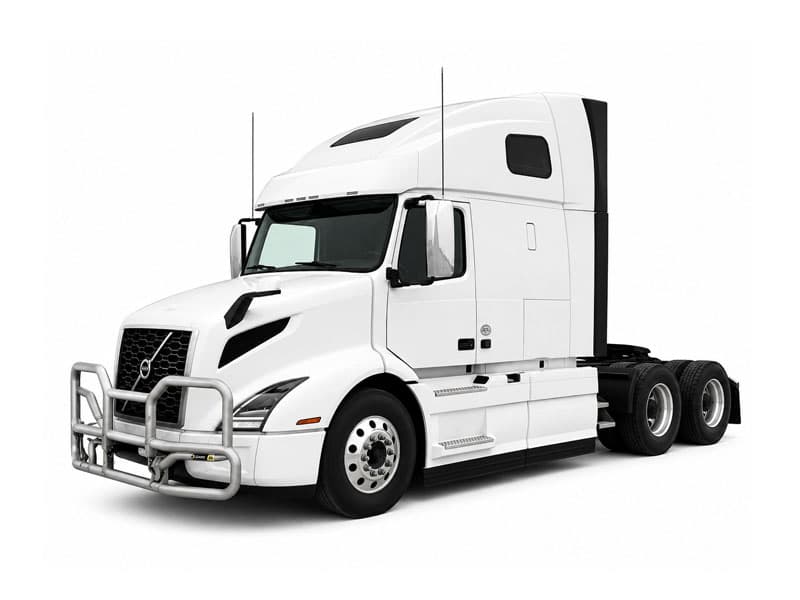
Power ratings on the D13TC run from 405 to 455 horsepower with peak torque from 1,650 to 1,850 lb-ft. The platform appears primarily in Volvo VNL 760 and VNL 860 long-haul tractors spec'd specifically for fuel economy by fleet operators tracking MPG carefully. The TC designation reflects both the hardware addition (the turbo compound assembly) and the calibration architecture that integrates that hardware into the broader Volvo platform.
Why D13TC Trucks Come To Our Bench
D13TC work has its own pattern that differs from standard D13 work in important ways:
Turbo compound assembly maintenance complexity. The TC assembly adds hardware complexity that the standard D13 doesn't carry. Maintenance and service intervals for the TC components are specific to the platform, and operational stress on those components varies with operating pattern. While we don't service the TC hardware directly, the calibration response to TC-related issues matters significantly to operational performance.
DEF dosing failures at high mileage. Standard post-2010 pattern. D13TC trucks in fleet long-haul service typically run high annual mileage, accumulating DEF system wear faster than vocational platforms.
Fuel-economy calibration sensitivity. The D13TC calibration is tightly optimized for specific operating conditions — typical highway cruise speeds, specific load ranges, and the operational pattern of fleet long-haul service. When D13TC trucks transition to operational patterns outside that envelope, the TC calibration sometimes produces results that are meaningfully worse than the standard D13 calibration would deliver.
TC-specific calibration revisions. Volvo has issued multiple calibration revisions during the D13TC production run, with some revisions affecting actual MPG performance in fleet service. Fleet customers tracking MPG carefully sometimes find that recent dealer-installed calibrations underperform earlier versions for their specific operational pattern.
Used-truck preparation. Used D13TC trucks transitioning to second-life service or export markets often need calibration work to match the new operational pattern, where the TC hardware may not deliver the expected economy under non-fleet operating conditions.
ECM Identification
D13TC trucks run Volvo's current ECM architecture, accessible through SAE J1939 9-pin with Volvo Premium Tech Tool. The calibration libraries are D13TC-specific and distinct from standard D13 libraries — the TC hardware integration requires specific calibration logic that the standard D13 calibrations don't carry.
Sending us the truck VIN, engine serial number, current calibration ID, and operational context lets us scope the work and identify the correct calibration approach.
What We Program On The D13TC
Fleet Fuel-Economy Tuning
For fleet customers running D13TC trucks in the conditions the TC calibration was designed for, optimization can deliver measurable MPG improvements over baseline — typically 0.3-0.7 MPG depending on conditions and starting state. Across fleet annual mileage this adds up substantially.
Duty-Cycle Recalibration
For D13TC trucks transitioning to operational patterns outside the original design envelope, recalibration matched to actual duty cycle restores expected operational characteristics.
Combined DPF + EGR + SCR Delete (Off-Road & Export)
For D13TC trucks dedicated to off-road service or export markets, combined delete eliminates the aftertreatment failure surface. The calibration approach accommodates the TC hardware integration.
Calibration Version Management
For D13TC customers wanting to revert from a dealer-installed calibration revision that changed economy unfavorably, we identify available alternative versions and apply the one that best matches operational priorities.
Service Paths For D13TC Programming
Ship-in is the most common path. Pull the ECM, ship to Fort Lauderdale, 2-3 day turnaround. Remote programming works for shops with Volvo Premium Tech Tool. On-site service is available for South Florida fleet customers.
Quotes return same business day. Tell us the year, the chassis (VNL 760, VNL 860), current fault codes, actual operating pattern (annual mileage, typical loads, route profile), and current calibration ID. For fleet customers tracking MPG carefully, the operational context matters significantly because the TC calibration optimization is so tightly tied to specific operating conditions.
Turbo Compounding As Operational Reality
Turbo compounding has been around as a diesel technology since the 1940s — Wright aircraft engines, Scania trucks in Europe — but its application in North American Class 8 trucking only really took hold in the mid-2010s as fleet customers started focusing heavily on per-mile operating costs. The Detroit DD15 turbo compound (DD15-GHG17) entered the market around the same time as the Volvo D13TC, and both platforms represent meaningful engineering effort to extract additional fuel economy through hardware rather than just calibration.
From a calibration standpoint, the D13TC is a more interesting platform to work with than the standard D13 specifically because the TC hardware integration adds complexity that creates both opportunities and constraints. Used-truck buyers acquiring D13TC trucks for operations different from the original fleet use sometimes find the TC designation doesn't deliver the expected economy because the operating pattern has changed. We work with those customers to assess whether the TC calibration optimization still makes sense for the new operational pattern, or whether different calibration approaches better match what the truck is actually doing.