Mack's Mid-Heavy Vocational Engine
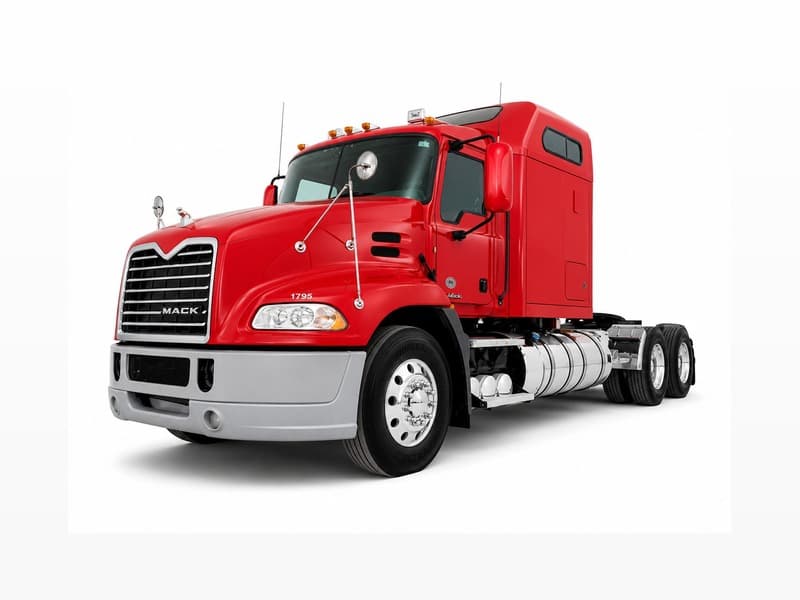
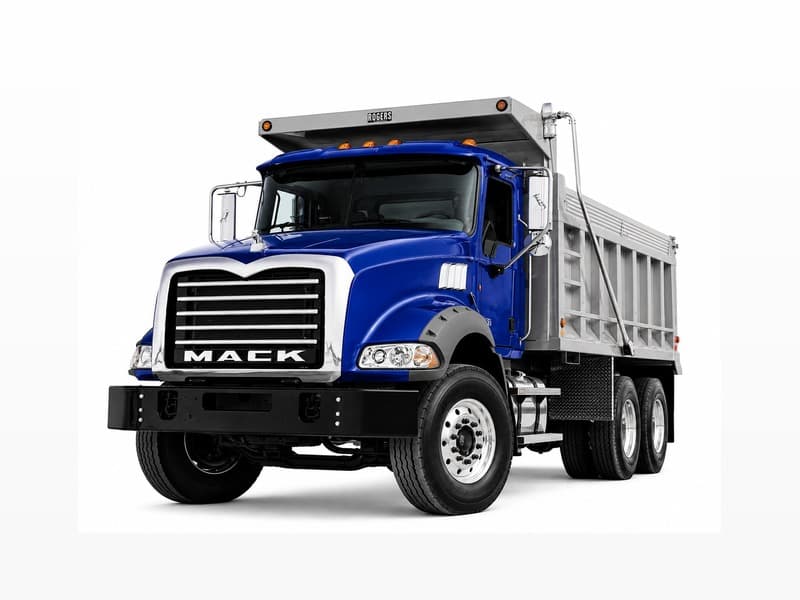
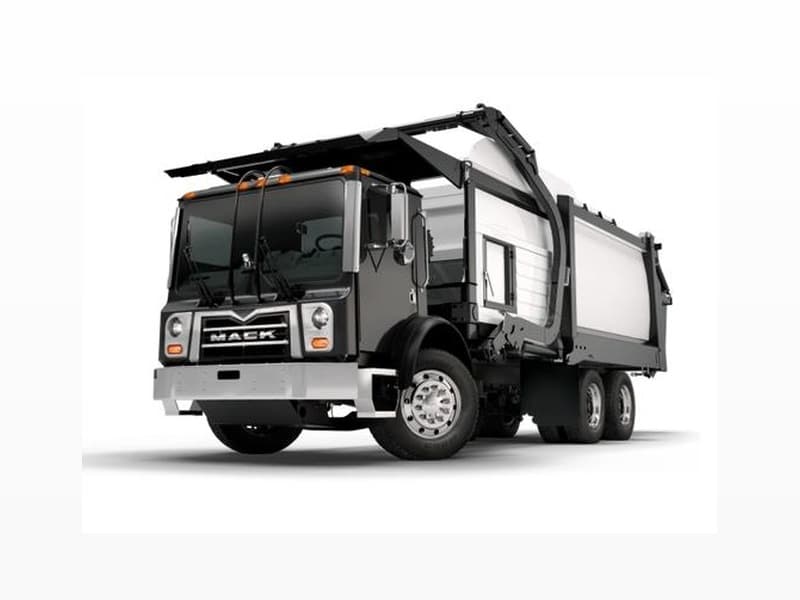
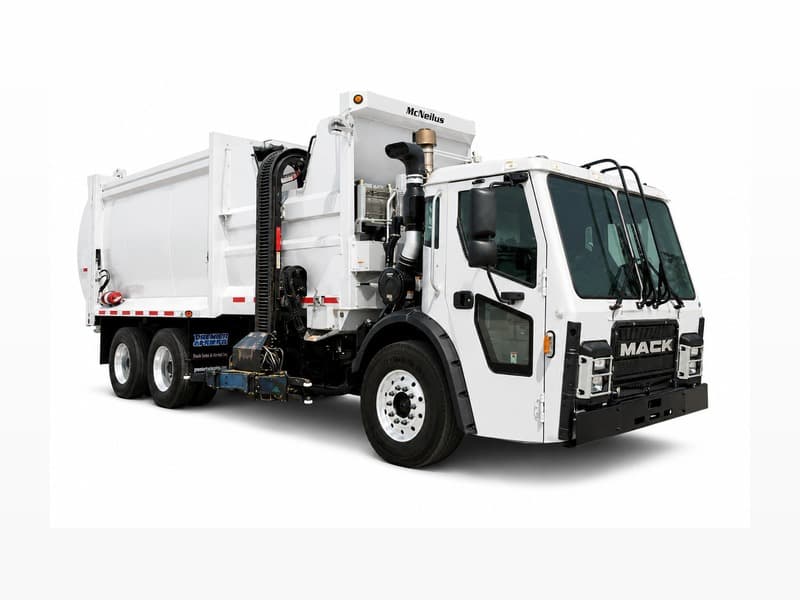
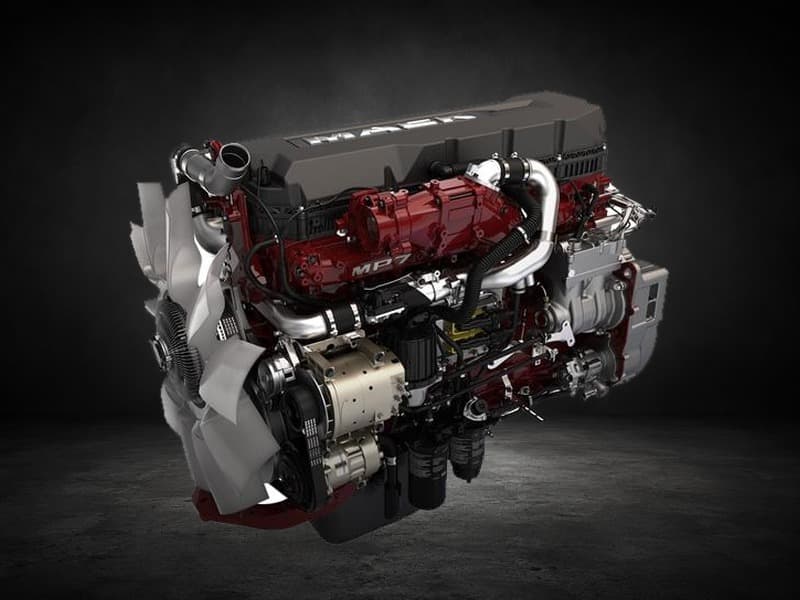
The Mack MP7 is the 10.8-liter inline-six that anchors Mack's mid-heavy Class 8 lineup. Launched in 2006 as Mack's modern fleet vocational engine, the MP7 became the standard power option for Mack Granite vocational trucks, Mack TerraPro refuse trucks, Mack Pinnacle regional fleet tractors, and a wide range of vocational Class 8 chassis where the larger MP8 wasn't required. Power ratings on the MP7 run from 325 to 425 horsepower with peak torque from 1,260 to 1,560 lb-ft.
From a calibration standpoint, the MP7 shares substantial architectural DNA with the Volvo D11 — Mack has been a Volvo Group subsidiary since 2000, and the modern Mack engines were engineered in coordination with their Volvo counterparts. The MP7 and Volvo D11 share fundamental engine architecture; the differences are in calibration, ECM family, and brand-specific tuning targets. This matters operationally because the diagnostic and calibration tooling for MP7 work is Mack-specific rather than universally Volvo-compatible.
Why MP7 Trucks Come To Our Bench
MP7 trucks see most of their work in vocational applications — Mack Granite dump trucks, mixer trucks, vacuum trucks, and the broader vocational Class 8 mix; Mack TerraPro refuse trucks in residential and commercial collection service; Mack Pinnacle regional fleet tractors in mixed long-haul and regional duty. The failure patterns track the duty cycle:
Vocational duty cycle DPF derate. Mack Granite dump trucks doing short hauls between quarry and job site, TerraPro refuse trucks running residential routes, and similar vocational MP7 applications rarely give the DPF sustained passive regen temperatures. Active regens trigger constantly. The cycles often don't complete because the truck shuts down between jobs. Soot accumulation builds, ash loading reaches limits, and derate hits in the 200,000-400,000 mile window depending on application severity.
DEF dosing failures from thermal cycling. Standard post-2010 pattern. DEF dosing valves fail past 250,000 miles, NOx sensors drift, inducement countdowns build. Vocational MP7 trucks see this cadence earlier than highway tractors due to the thermal cycling pattern of vocational duty.
EGR cooler degradation. Standard pattern across modern heavy diesels, including the MP7. Coolant intrusion into intake, intermittent fault codes, eventual catastrophic failure if left untreated.
PTO calibration issues on vocational apparatus. Mack Granite trucks with significant PTO duty — vacuum trucks, hydraulic-driven specialty equipment, fire apparatus on Mack chassis — sometimes encounter ECM logic that doesn't handle extended stationary engine operation gracefully. Nuisance faults accumulate that don't represent real hardware problems.
ECM Identification
MP7 trucks run Mack's diagnostic architecture, with the V-MAC IV electronic engine management family on most production years. Diagnostic access is through the standard SAE J1939 9-pin connector, but actual calibration tools require Mack diagnostic software — typically Mack Premium Tech Tool or its successors. The calibration libraries are Mack-specific and don't transfer from Volvo D11 sources despite the shared architecture.
Sending us the truck VIN, engine serial number, and current calibration ID lets us scope the work and identify the correct calibration library before any quote.
What We Program On The MP7
Combined DPF + EGR + SCR Delete (Off-Road & Export)
For MP7 trucks dedicated to off-road service — refuse operations under specific off-road designations, dedicated construction site work, mining support — combined delete eliminates the aftertreatment failure surface entirely. Calibration is rewritten so the ECM stops expecting DPF, SCR, and DEF systems to be present, paired with appropriate hardware kits.
Emissions Recalibration (On-Road Vocational)
For MP7 trucks staying in compliant fleet service — most refuse operations, public works fleets, and regional fleet tractors need this path — recalibration after aftertreatment hardware repair restores normal operation. Clears inducement countdowns, resets DEF dosing parameters, restores SCR efficiency tracking.
Performance Tuning For Vocational Loads
MP7s in heavy vocational service benefit from calibrations matched to actual duty cycle. Stock calibrations target the average vocational use case; targeted tuning delivers broader torque plateaus at working RPM and improved throttle response under variable load. Power gains of 30-50 hp with proportional torque are typical within safe envelopes.
Fleet Programming
Refuse operations, public works fleets, and construction fleets running batches of MP7-powered Mack trucks typically work with us across multiple trucks. Fleet pricing applies, NDAs are routine.
Service Paths For MP7 Programming
Ship-in is the most common path. Pull the ECM, ship to Fort Lauderdale, 2-3 day programming turnaround, ship back. Remote programming works for shops with their own Mack diagnostic software. On-site service is available for South Florida fleet customers running multiple MP7 trucks — refuse haulers and construction fleets in particular.
Quotes return same business day. Tell us the year, the chassis (Granite, Pinnacle, TerraPro), current fault codes, and the truck's primary application. For refuse and public works fleets, NDAs and fleet pricing apply at typical scale.
The Refuse Fleet Conversation Pattern
A substantial share of our MP7 work comes from refuse operations running Mack TerraPro batches. The conversations have a consistent pattern — a fleet of 15-30 TerraPros hits the point where aftertreatment failures start clustering, the dealer cost per truck-event is in the $5,000-$8,000 range, and the operations manager realizes the trucks are spending too much time off-route. For refuse operations specifically, the route schedules drive the operational pressure: routes that don't get covered today become tomorrow's customer complaints. Calibration work that removes the recurring aftertreatment failure mode addresses the underlying source of the schedule pressure, and the math typically favors that path once a fleet has experienced the third or fourth round of dealer-side service per truck.