Volvo's Workhorse Class 8 Diesel
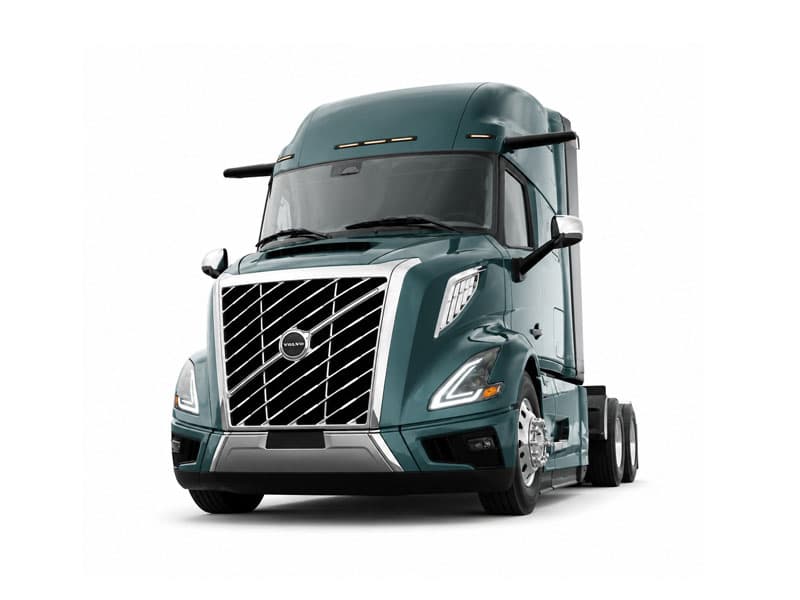
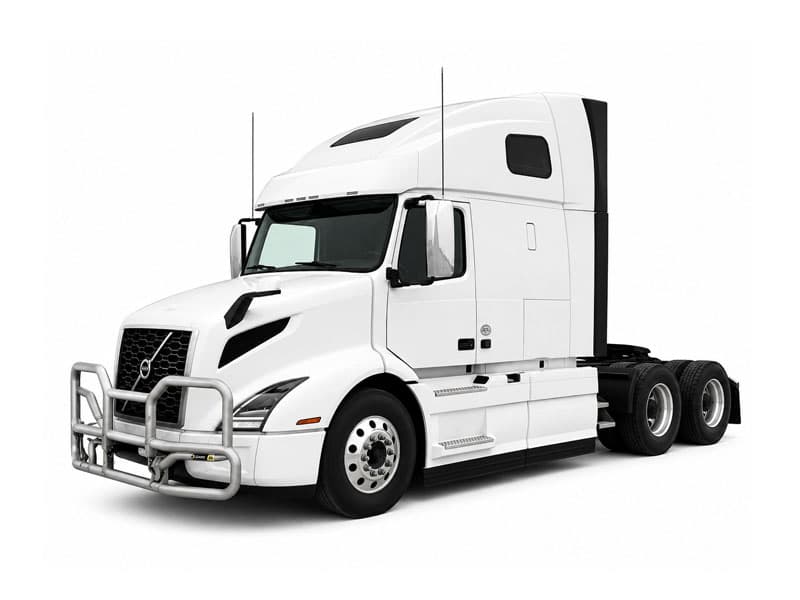
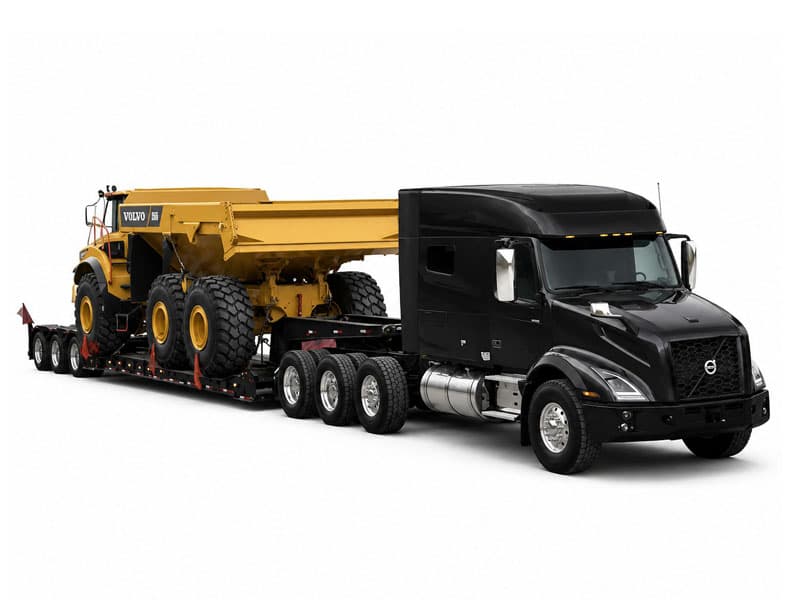
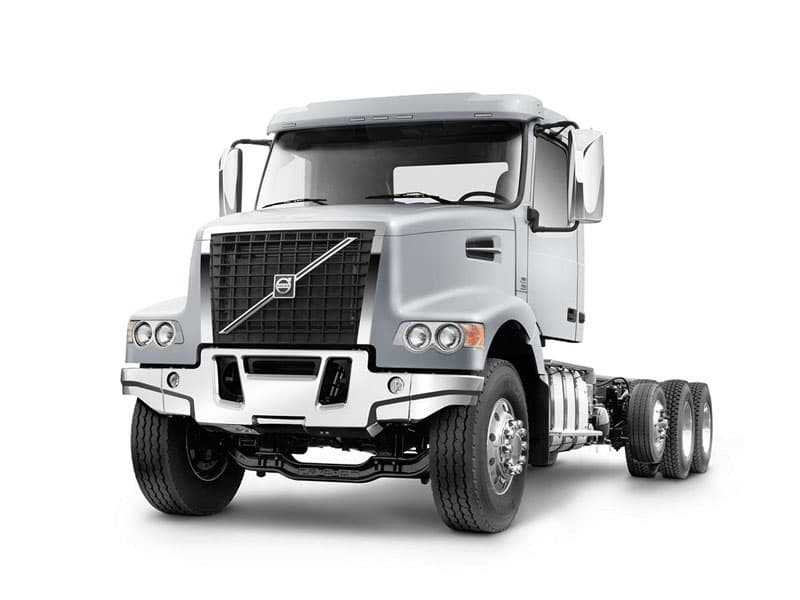
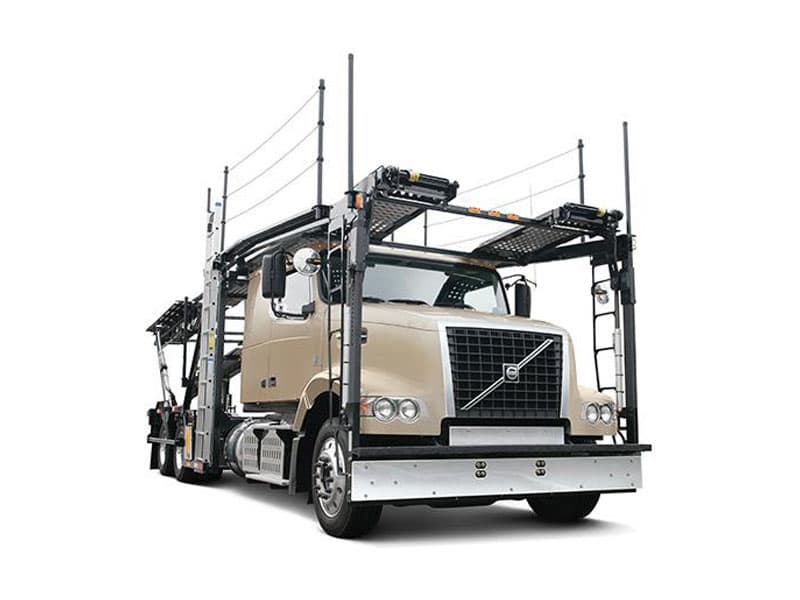
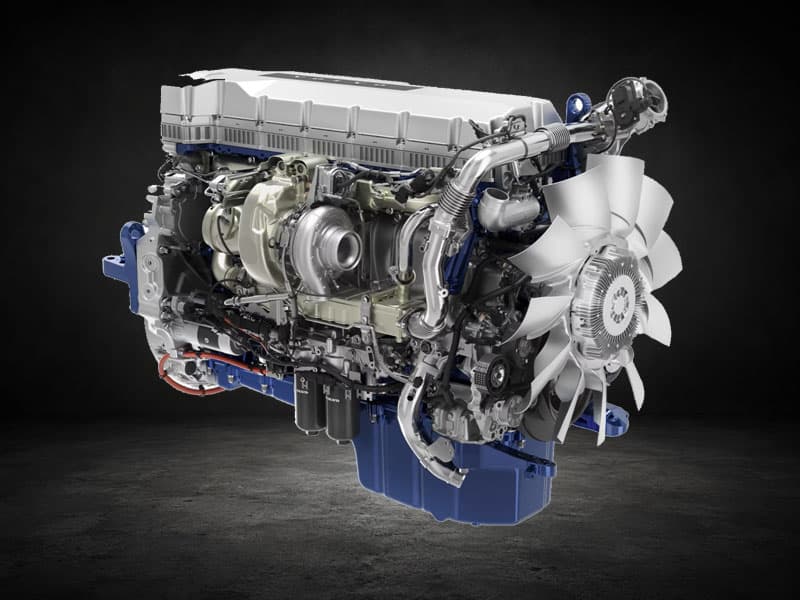
The Volvo D13 is the 12.8-liter inline-six that anchors Volvo's modern Class 8 lineup. Launched in 2007 and refined through multiple generations since, the D13 is the standard engine in Volvo VNL long-haul tractors, Volvo VNR regional tractors, Volvo VHD vocational chassis, and lighter configurations of the Volvo VNX heavy-haul platform. Power ratings on the D13 run from 375 to 500 horsepower with peak torque from 1,450 to 1,850 lb-ft, with multiple rating-specific calibration variants targeting different operational priorities — fuel economy, performance, and balanced general-purpose tuning.
The D13 shares fundamental architecture with the Mack MP8 — both are Volvo Group engines built in coordination — but the calibration ecosystems and diagnostic tooling differ between the two brands. For practical operational purposes, D13 work and MP8 work are distinct from a software and tooling standpoint, even though the underlying engine architecture has substantial overlap.
Why D13 Trucks Come To Our Bench
D13 trucks represent a significant share of modern Class 8 fleet operation in North America. The failure patterns we see track standard post-2010 modern diesel architecture with D13-specific variations:
High-mileage DPF derate. Long-haul D13 trucks generally handle passive regen well during their fleet operational life, but accumulated ash loading eventually reaches limits. The pattern typically arrives in the 500,000-700,000 mile window for highway service. D13 trucks transitioned to regional or vocational duty after fleet long-haul service often hit DPF problems faster as the duty cycle changes.
DEF dosing failures at high mileage. Standard post-2010 pattern. DEF dosing valves fail past 500,000 miles, NOx sensors drift, SCR efficiency drops, inducement countdowns build.
EGR cooler degradation. Standard pattern across modern heavy diesels. The D13's EGR system develops the typical coolant intrusion and intake fouling patterns at high mileage.
Fleet decommissioning preparation. A substantial portion of our D13 work involves preparing used Volvo trucks for export markets or off-road resale. Volvo VNLs and VNRs have meaningful export-market demand, particularly into Latin America and select international markets. Calibration changes for international fuel quality, delete preparation for off-road buyers, and ECM resets after fleet ownership changes are routine requests.
VHD vocational duty cycle issues. D13s in Volvo VHD vocational service — dump, mixer, refuse, vacuum, fire/EMS apparatus — encounter the short-cycle DPF stress and PTO calibration challenges that affect all modern vocational platforms. The patterns are similar to what we see on MP8-powered Mack Granite and Cummins-powered Kenworth T880 vocational trucks.
ECM Identification
D13 trucks run Volvo's diagnostic architecture, accessible through the SAE J1939 9-pin connector with Volvo-specific software — typically Volvo Premium Tech Tool (Premium Tech Tool is shared across Volvo and Mack platforms, but the calibration libraries within it are brand-specific). Programming requires the appropriate Volvo calibration libraries for the year and rating variant.
Sending us the truck VIN, engine serial number, current calibration ID, and rating variant lets us scope the work and identify the correct calibration library before any quote. For D13 work specifically, we also ask about whether the truck has received any recent Volvo dealer flash updates, because Volvo has issued multiple calibration revisions during the D13's production run that affect how delete and recalibration work is executed.
What We Program On The D13
Combined DPF + EGR + SCR Delete (Off-Road & Export)
For D13 trucks dedicated to off-road service or export markets, combined delete eliminates the aftertreatment failure surface. Standard preparation for export-bound Volvo VNLs, VNRs, and VHDs, and for off-road dedicated VHD vocational trucks.
Emissions Recalibration (On-Road Fleet Service)
For D13 trucks staying in compliant fleet service, recalibration after aftertreatment hardware repair restores normal operation. The work is particularly common during fleet rotation periods when Volvo trucks are being prepared for second-owner service or relocated to different operational territories.
Performance Tuning
D13s in heavy-haul, oilfield, and similar sustained-high-load applications benefit from calibrations matched to actual duty cycle. The work delivers broader torque plateaus and improved throttle response under variable load. Gains of 50-80 hp with proportional torque are typical within safe envelopes.
Fleet Volume Programming
Long-haul fleets, regional fleets, and vocational operations running batches of D13-powered Volvo trucks typically work with us across multiple trucks. Fleet pricing applies, NDAs are routine.
Service Paths For D13 Programming
All three standard service paths work. Ship-in is the most common — pull the ECM, ship to Fort Lauderdale, 2-3 day turnaround. Remote programming works for shops with Volvo Premium Tech Tool. On-site service is available for South Florida fleet customers running multiple D13-powered Volvo trucks.
Quotes return same business day. Tell us the year, the chassis (VNL, VNR, VHD, VNX), current fault codes, and intended use case. For fleet customers and dealer/broker partners moving used Volvo trucks, NDAs and volume pricing apply at typical scale.
Dealer And Broker Volume On Used VNLs
The used-truck market for D13-powered Volvo VNLs is one of the more active export pipelines in North American Class 8. Dealers and brokers handling used VNL inventory routinely consolidate their calibration work — delete preparation for off-road and export buyers, recalibration for trucks staying in compliant resale — with a single programming partner because the volume justifies it and the per-truck cost is meaningfully lower than handling each transaction individually. We work with multiple dealer and broker partners on recurring D13 work, with NDAs in place and scheduling coordinated to match inventory flow.